São Tomé International Airport (TMS) — Airport Guide 2026
São Tomé International is the only air entry point to one of the world’s least-visited sovereign states — a two-island nation of roughly 230,000 people sitting on the Equator in the Gulf of Guinea — and its schedule is built around a single indispensable fact: there is one flight to Europe that matters, TAP Air Portugal to Lisbon.
Quick Reference
São Tomé International Airport
TMS / FPST
Northern edge of São Tomé city, São Tomé and Príncipe
~3 km — roughly 10–15 min
Taxi (~US$5; agree fare before you get in — no meters)
São Tomé and Príncipe dobra (STN) — pegged €1 = 24.5; euros widely accepted
Visa-free 15 days for US, Canada, EU/Schengen; e-Visa required for UK and most others
Yellow fever certificate mandatory
Pay-in VIP lounge; Priority Pass not confirmed
TAP Air Portugal (Lisbon, often via Accra), STP Airways (Lisbon), Africa’s Connection (Príncipe + regional)
🏢 The Terminal
TMS is a single-terminal, single-runway airport, and the schedule looks exactly like what you’d expect from an island nation with fewer international air connections than most mid-sized European cities. TAP Air Portugal carries the main Lisbon link, sometimes routing via Accra. STP Airways runs its own Lisbon service. Africa’s Connection covers the short hop to the sister island of Príncipe and various regional points. Other African carriers appear and disappear. On any given day, a handful of flights carry most of the total traffic.
This is not a complaint — it is useful information. The terminal processes low volumes, clears quickly, and does not offer the diversions of a busy hub. Arrive with time to spare for the border, not because the queues are long but because the flight schedule is thin and you do not want to be the person who missed the one departure of the week.
🛂 Border & Visa
São Tomé and Príncipe runs its own entry system, independent of any regional bloc, and the rules split sharply by passport.
US, Canada and EU/Schengen: visa-free for 15 days. No prior application required — just a valid passport and the yellow fever card (see below). Fifteen days is notably short if you are planning anything beyond a brief visit; a longer stay requires a visa obtained before travel.
UK citizens and most other nationalities: the visa-free regime does not extend here. You need an e-Visa, applied for online through the official São Tomé e-Visa portal before you travel. Do not assume the EU rule applies to a UK passport — it does not.
⚠️ Yellow fever certificate — mandatory, no exceptions
A valid yellow fever vaccination certificate is required to enter São Tomé and Príncipe. Carry the physical yellow card. The vaccine should be valid beyond your arrival date. Without it, entry can be refused at the border.
🛂 UK passport holders: apply online before you fly
The EU visa-free rule does not extend to UK passports. An e-Visa must be obtained through the official portal prior to travel. Turning up without one is a gamble on a thin flight schedule where the next departure back might be days away.
🚕 Getting Into São Tomé City
The airport sits about 3 km from the centre of São Tomé — roughly 10–15 minutes by taxi, which is how almost everyone travels this route. There is no rail connection and no practical bus service configured for airport runs with luggage.
Taxis wait outside the terminal. The fare to the centre is small — around US$5, though some drivers quote €10–20 — but the standard here is no meters and negotiate before you get in. The post-ride price disagreement is a common enough outcome at island airports that it deserves a direct warning rather than a euphemism. Agree the fare before your bags are loaded.
Shared minibus taxis (the local transport system) circulate around the city but are not set up for airport runs with luggage. For most arrivals, a private taxi or hotel pickup is the straightforward choice, and given the short distance, neither option is expensive.
🚖 Taxi — ~US$5, 10–15 min, no meters
Taxis wait outside the terminal. Agree the price before you get in — the fare to the centre is small, but meters don’t exist here and the after-the-fact quote is a predictable problem. Many hotels arrange a pickup; ask when you book.
🛋️ Lounges
TMS has a small VIP lounge in the terminal, used by some business- and first-class passengers and available to others for a walk-in fee. Priority Pass acceptance is not confirmed — do not count on a network card getting you access. Treat it as a pay-in lounge and verify on the day.
🛋️ VIP lounge — pay-in; Priority Pass unconfirmed
There is a lounge in the terminal, and it is genuinely more than most airports of this size offer. But Priority Pass status has not been confirmed here, so set expectations accordingly: if lounge access matters, check in advance against your own card. The fallback is basic terminal seating and a café.
💰 The Dobra, Euros & Cash Reality
The local currency is the São Tomé and Príncipe dobra (STN), pegged to the euro at a fixed rate of €1 = 24.5 dobra. In practice, euros circulate freely across the islands — many prices are quoted in euros and can be paid in them, which is genuinely unusual and convenient for European visitors.
Card acceptance is limited outside the bigger hotels. ATMs are few. The practical answer is to arrive with euro cash, which will work across most of the islands’ transaction situations. Carrying dobra is fine, but euros are the more useful denomination to have on hand.
💶 Bring euro cash
Card acceptance is limited outside larger hotels, and ATMs are few. Euros are widely accepted and often quoted alongside dobra (pegged at €1 = 24.5 STN), so euro cash covers the ground here more reliably than expecting card infrastructure. Carry enough for your full stay.
🍽️ Food & What to Buy Before You Fly
The food is Afro-Portuguese and island-fresh. The national dish is calulu — fish or meat slow-cooked with leafy greens and palm oil — and the seafood across the islands is good. Breadfruit, banana and tropical fruit are in wide supply. Tipping is modest.
For the departure: São Tomé’s chocolate is the standout carry-home. The islands were once the world’s largest cocoa producer, and the artisan chocolate made under the Claudio Corallo name is the most recognised product to buy here. Local Santomean coffee is the other option worth picking up before you fly.
🍫 Claudio Corallo chocolate — the one carry-home that matters
São Tomé was historically the world’s largest cocoa producer, and Claudio Corallo’s artisan chocolate is the name associated with the revival of that tradition. If you are buying one thing before your flight, this is it. Local coffee is the secondary option.
💡 Layover & the Island
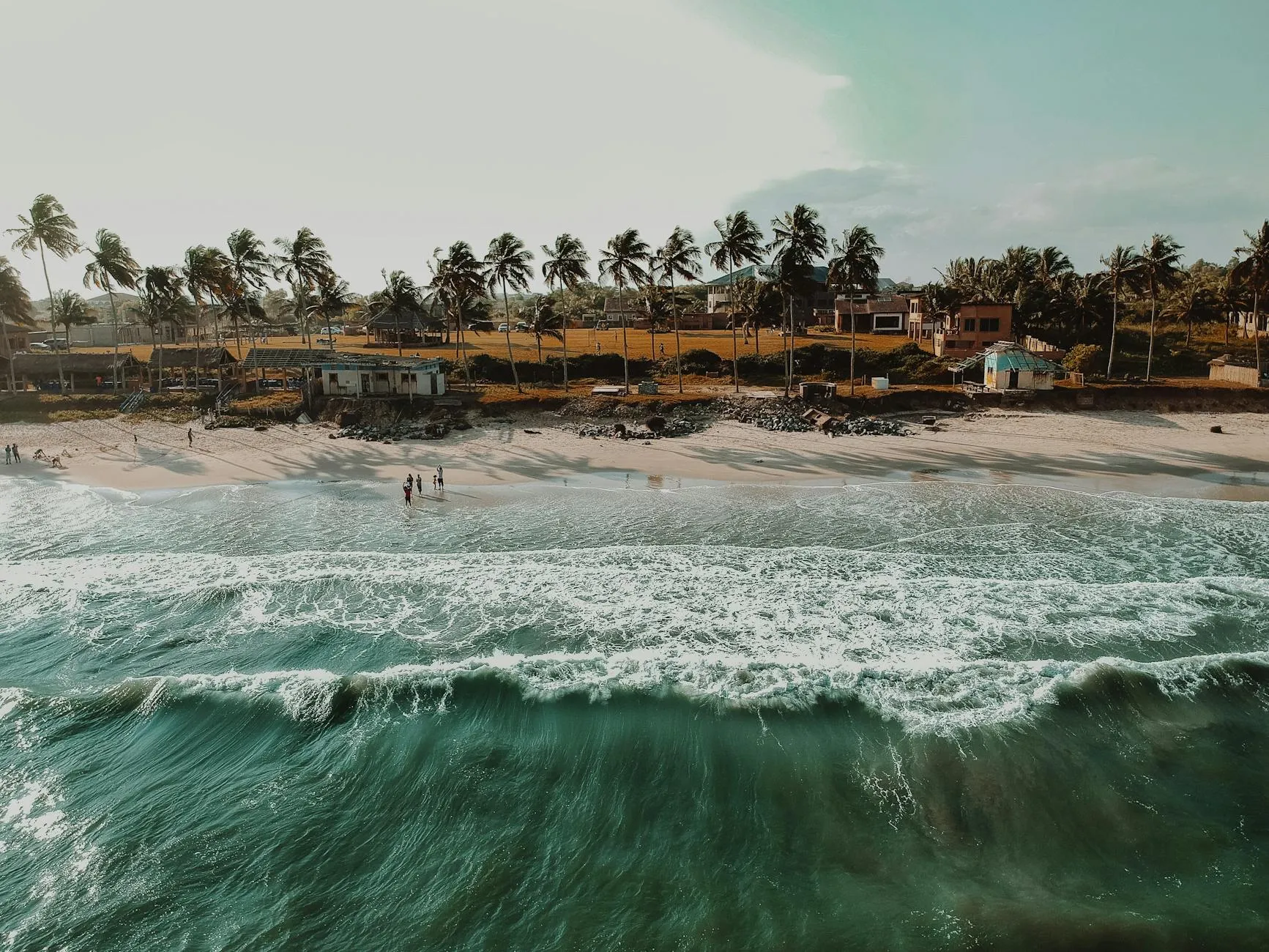
São Tomé is a dramatic equatorial island — a volcanic mass draped in rainforest, rising sharply from the ocean — and its signature landscape image is Pico Cão Grande, a 663-metre volcanic needle that spikes out of the jungle in the south. The Obô Natural Park covers the interior rainforest. The islands sit on the Equator, marked at the islet of Ilhéu das Rolas off the southern tip. The countryside is dotted with roças — the grand, largely decaying Portuguese colonial plantation houses — and the capital holds a colonial old town, the Forte de São Sebastião (now the national museum), a cathedral and a lively market.
Layover math: the airport is 3 km from the city — a 10–15 minute taxi. A three-to-four-hour layover comfortably reaches São Tomé city: the Forte de São Sebastião, the cathedral, the waterfront and the market, with enough time to return through the small terminal. Under three hours, the city is still reachable given the short hop, but the buffer is thin.
The island’s headline sights are not layover material. Pico Cão Grande, the southern beaches, the roças outside the capital and the Obô park interior are an hour-plus south and need a full day at minimum. Príncipe is a separate flight. São Tomé rewards a real stay — a day trip to the city on a long layover is perfectly worthwhile; the southern half of the island requires time you won’t have.
⏱️ Layover math: 3–4 hours reaches the city; the south needs a full day
The capital is 10–15 minutes by taxi. A three-to-four-hour layover covers the Forte de São Sebastião museum, the cathedral, the market and the waterfront with a return buffer. Pico Cão Grande, the southern beaches and the roças are an hour-plus south — not layover destinations. Príncipe is a separate flight entirely.
🧭 Before You Go
- Carry your yellow fever certificate — it is mandatory for entry, and refusal at the border is a real outcome if you don’t have it.
- Check your visa category: US/Canada/EU are visa-free for 15 days; UK and most others need an e-Visa obtained online before travel.
- The 15-day visa-free window is short — if you plan a longer stay, apply for a visa before you go.
- Bring euro cash: widely accepted, pegged at €1 = 24.5 dobra, and far more useful than relying on card infrastructure.
- The airport is ~3 km from the city — a short, inexpensive taxi; agree the fare before you get in, as meters are not used.
- The VIP lounge is pay-in with Priority Pass unconfirmed — set realistic expectations for the terminal.
❓ Frequently Asked Questions
📊 At a glance — TMS 2026
| Feature | Detail |
|---|---|
| Official name | São Tomé International Airport |
| IATA / ICAO | TMS / FPST |
| Location | Northern edge of São Tomé city, São Tomé and Príncipe (Gulf of Guinea, on the Equator) |
| Terminals | One terminal, single runway |
| Rail to centre | None |
| To the centre | Taxi ~US$5 (~10–15 min, ~3 km) — agree fare before boarding; no meters |
| Currency | Dobra (STN) — pegged €1 = 24.5; euros widely accepted; cash-heavy, few ATMs |
| Entry — US/Canada/EU | Visa-free, 15 days |
| Entry — UK & others | e-Visa required, applied online before travel |
| Health requirement | Yellow fever certificate mandatory |
| Lounges | Pay-in VIP lounge (Priority Pass not confirmed) |
| Dominant carriers | TAP Air Portugal (Lisbon, often via Accra), STP Airways (Lisbon), Africa’s Connection (Príncipe) |
| Best layover move | Taxi to São Tomé city — Forte de São Sebastião, cathedral, market (3–4 hr with buffer); island sights need a full day |