Flamingo International Airport (BON) — The Complete Master Guide 2026
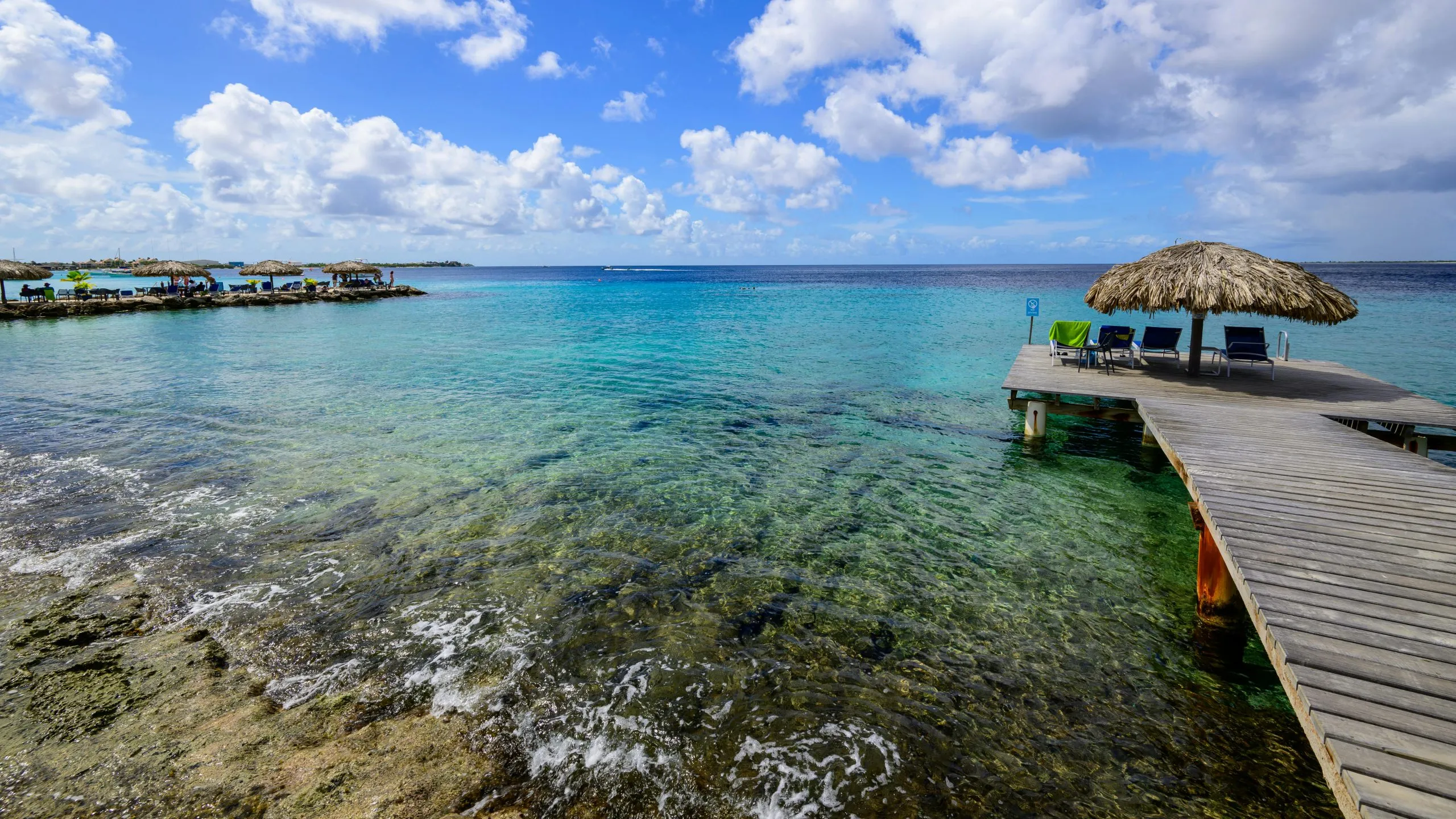
Bonaire is the diving island in the ABC chain — 86 named dive sites, mostly walk-in shore diving, all in the Bonaire National Marine Park (the oldest in the Caribbean, established 1979). The airport sits 5 km from Kralendijk, runs USD as currency, and connects you to the most authentic dive trip you can take in 2026 without a passport-currency-language puzzle.
Quick Reference
Bonaire is the smallest and most easterly of the ABC islands (Aruba-Bonaire-Curaçao) and has gone in a different political direction since 2010 — Bonaire is a Special Caribbean municipality of the Netherlands (along with Saba and St Eustatius), which means Dutch civil law applies, Dutch citizens can move there freely, and USD has been the official currency since January 2011. Bonaire airport is small (Annual passengers around 330,000) but punches above its weight for divers: KLM runs daily widebody from Amsterdam, Delta from Atlanta, and the rest is regional ABC connector traffic on Divi Divi Air, EZAir, and Winair.
Table of Contents
🏢 1. Terminals & the Single-Concourse Reality
Flamingo Airport (renamed in 2007 from Bonaire International) is intentionally small. The terminal you see today was modestly expanded 2017–2019 to handle the daily KLM 787 and the Delta-operated A330. Two jet bridges plus three hardstand positions; single concourse on one level; arrivals on the ground level next to baggage claim. Walking the building end-to-end takes 90 seconds.
Concourse and gate layout
Gate 1 handles widebody arrivals (KLM 787, Delta A330). Gate 2 handles narrowbody (TUI from Amsterdam). Hardstand positions 3–5 serve regional Divi Divi Air, EZAir, Winair turboprops to Curaçao, Aruba, and the SAB-EUX-AXA loop. Walking the terminal end-to-end takes about 90 seconds — this is one of the smallest international airports in the Caribbean.
Arrivals — the smooth small-airport experience
Two passport-control zones: Dutch/EU lane (4 e-gates as of 2023) and visitor lane (2 manned counters). Two baggage carousels handle widebody arrivals (typically 230 bags off a KLM 787). Customs runs the green/red split. The Bonaire Nature Fee (USD 75 annually for divers, USD 45 for non-divers) is checked at arrival — you can pay it online at stinapabonaire.org before arrival or at the kiosk at the airport.
Departures — check-in to security
Eight check-in counters in the small terminal. KLM (1–2), Delta (3), TUI (4), EZAir + Divi Divi + Winair (5–6), all others (7–8). Bag-tag-it kiosks at KLM only. Security has one lane plus a priority lane during peak (typically 06:00–09:00 outbound morning push). Both ICAO 100ml liquid rules. The airside is genuinely small — one duty-free shop, one cafe, one bar.
Family services, accessibility, the size reality
One family room landside, one airside (basic). No dedicated children’s play area — the airside seating is comfortable but uncrowded. Wheelchair assistance via airline 48 hours pre-flight; walk-in assistance has 15–30 minute wait. Lost-luggage office (handled by KLM ground services) on arrivals level; English-language service throughout.
Editor’s note — Flamingo is the most relaxing international Caribbean airport we’ve flown out of in 2025. The single-terminal layout means you cannot get lost; the cap on flight volume means security never feels crisis-mode; and the absence of a hub-carrier home base means there is no twelve-aircraft delay cascade. The 90-second-end-to-end concourse is a feature, not a bug — you can be at your gate within 4 minutes of clearing security.
🛂 2. Visa, Currency & the Special-Municipality Status
Bonaire became a Special Caribbean municipality of the Netherlands in 2010 (alongside Saba and St Eustatius), distinct from Aruba and Curaçao which are autonomous countries within the Kingdom of the Netherlands.
Visa-free entry — same rules as mainland Netherlands
USA, Canada, UK, EU/EEA, Switzerland, Israel, Japan, Singapore, South Korea, Australia, New Zealand, and most of Latin America enter visa-free for 90 days. Required: passport valid 3 months past departure (the EU rule), proof of funds, return ticket, accommodation address. Travelers from outside the visa-free list need a Caribbean Netherlands tourist visa from a Dutch consulate — processed in 4–8 weeks.
Currency — USD since January 2011
Bonaire adopted the US Dollar as its official currency in January 2011, replacing the Netherlands Antillean Guilder. Every menu, every dive package, every taxi rate is in USD. ATMs dispense USD; cards (Visa, Mastercard, AMEX) accepted at hotels, restaurants, dive shops. Tipping: 15–20% standard at restaurants (American convention). Most resorts include service in the rate.
STINAPA Nature Fee — the mandatory dive levy
Bonaire requires every visitor to pay a STINAPA Nature Fee — USD 75 annually for divers (covers the Bonaire National Marine Park entry), USD 45 annually for non-divers (covers the Washington-Slagbaai National Park and other terrestrial parks). Fee is good for one calendar year regardless of trip length. Pay online at stinapabonaire.org before arrival (saves time at the airport) or at the kiosk at BON. Required to dive anywhere in Bonaire waters — tag attached to your gear.
2026 anchor — The STINAPA Nature Fee was last updated in 2023 (USD 75 dive / USD 45 non-dive) and remains the single most important pre-arrival logistical item for Bonaire visitors. The USD currency since 2011 has stabilised tourism economics; Bonaire is now one of the simplest Caribbean entries for US travelers in terms of language, currency, and infrastructure.
🚚 3. Transport — BON to Kralendijk & the Dive Sites
Bonaire is small (294 sq km), and the airport sits just 5 km north of Kralendijk (the capital, on the southwest coast). Most resort hotels are within 10 km of the airport; the Washington-Slagbaai National Park is at the northern tip (35 km, 1 hour); the southern salt flats and slave huts are at the southern tip (28 km, 45 minutes). There is no Uber, no Lyft. Taxi or rental car are your only options — rental car is genuinely sensible because of the dive-site access pattern.
Taxi — regulated rates, predictable
Government-regulated rates from the airport rank: BON to Kralendijk 12–18 USD; BON to most resort hotels 18–25 USD; BON to Washington-Slagbaai National Park 65–85 USD round-trip; BON to southern salt flats 30–45 USD round-trip. Drivers accept USD; some accept card via Sumup terminals. (Note: the Netherlands Antillean guilder/ANG is fully retired since July 2025 and is no longer accepted.) Surcharge after 22:00 is +25%.
Rental car — near-essential for divers
Most divers rent a pickup truck (USD 50–75/day for a small Toyota Hilux or similar) because shore-diving in Bonaire means driving to dive sites with tank-and-gear in the truck bed. All major chains (Hertz, Avis, Budget) on-site at BON plus local outfits (AB Carrental, Bonaire Trucks, Pickup Rental Bonaire). Driving on the right (Dutch convention), all signage in English and Dutch, fuel ~1.50 USD/litre. Insurance: bring credit-card CDW or buy at counter (USD 12–20/day extra).
Hotel shuttles and dive-shop transfers
Several resort hotels (Captain Don’s Habitat, Bonaire Tours Caribbean, Plaza Beach Resort, Buddy Dive Resort) include free airport transfers in package bookings. Dive shops with on-site accommodation (Captain Don’s, Buddy Dive, Sand Dollar, Wannadive) similarly offer transfers. Verify before paying for separate taxi.
Island ferry to Klein Bonaire
Klein Bonaire (Little Bonaire) is the small uninhabited island 1 km west of the main island. Water taxi from Kralendijk runs daily, 10 USD round-trip per adult. Dive operators include Klein Bonaire boat-dive trips in their day packages. Snorkeling is excellent (often as good as full SCUBA for shallow corals). Klein Bonaire is part of the National Marine Park — STINAPA fee required.
Practical — Bonaire’s shore-diving model means rent-a-pickup is the standard way to get around. You drive to the dive site, set up at the truck, walk into the water, dive, exit, drive to next site. Most pickup rentals are USD 50–65/day and the dive shops will mount tanks-and-racks at no extra cost. For non-divers, taxi for the airport transfer plus daily taxis for excursions works fine.
🛍️ 4. Lounges — The Tiny-Airport Reality
Flamingo Airport has no lounge. None. The terminal is too small to support one. There is one airside cafe and one airside bar; both are functional. Priority Pass, LoungeBuddy, Diners Club, American Express Centurion all give zero benefit at BON. KLM Crown Lounge does not operate here despite KLM’s daily widebody. This is the smallest international Caribbean airport without a lounge.
No Plaza Premium, no airline lounges — the structural reality
BON is the only major Caribbean island airport without a Plaza Premium-class lounge. The KLM Crown Lounge is at AMS only; KLM business class passengers from BON are guided to the airside cafe. American, Delta business class similarly — no airline-operated lounge. The airside seating is the lounge.
The airside cafe — functional substitute
Located airside, single counter. Cold and hot Caribbean dishes: arepa (corn-flour pocket, 4 USD), kabritu stoba (goat stew, 12 USD), pastechi (savory empanada, 4 USD), espresso (3 USD), Heineken (4 USD), local Carib beer (4 USD). Service is efficient; the cafe is bright and uncrowded. Open during all flight operating windows.
The airside bar — rum cocktails and Caribbean pace
Located airside near the duty-free zone. Cocktails: rum punch (8 USD), mojito (8 USD), daiquiri (8 USD), pelukan (local rum cocktail with lime and orange, 9 USD). Bottled beer: Heineken, Carib, Polar (8 USD). Bartender uses Pampero Aniversario rum (Venezuelan, available because of geographic proximity). The pelukan is the local specialty — worth ordering once.
Showers and amenities
No public showers anywhere in BON terminal. Most divers shower at their resort or dive shop pre-departure. No multi-faith prayer room (the building is too small). Smoking permitted in designated outdoor area outside arrivals. Vaping rules same as cigarettes — outside only. Free Wi-Fi (around 15 Mbps) in the terminal, no login required.
Lounge math — BON is the one Caribbean airport where Priority Pass via credit card delivers zero benefit. Don’t expect mainland-quality lounge experience. The airside cafe and bar are the lounge equivalent and work fine for the typical 90–120-minute pre-flight wait. For longer waits, you’re better off staying at your resort and timing the airport arrival to your departure window.
🥩 5. Food, Duty-Free & the Pampero Question
Airport food at BON is functional rather than memorable — you eat better at any Kralendijk restaurant or any dive-resort buffet. But duty-free has two genuinely good buys: Pampero Aniversario rum (Venezuelan, hard to find in mainland US/EU shops at this price) and Bonairean salt — a heritage product harvested from the southern salt flats since the 1640s.
The airside cafe — the only airside meal option
Located airside. Local plates: kabritu stoba (goat stew, 12 USD), keshi yena (Edam-stuffed chicken, 14 USD), pisca kora (rooster fish, 16 USD when in season), nasi goreng (Indonesian-Dutch fried rice, 10 USD — reflecting Dutch colonial heritage), arepa (4 USD). Service is efficient; portions are honest; kitchen open 06:00–21:00.
The airside bar
Located airside near the duty-free zone. Cocktails: pelukan (local rum-citrus, 9 USD), mojito (8 USD), daiquiri (8 USD), rum punch (8 USD). Bottled beer: Heineken, Carib, Polar (Venezuelan), 8 USD. Bartender uses Pampero Aniversario as the house rum. The pelukan is the local specialty.
Local plates worth flying for — if you have time
Kabritu stoba: slow-cooked goat stew with vegetables, the unofficial national dish. Keshi yena: hollowed Edam wheel stuffed with spiced chicken — a colonial-Dutch dish unique to Curaçao and Bonaire. Iguana stoba (controversial but local): iguana stew, mostly seasonal. Funchi: cornmeal polenta. Pisca kora: rooster fish (when in season). All available at Cafe Bonaire or, with 30 minutes, at Kralendijk waterfront restaurants. Bonaire’s It Rains Fishes restaurant in central Kralendijk is the most-photographed local-food spot; 18–28 USD per plate.
Duty-free — rum, salt, the niche Caribbean buys
The serious duty-free buys are Pampero Aniversario rum (Venezuelan, USD 22–28 per 750ml — significantly cheaper than US specialty shops), Cadushy rum (Bonaire’s own distillery from cactus, USD 35–45), Awa di Lamunchi (Bonairean lime liqueur, USD 22–28), and Bonaire salt (USD 8–15 per 500g, harvested from southern salt flats since the 1640s). The salt is genuinely a heritage product and a smart, light-weight souvenir.
Eat-and-fly — Don’t leave BON without one pelukan, one kabritu stoba, and one bottle of Cadushy rum. The pelukan and the goat stew are your last Bonaire tastes; the Cadushy is genuinely unique to the island and worth the 40 USD. If your timetable allows, taxi to It Rains Fishes for a sit-down local plate — 12 minutes each way.
💡 6. Insider Tips — Diving, Salt Flats & the Quiet Nature
Bonaire is a dive island. Around 70% of overnight visitors are divers, and most stay at one of the dive-package hotels (Captain Don’s Habitat, Buddy Dive Resort, Sand Dollar, Plaza Beach Resort) which include shore-dive access from the property. The other 30% are nature-tourism visitors who come for the flamingos at Pekelmeer, the Washington-Slagbaai National Park hiking, and the salt-flat photography. Here’s what locals plan around.
Hurricane risk — one of the safest in the Caribbean
Bonaire sits at 12.2°N, well below the main Atlantic hurricane track. The last direct hurricane impact was Felix in 2007 (Category 1, grazing). Tropical Storm Bret 2023 caused minor coastal flooding. Beryl 2024 passed far north. June-November is statistically peak Caribbean hurricane season but is still a viable window for Bonaire — the island is functionally outside the hurricane zone. Trip insurance for Bonaire travel runs 30–40% cheaper than Florida or Bahamas summer travel.
Spirit Airlines — not relevant
Spirit Airlines did not operate to Bonaire. The Spirit collapse in May 2026 has zero impact on BON’s route map. KLM continues daily AMS-BON 787; Delta continues daily ATL-BON A330; American operates Miami-BON seasonally; TUI runs charter from AMS twice weekly. Total daily international widebody capacity is around 600 seats — modest but stable.
Diving — the 86 named sites and the shore-dive economics
Bonaire National Marine Park (established 1979, the first marine park in the Caribbean) has 86 named dive sites, mostly accessible by shore (you walk in from the beach). Approximately 80 are walk-in; 6 require boat. The wall starts within 5–10 metres of shore and drops to 30+ metres immediately — this is rare in the Caribbean. STINAPA fee USD 75 dive / USD 45 non-dive is mandatory. Tank rentals USD 12–15 per fill; gear rentals USD 25–40 per day; full-week dive package with hotel typically USD 1,400–2,500.
Pekelmeer flamingos and the southern salt flats
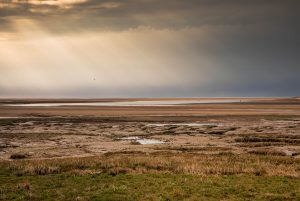
Pekelmeer is a vast saline lagoon at the southern tip of Bonaire, home to one of the largest Caribbean populations of Caribbean flamingos (around 5,000-7,000 birds). Best viewing: drive south from Kralendijk past the salt-pan industrial area, follow the road. The flamingos are visible from the road; do not enter the protected area. Combine with the slave huts (preserved 1850s small huts where the salt-flats laborers lived) and the Salt Pier (where Cargill ships its salt).
The honest comparison — Bonaire versus Curaçao versus Aruba: Bonaire wins on diving (genuinely the best Caribbean shore-diving), wins on quietness (smallest, least-developed of the ABC), wins on USD-currency convenience. Curaçao wins on architecture (Willemstad UNESCO) and population/restaurant scene. Aruba wins on resort density and US preclearance. For a dedicated dive trip, Bonaire is the answer. For a beach-and-history trip, Curaçao. For an all-inclusive resort focus, Aruba.
FAQ — Frequently Asked Questions
Eight questions Bonaire first-timers ask most often, with current 2026 information.
Do I need a visa to visit Bonaire?
If you hold a US, Canadian, UK, EU/EEA, Swiss, Israeli, Japanese, Singaporean, South Korean, Australian, New Zealand, or major Latin American passport, you enter visa-free for 90 days. Required: passport valid 3 months past departure (the EU rule), proof of funds, return ticket, accommodation address. Travelers from outside the visa-free list need a Caribbean Netherlands tourist visa from a Dutch consulate — processed in 4–8 weeks. The same rules apply as for entering mainland Netherlands.
What currency does Bonaire use?
US Dollar (USD). Bonaire adopted the US Dollar as its official currency on 1 January 2011, replacing the Netherlands Antillean Guilder. Every menu, every dive package, every taxi rate is in USD. ATMs dispense USD. Cards (Visa, Mastercard, AMEX) accepted at all hotels, restaurants, dive shops. Tipping: 15–20% standard at restaurants (American convention). Bonaire is one of three Caribbean destinations where USD is the official currency (the others being USVI and Turks & Caicos).
What is the STINAPA Nature Fee and is it mandatory?
Yes, mandatory for every visitor. STINAPA Nature Fee: USD 75 annually for divers (covers Bonaire National Marine Park), USD 45 annually for non-divers (covers Washington-Slagbaai National Park and other terrestrial parks). Fee is good for one calendar year. Pay online at stinapabonaire.org before arrival (saves time at the airport) or at the kiosk at BON. Required to dive anywhere in Bonaire waters. Without the dive tag attached to your gear, you cannot dive.
Is Bonaire safe in hurricane season (June-November)?
Yes, very safe. Bonaire sits at 12.2°N latitude, well below the main Atlantic hurricane track. The last direct hurricane impact was Felix in 2007 (Category 1, grazing). Tropical Storm Bret 2023 was the most recent significant weather event. June-November is statistically peak Caribbean hurricane season but is still a viable window for Bonaire. Trip insurance for Bonaire travel runs 30–40% cheaper than Florida or Bahamas summer travel because the risk is so much lower.
How do I get from BON airport to my hotel?
Three options: (1) Pre-booked hotel transfer included with most dive-package hotels (Captain Don’s Habitat, Buddy Dive Resort, Plaza Beach Resort) — verify before paying separately; (2) Taxi from the airport rank — regulated rates, USD 12–25 to most resorts; (3) Rental car — recommended for divers because shore-diving means driving to dive sites. Uber and Lyft do not operate in Bonaire.
Do I need to rent a car in Bonaire?
If you’re a diver, yes — rent a pickup truck. Bonaire’s dive-site model is shore-based: you drive to the site with tank-and-gear in the truck bed, walk into the water from the beach, dive, drive to next site. Pickup rentals USD 50–75/day. AB Carrental and Pickup Rental Bonaire specialize in dive-trucks. If you’re a non-diver focused on resort time and Kralendijk visits, you can manage with taxis and the occasional half-day rental.
Are there lounges at Bonaire airport?
No. Flamingo Airport (BON) does not have a Plaza Premium-class lounge or any airline-operated lounge. The terminal is too small to support one. Priority Pass, LoungeBuddy, Diners Club, American Express Centurion all give zero benefit at BON. The single airside cafe and bar serve as the airside seating area. Bonaire is the smallest international Caribbean airport without a lounge.
How is Bonaire different from Curaçao?
Bonaire (294 sq km, ~330,000 passengers/year): Special Caribbean municipality of the Netherlands since 2010, USD currency since 2011, dedicated dive island, no major resort development, very quiet, no airport lounge. Curaçao (444 sq km, ~1.6M passengers/year): autonomous country within Kingdom of the Netherlands, XCG (Caribbean guilder) at 1.79/USD, Willemstad UNESCO capital, broader tourism base, Plaza Premium lounge. Aruba (180 sq km, ~3M passengers/year): autonomous country, AWG currency, US preclearance, biggest resort scene of the ABC. For diving: Bonaire.
2026 Summary Data Table
The full 2026 reference table for Flamingo International Airport at a glance.
| Feature | Detail |
|---|---|
| IATA / ICAO | BON / TNCB |
| Country / status | Bonaire — Special Caribbean municipality of the Netherlands (since 2010) |
| Capital city | Kralendijk — 5 km from airport |
| Airport name change | Renamed ‘Flamingo’ in 2007 from Bonaire International |
| Annual passengers (2024) | ~330,000 |
| Single runway | 10/28 — 2,880 m (9,449 ft) |
| Major airlines (2026) | KLM, Delta, American (seasonal), TUI, Divi Divi, EZAir, Winair |
| Currency | US Dollar (USD) — official since January 2011 |
| Languages | Dutch (official), Papiamentu, English, Spanish |
| Visa-free entry | USA, Canada, EU/UK, most LatAm — 90 days |
| STINAPA Nature Fee | USD 75 dive / USD 45 non-dive — annual, mandatory |
| US preclearance | No |
| Hurricane risk | Very low — below 12°N latitude, ABC island |
| Plaza Premium lounge | Not available — smallest international Caribbean airport without one |
| Driving side | RIGHT (Dutch convention) |
| National Marine Park | Yes — established 1979, oldest in Caribbean |
| Number of dive sites | 86 named, mostly walk-in shore |
This guide is current as of May 2026 and reflects the post-Spirit-collapse North American route map (no Spirit-Bonaire impact since Spirit didn’t operate here). For weekly route updates and Bonaire flight deals, follow our aifly.one main feed.