Kalamata International Airport “Capt. Vassilis Constantakopoulos” (KLX) — Airport Guide 2026
A new 40-year Fraport Greece concession approved in 2026 is the biggest thing to happen to this small seasonal airport in decades — and it arrives just as the biometric EES border goes live, changing what non-EU arrivals face at the desks.
Quick Reference
Kalamata International Airport “Capt. Vassilis Constantakopoulos”
KLX / LGKL
~10–11 km west of Kalamata, Messenia, Peloponnese
KTEL Messinias, ~€1.80, ~20–25 min — infrequent, check times
~€20–25 day / €30–35 night, ~10–15 min, 24/7
Euro (€) — Greece is in the eurozone
Yes — EES live since 10 April 2026; ETIAS pending
None — no Priority Pass, basic café only
Ryanair, Aegean, Transavia, Austrian + seasonal charters
One (new terminal planned under Fraport concession)
🏢 The Airport: Small, Seasonal, and Mid-Upgrade
Kalamata handled around 368,000 passengers in 2025, heading toward 400,000 — almost entirely summer leisure traffic arriving for Messenia and the Mani. The airport is named after Captain Vassilis Constantakopoulos, the shipowner behind Costa Navarino, which tells you something about the region’s economic gravity. One terminal, one security lane, a café or two — at peak summer Saturday the building reaches its limits quickly.
The Fraport Greece concession approved in 2026 will eventually fix that. A new terminal is planned alongside infrastructure improvements, and the airport has already announced a route expansion of around 22 destinations and 31 routes. For now, though, it is a small no-frills regional airport, and the gap between “expansion announced” and “terminal built” is where you will be travelling.
✈️ 368,000 passengers, strongly seasonal
The schedule runs from roughly May to October. Winter is sparse. If you are flying outside that window, check that your route still operates — it may not.
🛂 Border & Visa: EES Is Live, ETIAS Is Not Yet
Greece is in the Schengen Area and uses the euro. Flights arriving from within Schengen clear with no passport control — that covers most of Kalamata’s summer traffic.
Non-EU arrivals: what EES means in practice
The Entry/Exit System became fully operational at the Schengen external border on 10 April 2026, after a phased rollout from October 2025. It replaces the manual passport stamp with a biometric record — facial image and fingerprints — used to enforce the 90-in-180-day short-stay limit. Your first entry of the cycle takes longer while the record is created. At a small airport with limited booths, this can slow the non-EU queue perceptibly on a busy arrival. Allow time.
ETIAS: not live yet
The European Travel Information and Authorisation System is separate from EES and not yet running — with no announced launch date. Once live, visa-exempt non-EU visitors (UK, US, Canadian, Australian and similar) will need to apply online for a paid authorisation before flying. Until then, a valid passport is sufficient.
| Passport | Visa for short stay? | EES applies? | ETIAS once live? |
|---|---|---|---|
| EU / EEA / Swiss | No | No | No |
| UK | No (≤90/180) | Yes | Yes |
| USA / Canada / Australia / NZ | No (≤90/180) | Yes | Yes |
| Japan / South Korea / Singapore | No (≤90/180) | Yes | Yes |
| India / China / South Africa | Yes — Schengen visa | Yes (recorded at entry) | N/A while visa required |
🛂 EES first-entry delay — budget extra time
Non-EU travellers on their first Schengen entry of the cycle will have biometrics recorded at the border. At a small airport this is slower than at a major hub. On busy summer arrivals, the non-EU queue can back up.
🚌 Getting Into Kalamata: The Honest Transport Picture
There is no railway at the airport and effectively no passenger rail in this part of the Peloponnese. Your options are the KTEL bus, a taxi, or a hire car — and the bus is not the easy default it is at larger airports.
The KTEL bus
The KTEL Messinias bus runs from the airport to central Kalamata in about 20–25 minutes for around €1.80, paid in cash to the driver. The problem is frequency: roughly one morning service and a handful through the afternoon and evening, spaced awkwardly enough that they will not align with most flight arrivals. Check the KTEL Messinias timetable before counting on it. For many arrivals the bus simply does not run.
The taxi
About €20–25 by day, €30–35 overnight, 10–15 minutes, available 24/7 from the rank. For the majority of arrivals this is the practical option, not a premium splurge.
⚠️ Caution: the bus will probably not match your flight
The KTEL Messinias service is infrequent and timed around local demand, not flight schedules. Budget €20–25 for a taxi and treat the bus as a bonus if the timing happens to work.
Onward to the resorts
Costa Navarino, the Mani, and the Navarino coast towns have limited public transport — a hire car desk is at the airport, and pre-booked transfers are the norm for resort arrivals. Do not expect to improvise public transport to these destinations.
🛋️ Lounges: There Is Not One
Kalamata has no airport lounge. No Priority Pass facility, nothing to pay into. The terminal offers a café and seats — that is the full offering. For a small seasonal airport this is entirely normal. It may change with the planned terminal upgrade; as of 2026 it has not. Given the airport’s size, security clears quickly, so the absence of a lounge is less punishing than it would be at a larger hub. But if you arrive early, you are in the café.
☕ No lounge, any card
Priority Pass, DragonPass, Amex Centurion — none of them buy you anything here. There is no partner facility at KLX.
🍽️ Food Before You Fly: What to Eat and What to Take Home
Kalamata’s name is on supermarket shelves worldwide for one reason: the Kalamata olive — the large, almond-shaped, purple olive with its own protected designation of origin. The Kalamata extra-virgin olive oil carries the same PDO status. Both are the obvious carry-home. Messenia also produces sfela cheese (PDO) and famously sweet dried figs.
On the plate before you fly: gourounopoula (slow-roast suckling pig) is the regional meat dish worth finding. For something sweet, diples and lalagia are fried dough ribbons drizzled with honey — a Messenian specialty, not widely known outside the region. Sealed olives, olive oil, figs, and cheese all clear EU customs without issue and are more honest souvenirs than anything sold in an airport gift shop.
🫒 Kalamata olives — PDO, worth buying here
The real thing is sold across Kalamata at delis and markets. Sealed jars clear EU customs with no issue and survive the journey home better than the alternatives.
💡 Insider: The Region, the Layover Math, and What to Skip
Kalamata itself is a working Greek port city — a long seafront, a Frankish/Byzantine castle above the old town, a lively market. Pleasant, but not the main reason people fly here.
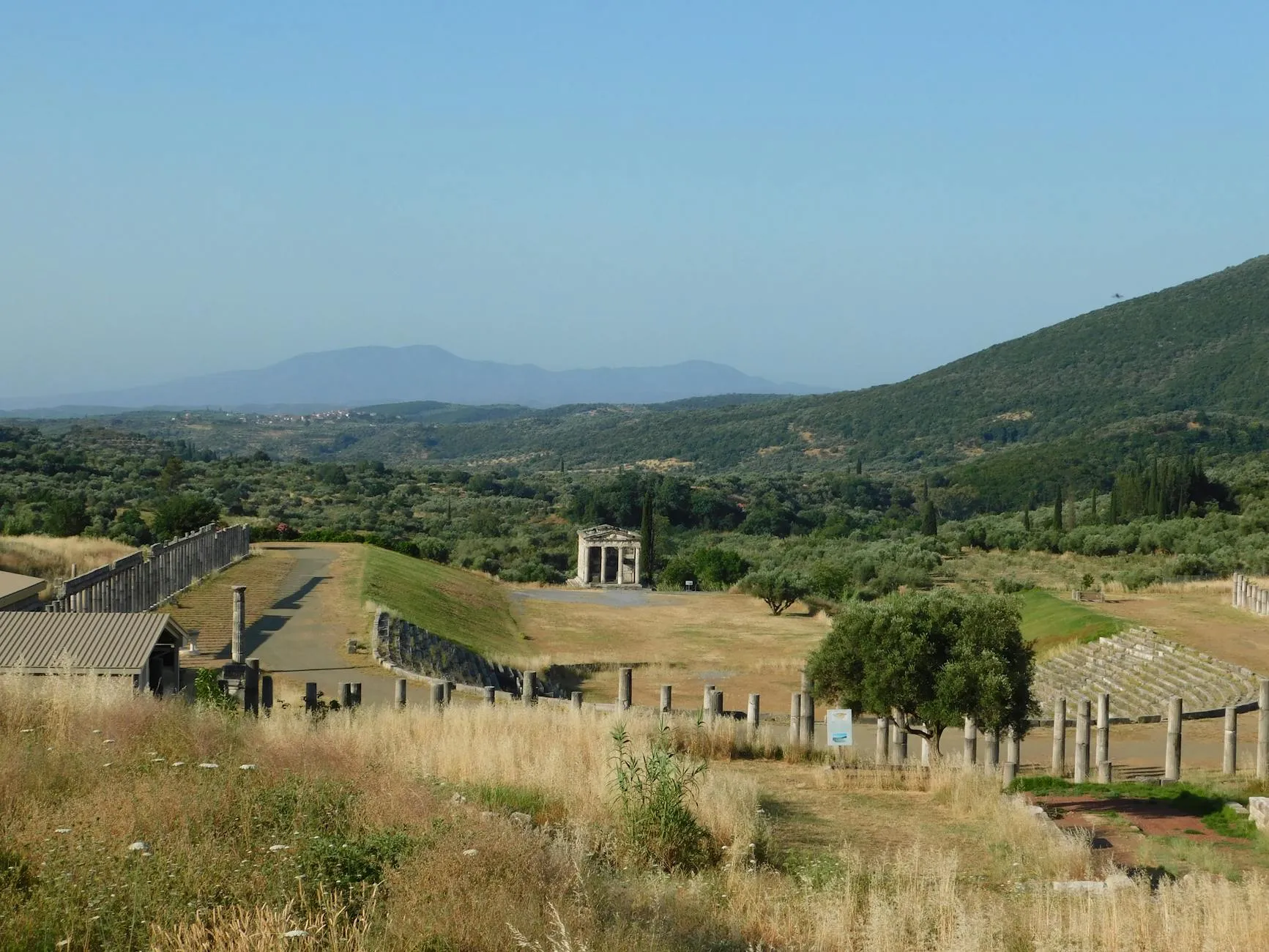
The standout sight is Ancient Messene, about 25 km north — one of the most complete ancient cities in Greece, with a stadium, theatre, and the Arcadian Gate still standing, and far less crowded than the big Peloponnese sites. The Mani peninsula to the south is a landscape of stone tower-houses and rugged coast. To the west, the Navarino coast has Voidokilia beach (a near-perfect crescent), the Venetian castles of Methoni and Koroni, and the Costa Navarino luxury resort complex.
Layover math
Be realistic. A four-hour layover gives time for a taxi into Kalamata, a walk along the seafront and the old town, and back — with a 90-minute return-security buffer. That works, but only by taxi: the sparse bus makes a bus-based town visit a gamble not worth taking.
Ancient Messene, the Mani, and the Navarino coast are day trips that need a car, not layover stops. The distances are manageable; the lack of public transport is not. If you want to see any of those, plan a full day and hire a car.
🗿 Ancient Messene: 25 km, needs a car
One of the least-crowded major ancient sites in Greece. Worth the detour if you have a car and a half-day. Not viable as a taxi layover stop.
🏖️ Voidokilia beach — on the Navarino coast, not near the airport
The crescent bay is about 55 km from the airport. It needs a car and a plan. If it is on your itinerary, book a hire car at the airport or pre-arrange a transfer.
🧭 Practical Notes
- Cash for the bus and small tavernas. Cards are widely accepted in Kalamata’s restaurants and shops, but carry some cash — the KTEL bus is cash-to-driver, and smaller family tavernas outside the centre may not take cards.
- Draw euro from a bank ATM, not the airport exchange. The bureau de change rates at small airports are reliably poor.
- Pre-book resort transfers. Costa Navarino, the Mani, and the coastal towns are not accessible by public transport. Sort the transfer before you land.
- The Fraport terminal upgrade is approved but not built. Check current terminal status before travel if you are flying during the construction period.
❓ Frequently Asked Questions
📊 At a Glance — KLX 2026
| Feature | Current Data (2026) |
|---|---|
| Official name | Kalamata International Airport “Capt. Vassilis Constantakopoulos” |
| IATA / ICAO | KLX / LGKL |
| Location | ~10–11 km west of Kalamata, Messenia, Peloponnese |
| Passengers | ~368,000 (2025), heading toward ~400,000; strongly seasonal |
| Terminals | 1 (upgrade/new terminal planned under Fraport concession) |
| Train to centre | None — no rail link |
| Bus to centre | KTEL Messinias, ~€1.80, ~20–25 min — infrequent, check timetable |
| Taxi to centre | ~€20–25 day / €30–35 night, ~10–15 min, 24/7 |
| Currency | Euro (€) |
| Schengen status | Member; EES live 10 Apr 2026, ETIAS pending |
| Lounges | None — no Priority Pass, basic café only |
| Dominant carriers | Ryanair, Aegean, Transavia, Austrian + seasonal charters |
| 2026 change | New 40-year Fraport-led concession; planned new terminal + route expansion (~22 destinations, 31 routes) |
| Best layover move | Taxi to Kalamata seafront/old town (4 hr+); bus too infrequent to rely on |