Belfast International Airport (BFS) — Airport Guide 2026
Belfast International is the bigger of the two Belfast airports and the low-cost end of Northern Ireland’s air traffic — easyJet bases aircraft here, Ryanair and the holiday carriers follow, and the whole thing sits at Aldergrove 30 km north-west of the city, which is far enough out to make the transfer math matter.
Quick Reference
Belfast International Airport (Aldergrove)
BFS / EGAA
~30 km north-west of Belfast
Airport Express 300 → Belfast Grand Central Station, ~40 min, £9.50 single / £13.50 return
~£35–40, ~30 min
Pound sterling (£)
UK — no EES, no ETIAS; UK ETA (£20) for visa-exempt non-UK/Irish; eGates
Causeway Lounge (Priority Pass; walk-in pay)
easyJet (base), Ryanair, Jet2, TUI, Wizz Air
One
🏢 The Terminal & Its Sibling
Belfast International runs a single terminal at Aldergrove. It is the workhorse: higher volume, further out, built for low-cost and charter traffic. easyJet bases aircraft here as the largest operator; Ryanair, Jet2, TUI and Wizz Air cover Britain, European leisure routes and a heavy summer sun-and-ski programme.
The city has a second airport. George Best Belfast City (BHD) sits considerably closer to the centre and handles mainly business and domestic routes. If your ticket says “Belfast,” check which airport is named on it — the transfers are completely different, and discovering you have the wrong one at departure time is a reliable way to ruin a trip.
✈️ Two Belfast airports — verify before you go
Belfast International (BFS/Aldergrove) is 30 km north-west of the city. George Best Belfast City (BHD) is the close-in one. The airline names the airport on your ticket; the transfer times and options are entirely different.
🛂 Border & Visa
Northern Ireland is part of the United Kingdom. That distinction matters at passport control because the EU systems coming into force in 2026 — the Entry/Exit System (EES, live 10 April 2026) and the forthcoming ETIAS — are EU systems and do not operate at any UK airport. Belfast International uses UK Border Force, with eGates open to British, Irish, EU/EEA, US, Canadian, Australian, New Zealand, Japanese and several other passport holders.
🪪 The UK ETA
Visa-exempt visitors who are not British or Irish need a UK Electronic Travel Authorisation before they fly. EU citizens have been included since April 2025. The ETA costs £20 — raised from £16 on 8 April 2026 — covers stays of up to six months, and is valid for two years and multiple entries. It is not issued at the border; buy it before you travel.
⚠️ Warning: EU citizens need a UK ETA, not the EES
The EES and ETIAS are EU systems. At Belfast, the relevant requirement is the UK ETA (£20), which has applied to EU citizens since April 2025. Arriving without one risks being refused boarding before you leave.
🗺️ The Land Border
Northern Ireland shares an open land border with the Republic of Ireland. Under the Common Travel Area, British and Irish citizens cross freely with no immigration checks in either direction. The land border is physically unimpeded.
That said, the two sides are different jurisdictions with different procedures. Fly into Belfast and you face the UK border, sterling prices, and no EES. Fly into Dublin or Cork and you face the Irish non-Schengen EU border and euro prices. The open land crossing does not change which border you cleared on arrival.
| Passport | Visa? | UK ETA? | EES / ETIAS? |
|---|---|---|---|
| British / Irish | No | No — exempt | N/A (UK, not EU) |
| EU / EEA / Swiss | No (≤6 months) | Yes — £20 | N/A — EU systems, not UK |
| USA / Canada / Australia / NZ | No (≤6 months) | Yes — £20 | No |
| Japan / South Korea / Singapore | No (≤6 months) | Yes — £20 | No |
| India / China / South Africa | Yes — UK visa | Visa, not ETA | No |
🚌 Getting Into Belfast
There is no rail link at Aldergrove. The express bus is the route in, and it handles the job well.
🚌 Airport Express 300 — £9.50, ~40 minutes
Translink/Ulsterbus runs the 300 from outside the terminal to Belfast Grand Central Station — the city’s integrated bus-and-rail hub — throughout the day with overnight services. Grand Central is walkable to the city centre and connects onward to trains and the Glider bus rapid-transit. Single fare £9.50; return £13.50.
A taxi to the centre is roughly £35–40 and takes about 30 minutes. Given the distance, the 300 is the sensible default for anyone not splitting the fare. Use the marked taxi rank or a pre-booked firm; there is no reason to deal with anyone approaching you in arrivals.
🛋️ Lounge
The Causeway Lounge is the airport’s single airside lounge. It takes Priority Pass and walk-in payment. Inside: a self-serve buffet of light bites, coffee, soft drinks and a bar with alcoholic drinks for over-18s.
🛋️ Causeway Lounge — the only quiet seat
Early-morning bank departures fill the gate areas fast. If you have Priority Pass or can justify the walk-in rate, the Causeway Lounge offers a chair that is not in a departure gate. Self-serve food and a bar; functional rather than luxurious, but the seat is the point.
🍽️ Food & Drink Before You Fly
Northern Irish food is distinct from the rest of the island in one specific way: the carbohydrates. An Ulster fry is bacon, egg and sausage served with soda farl and potato bread (also called fadge), both griddle-cooked — neither appears in a standard English or southern Irish equivalent. The soda farl is the reliable order; the potato bread is the part people tend to underestimate.
Tayto cheese-and-onion crisps are worth the footnote: the Northern Irish Tayto is a different company from the Republic of Ireland’s Tayto, the branding is similar, and both sides of the border are territorial about the name. The whiskey is Bushmills, distilled on the Antrim coast. Guinness pours everywhere.
🎒 What to carry home
A bottle of Bushmills from the duty-free, or Tayto cheese-and-onion crisps for the novelty. Both clear customs without issue and are priced in sterling. The airport has a reasonable Irish whiskey selection before security.
💡 Belfast: Layover Realities
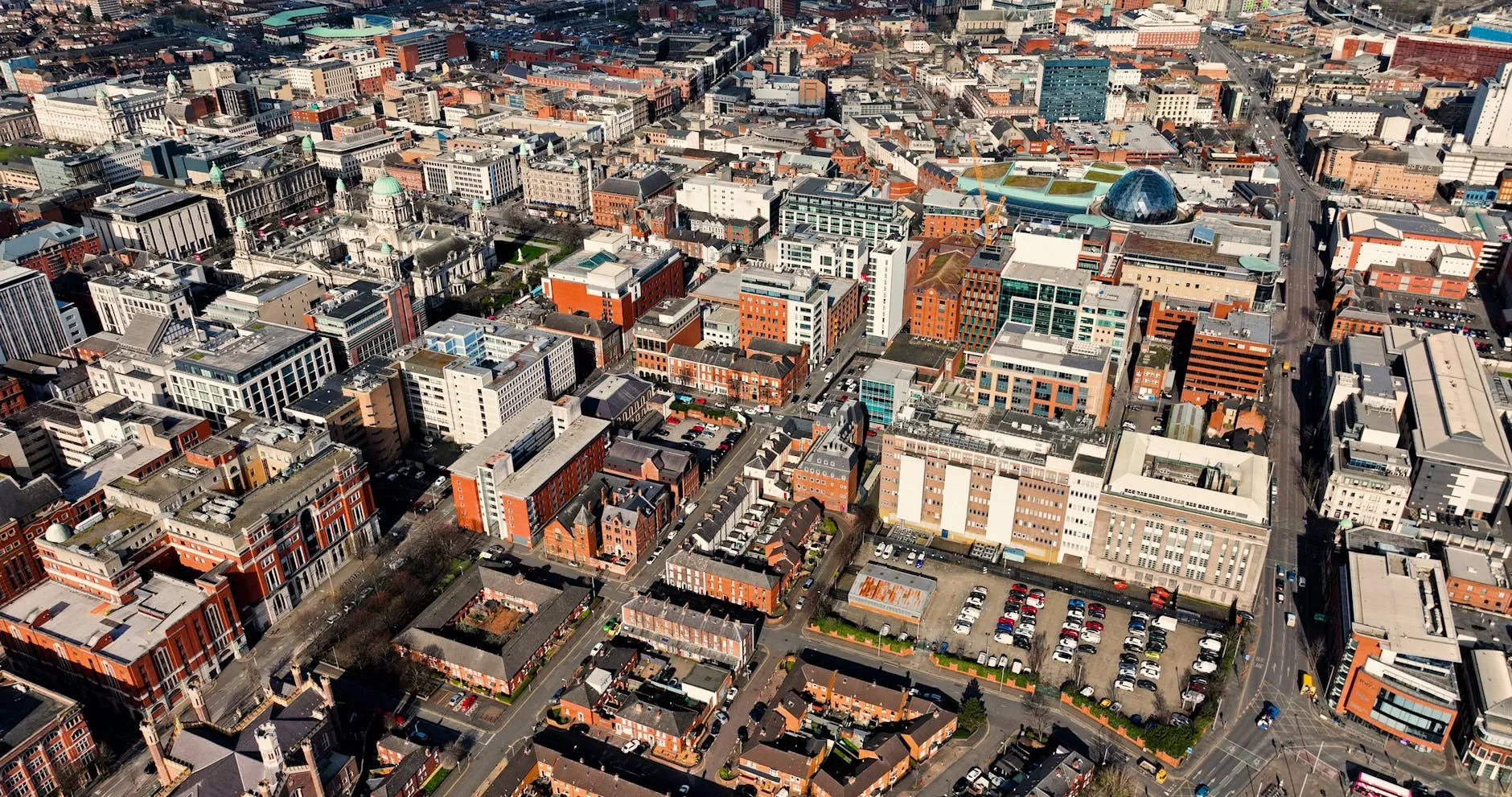
Belfast’s standout attraction is Titanic Belfast — the museum on the slipways where the liner was built and launched, in the regenerated Titanic Quarter alongside the SS Nomadic and the old Harland & Wolff cranes, Samson and Goliath, which still stand. The compact city centre has the Victorian City Hall, the Cathedral Quarter’s bars and St George’s Market, a covered Victorian market.
About an hour north, the Giant’s Causeway — basalt columns in a formation that is a UNESCO World Heritage Site — is often paired with the Carrick-a-Rede rope bridge and the Game of Thrones filming locations nearby.
⏱️ The Layover Math
Aldergrove is 30 km out. Reckon 40 minutes each way on the 300 bus, and 90 minutes for the return security buffer.
- Under 4 hours: stay airside. The transfer math does not work.
- 4–5 hours: a quick look at the city centre is possible if the bus times align, but it is tight and leaves no margin for delays.
- 5 hours or more: the Titanic Quarter and city centre are realistic. That gives roughly 2.5 hours on the ground before you need to head back.
- Giant’s Causeway: this requires the better part of a day. An hour-plus each way by car or bus is not a layover calculation; it is a separate trip.
💡 Titanic Quarter on a 5-hour layover
The 300 drops you at Grand Central Station; the Titanic Quarter is a short Glider hop or taxi from there. On a 5-hour layover with the 90-minute return buffer, you have roughly 2.5 hours — enough to see the exterior slipways and the cranes without rushing. Budget entry time if you want inside the exhibition.
🧭 Practical Notes
- Mobility assistance is free but must be booked through your airline at least 48 hours in advance. The meeting point is signed in the terminal.
- Sterling throughout. Northern Ireland uses the pound. Euro is occasionally accepted near the Irish border but cannot be relied upon.
- Grand Central Station is the 300’s terminus and the city’s main onward connection point for trains and the Glider rapid-transit.
❓ Frequently Asked Questions
📊 At a glance — BFS 2026
| Feature | Detail |
|---|---|
| Official name | Belfast International Airport (Aldergrove) |
| IATA / ICAO | BFS / EGAA |
| Location | ~30 km north-west of Belfast, Northern Ireland |
| Terminals | One |
| Train to centre | None — no airport rail link |
| Bus to centre | Airport Express 300 → Grand Central Station, ~40 min, £9.50 single / £13.50 return, frequent + overnight |
| Taxi to centre | ~£35–40, ~30 min |
| Currency | Pound sterling (£) |
| Border | UK — no EES, no ETIAS; UK ETA (£20) for visa-exempt non-UK/Irish; eGates; Common Travel Area with Republic |
| Lounge | Causeway Lounge (Priority Pass; walk-in pay) |
| Dominant carriers | easyJet (base), Ryanair, Jet2, TUI, Wizz Air |
| Best layover move | Airport Express 300 to Titanic Quarter + city centre on 5 hr+ layovers; Giant’s Causeway needs a full day |