The Bahamas — Complete Travel Guide 2026
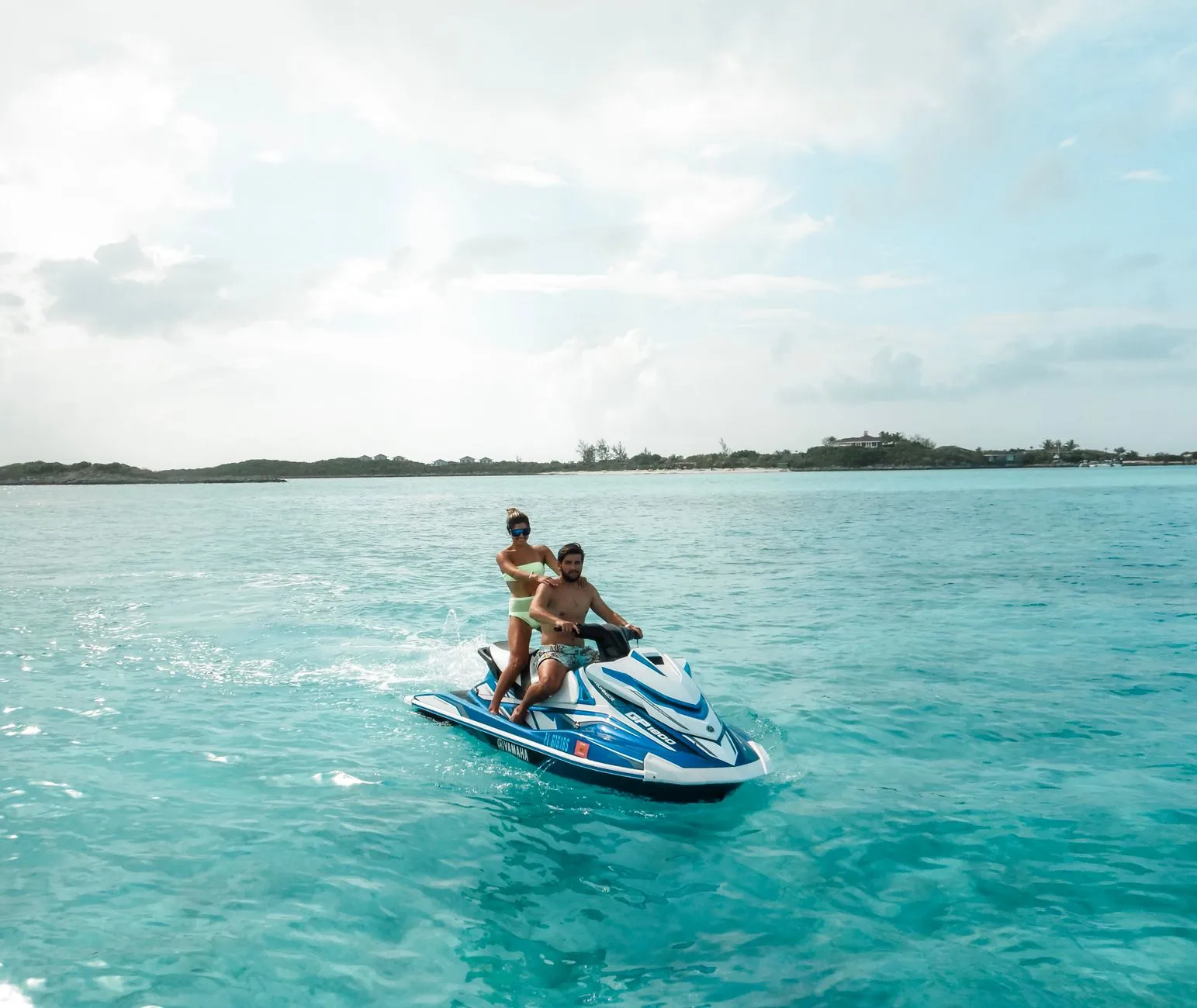
The water is the first thing, and it’s not an exaggeration: a band of turquoise so saturated and so clear that astronauts have remarked on it from orbit, shading from milk-glass white over the sandbars to deep navy where the shelf drops off. Beneath it sit 700 islands and thousands of cays that run the whole spectrum of a holiday — from Vegas-on-the-sea megaresorts and a cruise port that swallows six ships a day at one end, to empty cays where the only footprints are yours and a swimming pig’s at the other. The Bahamas is one of the most visited places on earth and also one of the emptiest, and the trick to a good trip is knowing which Bahamas you actually want.
Quick Reference
An archipelago of 700+ islands and 2,000-odd cays strung across the Atlantic just off Florida — technically the Atlantic, not the Caribbean Sea, but culturally and atmospherically pure Caribbean
Nassau Lynden Pindling (NAS) — the main hub on New Providence; Grand Bahama Freeport (FPO); plus a constellation of Out Island strips — Exuma/George Town (GGT), North Eleuthera (ELH), Marsh Harbour/Abaco (MHH), Andros, Bimini and more
Bahamian dollar (BSD) — pegged 1:1 to the US dollar; the US dollar is accepted everywhere interchangeably, so in practice you spend in dollars
English
Visa-free for most Western tourists (UK, EU, US, Canada, Australia) for up to 90 days on entry; passport required; an immigration arrival/departure card is completed on arrival and kept until you leave. The COVID-era Travel Health Visa is gone. A $20 (≈€18.50) departure tax applies (usually bundled into the airfare)
December–April is the dry, sunny, expensive peak; June–November is the hot, cheaper, hurricane season (storm risk really climbs August–October)
Impossibly turquoise water, the swimming pigs of the Exumas, pink-sand beaches, Atlantis, world-class diving and bonefishing, and 700 islands of barefoot quiet
Nassau/Paradise Island for the resort-and-cruise machine; the Exumas, Harbour Island or the Abacos for the wild, quiet, expensive Out Island version — most people pick one, not both
Editor’s Note — this is two completely different holidays
Here is the single most useful thing to understand before you book: the Bahamas is two destinations wearing the same name, and they barely resemble each other.
The first is Nassau and Paradise Island — the cruise capital of the world, Atlantis the water-park megaresort, Cable Beach’s wall of hotels, a duty-free shopping strip and a daily tide of cruise passengers. It’s busy, packaged, easy and within sight of Florida. You can fly into NAS, taxi twenty minutes, and never make a single hard decision for a week. It is also, on a cruise-ship day, genuinely overrun.
The second is the Out Islands (the Bahamians call them the “Family Islands”) — the Exumas, Eleuthera and Harbour Island, the Abacos, Andros, the Berry Islands, Long Island, Cat Island, San Salvador. These are quiet, slow, often staggeringly beautiful and, crucially, expensive and a faff to reach. There are no big resorts on most of them, sometimes no resort at all — just a few inns, a fish fry, a handful of golf carts and a lot of water. This is the Bahamas of the magazine spreads.
Decide which you’re after, because the planning, the cost and the entire texture of the trip diverge from there. And be honest with yourself about the money: the Bahamas is not a cheap destination. Almost everything is imported, the dollar peg means no favourable exchange rate to soften the blow, resort markups are aggressive, and 10% VAT sits on top. A casual lunch can cost what a good dinner costs at home. This is a place you come to for the water and the quiet, not for value — and the people who leave happiest are the ones who knew that going in.
⚠️ “The Bahamas” on a cheap cruise day-stop is not the Bahamas. A few hours off a ship in downtown Nassau — a packed Bay Street, a “private island” beach club, a duty-free run — tells you almost nothing about the country. If that’s your only exposure, you’ve seen the gift shop, not the islands.
Should You Go? Who it’s for — and isn’t
The Bahamas is for the water person: snorkellers, divers, sailors, boaters, fishermen, and anyone who measures a holiday in shades of blue. The diving and the bonefishing are world-class, the sailing (especially the Abacos and Exumas) is among the best anywhere, and even a non-swimmer gets that turquoise-glow front-of-house every day.
It’s superb for a honeymoon or a special-occasion barefoot-luxury trip — Harbour Island, a private Exuma villa, a quiet Eleuthera inn — if the budget is there. It’s great for families who want a soft, safe, English-speaking, short-flight-from-the-US beach with a built-in waterpark (Atlantis is a child-pleasing machine). And it’s a dream for boaters and would-be castaways who’ll happily trade resort polish for a cay with nobody on it.
Who it’s not for: the budget traveller. There is no cheap version of the Bahamas the way there is a cheap Mexico or a cheap Thailand — even a modest week adds up fast, and the Out Islands especially are eye-wateringly priced for what you get. It’s not for anyone who wants buzzing nightlife and culture-heavy sightseeing — outside Nassau’s casinos and beach bars, evenings are quiet and the “sights” are mostly natural. And it’s not for the traveller who hates logistics: reaching and hopping between the Out Islands takes real planning, flights are limited and pricey, and “island time” is not a marketing slogan, it’s the actual operating speed.
Getting There & Around
The Bahamas’ great trump card is proximity to Florida. Nassau (NAS) is a short hop — roughly 35–55 minutes’ flying time — from Miami and Fort Lauderdale, and there are dozens of daily flights from across the US East Coast and beyond (American, JetBlue, Delta, United, plus Bahamasair and Western Air). From the UK and Europe, British Airways flies direct to Nassau from London, and otherwise you connect through a US gateway (Miami being the cleanest) — which means a US transit visa or ESTA enters the picture for that leg, so plan it. Grand Bahama Freeport (FPO) also takes direct US flights and is the closest island to Florida.
The cruise reality is enormous and worth naming. Nassau is one of the busiest cruise ports on the planet; a chunk of all “Bahamas visitors” never set foot off a ship’s day-itinerary, and several cruise lines run their own private Bahamian islands (Disney’s Castaway Cay and Lookout Cay, Royal Caribbean’s CocoCay, MSC’s Ocean Cay). If you’re doing a cruise, understand that a “Bahamas” port day is a curated few hours, not the country.
For a land-based trip, NAS is the hub for everything. Almost all inter-island travel radiates from Nassau. Your options to reach the Out Islands:
- Bahamasair and the small carriers (Western Air, SkyBahamas-type operators, plus charters): short hops of 25–60 minutes from Nassau to George Town/Exuma (GGT), North Eleuthera, Marsh Harbour/Abaco, Andros, Bimini and the rest. Reckon on roughly €115–145 each way for the mainline routes — Nassau to Exuma runs about €140 one-way and takes ~45 minutes. Schedules are thin (some islands get one or two flights a day), so connections need planning and slack.
- Charter and “air taxi” flights for the smaller cays and tighter schedules — convenient, not cheap.
- The mailboat and ferries: the traditional, gloriously slow government mailboats still chug out of Potter’s Cay in Nassau to the Family Islands, carrying freight, locals and the rare adventurous traveller — cheap, atmospheric and slow (think overnight). For Eleuthera/Harbour Island and a few others, fast ferries (Bahamas Ferries) are the practical link.
Crucial planning truth: island-hopping is not casual here. Because almost everything routes through Nassau, going from, say, the Exumas to the Abacos often means flying back to NAS and out again — there are few direct inter-island links. Pick one or two islands per trip and go deep rather than trying to collect them.
On the islands themselves: New Providence (Nassau) has taxis (fixed government rates, agree before you ride), jitney buses and rental cars. On the Out Islands, the default is a rented golf cart (Harbour Island, many cays) or a hire car (Eleuthera, Abaco, Exuma) — and for the real island experience, a boat, whether your own charter or a guided day tour.
💡 Book Out Island flights early and keep your schedule loose. Inter-island routes have limited frequency and fill up, and a missed Bahamasair connection can cost you a day. Leave a buffer night in Nassau on the way out rather than threading a same-day international-to-Out-Island connection.
Nassau & Paradise Island
Nassau, on New Providence, is the capital, the airport hub, the cruise capital and — for better and worse — the version of the Bahamas most people meet first. It rewards a day or two and then, frankly, most travellers want to move on.
The headline is Paradise Island and its colossus, Atlantis — a sprawling pink water-park-resort empire of towers, casino, marine habitats and the Aquaventure water park (a genuine highlight for kids and thrill-seekers: the Mayan-temple “Leap of Faith” slide drops you through a shark-filled lagoon tube). It’s a self-contained world; you can buy a day pass if you’re not staying. Nearby sits the ultra-luxe The Cove and the Baha Mar mega-complex over on Cable Beach, New Providence’s hotel strip, with its own casino and a long stretch of good sand.
Downtown, the old town is worth an unhurried morning when the cruise crowds thin: the colonial pastel government buildings around Parliament Square, the Queen’s Staircase (66 steps hand-cut by enslaved labourers out of the limestone, leading up to Fort Fincastle), the Pirates of Nassau museum playing up the city’s genuine 18th-century buccaneer past, and the Straw Market for souvenirs (haggle, and know much of it is imported). The real local flavour is at Arawak Cay — “the Fish Fry” — a cluster of brightly painted shacks where Nassau comes to eat conch and drink Kalik (more on that below).
The honest take: on a six-ship cruise day, downtown Nassau and the popular beaches (Cable Beach, the “private island” day-club excursions) are crowded, hustly and not at their best — expect timeshare touts, hair-braiding hawkers and a Bay Street crush. Come early, eat where the locals eat, and treat Nassau as a launchpad rather than the destination. Use it to acclimatise, hit Atlantis if you’ve got kids, eat at the Fish Fry, and then get out to the islands that made the Bahamas famous.
⚠️ Time your downtown Nassau visit around the ships, not your jet lag. Check the cruise schedule (it’s public) and do Bay Street, the Straw Market and the popular beaches early morning or after the ships sail. The same streets are pleasant at 8am and a scrum at noon.
The Exumas — the swimming pigs and the great turquoise
If one image sells the modern Bahamas, it’s the Exumas: a 120-mile chain of 365 cays and islands trailing southeast, ringed by the most photographed turquoise on earth, sandbars that appear and vanish with the tide, and the celebrity-private-island world (this is where Johnny Depp, Tyler Perry, David Copperfield, the Aga Khan and the rest bought their cays, and where the infamous Fyre Festival imploded).
The famous bit is Big Major Cay, aka Pig Beach, where a colony of feral pigs swims out to greet boats for a snack — improbable, ridiculous, genuinely fun, and now one of the most-Instagrammed scenes in the Caribbean. Near it sits Staniel Cay, the chain’s lively little hub, and Thunderball Grotto, a cathedral-like snorkelling cave (it was a James Bond set, hence the name) where light shafts pierce the roof onto reef fish. Add the swimming iguanas of Bitter Guana Cay, the nurse sharks at Compass Cay, and an endless run of empty sandbars, and you have the headline Out Island experience.
How you actually do it: most people visit the Exuma cays on a boat day-tour, and there are two ways in. From Nassau, you can take an all-day high-speed powerboat run, or — far better for time — fly a day-trip by small plane to Staniel Cay (roughly €250–290 for the round-trip flight plus tour, a long but spectacular day). Or you base in the Exumas properly: fly into George Town (GGT) on Great Exuma at the southern end, stay there or out in the cays, and run boat trips from a closer launch. A full-day swimming-pigs-and-cays boat tour runs roughly €300–340 per person before VAT — the Exumas are not a budget excursion, and the cheaper Nassau powerboat runs are long, bouncy and crowded. Splurge on a smaller-group or private boat if you can; it transforms the day.
George Town itself is a low-key yacht and bonefishing town, gateway to the gorgeous, accessible Stocking Island sandbar across the harbour, and host each spring to the legendary cruisers’ Family Islands Regatta.
💡 Fly to the cays, don’t just powerboat from Nassau. The Exuma postcard scenes are 60–80 miles southeast of Nassau, so a Nassau day-tour spends hours pounding open water. Flying into Staniel Cay (or basing in George Town) puts you in the heart of the turquoise instead of commuting to it.
Eleuthera & Harbour Island — pink sand and barefoot chic
Long, skinny Eleuthera (110 miles, often barely a mile wide) is the Out Island for travellers who want beauty and quiet without resort gloss — a string of pineapple-farming settlements, dramatic coastline, and beaches that swing from soft pink to wild Atlantic surf within walking distance of each other. The signature sight is the Glass Window Bridge, a thread of rock where the deep navy Atlantic on one side and the pale turquoise Bight on the other slam together at a narrow neck — genuinely arresting (and genuinely dangerous in big swell; people have been swept off, so respect it). The pink-sand beaches, surf breaks at Surfer’s Beach, the Queen’s Bath tidal pools and a laid-back, slightly bohemian feel make Eleuthera the connoisseur’s mainland Out Island.
Just off its northern tip — a five-minute water-taxi from the North Eleuthera dock — sits the jewel: Harbour Island, “Briland” to everyone who loves it. Three miles long, golf-carts-only, with a perfect candy-coloured Loyalist-era village (Dunmore Town) and a three-mile pink-sand beach that consistently ranks among the world’s best (the pink comes from crushed coral and red foraminifera shells). Briland is barefoot-chic at a serious price — a clutch of stylish inns (Pink Sands, the Ocean View, Rock House), a glamorous low-key crowd, and a vibe that’s part Caribbean fishing village, part Hamptons-by-the-sea. Rooms run high (peak-season nights at the name hotels easily clear €500–900+), and there’s almost nothing to “do” beyond the beach, the boutiques, the bars and the boats — which is precisely the point. For many, it’s the most desirable address in the islands.
💡 Harbour Island has no airport — fly to North Eleuthera (ELH). From the ELH strip it’s a short taxi to the dock and a quick water-taxi across to Briland. Build that two-leg transfer (and its cost) into your plan; you can’t fly directly to the island itself.
The Abacos & the sailing world
Up in the north, the Abacos are the Bahamas’ boating heartland — a 120-mile chain of cays sheltering the Sea of Abaco, a protected, shallow, reef-fringed playground that’s arguably the finest cruising and bareboat-sailing ground in the Atlantic. The settlements are New England-pretty Loyalist villages of clapboard cottages and white picket fences — most famously Hope Town on Elbow Cay, with its iconic candy-striped Elbow Reef Lighthouse, one of the last hand-wound, kerosene-burning lighthouses on earth. Marsh Harbour (the islands’ hub and the Bahamas’ third-largest town), Green Turtle Cay, Great Guana Cay and its legendary Nipper’s beach bar round out a sailing-and-sandbar paradise.
The thing every visitor needs to know: the Abacos took the full, catastrophic force of Hurricane Dorian in September 2019 — a Category 5 storm that parked over Great Abaco and Marsh Harbour for nearly two days and flattened much of it. The recovery has been long and uneven, but as of 2026 the islands are firmly back open and rebuilt: the lighthouse survived and is restored, the docks have been redesigned to ride out storms, hotels, marinas, restaurants, dive and fishing operations have reopened, and airlines have added flights. You’ll still see scars in places, but the Sea of Abaco sails as gloriously as ever and the welcome is, if anything, warmer for the years of hard rebuilding. Charter a boat (bareboat if you’re qualified, crewed if not) out of Marsh Harbour and island-hop the cays — it’s the definitive Abaco trip.
Grand Bahama, Andros & the diving
Three islands for travellers who came for what’s under the water.
Grand Bahama is the second-most-developed island, anchored by Freeport/Lucaya — the closest Bahamian island to Florida, with direct US flights, a cruise port, and a more workaday, package-resort feel than glossy Nassau. It too was hammered by Dorian and has worked its way back. The draws are watery: the cavern-and-blue-hole diving at Lucayan National Park (one of the world’s longest charted underwater cave systems) and the long beaches and pine forests of the east end.
Andros is the wild card — the largest island in the Bahamas and one of the least developed, a vast, watery, mangrove-and-pine frontier that’s a pilgrimage site for two tribes. For divers, it fronts the Andros Barrier Reef, the third-longest barrier reef on earth, with a wall that plunges into the 6,000-foot deep “Tongue of the Ocean” and a landscape riddled with blue holes (inland and ocean sinkholes that are a cave-diving holy grail). For anglers, the flats of Andros are the bonefishing capital of the world — fly-fishermen plan whole trips around its lodges. There’s almost no resort tourism here; you come to dive, to fish, or to disappear.
And Bimini, the closest island of all to Florida (50 miles from Miami), is a tiny, salty game-fishing and diving outpost forever associated with Hemingway, the supposed “Lost City of Atlantis” road of stones offshore, and big-game marlin runs.
What to Eat & Drink
Bahamian food is conch (pronounced “konk”) in every conceivable form, plus whatever the sea threw up that morning. Start with conch salad — raw conch diced tableside with onion, pepper, tomato and a flood of lime and sour orange, a fresh, fiery ceviche that’s the national dish in spirit. Then cracked conch (tenderised, battered and fried), conch fritters (deep-fried dough balls studded with conch, the ubiquitous bar snack), and conch chowder. (One honest note for 2026: queen conch is under real pressure from overfishing, and seasonal restrictions and sustainability concerns are growing — eat it, but don’t be surprised by limits.)
Beyond conch: fresh fish and grouper (grilled, “fried whole,” or in a “boil”), Bahamian rock lobster (spiny, sweet, the local crawfish), and the soul-food sides that make a plate — peas ‘n’ rice, Bahamian mac & cheese (baked dense and rich, taken very seriously here), johnnycake, and fried plantain. Souse (a tangy pork or chicken broth) and boil fish with grits are the classic local breakfasts.
To drink: Sky Juice (gin, sweetened coconut water and condensed milk, dusted with nutmeg — deceptively strong, the unofficial national cocktail), the local Kalik and Sands lagers, the obligatory rum punch, and a Goombay Smash. The best place to eat all of it is a fish fry — the open-air clusters of family-run shacks where Bahamians actually eat. Arawak Cay in Nassau is the famous one; nearly every island has its own version, and the Out Island fish fries (Smith’s Point on Grand Bahama, the Fish Fry on Exuma) are often the social heart of the week.
Costs & Money
There is no soft-pedalling this: the Bahamas is expensive. Here’s why, and roughly what it costs.
The Bahamian dollar (BSD) is pegged 1:1 to the US dollar, and US dollars are accepted everywhere — most prices are effectively quoted in dollars, and you’ll often get change in a mix of both. That parity is convenient but it’s also the bad news: there’s no favourable exchange rate to cushion you, and the islands import nearly everything (food, fuel, building materials, your bottle of water), so prices reflect freight, not local labour. Add 10% VAT on most goods and services, frequent resort/service charges (often another 10–15% on hotel bills), and aggressive resort markups, and the bill climbs fast.
In budget terms (excluding international flights):
- Mid-range Nassau/Cable Beach: a comfortable hotel night runs roughly €180–320, more in peak season; a casual restaurant dinner with a drink, €35–55 per person; a sit-down conch lunch at the Fish Fry, €12–18.
- Out Island barefoot luxury (Harbour Island, the Exuma cays, an Eleuthera inn): name-hotel nights routinely €450–900+ in season, and dining is comparably steep because everything is boated or flown in.
- Excursions: an Exuma swimming-pigs full-day boat tour, ~€300–340 before VAT; a Nassau-to-Staniel-Cay day-trip by plane, ~€250–290; an inter-island flight, ~€115–145 each way; a scuba two-tank dive, ~€140–180.
A coffee is a few euros, a Kalik in a bar €4–6, a casual conch lunch the cheapest honest meal you’ll find. Tipping is American-style and expected — around 15% in restaurants (check whether a service charge is already on the bill so you don’t double-tip), a couple of euros per bag for porters, and a tip for boat crews and guides. ATMs are easy in Nassau and Freeport but scarce on small Out Islands, so carry cash for the smaller cays.
⚠️ Watch the auto-added service charge. Many hotels and restaurants tack a 10–15% “service charge” or “gratuity” onto the bill on top of the 10% VAT — read the receipt before you add another tip, or you’ll pay twice.
Practical Information
Entry & visa: most Western tourists — UK, EU, US, Canada, Australia — enter visa-free (commonly up to 90 days; verify your own nationality’s stay limit) with a valid passport. You fill out an immigration arrival/departure card on arrival and keep the stub until you leave. The COVID-era Travel Health Visa has been scrapped. A $20 departure tax (≈€18.50) applies to everyone six and over, but it’s almost always already baked into your airfare. Click2Clear is the Bahamas’ online customs/clearance portal — relevant mainly to boaters bringing in a private vessel and to customs declarations, not a tourist-arrival app you need to fret over for a normal flight-in holiday. (Always reconfirm current entry rules close to travel, as they change.)
Hurricanes & insurance: the official Atlantic hurricane season runs June 1 to November 30, with the real risk concentrated August through October. The Bahamas sits directly in the storm corridor and has been hit hard in living memory (Dorian, 2019). If you travel in season, buy proper travel insurance that covers hurricane disruption, watch the forecasts, and know that a named storm can cancel ferries, flights and your whole Out Island plan at short notice. Peak winter (Dec–Apr) is outside the danger window — one of the reasons it’s the expensive season.
Out Island logistics: repeat after me — reaching the Family Islands takes planning. Limited flights, almost everything routing through Nassau, water-taxi transfers (Harbour Island), and thin schedules mean you build buffers, book ahead, and don’t try to hop three islands in a week.
Safety: the Bahamas is broadly safe for tourists, and the Out Islands are exceptionally so — sleepy, low-crime, neighbourly. The honest caveat is parts of Nassau (New Providence): certain neighbourhoods (the “Over-the-Hill” districts away from the tourist strips) see real crime, and there’s been gang-related violence well off the visitor map. Stick to the resort areas, Paradise Island, Cable Beach and downtown by day, use registered taxis after dark, don’t wander into residential back-streets, and you’ll be fine — and most government advisories say exactly that. Standard cruise-port caution (touts, overpriced excursions) applies in downtown Nassau.
Connectivity: local SIMs and eSIMs from BTC and Aliv give decent coverage on the main islands; Out Island coverage thins out (and that’s half the appeal). Hotel Wi-Fi is standard, if sometimes slow on remote cays.
Sun, sea & stingers: the sun is fierce — reef-safe sunscreen, and consider that some marine parks require it. Watch for strong currents and surf on Atlantic-facing beaches (the Glass Window Bridge area especially), and the usual sea-urchin/jellyfish caution on the reefs.
When to Go
The Bahamas has a clean two-season rhythm and the trade-off is simple: weather versus price.
December–April (peak/dry season): the best weather — warm, dry, sunny, low humidity, sea temperatures comfortable for swimming, and outside the hurricane window. It’s also the most crowded and by far the most expensive, especially around Christmas/New Year and the US spring-break weeks. Junkanoo, the Bahamas’ explosive street carnival of costumes, cowbells and goombay drums, erupts in Nassau on Boxing Day (Dec 26) and New Year’s Day — a genuine reason to come in winter. Whale-shark and good-visibility diving, calm seas for the Out Islands, prime conditions across the board.
May & November (shoulder): the sweet spots for value-hunters. Warm, mostly dry, prices easing, crowds thinner, and the hurricane risk relatively low at the edges of the season (May especially). Late November can be lovely once the peak storm months pass.
June–November (hurricane/low season): hot, humid, more rain, and the storm risk that defines the season — concentrated August–October. Prices drop, beaches empty, and if you dodge the weather it can be a fine, cheap time (the sea is at its warmest). But it’s a real gamble: travel insured, watch the tropics, and keep plans flexible. Sensible travellers who must come in summer favour June and late November over the August–October core.
Frequently Asked Questions
Cheapest Flights to The Bahamas
We have tracked 139 fares to The Bahamas from 25 cities. As of June 2026, here is what a good price looked like from each — the lowest fare we recorded, and a “great-deal” benchmark to judge a quote against. These are tracked observations, not live prices: by the time you read this they will have moved, so treat them as a yardstick, not a quote.
| From | Lowest fare we tracked | Great-deal benchmark |
|---|---|---|
| Azores (PDL) | €388 | €554 |
| Dublin (DUB) | €418 | €597 |
Recent deals we have posted to The Bahamas:
- Ottawa to Bahamas from C$437
- Montreal to Bahamas from C$396
- Montreal, Canada to the Bahamas from $415
These are fares aifly tracked to this destination, not live quotes — they have changed since and several of the deals above may have expired. Browse current flight deals →