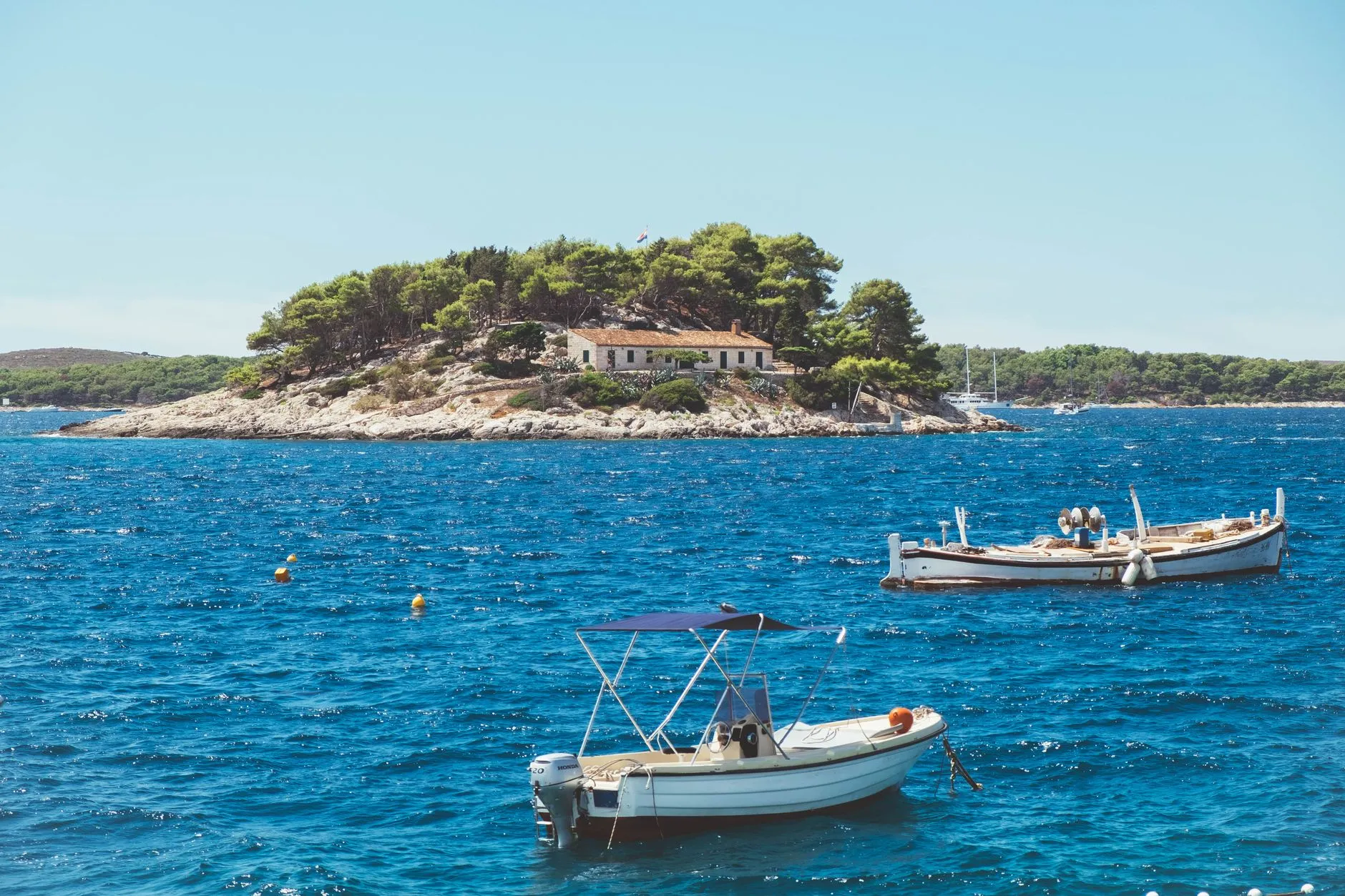
The Dalmatian Coast — Complete Travel Guide 2026
The Dalmatian Coast is the bit of the Mediterranean everyone else found out about too — a 350-kilometre run of Roman stone towns, pine-cloaked islands and water so clear it looks photoshopped, all of it now firmly on the euro and firmly busy in August. The trick to loving it isn’t picking the “best” island; it’s understanding that this is an island-hopping destination first and a beach destination a distant second, that the beaches are gloriously pebbly (not sandy), and that the real luxury here is timing — show up in late June or September and you get the same turquoise water for half the elbows.
Quick Reference
Croatia’s central & southern Adriatic coast and islands (Dalmatia)
Split (SPU), Zadar (ZAD), Dubrovnik (DBV)
Euro (€) — Croatia joined the eurozone on 1 January 2023; the kuna is gone
Croatian (English widely spoken in tourist areas; Italian and German common too)
EU + Schengen. Intra-Schengen arrivals skip border control. EES biometric checks live since 10 April 2026 for non-Schengen arrivals (UK/US/Canada); ETIAS expected, date not announced
Mid-June and September (warm sea, thinner crowds); July–August is peak heat and peak chaos
Diocletian’s Palace, Zlatni Rat beach, island-hopping by ferry, Game of Thrones, peka, Plavac Mali wine
Split for central islands & ferries; Zadar for the north and value; Dubrovnik for the deep south (it has its own guide)
Editor’s Note: The One Decision That Shapes Your Trip
Forget the beaches for a second. The single decision that makes or breaks a Dalmatian trip is which airport you fly into and how much hopping you actually want to do. Split is the engine room — the Adriatic’s biggest ferry port, with 15–20 daily catamaran and ferry departures to the islands in summer, plus the busiest coastal airport. If your dream is “wake up in a different harbour every two days,” fly into Split (SPU) and don’t overthink it.
Fly into Zadar (ZAD) if you want the quieter, more affordable northern half — the Kornati archipelago, fewer cruise ships, accommodation running roughly a quarter to a third cheaper than Split for the same standard. Fly into Dubrovnik (DBV) only if the walled city and the deep-southern islands (Korčula, Mljet, the Elaphiti) are your priority — but note Dubrovnik is a 3-plus-hour bus from Split with a sliver of Bosnia in the middle, and it has its own dedicated guide on this site, so we’ll keep it brief here.
Insider tip: The classic first-timer itinerary is to fly into Split and out of Dubrovnik (or vice versa), hopping Brač → Hvar → Korčula down the chain. Booking an “open-jaw” flight — in to one, out of the other — saves you the dreary backtrack up the coast and is the single biggest time-saver on the whole trip.
Resist the urge to cram in five islands in a week. Two or three, properly, beats five in a blur of ferry queues. Dalmatia rewards the slow.
Should You Go? Who It’s For — and Who It Isn’t
Go if you love clear-water swimming, walkable old towns layered with Roman and Venetian history, fresh fish eaten metres from where it was caught, and the romance of arriving somewhere by boat. It’s superb for couples, for confident solo travellers, for groups who like a mix of culture by day and a glass of Plavac Mali at dusk, and — on the gentler family islands like Brač and Korčula — for families who don’t mind pebbles.
Think twice if you specifically want long, soft, sandy beaches (you will be disappointed — see below), or if you need everything in one resort and hate logistics. Island-hopping means ferry timetables, luggage, and a bit of planning; it is not a sit-by-the-pool package unless you specifically book the Makarska Riviera as a single base.
Reality check: Dalmatia is no longer the cheap secret it was a decade ago. Croatia hit a record 21.4 million arrivals and 110 million overnight stays in 2025, and Split-Dalmatia County alone took roughly a third of all Croatian overnights. Record demand plus the euro changeover has pushed prices firmly into “comfortable Mediterranean,” not “Balkan bargain.” Budget accordingly.
If you’re a hard party-tourist looking for cheap shots and chaos, also note: Hvar, Split and Dubrovnik have all tightened ordinances, with fines up to €700 for drinking in the wrong public spaces and serious penalties for swimwear or shirtlessness in the old towns. This is not Magaluf, and the police now enforce it.
Getting There: Split, Zadar & Dubrovnik Airports
There is no realistic way to skip flying or driving in — and crucially, there is no coastal railway. The trains that exist run inland (Split connects to Zagreb; the Split–Zadar “train” is a 7-hour detour via Knin and a non-option). Plan around airports, buses, ferries and the coastal road.
Split Airport (SPU) sits at Kaštela, about 25 km northwest of the city and right next to Trogir. The cheap, reliable way into Split is the public bus or the airport shuttle bus down the coast; taxis and pre-booked transfers cost more but save you the faff with luggage. Many island catamarans leave from Split’s central harbour, a short hop from the bus and ferry terminal — it’s all conveniently clustered.
Zadar Airport (ZAD) is a compact regional airport a short shuttle ride from the old town. It’s the best entry point for the northern islands and the Kornati, and Zadar’s walkable peninsula means you can be at the Sea Organ within an hour of landing.
Dubrovnik Airport (DBV) is at Čilipi, about 20 km south of the city, served by an airport shuttle bus to the Pile Gate / main bus station. From here the southern islands and Mljet are your easy wins.
Caution: Do not assume you can airport-hop overland casually. Split to Zadar is a 2.5-hour bus on the A1 motorway (158 km); Split to Dubrovnik is 3–4.5 hours and historically crossed a short strip of Bosnia & Herzegovina, though the Pelješac Bridge now lets buses stay inside Croatia. Build these transfers into your plan — they eat a half-day.
We won’t quote specific flight fares here — they swing wildly by season and carrier — but Split has by far the most international connections, with Zadar and Dubrovnik more seasonal.
Where to Base & the Islands
Split is the obvious central base: a living city built inside a Roman emperor’s retirement palace. You don’t visit Diocletian’s Palace so much as wander through it — its 1,700-year-old walls now hold apartments, bars, a cathedral and the throb of café life. As a base it gives you the most ferry options and the best onward connectivity. Stay in or just outside the old town and treat it as your hub.
The Split islands — reachable in 1–2.5 hours by catamaran — each have a distinct personality:
- Hvar is the glamorous one: a yacht-set harbour town, the best nightlife in Dalmatia, and inland lavender fields and old hilltop villages that most day-trippers never see. Chic, expensive, and busy. Move away from Hvar Town and it calms right down.
- Brač is home to Zlatni Rat (the “Golden Horn”), that iconic triangular pebble spit near Bol that shifts its tip with the wind. Brač is bigger, family-friendly, and more down-to-earth than Hvar.
- Korčula is the quieter, vineyard-laced one — a fortified Venetian old town that claims Marco Polo as a native son, plus excellent white wine (Pošip and Grk) and a slower rhythm. A favourite for couples who want Dubrovnik’s looks without the crush.
- Vis is the remote one: furthest out, least developed, opened to tourism late because it was a Yugoslav military base. Komiža, its fishing town, doubled as a Greek island in Mamma Mia! Here We Go Again. From Vis you reach the Blue Cave on tiny Biševo, where midday light through an underwater opening turns the water an electric, silvery blue.
- Šolta is the close, low-key one — olive groves and quiet coves, popular with Split locals escaping the crowds.
Zadar anchors the north — gateway to the Kornati Islands (a national park of 80-plus stark, almost lunar islets, best seen by boat) and within day-trip range of both Krka and Plitvice. Zadar itself is underrated: Roman ruins, a genuine lived-in feel, and Nikola Bašić’s two waterfront art installations (below).
Šibenik sits between the two — a steep stone town crowned by the Cathedral of St James, a UNESCO-listed 15th-century masterpiece built entirely of interlocking stone, no mortar or wood. It’s also the handiest base for Krka National Park.
Trogir, just by Split airport, is a tiny UNESCO old town on its own islet — a perfect 2–3 hour stop, and an easy first or last night near the runway.
The Makarska Riviera — a strip of pebble-beach resort towns (Makarska, Brela, Tučepi) under the dramatic wall of Biokovo mountain — is the one place to base yourself if you want a beach-resort holiday rather than island-hopping. The Biokovo Skywalk, a glass platform jutting 1,228 m above the sea, is the headline excursion.
Dubrovnik is the showstopper in the far south, but it has its own dedicated guide on this site — so treat it as a bookend, not the spine, of a Dalmatian trip.
The Beaches: The Pebble-Not-Sand Truth
Let’s clear this up because it surprises people every single year: Dalmatian beaches are overwhelmingly pebble, shingle or rock, not soft sand. This isn’t a flaw — pebbles are exactly why the water stays so astonishingly clear (no sand churning up) — but it changes how you pack and plan.
The famous ones, like Zlatni Rat on Brač, are smooth white pebbles. Many of the best swimming spots are flat rocks and concrete platforms where you walk in via a ladder. The water is the star: clean, transparent, and warm from late June.
Pack swimming shoes (water shoes). This is the single most useful thing you can bring. Hot pebbles, sharp rocks and the occasional sea urchin make bare feet a genuine hazard, and locals all wear them. Buy a cheap pair at any beach kiosk if you forget.
Don’t expect a lounger-and-sand resort vibe outside the dedicated riviera resorts. Embrace the rock-and-ladder swimming culture instead — it’s half the charm.
Island-Hopping: The Ferry & Catamaran Reality
This is the heart of a Dalmatian trip, and it pays to understand the system. Two kinds of boat matter:
- Car ferries (mostly Jadrolinija, the national line): slower, cheaper, carry vehicles, run year-round on the main routes. A foot-passenger ticket to a nearby island can be very cheap; bringing a car aboard is far pricier and far slower to load.
- Fast catamarans (passenger-only): Jadrolinija, Kapetan Luka / Krilo, and TP Line run high-speed catamarans linking Split and Dubrovnik with Brač, Hvar, Korčula, Vis, Šolta, Mljet and more. Faster, slightly dearer, and the backbone of summer island-hopping.
Split is the hub; Dubrovnik is the southern hub for Mljet, Korčula and the Elaphiti. Zadar serves the northern islands.
Warning — book ahead in July and August. Popular summer catamaran departures (especially Split–Hvar and the Dubrovnik routes) genuinely sell out days in advance. Buy online through the operators’ official sites or apps (jadrolinija.hr, krilo.hr, tp-line.hr) before you arrive. Turning up at the harbour hoping for a same-day ticket in August is how you lose a day.
A few rules of thumb: catamarans are passenger-only (no cars), so if you’re island-hopping without a vehicle they’re your friend; if you want a car on an island, you’ll usually need the slower Jadrolinija car ferry and a reservation. And schedules thin out dramatically off-season — many fast routes only run in summer.
Beyond the Beach: Waterfalls, Palaces & National Parks
Dalmatia’s interior is as good as its coast. The two waterfall parks are the headline trips:
- Krka National Park is the easy win — compact, river-based, centred on the broad Skradinski Buk falls, and just inland from Šibenik/Split, so it works as a half-day to day trip. You can no longer swim at Skradinski Buk (banned since 2021 to protect the ecosystem, and enforced), so come for the boardwalks and views, not a dip.
- Plitvice Lakes is the grander, UNESCO-listed wonderland — sixteen terraced turquoise lakes and ninety-odd waterfalls across vast forest. It needs a full day and is further inland (closer to Zadar than Split). No swimming here either, and it gets seriously crowded — go early.
If you only have time for one and you’re coast-based, Krka is more convenient; Plitvice is more spectacular. Both charge peak-summer adult entry around €40, so neither is cheap.
Don’t skip Diocletian’s Palace in Split (free to wander), the cathedral and bell tower climb, Trogir’s cathedral, the Kornati boat trip from Zadar, and the Biokovo Skywalk above Makarska. In Zadar, the Sea Organ turns wave action into eerie pipe-organ music through stone steps, and the adjacent Sun Salutation (Greeting to the Sun), a 22-metre solar-panel disc set in the pavement, lights up at dusk — best experienced together at sunset.
When to Visit: Month by Month
June — arguably the sweet spot’s start. Long days, sea warming to roughly 22–24°C by mid-to-late month, towns lively but not yet rammed, prices below August. Late June is excellent.
July & August — peak everything. Air temperatures regularly hit 30°C+ (nights rarely dropping below 20°C), sea at its warmest (26–28°C), and crowds, prices and ferry sell-outs at their absolute peak. Beautiful, but you’ll queue for boats and pay top rates. Book everything in advance.
September — the connoisseur’s month. The sea holds around 25°C (warm from a whole summer of sun), the crowds thin after the first week, prices ease, and the light is gorgeous. If you can choose, choose September.
May & October — shoulder season proper: lovely weather, very quiet, but the sea is cooler (swimmable for the hardy in May/early October) and some fast ferries and seasonal businesses wind down.
A word on the wind: the bura (bora) — a cold, gusty northeasterly off the mountains — is mostly a winter phenomenon and can occasionally disrupt ferries; in high summer the gentler maestral sea breeze dominates, which is exactly why summer sailing here is so easy. If a strong bura is forecast, double-check catamaran cancellations.
What to Eat & Drink
Dalmatian food is Mediterranean at its purest — olive oil, garlic, herbs, the sea, and not much fuss.
- Peka — the signature slow-cooked dish: veal, lamb, octopus or chicken with potatoes, baked for hours under a cast-iron bell (the peka) buried in embers. It’s smoky, tender and unforgettable — but most restaurants need it ordered hours ahead (often a day), so plan it.
- Fresh fish, sold by the kilo — grilled over wood with olive oil, blitva (Swiss chard) and potatoes. This is the heart of the cuisine and the best of it.
- Crni rižot (black risotto) — cuttlefish or squid risotto, inky-black from the ink, rich and briny.
- Pršut — Dalmatian dry-cured, wood-smoked ham, aged a year-plus, sliced paper-thin, often with sheep’s cheese.
- Wine — the great native red is Plavac Mali (Pelješac’s Dingač and Postup, and Hvar, make the benchmark bottles), a robust partner for grilled meat. For whites, look to Pošip and Grk from Korčula.
Bill-shock warning: when you order whole fresh fish “by the kilo,” the menu price is per kilogram — and a fish for two can weigh 700g–1kg-plus. Ask the waiter to show you the fish and confirm the approximate total weight and price before it’s cooked. A casual “we’ll have the sea bass” can land you a €60–80 bill you didn’t expect. This is the most common tourist surprise on the coast.
Getting Around
- Ferries & catamarans are how you move between islands — see the island-hopping section. They’re the spine of any multi-island trip.
- Coastal buses are frequent, cheap and reliable along the mainland (Split–Zadar–Dubrovnik and everywhere between), running on the scenic Jadranska Magistrala (D8) coastal road or the faster A1 inland motorway. For mainland towns without your own car, the bus network is excellent.
- No coastal railway — say it again. Trains run inland to Zagreb; they do not usefully connect the coastal towns. Don’t plan around rail.
- Car hire is worth it for the mainland and the bigger islands (Brač, Hvar, Korčula have roads worth driving) but is a liability in old-town Split or Dubrovnik (no parking, restricted zones). A common smart play: do the islands car-free by catamaran, then hire a car for a few days for Krka/Plitvice/Pelješac. Small cars start cheap but rates climb steeply in peak season — book early.
Car-vs-ferry tip: putting a car on a Jadrolinija ferry is expensive and slow (long summer queues, big round-trip costs). If your island plan is town-based, go foot-passenger on catamarans and rent locally on the island if you need wheels. Only take a car across if you genuinely need it for remote coves.
Where to Stay: By Area & Budget
- Apartments & “sobe” (private rooms/apartments, the sobe sign means rooms-to-let) are the backbone of Dalmatian accommodation and usually the best value — kitchen, space, local hosts, often well under hotel rates. Roughly 65% of Croatia’s beds are private accommodation, so this is the norm, not the budget option.
- Island boutique — Hvar, Korčula and Vis have lovely small stone hotels and design guesthouses; charming but priced at a premium in summer.
- Resort — the Makarska Riviera and parts of the bigger islands have proper beach hotels if you want one base, a pool and half-board.
- Base strategy: Split or Trogir near the airport for arrival/departure; an island or two in the middle; Dubrovnik (its own guide) as a southern bookend if your route runs that way.
Expect roughly €100/night for two in a decent summer apartment, climbing to €150+ for anything central or seafront — and considerably more on Hvar in August.
Costs & Budget
Croatia is no longer cheap, and the euro changeover made that obvious. Plan for comfortable-Mediterranean prices:
- A mid-range restaurant meal runs around €13–20 per person; a fish-by-the-kilo dinner for two with wine can easily hit €60–100.
- Apartments around €100/night for two in summer, more for prime spots.
- Catamaran tickets roughly €10–25 per person on popular routes; car ferries cheaper for foot passengers (€5–10 to nearby islands) but pricey with a vehicle (~€80–100 round trip).
- Krka/Plitvice entry up to ~€40 each in peak season.
- A realistic daily budget is around €80–150 per person depending on style and season.
Cards vs cash: Croatia is firmly on the euro and cards are accepted almost everywhere — but carry some cash for small sobe hosts, tiny island konobas (taverns), markets, and the odd ferry kiosk. And ignore any old guidebook telling you to “bring kuna” — the kuna has been gone since 1 January 2023.
Practical Information
Border & entry (2026): Croatia is in the EU and the Schengen Area and uses the euro (since 1 January 2023). If you arrive from another Schengen country (a flight from Germany, France, Italy, etc.), there’s no border control. If you arrive from outside Schengen — including the UK, US and Canada — you’ll be processed through the EU’s Entry/Exit System (EES), which has been live since 10 April 2026: on your first post-EES entry, a border officer or kiosk takes your fingerprints and a facial photo and links them to your passport (it replaces passport stamping). Separately, ETIAS — a pre-travel online authorisation for visa-exempt visitors — is Expected, with no date announced, with a transitional grace period after that before it’s mandatory. EU/EEA/Swiss travellers are unaffected by both. Check the current status before you fly, as rollout dates have shifted before.
Safety: Dalmatia is very safe by European standards — petty theft in crowded tourist spots is the main concern. Tap water is safe to drink throughout. Mobile coverage and data are good across the coast and most islands.
Tipping: not obligatory, but rounding up or leaving ~10% for good restaurant service is appreciated and increasingly expected in tourist areas.
Behaviour & fines: take the new ordinances seriously — fines up to €700 for public drinking in banned zones, and penalties for walking through old towns in swimwear or shirtless (Hvar, Split and Dubrovnik all enforce this). Dubrovnik has also moved to restrict wheeled suitcases through parts of the Old Town. Dress and behave respectfully in the historic centres and you’ll have no issues.
Frequently Asked Questions
Cheapest Flights to The Dalmatian Coast
We have tracked 2,276 fares to The Dalmatian Coast from 80 cities. As of June 2026, here is what a good price looked like from each — the lowest fare we recorded, and a “great-deal” benchmark to judge a quote against. These are tracked observations, not live prices: by the time you read this they will have moved, so treat them as a yardstick, not a quote.
| From | Lowest fare we tracked | Great-deal benchmark |
|---|---|---|
| Rome Ciampino (CIA) | €23 | €33 |
| Bergamo (BGY) | €24 | €34 |
| Marseille (MRS) | €26 | €37 |
| Bucharest (OTP) | €26 | €37 |
| Katowice (KTW) | €27 | €39 |
| Krakow (KRK) | €29 | €42 |
| Wrocław (WRO) | €29 | €42 |
| Gdansk (GDN) | €31 | €44 |
| Sandefjord Torp (TRF) | €31 | €44 |
| Frankfurt Hahn (HHN) | €33 | €47 |
| Prague (PRG) | €34 | €48 |
| Warsaw (WMI) | €34 | €48 |
| Cologne (CGN) | €34 | €49 |
| Lyon (LYS) | €40 | €57 |
Recent deals we have posted to The Dalmatian Coast:
- Oslo to Split, Croatia from €105
- Geneva to Split, Croatia from CHF 71
- Berlin to Split, Croatia from €49
- London to Split, Croatia from £84
- Berlin to Zadar, Croatia from €54
- Kraków to Zadar, Croatia from €44
- Eindhoven to Zadar, Croatia from €58
- Budapest to Zadar, Croatia from €39
- Gothenburg to Zadar, Croatia from €51
- Barcelona to Zadar, Croatia from €45
These are fares aifly tracked to this destination, not live quotes — they have changed since and several of the deals above may have expired. Browse current flight deals →