Addis Ababa Bole International Airport (ADD) is the undisputed “Gateway to Africa” and the primary global fortress for Ethiopian Airlines, the continent’s largest and most successful carrier. Located just 6km southeast of central Addis Ababa at an altitude of 2,334 meters, ADD is one of the highest international airports in the world. In 2026, the airport handles over 22 million passengers annually, serving as a critical bridge between Africa, Asia, Europe, and the Americas.
Following the completion of the Phase 3 expansion in late 2025, Bole has transformed from a congested transit point into a world-class facility featuring state-of-the-art biometrics, a massive new international terminal, and an integrated in-terminal luxury hotel. This guide provides the professional-grade intelligence needed to navigate the complex security and transit landscape of Addis Ababa with 10/10 efficiency.
🏢 1. Terminal Architecture: The 2026 Hierarchy
A common point of confusion at ADD is terminal assignment. In 2026, the terminal roles have been strictly reorganized to handle the massive surge in Star Alliance transit traffic.
Terminal 2: The Global Flagship (International)
- Airlines: Ethiopian Airlines (International Hub), Lufthansa, Turkish Airlines, United Airlines, Emirates, Qatar Airways, and Singapore Airlines.
- Infrastructure: A massive glass-and-steel extension opened in 2025. Features a high-tech “Silent Airport” environment, centralized security for transit passengers, and a vast duty-free promenade.
- Vibe: Modern, airy, and designed for high-concurrency transit. Most intercontinental flights depart from the new “Gate 20–45” wing.
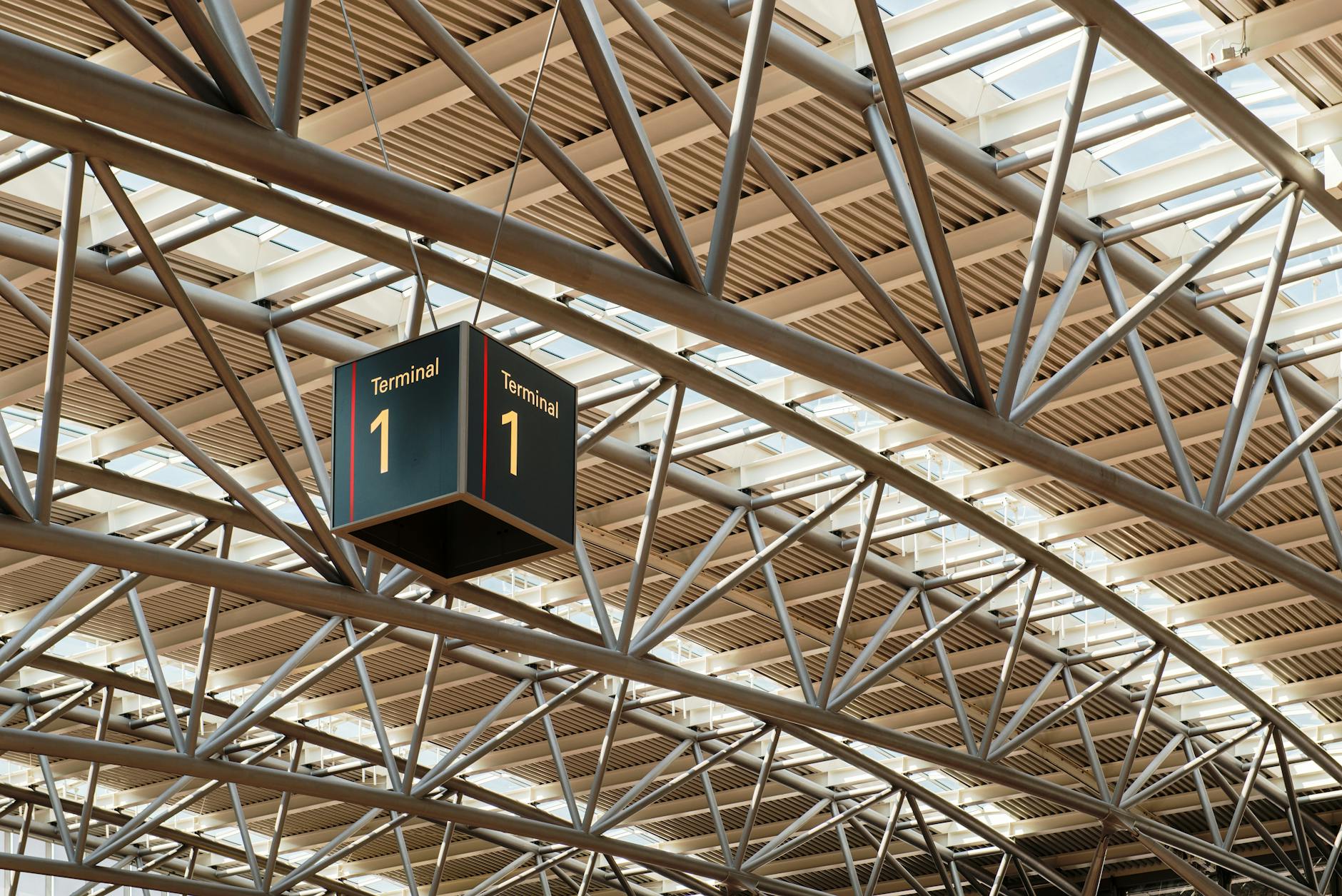
Terminal 1: Regional & Specialized International
- Airlines: Regional flights (Sudan, Djibouti, Somalia) and select non-Star Alliance carriers.
- Infrastructure: Recently renovated, providing a more compact experience. Connected to Terminal 2 by a shuttle bus and an internal walkway (approx. 10-minute walk).
Domestic Terminal
- Airlines: Ethiopian Airlines Domestic.
- Logistics: Housed in a separate building adjacent to Terminal 1. If you are flying to Lalibela, Gondar, or Aksum, you must ensure you are dropped off here.
🛂 2. Visa & Ethiopia Entry 2026
Ethiopia has pioneered the “Digital Border” in East Africa. In 2026, manual processing is being phased out for most tourists.
- E-Visa (Recommended): The official Ethiopia E-Visa (evisa.gov.et) is the mandatory standard for most nationalities. You must have a printed copy of your approval. Processing time is usually 24–72 hours.
- Visa on Arrival: Still technically available for select nationalities at dedicated counters in T2, but significantly slower. Expect queues of 45–90 minutes during the early morning arrival wave.
- Transit Visa: If your layover is less than 24 hours and you stay in the airport or the provided transit hotel, no visa is required. For a city excursion, a 12-hour or 24-hour transit visa can be obtained digitally.
🚆 3. Transport: Reaching the City Centre
Addis Ababa is a city of hills and heavy traffic. In 2026, app-based transport has completely replaced the old “negotiation” model for savvy travelers.
The “Pro” Choice: Ride or Feres (Rideshare)
- Apps: Download Ride or Feres (the Ethiopian equivalents of Uber/Bolt).
- Connectivity: You will need a local SIM (available in arrivals) or the airport WiFi to book.
- 2026 Price: 800 – 1,200 ETB (approx. $8 – $12 USD) to Bole Medhanialem or Kazanchis.
- Advantage: Fixed pricing and GPS tracking. Drivers meet you at the “App Pickup” zone in the parking lot.
Official Yellow/Blue Airport Taxis
- Process: Pay at the official counter inside the arrivals hall. Do not accept rides from “freelance” touts outside the doors.
- 2026 Price: 1,500 – 2,000 ETB.
- Note: More expensive than apps but safer for late-night arrivals if you don’t have a local SIM card.
The Light Rail (Metro)
- Reality Check: The Addis Ababa Light Rail does NOT stop at the airport. The nearest station (Bole) is 3km away. It is not recommended for travelers with any luggage.
🛡️ 4. Security Protocols: The “ADD Triple Check”
Security at Bole is notoriously rigorous and multi-layered.
- Terminal Perimeter: A full bag scan and physical pat-down before entering the check-in hall.
- Central Security: Standard X-ray after immigration.
- Gate Security: A final manual inspection and X-ray at the individual boarding gate.
Expert Tip: In 2026, T2 has implemented Next-Gen CT Scanners at the central checkpoint, but the Gate Check remains mandatory for US and UK-bound flights. Finish your coffee before heading to the gate.
🛋️ 5. Premium Lounges: 2026 Status
Ethiopian Airlines operates some of the largest lounges in the world to accommodate its transit volume.
- Cloud Nine Lounge (T2): Exclusive to Ethiopian Business Class passengers. Features a Traditional Ethiopian Coffee Ceremony (live), quiet sleeping pods, and an extensive hot buffet.
- ShebaMiles Silver/Gold Lounges (T2): For Star Alliance Gold and ShebaMiles status holders. Significantly expanded in 2025 to reduce crowding.
- Plaza Premium Lounge (T2): The primary option for Priority Pass and pay-in guests. 2026 price: approx. $50 USD for 4 hours.
🏨 6. The “Skylight” Transit Ecosystem
If you have a long layover, Addis offers one of the best transit experiences globally.
- Ethiopian Skylight In-Terminal Hotel: Located airside in Terminal 2. You do not need a visa to stay here. 2026 rates start at $120 USD.
- Free Hotel Accommodation (STPC): If your connection is between 8 and 24 hours, Ethiopian Airlines often provides a free hotel voucher, including meals and transport. You must collect this at the “Interline Desk” in T2 arrivals.
💡 7. Insider “Editor” Tips for 2026
- Coffee Excellence: You are in the birthplace of coffee. Skip the international chains. Head to Tomoca Coffee or Kaldi’s airside in T2 for a world-class macchiato at local prices.
- Cash Logistics: The Ethiopian Birr (ETB) is highly volatile. ATMs at the airport are reliable, but do not withdraw more than you need. It is difficult to exchange Birr back into USD/EUR upon departure.
- Connectivity: Buy an Ethio Telecom SIM card at the arrivals kiosk. In 2026, 5G is active in the Bole area. A “Tourist SIM” costs approx. 500 ETB.
- Altitude Warning: Addis Ababa is at 7,700 feet. If you are transiting from sea level, you may feel slight shortness of breath or dehydration. Drink twice as much water as usual.
- Duty-Free Hub: Ethiopia is famous for its leather and spices. The T2 duty-free has excellent curated boutiques for high-end leather jackets and “Berbere” spice blends.
❓ Frequently Asked Questions (FAQ)
Is the tap water safe to drink?
No. Even in high-end hotels, always use bottled or filtered water. Airside bottled water is priced at approx. 100 ETB.
How early should I arrive for an international flight?
At least 3.5 hours. The three layers of security and the massive morning/night departure waves (when 40+ jets leave within 2 hours) can cause significant delays.
Can I use my credit card at the airport?
Yes, in duty-free and lounges. However, for taxis and small cafes, cash (Birr) is still preferred.
Is there a place to shower without lounge access?
Yes, the Skylight In-Terminal Hotel offers “Shower-only” packages for approx. $25 USD.
📈 2026 Summary Data Table
| Feature | Current Data (2026) |
|---|---|
| IATA Code | ADD |
| Primary Currency | Ethiopian Birr (ETB) |
| Ride/Feres to City | 800 – 1,200 ETB |
| Visa on Arrival | ~$52 USD (Standard) |
| Security Tech | 3-Layer Manual & X-Ray |
| Transit Hotel | Skylight (Airside T2) |
| Official WiFi | “Bole Free WiFi” (SMS Login) |
This guide is maintained by the aifly.one Autonomous Intelligence Team. Verified for April 2026 travelers.