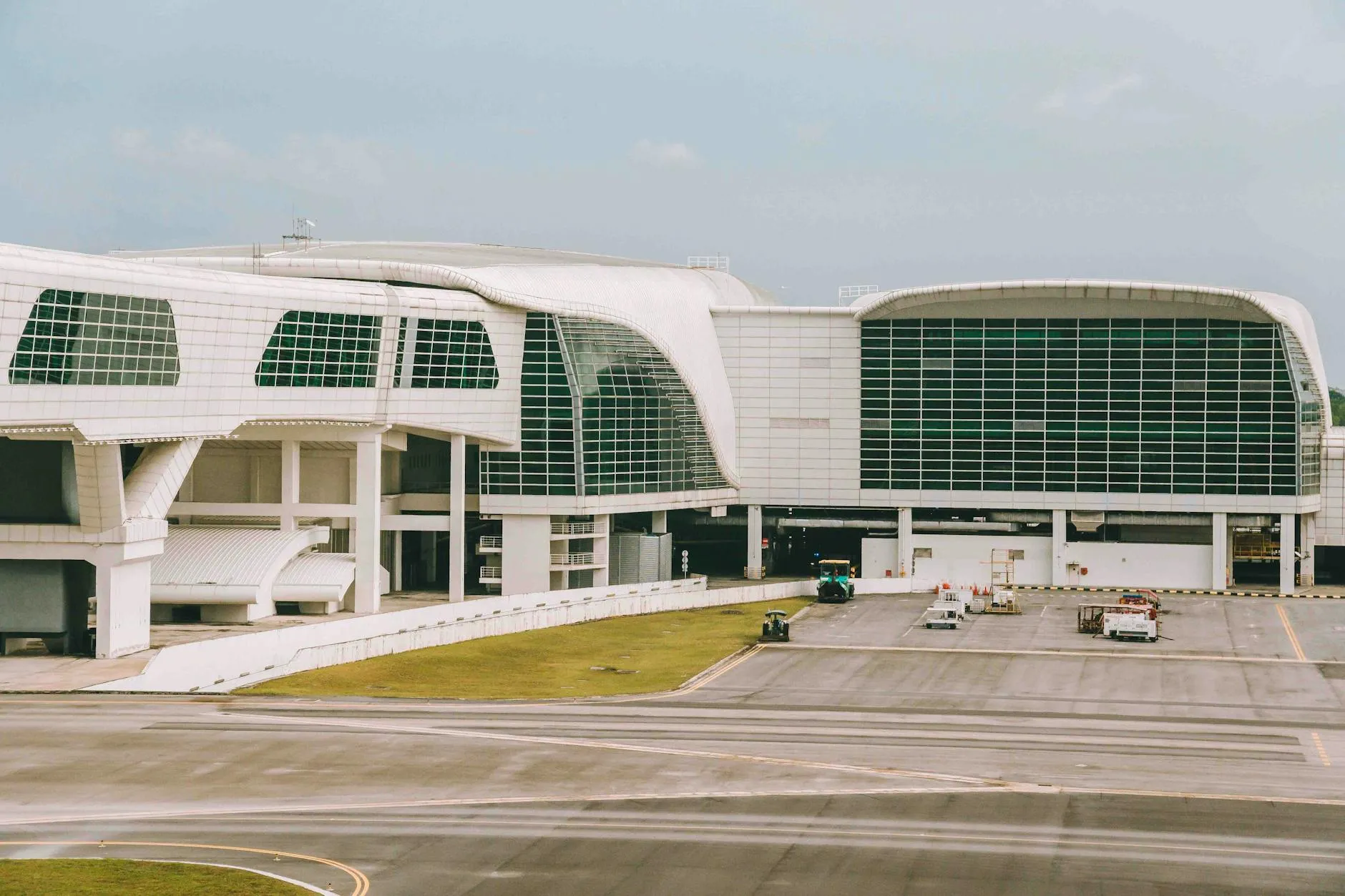
Chennai (MAA) — The Complete 2026 Airport Guide
Two things trip people up at Chennai, and both happen before you ever taxi to the gate. First: India will not let you board without an e-Visa you arranged online days in advance — there is no visa on arrival for most Western travellers, and the fake “visa” sites that top the search results will overcharge you for nothing. Second: the big new integrated Terminal 2 has quietly taken over international flights, so the terminal you used on your last trip may not be the one you need now. Sort those two out and Chennai is one of the easier South Indian arrivals.
Last verified: July 2026. Visa rules, terminal assignments and transport fares in India change often — confirm the specifics on your ticket, on your airline’s app and on official government sites before you travel.
Quick reference
| Detail | What you need to know |
|---|---|
| Airport | Chennai International Airport, IATA MAA — South India’s main international gateway, in the Meenambakkam / Tirusulam area ~7 km southwest of the city; over 22 million passengers in the 2024–25 year |
| Terminals | T2 — the New Integrated Terminal Building, now the international terminal. T1 and T4 — domestic. The old Terminal 3 was demolished to build T2. Naming online is a mess; trust your boarding pass |
| Entry | Most Western tourists need an e-Visa arranged online in advance — apply at least 4 days before travel on the official site only. No visa on arrival for US, UK, EU, Canada, Australia nationals |
| Into the city | Metro Blue Line from the airport station, ~₹40–50 (~$0.55) to Chennai Central, ~40 min · prepaid taxi ~₹350–550 to the centre · Ola/Uber from the app pickup zone · suburban rail from Tirusulam |
| Connections | No airside transfer between international (T2) and domestic (T1/T4) — you clear immigration, collect bags, exit and re-check in. Allow 3 hours for an international↔domestic connection, more at peak |
| Watch out for | Scam “e-Visa” websites · booking a domestic flight from the wrong terminal · the late-evening taxi surge · touts outside arrivals — use the prepaid counter or the app |
The 2026 trap: international moved to the new Terminal 2
Chennai has been in the middle of a long, phased terminal rebuild, and the result changed which building you use. The headline: the shiny New Integrated Terminal Building — Terminal 2 (T2) is now the airport’s international terminal, and it is where your long-haul flight to or from Europe, the Gulf or Southeast Asia will operate. To make room for it, the airport demolished the old Terminal 3 and folded that footprint into the expanded T2, whose second phase was completed in 2026.
Domestic flights, meanwhile, run out of Terminal 1 and Terminal 4. Which of the two your domestic flight uses depends on the airline and can change, so check the terminal printed on your ticket or in your airline’s app rather than assuming — this is the single most common Chennai mistake for connecting passengers.
Be warned that a lot of what you will read online is out of date. Older guides and even some booking sites still use the historic names — the “Anna International Terminal” and the “Kamaraj Domestic Terminal” — and some blogs still list a Terminal 3 that no longer exists as a separate building. Ignore the folklore. In 2026 the rule that matters is simple: international = T2; domestic = T1 or T4.
Getting into Chennai
The airport is close to the city — roughly 7 km southwest of the centre — but Chennai traffic is unforgiving, so the mode you pick matters more than the distance suggests. The genuinely good news for 2026 is that the Metro reaches the terminals, and it is absurdly cheap.
| Option | Price | Time to centre | Verdict |
|---|---|---|---|
| Metro (Blue Line) | ~₹40–50 (~$0.55 / €0.50) | ~40 min to Chennai Central | Cheapest, beats the traffic, air-conditioned — the default for light luggage |
| Prepaid taxi | ~₹350–550 to the centre (~$4–6.50) | 30–60 min, traffic-dependent | Fixed fare, driver and plate on the slip — the safe, no-haggle choice |
| Ola / Uber | ~₹300–500 off-peak; 1.5–2× at surge | 30–60 min | Convenient if the app works on your SIM; use the designated app pickup zone |
| Suburban rail (from Tirusulam) | ~₹5–10 (a few cents) | ~30–40 min to Chennai Beach/Egmore area | Local, very cheap, no A/C, crowded — for the adventurous and lightly packed |
The Metro — the smart default
Chennai Metro’s Blue Line terminates at the Chennai International Airport station, reached from the terminals by covered walkways and travelators, so it is effectively at the airport rather than a taxi ride away. From there it runs direct — no interchange — to Chennai Central in around 40 minutes for roughly ₹40–50, and onward across the network (change at Central or Alandur for other lines). A Metro smart card shaves about 20% off each fare and saves queuing at the machine. Trains are modern and air-conditioned, which on a humid Chennai afternoon is worth more than the money you save. The catch: the Metro runs roughly 05:00 to 23:00, so a late international arrival will need a taxi.
Taxis, ride-hailing and the suburban train
For a fixed price with no negotiation, use the prepaid taxi counter inside arrivals: you pay a set fare — around ₹350–550 to the central districts, with published slabs such as roughly ₹420 to T Nagar and ₹580 out to the OMR/Sholinganallur tech belt — and get a slip showing the driver and vehicle. Ola and Uber both operate here; fares are often a little lower off-peak but jump to 1.5–2× during the late-evening and early-morning surge, and you must walk to the airport’s designated app pickup zone rather than being collected at the door. Ignore any driver who approaches you inside the hall touting a ride — the prepaid counter and the apps are the two clean options. For the truly budget-minded, Tirusulam suburban railway station sits about 500 m from the terminals and puts you on the local line into the city for a handful of rupees, but the trains are crowded, non-A/C and best attempted with only a backpack.
Entry: the e-Visa you must sort out before you fly
This is the part that ruins trips, so read it carefully. India does not offer visa on arrival to citizens of the US, UK, EU countries, Canada or Australia. If you turn up at Chennai expecting to sort a visa at the desk, you will be denied boarding at your departure airport — the airline checks before you fly. You must hold an approved e-Visa (electronic Travel Authorisation) issued before you travel.
- Apply only on the official government site: indianvisaonline.gov.in (the e-Visa portal). A whole industry of lookalike “India visa” sites buys the top ad slots and charges large “service fees” on top of the real government price, or simply takes your data. The government’s own guidance is blunt about this — use the official portal and nothing else.
- Timing: you can apply from a minimum of 4 days before arrival up to about 30 days ahead for the 30-day visa (and up to ~120 days ahead for the longer ones). Do not leave it to the airport — processing typically takes a few days.
- Tourist e-Visa types and fees (US-dollar government fees, tiered by season and duration): the 30-day e-Tourist visa is around $25 most of the year but drops to about $10 for arrivals in April–June; the 1-year multiple-entry e-Tourist visa is about $40; a 5-year option also exists. The 1- and 5-year visas allow multiple entries, with a cap on how long you can stay per visit — check the current limits when you apply.
- Chennai is an approved e-Visa airport, so you can enter on your e-Visa here. Print or save your approved ETA (the email approval) to show at immigration.
- The narrow visa-on-arrival exception applies only to nationals of Japan, South Korea and (conditionally) the UAE — it is not a route for Western tourists.
Connections and minimum times
Chennai has no secure airside corridor between its international and domestic terminals. An international-to-domestic connection here is a full re-entry: you clear immigration, collect your checked bags off the international belt in T2, pass customs, physically exit, move to the domestic terminal (T1 or T4), and check in again from scratch — including a fresh security screening.
The airport does not publish a passenger-friendly minimum connecting time for this, and airlines vary, but the honest planning number is at least three hours between an international and a domestic flight, and more during the morning and evening peaks when immigration queues build. If you booked the two flights on separate tickets, add a large buffer — nobody will re-protect you if the first runs late. A domestic-to-domestic connection (T1↔T4, or within a terminal) is far simpler and quicker, but still leave time for the terminal change.
Lounges
Chennai’s lounge scene is built around the Travel Club (TFS) brand, with locations in both the domestic terminals and the international one — the international lounge sits airside in the new Terminal 2. In India, lounge access is overwhelmingly a credit-card perk rather than a business-class-only privilege, so more travellers get in than you might expect.
- Travel Club / TFS lounges — in T1 (domestic) and in T2 (international), plus domestic capacity at T4. Entry is commonly via Priority Pass or DragonPass and many Indian and international premium credit cards; a paid walk-in runs roughly ₹2,500–2,800 (~$29–33 / €27–30) where offered.
- Priority Pass holders: the Travel Club lounges are your reliable option here. Access rules and which card covers which lounge shift periodically, so confirm your specific card’s coverage in its app before you rely on it — and check the terminal, since the international and domestic lounges are separate.
If you are flying a premium cabin on an international carrier, you will be directed to that airline’s or its alliance’s contracted lounge in T2; those are ticket-based and separate from the pay-in or Priority Pass options above.
Food, money, SIM and practicalities
Food: the reward for skipping the international coffee chains is proper South Indian food — this is the home of the dosa, idli and filter coffee. Both the domestic and the new international terminal have food courts and Tamil-style cafés; a solid vegetarian meal or a plate of idli-vada with coffee is inexpensive by airport standards. Prices airside are marked up over the street, as everywhere, but a South Indian thali or tiffin here is still good value and genuinely good.
Money: use bank ATMs in the arrivals hall rather than the currency-exchange desks, which give poorer rates. If an ATM offers to charge you in your home currency, decline and choose rupees to avoid the dynamic-conversion markup. Carry some small cash — many local taxis, the suburban train and small vendors are cash-first, even though cards and UPI are widespread in the city.
SIM / eSIM: getting a local SIM in India involves ID and a short activation wait, so if you want data the moment you land, buy a travel eSIM before departure — it is the least-hassle route and means Ola/Uber and maps work at the kerb. Free airport Wi-Fi is available but typically requires an OTP sent to a phone number, which is awkward without a working local number.
Climate note: Chennai is hot and humid most of the year and can flood during the northeast monsoon (roughly October–December) — budget extra transfer time in heavy rain, when traffic seizes up.
Frequently asked questions
Which terminal is international at Chennai airport?+
International flights use Terminal 2, the New Integrated Terminal Building (NITB), which is now Chennai’s international terminal. Domestic flights operate from Terminal 1 and Terminal 4. The old Terminal 3 was demolished to expand T2. Some older websites still use the historic “Anna International” and “Kamaraj Domestic” names — ignore those and check the terminal printed on your boarding pass.
Do I need a visa to visit India in 2026, and can I get one on arrival?+
Yes, you need a visa, and no — there is no visa on arrival for US, UK, EU, Canadian or Australian tourists. You must obtain an e-Visa online before you travel, at least 4 days before arrival, on the official government portal indianvisaonline.gov.in. Visa on arrival exists only for Japanese, South Korean and (conditionally) UAE nationals. The airline will not let you board without an approved e-Visa.
How much does the India e-Tourist visa cost?+
Government fees are in US dollars and depend on duration and season. The 30-day e-Tourist visa is about $25 for most of the year and around $10 for April–June arrivals; the 1-year multiple-entry visa is about $40, and a 5-year option also exists. Beware clone websites charging inflated “service fees” — apply only at indianvisaonline.gov.in and pay the government price.
How do I get from Chennai airport to the city centre?+
The cheapest and often fastest option is the Metro Blue Line, which starts at the airport station and runs direct to Chennai Central in about 40 minutes for roughly ₹40–50. A prepaid taxi from the counter inside arrivals costs about ₹350–550 to central districts. Ola and Uber work from the designated app pickup zone but surge 1.5–2× late at night. The Metro runs roughly 05:00–23:00, so late arrivals will need a taxi.
Is the Metro station actually at the airport terminal?+
Yes. The Chennai International Airport station is the terminus of the Metro Blue Line and connects to the terminals by covered walkways and travelators, so it is effectively at the airport rather than a separate journey away. Don’t confuse it with the nearby Meenambakkam metro station or the Tirusulam suburban railway station, which are different stops.
How long should I leave for an international-to-domestic connection?+
Allow at least three hours. Chennai has no airside link between the international terminal (T2) and the domestic terminals (T1/T4), so you must clear immigration, collect your checked bags, pass customs, exit, move to the other terminal and check in again. Add more time during peak hours, and a large buffer if your flights are on separate tickets.
Can I use my Priority Pass at Chennai airport?+
Yes — the Travel Club (TFS) lounges accept Priority Pass, with lounges in the domestic terminals and in international Terminal 2. DragonPass and many premium credit cards also grant access, and paid walk-in is usually around ₹2,500–2,800. Coverage rules change, so confirm your specific card in its app and check whether the lounge is on the domestic or international side.
Is there a SIM card or Wi-Fi at Chennai airport?+
Free airport Wi-Fi exists but usually needs a one-time code sent to a phone number, which is awkward without a working Indian SIM. Buying a local SIM on arrival involves ID checks and a wait, so the easiest option is to install a travel eSIM before you fly so ride-hailing and maps work as soon as you land.
At a glance
| Codes | MAA / VOMM — Chennai International Airport |
| Terminals | T2 (international, new integrated building) · T1 & T4 (domestic) · old T3 demolished |
| Distance to centre | ~7 km southwest, Meenambakkam / Tirusulam area |
| Cheapest to city | Metro Blue Line, ~₹40–50, ~40 min to Chennai Central, direct |
| Fixed-fare taxi | Prepaid counter, ~₹350–550 to central districts |
| Entry | e-Visa required in advance via indianvisaonline.gov.in; no visa on arrival for most Western tourists |
| Int’l↔domestic connection | No airside transfer; allow ~3 hours minimum |
| Lounges | Travel Club / TFS in T1, T2 (int’l) and T4; Priority Pass & DragonPass accepted |
Before you fly
- 📊 Check what a good fare to Chennai looks like — our price-check tool shows the typical deal range so you know a bargain when you see one.
- 🧳 Baggage checker — confirm your airline’s carry-on and checked allowance before you pack.
- 🌏 India travel guide — regions, the best time to go, and how to get around once you land.
🌏 Planning the trip? Read our India travel guide — the Golden Triangle, the South, Rajasthan, and when to go.