Cochin (COK) — The Complete 2026 Airport Guide
Cochin is the airport that runs on sunshine — in 2015 it became the first in the world to power itself entirely from its own solar farm, and it is still the calmest, greenest gateway in South India. But the thing that will actually shape your arrival in 2026 isn’t the solar panels: since 1 April every foreign visitor must file a digital e-Arrival Card before landing, and there is no visa on arrival for most Western tourists. Sort the paperwork before you fly and Cochin is a pleasure. Turn up unprepared and it’s a queue.
Last verified: July 2026. Fares, terminal assignments and India’s entry rules change often — confirm the specifics on your ticket and at official signage before you travel.
Quick reference
| Detail | What you need to know |
|---|---|
| Airport | Cochin International Airport, IATA COK — Kerala’s main gateway at Nedumbassery; over 11 million passengers in FY2024–25, and the world’s first fully solar-powered airport |
| Location | ~25–30 km northeast of central Kochi (Ernakulam) — budget 45–75 minutes into town depending on traffic |
| Terminals | T3 — all international flights · T1 — all domestic flights · T2 — executive/charter only. T1 and T3 are close together (short walk or free shuttle) |
| Into Kochi | CIAL prepaid taxi ~₹700–1,200 (~$8–14) · Ola/Uber from the app pickup zone · KSRTC air-con bus via Aluva from ~₹45 · budget rail-link combo under ₹130 |
| Entry | Most Western tourists need an e-Visa arranged in advance (no visa on arrival) plus a mandatory e-Arrival Card filed within 72 hours of landing |
| Watch out for | The e-Arrival Card catching first-timers · fake “India visa” websites · assuming the metro reaches the airport (it doesn’t) · monsoon downpours June–September |
The airport that runs on sunshine
Cochin’s headline is genuinely one of a kind. In August 2015 it became the first airport anywhere in the world to run fully on solar power, generating enough from its own array — more than 90,000 panels spread across land near the cargo complex — to cover its needs across the year and feed the surplus back into the Kerala grid. It draws grid power at night and balances out over the year, so “solar-powered” means net energy-positive rather than off-grid, but the achievement is real: it earned the operator the United Nations’ Champions of the Earth award in 2018, the UN’s highest environmental honour.
That green streak is not a gimmick — it tells you what kind of airport this is. Cochin was built and is run by CIAL (Cochin International Airport Limited), a public-private company in which the Government of Kerala is the largest single shareholder and the rest is held by non-resident Keralites and the public. It was India’s first airport developed this way, and the result is an efficient, uncrowded, well-signed airport that punches above the size of the city it serves — largely because Kochi is one of the great Gulf-migration gateways, with a steady wall of flights to Dubai, Abu Dhabi, Sharjah, Doha, Muscat, Kuwait, Bahrain and Jeddah carrying Kerala’s huge expatriate workforce.
Three terminals — and only one you’ll probably use
Unlike the sprawling multi-terminal hubs of Delhi or Mumbai, Cochin keeps it simple. There are three terminals, but as an international visitor you’ll almost certainly touch only one or two of them:
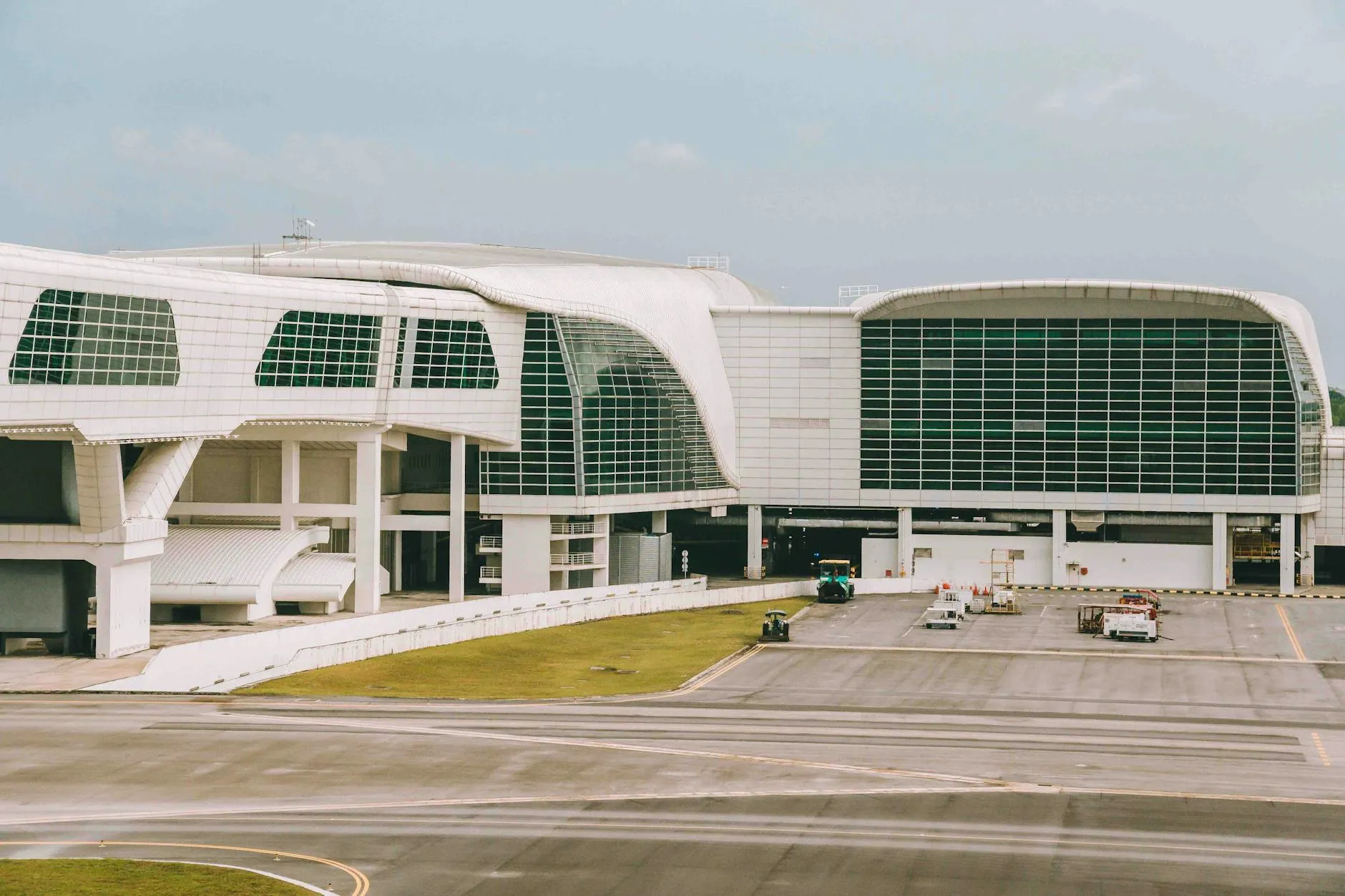
- Terminal 3 (T3) — international. Every international flight uses T3, opened in 2017. It’s a large, modern building wrapped in Keralan-style architecture, with generous immigration and check-in capacity. This is where you land and depart on any Gulf, European, Asian or long-haul service.
- Terminal 1 (T1) — domestic. All domestic flights (IndiGo, Air India, Akasa, SpiceJet and the rest) use the fully renovated T1. If you’re connecting onward to Bengaluru, Mumbai, Chennai or Delhi, this is your terminal.
- Terminal 2 (T2) — executive and charter only. A small terminal for private jets, VIP and charter movements. You won’t use it on a scheduled ticket.
The good news for connections: T1 and T3 sit close together — a short walk on a covered path, or a free shuttle, rather than the long inter-terminal hauls you get at bigger airports. The distance matters far less here than the process of a domestic-to-international transfer, which is covered below.
Getting into Kochi and Ernakulam
The airport is out at Nedumbassery, roughly 25–30 km north of the city, so the transfer is a real leg of the journey — plan for 45 to 75 minutes depending on traffic. Here’s the honest comparison:
| Option | Price | Time to Ernakulam | Verdict |
|---|---|---|---|
| CIAL prepaid taxi | ~₹700–1,200 (~$8–14 / €7–13) | ~45–75 min | Fixed fare, 24/7 counters at both terminals — the safe default |
| Ola / Uber | Metered, often ~₹600–900 | ~45–75 min | Cheaper if surge is low; use the marked app pickup zone outside arrivals |
| KSRTC air-con bus | From ~₹45; airport express to Ernakulam higher | ~60–90 min | Great value; runs via Aluva roughly every 30–60 min, ~5am–11pm |
| Bus + Kochi Metro combo | Under ₹130 total (~$1.50) | ~75–90 min | Cheapest into south Ernakulam — bus to Aluva, then Metro Blue Line |
Taxis and app cabs — start at the prepaid counter
The CIAL prepaid taxi desks are inside both the international (T3) and domestic (T1) arrivals halls, fully computerised and open around the clock. You pay a fixed fare up front — expect roughly ₹700–1,200 to Ernakulam depending on exactly where you’re going — and hand the slip to the driver, which removes any haggling. Ola and Uber both operate from a designated pickup zone just outside arrivals and are usually a little cheaper when demand is normal; they’re the easy choice if you already have the apps and an Indian SIM or eSIM.
Buses, the metro, and one honest warning
KSRTC runs air-conditioned buses from the airport to Ernakulam via Aluva, roughly every 30–60 minutes from about 5am to 11pm — the cheapest civilised way into town. The genuine budget move is a combo: take a bus (from about ₹45) or the KMRL feeder shuttle (~₹50) the ~11 km to Aluva metro station, then ride the Kochi Metro Blue Line south into the city for a total under ₹130.
Entry: e-Visa and the mandatory e-Arrival Card
India’s entry system changed in 2026, and getting it wrong is the single biggest way to ruin your first hour in Kochi. Two documents, both sorted before you fly:
- You almost certainly need a visa arranged in advance. There is no visa on arrival at Cochin for most Western nationalities — visa-on-arrival is limited to a handful of passports (Japan, South Korea, and certain UAE nationals). Everyone else applies online for an e-Visa before travelling. The tourist e-Visa comes in 30-day double-entry, 1-year and 5-year multiple-entry versions; the per-visit stay is capped at 90 days for most nationalities (180 days for US, UK, Canadian and Japanese passport holders). Cochin is one of India’s designated e-Visa arrival airports, so you can land here on an e-Visa.
- Apply only on the official government site. The single official portal is indianvisaonline.gov.in. There are many convincing lookalike “India visa” websites that charge inflated fees or harvest your data — ignore the ads, type the official address yourself, and be suspicious of any site that isn’t a .gov.in domain.
- The e-Arrival Card is now mandatory (since 1 April 2026). Every foreign national — and OCI card-holders — must file a digital e-Arrival Card online within 72 hours before landing and show the QR code at immigration. The old paper disembarkation card has been scrapped. File it at indianvisaonline.gov.in/earrival (or via the Su-Swagatam app) with your passport, flight and accommodation details. It is not a visa and does not replace one — it’s a separate step on top of your e-Visa, and officials say it has already cut immigration processing times noticeably at the big airports.
Connections and self-transfers
Cochin is overwhelmingly an origin-and-destination airport, not a transit hub — most people start or end their journey here rather than connect through it. But domestic-to-international (and back) transfers do happen, and the trap is the process, not the walking distance.
If you’re on a single through-ticket with baggage checked to your final destination, your bags may transfer automatically, but you’ll still clear immigration and change terminals between T1 (domestic) and T3 (international). If you’re self-connecting on separate tickets — very common with cheap Gulf-carrier plus domestic-LCC combinations — you must collect your checked bag, walk or shuttle to the other terminal, check in again, clear security again, and for an international leg clear immigration and (on arrival) customs. That’s a lot of steps.
Lounges
Cochin’s lounge scene is modest but covered. The main independent option is the Earth Lounge, which operates at both Terminal 3 (international) and Terminal 1 (domestic), and accepts Priority Pass as well as walk-in and eligible credit-card entry. If you’re flying business or first on a Gulf or full-service carrier, you’ll be directed to that airline’s contracted lounge in T3.
Walk-in pricing changes, so confirm the current rate at the door rather than trusting an old figure. If you hold a Priority Pass or a premium travel card, check your app for the exact Earth Lounge terminal and entitlement before you go through security — you don’t want to discover the mismatch airside.
Food, money, SIM and the monsoon
Food: skip the international chains and eat Keralan — this is the place for a proper South Indian breakfast of appam with stew, a banana-leaf meal, or a Malabar biryani, at prices far below Western airport norms. Both terminals have food courts and cafés; the international T3 has the wider spread.
Money: use bank ATMs in the terminals over the currency-exchange booths for a better rate, and if an ATM or card machine offers to bill you in your home currency, decline it and choose rupees — the “dynamic currency conversion” markup is never in your favour. Carry a little cash for buses and small vendors.
SIM and data: an eSIM bought before you land is the least-hassle way to have data on arrival; physical Indian prepaid SIMs require paperwork and can take time to activate. You’ll want data working to book an Ola/Uber and to show your e-Arrival QR code smoothly.
The monsoon: Kerala takes the full force of the southwest monsoon roughly June to September, with heavy, sustained rain and high humidity year-round. Flights can be delayed in the worst downpours, and the drive into town slows. The comfortable travel window is October to March — dry, warmer-but-bearable, and peak season for the backwaters and hill stations.
Cochin is your gateway to Kerala — where to point yourself
Nobody flies to Cochin for Cochin airport. It’s the front door to one of India’s most rewarding regions, and knowing where you’re headed shapes how you leave the airport:
- Fort Kochi & Mattancherry — the historic, walkable heart of the city: Chinese fishing nets, colonial churches, the spice markets and the Jew Town antiques quarter. About 40–50 km from the airport (allow ~1.5 hours), and the easiest first stop.
- Alleppey (Alappuzha) backwaters — the houseboat country of palm-lined canals and lagoons, ~1.5–2 hours south. This is the Kerala of the postcards; an overnight houseboat is worth doing once.
- Munnar — the tea-covered hill station up in the Western Ghats, ~3.5–4 hours east and a world away in climate. Cool, green and dramatic; the classic pairing with the backwaters.
- Ayurveda retreats — Kerala is the home of Ayurvedic wellness tourism, with clinics and retreats around Kochi and along the coast; the monsoon months are traditionally seen as the prime treatment season.
If you have a long wait before onward travel and you’ve cleared immigration, Fort Kochi is the obvious short excursion — but factor the ~50 km each way and the traffic honestly before you commit.
Frequently asked questions
Do I need a visa in advance to fly into Cochin?+
Yes, for most Western travellers. There is no visa on arrival at Cochin for the great majority of nationalities — visa-on-arrival is limited to a few passports such as Japan and South Korea. Everyone else applies online for an e-Visa before flying, using only the official government portal at indianvisaonline.gov.in. Cochin is a designated e-Visa arrival airport, so you can land here on one.
What is India’s e-Arrival Card and is it mandatory in 2026?+
Yes. Since 1 April 2026 every foreign national (and OCI card-holder) must file a digital e-Arrival Card online within 72 hours before landing and present the QR code at immigration; the old paper disembarkation form has been discontinued. File it at indianvisaonline.gov.in/earrival or via the Su-Swagatam app. It is a separate requirement from your visa — it does not replace it.
How do I get from Cochin airport to Kochi city, and how much?+
The airport is about 25–30 km north of Ernakulam. A CIAL prepaid taxi from the counters in either terminal runs roughly ₹700–1,200 (about $8–14); Ola and Uber from the app pickup zone are often a little cheaper. KSRTC air-conditioned buses run via Aluva from about ₹45, and the cheapest route is a bus to Aluva then the Kochi Metro into the city for under ₹130 total.
Does the Kochi Metro or Water Metro go to the airport?+
No. As of July 2026 neither the Kochi Metro nor the Water Metro reaches Cochin airport. The nearest metro station is Aluva, about 11 km away, connected by feeder bus. A Water Metro extension to the airport is only at the feasibility-study stage and the rail extension toward Angamaly is not yet built, so don’t rely on a direct train.
Which terminal is international at Cochin airport?+
Terminal 3 (T3) handles all international flights. Terminal 1 (T1) handles all domestic flights, and Terminal 2 (T2) is for executive and charter movements only. T1 and T3 are close together, connected by a short walk or a free shuttle.
How long should I allow to connect between a domestic and international flight?+
Allow at least 3 hours for a domestic-to-international transfer, and more in the early-morning Gulf-departure peak. Even though T1 and T3 are physically close, you’ll clear immigration, change terminals and re-check for the international leg. If you’re self-connecting on separate tickets, you must also collect and re-check your bag, so give yourself even more margin.
Is Cochin really the world’s first solar-powered airport?+
Yes — in 2015 it became the first airport in the world to run fully on solar power, using its own array of more than 90,000 panels. Over the course of a year it generates enough to cover its own consumption and feed surplus into the grid (it still draws grid power at night), and the achievement earned the operator the United Nations’ Champions of the Earth award in 2018.
When is the best time to fly into Kochi?+
October to March is the comfortable window — dry and the peak season for Kerala’s backwaters and hill stations. The southwest monsoon runs roughly June to September with heavy rain and high humidity, which can cause weather delays but is also the traditional season for Ayurvedic treatment. Kerala is warm and humid year-round, so pack light, breathable clothes.
At a glance
| Codes | COK / VOCI — Cochin International Airport, Nedumbassery |
| Terminals | T3 international · T1 domestic · T2 executive/charter · T1 and T3 close together |
| Distance to Kochi | ~25–30 km north of Ernakulam; 45–75 min by road |
| Best value into town | Bus to Aluva + Kochi Metro Blue Line, under ₹130 |
| Easiest into town | CIAL prepaid taxi, ~₹700–1,200, counters in both terminals |
| Entry | e-Visa in advance (no visa on arrival for most) + mandatory e-Arrival Card within 72h |
| Lounge | Earth Lounge in T3 and T1; Priority Pass accepted |
| Claim to fame | World’s first fully solar-powered airport (2015); UN Champions of the Earth 2018 |
Before you fly
- 📊 Check what a good fare to Kochi looks like — our price-check tool shows the typical deal range so you know a bargain when you see one.
- 🧳 Baggage checker — confirm your airline’s carry-on and checked allowance before you pack, especially on Gulf-carrier and domestic-LCC combinations.
- 🌏 India travel guide — regions, when to go, visas and how to get around.
🌏 Planning the trip? Read our India travel guide — best time to go, which region to pick, and how to get around.