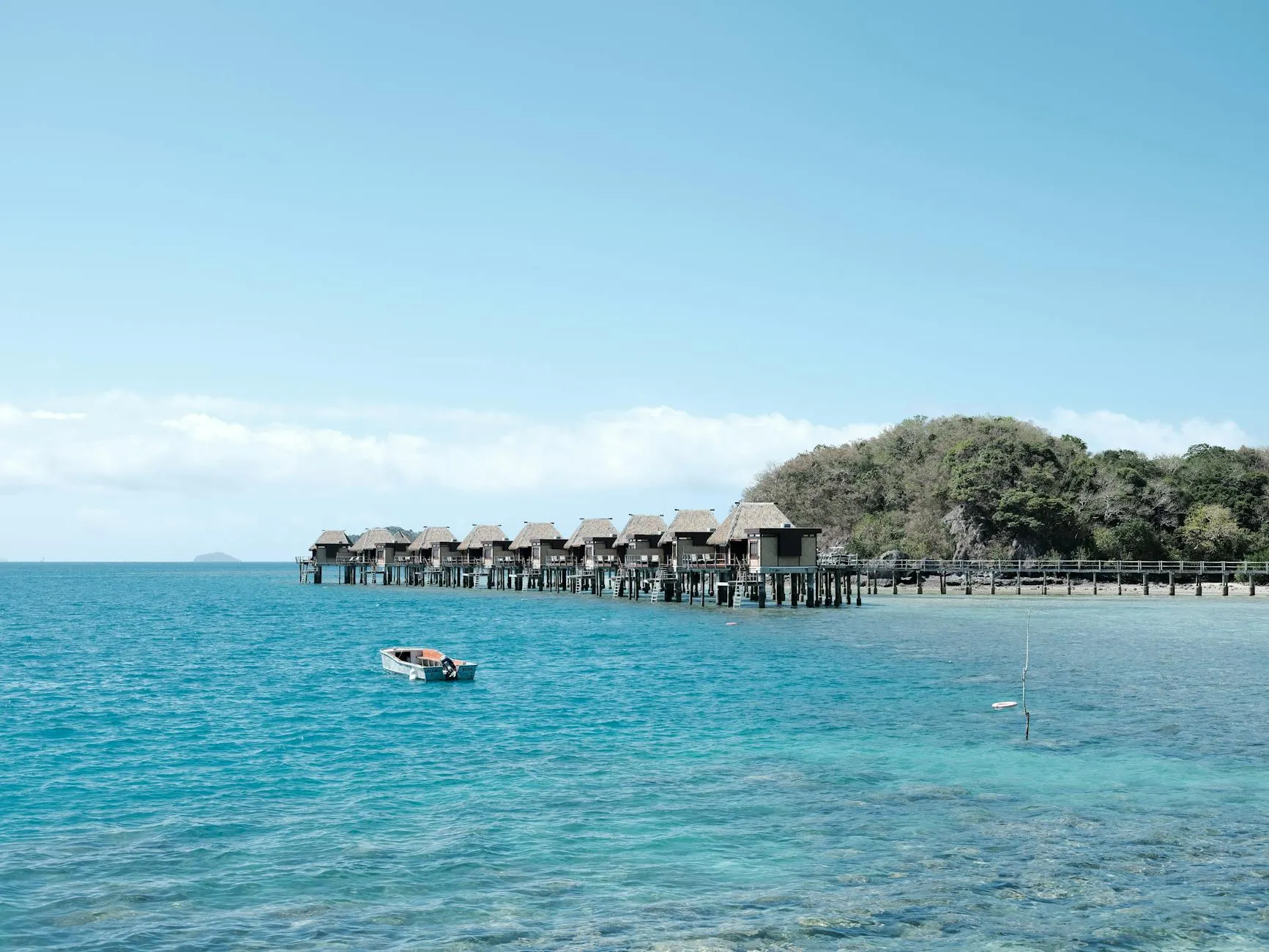
Nadi (NAN) — The Complete 2026 Airport Guide
Nadi is the front door to Fiji and the South Pacific, but for most travellers it is a place you pass through, not stay in. The airport is the easy part. The journey that actually matters — the taxi to Port Denarau, the catamaran to the Mamanucas and Yasawas, or the little seaplane out to a sandbar resort — starts the moment you clear customs. Plan that onward hop before you fly and Fiji unfolds smoothly. Wing it, and you can lose half a day to a missed ferry.
Last verified: July 2026. Fares, ferry timetables and Fiji’s entry rules change — confirm the specifics on your ticket, with your resort, and at official signage before you travel.
Quick reference
| Detail | What you need to know |
|---|---|
| Airport | Nadi International Airport, IATA NAN / ICAO NFFN — Fiji’s main international gateway and the home hub of Fiji Airways and its domestic arm Fiji Link. Around 2.5 million passengers a year and the vast majority of Fiji’s international flights |
| Location | West coast of Viti Levu, Fiji’s main island — Nadi town ~10 min, Denarau resorts ~20 min, the Coral Coast ~1.5 hr. This is the launch pad for the outer islands, not the destination itself |
| Layout | One international terminal (Fiji Airways in one concourse, all other airlines in the other) plus a separate domestic terminal a ~5-minute covered walk away for Fiji Link and the island air services |
| Getting on | Taxi (agree the fare first, in FJD), resort shuttle, or a South Sea Cruises coach to Port Denarau for the island catamarans. Seaplanes (Turtle Airways) leave from nearby Wailoaloa Beach |
| Entry | UK, EU, US, Canada, Australia, NZ and 100+ others get a free visitor permit on arrival, up to 4 months — no advance visa. Passport valid 6+ months, onward ticket required |
| Watch out for | Unmetered airport taxis · Fiji’s strict biosecurity (declare all food, seeds and wooden items) · the paper arrival card handed out on the plane · the last island ferry of the day leaving mid-morning |
The real journey starts after you land
Here is the thing first-time visitors get wrong about Nadi: the airport is not where your Fiji holiday happens, and the town of Nadi is not where you stay. NAN is a transfer gateway. It sits on the dry, sunny west side of Viti Levu precisely because that is where the resorts, the marina and the departure points for the islands are. When people picture Fiji — the palm-fringed sandbars, the Blue Lagoon, the over-water bures — they are picturing the Mamanuca and Yasawa islands, and every one of them is reached from Nadi, not at it.
So the single most useful thing you can do is treat the airport as step one of a two-step arrival. Step one: land, clear immigration and biosecurity, get your bags. Step two: the onward transfer to Port Denarau (the marina 20 minutes away where the island boats leave) or, if your resort is remote, straight to a seaplane or domestic flight. If your resort has arranged a transfer, someone will be holding a sign in arrivals. If not, the next section is the one to read.
Onward to the islands: catamaran, seaplane or domestic flight
Three ways off the mainland, and which one you use is usually decided by your resort, not you — but it helps to understand the map. Nadi and Denarau are on Viti Levu’s west coast; the Mamanuca islands are the close cluster just offshore, and the Yasawas are the longer chain stretching north from them.
Port Denarau and the catamarans
Port Denarau Marina, about 20 minutes from the airport, is the hub for the island ferries and the place most journeys route through. Two operators run the fast catamarans:
- South Sea Cruises — the main network to the Mamanuca resorts, with several daily departures. The near islands are roughly 30–60 minutes out.
- Awesome Adventures Fiji — runs the Yasawa Flyer, a big high-speed catamaran (a new 320-seat vessel entered service in 2025) that leaves Port Denarau each morning at about 08:45, heads up the Yasawa chain to the Blue Lagoon and returns around 18:00. Island run times range from about 2 hours for the near Yasawas to 4–5 hours for the far north.
The catch to internalise: the Yasawa Flyer is essentially a once-a-day, daytime service. Miss the morning departure and you have missed the boat, literally, until tomorrow. South Sea Cruises has more frequency to the Mamanucas but still stops by early evening. This is why afternoon arrivals often overnight on the mainland.
Seaplanes and helicopters
For the faster (and far more scenic) transfer, Turtle Airways flies seaplanes from Wailoaloa Beach near Nadi — roughly 15 minutes to the Mamanucas and about 33 minutes to the Yasawas, with several departures a day. It is a long-established operator and the standard “arrive by lunchtime at a remote resort” option; helicopter transfers are also available through other operators. Expect to pay a clear premium over the ferry, but for the outer Yasawas it can turn a five-hour boat day into a half-hour flight.
Domestic flights (Fiji Link)
If you are heading to the other side of the country — Suva (the capital), Savusavu or Taveuni in the north, Kadavu in the south — you fly, and that means the domestic terminal, a short covered walk from the international arrivals hall. Fiji Link is the main operator; smaller carriers serve the outer strips. Give yourself a real buffer between an international arrival and a domestic departure (see connections, below).
The terminals
Nadi is refreshingly simple after the mega-hubs. There is one international terminal, extensively modernised in the late 2010s, with two concourses: one used by Fiji Airways and Fiji Link, the other by every other carrier — Air New Zealand, Qantas, Jetstar, Virgin Australia, Korean Air and the long-haul services to Los Angeles, San Francisco, Vancouver, Tokyo, Hong Kong and Singapore. You will not get lost; it is one building.
The domestic terminal is a separate building a ~5-minute covered walk from international arrivals — turn right after you exit customs and follow the walkway. That is where Fiji Link and the island air services operate, and where you re-check in if you are connecting onward by domestic flight.
Fiji makes a genuine event of arrivals — it is common to be met by Fijian musicians and a warm “Bula!” as you come through. It sets the tone, and it is the one part of the airport experience nobody rushes.
Getting to Nadi town, Denarau and the Coral Coast
Distances from the airport are short by international-airport standards, and the money is small — but the taxi culture is different from what you are used to. Many airport taxis are not metered, so the rule is simple: agree the fare in Fijian dollars before you get in. Here is the honest comparison.
| Where | Taxi fare (agree first) | Time | Notes |
|---|---|---|---|
| Nadi town | ~FJD 15–20 (~$7–9 / €6–8) | ~10 min | Cheapest base for a night before the islands; agree the fare |
| Denarau Island | ~FJD 35–45 (~$16–20 / €14–18) | ~20 min | The big-resort strip and the marina for island ferries |
| Coral Coast | ~FJD 80–120 (~$36–54 / €31–47) | ~1.5 hr | South-coast resorts toward Sigatoka; longer haul, price rises with distance |
| Denarau coach transfer | ~FJD 10 pp (~$4.50 / €4) | ~20 min | South Sea Cruises airport→Port Denarau shuttle, timed to the ferries |
| Local bus | ~FJD 1–3 (with a bus card) | slow | Cheapest by far but multiple changes; most Nadi local buses no longer take cash |
Resort shuttles and buses
Most large Denarau resorts (Hilton, Sheraton, Sofitel, Radisson Blu, Westin and others) run their own airport shuttles — some complimentary, some for a fee — so check with your hotel before you pay for a taxi; a pre-booked shuttle is often the least-hassle door-to-door option. Local buses are extremely cheap but slow and involve changing at the Nadi bus stand, and note that cash is no longer accepted on many Nadi routes — you need a prepaid transport card, which is rarely worth the faff for a short airport hop with luggage.
Entry: the visitor permit, the paper arrival card and biosecurity
Fiji’s entry rules are traveller-friendly, but there is one piece of outdated internet advice worth killing right now.
No advance visa for most visitors
Citizens of more than 100 countries — including the UK, all EU states, the US, Canada, Australia and New Zealand — need no visa arranged in advance. You are issued a free visitor permit on arrival, valid for up to four months (extendable by a further two months in-country, for a fee). To qualify you need a passport valid for at least six months, a confirmed onward or return ticket, proof of somewhere to stay and sufficient funds. That is genuinely it — no online application, no e-visa, no fee for the standard tourist stay.
The arrival card is still paper — and the “digital arrival card” is not live yet
You will read on some sites that Fiji has switched to a “digital arrival card” with QR codes scanned at biometric kiosks. As of mid-2026, that is not the reality on the ground. Fiji still uses a paper passenger arrival card, handed out during your flight (or available at the airport if you miss it), which you fill in by hand — so pack a pen. It carries your personal details plus the customs and biosecurity declarations. A digital arrival card is a real project (developed with UN and Japanese support to modernise the border), but it is still in development, not yet mandatory. Fill in the paper card on the plane and you will breeze through; assume a QR code exists and you will be scrambling for a pen in the immigration queue.
Biosecurity is strict — take it seriously
Fiji is an island ecosystem and it polices its border hard. You must declare all food, seeds, plant material, wooden items, soil and used outdoor or camping gear — no exceptions, even for sealed and processed food. There are amnesty bins before the X-ray where you can bin anything you are unsure about with no penalty; use them. Get caught with undeclared food after that point and on-the-spot fines are steep (reported to start around FJD 450). Duty-free allowances run to roughly 2.25 litres of spirits or 4.5 litres of wine or beer per adult, and you must declare cash over FJD 10,000. If in doubt, take the Red Channel and declare — honesty costs you nothing; a missed declaration can cost a fine.
Lounges
The one lounge that matters to most travellers is the Fiji Airways Premier Lounge, airside past immigration and security — head down the duty-free corridor and it is off to the side. It is the airport’s flagship lounge: buffet and hot dishes, a full bar, showers and quiet space, open daily from roughly 05:00 to 23:00. Access comes with a Fiji Airways or partner premium-cabin ticket or eligible status, and it also takes Priority Pass and sells walk-in / pre-booked day passes.
Connections and minimum times
If you are staying on a single ticket with Fiji Airways or a partner, an airside international-to-international connection at Nadi is straightforward — it is one terminal. The care is needed when your itinerary mixes international and domestic, because those are two separate buildings and, crucially, you clear the border in between.
Connecting from an international arrival to a domestic (island) flight, you must clear immigration, collect your checked bags, pass customs and biosecurity, walk the ~5 minutes to the domestic terminal and re-check in. Practical guidance is to allow 2–3 hours for this, and 3+ hours in the reverse direction (island flight in, international flight out) because small-aircraft schedules and weather delays are real in Fiji. If those legs are on separate tickets, give yourself much more — a missed domestic hop is on you, not the airline.
Food, money and practicalities
Money: the currency is the Fijian dollar (FJD). There are bank ATMs and currency exchange in the arrivals area — use the ATMs for a better rate, draw enough FJD for taxis and tips, and keep some small notes for the boat kiosks and market stalls. Cards are widely accepted at resorts and larger shops, less so with taxis and rural buses.
Food and shopping: the terminal has cafés, bars and duty-free, and Nadi is well known for its arrivals-hall duty-free and handicraft shops — but do not expect a food destination inside the airport. If you have real time to fill, Nadi town and the Denarau restaurants are a short taxi away. A useful local note: kava (the traditional root drink) is central to Fijian culture and you will meet it everywhere; if you buy some to take home, remember the biosecurity rules of wherever you are flying to next.
Connectivity: there is free Wi-Fi in the terminal, and prepaid local SIMs (Vodafone Fiji, Digicel) are sold in and around arrivals — handy given that mobile coverage thins out fast once you are on the outer islands, where many resorts run on limited or scheduled internet.
Frequently asked questions
Do I need a visa to visit Fiji in 2026?+
Most likely not. Citizens of more than 100 countries — including the UK, all EU states, the US, Canada, Australia and New Zealand — are issued a free visitor permit on arrival, valid for up to four months, with no advance visa or e-visa required. You need a passport valid for at least six months, a confirmed onward or return ticket, proof of accommodation and sufficient funds. The permit can be extended by a further two months in-country for a fee.
Is Fiji’s arrival card digital now, or still paper?+
Still paper, as of mid-2026. Despite online claims of a QR-code “digital arrival card”, Fiji continues to hand out a physical passenger arrival card during your flight, which you complete by hand — so bring a pen. It covers your personal details plus the customs and biosecurity declarations. A digital arrival card is being developed to modernise the border, but it is not yet mandatory or in general use.
How do I get from Nadi Airport to the islands?+
Most journeys route through Port Denarau Marina, about 20 minutes from the airport, where fast catamarans depart: South Sea Cruises serves the near Mamanuca islands (roughly 30–60 minutes out) and Awesome Adventures runs the Yasawa Flyer up the Yasawa chain (about 2–5 hours). For a faster, scenic transfer, Turtle Airways flies seaplanes from nearby Wailoaloa Beach — around 15 minutes to the Mamanucas, 33 minutes to the Yasawas. For distant parts of Fiji (Suva, Savusavu, Taveuni), you fly Fiji Link from the domestic terminal.
How much is a taxi from Nadi Airport?+
Roughly FJD 15–20 (about $7–9) to Nadi town, FJD 35–45 (about $16–20) to Denarau, and FJD 80–120 (about $36–54) to the Coral Coast, depending on distance. Many airport taxis are not metered, so agree the fare in Fijian dollars before you get in. Some drivers take cards but many are cash-only, so draw FJD from an ATM in arrivals first.
Will I make my island boat if I land in the afternoon?+
Often not. The main island catamarans run in daylight — the Yasawa Flyer leaves Port Denarau once each morning around 08:45 and returns by early evening, and South Sea Cruises to the Mamanucas also stops by evening. If your international flight lands in the afternoon, plan to overnight on the mainland (Denarau or Nadi) and take a morning departure rather than assuming a same-day connection.
How long should I leave between an international flight and a domestic island flight?+
Allow 2–3 hours from an international arrival to a domestic Fiji Link departure — you clear immigration, collect bags, pass customs and biosecurity, then walk about five minutes to the separate domestic terminal and re-check in. Give yourself 3+ hours the other way (island flight in, international out), because small-aircraft schedules and weather can slip. On separate tickets, leave much more buffer.
What can’t I bring into Fiji?+
Fiji has strict biosecurity. You must declare all food, seeds, plant material, wooden items, soil and used outdoor or camping gear — including sealed, processed food. Amnesty bins before the X-ray let you dispose of anything questionable with no penalty; undeclared food found afterward can bring an on-the-spot fine (reported from around FJD 450). Duty-free limits are roughly 2.25 litres of spirits or 4.5 litres of wine/beer per adult, and cash over FJD 10,000 must be declared. If unsure, take the Red Channel.
Is there a lounge at Nadi Airport?+
Yes — the Fiji Airways Premier Lounge, airside past security down the duty-free corridor, open daily from about 05:00 to 23:00 with a buffet, bar and showers. Entry comes with a Fiji Airways or partner premium-cabin ticket or eligible status, and it also accepts Priority Pass and sells walk-in day passes. It can fill up around big departure waves, so Priority Pass holders occasionally get turned away when it is at capacity — have a backup plan for a tight connection.
At a glance
| Codes | NAN / NFFN — Nadi International Airport, Viti Levu, Fiji |
| Role | Fiji’s main international gateway; home hub of Fiji Airways and Fiji Link; South Pacific transfer point |
| Layout | One international terminal (two concourses) + a separate domestic terminal ~5-min walk away |
| To the islands | Catamaran from Port Denarau (~20 min from airport) or seaplane (Turtle Airways) from Wailoaloa Beach |
| To Nadi town | ~FJD 15–20 taxi, ~10 min (agree the fare first) |
| Entry | Free 4-month visitor permit on arrival for UK/EU/US/CA/AU/NZ + 100 others; passport 6+ months; onward ticket |
| Arrival card | Paper, handed out in-flight — bring a pen (no digital card in use yet) |
| Currency / Wi-Fi | Fijian dollar (FJD); free terminal Wi-Fi; ATMs in arrivals |
Before you fly
- 📊 Check what a good fare to Fiji looks like — our price-check tool shows the typical deal range so you know a bargain when you see one on the long-haul routes into Nadi.
- 🧳 Baggage checker — confirm your airline’s carry-on and checked allowance before you pack, and remember the tighter limits on the domestic and seaplane island hops.
🌏 Planning the trip? Use our price-check tool to see the typical fare range on the long-haul routes into Nadi before you book.
More deals you might like
 Niš Constantine the Great Airport (INI) Airport Guide 2026 — Free Buses, Cheap Taxis, Real Dinars
 Norwich Airport (NWI) Airport Guide 2026 — The Airport Where Helicopters Outnumber Planes
 Stornoway Airport (SYY) Airport Guide 2026 — Four Miles, Four International Passengers
 Kerry Airport (KIR) Airport Guide 2026 — One Runway, Two Peninsulas