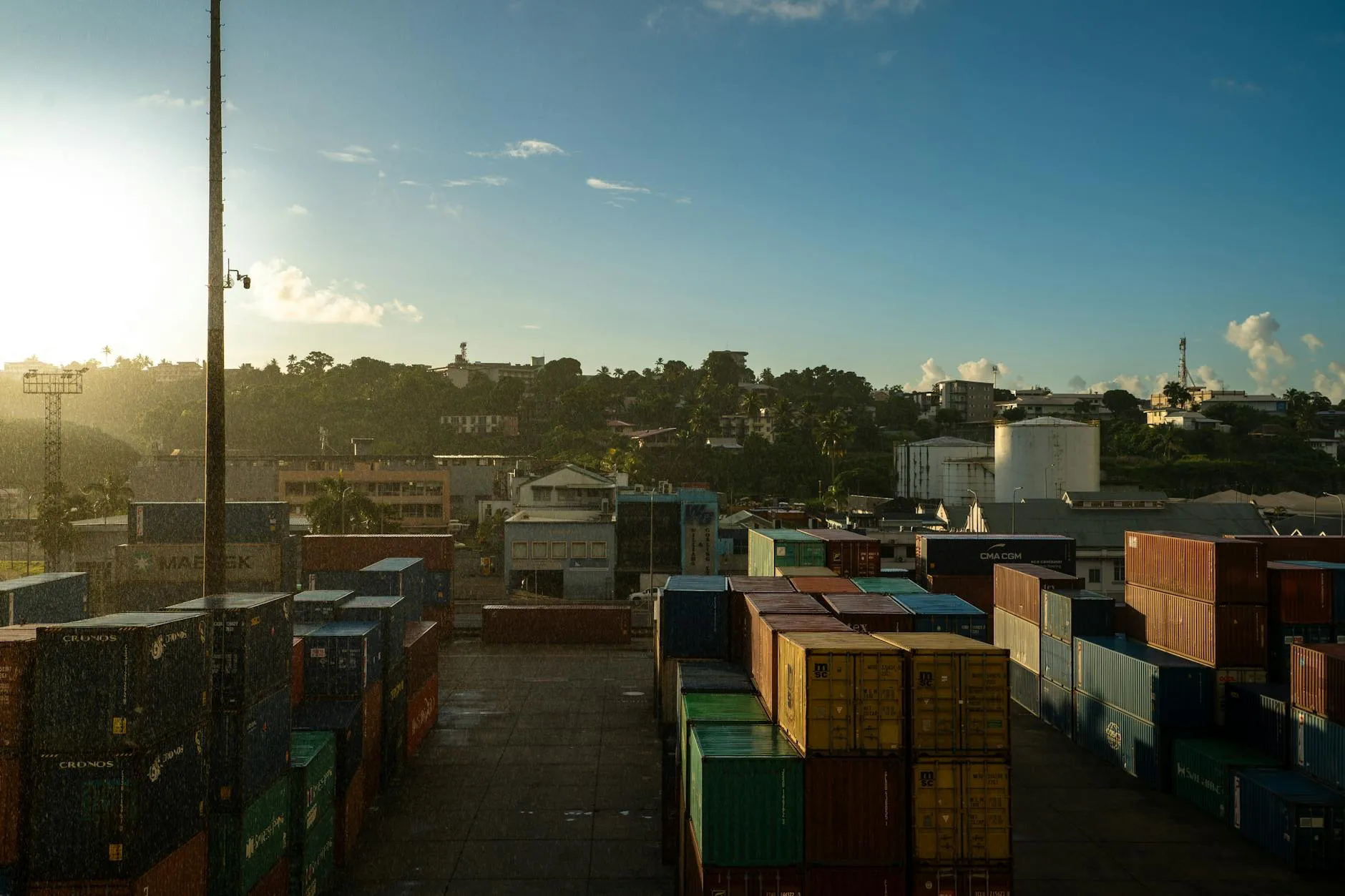
Rarotonga (RAR) — The Complete 2026 Airport Guide
Rarotonga is a single small terminal on an island you can drive around in 45 minutes, and it will charm you before you reach the luggage belt — the welcome is famously sung to a ukulele. Two things trip people up: it is its own country, not part of New Zealand, so the border staff will actually want to see your onward ticket and where you’re staying; and it sits east of the date line, so a flight from Auckland can land you the day before you took off.
Last verified: July 2026. Flight schedules, transport fares and entry rules for the Cook Islands change — confirm the specifics on your ticket and with official sources before you travel.
Quick reference
| Detail | What you need to know |
|---|---|
| Airport | Rarotonga International Airport, IATA RAR / ICAO NCRG — the gateway to the whole Cook Islands, on the north coast ~3 km west of Avarua, the main town |
| Layout | One small terminal, one runway. International arrivals, domestic (inter-island) flights and check-in all sit within a short walk of each other |
| Main flights | Air New Zealand from Auckland (daily, up to 3× a day in peak season) and seasonal Christchurch · Jetstar from Auckland, Sydney and Brisbane · Hawaiian Airlines from Honolulu · Air Tahiti / Air Rarotonga from Papeete |
| Into town | Taxi to Avarua ~NZ$15 (~US$9) · island bus NZ$5 single, passes the airport ~every 30 min · hotel coach transfer ~NZ$25 per person |
| Entry | No advance visa for anyone. A free visitor permit for up to 31 days is stamped on arrival — but you must show an onward ticket, proof of accommodation and funds |
| Watch out for | The date line (you may land the “day before”) · near-midnight arrivals on some flights · it is a separate country from NZ · Cook Islands cash you can’t spend anywhere else |
One terminal, one road, and a country that isn’t New Zealand
Rarotonga is refreshingly simple after a mega-hub. There is one terminal and one runway. International arrivals, the domestic counter for inter-island flights, check-in and the café are all a short stroll apart, so there is no shuttle to catch and no wrong terminal to land at. The whole island has essentially one main coast road, and you can circle it in about 45 minutes.
The thing to get right in your head before you land is that the Cook Islands is its own country. It’s self-governing and in free association with New Zealand — Cook Islanders are New Zealand citizens and there’s a deep NZ tie — but for immigration it is not part of New Zealand. You get a separate arrival stamp, and the border officers genuinely check the entry conditions (more on those below). Treat it like arriving in any foreign country, because that’s what it is.
Getting from the airport into town — and around the island
The airport is only about 3 km from Avarua, and most resorts ring the coast within a 30-minute drive, so transfers are short and cheap. Here’s the honest comparison:
| Option | Price | Notes | Verdict |
|---|---|---|---|
| Hotel coach transfer | ~NZ$25 pp (~US$15 / €14) | Book with your stay; desks meet every international flight past customs | Easiest, especially on a late arrival with luggage |
| Taxi | ~NZ$15 to Avarua (~US$9); more to far-side resorts | Rank next to Arrivals; agree the flat fare before you get in | Best for a couple or a quick door-to-door |
| Island bus | NZ$5 single (~US$3 / €3); day pass NZ$20 | Passes the airport roughly every 30 min in daytime; flag it down or wait at the RSA Club stop ~70 m from Arrivals | Cheapest, but no help for a midnight landing |
| Rental car / scooter | Desks at Arrivals (Avis, Polynesian, Island Car & Bike Hire) | Drive on your home licence; scooter licence rules below | Best if you want to explore the whole island freely |
The island bus — clockwise and anti-clockwise
Because there’s one ring road, the public bus system is beautifully literal: there is a Clockwise bus and an Anti-clockwise bus, and that’s the whole network. Both start from Cook’s Corner in Avarua, circle the island in about 45 minutes, and will stop anywhere along the road if you wave them down. A single adult fare is NZ$5 (child NZ$3), a return NZ$8, an all-day pass NZ$20, or a 10-ride pass NZ$35 — pay the driver, cash preferred. The Clockwise bus runs the longest hours (roughly 7am to 10pm Monday–Saturday, reduced on Sundays); the Anti-clockwise bus runs shorter daytime hours and not on Sundays, so check the current timetable before relying on it for an evening out.
Renting a car or scooter — and the licence quirk
A scooter is the classic way to do Rarotonga, and the rules are more relaxed than the island’s old reputation suggests. Visitors aged 16 or over can now drive on their full home licence for up to six months — whatever category it covers. If your home licence lets you ride a motorbike or scooter, you can hire one straight away; no Cook Islands licence is required.
The catch — and this is the real, useful quirk — is the scooter itself. If you want to ride a scooter or motorbike but your home licence does not cover two wheels, you must get a Cook Islands visitor licence in person at the Police Headquarters in Avarua. It’s a quick, inexpensive counter job. Rentals may also ask you to complete a short practical check before handing over the keys, so budget a little time on your first morning if a scooter is the plan.
Entry: your visitor permit
The Cook Islands has one of the most open entry policies anywhere — and one of the more genuinely enforced sets of conditions. There is no advance visa for any nationality. On arrival you’re granted a free visitor permit for up to 31 days, extendable at the Immigration office in Rarotonga to a maximum of six months. New Zealand citizens and residents are treated more generously still.
But “no visa” is not “no requirements”. To be granted the permit, be ready to show:
- A passport valid for at least six months beyond your planned departure from the Cook Islands.
- A confirmed onward or return ticket — this is checked, and airlines flying you in may ask at check-in too.
- Proof of accommodation — the name and location of where you’re staying, plus a local contact. This is a real requirement, not a formality.
- Sufficient funds for your stay, and the usual good-character and health standards.
Because the Cook Islands is outside the EU, none of the European systems apply here — there is no ETIAS and no EES to worry about; those are for Schengen Europe. If you’re island-hopping onward to French Polynesia (Tahiti) that’s a separate country with its own French/Schengen-linked rules, so check those on their own.
Flights, connections and getting to Aitutaki
For such a remote dot in the Pacific, Rarotonga is surprisingly well connected — but the schedule is thin, so timing matters.
- Air New Zealand is the backbone: daily from Auckland (up to three times a day in the June–October peak), plus a seasonal Christchurch service over the winter-sun months. Auckland is the main connecting point from Europe and beyond.
- Jetstar flies from Auckland and, importantly for Australians, direct from Sydney and Brisbane — the only regular non-stops from Australia.
- Hawaiian Airlines runs the Honolulu service, the practical North-American gateway — connect through Honolulu rather than looking for a mainland US non-stop.
- Air Tahiti / Air Rarotonga link Rarotonga with Papeete (Tahiti) a couple of times a week under a codeshare — the route that makes a two-nation South Pacific trip possible.
The inter-island hop to Aitutaki
The “connection” most visitors actually make at RAR is the domestic one. Air Rarotonga flies from the same airport to the outer islands — above all Aitutaki and its famous lagoon (about a 50-minute flight), plus Atiu, Mangaia, Mauke, Mitiaro and the far northern islands. If Aitutaki is on your list, book it early: the aircraft are small and seats sell out, and it’s a domestic sector, so allow comfortable time between your international arrival and the onward hop rather than assuming a same-day link.
The terminal, money and that famous welcome
Set your expectations to “small and friendly”, not “shopping mall”. This is a compact terminal with the essentials — check-in, a café/bar, a duty-free and gift shop, car-hire and tour desks, and a meet-and-greet area past customs where hotel reps wait for their guests. There is no lounge network here in the airport-club sense; a business-class ticket buys you priority through a simple building, not a spa. That simplicity is the charm.
The ukulele welcome
Rarotonga is genuinely famous for how it greets you: a live ukulele-and-song welcome in the arrivals hall, floral eis (leis) for sale, and the same warmth on the way out. The tradition was made iconic over more than three decades by the beloved Papa Jake Numanga, whose serenades became a symbol of the island — so much so that the airport and community have honoured him for it. It’s the rare arrivals hall where you’ll want your phone out for the music, not the passport queue.
Money — and cash you can only spend here
The Cook Islands uses the New Zealand dollar, so NZD is your currency and cards are widely accepted at hotels and larger businesses. But the country also issues its own coins and notes — including the collectible triangular NZ$2 coin and a NZ$3 note — which circulate at par locally but are worthless outside the Cook Islands and can’t be exchanged abroad. Keep some cash for buses, markets and small cafés, and spend your Cook Islands coins and notes before you fly home (or keep one as a souvenir). Card acceptance thins out at roadside stalls, so don’t rely on plastic everywhere.
Frequently asked questions
Do I need a visa to visit the Cook Islands?+
No — there is no advance visa for any nationality. On arrival you’re granted a free visitor permit for up to 31 days (extendable to a maximum of six months at Immigration in Rarotonga). You do, however, need to show an onward or return ticket, proof of accommodation and sufficient funds, and hold a passport valid for at least six months beyond your departure. New Zealand citizens and residents are treated more generously.
Is the Cook Islands part of New Zealand for entry purposes?+
No. The Cook Islands is a self-governing country in free association with New Zealand — Cook Islanders are New Zealand citizens — but for immigration it is a separate country with its own border control and its own arrival stamp. Arriving from Auckland counts as an international arrival, so bring your onward-ticket and accommodation details even if you flew in from NZ.
How do I get from Rarotonga airport into town or to my resort?+
The airport is only about 3 km from Avarua and most resorts are a short coastal drive away. A taxi to Avarua is around NZ$15; hotel coach transfers (booked with your stay) meet every international flight and cost roughly NZ$25 per person; and the island bus passes the airport about every 30 minutes for a NZ$5 single. For a late-night arrival, a pre-booked transfer or taxi is the safe choice.
Can I drive in the Cook Islands on my home licence?+
Yes. Visitors aged 16 or over can drive on a full, valid overseas licence for up to six months, for whatever vehicle categories that licence covers — no separate Cook Islands licence is needed for a car. The exception is two wheels: if you want to ride a scooter or motorbike and your home licence doesn’t cover it, you must get a visitor licence in person at the Police Headquarters in Avarua.
Why might I arrive the day before I departed?+
Rarotonga lies just east of the International Date Line and runs on Cook Islands Time (UTC−10), about 22–23 hours behind New Zealand. So a short flight from Auckland or Sydney can land you on an earlier calendar date than you left. It’s a quirk of the date line, not a scheduling error — just check the arrival date printed on your ticket.
What currency does Rarotonga use?+
The New Zealand dollar. Cards work at hotels and larger businesses, but the Cook Islands also issues its own coins and notes (including a famous triangular NZ$2 coin and a NZ$3 note) that are valid only within the Cook Islands and cannot be exchanged overseas. Carry some cash for buses and small vendors, and spend any Cook Islands coins and notes before you leave — or keep one as a keepsake.
Does Rarotonga airport have lounges and lots of shops?+
No — it’s a single small terminal, not a mega-hub. You’ll find check-in, a café/bar, a duty-free and gift shop, car-hire and tour desks, and a meet-and-greet area past customs. There’s no lounge network in the airport-club sense. Plan to eat and shop in town rather than at the airport, and get your souvenirs and any duty-free before you reach the gate.
How do I get from Rarotonga to Aitutaki?+
Air Rarotonga flies domestic sectors from the same airport to the outer islands, including Aitutaki (about a 50-minute flight), Atiu, Mangaia, Mauke and Mitiaro. Book early — the aircraft are small and Aitutaki seats sell out — and allow comfortable time between your international arrival and the onward hop rather than counting on a same-day connection.
At a glance
| Codes | RAR / NCRG — Rarotonga International Airport |
| Layout | One terminal, one runway; international and inter-island under one roof |
| Location | ~3 km west of Avarua, north coast of Rarotonga |
| Time zone | Cook Islands Time, UTC−10, no daylight saving (~22–23 h behind NZ) |
| Main airlines | Air New Zealand, Jetstar, Hawaiian Airlines, Air Tahiti / Air Rarotonga |
| Into town | Taxi ~NZ$15 · bus NZ$5 single · hotel coach ~NZ$25 pp |
| Entry | Free 31-day permit on arrival, all nationalities; onward ticket + accommodation + funds required |
| Currency | New Zealand dollar; local Cook Islands coins/notes usable only on-island |
Before you fly
- 📊 Check what a good fare to Rarotonga looks like — our price-check tool shows the typical deal range so you know a bargain when you see one.
- 🧳 Baggage checker — confirm your airline’s carry-on and checked allowance before you pack (Jetstar’s economy fares in particular can be bag-light).
🏝️ Planning the trip? Use our price-check tool to see the typical fare range to Rarotonga before you book — most deals route through Auckland, Sydney or Honolulu.
More deals you might like
 Niš Constantine the Great Airport (INI) Airport Guide 2026 — Free Buses, Cheap Taxis, Real Dinars
 Norwich Airport (NWI) Airport Guide 2026 — The Airport Where Helicopters Outnumber Planes
 Stornoway Airport (SYY) Airport Guide 2026 — Four Miles, Four International Passengers
 Kerry Airport (KIR) Airport Guide 2026 — One Runway, Two Peninsulas