Sharm el Sheikh Airport (SSH) — The Complete Guide 2026
SSH operates across two distinct terminals, and the 2026 infrastructure investments have shifted their respective roles in a way that is not always clearly communicated on boarding
Sharm El Sheikh International Airport (IATA: SSH) is the primary gateway to the “City of Peace” and the world-renowned diving, snorkelling, and resort destinations of the South Sinai Peninsula. As Egypt’s third-busiest airport by international passenger volume, SSH serves as a critical hub for leisure traffic arriving from across Europe, the Middle East, and Central Asia — with charter and scheduled services connecting Sharm directly to the UK, Germany, Poland, Russia, the Gulf states, and Turkey. Following substantial infrastructure investment leading up to 2026, the airport has significantly increased its capacity, now handling over 10 million passengers annually. The passenger profile is overwhelmingly tourist: divers heading to the Ras Mohammed reefs, honeymooners bound for Nabq Bay resorts, and winter-sun seekers from Northern and Eastern Europe drawn by consistent 25–30°C temperatures year-round. Navigating SSH in 2026 requires a clear understanding of Egypt’s multi-layered security protocols, the specific visa rules for the Sinai region, the absence of ride-hail services, and several practical details that can determine whether your arrival feels seamless or chaotic. This guide covers all of it.
IATA: SSH
Full name: Sharm El Sheikh International Airport
Location: South Sinai, Egypt — approximately 10km north of Sharm El Sheikh city centre
Primary traffic type: International leisure / charter
Annual passengers: ~10+ million
Primary currency: Egyptian Pound (EGP) — USD widely accepted
Terminals: Terminal 1 (primary, modernised), Terminal 2 (original, active)
1. Terminal Operations — T1 Expansion and Terminal Logic
SSH operates across two distinct terminals, and the 2026 infrastructure investments have shifted their respective roles in a way that is not always clearly communicated on boarding passes or booking confirmations. Knowing which terminal serves your flight — and what to expect in each — determines your first impression of the airport.
Terminal 1 — The Modernised Primary Hub
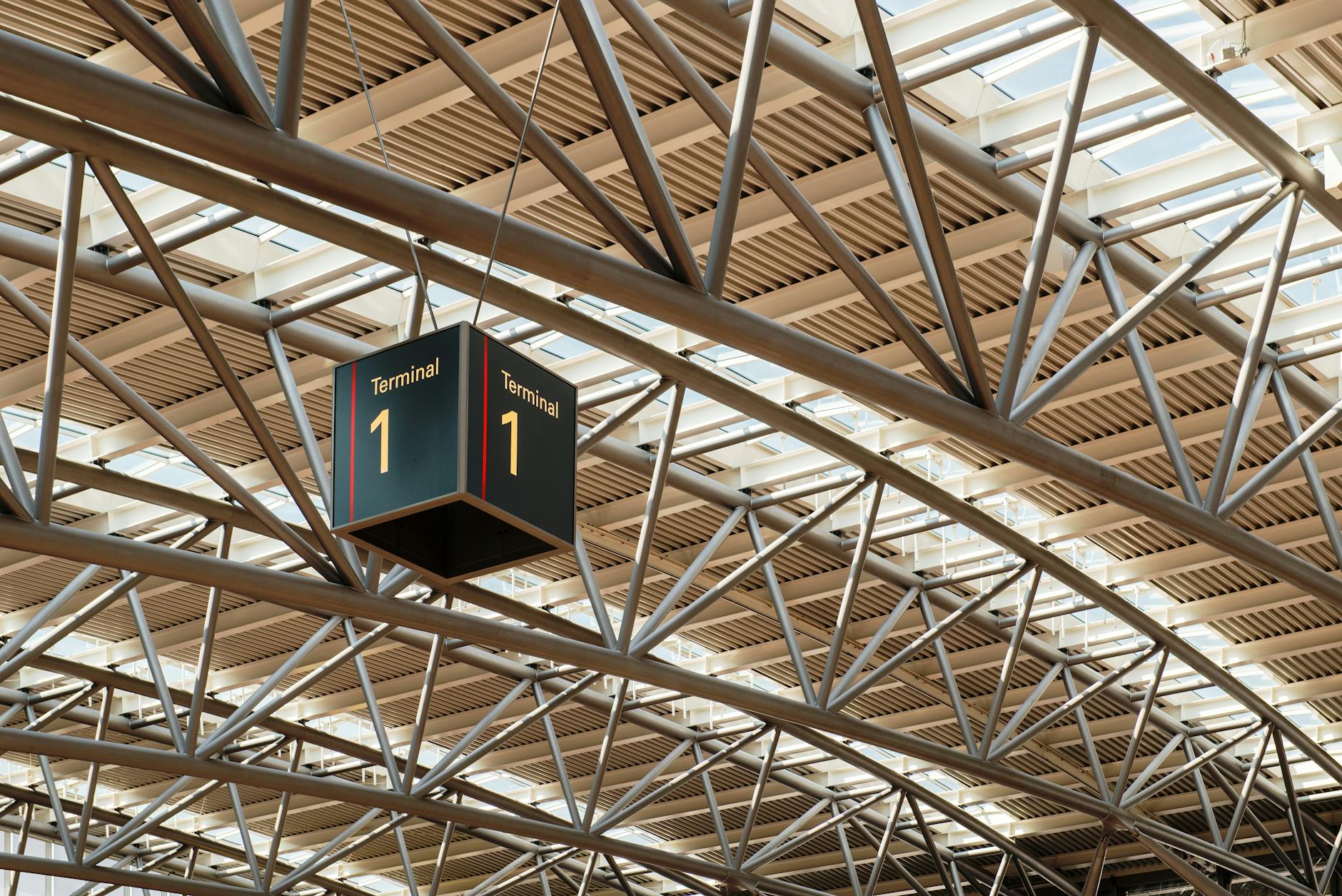
Terminal 1 is SSH’s primary terminal as of 2026, following a comprehensive refurbishment and expansion programme completed across 2024–2025. T1 now handles the majority of international traffic including most European flag carriers and major low-cost operators.
Airlines using T1: TUI, easyJet, Turkish Airlines, Pegasus, flydubai, and the majority of European charter operators (including UK, Polish, German, and Czech charter programmes). Most Ryanair seasonal services also use T1 when operating to SSH.
Infrastructure: The 2025 renovation delivered a high-ceilinged departures hall with significantly improved air conditioning — a meaningful quality-of-life upgrade at an airport where summer temperatures outside exceed 40°C. The terminal’s most commercially significant addition is an expanded “Walkthrough” duty-free zone: an extended retail corridor that all departing passengers pass through after security, featuring Egyptian souvenirs, perfumes, tobacco, spirits, and confectionery. The Walkthrough format maximises dwell time in the commercial zone and represents a deliberate revenue upgrade from the previous retail model.
Dining: T1’s food court offers the widest dining selection at SSH, with Egyptian and international options including grilled meats, falafel and mezze counters, pizza, and coffee shops. Prices throughout T1 are at “tourist airport” rates — meaningfully higher than local Sharm market pricing. If departing from T1, eating a full meal before arriving at the airport is the standard local advice (see Insider Tips).
Terminal 2 — The Original Hub, Still Active
Terminal 2 is SSH’s original international terminal and remains fully operational, handling a specific traffic segment rather than being a secondary or overflow facility.
Airlines using T2: EgyptAir (domestic services and some international routes), Air Cairo, and the bloc of Eastern European and Russian charter operators whose seasonal programmes have historically been assigned to T2. During the peak winter-sun season (October–March), T2 handles significant volume — including flights from Moscow, St. Petersburg, Warsaw, and Kraków on charter operators that have maintained their T2 assignments across multiple seasons.
Infrastructure: T2 has received aesthetic refreshes in recent years — improved lighting, refreshed restroom facilities, and updated signage — without undergoing the structural renovation that transformed T1. The environment is functional and manageable; the air conditioning is adequate rather than impressive, which at Sharm’s temperatures means early-morning arrival periods are comfortable while mid-afternoon arrivals in summer can be warm landside.
Important note on terminal assignment: Charter operators in particular are subject to seasonal terminal swaps based on apron capacity and ground handler allocation. Your boarding pass will specify the terminal; this is the definitive source. Do not rely on previous SSH experience to determine your current terminal — confirm from the boarding pass each time.
2. Visa and Immigration — “Sinai Only” vs. Full Egypt Visa
The visa and immigration process at SSH is the aspect of the airport that generates the most confusion among first-time visitors — and getting it wrong costs time, money, or both. In 2026, the rules are clearly defined and strictly enforced. The critical fork in the road is whether you need a Sinai-only stamp or a full Egypt visa.
The “Sinai Only” Free Entry Stamp
Who qualifies: Any visitor who meets all three of the following conditions:
- You are staying within the South Sinai resort areas — specifically: Sharm El Sheikh, Dahab, Nuweiba, or Taba.
- Your stay is 15 days or fewer.
- You do not plan to leave the Sinai Peninsula — no excursions to Cairo, Luxor, Aswan, Alexandria, or the Nile Valley.
Cost: Free. No payment required, no bank kiosk visit needed.
Process: On disembarking and clearing the initial entrance scan, proceed directly to the immigration desks. State clearly: “Sinai Only.” The immigration officer will issue a free entry stamp. The stamp takes approximately 30–60 seconds per passenger once you reach the desk. This is the fastest, cheapest, and most common entry route for European beach and diving tourists.
Critical restriction: The Sinai-only stamp is geographically and temporally binding. If you subsequently decide to take a day trip to Cairo to see the Pyramids, or extend your stay beyond 15 days, your Sinai-only stamp is not valid. You will need to obtain a full Egypt visa at a Sharm El Sheikh visa office or police station before any such movement — a bureaucratic process worth avoiding by planning your entry type correctly from the outset.
Full Egypt Visa on Arrival — $25 USD
Who needs it: Any visitor who:
- Plans to travel beyond the Sinai Peninsula (Cairo, Luxor, the Red Sea coast of the African mainland, etc.).
- Intends to stay longer than 15 days.
- Is arriving from a country without bilateral visa-free access to Egypt (check Egypt’s Ministry of Foreign Affairs for current eligible nationalities).
Cost: $25 USD per person (2026 rate). Children under 12 are often exempt — confirm at the desk.
Process: Before joining the immigration queue, proceed to the bank kiosks positioned in the arrivals hall. Purchase a visa sticker from the bank counter — this is not an immigration desk but a commercial banking window operated by Egyptian banks inside the arrivals hall. Present your passport and pay $25 USD (or the EUR/GBP equivalent). The bank affixes the visa sticker to your passport. You then join the immigration queue and present your passport with the sticker affixed.
Payment at the bank kiosk: Cash in USD, EUR, or GBP is strongly preferred and the most reliable method. Most bank kiosks accept cards in 2026, but network downtime is a documented and recurring issue at SSH — always carry $25 USD in cash as a fail-safe. A card failure at the kiosk means re-joining a potentially long bank queue after the problem is resolved.
Do not join the immigration queue without your visa sticker if you need a full visa. Immigration officers will redirect you back to the bank kiosk, resulting in a double wait.
e-Visa (Pre-Purchased Online)
Egypt’s e-Visa system allows visitors to purchase a full Egypt visa online before departure, at the same $25 USD fee. If you have obtained an e-Visa: print a copy of your authorisation (the printed version is strongly recommended over a phone screen — immigration officers at SSH prefer physical paper) and proceed directly to the immigration desks. No bank kiosk visit required. The e-Visa process at SSH is generally faster than on-arrival bank kiosk + queue for travellers who plan ahead.
Apply via: The official Egypt e-Visa portal (visa2egypt.gov.eg — use only the official government URL). Processing is typically 24–72 hours; apply at least 72 hours before departure.
3. Security — Multi-Layer Protocols Unique to SSH
Security at Sharm El Sheikh International Airport is among the most thorough at any civilian airport in the world — a direct consequence of the October 2015 Metrojet disaster and the comprehensive security overhaul that followed, maintained and periodically intensified through 2026. Travellers must expect and plan for multiple distinct security checkpoints. This is not an inconvenience to be managed around; it is a fixed operational reality of SSH.
The Three Checkpoint Sequence
Checkpoint 1 — Terminal Entrance Scan: Before entering the check-in hall at all, all passengers and all luggage (including hand luggage) are scanned at the terminal entrance. This is an X-ray screening of bags and a walk-through metal detector for passengers, staffed by dedicated security personnel. This checkpoint does not exist at most airports and catches many first-time SSH visitors by surprise — arrival at the terminal entrance with 2 hours before departure is not equivalent to arrival at check-in with 2 hours to spare.
Checkpoint 2 — Immigration / Check-in Area Security: A second screening stage occurs after check-in and passport control, prior to entering the main departures zone. Standard bag X-ray and body scan.
Checkpoint 3 — Gate-Side Security: The final and most intensive checkpoint occurs at the individual boarding gate, immediately before boarding. This gate-side check is manual-heavy: bags are frequently opened and physically inspected by security staff. Personal electronics, cables, and unusual items are examined individually. This is the checkpoint that most commonly causes delays — a gate-side security check for a full aircraft of 180+ passengers, with individual manual inspections, takes considerably longer than standard European security screening.
The Liquids Rule at Gate-Side Security
This is the most practically consequential security rule at SSH and one that is almost universally misunderstood by first-time visitors:
Do not purchase liquids airside unless they are in a sealed STEB bag from the duty-free shop.
STEB (Security Tamper-Evident Bag) is the industry-standard sealed plastic bag used by airport duty-free shops for liquid purchases — the sealed, receipted bag that allows liquids to pass through security at the final checkpoint. At SSH’s gate-side security (Checkpoint 3), liquids that are not in a sealed STEB bag from duty-free — including bottles of water purchased from airside kiosks or cafés, duty-free purchases re-packed into non-STEB packaging, and any liquid container without the sealed STEB — are subject to confiscation.
The practical implication: if you buy a 500ml bottle of water at an airside café or kiosk after passing through the initial security checkpoints, it will likely be confiscated at the gate. If you want to carry water onto the aircraft, purchase it from a duty-free outlet in a sealed STEB bag, or bring an empty refillable bottle and ask gate staff about filling it. This rule is strictly and consistently enforced at SSH in 2026 — not intermittently or selectively.
The Lighter Rule
SSH security is particularly focused on lighters and matches — both are frequent targets at every checkpoint. Single-use plastic lighters are generally permitted in limited quantities (EU/ICAO standard: one lighter, on your person, not in checked or carry-on bags), but enforcement at SSH is stricter than at most European airports. Expensive or unusual lighters (Zippo, Dupont, novelty designs) are regularly confiscated regardless of classification. The consistent local advice: do not travel with a lighter you would be upset to lose. Purchase a disposable lighter at your destination if needed.
4. Ground Transport — Naama Bay, Nabq, and Beyond
Sharm El Sheikh Airport has no rail link, no metro, and no regulated ride-hail service (Uber and Careem do not operate at SSH as of 2026). Ground transport is dominated by private transfers and taxis, with hotel shuttles for resort guests. This is a simpler transport picture than most international airports, but the absence of metered regulation and the presence of assertive taxi touts in the arrivals hall requires specific knowledge to navigate comfortably.
Option 1 — Pre-Booked Private Transfer (Recommended)
Best for: All travellers, and particularly families, first-time visitors, and anyone who values a stress-free arrivals experience.
How it works: Book a private transfer in advance through your hotel (most Sharm resorts offer airport transfers as a bookable add-on), your tour operator, or a reputable online transfer service. Your driver will be waiting in the arrivals hall with a name sign or your hotel’s branded board. Your luggage goes directly from baggage reclaim to a specific vehicle with a specific driver whose details you know in advance.
2026 pricing: approximately $15–25 USD (or equivalent in EGP at approximately 750–1,250 EGP). Price varies by distance — Naama Bay transfers are slightly cheaper than Nabq Bay; Taba and Nuweiba are considerably more expensive given distance.
Why this option is strongly recommended: Pre-booking eliminates price negotiation in the arrivals hall entirely. It provides a vehicle with verifiable registration, functioning air conditioning, and seatbelts — standards that are not guaranteed with an ad hoc taxi negotiation. It also bypasses the most stressful part of any SSH arrival: the press of taxi drivers immediately outside the arrivals exit, each offering a different price with varying enthusiasm.
Option 2 — Official Airport Taxis (Blue and White)
Official licensed airport taxis at SSH are blue and white vehicles, identifiable by their colour scheme and the airport taxi licensing displayed. The official system includes a posted “Price List” in the arrivals area — but in practice, negotiation is standard and the posted prices are treated as a starting point rather than a fixed rate.
2026 fare ranges (negotiated, EGP):
- To Naama Bay: 500–700 EGP (~€15–20 at current rates)
- To Nabq Bay: 600–800 EGP
- To Hadaba / Old Market: 700–900 EGP
Negotiation guidance: Always agree the price before luggage is loaded into the vehicle. State your destination clearly and ask for the price in EGP. Drivers will frequently counter-propose a USD or EUR price; paying in EGP is technically required under Egyptian law, but foreign currency is widely accepted in practice — usually at a rounded-up rate that may be slightly above the live exchange equivalent. If paying in foreign currency, agree the exact amount before departure.
The peak-hour arrivals hall: SSH’s arrivals hall during a peak winter-season wave arrival (multiple European charter flights landing within a 30-minute window) can be genuinely overwhelming. Taxi drivers and hotel transfer agents compete for passenger attention. If you do not have a pre-booked transfer, walk past the initial press of drivers to the official taxi zone outside the terminal — do not negotiate inside the hall.
Option 3 — Hotel Shuttles
Most Sharm El Sheikh resorts include airport transfer as a package component or offer it as a bookable add-on at booking. If your resort offers this service and your timing allows it, this is the most comfortable option — particularly for all-inclusive package travellers whose ground experience is managed entirely by the tour operator.
5. Lounges and Premium Services
Pearl Lounge (Terminal 1 and Terminal 2)
The Pearl Lounge is the primary premium lounge at SSH, with access points in both terminals. It serves as the Priority Pass and Business Class lounge for the airport.
Walk-in rate: approximately $35 USD per person (2026 pricing). Access also via Priority Pass, LoungeKey, and equivalent lounge programme memberships.
Facilities: The Pearl Lounge’s defining advantage over the general terminal environment is environmental — chilled, quiet air conditioning away from the main terminal noise is genuinely valuable at an airport in the Sinai in summer. The lounge offers a hot buffet with Egyptian and international dishes, soft drinks and juices, Wi-Fi (more reliable than the terminal’s general network), and clean, private restroom facilities. The food quality is standard commercial airport lounge level — unremarkable but adequate for a pre-flight meal, and considerably cheaper than equivalent-calorie consumption at the terminal’s tourist-priced restaurants.
For passengers with long pre-flight waits at SSH — particularly common for late-afternoon or evening charter departures — the Pearl Lounge at $35 is a sound value decision purely on the air conditioning and quiet environment. The Sinai in summer means that the terminal’s general areas, however modernised, remain noticeably warmer than a properly cooled lounge environment.
VIP Fast Track Service
Price: approximately $50–100 USD per person (2026 pricing). Available via the airport VIP desk in the arrivals area or pre-bookable through specialist travel services.
The VIP Fast Track service at SSH is a full-service airport handling option that specifically addresses the most time-consuming elements of SSH’s arrival process. A dedicated representative meets the passenger at the aircraft (or at the terminal entrance), manages the visa and immigration process on the passenger’s behalf, escorts them through all checkpoints, and places the passenger in a private waiting area while their baggage is collected and brought to them. Departures VIP service runs the reverse process.
This service is primarily relevant for passengers arriving during peak crowds — when the combination of a large charter wave arrival, visa-queue congestion, and multi-checkpoint security creates the kind of 2-hour arrivals experience that justifies paying for professional expediting. For business travellers, families with young children, or passengers with mobility limitations, the VIP service eliminates what is genuinely the most operationally challenging arrival process at any major leisure airport in the region.
6. Practical Facilities and What to Expect
ATMs and Currency
ATM machines are located in the arrivals hall (both terminals), but reliability is a documented issue — machines run out of cash during peak arrival periods and technical failures are not uncommon. The standard local advice: withdraw Egyptian Pounds (EGP) from the first ATM you see that appears to be functioning, even if you do not urgently need cash at that moment. EGP is the currency for local tipping (baksheesh), taxi payments, small market purchases, and many informal transactions throughout Sharm El Sheikh.
The approximate 2026 exchange rate context: 1 USD ≈ 48–52 EGP; 1 EUR ≈ 52–57 EGP (rates fluctuate — use for planning only). Major hotels and restaurants accept card payment; the local market economy, resort staff tipping, and any interaction outside the main hotels requires EGP cash.
SIM Cards
Egyptian mobile operators Orange, Vodafone Egypt, and Etisalat (e&) maintain kiosks in the arrivals hall after baggage claim. In 2026, a tourist data SIM with approximately 20GB of data costs approximately $10–15 USD. Registration requires your passport. The SIM purchase process takes 5–10 minutes at the kiosk. Data connectivity in Sharm El Sheikh’s resort areas is generally strong on all three networks; coverage in remote diving areas (Dahab, Nuweiba outskirts) is more variable.
Wi-Fi at SSH: The airport offers a free Wi-Fi network, but it requires SMS verification which frequently fails for non-Egyptian SIM cards — international SIM cards often cannot receive the verification code. Treat SSH Wi-Fi as unavailable and plan accordingly: if you need connectivity from the moment of arrival, the SIM card kiosk should be your first stop after baggage claim.
Water
An unambiguous caution: do not drink tap water anywhere in Sharm El Sheikh, including at the airport. Egyptian municipal tap water in the Sinai region is not treated to drinking standard and is not safe for consumption by visitors. This applies to brushing teeth — most experienced Sharm travellers use bottled water for all water consumption including dental hygiene.
At the airport: bottled water is available in the arrivals hall and in airside retail, priced at tourist rates of approximately 80–100 EGP per standard 500ml bottle. Once at your resort, most all-inclusive packages include unlimited bottled water; local supermarkets and resort markets sell large (1.5L) bottles significantly more cheaply. Buy a multi-pack at the local market for your room rather than relying on airport-rate bottled water throughout your stay.
Airside note on the STEB rule: Even sealed bottled water purchased airside at a café or kiosk (not duty-free) may be confiscated at the final gate-side security checkpoint. See the Security section for the full STEB bag explanation. If you want water for the flight, purchase it from duty-free in a sealed STEB bag.
Luggage Storage
Due to the heightened security regulations in the Sinai region, there are no left-luggage lockers or luggage storage facilities at SSH. This is a security policy rather than an infrastructure gap. Passengers requiring bag storage between a resort stay and a late-night departure have no airport-based storage option — coordinate with your hotel to hold bags until your transfer pickup time.
7. Arriving Early for Return Flights
The universal guidance from Sharm El Sheikh experienced travellers, tour operators, and airline staff is consistent: arrive at SSH at least 3 hours before your return flight departure. This is not a conservative buffer; it is the realistic minimum for a smooth experience.
The mathematical reality: Checkpoint 1 (terminal entrance scan) for a full charter aircraft’s passenger load — 200 passengers, some with complications, some moving slowly — can itself consume 30–40 minutes. Check-in and bag drop follow. Passport control, Checkpoint 2, and any visa processing at the immigration stage add further time. Walking to the gate and completing Checkpoint 3 (gate-side manual security) adds a final 20–40 minutes. A moderate crowd scenario turns 2 hours into a sprint; a heavy peak-season evening with multiple departures can make 3 hours feel tight.
In peak winter season (December–February), SSH handles a significant compression of charter departure times in the late afternoon and evening as European operators optimise for early-morning arrivals in home markets. This creates simultaneous passenger surges at all three security checkpoints. Arrive at 3 hours. Eat your meal before the airport. The T1 food court is convenient but expensive; eating at the resort is both cheaper and more pleasant.
Insider Tips for SSH in 2026
- Sinai Only or full visa — decide before landing: Know your visa category before you queue. If you are going to Cairo (even for a day), you need the full visa; buy the sticker at the bank kiosk before the immigration line. If you are staying in Sharm/Dahab only for 15 days or fewer, state “Sinai Only” and proceed directly to immigration for a free stamp.
- The bank kiosk queue is shorter in the first 10 minutes of arrival: If you need a full visa, move quickly from the aircraft to the bank kiosk. The fastest passengers from a charter wave arrival will have cleared the kiosk before the main crowd arrives. Hesitation costs 20 minutes of queue.
- Pre-book your transfer — it is genuinely worth it: The arrivals hall at SSH during a peak landing period is one of the more assertively commercial airport environments in the world. Having a named driver holding your name means you walk past all of it without engagement. The $20 transfer cost is one of the best value decisions you will make at this airport.
- Do not buy bottled water from airside cafés unless you are drinking it before the gate: The STEB rule means any non-sealed-bag liquid purchased airside is likely confiscated at the final gate check. If you want to carry water onto the aircraft, buy it from duty-free in a sealed STEB bag only.
- Lighters at SSH — leave expensive ones at the hotel: SSH security confiscates lighters frequently and with minimal hesitation. Zippos and quality lighters belong at the resort, not in your carry-on or airport bag.
- ATM strategy — withdraw immediately on arrival: Take EGP from the first working ATM you see in arrivals. Do not wait until you “need” cash — the ATMs run dry during peak arrivals and you will need EGP for baksheesh, local taxis, and markets throughout your stay.
- SIM card before you exit arrivals: The Orange/Vodafone/Etisalat kiosks are immediately after baggage claim. Getting a local SIM in the arrivals hall means connectivity from the resort taxi onwards. The SSH Wi-Fi’s SMS verification effectively doesn’t work for international numbers — do not count on it.
- VIP service for families or mobility-challenged travellers: At $50–100 per person, the VIP fast track is not cheap for a group, but for a family of four or a traveller with limited mobility, being met at the aircraft and guided through all three checkpoints without queuing is a materially different arrival experience at this specific airport.
FAQ — Sharm El Sheikh Airport 2026
Can I use my credit card to pay for the Visa on Arrival?
Most bank kiosks at SSH accept card payment in 2026, but network downtime is a well-documented and recurring issue. Always carry $25 USD in cash as a fail-safe — a card failure at the kiosk means waiting for the problem to be resolved or re-queuing, during which the main immigration queue continues to build. EUR and GBP cash are also accepted at bank kiosks at roughly equivalent value to USD.
Is there free Wi-Fi at SSH and does it work?
There is a free Wi-Fi network at SSH, but it requires SMS verification via a code sent to your mobile number. In practice, this verification system rarely works for non-Egyptian SIM cards — international numbers do not reliably receive the SMS. Treat SSH Wi-Fi as effectively unavailable for international visitors and plan accordingly. If you need connectivity from arrival onwards, purchase a local SIM card (Orange, Vodafone Egypt, or Etisalat) at the kiosks in the arrivals hall after baggage claim — approximately $10–15 USD for a 20GB tourist data package.
Where can I buy a local SIM card?
Orange, Vodafone Egypt, and Etisalat (e&) all operate kiosks in the arrivals hall at SSH, located after baggage claim. In 2026, a tourist data SIM costs approximately $10–15 USD (or EGP equivalent) for a package of approximately 20GB of data. Bring your passport — registration is required by Egyptian law. The kiosk process takes 5–10 minutes. All three operators have reasonable coverage in Sharm El Sheikh’s resort and city areas; coverage in more remote parts of the peninsula (diving sites beyond Dahab) is more variable.
How early should I arrive for my return flight from SSH?
At least 3 hours before departure — and this is not a conservative recommendation; it is the practical minimum for a non-stressful experience. SSH’s three-checkpoint security sequence (terminal entrance scan, check-in area security, gate-side manual security) creates cumulative queuing time that does not exist at most European airports. During peak winter-season evening departures, when multiple charter flights depart within short windows, even 3 hours can feel tight. Eat your meal before arriving at the airport — the T1 food court is convenient but expensive, and spending 30 minutes eating at the airport cuts directly into security buffer time.
Are there luggage storage facilities at SSH?
No. Due to the elevated security regulations in the South Sinai region, there are no luggage lockers or left-luggage storage facilities at Sharm El Sheikh Airport. This is a security policy decision rather than an oversight. If you need to store bags between a late resort checkout and an evening departure, arrange this with your hotel — most will hold luggage in a secure area until your transfer pickup time.
What is the “Sinai Only” stamp and who qualifies?
The Sinai Only free entry stamp allows visitors to enter the South Sinai resort zone without purchasing a full Egypt visa, subject to three conditions: you are staying within the designated Sinai resort areas (Sharm El Sheikh, Dahab, Nuweiba, or Taba); your stay does not exceed 15 days; and you do not intend to travel beyond the Sinai Peninsula (no Cairo, Luxor, or Nile Valley visits). If all three conditions apply, proceed to immigration and state “Sinai Only” — the stamp is free and takes under a minute to issue. If you later decide to visit Cairo or overstay 15 days, you must obtain a full visa before doing so.
Can I drink the water at SSH or at Sharm El Sheikh generally?
No. Egyptian tap water in the Sinai region is not safe to drink for visitors. This applies throughout Sharm El Sheikh — in the airport, at hotels, and in the city. Use bottled water for all consumption including brushing teeth. At the airport, bottled water costs approximately 80–100 EGP per 500ml; once at your resort, buy water at local market rates (significantly cheaper). Do not purchase loose bottled water airside if you intend to carry it onto the aircraft — the gate-side security checkpoint at SSH will confiscate any liquid not in a sealed STEB bag from duty-free.
2026 Quick Reference
| Feature | Current Data (2026) |
|---|---|
| IATA Code | SSH |
| Primary Currency | Egyptian Pound (EGP) — USD/EUR widely accepted |
| Sinai Only Entry | Free — 15 days max, Sinai resort areas only |
| Full Egypt Visa on Arrival | $25 USD — buy sticker at bank kiosk before immigration |
| e-Visa (pre-purchased) | $25 USD — visa2egypt.gov.eg — print before travel |
| Pre-booked transfer | $15–25 USD (~750–1,250 EGP) |
| Taxi to Naama Bay | 500–700 EGP (negotiate before loading luggage) |
| Taxi to Nabq Bay | 600–800 EGP |
| Taxi to Hadaba/Old Market | 700–900 EGP |
| Pearl Lounge walk-in | ~$35 USD (Priority Pass accepted) |
| VIP Fast Track | $50–100 USD — met at aircraft, handled through all checks |
| Security checkpoints | 3 (entrance, post check-in, gate-side manual) |
| Airside liquids rule | STEB bag from duty-free only — all others confiscated at gate |
| Luggage storage | Not available (security policy) |
| Wi-Fi | Unreliable for non-Egyptian SIMs — buy local SIM on arrival |
| Local SIM (tourist data) | ~$10–15 USD / 20GB — Orange, Vodafone, Etisalat kiosks |
| Arrival recommended time | 3 hours before departure (non-negotiable minimum) |
| Ride-hail (Uber/Careem) | Not available at SSH |
Data verified: April 2026