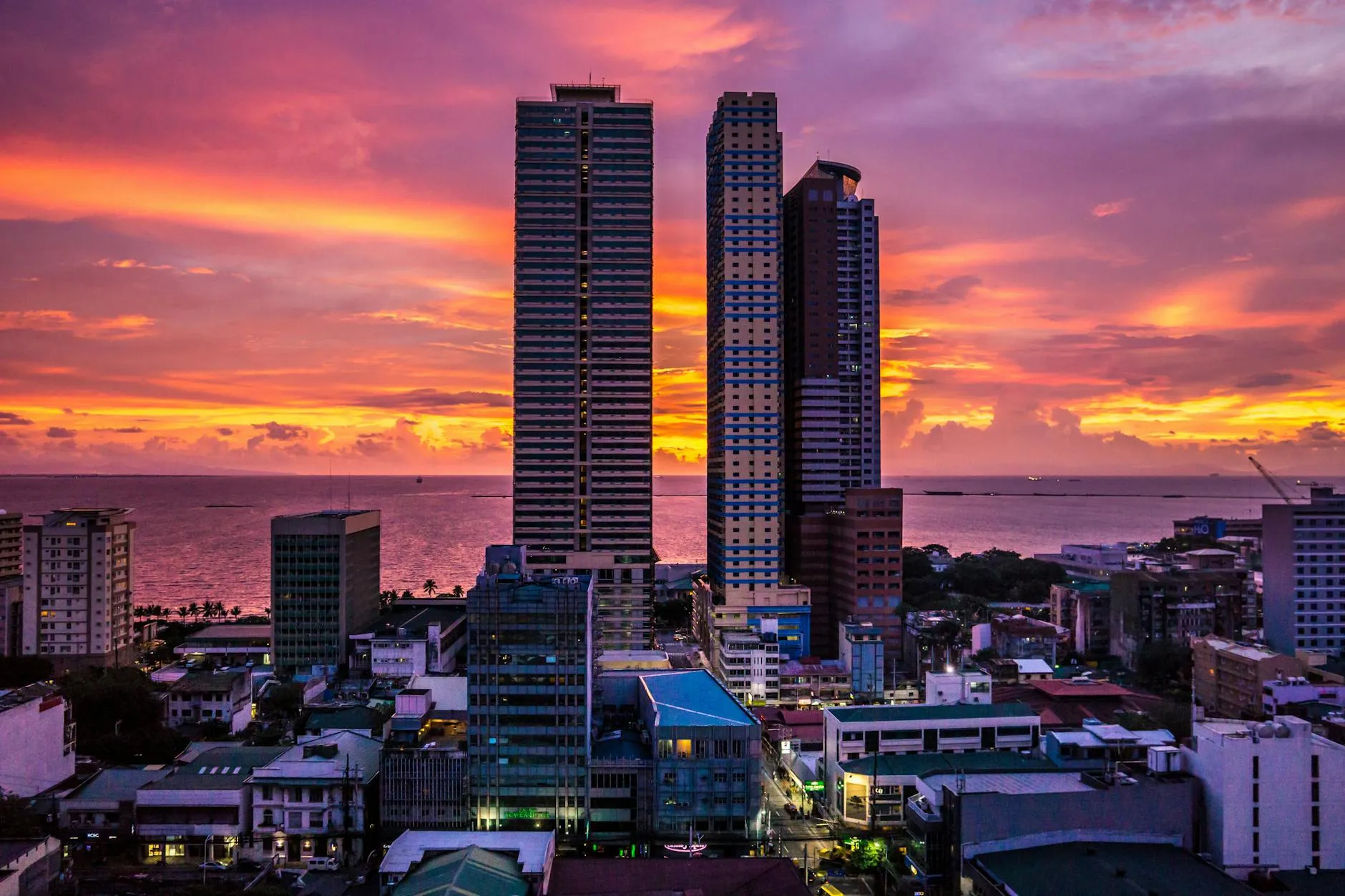
Tokyo to Manila is a short, competitive four-and-a-half-hour hop across the Philippine Sea, and it is well served non-stop by both full-service and low-cost carriers. ANA, Japan Airlines, Philippine Airlines, Cebu Pacific and Jetstar Japan all fly it direct from Haneda or Narita. This guide covers who flies the route, what a fair economy return costs in yen, and when to book to land the best price.
Route: Tokyo (Haneda HND / Narita NRT) → Manila (MNL)
Distance: approximately 3,000 km (1,860 miles)
Non-stop flight time: about 4h 30m to 4h 45m southbound; similar on the return
Direct flights: Yes — ANA, Japan Airlines, Philippine Airlines, Cebu Pacific and Jetstar Japan fly non-stop from Haneda and/or Narita. Which one you pick swings the price enormously: Jetstar Japan out of Narita was ¥37,032–¥40,259 and held nine in ten of the cheapest fares, while Philippine Airlines out of Haneda was ¥138,121 — about three and a half times as much.
Fares from Tokyo to Manila (JPY)
This is a value route where low-cost and legacy carriers compete hard, so fares stay reasonable most of the year. Prices climb around Japan’s Golden Week (late April to early May), the summer O-Bon holidays in August, and the Christmas–New Year period, which is peak season in the Philippines. The cheapest windows are the second half of January into February and the early-summer and autumn shoulder weeks. The figures below are typical economy return fares in yen; the low end usually means a Cebu Pacific or Jetstar bare fare, with the full-service carriers higher.
| Month | Demand | What to expect |
|---|---|---|
| January | — | low (after New Year) |
| February | — | low |
| March | — | medium (spring break) |
| April | — | high (Golden Week nears) |
| May | — | medium |
| June | — | medium |
| July | — | high (summer holidays) |
| August | — | very high (O-Bon) |
| September | — | medium |
| October | — | medium |
| November | — | medium |
| December | — | very high (year-end) |
Checked against every return fare on sale as we write, the low-cost fares sit in a strikingly tight band: ¥37,032–¥40,259 return, median ¥40,170, nearly all of them Jetstar Japan out of Narita. So a return around ¥38,000 is simply the going rate rather than a find, and under about ¥38,400 is as good as this route gets — there is nothing in the twenties or low thirties to wait for. Full-service is a long way above: Philippine Airlines was ¥138,121 from Haneda, bag and comfort included.
Airlines on this route
Non-stop (about 4h 30m):
- ANA — non-stop from Haneda and Narita, full-service with a checked bag included and reliable schedules.
- Japan Airlines (JAL) — non-stop from Haneda and Narita, comfortable economy and a generous baggage allowance.
- Philippine Airlines — the flag carrier’s non-stop, the most frequent service on the route, from both Tokyo airports.
- Cebu Pacific — low-cost non-stop from Narita; bare fares plus paid bags and seats, usually the cheapest option.
- Jetstar Japan — low-cost non-stop from Narita, another budget choice if you travel light.
One-stop (rarely worth it):
- Connections via other Asian hubs exist but add hours to a route that is only four and a half hours non-stop — on this corridor the direct flight is almost always both cheaper and quicker.
With five carriers flying it direct, Tokyo to Manila is a route where you rarely need a stop. Cebu Pacific and Jetstar lead on price if you pack light; ANA, JAL and Philippine Airlines include a bag and offer more comfort.
When to book & how to save
- Book 1–3 months ahead for the best fares; because it is a short route, prices move less dramatically than long-haul, but holidays still spike.
- Avoid Golden Week, O-Bon and year-end — late April to early May, mid-August and the Christmas–New Year weeks are the priciest and busiest.
- Travel in late January–February for the lowest fares of the year.
- Compare the all-in low-cost price: a Cebu Pacific or Jetstar headline fare can look unbeatable, but add a checked bag and seat before deciding — the full-service carriers sometimes win once bags are included.
- Use either Tokyo airport: ANA, JAL and Philippine Airlines fly from both Haneda and Narita, so keep both in your search for more choice.
Arriving in Manila
Flights land at Ninoy Aquino International Airport (MNL), spread across four terminals a few kilometres south of central Manila. Traffic is notoriously heavy, so allow plenty of time. The official metered airport taxis and app-based rideshare are the easiest way in; a ride to Makati or Bonifacio Global City takes 30–90 minutes depending on traffic and costs roughly ₱300–₱700 (Philippine pesos). The cheaper yellow airport-coupon taxis and the point-to-point P2P buses to key districts are budget-friendly alternatives. Terminals are not all walkable to each other, so if you have an onward domestic connection, check which terminal it departs from.
Frequently asked questions
How long is the flight from Tokyo to Manila?
The non-stop takes about 4 hours 30 minutes to 4 hours 45 minutes flying south from Tokyo to Manila, with the return leg taking a similar time. Because several airlines fly it direct, there is no connection time to add on the fastest itineraries.
Are there direct flights from Tokyo to Manila?
Yes. ANA, Japan Airlines, Philippine Airlines, Cebu Pacific and Jetstar Japan all fly non-stop, from Haneda and/or Narita. Philippine Airlines runs the most frequent service, and flies from Haneda — at ¥138,121 in our sample. Cebu Pacific and Jetstar are the low-cost options for travellers happy to pay separately for bags, and Jetstar Japan out of Narita held nearly every cheap fare, at ¥37,032–¥40,259.
How much does it cost to fly from Tokyo to Manila?
A typical low-cost economy return runs about ¥38,400–¥40,200, median ¥40,170, with the cheap fares spanning ¥37,032–¥40,259. Full-service is a separate tier — ¥138,121 on Philippine Airlines in our sample. Summer O-Bon and the year-end peak price above both.
What is the cheapest month to fly from Tokyo to Manila?
Late January and February are usually the cheapest, after the New Year rush. In the September and October dates we could price, low-cost returns started at ¥37,032. Avoid Golden Week (late April–early May), the August O-Bon holidays and the December–January peak, which is high season in the Philippines and the most expensive time to fly.
Which airlines fly from Tokyo to Manila?
Non-stop: ANA, Japan Airlines, Philippine Airlines, Cebu Pacific and Jetstar Japan. In our fare data Jetstar Japan from Narita carried nine in ten of the cheapest fares at ¥37,032–¥40,259, and Philippine Airlines from Haneda was the only other carrier to appear, at ¥138,121. ANA, Japan Airlines and Cebu Pacific also fly it non-stop but did not appear among the cheapest when we checked. The full-service carriers include a checked bag and more comfort, and fly from the more convenient Haneda; Cebu Pacific and Jetstar offer the lowest headline fares if you travel light.
Which airport do I fly into in Manila?
You arrive at Ninoy Aquino International Airport (MNL), Manila’s main gateway, a few kilometres south of the city centre. It has four terminals that are not all directly connected, so if you have an onward domestic flight, check which terminal it uses and allow extra time.
How far in advance should I book Tokyo to Manila flights?
Aim to book 1 to 3 months ahead. As a short route it is less volatile than long-haul, but fares still rise around Golden Week, summer and the year-end holidays, so booking a few months out gives the best balance of price and choice.
Is it cheaper to fly on weekdays?
Usually, yes. Midweek departures (Tuesday to Thursday) tend to be a little cheaper than weekend flights, and building a return around weekday travel can save ¥5,000–¥15,000. Flexibility of a day or two is one of the easiest ways to cut the fare on this route.
Fare guidance based on aifly.one deal tracking and current airline schedules; last reviewed July 2026. Indicative economy returns — always check the live fare before booking.