Istanbul — The Complete City Guide 2026
Istanbul is the only city on earth that straddles two continents, and that geographical fact has shaped everything about it — the food, the architecture, the commerce, the faith, and the extraordinary layering of civilisation that makes it unlike anywhere else. This was Constantinople, capital of the Eastern Roman Empire for a thousand years, seat of the Ottoman caliphate for five centuries, and now a Turkish metropolis of 16 million that is, by several measures, the most visited city in the world. The skyline of domes and minarets rising above the Bosphorus is one of the great sights in travel. The food — from a ₺10 simit bought at dawn to a full meyhane evening of rakı and meze — is extraordinary at every price point. And the city moves at a pace and intensity that makes most European capitals feel sedate.
Last verified: April 2026. Every price, opening hour, and practical detail in this guide has been checked against current sources. All prices are in Turkish lira (₺); €1 ≈ ₺38–40 / $1 ≈ ₺36 / £1 ≈ ₺46 at time of writing. Important: Turkey’s inflation rate remains high (31% in early 2026), so prices — particularly for attractions aimed at tourists — may increase during the year. Many major attractions now charge foreign visitors in EUR rather than lira.
Why Istanbul? An Editor’s Note
I have visited Istanbul seven times and I am not close to done. The city defeats summary. You can spend a morning inside the Hagia Sophia — a building that has been a cathedral, a mosque, a museum, and a mosque again across 1,500 years — and feel the weight of history pressing down on you through the golden mosaics. Then you walk ten minutes to a fish sandwich stall at Eminönü, eat a balık ekmek on the waterfront for ₺100, watch the ferries crossing to Asia, and feel something else entirely: the pure, chaotic, irresistible energy of a city that has been at the crossroads of the world for eight millennia and shows no sign of slowing down.
Istanbul is not a museum. It is a living, roaring, eating, praying, trading, arguing, building city. The Grand Bazaar has been in continuous operation since 1461. The ferry system that crosses the Bosphorus dozens of times a day is a public transit network that also happens to be one of the most beautiful journeys in the world. The call to prayer from 3,000 mosques at sunset is not a performance — it is the sound of a city pausing to acknowledge something larger than itself.
The key to Istanbul is understanding that it is not one city but several. Sultanahmet is the tourist core — Hagia Sophia, Blue Mosque, Topkapı — and it is magnificent but not the whole story. Beyoğlu and Karaköy are where the modern city pulses with galleries, rooftop bars, and third-wave coffee. Kadıköy on the Asian side is bohemian, delicious, and authentically local. Balat is colourful and gentrifying. And the Bosphorus is the thread that ties everything together — the waterway that separates and connects Europe and Asia, and makes Istanbul’s geography unlike any other city on earth.
This guide covers all of it. For other destinations we fly to from Europe, see our Athens guide, Dubai guide, or Rome guide.
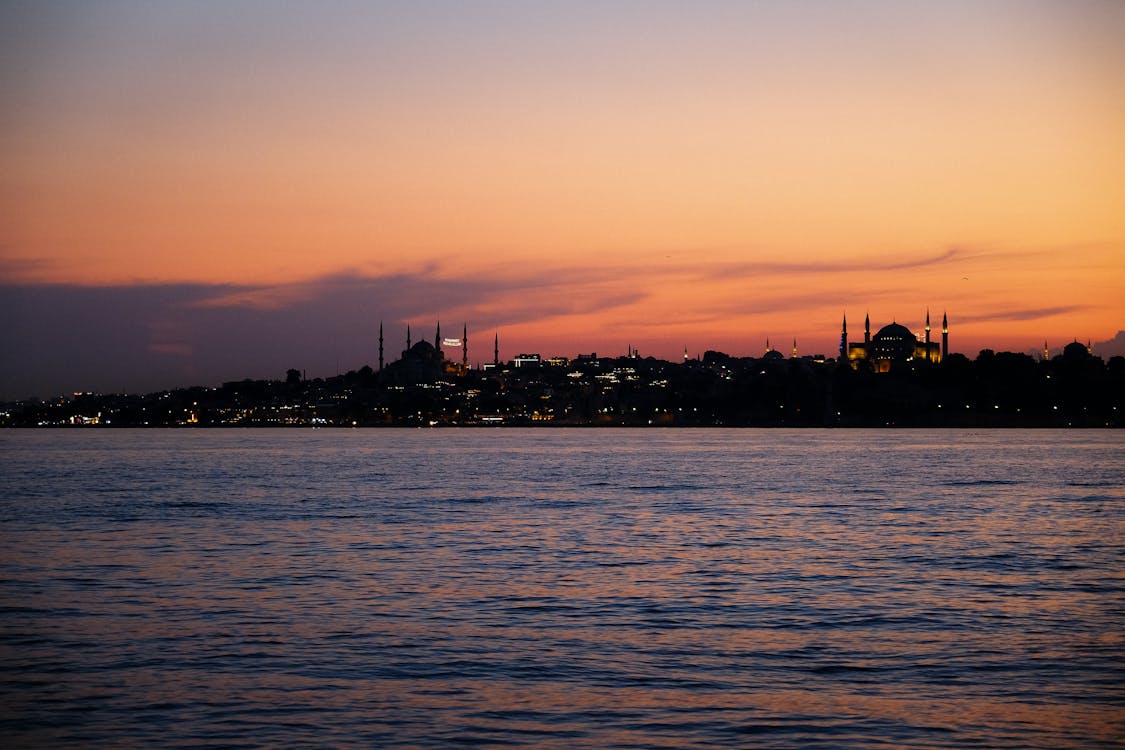
Table of Contents
- Top Attractions & Verified 2026 Prices
- Mosques & Spiritual Istanbul
- The Complete Istanbul Food Guide
- Street Food
- Turkish Breakfast (Kahvaltı)
- Baklava & Turkish Sweets
- Turkish Coffee & Çay Culture
- Meyhane & Rakı Culture
- Fine Dining & Michelin 2026
- Neighbourhoods
- The Bosphorus
- Hammams (Turkish Baths)
- Shopping & Bazaars
- Getting Around
- Day Trips
- Budget & Money
- Best Time to Visit
- Safety & Scams to Avoid
- 2026 Travel Notes
- How Many Days in Istanbul?
- FAQ
- Explore More Guides
Top Attractions & Verified 2026 Prices
Istanbul’s major attractions span Roman, Byzantine, and Ottoman civilisations. A word of warning: many sites now charge foreign visitors in euros rather than lira, and prices have risen sharply. Budget accordingly.
| Attraction | Price (2026) | Hours | Notes |
|---|---|---|---|
| Hagia Sophia | €25 | 09:00–19:00 daily | Upper gallery only for tourists. Closed Fri 12:00–14:30. Separate tourist entrance (NE side). Headscarves provided free |
| Topkapı Palace (combined) | ₺2,750 (≈€70) | 09:00–17:00 | Includes Harem + Hagia Irene. Closed Tuesdays. Museum Pass valid |
| Basilica Cistern | ₺1,950 (≈€50) | 09:00–18:30 | 336 columns, two Medusa heads. Evening sessions ₺3,000. Museum Pass NOT valid |
| Dolmabahçe Palace | ₺2,000 (≈€51) | 09:00–17:00 | Closed Mondays. Combined ticket for all wings. Museum Pass NOT valid |
| Galata Tower | €30 | 08:30–23:00 | Panoramic observation terrace. Museum Pass valid. Allow 45–90 min |
| Chora Church (Kariye) | €20 | 09:00–18:00 | Closed Fridays. Byzantine mosaics visible outside prayer times |
| Istanbul Modern | ₺750 (≈€19) | Tue–Sun 10:00–18:00, Fri until 20:00 | Renzo Piano building on Karaköy waterfront. Closed Mondays |
| Istanbul Archaeology Museum | €15 | 09:00–18:30 | Museum Pass valid. Alexander Sarcophagus, Treaty of Kadesh |
| Turkish & Islamic Arts Museum | €17 | 09:00–18:30 | Museum Pass valid. World’s finest carpet collection |
| Grand Bazaar | Free | Mon–Sat 09:00–19:00 | Closed Sundays + religious holidays. 4,000 shops, 61 streets |
| Spice Bazaar | Free | Daily 09:00–19:00 | Open Sundays (unlike Grand Bazaar). Spices, lokum, nuts, honey |
| Blue Mosque | Free | Daily outside prayer | Fully restored 2023 after 6-year renovation. 20,000+ Iznik tiles |
| Süleymaniye Mosque | Free | Daily outside prayer | Mimar Sinan’s masterpiece. Bosphorus views. Less crowded than Blue Mosque |
Hagia Sophia (Ayasofya)
There is no building in the world quite like the Hagia Sophia. Built as a Christian cathedral in 537 AD by Emperor Justinian, it was the largest enclosed space on earth for nearly a thousand years. It became a mosque after the Ottoman conquest in 1453, a museum in 1934, and a mosque again in 2020. Since January 2024, foreign tourists pay €25 to access the upper gallery — the ground floor is a working mosque. The golden mosaics in the upper gallery, particularly the Deesis mosaic of Christ flanked by the Virgin Mary and John the Baptist, are among the supreme achievements of Byzantine art. Go early morning to avoid the worst crowds. Use the tourist entrance on the northeast side (facing the Bosphorus), not the Sultanahmet Square door.
Topkapı Palace
The nerve centre of the Ottoman Empire for 400 years — where sultans ruled, where the treasury held the Topkapı Dagger and the 86-carat Spoonmaker’s Diamond, where the Harem housed 300 concubines and the most complex power politics in the Mediterranean world. The combined ticket (₺2,750) includes the main courtyards, the Harem, and Hagia Irene — buy it. The Harem alone justifies the price: the tiled rooms, the corridors of intrigue, the views over the Golden Horn. Allow 3–4 hours minimum. Closed Tuesdays.
Basilica Cistern
An underground cathedral of water. Built by Justinian in 532 to supply the Great Palace, the cistern holds 80,000 cubic metres of water supported by 336 columns — many recycled from ruined Roman temples. Two columns rest on carved Medusa heads, one sideways, one inverted, and nobody is entirely sure why. The atmospheric lighting after the 2022 renovation is superb. Go late afternoon when the morning tour groups have gone. The evening “Night Shift” experience (₺3,000) sometimes includes live music and is worth it if available.
Galata Tower
The 67-metre Genoese watchtower that has defined the Beyoğlu skyline since 1348. The panoramic view from the observation deck — the Golden Horn, the Bosphorus, the Sea of Marmara, and the dome-and-minaret skyline of the historic peninsula — is the single best view in Istanbul. At €30 it is not cheap, but there is no substitute. Go at sunset if you can time the queue. Open until 23:00, which makes it possible to see the city lit up at night.
Grand Bazaar (Kapalı Çarşı)
The world’s oldest and largest covered market, in continuous operation since 1461. Sixty-one covered streets, 4,000 shops, 22 gates. It is overwhelming, magnificent, and exhausting in roughly equal measure. The key is knowing what you want before you go in. The best buys: handmade ceramics (look for hand-painted Iznik designs, not mass-produced imports), Turkish carpets and kilims from specialist dealers in the inner lanes, leather goods, gold and silver jewellery, and the brass and copper work in the Coppersmiths’ Street (Kalpakçılar Caddesi). Haggling is expected: start at 50% of the asking price and work toward 60–70%. Accept the offered çay — it is part of the ritual, not a trick. Late afternoon on weekdays is the best time for serious negotiation. Closed Sundays.
Mosques & Spiritual Istanbul
Istanbul has over 3,000 mosques, and the five major imperial mosques are among the greatest architectural achievements in the Islamic world. All are free to enter outside prayer times. Dress modestly: cover shoulders and knees, women should cover their hair (free headscarves are available at the entrance of all major mosques). Remove shoes before entering. Avoid visiting during the five daily prayer times (especially Friday noon prayer, 12:00–14:30).
Blue Mosque (Sultan Ahmed Camii)
The six-minaret mosque that faces the Hagia Sophia across Sultanahmet Square — built between 1609 and 1616 by Sultan Ahmed I as a rival to Justinian’s masterpiece. The interior is covered in more than 20,000 handmade Iznik tiles in blue, white, and green, giving the mosque its popular name. After a six-year restoration that ended in 2023, the tiles are cleaner and more vivid than they have been in centuries. The cascade of domes, the light filtering through 200 stained-glass windows, and the sheer scale of the prayer hall make this one of the most beautiful interiors in the world. Free. Closes to tourists during all five daily prayers and on Friday mornings until 14:30.
Süleymaniye Mosque
Many Istanbulites consider this, not the Blue Mosque, to be the city’s greatest. Built by Mimar Sinan between 1550 and 1557 for Suleiman the Magnificent, it sits on the Third Hill with commanding views over the Golden Horn and the Bosphorus. The interior is simpler than the Blue Mosque but achieves something more powerful: a sense of immense, luminous space that the architect controlled with mathematical precision. The courtyard is one of the most peaceful places in the city. The tomb of Suleiman the Magnificent is in the garden. After visiting, walk downhill to the Golden Horn through the old medrese (theological school) buildings, now housing çay gardens where locals sit for hours.
Üsküdar Mosques
Cross to the Asian side for three beautiful mosques in quick succession: the Mihrimah Sultan Mosque (Mimar Sinan, 1548, extraordinary natural light), the Şemsi Paşa Mosque (tiny, perfect, directly on the Bosphorus waterfront), and the Yıldız Hamidiye Mosque (1886, set in Yıldız Park). Less touristed, more atmospheric, and you get the ferry crossing as a bonus.
Eyüp Sultan Mosque
The holiest mosque in Istanbul — built over the tomb of Abū Ayyūb al-Anṣārī, the Prophet Muhammad’s standard-bearer. Located outside the old city walls at the head of the Golden Horn, it draws pilgrims rather than tourists. The atmosphere is genuinely spiritual. After visiting, take the cable car up to Pierre Loti Hill for one of the most celebrated views in Istanbul: the Golden Horn stretching toward the city, the minarets rising in the haze. The çay garden at the top is perfect for a slow afternoon.
The Complete Istanbul Food Guide
Istanbul’s food culture is among the richest in the world — a product of Ottoman imperial cuisine, Anatolian regional traditions, Aegean seafood, and Middle Eastern influences layered over centuries. The one rule that governs everything: eat where the locals eat. A kebab at a busy neighbourhood ocakbaşı (grill house) for ₺200 will be infinitely better than a kebab on a restaurant terrace facing the Blue Mosque for ₺600. The Sultanahmet tourist strip is where flavour goes to die. Walk five minutes in any direction and the quality doubles.
Kebabs
Turkey invented the kebab, and Istanbul is where every regional variation converges. The essential types:
| Kebab | Description | Typical Price |
|---|---|---|
| İskender | Thin-sliced döner over pide bread, tomato sauce, yogurt, finished with sizzling burnt butter. From Bursa. The single most satisfying meal in Turkey | ₺150–250 (€4–6.50) |
| Adana | Hand-minced spicy lamb on a flat metal skewer, charcoal-grilled. Named for the city. The heat varies; specify acılı (spicy) or acısız (mild) | ₺200–350 (€5–9) |
| Urfa | Same technique as Adana but without the chilli. Rich, smoky, lamb-forward | ₺200–350 (€5–9) |
| Şiş kebab | Cubed lamb or chicken on skewers. The classic. Look for wood-fire grill | ₺180–300 (€5–8) |
| Döner | Rotating vertical spit, shaved into bread or plate. Turkey’s gift to world street food | ₺80–150 wrap (€2–4) |
| Beyti | Spiced ground lamb rolled in lavash bread, sliced, served with yogurt and tomato sauce | ₺250–400 (€6–10) |
Where to eat kebabs: Zubeyir Ocakbasi (Beyoglu) is the standard by which Istanbul kebabs are judged — charcoal grill, no-nonsense service, exceptional Adana. Durumzade (off Istiklal Caddesi) makes the best döner dürüm (wrap) in the city, possibly in Turkey — the queue tells you everything. Çiya Sofrasi (Kadiköy) transcends the kebab category entirely: chef Musa Dağdeviren has spent decades documenting vanishing Anatolian recipes and serves them in a humble lokanta that deserves more than a Michelin star.
Lokanta & Esnaf Restaurants
The lokanta is Turkey’s great democratic institution: a workers’ canteen where steam-table dishes — stews, rice, beans, stuffed vegetables, grilled meats — are served fast, cheap, and astonishingly well. Point at what looks good behind the glass. A full plate with rice, soup, and bread costs ₺150–300 (€4–8). Arrive before 13:30 for the full selection. Kanaat Lokantasi (Üsküdar, since 1933) and NATO Lokantasi (Karaköy, since 1952) are institutions. Karakoy Lokantasi bridges lokanta and meyhane with modern polish but honest food.
Street Food
Istanbul’s street food is among the best and cheapest in any major city. You can eat brilliantly all day without entering a restaurant.
| Item | Price | Where to Find |
|---|---|---|
| Simit (sesame bread ring) | ₺10–15 (€0.30) | Everywhere — street carts on every corner. Fresh in the morning, cardboard by evening |
| Balık ekmek (fish sandwich) | ₺80–120 (€2–3) | Eminönü waterfront (the boats), Karaköy. Grilled mackerel in bread with onion and lettuce |
| Kokoreç (spiced lamb intestines) | ₺80–100 half (€2–2.50) | Şişli, Kadiköy, Taksim. Either you love it or you don’t. Try it once |
| Midye dolma (stuffed mussels) | ₺5–10 each (€0.15) | Beşiktaş, Taksim, anywhere a vendor has a silver tray. Rice, spices, squeeze of lemon |
| Kumpir (loaded baked potato) | ₺100–150 (€3–4) | Ortaköy, under the Bosphorus Bridge. Pick your toppings. An Istanbul ritual |
| Lahmacun (Turkish pizza) | ₺40–60 each (€1–1.50) | Everywhere. Thin, crisp, with spiced minced meat. Roll it with parsley and lemon |
| Tantuni (spicy meat wrap) | ₺60–90 (€1.50–2.30) | Taksim area. Mersin-origin street food: thin beef stir-fried with tomato in lavash |
| Islak hamburger (wet burger) | ₺30–50 (€0.80–1.30) | Taksim Square, post-midnight. Steam-box burgers in garlic-tomato sauce. A 3am institution |
Turkish Breakfast (Serpme Kahvaltı)
Turkish breakfast is not a meal — it is an event. A serpme kahvaltı (spread breakfast) arrives as a table-covering array: olives (multiple types), tomatoes, cucumbers, white cheese (beyaz peynir), clotted cream (kaymak) with honey, butter, multiple jams, fresh bread, eggs cooked to order (menemen is scrambled eggs with tomatoes and peppers; sucuklu yumurta is fried eggs with spiced Turkish sausage), and unlimited çay served in tulip glasses. It is the single best way to start a morning in Istanbul and you will not need lunch.
Where to Have Kahvaltı
- Van Kahvaltı Evi (Beyoglu) — Van-style Kurdish breakfast with specialities you won’t find elsewhere: kavut (roasted flour with butter), mirtuga (bread-egg-butter), herb cheeses. ₺100–150/person. Queue on weekends
- Çakmak Kahvaltı Salonu (Beşiktaş) — The pioneer of Beşiktaş’s famous breakfast street. Try the pişi (fried dough). Affordable, local, chaotic in the best way
- Namlı Gürme (Karaköy) — Delicatessen-style: choose your cheeses, cured meats, and spreads from the counter. Excellent quality, fair prices
- Bebek Kahve (Bebek) — Bosphorus-view breakfast at a premium. Worth it for the setting on a sunny morning
Baklava & Turkish Sweets
Karaköy Güllüoğlu
The most famous baklava in Istanbul and possibly the world. Operating since 1949, the Karaköy branch produces 2.5 tonnes of baklava daily. The classic pistachio baklava (fıstıklı baklava) is the benchmark — layers of tissue-thin phyllo, bright green Antep pistachios, butter that is clarified to golden clarity, and just enough sugar syrup to bind without overwhelming. A portion (₺50–100) with Turkish coffee is the perfect mid-afternoon stop. The waterfront location near the Galata Bridge is always busy for good reason.
Hafız Mustafa 1864
Founded in 1864, now with 12 Istanbul locations. More variety than Güllüoğlu: 35+ baklava types, 11 kadayif varieties, 22 muhallebi (milk pudding) types, and an extraordinary Turkish delight (lokum) selection. The Sultanahmet branch is the most atmospheric but the Taksim and İstiklal locations are equally good. Slightly pricier but the quality is impeccable. Try the şöbiyet (cream-filled baklava) alongside the classic pistachio.
Other Turkish Sweets to Know
- Künefe — Shredded kadayif pastry encasing melted cheese, soaked in syrup, topped with pistachios. Served hot. Addictive. From Hatay
- Tavuk göğsü — A milk pudding made with chicken breast (yes, really). The chicken is pounded so fine it becomes a textural element, not a flavour. A genuine Ottoman dessert. Try it at Lale Pudding Shop (Sultanahmet)
- Lokum (Turkish delight) — The rose, pistachio, and double-roasted varieties are miles from the cornstarch cubes you find outside Turkey. Buy from Hafız Mustafa or Ali Muhiddin Hacı Bekir (established 1777, the oldest confectioner in Istanbul)
- Dondurma — Turkish ice cream made with salep (orchid root) that gives it an elastic, chewy texture. The vendors in Taksim perform elaborate serving tricks. The ice cream itself is genuinely excellent
Turkish Coffee & Çay Culture
Turkish Coffee
UNESCO-recognised as Intangible Cultural Heritage. Fine-ground coffee brewed in a cezve (small copper pot) with sugar added before brewing (specify: sade = no sugar, az şekerli = little, orta = medium, çok şekerli = sweet). The grounds settle in the cup — drink slowly, stop before the sludge, and if you’re feeling mystical, flip the cup onto the saucer for a fortune reading. ₺30–60 per cup.
- Mandabatmaz (Beyoglu, off İstiklal) — A copper-pot institution since 1967. Legendary thick foam. The tiniest café, the best coffee. No milk alternatives, no Wi-Fi, no pretension
- Fazıl Bey (Kadiköy, Serasker Caddesi) — Since 1923. The Asian-side equivalent. Roasts its own beans
- Kurukahveci Mehmet Efendi (Eminönü, near Spice Bazaar) — Since 1871. The most famous coffee seller in Turkey. Buy a packet to take home
Çay (Tea) Culture
Turkey has the highest per-capita tea consumption in the world — over 3 kg per person per year, surpassing even the UK and Japan. Çay is served in tulip-shaped glasses from a double-stacked çaydanlık teapot: strong black tea in the small pot on top, hot water in the larger pot below. You will be offered çay everywhere — in shops, in taxis, in the middle of negotiations at the Grand Bazaar. Accepting is polite, expected, and costs ₺5–15 at a tea garden.
- Pierre Loti Hill (Eyüp) — Take the cable car up, drink çay with the Golden Horn panorama. Named for the French novelist who loved this view
- Çamlıca Hill (Asian side) — The highest point in Istanbul. Bosphorus panorama with çay. Recently renovated with a new mosque and park
- Any waterfront çay bahçesi — The entire length of the Bosphorus is lined with tea gardens. Pick any one. The view comes free with a ₺15 glass of çay
Meyhane & Rakı Culture
A meyhane evening is arguably the single finest eating experience in Istanbul. The format is ritualistic: order rakı (anise spirit, 45% ABV, turns cloudy white when water is added — “aslan sütü”, lion’s milk), then cold meze arrive in waves (beyaz peynir, cacik, patlican salatası, deniz börülcesi, lakerda), then hot meze (karides güveç, midye tava, arnavut ciğeri), then fish, then fruit. The evening lasts three to four hours. Nobody hurries. The bill is split equally. Conversation is mandatory. It is one of the great dining traditions on earth.
Best Meyhanes
- Asmalı Cavit (Beyoglu, Asmalımescit) — The quintessential meyhane. Owner Mr. Cavit keeps the rakı flowing, the lakerda (pickled bonito) is superb, the arnavut ciğeri (Albanian liver) is the best in the city. Small, loud, perfect. Reserve ahead
- Nevizade Sokak (off Balık Pazarı fish market) — An entire street of meyhanes, each competing for your attention with touts and sample plates. The quality varies; Refik and Boncuk are the reliable choices. Summer evenings when the tables spill into the street are unforgettable
- Karaköy Lokantasi — Modern meyhane meets lokanta. Famous hünkar beğendi (lamb stew over smoky eggplant purée). The lunch menu is excellent value
- Eleos (İstiklal Caddesi) — Historic renovated tavern with a Greek-influenced meze selection. Good value for the location. Often full by 20:00
Budget: A full meyhane evening with rakı, meze, and fish costs ₺400–800/person (€10–20). This is extraordinary value for one of the world’s great dining experiences.
Fine Dining & Michelin 2026
The MICHELIN Guide Türkiye expanded in 2026, awarding 17 starred restaurants across the country. Istanbul holds the vast majority:
| Restaurant | Rating | Why Go |
|---|---|---|
| TURK Fatih Tutak | ⭐⭐🌿 | Modern Turkish. Tasting menu only, sustainability-focused. The best fine dining in Turkey |
| Mikla | ⭐ | Mediterranean-Turkish. Chef Mehmet Gürs. Rooftop of Marmara Pera hotel, Bosphorus views at sunset |
| Neolokal | ⭐🌿 | Contemporary Turkish. SALT Galata building. 2026 Sommelier Award. Exceptional wine pairing |
| Nicole | ⭐ | Turkish regional. Revamps forgotten recipes. The lamb shoulder keskek is legendary |
| Araka | ⭐ | Creative. Sarıyer. Molecular techniques applied to Turkish ingredients |
| Arkestra | ⭐ | Fusion. Beşiktaş. Multi-cuisine creative with Turkish backbone |
| Sankai by Nagaya | ⭐ | Japanese. Beşiktaş. Best Japanese in Turkey |
| Araf Istanbul | ⭐ | Creative Turkish. New in 2026. Chefs Kenan & Pinar Korgan Çetinkaya |
⭐ = Michelin star 🌿 = Michelin Green Star (sustainability)
Beyond Michelin: Çiya Sofrasi in Kadiköy — chef Musa Dağdeviren’s humble lokanta documenting vanishing Anatolian recipes — is, by many food writers’ accounts, the most important restaurant in Turkey. No stars, no reservations, steam-table service, and food that is genuinely irreplaceable.
Neighbourhoods
Sultanahmet (Tourist Core)
The historic peninsula where Rome, Byzantium, and the Ottomans left their greatest marks. Hagia Sophia, Blue Mosque, Topkapı Palace, Basilica Cistern, the Hippodrome, and the Grand Bazaar are all here within walking distance. It is magnificent and heavily touristed. Stay here if you want to be at the centre of the major sites, but eat and drink elsewhere — the restaurant quality on the Sultanahmet tourist strip is poor and overpriced. The exception is Matbah (Ottoman-era recipes in the Ottoman Hotel Imperial) which is genuinely good.
Beyoğlu / İstiklal / Galata
The beating heart of modern Istanbul. Taksim Square, İstiklal Caddesi (1.4 km pedestrian avenue), and the surrounding streets hold the city’s best nightlife, bars, meyhanes, galleries, and energy. The nostalgic red tram clangs down İstiklal. Nevizade Sokak is the meyhane street. Galata Tower anchors the southern end. The neighbourhood swings from historic arcades (Cicek Pasajı, Çukurçeşme Sokak) to rooftop cocktail bars. This is where to stay if you want the city’s pulse.
Karaköy
Formerly a gritty port quarter, now Istanbul’s coolest waterfront neighbourhood. Third-wave coffee roasters, street art, boutique galleries, Istanbul Modern’s new Renzo Piano building, and Güllüoğlu’s legendary baklava. It connects Sultanahmet (via Galata Bridge) to Beyoğlu (via the uphill walk to Galata Tower) and is the natural axis of any day in Istanbul. The transformation is recent and ongoing — construction coexists with café culture.
Kadıköy (Asian Side)
Take the ferry from Eminönü (a 20-minute crossing that is itself one of the best experiences in Istanbul) and step into a different city. Kadiköy is bohemian, local, and delicious. The market streets around the ferry terminal are a food lover’s paradise: produce, olives, cheese, fish, spices at local prices. Fazıl Bey for coffee, Çiya Sofrasi for lunch, the Moda waterfront for a sunset walk. This is where Istanbulites go when they want to eat well without a tourist markup. If you have three days in Istanbul, spend one afternoon here.
Balat & Fener
The colourful, photogenic, rapidly gentrifying neighbourhood on the Golden Horn. Former Greek Orthodox and Armenian quarter — the Ecumenical Patriarchate of Constantinople is still here in Fener. Rainbow-painted houses on steep cobblestone streets, antique shops, third-wave cafés in converted warehouses, and a sense of living history that the polished tourism of Sultanahmet cannot replicate. Walk here from the Süleymaniye Mosque along the Golden Horn for one of the best half-day walks in the city.
Beşiktaş
University-filled, Bosphorus-adjacent, fiercely local. Dolmabahçe Palace is here, but the neighbourhood’s real draw is the morning breakfast scene (Çakmak Kahvaltı Salonu on the famous breakfast street), the fish market, the midye dolma vendors, and the lively bar and café culture around the football ground. Beşiktaş is the gateway to Ortaköy (kumpir under the Bosphorus Bridge) and the upper Bosphorus villages.
Üsküdar (Asian Side)
More conservative and residential than Kadiköy, with a concentration of beautiful mosques and one of the most photographed views in Istanbul: the Maiden’s Tower (Kız Kulesi) offshore, the European skyline behind it. The waterfront at sunset is spectacular. Üsküdar is also the starting point for Çamlıca Hill, the highest point in Istanbul, with a recently renovated park and panoramic çay garden.
The Bosphorus
The 31 km strait that separates Europe and Asia is Istanbul’s defining geographical feature and one of the most dramatic waterways in the world. Ottoman wooden mansions (yalıs), medieval fortresses, and imperial palaces line both shores. Seeing it from the water is essential.
Şehir Hatları Long Cruise (Full Bosphorus Tour)
The classic: a public ferry departing daily at 10:35 from Eminönü Boğaz İskelesi (just right of the Galata Bridge). Two hours up the Bosphorus to Anadolu Kavağı near the Black Sea entrance, a 3-hour lunch stop in the village (eat fish at any waterfront restaurant), then the return journey. Six hours total. ₺480–640 round trip (€12–16). You pass Dolmabahçe Palace, the Bosphorus Bridge, Bebek, Rumeli Fortress, and dozens of Ottoman yalıs. This is the single best-value experience in Istanbul. Sit on the right side going up, left side coming back, for the best European-shore views.
Short Cruise
A 2-hour loop to the second Bosphorus Bridge and back, departing 14:35 from Eminönü (summer only). ₺65–100 (€2–3). Good if you don’t have six hours but still want to see the Bosphorus from the water.
Public Ferries (Vapur)
The cheapest Bosphorus experience: take any regular İDO or Şehir Hatları ferry crossing. Eminönü to Kadiköy (₺38–89, 20 min) gives you the full skyline view. Eminönü to Üsküdar is shorter but equally scenic. These are commuter ferries, not tourist boats, and the experience is more authentic: locals drinking çay on deck, seagulls trailing behind, the city opening up on both sides. The sunset crossing is magnificent — Istanbul sunsets are at approximately 20:30 in June, 19:00 in September, and 16:50 in December.
Hammams (Turkish Baths)
The hammam is a 600-year-old Ottoman bathing tradition and one of Istanbul’s essential experiences. The ritual: enter, change into a peştemal (thin cloth wrap), sit in the hot room (hararet) until you sweat, then the tellak (male) or natır (female) attendant performs the kese (exfoliation with a coarse mitt that removes an alarming amount of dead skin) followed by a foam massage (köpük masajı). You emerge feeling reborn. Tip the attendant 10–15% of the service cost.
| Hammam | Built | Traditional Bath | Premium Package | Notes |
|---|---|---|---|---|
| Çemberlitaş Hamamı | 1584 | ₺2,650 (≈€68) | ₺3,450 (≈€88) | By Mimar Sinan, next to Grand Bazaar. The best combination of history and quality |
| Kılıç Ali Paşa Hamamı | 1580 | ₺3,950 (≈€80) | ₺4,200 (≈€85) | Mimar Sinan. Karaköy. Beautifully restored. Upscale experience |
| Ayasofya Hürrem Sultan | 1557 | €110 | €220–300 | Between Hagia Sophia and Blue Mosque. Most expensive. Iconic setting |
| Çağaloğlu Hamamı | 1741 | €90 | €220 | One of the last Ottoman hammams. Marble interiors, traditional atmosphere |
| Aziziye Hamamı | — | ₺1,500 (≈€30) | — | Kadiköy. Budget-friendly. Local experience without the tourist premium |
| Çinili Hamamı | 1640 | ₺1,350 (≈€27) | — | Üsküdar. Cheapest historic hammam. Authentic, no-frills |
Recommendation: Çemberlitaş for the balance of history, quality, and price. Kılıç Ali Paşa for the upscale experience. Aziziye or Çinili for budget travellers who want the real thing without the tourist markup.
Shopping & Bazaars
Grand Bazaar Strategy
The Grand Bazaar rewards preparation and punishes impulse. Know what you want before you enter. The interior lanes (not the shops at the main entrances, which have the highest markups) hold the best dealers. For carpets and kilims, look for specialists who can explain provenance, knotting technique, and dye origin. For ceramics, distinguish between genuine hand-painted Iznik tiles and mass-produced Kütahya imports — the price difference is 10x and so is the quality. For gold, Kalakçılar Caddesi (Goldsmiths’ Street) sells by weight at near-market rates. Accept the offered çay — it creates space for honest conversation about what you actually want.
Arasta Bazaar
A smaller, calmer market behind the Blue Mosque. Higher-quality handmade goods, less aggressive selling, and a more relaxed atmosphere. Good for ceramics, textiles, and jewellery. Bargaining is still possible but the starting prices are more reasonable than the Grand Bazaar.
Kadiköy Market
The Asian-side market around the ferry terminal. Not tourist-oriented: this is where Istanbulites buy produce, olives, cheese, fish, and spices. Prices are local, quality is high, and the atmosphere is pure Istanbul. Excellent for edible souvenirs: dried fruits, spices, Turkish coffee, honey, and olive oil at a fraction of Grand Bazaar prices.
İstiklal Caddesi & Galata
The 1.4 km pedestrian avenue from Taksim to Galata is a mix of international brands, independent Turkish boutiques, bookshops, record shops, and confectioners. The side streets off İstiklal — particularly around Galata — hold the best independent shops: vintage clothing, handmade leather, contemporary Turkish design. The nostalgic red tram that runs down the middle of İstiklal is a working transport link, not just a photo opportunity.
Getting Around
Istanbul Airport (IST) to City Centre
| Mode | Price | Duration | Notes |
|---|---|---|---|
| M11 Metro | ₺42 single (≈€1.10) | ~30 min to Gayrettepe | 06:00–00:00, every 8–10 min. Connect at Gayrettepe to M2 for Taksim/Beyoğlu |
| Havaist Bus | ₺400–480 (≈€10–12) | 60–90 min to Taksim | 24/7. Wi-Fi, USB charging, luggage space. Best for Sultanahmet |
| Taxi | ₺1,000–1,500 (≈€25–38) | 45–75 min | Use BiTaksi app. NEVER accept a flat rate from airport touts |
Istanbulkart
Essential. A rechargeable transit card that works on all metro, tram, bus, ferry, and Marmaray services. Buy one immediately at any yellow/blue Biletmatik machine at the airport, metro stations, or ferry terminals. Card cost: ₺165 (≈€4.20, non-refundable). Single ride: ₺35 base fare (ranges ₺27–60 by distance). Transfer discounts apply. Top up at any Biletmatik. Without an Istanbulkart, you pay significantly more for individual tickets.
Key Transit Lines
- T1 Tram: Kabataş–Sultanahmet–Eminönü–Grand Bazaar. The tourist workhorse. Runs every 5 min
- M2 Metro: Yenikapı–Taksim–Şişli–Levent. Connects Taksim to the rest of the network
- Marmaray: The undersea Bosphorus crossing. Europe to Asia in 4 minutes. Connects Sirkeci (T1 tram for Sultanahmet) to Üsküdar (ferries, Asian side)
- Ferries: Eminönü–Kadiköy (20 min), Eminönü–Üsküdar (15 min), Kabataş–Kadiköy (20 min). ₺38–89 with Istanbulkart. The most beautiful commute in the world
- Taksim–Kabataş Funicular (F1): Connects Taksim to the waterfront/Dolmabahçe in 3 min
Taxis
Istanbul taxis are cheap but scam-prone. The meter must run — never accept a flat rate. Starting fare: ₺30 (flagfall). Use the BiTaksi app (Turkey’s Uber equivalent) to book with a GPS-tracked route and fixed fare. This eliminates the “long route” scam, the “broken meter” scam, and the “wrong change” scam simultaneously. A Sultanahmet–Taksim ride should cost ₺100–150, not ₺500.
Day Trips
Princes’ Islands (Büyükada)
A car-free archipelago in the Sea of Marmara, 90 minutes by Şehir Hatları ferry from Kabataş or Eminönü (₺115 one-way, ≈€3). Private cars are banned — the islands run on bicycles, walking, and electric shuttles (horse carriages were phased out). Büyükada, the largest island, has crumbling Victorian mansions, pine forests, a Greek Orthodox monastery at the summit (Aya Yorgi — hike up for the panorama), and waterfront fish restaurants. It is Istanbul’s escape valve: the city disappears, the pace drops, and the air smells of pine and salt. Go on a weekday if possible — weekends are crowded in summer.
Bursa (İskender Kebab Homeland)
The first capital of the Ottoman Empire and the birthplace of the İskender kebab. Take the fast ferry from Yenikapı to Yalova (₺53 round trip, ≈€1.40), then a 1-hour drive or bus. The Green Mosque (Yeşil Camii) and Green Tomb are among the finest early Ottoman buildings in Turkey. The Koza Han silk bazaar is more atmospheric than Istanbul’s Grand Bazaar. The Uludağ cable car (Teleferik) is the longest in Turkey. And the İskender kebab at İskender Efendi’s original restaurant is the benchmark against which all others are measured. A full day trip — leave early, return by evening ferry.
Edirne (Selimiye Mosque)
2.5 hours by bus or car. The UNESCO-listed Selimiye Mosque — Mimar Sinan’s masterpiece and, in his own estimation, his finest work — justifies the trip alone. Edirne was the Ottoman capital before Istanbul and retains an imperial grandeur. In June/July, the Kırkpınar Oil Wrestling Festival (the world’s oldest sporting event, running since 1362) is one of the most extraordinary spectacles in Turkey.
Troy & Gallipoli
Troy (5 hours) and Gallipoli (3.5 hours) are best done as an overnight trip rather than a day trip from Istanbul. Most tour operators combine them as a 2-day package. If you have time, it is one of the most moving historical journeys in the region — from Homer’s Bronze Age walls to the World War I battlefields where the fate of three empires was decided.
Budget & Money
| Category | Backpacker | Mid-Range | Luxury |
|---|---|---|---|
| Daily total | €30–50 | €120–180 | €300+ |
| Accommodation | €15–25 (dorm/budget hotel) | €60–120 (3–4 star boutique) | €150–300+ (5-star Bosphorus) |
| Food | €10–15 (street food + lokanta) | €25–45 (restaurants + meyhane) | €80–150 (Michelin/fine dining) |
| Transport | €3–5 (Istanbulkart + walking) | €5–10 (transit + occasional taxi) | €20–40 (taxis/private) |
| Attractions | €5–15 (mosques are free) | €30–50 (Museum Pass) | €50–100 (all sites + hammam) |
Practical notes: ATMs are everywhere. Most restaurants accept cards but street vendors, small lokantas, and taxis often require cash. The lira fluctuates daily — withdraw in small amounts. Tipping is 5–10% at restaurants if you’re happy with the service; rounding up for taxis; and 10–15% for hammam attendants. No tipping at counter service or for small purchases.
Best Time to Visit
April, May, September, and October are the sweet spot. Spring brings the Istanbul Tulip Festival (April), mild temperatures (15–20°C), and manageable crowds. September and October offer warm weather (18–24°C), thinning crowds, and golden light on the Bosphorus that photographers consider the best in the year.
June–August is hot (25–30°C+), humid, and crowded. Queues at Hagia Sophia and Topkapı are brutal. Hotel prices peak. If you must visit in summer, go early morning to major sites and spend afternoons on the Bosphorus or the Asian side.
November–March is cold (5–10°C), rainy, and short on daylight, but cheap and uncrowded. Istanbul’s indoor attractions — mosques, museums, bazaars, hammams, meyhanes — are winter-proof. January and February are the cheapest months.
Ramadan 2026: February 18 – March 19. Falls in late winter, so fasting hours are short (12–13.5 hours). Most restaurants in tourist areas remain open during the day. Special iftar (breaking of fast) meals at sunset near Sultanahmet, Süleymaniye, and Eyüp Sultan mosques are atmospheric and open to everyone. Şeker Bayramı (Eid al-Fitr, March 20–22) is a public holiday — the Grand Bazaar closes for 3 days.
Safety & Scams to Avoid
Istanbul is generally as safe as Paris, Rome, or Barcelona. Violent crime against tourists is rare. The main risks are scams and petty theft:
- The “friendly stranger” bar scam (Taksim/İstiklal): A local strikes up friendly conversation, invites you for a drink at “his favourite bar,” and women appear. The bill arrives at ₺5,000–10,000 and bouncers ensure you pay. If a stranger in Taksim wants to take you to a bar, the answer is no
- Taxi scams: Long routes, broken meters, wrong change (the ₺200 note and ₺20 note are similar colours). Use the BiTaksi app for every ride. Period
- Shoe-shine brush drop: A shoe shiner “accidentally” drops his brush near you, you pick it up, he insists on a “free” shine, then demands ₺50–100. Walk on
- Carpet shop lures: A friendly chat leads to “my uncle’s carpet shop” and aggressive selling. Not dangerous, but time-consuming. If you want a carpet, go to the Grand Bazaar on your own terms
Earthquake awareness: A 6.2-magnitude earthquake hit the Sea of Marmara on 23 April 2025 (359 injuries, 100+ aftershocks). Istanbul sits on the North Anatolian Fault and seismologists expect a major earthquake. Building retrofit programmes are ongoing. Choose accommodation in newer or reinforced buildings where possible.
2026 Travel Notes
- Visa: Most EU citizens, US, and UK passport holders enter Turkey visa-free for up to 90 days within 180 days. Canadian, Australian, and South African citizens need an e-visa (~$50, instant at evisa.gov.tr). Biometric systems are active at Istanbul Airport
- M11 Metro extension: The Arnavutköy–Halkalı section is expected to open in Q2 2026, extending the airport metro line further into the city
- M5 Metro extension: Çekmeköy to Sultanbeyli section expected 2026, improving Asian-side connectivity
- Hagia Sophia tourist fee (€25): Introduced January 2024. Access is upper gallery only; ground floor is a working mosque
- Blue Mosque: Fully restored and open after a 6-year, ₺400-million renovation (2018–2023). All 20,000+ Iznik tiles professionally cleaned for the first time in centuries
- Istanbul Canal: The 45 km artificial waterway on the European side remains in early construction. Earliest completion: 2032
- Inflation: At 31% in early 2026, prices — especially tourist-facing ones — change frequently. This guide uses April 2026 prices; expect adjustments through the year
- Kurban Bayramı (Eid al-Adha): May 27–30, 2026. Grand Bazaar and many shops close for 4 days. Plan around this if shopping is a priority
How Many Days in Istanbul?
Two days (minimum): Day 1: Hagia Sophia, Blue Mosque, Basilica Cistern, Grand Bazaar, evening at a Sultanahmet rooftop. Day 2: Topkapı Palace (morning), Galata Bridge and Karaköy (lunch), Galata Tower (sunset), İstiklal Caddesi and meyhane evening. You will see the essentials but feel rushed.
Three days (recommended): Add: Süleymaniye Mosque and Balat/Fener walk (morning), Kadiköy by ferry for Çiya Sofrasi lunch and market, hammam in the afternoon. Three days gives you both continents and a hammam, which is the minimum to say you’ve experienced Istanbul.
Four days (comfortable): Add: Bosphorus long cruise (full day), or Dolmabahçe Palace + Beşiktaş breakfast + Ortaköy kumpir. Evening: deeper exploration of Beyoğlu’s meyhane scene.
Five days or more: Add: Princes’ Islands day trip, Eyüp Sultan Mosque + Pierre Loti Hill, Istanbul Modern, a proper half-day in the Grand Bazaar (not a rushed visit), and a dawn Bosphorus ferry crossing. Five days lets Istanbul become a city you know rather than a checklist you complete.
Istanbul in the rain: Istanbul Archaeology Museum (dry, uncrowded, the Alexander Sarcophagus alone is worth the visit) → Grand Bazaar (covered, 61 streets, four hours disappear easily) → lunch at Karakoy Lokantasi → Çemberlitaş Hamamı (the ultimate rainy-afternoon activity) → evening at Asmalı Cavit meyhane. Six hours, entirely indoors, and one of the best days you can have in Istanbul.
Frequently Asked Questions
How many days do I need in Istanbul?
Three days minimum to see both continents, eat properly, and visit a hammam. Four to five days is ideal. Two days is possible but you’ll only scratch the surface.
Is Istanbul expensive?
The lira’s weakness makes Istanbul excellent value for European visitors. Street food meals ₺40–150 (€1–4), a full meyhane dinner with rakı €10–20/person, transport ₺35–90 per ride. Major attractions are pricey (Hagia Sophia €25, Topkapı ≈€70) but food, transport, and hotels offer exceptional value. Budget on €30–50/day backpacker, €120–180 mid-range.
Is Istanbul safe?
Generally very safe — comparable to Paris or Rome. Avoid the Taksim “friendly stranger” bar scam, use BiTaksi for taxis, and be aware of pickpockets in crowded areas (Grand Bazaar, İstiklal, Sultanahmet tram stops). The city is well-policed and violent crime against tourists is rare.
Do I need a visa?
Most EU, US, and UK citizens: visa-free for 90 days. Canada, Australia, South Africa: e-visa required (~$50) at evisa.gov.tr. Takes minutes. Check your nationality before travel.
What should I eat first?
A balık ekmek (fish sandwich) at Eminönü waterfront, followed by baklava at Karakoy Güllüoğlu. Total cost: ₺200 (≈€5). You will understand Istanbul through those two flavours.
European side or Asian side?
Both. The European side has the major attractions. The Asian side (Kadiköy, Üsküdar) has better food, lower prices, and a more local feel. The ferry crossing between them is one of Istanbul’s great experiences. Don’t skip Asia.
Should I get the Museum Pass?
€105 for 5 days. Worth it if you visit 4+ state museums (Topkapı, Archaeology, Galata Tower, etc.). Does NOT cover Hagia Sophia, Basilica Cistern, or Dolmabahçe. The main benefit is skipping ticket queues.
What’s the dress code for mosques?
Cover shoulders and knees. Women should cover their hair — free headscarves are provided at all major mosque entrances. Remove shoes. Avoid visiting during the 5 daily prayer times, especially Friday noon (12:00–14:30).
Explore More AiFly Guides
- 🇭🇰 Hong Kong City Guide 2026
- 🇹🇭 Bangkok City Guide 2026
- 🇳🇴 Oslo City Guide 2026
- 🇮🇩 Bali Island Guide 2026
- 🇸🇬 Singapore City Guide 2026
This guide was researched and written by the AiFly editorial team. Last verified April 2026. Prices and opening hours are subject to change — always confirm locally. AiFly may earn a commission from partner links at no extra cost to you.