Kuala Lumpur — The Complete City Guide 2026
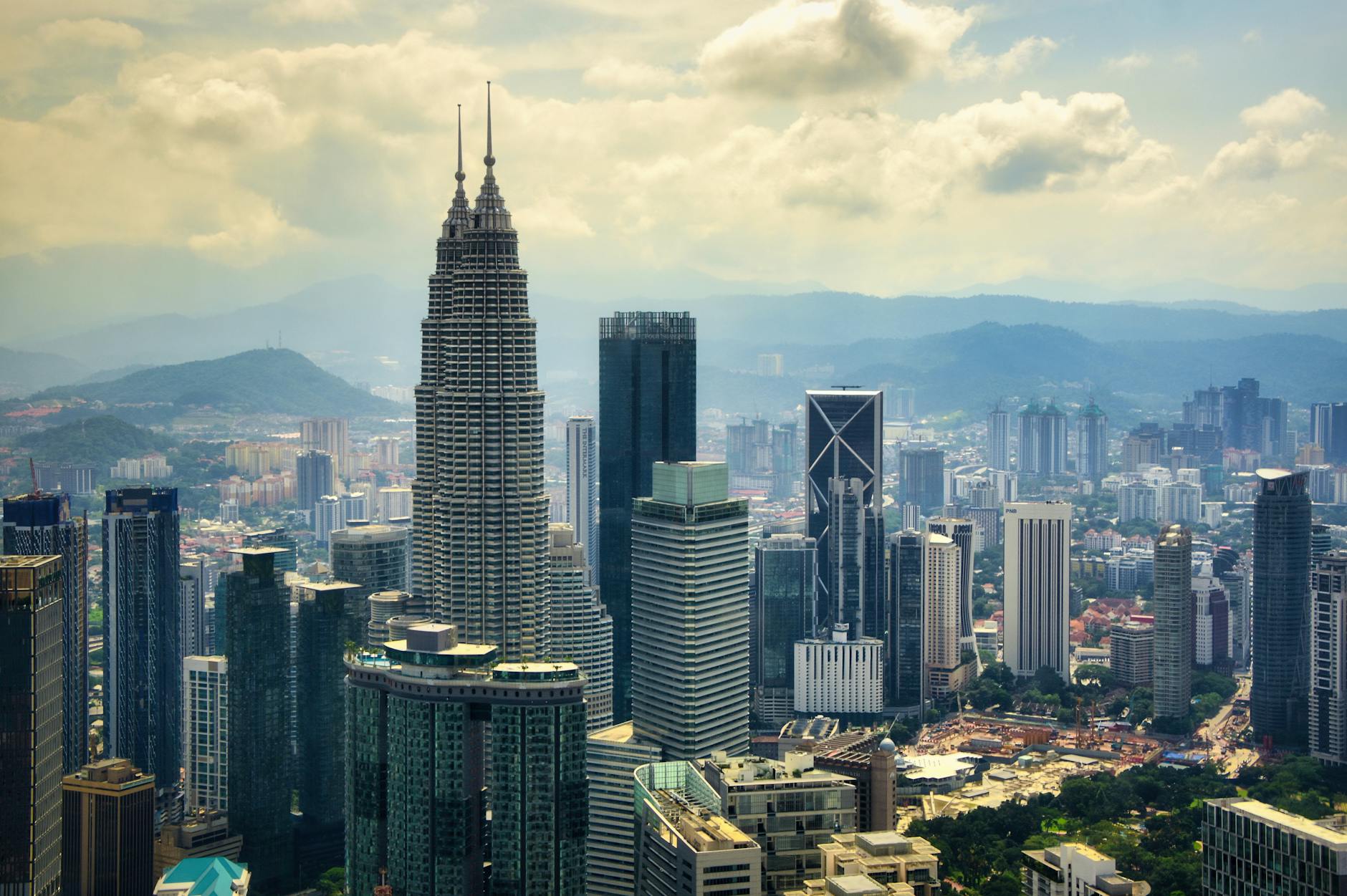
Kuala Lumpur is a city of extravagant contrasts. Glass-and-steel supertalls pierce the tropical sky while colonial shophouses crumble beautifully a block away. A Malay mosque, a Hindu temple, a Chinese clan house, and a British-era railway station can all be within walking distance of each other — and a hawker stall serving RM5 nasi lemak is often better than any fine-dining restaurant. KL is cheap, chaotic, multilingual, and one of the best food cities on earth. The Petronas Twin Towers and the brand-new Merdeka 118 — now the second-tallest building in the world — are the skyline icons, but the real city lives in the wet markets of Chow Kit, the roti canai stalls of Kampung Baru, and the neon-lit pandemonium of Jalan Alor at midnight.
Last verified: April 2026. Every price, opening hour, and practical detail in this guide has been checked against current sources. All prices are in Malaysian ringgit (RM / MYR); €1 ≈ RM4.8 / $1 ≈ RM4.5 / £1 ≈ RM5.7 at time of writing. Malaysia is one of the best-value destinations in Asia for European travellers — a full meal costs RM10–15 (€2–3) and a 4-star hotel RM250–400 (€50–85).
Why Kuala Lumpur? An Editor’s Note
KL doesn’t charm you slowly. It overwhelms. Within your first hour you’ll be hit with equatorial humidity, the call to prayer from a mosque, the smell of char kway teow sizzling in a wok, the sight of the Petronas Towers filling a gap between palm trees, and the sound of three languages in a single conversation. It is not a pretty city in the European sense — the infrastructure is patchy, the traffic is legendarily bad, and the urban planning appears to have been done by committee during a monsoon. But it is honest, affordable, wildly diverse, and the food is world-class at every price point. KL is the city where Malay, Chinese, Indian, and indigenous cultures have been colliding for centuries, and the result is one of the most fascinating urban food cultures anywhere.
Table of Contents
- Top Attractions & 2026 Prices
- Street Food
- Hawker Centres & Food Courts
- Nasi Lemak Deep-Dive
- Roti Canai & Mamak Culture
- Kopitiam & Drinks Culture
- Fine Dining & Michelin 2025
- Neighbourhoods
- Batu Caves
- Merdeka 118
- Shopping
- Getting Around
- Day Trips
- Budget & Money
- Weather & Best Time to Visit
- Safety & Practical Tips
- What’s New in 2026
- How Many Days?
- Frequently Asked Questions
- Explore More Guides
Top Attractions & Verified 2026 Prices
| Attraction | Price | Why Go |
|---|---|---|
| Petronas Twin Towers | RM98 adult | Skybridge (Level 41) + observation deck (Level 86). Book online 2+ days ahead — walk-ins sell out by 10:00. The world’s tallest twin towers remain KL’s defining icon |
| Merdeka 118 | Opening Q3 2026 | The View at 118 observation deck on level 116 (~500m). Second-tallest building in the world (678.9m). Ticket price not yet announced — expect RM100–150. Park Hyatt KL on level 75 already open |
| Batu Caves | Free (temple) | 272 rainbow steps, 42.7m Murugan statue. Hindu temple complex in a limestone cave. Go early to avoid heat and crowds. Ramayana Cave RM5, Cave Villa RM15 |
| KL Tower (Menara KL) | RM49–99 | Observation deck RM49, Sky Deck + Sky Box (glass floor) RM99. 421m tall. Less crowded than Petronas with arguably better views. Malaysian rate: RM20/47.50 |
| Islamic Arts Museum | RM20 | Southeast Asia’s finest Islamic art collection. Stunning architecture, scale models of the world’s great mosques. Allow 2–3 hours |
| Masjid Negara | Free | National Mosque. Modernist 1965 design, 73m minaret, star-shaped roof. Free robes provided. Closed during prayer times |
| Thean Hou Temple | Free | Six-tiered Chinese Buddhist temple on Robson Heights. Incense-heavy, ornate, photogenic. Best at dusk when lanterns light up |
| Aquaria KLCC | RM75 adult | 90m underwater tunnel, 5,000+ marine creatures. Good for kids. Beneath KL Convention Centre |
| KL Bird Park | RM90 adult | World’s largest covered bird park. 3,000+ birds, 200+ species across 20 acres in the Lake Gardens. Malaysian rate: RM50 |
| Merdeka Square | Free | Where Malaysian independence was declared in 1957. Sultan Abdul Samad building, Royal Selangor Club, St Mary’s Cathedral cluster |
| Muzium Negara | RM5 | National Museum. Malaysian history from prehistory to independence. Cheap and informative. Allow 1–2 hours |
| Central Market | Free | 1888 Art Deco building. Batik, handicrafts, souvenirs. More curated than Petaling Street. Good for gifts |
Street Food
KL’s street food is the single best reason to visit. This is a city where three of Asia’s great food cultures — Malay, Chinese, and Indian — operate side by side, often in the same hawker centre, and the competition keeps quality high and prices absurdly low. A full meal with drink rarely exceeds RM15 (€3).
| Dish | Price | What It Is |
|---|---|---|
| Nasi lemak | RM3–12 | Coconut rice with sambal, anchovies, peanuts, egg, cucumber. Malaysia’s national dish. Eaten at breakfast, lunch, dinner, 3am. From RM3 bungkus to RM12 with fried chicken |
| Roti canai | RM1.50–3 | Flaky flatbread with dhal or curry. The default breakfast. Cooked on a flat griddle by mamak (Indian-Muslim) stalls |
| Char kway teow | RM8–15 | Stir-fried flat rice noodles with prawns, cockles, egg, bean sprouts, Chinese sausage. High wok hei (breath of the wok) is everything |
| Satay | RM1–2/stick | Grilled meat skewers with peanut sauce. Chicken, beef, or mutton. Kajang (30min from KL) claims the best in Malaysia |
| Curry laksa | RM8–14 | Coconut curry noodle soup with tofu puffs, cockles, shrimp, bean sprouts. Rich, spicy, addictive |
| Nasi kandar | RM10–20 | Rice with multiple curries ladled on top. Penang origin, but Line Clear and Nasi Kandar Pelita serve excellent versions in KL |
| Hokkien mee | RM8–12 | Dark soy sauce braised thick noodles. KL-style is dark and savoury (unlike Penang’s prawn broth version) |
| Banana leaf rice | RM12–18 | South Indian-style: rice on a banana leaf with rasam, dhal, vegetable curries, papadum. Unlimited refills at most places |
| Cendol | RM3–6 | Shaved ice with pandan jelly, coconut milk, palm sugar (gula melaka). The essential KL dessert |
| Teh tarik | RM2–4 | “Pulled tea” — milky tea dramatically poured between two cups to create a frothy head. Watch the pour; it’s a performance |
Hawker Centres & Food Courts
Jalan Alor
KL’s most famous food street, running parallel to Bukit Bintang. After 17:00 the entire road closes to traffic and becomes a chaotic open-air food court. Grilled chicken wings (RM2–3 each) are the signature. Also excellent: satay, char kway teow, durian, and barbecued stingray. It’s touristy, it’s loud, and it’s brilliant. Go hungry.
ICC Pudu
The locals’ hawker centre. Imbi Market Canteen Complex (ICC) is a no-frills wet market and food court in Pudu. The chee cheong fun (rice noodle rolls), curry mee, and yong tau foo are some of the best in the city. Zero tourists. Go before 13:00 — many stalls sell out by lunch.
Lot 10 Hutong
Basement of Lot 10 shopping mall in Bukit Bintang. An air-conditioned hawker food court that gathers famous stalls from across Malaysia under one roof. Higher prices than street stalls (RM12–20) but reliable quality and comfortable for those who find street hawkers overwhelming. The Hokkien mee and Penang prawn mee are standouts.
Kampung Baru
KL’s last remaining Malay village, now surrounded by skyscrapers. The food here is purely Malay: nasi lemak, nasi campur, ayam goreng berempah, satay, kuih (traditional cakes). The Saturday night market (Pasar Malam) is one of the best in the city. Walk the streets in the morning for traditional Malay breakfast — the nasi lemak stalls here are legendary.
Madras Lane (Petaling Street)
A narrow back alley behind Petaling Street that transforms into a Chinese hawker lane every morning. Curry laksa, yong tau foo, herbal soup, and ai-yu jelly. By 14:00 most stalls have packed up. Pure Chinatown food culture.
Bangsar
Bangsar’s Telawi Street strip has evolved from backpacker bars to a genuine food neighbourhood. The Lucky Garden area has some of KL’s best banana leaf rice restaurants (Sri Nirwana Maju is the standard recommendation). Bangsar is also the best neighbourhood for third-wave coffee.
Nasi Lemak — Malaysia’s Soul Food
Nasi lemak is not just a dish; it is the national identity on a plate. The base is deceptively simple: rice cooked in coconut milk and pandan leaf, served with sambal (chilli paste), fried anchovies (ikan bilis), roasted peanuts, a hard-boiled or fried egg, and sliced cucumber. From this foundation, infinite variations emerge.
Where to Eat Nasi Lemak in KL
- Nasi Lemak Antarabangsa (Kampung Baru) — Open since the 1980s. Roadside stall, open until 4am. The fried chicken is exceptional. RM6–12 with add-ons. Cash only
- Village Park Restaurant (Damansara Uptown) — Arguably the most famous nasi lemak in KL. The ayam goreng berempah (spiced fried chicken) is perfectly juicy with shatteringly crisp skin. RM12–16. Queue from 08:00, sell out by 14:00
- Ali, Mutton & Mee (Kampung Baru) — Malay roadside stall specialising in nasi lemak with rendang. The mutton rendang is deeply spiced and fall-apart tender
- Nasi Lemak Wanjo (Kampung Baru) — Another Kampung Baru institution. Multiple sambal options. Open for breakfast and dinner
- Bungkus nasi lemak (everywhere) — The RM2–3 nasi lemak wrapped in banana leaf and newspaper that you buy from a roadside stall at 7am. It is the default Malaysian breakfast. Do not overthink it. Just eat it
Roti Canai & Mamak Culture
Mamak restaurants are the beating heart of KL’s food culture. Run by Indian Muslims (mamak), these 24-hour restaurants serve roti canai, teh tarik, murtabak, nasi goreng, and maggi goreng to every stratum of Malaysian society at every hour of the day and night. The mamak is where politicians, taxi drivers, students, and millionaires sit at the same plastic tables. It is the most democratic institution in Malaysia.
Roti Canai Variations
- Roti canai kosong — Plain. Flaky, buttery, with dhal and fish curry on the side. RM1.50–2.50
- Roti telur — With egg. Slightly heavier, richer. RM2.50–3.50
- Roti pisang — With banana. Sweet version, often with condensed milk drizzle
- Roti bom — Thick, circular, denser than standard roti. Served with dhal
- Roti tisu — Paper-thin, crispy cone dusted with sugar. More dessert than bread. Shared
- Murtabak — Stuffed roti with spiced minced meat, onion, and egg. A meal in itself. RM6–10
Best Mamak Restaurants
- Restoran Nasi Kandar Pelita (KLCC area, 24h) — Multiple branches. The flagship on Jalan Ampang is enormous. Nasi kandar, roti canai, and teh tarik at 3am with half of KL’s night owls
- Restoran Mahbub (Bangsar) — Bangsar’s legendary mamak. Excellent murtabak and maggi goreng
- Restoran Mansion Tea Garden (Jalan Masjid India) — Old-school mamak in the heart of the Indian quarter
Kopitiam & Drinks Culture
Kopitiam (Traditional Coffee Shops)
A kopitiam is a traditional Chinese-Malaysian coffee shop — marble-topped tables, ceiling fans, Hainanese-style coffee roasted with butter and sugar, and toast with kaya (coconut jam). The coffee is strong, sweet, and served in thick porcelain cups. Ordering is an art:
- Kopi — Coffee with condensed milk (sweet, strong). RM2–4
- Kopi-O — Black coffee with sugar
- Kopi-O-kosong — Black coffee, no sugar
- Kopi-C — Coffee with evaporated milk (less sweet)
- Kopi peng — Iced coffee with condensed milk
Kaya Toast
The kopitiam essential: charcoal-toasted bread with kaya (coconut egg jam) and a slab of cold butter. Served with soft-boiled eggs seasoned with soy sauce and white pepper. Total cost: RM5–8 for the set. It is the single best breakfast in Southeast Asia for the price.
Teh Tarik
Malaysia’s unofficial national drink. Black tea with condensed milk, “pulled” — poured repeatedly between two cups at arm’s length to cool and froth the tea. The theatrical pour is the point. Every mamak stall and kopitiam serves it. RM2–4. If you only drink one thing in KL, make it a teh tarik.
Third-Wave Coffee
KL’s speciality coffee scene has exploded since 2020. Bangsar, TTDI, and the Chinatown–Petaling Street area have the highest concentration of quality roasters:
- VCR (Pudu) — Pioneer of KL’s third-wave scene. Industrial-chic space in a converted shophouse. RM14–20 for espresso drinks
- Feeka Coffee Roasters (Bukit Bintang) — Exposed brick, excellent single-origin pourover. RM15–22
- Merchant’s Lane (Petaling Street) — Hidden above a dim sum shop in Chinatown. Beautiful interiors, good brunch menu
- PPP Coffee (Bangsar) — Serious roaster with Malaysian estate beans. RM12–18
- Beam Specialty Coffee (TTDI) — Local favourite. Bright space, consistent quality
Fine Dining & Michelin 2025
Malaysia received its first MICHELIN Guide in December 2024, covering Kuala Lumpur and Penang. The inaugural selection was announced in 2025 and immediately caused controversy — several beloved hawker legends were overlooked while hotel restaurants made the cut. Regardless, the guide confirmed what food lovers already knew: KL punches far above its weight.
| Restaurant | Rating | Why Go |
|---|---|---|
| Dewakan | ⭐⭐🌿 | Chef Darren Teoh’s indigenous Malaysian ingredients. Asia’s 50 Best. KL’s only 2-star + Green Star for sustainability. Unmissable |
| DC by Darren Chin | ⭐ | French-modern Asian tasting menu. TTDI. Elegant without being stuffy. RM500–700 per person |
| Akar | ⭐ | Malaysian-European-Japanese fusion. Chef Aidan Low. New star in 2026. TTDI |
| Beta KL | ⭐ | Contemporary Malaysian. City centre. Creative reinterpretations of local classics |
| Chim by Chef Noom | ⭐ | Thai fine dining. Bukit Bintang. Exceptional flavour precision |
| Molina | ⭐ | European innovative. City centre. One of KL’s most polished dining rooms |
| Terra Dining | ⭐ | Contemporary Malaysian. Chef Yu Cheng Chong. New star in 2026. TTDI |
⭐ = Michelin star 🌿 = Michelin Green Star (sustainability)
Bib Gourmand & Hawker Picks
The Michelin Guide also awarded Bib Gourmand status to several hawker stalls and neighbourhood restaurants, validating what Malaysians always knew — the best food is often the cheapest. Notable Bib Gourmand picks include:
- Lai Foong Beef Noodles (Chinatown) — KL’s most famous beef noodle soup. Queue at 07:00
- Soong Kee Beef Noodles (Bukit Bintang) — Dry version with minced beef. Since 1945
- Siu Siu Char Chan Teng — Old-school kopitiam with excellent roast meats
- Restoran Yusoof Dan Zakhir — Nasi lemak and Malay home cooking. Bib Gourmand 2025
Beyond Michelin: the real authority in KL food is not a red book but the queue. If a stall has 30 people waiting at 11am, that is your Michelin star. Trust the queue.
Neighbourhoods
KLCC & Golden Triangle
The commercial heart: Petronas Towers, Suria KLCC mall, KLCC Park (a beautifully manicured green space at the base of the towers with a free wading pool for children), and the surrounding cluster of luxury hotels and office towers. Bukit Bintang — KL’s shopping and entertainment strip — is a 15-minute walk south. This is the obvious base for first-time visitors, with MRT and monorail stations within walking distance of everything.
Chinatown (Petaling Street)
KL’s oldest Chinese quarter. Petaling Street is a covered market selling knockoff goods (bargain hard, expect to pay 30–40% of asking price), but the real attraction is the surrounding streets: heritage temples (Sin Sze Si Ya, the oldest Taoist temple in KL), Madras Lane hawkers, Central Market, and some of the city’s best Chinese food. The neighbourhood is gentrifying fast — specialty coffee shops and boutique hostels now sit alongside traditional medicine shops and kopitiam. Stay here for atmosphere and food.
Kampung Baru
A Malay village in the middle of a megacity. Kampung Baru was established in 1899 as a Malay agricultural settlement and has somehow survived surrounded by glass towers. Wooden houses, fruit trees, mosques, and the best Malay food in KL. Walk here from KLCC in 15 minutes (cross the river via the Saloma Link Bridge, a photogenic pedestrian bridge lit up at night). The Saturday night market is essential.
Bangsar
KL’s expat and middle-class neighbourhood. Bangsar has the city’s best concentration of restaurants, cafes, and bars, particularly along Telawi Street. Sri Nirwana Maju serves legendary banana leaf rice. The night scene is livelier than KLCC. Good for visitors who want to eat well and don’t need to be next to the Petronas Towers.
Brickfields (Little India)
KL’s Indian quarter, adjacent to KL Sentral station. The streets are lined with sari shops, flower garlands, gold jewellers, and South Indian restaurants. Viswalingam’s serves extraordinary vegetarian banana leaf meals. The Sri Kandaswamy Temple is the neighbourhood’s spiritual anchor. Brickfields is also practical: KL Sentral connects to the airport express, MRT, LRT, and monorail.
Bukit Bintang
Shopping and nightlife. Pavilion KL, Lot 10, Fahrenheit 88, and Starhill Gallery line Jalan Bukit Bintang. Jalan Alor food street runs parallel, one block north. Changkat Bukit Bintang has the densest bar strip. This is the most “tourist” part of KL but also the most convenient: monorail, MRT, and dozens of hotels within walking distance.
TTDI & Taman Tun Dr Ismail
A quiet, leafy residential area 20 minutes from KLCC by Grab. TTDI’s appeal is its food scene: the TTDI wet market, excellent local restaurants, and a growing cafe culture. Less glamorous than Bangsar but more authentic. The locals here eat very, very well.
Batu Caves
Batu Caves is KL’s most photographed site — a Hindu temple complex set inside a limestone cave, reached by climbing 272 rainbow-painted steps beneath a 42.7-metre golden statue of Lord Murugan. The caves are 13km north of the city centre and easily reached by KTM Komuter train (RM2.60 from KL Sentral, 30 minutes) or Grab (RM15–20).
Visiting Tips
- Go early — by 10:00 the heat and crowds are punishing. 07:00–08:00 is ideal
- Dress modestly — cover shoulders and knees (it’s a Hindu temple). Free sarongs are sometimes available but don’t rely on it
- Watch for monkeys — macaques are everywhere and aggressive. Do not carry visible food or drink. Secure your phone and sunglasses
- Dark Cave — an adjacent cave with rare spiders and bats. Currently closed for conservation with no confirmed reopening date as of 2026. Check darkcavemalaysia.com for updates before visiting
- Thaipusam (January/February) — The annual Hindu festival draws a million+ pilgrims. Extraordinary but extremely crowded. In 2026, Thaipusam falls on 1 February
Merdeka 118
Merdeka 118 stands 678.9 metres tall — the second-tallest building in the world after the Burj Khalifa, and the tallest in Southeast Asia. The building was structurally completed in 2023, and the Park Hyatt Kuala Lumpur opened on level 75 in August 2025. The 118 Mall (7 storeys, glass-domed atrium) and The View at 118 observation deck on level 116 (~500m above ground) are expected to open in Q3 2026.
What’s Open Now & What’s Coming
- Park Hyatt KL (level 75): Open since August 2025. KL’s highest hotel
- Belfield Tunnel: 1km underground pedestrian link, opened March 2025
- The View at 118 (observation deck, level 116): Expected Q3 2026. Ticket price not yet announced — expect RM100–150 based on comparable attractions
- 118 Mall: Expected Q3 2026. Will include Seibu department store, Makanizm Food Hall (40,000 sq ft), and Golden Screen Cinemas
- Getting there: Merdeka MRT station (Putrajaya Line) is directly connected
Shopping
Malls
KL is a mall city. There are over 170 shopping malls in greater Kuala Lumpur, and locals spend significant time in them — partly because of the air conditioning. The big ones:
- Suria KLCC — At the base of the Petronas Towers. Upscale brands, Isetan department store, excellent food court in the basement
- Pavilion KL (Bukit Bintang) — KL’s premium mall. Luxury brands, good dining options, connected to other malls via covered walkways
- Mid Valley Megamall + The Gardens — Two connected malls with everything from fast fashion to luxury. Locals’ favourite
- Nu Sentral — Connected to KL Sentral station. Practical for transit shopping
- TRX Exchange — Newest luxury mall (opened 2023), home to the first Southeast Asian Seibu department store
Markets & Local Shopping
- Central Market — Art Deco building with batik, pewter, handicrafts. Fixed prices, no haggling needed
- Petaling Street — Chinatown’s covered market. Knockoffs, street food, atmosphere. Haggle everything
- Jalan Masjid India — Indian textiles, spices, street food. Best on Saturday evenings
- TTDI Market — Fresh produce wet market. Not touristy at all. Authentic local experience
Getting Around
| Mode | Cost | Notes |
|---|---|---|
| KLIA Ekspres | RM55 one-way | Airport to KL Sentral in 28 minutes. Fast, comfortable. Book online/app for 10% off. Child RM25, under 6 free. Family pack RM120 (2+2) |
| KLIA Transit | RM55 | Same route but stops at intermediate stations. 33–39 minutes to KL Sentral |
| MRT | RM1.20–3.80 | Two lines: Kajang (2017) and Putrajaya (2023). Clean, fast, covers most tourist areas |
| LRT | RM1.20–3.80 | Kelana Jaya and Ampang/Sri Petaling lines. Older but extensive network |
| Monorail | RM1.20–2.50 | KL Sentral to Bukit Bintang to Titiwangsa. Short line but covers the tourist core |
| Grab | RM8–25 (city) | The default ride-hailing app. Always use Grab, never a street taxi. KLCC to Bangsar ~RM12 |
| Touch ’n Go card | RM10 (card) + top-up | Reloadable card for all transit + tolls + some shops. Buy at any station or 7-Eleven. Also available as phone app (TnG eWallet) |
| Airport bus | RM12–15 | Skybus / Aerobus. KLIA/KLIA2 to KL Sentral. Slower (75–90 min) but cheapest option |
Day Trips from KL
Malacca (Melaka)
2 hours by bus from TBS (Terminal Bersepadu Selatan), RM10–15 one-way. UNESCO World Heritage City with Portuguese, Dutch, and British colonial layers. Jonker Street night market (Friday/Saturday) is legendary. A’Famosa fortress, Christ Church, and the Baba Nyonya Heritage Museum are the highlights. Excellent Peranakan (Nyonya) food. Easily the best day trip from KL — some travellers spend a night.
Genting Highlands
1 hour by bus + Awana SkyWay cable car (RM10 one-way). A hilltop resort at 1,800m with cooler temperatures, a casino (the only legal one in Malaysia), and Genting SkyWorlds theme park (RM168 online / RM198 walk-in non-Malaysian; RM88 Malaysian). The theme park opened in 2022 with 26 rides including an Ice Age zone and a Rio zone. Good for families or anyone wanting to escape KL’s heat for a day.
Putrajaya
30 minutes by KLIA Transit or MRT (Putrajaya Line). Malaysia’s planned federal administrative capital is a showcase of Islamic modernist architecture: the Pink Mosque (Putra Mosque), the Prime Minister’s Office (Perdana Putra), and the green boulevard. Architecturally fascinating, eerily quiet on weekends. Free to visit; best combined with an airport transfer day.
Cameron Highlands
4 hours by bus (RM35–50 from TBS). Malaysia’s main hill station at 1,500m. Tea plantations (BOH Tea is the most famous), strawberry farms, mossy forest treks, and British colonial atmosphere. Cool weather (∼22°C vs KL’s 33°C). Better as an overnight trip but possible as a very long day trip.
Kuala Selangor
1.5 hours by car/Grab. Famous for firefly tours along the Selangor River (RM20–63 depending on boat type). Best after dark (20:00+). Also: Bukit Melawati monkey hill, a lighthouse, and excellent seafood restaurants. Combine with a seafood dinner for a memorable evening trip.
Ipoh
2 hours by ETS train from KL Sentral (RM26–45). Malaysia’s food capital, famous for Ipoh white coffee, hor fun (flat rice noodles), pomelo, and tau fu fa (silken tofu dessert). The old town is beautiful: colonial shophouses, street art, cave temples. Many Malaysians rate Ipoh’s food above Penang’s. Doable as a day trip by early train.
Budget & Money
| Category | Budget | Mid-Range | Luxury |
|---|---|---|---|
| Accommodation | RM40–80 (hostel/guesthouse) | RM180–400 (3–4-star hotel) | RM500–1,500+ (5-star) |
| Food | RM15–30 (hawker stalls) | RM50–100 (restaurants) | RM200–700 (fine dining) |
| Transport | RM10–20 (MRT/LRT) | RM30–60 (Grab + transit) | RM80–150 (Grab everywhere) |
| Activities | RM0–50 (free sites + 1 paid) | RM100–200 (2–3 attractions) | RM300+ (all attractions) |
| Daily Total | RM80–150 (€17–31) | RM350–700 (€73–146) | RM1,000+ (€208+) |
Malaysia is one of Asia’s best-value destinations. A backpacker can eat three meals, take public transport, and visit a couple of attractions for under RM100 (€21) per day. Mid-range travellers will find that RM400–500/day (€83–104) buys a very comfortable experience with a good hotel and restaurant meals. The exchange rate heavily favours European visitors.
Weather & Best Time to Visit
KL is hot and humid year-round. There is no cool season. Average temperature: 27–33°C with 80–90% humidity. Rain falls almost daily, usually in short, intense afternoon bursts (15:00–17:00) that clear within an hour. Carry an umbrella; don’t let rain change your plans.
Seasons
- Drier months (May–September): Slightly less rain, more sunshine. Best for sightseeing
- Northeast monsoon (November–March): Heavier rain, especially November–January. Still very visiteable — rain is rarely all-day
- Hari Raya / Chinese New Year / Thaipusam: Major festivals make KL electric but hotels book out. Plan 2–3 months ahead
What to pack: Light, breathable clothing. Sunscreen. A light rain jacket or compact umbrella. Modest clothing for mosques and temples (cover shoulders and knees). A light cardigan for aggressively air-conditioned malls and trains.
Safety & Practical Tips
Safety
KL is generally safe. Violent crime against tourists is rare. The main risks are petty theft (snatch theft from motorbikes is a known issue — carry bags on the side away from the road) and taxi scams (use Grab, never street taxis). Exercise normal city caution and you’ll be fine.
Visa
Most EU, US, UK, Australian, and Canadian citizens receive 90-day visa-free entry. No advance visa required — just a valid passport with 6 months’ validity. Malaysia Digital Arrival Card (MDAC) must be completed online within 3 days before arrival at mydigitalid.my.
Language
Bahasa Malaysia (Malay) is the national language, but English is widely spoken — it’s taught in schools and used in business. You will have no communication problems. Mandarin, Tamil, and Cantonese are also widely spoken depending on the community.
Dress Code
- Mosques: Cover shoulders, arms, and legs. Women must cover hair. Free robes are usually provided at major mosques (Masjid Negara, Putra Mosque)
- Hindu temples: Cover shoulders and knees. Remove shoes before entering
- Buddhist/Chinese temples: Modest dress. Remove shoes where indicated
- Elsewhere: KL is relaxed about dress. Shorts and T-shirts are fine. Mall air-conditioning means you may want a light layer
Alcohol
Malaysia is a Muslim-majority country but alcohol is legal and widely available — in non-Muslim restaurants, bars, supermarkets (non-halal section), and convenience stores (7-Eleven, 99 Speedmart). Prices are high by local standards due to tax: a beer in a bar costs RM18–25 (€4–5), a bottle of wine RM80+ at a restaurant. Bangsar and Changkat Bukit Bintang are the main bar areas.
Tipping
Not expected or customary. Service charge (10%) is already included in restaurant bills at mid-range and above. Hawker stalls, taxis, and services do not expect tips. Rounding up small amounts (RM1–2) is appreciated but never required.
What’s New in 2026
- Merdeka 118: Park Hyatt KL (level 75) open since August 2025. 118 Mall and The View at 118 observation deck expected Q3 2026
- MRT Putrajaya Line fully operational (Phase 2 opened March 2023). Kwasa Damansara to Putrajaya via 36 stations
- LRT Shah Alam Line (LRT3): 25 stations, 37km. Expected to open April–June 2026. Connects Bandar Utama to Johan Setia
- MRT Circle Line approved July 2025, construction expected 2027, completion ~2032
- TRX Exchange mall (Tun Razak Exchange) — KL’s newest luxury retail destination, opened late 2023
- Visit Malaysia 2026 (VM2026) campaign active, extended to end of 2027. Target: 43 million visitors. Year-long festivals and promotions
- Michelin Guide Malaysia 2026 (4th edition): 7 starred restaurants in KL, Dewakan promoted to 2 stars + Green Star. 58 Bib Gourmand across KL and Penang
- Malaysia Digital Arrival Card (MDAC) mandatory for all foreign arrivals. Complete free online within 3 days before arrival at imigresen-online.imi.gov.my
- SST (Sales and Services Tax) 8% on most services, but 6% on F&B since Jan 2026. Restaurant bills show 6% SST + 10% service charge = 16% on top of menu prices
- Thaipusam 2026: 1 February (Batu Caves)
- Chinese New Year 2026: 17–18 February (Year of the Horse)
- Hari Raya Aidilfitri 2026: 21–22 March (subject to moon sighting)
- Hari Raya Haji 2026: 27 May
- Deepavali 2026: 8 November
How Many Days in KL?
Two days (minimum): Petronas Towers or Merdeka 118. Batu Caves morning. Chinatown + Central Market afternoon. Jalan Alor dinner. Kampung Baru nasi lemak. That covers the essentials but misses most of the food.
Three days (recommended): Add: Islamic Arts Museum or Muzium Negara. Kampung Baru walking food tour. Bangsar dinner and bars. A mamak supper at 1am. Thean Hou Temple at dusk. This is the sweet spot for most visitors.
Four to five days (ideal): Add: Malacca day trip (full day). KL Bird Park / Lake Gardens morning. TTDI food crawl. Genting Highlands or Putrajaya half-day. KL’s food scene genuinely rewards extra time — you need days to eat through the neighbourhoods properly.
Frequently Asked Questions
How many days do I need in KL?
Three days is the sweet spot. Two is tight but covers the highlights. Four to five if you want a day trip to Malacca and time to eat through the neighbourhoods properly.
Is KL expensive?
No — KL is excellent value for European visitors. Street food meals RM5–15 (€1–3), a good hotel RM200–400 (€42–83), Grab rides RM8–25. You can eat, sleep, and explore comfortably on €50–70/day mid-range.
Is KL safe?
Generally very safe. Main risk is snatch theft (handbags grabbed from motorbikes). Carry bags on the building side, use Grab instead of street taxis, and exercise normal city awareness. Violent crime against tourists is rare.
Do I need a visa?
Most EU, US, UK citizens: 90-day visa-free entry. Complete the Malaysia Digital Arrival Card (MDAC) online within 3 days before arrival. Valid passport with 6+ months required.
What should I eat first?
Nasi lemak for your first breakfast. Then roti canai with teh tarik at a mamak stall. Then char kway teow at Jalan Alor for dinner. Those three meals will teach you more about KL than any museum.
Petronas Towers or Merdeka 118?
As of early 2026, only Petronas Towers has an operating observation deck (RM98). The View at 118 observation deck is expected to open Q3 2026. When both are available, Merdeka 118 will be higher (500m vs 370m) with views of the Petronas Towers. If both are open during your visit, do both.
Can I drink alcohol in KL?
Yes. Alcohol is legal and available in bars, non-Muslim restaurants, supermarkets, and convenience stores. Prices are high due to tax (beer RM18–25 in bars). Bangsar and Changkat Bukit Bintang are the main nightlife areas.
What’s the dress code for mosques?
Cover shoulders, arms, and legs. Women must cover hair. Free robes are provided at major mosques like Masjid Negara. Remove shoes. Avoid visiting during prayer times.
Explore More AiFly Guides
- 🇸🇬 Singapore City Guide 2026
- 🇭🇰 Hong Kong City Guide 2026
- 🇹🇭 Bangkok City Guide 2026
- 🇮🇩 Bali Island Guide 2026
- 🇹🇷 Istanbul City Guide 2026
- 🇳🇴 Oslo City Guide 2026
This guide was researched and written by the AiFly editorial team. Last verified April 2026. Prices and opening hours are subject to change — always confirm locally. AiFly may earn a commission from partner links at no extra cost to you.