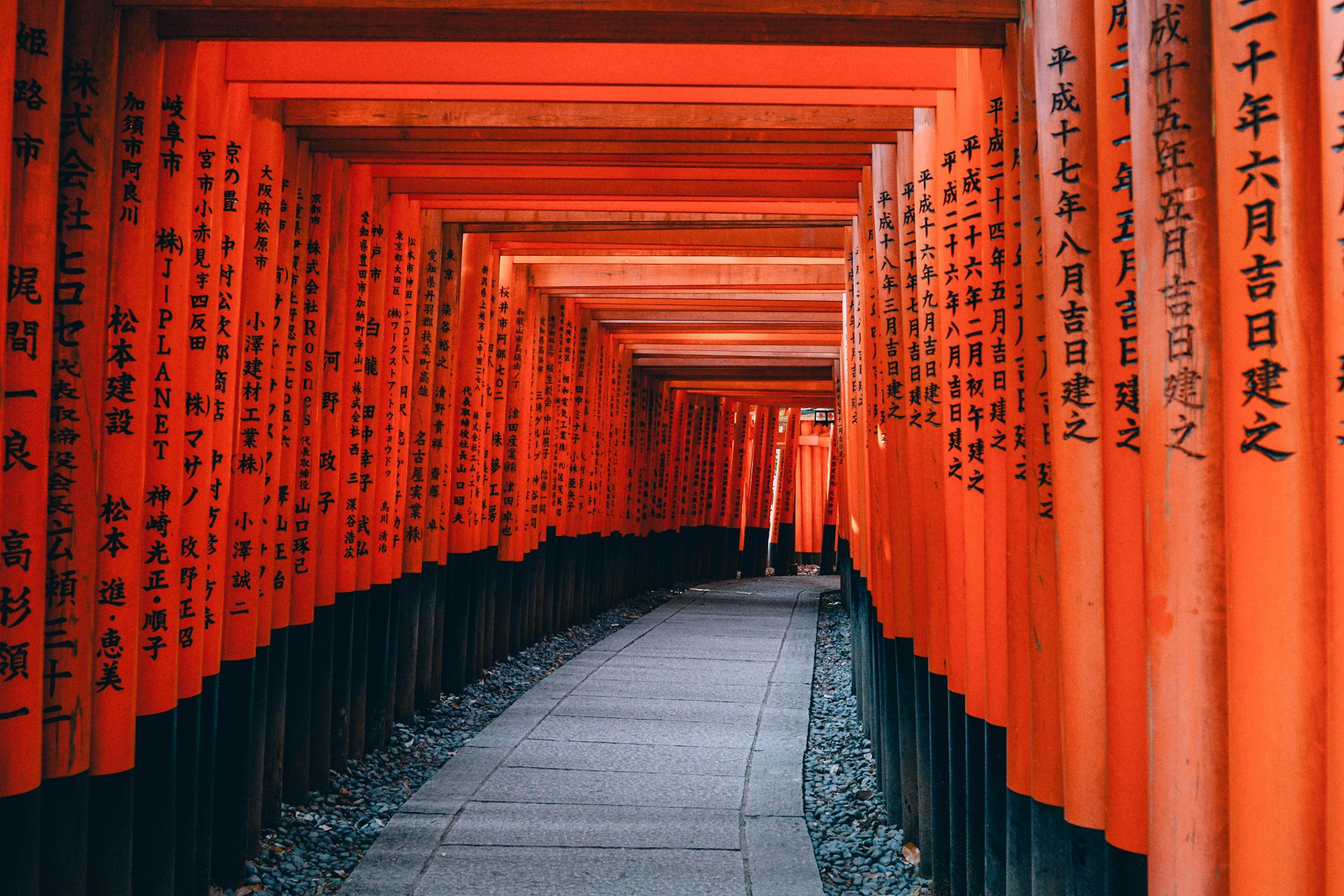
Kyoto — The Complete City Guide 2026
Japan’s ancient capital of temples, geisha, and kaiseki. Where bamboo groves meet Michelin stars, and the crowds can be navigated — if you know when to go.
ITM ✈️ Osaka Itami (55 min)
¥8,000–15,000/day budget
Cherry: late Mar / Autumn: mid Nov
Last verified: April 2026. Temple prices, transit fares, and opening hours checked. Kyoto evolves — verify before visiting.
In This Guide
Temples & Sights
Culture & Food
Editor’s Note: Tourist Kyoto vs Real Kyoto
Tourist Kyoto is the Golden Pavilion selfie, a rushed walk through Fushimi Inari, and maybe a geisha sighting in Gion. Real Kyoto is understanding that this city was Japan’s capital for over a millennium and that the cultural depth here — temples, gardens, cuisine, crafts — could occupy a lifetime of exploration.
Kyoto has a problem: overtourism. The narrow lanes of Gion are clogged with tourists chasing geisha with cameras. Fushimi Inari’s torii gates are crowded from dawn to dusk. Arashiyama’s bamboo grove feels more like a queue than a mystical experience.
But Kyoto rewards those who go deeper. The secondary temples are often more beautiful than the famous ones. The kaiseki cuisine is the pinnacle of Japanese cooking. The craft traditions — ceramics, textiles, lacquerware — continue in workshops that welcome visitors. And the gardens, designed over centuries for contemplation, still work if you give them time.
The city functions as a counterpoint to Tokyo: traditional where Tokyo is modern, reserved where Tokyo is chaotic, historical where Tokyo constantly reinvents itself. Both are essential to understanding Japan.
Getting There — KIX & ITM Airports
Kyoto has no airport. The city is served by two Osaka airports, each with distinct advantages for different trip types.
Kansai International Airport (KIX)
The main international gateway, built on an artificial island in Osaka Bay. Most international flights land here.
To Kyoto Station:
- Haruka Express: 75 minutes, ¥3,640 (or ¥1,800 with ICOCA & Haruka discount for tourists). Direct, comfortable, efficient. This is the correct choice.
- JR Regular trains: 100+ minutes with transfer at Osaka. Cheaper (¥1,910) but not worth the hassle unless you’re on extreme budget.
- Airport bus: 90 minutes, ¥2,600. Useful if going directly to hotels not near station.
Pro Tip: JR Pass Holders
If you have a JR Pass, the Haruka is fully covered. Activate your pass at KIX and ride free to Kyoto.
Osaka Itami Airport (ITM)
The domestic airport, closer to Kyoto but serving only flights within Japan.
To Kyoto Station: Airport bus, 55 minutes, ¥1,340. More convenient than KIX if you’re flying domestically from Tokyo (Haneda).
Flight comparison: Tokyo-Kyoto via Itami takes ~3 hours total (flight + transit). The Shinkansen takes 2h15m city-center to city-center. The train wins. Fly only if you found a ridiculous fare.
When to Visit
Peak Seasons
Cherry Blossom (Late March – Early April): Magical but mobbed. Hotels triple in price, book 6+ months ahead. The sakura forecasts predict peak bloom (usually late March in Kyoto). Maruyama Park and Philosopher’s Path are iconic spots.
Autumn Foliage (Mid-November – Early December): Equally beautiful, equally crowded. The momiji (maple) colors peak around late November. Tofuku-ji Temple is the famous spot; Eikando has spectacular night illuminations.
Best Times
Late April – May: Post-cherry blossom, pleasant weather, manageable crowds.
September – Early November: Before foliage peak, comfortable temperatures.
January – February: Cold but uncrowded. Occasional snow creates beautiful temple scenes.
Avoid If Possible
Golden Week (late April – early May) and Obon (mid-August) are domestic holiday periods when everything is crowded and expensive.
Top 12 Attractions
| Attraction | Price | Highlights |
|---|---|---|
| Fushimi Inari Shrine | Free | 10,000 torii gates, mountain hike, 24/7 access |
| Kinkaku-ji (Golden Pavilion) | ¥500 | Iconic gold-covered temple, reflecting pond |
| Kiyomizu-dera | ¥400 | Wooden terrace, city views, Higashiyama setting |
| Arashiyama Bamboo Grove | Free | Iconic bamboo forest, morning visits recommended |
| Ginkaku-ji (Silver Pavilion) | ¥500 | Understated beauty, sand garden, hillside trail |
| Ryoan-ji | ¥600 | Japan’s most famous rock garden (karesansui) |
| Nijo Castle | ¥800 | Shogun castle, nightingale floors, UNESCO site |
| Gion District | Free | Geisha district, traditional machiya houses |
| Philosopher’s Path | Free | 2km canal walk, temples, cherry trees |
| Sanjusangendo | ¥600 | 1,001 Kannon statues in one hall |
| Nishiki Market | Free | “Kyoto’s Kitchen,” 5 blocks of food shops |
| Tofuku-ji Temple | ¥500-1,000 | Best autumn foliage, Zen gardens |
2026 Update: Temple Prices Increased
Several major temples raised admission in late 2024/early 2025: Kinkaku-ji now ¥500 (was ¥400), Ryoan-ji ¥600 (was ¥500), Tenryu-ji ¥700 with garden (was ¥600). The increases fund conservation but add up quickly — budget ¥3,000-4,000 for a full temple day.
Fushimi Inari — Complete Guide
The iconic trail of 10,000 vermillion torii gates climbing Mount Inari. The shrine honors Inari, the Shinto god of rice and prosperity — the fox statues you’ll see are Inari’s messengers.
Timing Matters: Fushimi Inari
The shrine is open 24 hours. The crowds arrive 9am-5pm. For photos without 50 people in frame, arrive at 6am (yes, really) or after 6pm. The mountain hike is actually magical at dusk when the vermillion gates glow in fading light and most tourists have retreated. Bring a flashlight for the descent.
The Trail
The full loop to the summit and back takes 2-3 hours. Most tourists only walk the first 20-30 minutes (to the Yotsutsuji intersection viewpoint) and turn back. Continue beyond for smaller crowds and the full spiritual experience.
Lower Section (30 min): Most crowded, most photographed. Still beautiful but expect to wait for photo opportunities.
Middle Section (to Yotsutsuji, 45 min): Viewpoint over Kyoto. Many turn back here.
Upper Section (to summit, 60+ min): Dramatically fewer people. Small shrines, cat sanctuaries, tea houses with panoramic views.
Practical Tips
Best time: Dawn or after dark. The shrine is open 24/7 and lit at night. Sunrise brings mystical atmosphere and solitude.
Getting there: JR Inari Station (JR Nara Line, 5 min from Kyoto Station). The shrine entrance is directly outside.
What to wear: Comfortable walking shoes. The stone steps are uneven. Avoid heels.
Temples & Gardens
The Famous Three
Kinkaku-ji (Golden Pavilion): Spectacular but crowded. The gold-leaf covered pavilion reflecting in its pond is genuinely beautiful. Arrive at opening (9am) or late afternoon. ¥500. Worth seeing once despite the crowds.
Ginkaku-ji (Silver Pavilion): Not actually silver — the shogun who built it died before the planned silver leafing. More subtle and arguably more beautiful than Kinkaku-ji. The sand garden (Ginshadan) is mesmerizing. ¥500.
Kiyomizu-dera: The wooden terrace jutting out over the hillside is iconic. The Higashiyama approach through historic streets is as good as the temple. Evening illuminations during cherry blossom and autumn foliage seasons. ¥400.
Hidden Gems
Daitoku-ji: Zen temple complex with multiple subtemples, each with distinct gardens. Daisen-in (¥400) has one of Kyoto’s finest karesansui (dry landscape) gardens. Far fewer tourists than the famous temples.
Shoren-in: Near Chion-in. A peaceful temple with beautiful night illuminations during special seasons. Less famous, equally beautiful. ¥500.
Nanzen-ji: Massive Zen temple complex at the end of the Philosopher’s Path. The brick aqueduct (free) is surprisingly photogenic. The main temple (¥600) and subtemples are excellent.
Tenryu-ji (Arashiyama): The garden, designed by Muso Soseki in the 14th century, is considered one of Japan’s finest. Combined with the bamboo grove visit. ¥500 garden, ¥800 with building interior.
Garden Philosophy
Japanese gardens aren’t meant to be walked through quickly. Sit on the veranda, observe how the composition changes as you shift position, notice the borrowed scenery (shakkei) of distant mountains incorporated into the view. The famous gardens were designed for contemplation.
Gion & Geisha Culture
Understanding Geisha
Geisha (called geiko in Kyoto) are professional entertainers trained in traditional arts — dance, music, conversation, games. Maiko are apprentice geiko, identifiable by their elaborate hairstyles and colorful kimono. They are not available for photographs with tourists; they’re going to work.
The Hanamachi (Geisha Districts)
Gion Kobu: The most famous district. Hanami-koji street has traditional ochaya (teahouses) and machiya architecture. Extremely touristy during evening hours when people hunt for geiko.
⚠️ Gion Photography Fine: ¥10,000
Since 2024, photographing geiko or maiko in Gion’s private alleys carries a ¥10,000 fine (~$65). This includes Hanami-koji’s side streets and residential areas. The main street is fine; the narrow lanes are not. Enforcement is real — plainclothes monitors patrol during evening hours. The rule exists because tourists were blocking geiko on their way to appointments, making them late and damaging their professional reputation.
Alternative: Miyagawa-cho, the next geisha district south, has similar atmosphere with fewer restrictions and tourists. Or attend a formal performance at Gion Corner where photography is welcomed.
Gion Higashi: Smaller, slightly less crowded. Same era architecture.
Pontocho: Narrow alley parallel to the Kamo River. Restaurants and bars in traditional buildings. Atmospheric at night.
Miyagawa-cho: Less touristy than Gion. More local feel, same traditional atmosphere.
Kamishichiken: Near Kitano Tenmangu shrine. The oldest hanamachi, least touristy, hardest to access.
Respectful Engagement
Don’t: Chase geiko for photos, block their path, touch them, or enter private properties. New city ordinances impose fines for harassment.
Do: Book a dinner or event through official channels. The Gion Corner theater (¥5,500) offers a tourist-oriented sampler of traditional arts. Tea houses accepting tourists exist — hotels can arrange introductions (expensive, ¥30,000+).
Kyoto Food
Kaiseki
The pinnacle of Japanese cuisine, originating in Kyoto. Multi-course meals emphasizing seasonality, presentation, and local ingredients. A full kaiseki experience is 8-12 courses over 2-3 hours.
Pro Tip: Kaiseki Lunch vs Dinner
The same kaiseki restaurant charging ¥30,000 for dinner often serves a lunch course for ¥8,000-15,000. Same chef, same precision, smaller portions, massive savings. Kikunoi’s lunch is ¥8,000; dinner starts at ¥25,000. Reserve lunch at a prestigious restaurant rather than dinner at a mediocre one.
Kitcho Arashiyama: 3 Michelin stars. Legendary but stratospheric prices (¥50,000+ per person).
Kikunoi Honten: 3 Michelin stars. More “accessible” at ¥20,000-35,000. Reservations months ahead.
Gion Sasaki: 2 Michelin stars. Modern kaiseki interpretation.
Budget Option: Lunch kaiseki menus are significantly cheaper (¥5,000-15,000) than dinner and equally refined.
Kyoto Specialties
Yudofu (Tofu Hot Pot): Kyoto is famous for tofu, made with the city’s excellent water. Simple hot pot of tofu in kelp broth. Nanzen-ji area has famous shops (Okutan, Junsei). ¥3,000-4,500.
Shojin Ryori: Buddhist vegetarian cuisine developed in Zen temples. Multi-course, seasonal, entirely plant-based. Available at many temple lodgings and specialty restaurants. ¥3,000-8,000.
Obanzai: Kyoto home cooking. Simple, seasonal dishes served in small portions. Look for casual restaurants serving sets of obanzai dishes.
Yuba (Tofu Skin): Another Kyoto specialty. Served fresh in various preparations. Delicate, subtle flavor.
Skip This: Nishiki Market After 11am
Nishiki Market between 11am-4pm is a circle of hell. The 390-meter covered arcade becomes a shuffling mass of tour groups, selfie sticks, and people eating while walking (rude in Japan, but tourists do it constantly). Arrive at 9am when vendors are still setting up and locals actually shop, or skip it entirely for Omicho Market in Kanazawa (day trip) which retains actual market character.
Nishin Soba: Soba noodles with herring. A Kyoto classic available throughout the city. ¥800-1,200.
Nishiki Market
Five blocks of food shops, pickles, knives, and kitchen goods. Increasingly touristy but still essential. Best in the morning before crowds. Don’t eat while walking (considered rude in Japan). Shops offer samples.
What to try: Pickles (tsukemono), grilled fish on sticks, tamago (sweet omelet), mochi, and matcha sweets.
Matcha Everything
Kyoto is matcha central. Uji, just south of the city, produces Japan’s most prized green tea. Matcha appears in ice cream, parfaits, noodles, everything.
Nakamura Tokichi (Uji): Historic tea house with exceptional matcha desserts. Worth the trip.
Tsujiri (Multiple Locations): The matcha parfait institution.
Neighborhoods
Higashiyama
The eastern mountain district with the highest concentration of temples, shrines, and traditional streets. Kiyomizu-dera, Gion, Ninen-zaka and Sannen-zaka preserved lanes. The essential Kyoto experience but heavily touristed.
Arashiyama
Western district famous for the bamboo grove, Tenryu-ji temple, and the monkey park. The river area is scenic for boat rides. Half-day to full-day destination. Crowded midday; visit early or late.
Nishijin
Traditional textile district. Less touristy, more residential, with weaving workshops you can visit. Nishijin Textile Center has demonstrations. Good for seeing everyday Kyoto.
Kita (Northern Kyoto)
Kinkaku-ji, Ryoan-ji, and Daitoku-ji are here. More spread out, requiring transport between sites. Generally less crowded than Higashiyama.
Central Kyoto
Nijo Castle, Nishiki Market, modern shopping, and transportation hub. More urban, less picturesque, but practical for accommodation.
Fushimi
Southern district with Fushimi Inari shrine and sake breweries. Gekkeikan Okura Sake Museum offers tours and tastings. The area has a different feel — more industrial history, less temple refinement.
Day Trips from Kyoto
Nara (45 min by train)
Japan’s first permanent capital. Famous for free-roaming deer (over 1,200 in the park) and Todai-ji temple with the world’s largest bronze Buddha. Easy half-day or full-day trip. JR or Kintetsu lines, ¥720-900 each way.
Highlights: Todai-ji (¥600), Kasuga Taisha shrine with stone lanterns, Nara Park deer, Naramachi traditional district.
Osaka (15 min by Shinkansen, 30-50 min by local)
Japan’s food capital. Street food, nightlife, and Osaka Castle. A different energy from Kyoto — louder, more casual, more fun. Easy access for dinner then return.
Uji (20 min by train)
The matcha capital. Byodo-in temple (the one on the ¥10 coin) is the main attraction. Tea shops and matcha experiences line the approach. Easy half-day. JR or Keihan lines, ¥240-340.
Himeji (1 hour by Shinkansen)
Home to Himeji Castle, Japan’s most spectacular original castle (not a reconstruction). Worth the trip for the architecture and the garden. ¥1,050 castle entry.
Koyasan (2-3 hours)
Mountain temple complex, headquarters of Shingon Buddhism. Stay overnight in a temple lodging (shukubo) for the full experience. The cemetery and night walks are unforgettable.
Traditional Experiences
Tea Ceremony
The ultimate Kyoto experience. Ranges from tourist-oriented 45-minute introductions (¥2,000-4,000) to more authentic hours-long experiences (¥8,000-20,000). Camellia Tea Experience and En are well-regarded for visitor-friendly ceremonies with English explanation.
Kimono Rental
Popular for walking Higashiyama. Rental shops (Yume Kyoto, Okamoto) provide full outfits including hair styling. ¥3,000-8,000 for a day. Best avoided during cherry blossom and autumn foliage peaks when everyone has the same idea.
Traditional Crafts
Kyo-yaki/Kiyomizu-yaki (Ceramics): Kyoto pottery tradition. Workshops offer classes; shops throughout Higashiyama sell everything from tourist pieces to museum-quality works.
Nishijin-ori (Textiles): Kyoto weaving. The Nishijin Textile Center has demonstrations. High-end kimono use Nishijin silk.
Sensu (Folding Fans): Traditional fan-making workshops accept visitors.
Zen Meditation
Several temples offer zazen (seated meditation) sessions for visitors. Shunko-in at Myoshin-ji is popular for English-language sessions (¥5,000). Sessions typically 60-90 minutes with instruction.
Practical Information
Getting There
From Tokyo: Shinkansen Nozomi (2h15m, ¥13,970) or Hikari (2h40m, ¥13,320). Hikari covered by JR Pass; Nozomi is not.
From Osaka: JR Special Rapid (30 min, ¥580) or Shinkansen (15 min, ¥1,450).
From Kansai Airport (KIX): Haruka Express (75 min, ¥2,900) directly to Kyoto Station.
Getting Around
Buses: Main way to reach most attractions. ¥230 flat fare. Bus day pass ¥700 (covers unlimited city buses). Can be crowded and slow.
Subway: Two lines — useful but limited coverage. ¥220-360 depending on distance.
Trains: JR, Keihan, and Hankyu lines connect major areas. Often faster than buses for covered routes.
Bicycle: Excellent option. Flat city, good cycling infrastructure. Rental ¥1,000-1,500/day.
Walking: Essential for Higashiyama and neighborhood exploration.
Where to Stay
Kyoto Station Area: Convenient transport, less atmospheric. Good for multiple day trips.
Gion/Higashiyama: Traditional atmosphere, walking distance to major sights. More expensive.
Central (Kawaramachi): Shopping, restaurants, nightlife. Modern convenience.
Arashiyama: Peaceful but remote from other areas. Good if focusing on western Kyoto.
Budget
Budget: ¥8,000-12,000/day (hostel, temple admissions, local food).
Mid-Range: ¥20,000-35,000/day (hotel, more attractions, good restaurants).
Luxury: ¥50,000+/day (ryokan, kaiseki, private experiences).
Ryokan Stay
Traditional Japanese inn experience: tatami rooms, futon beds, kaiseki dinner, onsen baths. Kyoto has excellent ryokan ranging from ¥15,000 to ¥100,000+ per person per night. Book well ahead for quality options.
Navigating Overtourism
Timing Strategies
Early morning: Temples open 8-9am. Arrive at opening for crowd-free experiences. Fushimi Inari at dawn is magical.
The Anti-Crowd Strategy
Early morning (before 9am): Fushimi Inari, Arashiyama Bamboo Grove, Kiyomizu-dera
Midday (10am-3pm): Smaller temples (Shisen-do, Kokedera), museums, Nijo Castle, lunch
Late afternoon (4-6pm): Return to major sites as tour groups leave
Evening: Gion stroll, Pontocho dinner, Fushimi Inari (24hr access)
Late afternoon: After tour groups leave. Evening illuminations at select temples add atmosphere.
Weekdays: Dramatically better than weekends, especially for popular sites.
Alternative Sites
For every famous temple, there’s a lesser-known one that’s equally beautiful:
- Instead of Kinkaku-ji: Try Ginkaku-ji or Shoren-in
- Instead of Fushimi Inari (midday): Try Kifune Shrine or Kurama
- Instead of Arashiyama Bamboo Grove: Try Sagano (further into Arashiyama)
- Instead of crowded Gion: Try Miyagawa-cho or Kamishichiken
Respectful Visiting
New regulations address overtourism. Gion now has no-photography zones, visitor conduct rules, and fines for harassment. Similar measures are spreading. Respect local residents — these are real neighborhoods, not theme parks.
Seasonal Highlights
Cherry Blossom (Sakura)
When: Late March – Early April (peak usually around April 1-7). Check forecasts as dates shift annually.
Where: Maruyama Park (picnicking under the trees), Philosopher’s Path, Kiyomizu-dera, Heian Shrine gardens.
Night viewing (yozakura): Several temples offer evening illuminations.
Autumn Foliage (Momiji)
When: Mid-November – Early December. Peak around late November.
Where: Tofuku-ji (famous bridge views), Eikando (night illuminations), Nanzen-ji, Arashiyama.
Colors: Kyoto’s maples turn brilliant red and orange. The effect against temple architecture is stunning.
Summer
Hot and humid. Temples have fewer crowds. Kawadoko dining (platforms over the Kamo River) is a unique summer experience. Gion Matsuri festival in July is Kyoto’s biggest celebration.
Winter
Cold but magical. Rare snow turns temples into photography dreams. Hot pot and sake warm you up. Lowest tourist numbers.
Events & Festivals 2026
Major Festivals
Gion Matsuri (July 1-31): Japan’s most famous festival. Yamaboko float procession on July 17 and 24. The preceding evenings (yoiyama) have street parties and viewing. Book accommodation months ahead.
Aoi Matsuri (May 15): Ancient festival with procession from Imperial Palace to Shimogamo and Kamigamo shrines. Participants in Heian-period costume.
Jidai Matsuri (October 22): “Festival of Ages” — costume procession representing different eras of Kyoto history. From Imperial Palace to Heian Shrine.
Seasonal Events
Hanatoro (December/March): Path illuminations in Arashiyama (December) and Higashiyama (March).
Gozan Okuribi (August 16): Giant bonfires on five mountains visible from the city. Part of Obon festival.
New Year’s: Temple bells ring 108 times at midnight. First shrine visit (hatsumode) packs major shrines.
Frequently Asked Questions
How many days do I need in Kyoto?
Minimum 2 full days to see highlights; 3-4 days allows deeper exploration; a week lets you experience Kyoto properly with day trips. The city rewards longer stays — you’ll discover hidden temples and favorite streets.
Is it worth visiting during cherry blossom or foliage season?
Yes, but with caveats. The beauty is real — these are genuinely spectacular times to visit. But crowds are intense and prices double or triple. Book 6+ months ahead. Visit sites early morning or late evening. Have realistic expectations about solitude.
How do I see geisha in Kyoto?
Geiko (Kyoto’s geisha) walk through Gion between 5:30-6pm heading to evening appointments. They are working professionals, not tourist attractions. Do not chase, block, or photograph without consent. For proper engagement, book dinner entertainment through hotels or licensed agencies (expensive but authentic).
Should I base myself in Kyoto or Osaka?
For a Kyoto-focused trip, stay in Kyoto — the atmosphere in the evening and early morning is essential. Osaka is 30-50 minutes away and easy for day trips. If you want more nightlife and cheaper accommodation, Osaka works as a base, but you’ll miss Kyoto’s magic hours.
Is the JR Pass worth it for Kyoto?
The JR Pass is worth it if you’re traveling from Tokyo (round trip pays for most of the 7-day pass) or making multiple long-distance trips. For just Kyoto and Osaka, it’s not necessary — local trains are affordable. Note: Nozomi Shinkansen (fastest) is NOT covered by JR Pass.
What’s the best area to stay in Kyoto?
Gion/Higashiyama for atmosphere and walking access to temples; Kyoto Station area for convenience and transport hub; Central Kawaramachi for shopping and restaurants. Avoid overly touristy areas if you want evening tranquility.
Are temples accessible for people with mobility issues?
Many temples have steps and gravel paths that make wheelchair access difficult. Flat sites include Ryoan-ji (rock garden viewing from veranda), portions of Nijo Castle, and some temple gardens. Fushimi Inari’s lower section is manageable; the mountain trail is not. Contact specific temples for current accessibility information.
What should I not do in Kyoto temples?
Remove shoes when entering buildings, don’t photograph where signs prohibit it, don’t touch artifacts or step on tatami with shoes, keep voices low, dress modestly (shoulders and knees covered), and don’t eat or drink in sacred areas. Many violations are simply about respect rather than strict rules.
Arashiyama — Complete Guide
The western district of Kyoto, famous for the bamboo grove but offering a full day of temples, gardens, and natural beauty. Most visitors do Arashiyama as a half-day; a full day reveals its depth.
Pro Tip: The Tenryu-ji North Gate Hack
Everyone enters the bamboo grove from the main road and walks north. Exit Tenryu-ji Temple through its north gate (included in admission) and you’ll enter the grove walking south — against the crowd flow. At 8am, this means an empty path while the masses walk toward you. This is your Porte des Lions moment.
The Bamboo Grove
The iconic path through towering bamboo. Stunning in photographs; crowded in reality. The experience has become more about waiting for photo opportunities than peaceful contemplation.
Timing strategy: Arrive before 8am or after 5pm. The path is publicly accessible 24/7 and illuminated on certain evenings. Early morning mist adds atmosphere. Midday is a human traffic jam.
Photography: The best shots require patience and timing. Wait for gaps in crowds. The deeper sections toward Okochi Sanso villa are less trafficked.
Tenryu-ji Temple
UNESCO World Heritage Site, headquarters of the Rinzai Zen school. The 14th-century garden by Muso Soseki is considered one of Japan’s finest — a pond garden with borrowed scenery from the Arashiyama mountains behind.
Entry: Garden only ¥500, with temple buildings ¥800. The garden alone is sufficient; the buildings add historical context.
Tip: Exit through the north gate directly into the bamboo grove — the reverse direction from most tourists.
Okochi Sanso Villa
The former residence of silent film star Okochi Denjiro. Exquisite gardens over 6,000 square meters with stunning views of Kyoto and the surrounding mountains. One of Arashiyama’s hidden gems.
Entry: ¥1,000 including matcha and sweet — excellent value for the experience. Less crowded than main attractions.
Togetsukyo Bridge
The iconic bridge spanning the Katsura River. “Moon Crossing Bridge” dates to the 9th century (current structure rebuilt). Beautiful setting with mountains behind; the water is clear enough to see fish.
Activities: Boat rides on the river (¥1,500-4,000), riverside dining, cycling along the riverbank.
Iwatayama Monkey Park
120+ Japanese macaques on the mountainside. 20-minute uphill walk from the entrance (good exercise). The monkeys roam free; you feed them from inside an enclosure (reversing the usual zoo dynamic). Views of Kyoto from the top.
Entry: ¥550 adults, ¥250 children. Food for monkeys ¥100. Open 9am-4pm (later in summer).
Sagano Area
Beyond the main bamboo grove, Sagano extends into quieter territory:
Jojakko-ji Temple: Mountainside temple with exceptional autumn foliage. Less visited, more atmospheric. ¥500.
Gio-ji Temple: Tiny moss garden temple with tragic romantic history. Peaceful and contemplative. ¥300.
Adashino Nenbutsu-ji: Cemetery temple with 8,000 stone Buddha statues. Hauntingly beautiful, especially at the annual candle-lighting ceremony (August 23-24). ¥500.
Otagi Nenbutsu-ji: 1,200 stone rakan (arhat) statues, each with unique expressions. Quirky and charming. ¥300.
Arashiyama Practical
Getting there: JR Sagano Line to Saga-Arashiyama (15 min from Kyoto Station, ¥240). Or Keifuku (Randen) tram from Shijo-Omiya — the old-fashioned tram is part of the experience.
Bike rental: Excellent way to cover the spread-out attractions. ¥1,000-1,500/day from shops near the station.
Time needed: Half day for highlights (bamboo, Tenryu-ji, monkey park). Full day to explore Sagano properly.
Kiyomizu-dera & Higashiyama
The essential Kyoto walk: preserved streets climbing to one of Japan’s most famous temples.
The Approach Streets
Ninenzaka (Two-Year Slope) & Sannenzaka (Three-Year Slope): Preserved Edo-period streets with traditional shops, tea houses, and ceramic stores. The architecture is authentic; the tourist infrastructure is intense. Still beautiful, still worth walking.
Legend says if you fall on these slopes, you’ll have 2 or 3 years of bad luck respectively. Watch your step on the stone paths.
Starbucks Ninenzaka: The world’s only tatami-room Starbucks, housed in a 100-year-old townhouse. Worth peeking into even if you don’t buy anything.
Kiyomizu-dera Temple
“Pure Water Temple” — named for the waterfall flowing from the hillside. The main hall’s wooden stage (butai) extends 13 meters over the slope below, supported by 139 pillars without a single nail.
Entry: ¥400 daytime, ¥400 night viewing (seasonal, separate admission).
Highlights:
- Main Hall Stage: The iconic view over Kyoto. Originally built so worshippers could contemplate leaping off (a practice now banned; those who survived were said to have their wishes granted).
- Otowa Waterfall: Three streams at the base — drink from each for different blessings (longevity, success, love). Don’t be greedy; picking all three is considered bad form.
- Jishu Shrine: Love shrine on the temple grounds. Two “love stones” 18 meters apart — walk between them with eyes closed to find true love. Currently closed for renovation (reopening TBD 2026).
Night illuminations: Special evening openings during cherry blossom (late March-early April) and autumn foliage (mid-November-early December). Magical atmosphere worth the repeat visit.
Surrounding Temples
Kodai-ji Temple: Founded by the widow of Toyotomi Hideyoshi. Excellent gardens, beautiful night illuminations during special seasons. ¥600.
Yasaka Pagoda: The five-story pagoda visible from much of Higashiyama. You can enter and climb the interior (¥500) — rare opportunity in Japan.
Kennin-ji Temple: Kyoto’s oldest Zen temple, less crowded than famous sites. The ceiling dragon painting and rock gardens are excellent. ¥600.
Beyond the Famous Temples
Kyoto has over 2,000 temples and shrines. The famous dozen get 90% of tourists; the other 1,988 are often empty and equally beautiful.
Northern Kyoto (Kitayama)
Kifune Shrine: Mountain shrine along a river, famous for water divination (fortunes float on water). Summer brings kawadoko dining over the stream. Train to Kifuneguchi, then walk uphill (30 min) or shuttle bus. ¥300.
Kurama Temple: Mountain temple reached by cable car or hiking trail. The hike from Kurama to Kifune (or reverse) takes 90 minutes through forested mountains. The area is said to be home to tengu (mountain spirits). ¥300 entry, ¥200 cable car.
Shugakuin Imperial Villa: 17th-century villa with stunning garden designed for borrowed scenery views. Requires advance reservation through Imperial Household Agency (apply online). Free.
Ohara
Rural valley an hour from central Kyoto. Feels like a different world — farming landscape, famous temples, peaceful atmosphere.
Sanzen-in Temple: The main attraction. Moss gardens, buddha statues hidden in greenery, hydrangea in June. ¥700.
Jakko-in Temple: Nunnery founded by an empress, small but beautiful. Connected to Tales of the Heike tragedy. ¥600.
Getting there: Bus 17 from Kyoto Station (1 hour, ¥580). Day trip recommended.
Uji
Tea town south of Kyoto. The matcha here is legendary — Uji tea has been cultivated since the 12th century.
Byodo-in Temple: The phoenix hall appears on the ¥10 coin. Stunning Heian-period architecture perfectly reflected in the pond. ¥700.
Tea experience: Matcha shops line the approach. Nakamura Tokichi has a famous tea house with parfaits worth the wait. Tsujiri (founder of all modern Tsujiri shops) is here.
Ujigami Shrine: Japan’s oldest surviving shrine architecture. UNESCO World Heritage. Less visited than Byodo-in, historically significant.
Getting there: JR Nara Line (17 min, ¥240) or Keihan Line (similar).
Nijo Castle — Complete Guide
Built in 1603 as the Kyoto residence of Tokugawa Ieyasu, the shogun who unified Japan. This is where the Edo period began and where, 264 years later, imperial rule was restored. History happened here.
What to See
Ninomaru Palace: The main attraction. 33 rooms of Momoyama-period art — sliding doors painted with tigers, pine trees, cherry blossoms. The “nightingale floors” (uguisubari) squeak when walked upon, an early security system to detect intruders.
Ninomaru Garden: Classic Japanese garden with pond, islands, and bridges. Best in spring (cherry blossom) and autumn (foliage).
Honmaru Palace: Originally for the shogun’s living quarters, destroyed and rebuilt. Now houses relocated Kyoto Imperial Palace buildings. The grounds are peaceful.
Seiryu-en Garden: More modern garden (1965) used for state occasions. Includes a tea house.
Practical Information
Entry: ¥800 for Ninomaru Palace + grounds. Combined tickets available for other areas. Audio guide ¥500 (worth it for historical context).
Hours: 8:45am-4pm entry (closes 5pm). Closed Tuesdays (Jan, Jul, Aug, Dec) and Dec 26 – Jan 4.
Night illuminations: Special evening openings during cherry blossom and autumn. Projection mapping in recent years.
Getting there: Subway Tozai Line to Nijojo-mae. 15-minute walk from Kyoto Station.
Sake & Drinking Culture
Kyoto’s position between rice-growing regions and pristine mountain water made it a sake capital. The Fushimi district in southern Kyoto is one of Japan’s major brewing centers.
Fushimi Sake District
Over 40 sake breweries cluster around the Horikawa canal. Traditional warehouse buildings, museum experiences, and tasting rooms.
Gekkeikan Okura Sake Museum: The most visitor-friendly brewery experience. History exhibits, sake brewing explanation, tasting included. ¥600. The adjacent souvenir shop sells limited releases unavailable elsewhere.
Kizakura Kappa Country: Brewery with museum, restaurant, and beer garden (they also brew beer). More entertainment-oriented. Free entry, tastings extra.
Tasting walk: Several breweries offer tasting sets or sell cups for walking tastings. The canal-side atmosphere adds to the experience.
Understanding Sake
Sake is brewed rice wine — more similar in process to beer than wine. Kyoto sake tends toward elegant, refined styles rather than bold flavors.
Key terms:
- Junmai: Pure rice sake, no added alcohol
- Ginjo: Premium grade with polished rice
- Daiginjo: Super premium, highly polished rice
- Nama: Unpasteurized, fresh, requires refrigeration
Bars & Izakaya
Pontocho Alley: Narrow alley with restaurants and bars. Many have Kamo River-facing seating (kawadoko) in summer. Tourist prices but atmospheric.
Kiyamachi Street: Parallel to Pontocho, more local, slightly cheaper. Bar-hopping strip.
Sake Bar Yoramu: Specialist sake bar with English-speaking staff and excellent selection. Good introduction to sake culture.
Shopping in Kyoto
Traditional Crafts
Kiyomizu-yaki (Ceramics): Kyoto pottery tradition with distinctive styles. Shops throughout Higashiyama range from tourist pieces (¥500) to museum-quality works (¥500,000+). The Gojozaka slope specializes in ceramics.
Washi (Paper): Handmade paper used for calligraphy, lanterns, and crafts. Kyukyodo (established 1663) near Nishiki Market is the famous shop. Wagami no Mise Kamiji in Gion has beautiful selections.
Fans (Sensu/Uchiwa): Folding fans are Kyoto specialties. Miyawaki Baisen-an has made fans since 1823. Prices range from ¥1,000 tourist fans to ¥30,000+ crafted pieces.
Incense (Koh): Kyoto incense is famous. Shoyeido near Nijo Castle has an excellent range from daily incense to ceremonial grades.
Knives: Not as famous as Sakai (near Osaka) but quality knife shops exist. Aritsugu at Nishiki Market has been making knives since 1560.
Food Products
Tea: Uji matcha and sencha. Ippodo Tea near Teramachi is the classic shop (established 1717), with a tea room for tasting before buying.
Pickles (Tsukemono): Kyoto pickles are distinct — sweeter, more refined than other regions. Nishiki Market has multiple specialist shops.
Yatsuhashi: Triangular cinnamon rice dumplings with various fillings. The defining Kyoto souvenir. Available everywhere; quality varies.
Shopping Districts
Teramachi & Shinkyogoku: Covered arcades with mix of traditional and modern shops. Teramachi has better craft shops; Shinkyogoku is more youth-oriented.
Nishiki Market: Food and kitchenware. Essential Kyoto shopping.
Gion: High-end traditional goods. Expensive but exceptional quality.
Arashiyama: Tourist-oriented but some quality craft shops. Good for souvenirs if visiting anyway.
Where to Stay
Ryokan (Traditional Inns)
The quintessential Kyoto experience: tatami rooms, futon beds, communal baths, kaiseki dinner, yukata robes. Prices include dinner and breakfast — two meals worth ¥10,000+ on their own.
Luxury:
- Tawaraya: Considered Japan’s finest ryokan. Celebrities and royalty stay here. ¥80,000-150,000+ per person per night. Book months ahead.
- Hiiragiya: Nearly 200 years old, Charlie Chaplin’s favorite. ¥50,000-100,000+.
- Gion Hatanaka: Gion location, geisha entertainment available. ¥35,000-60,000.
Mid-range:
- Seikoro Inn: Historic ryokan, good value, excellent service. ¥20,000-35,000.
- Ryokan Shimizu: Near Kiyomizu-dera, modern amenities in traditional setting. ¥15,000-30,000.
Hotels
Luxury:
- Aman Kyoto: Forest retreat outside the city. Minimalist design, nature immersion. From ¥150,000.
- Park Hyatt Kyoto: Higashiyama location, stunning design, excellent service. From ¥80,000.
- The Mitsui Kyoto: Former industrial site transformed, onsen bath, central location. From ¥70,000.
Mid-range:
- Kyoto Granbell Hotel: Design hotel with rooftop bar. ¥15,000-25,000.
- Hotel Kanra Kyoto: Modern machiya-inspired design, good location. ¥18,000-30,000.
Budget:
- Piece Hostel Kyoto: Design-forward hostel, excellent common areas. From ¥3,500 dorm.
- The Millennials Kyoto: Capsule hotel with style. From ¥4,500.
Machiya (Townhouse) Rentals
Traditional wooden townhouses converted to vacation rentals. The authentic experience of living in a Kyoto house — often with garden, deep wooden tubs, and tatami throughout.
Booking: Machiya Residence Inn, Kyomachiya, and Airbnb have options. Prices range ¥15,000-80,000 per night depending on size and location. Best for groups or longer stays.
Nightlife & Entertainment
The Kyoto Night Scene
Kyoto’s nightlife is more refined than Tokyo’s — fewer clubs, more intimate bars, emphasis on conversation and craft. The city sleeps earlier but the quality is excellent.
Bar Scene
Bar Rocking Chair: Whisky bar with excellent selection and knowledgeable bartenders. Intimate atmosphere.
Nokishita711: Standing bar with craft beer and natural wine. Small, friendly, local crowd.
Bee’s Knees: Cocktail bar with honey theme and quality drinks.
L’Escamoteur: Hidden bar with magic theme. Quirky, memorable.
Pontocho & Kiyamachi
The traditional nightlife areas. Pontocho (the narrow alley) has restaurants with geiko entertainment and high prices. Kiyamachi (along the canal) has more accessible bars and restaurants.
Summer kawadoko: Restaurant terraces built over the Kamo River. Dining with river breezes. May-September at Pontocho establishments.
Live Music
Kyoto Jazz Club Urbanguild: Jazz and alternative music in intimate setting.
Metro: Kyoto’s main club for electronic music and live acts.
Traditional Entertainment
Gion Corner: Tourist-oriented sampler of traditional arts — tea ceremony, flower arrangement, puppet theater, court music, geiko dance, comic theater. All in 50 minutes. ¥5,500. Not authentic depth but good introduction.
Geiko dining: Arrange through hotels for dinner with geiko entertainment. Expensive (¥30,000+ per person minimum) but genuine experience.
Kabuki: Minami-za Theater hosts annual Kaomise performances in December — the year’s most important kabuki event. Single-act tickets available.
Kyoto with Kids
Kid-Friendly Attractions
Iwatayama Monkey Park: Feeding monkeys delights kids. The uphill walk is manageable for most ages.
Kyoto Railway Museum: Steam locomotives, shinkansen simulators, miniature railways. Near Kyoto Station. ¥1,200 adults, ¥500 children.
Toei Kyoto Studio Park: Film studio theme park with samurai shows, ninja maze, and costume rental. Kids can dress as ninja or samurai. ¥2,400 adults, ¥1,400 children.
Fushimi Inari: The endless torii gates fascinate children. The hike can be shortened to match stamina.
Bamboo Grove: Walking through giant bamboo feels like a fantasy forest.
Managing Temple Fatigue
Kids tire of temples faster than adults. Strategies:
- One major temple per day maximum
- Choose temples with gardens for running, or interactive elements
- Nanzen-ji has the aqueduct to explore
- Ryoan-ji rock garden: count the stones (you can never see all 15 from any position)
- Mix cultural sites with parks, food experiences, and kid-friendly attractions
Food for Kids
Japanese food is generally kid-friendly: ramen, udon, rice, tempura, teriyaki. Many restaurants have children’s sets (okosama setto). Nishiki Market has snacks on sticks that entertain while eating.
Romantic Kyoto
Experiences
Arashiyama Boat Ride: Traditional boat on the Hozu River. Peaceful, scenic, romantic. ¥4,100 per person.
Private Tea Ceremony: Arrange through hotels or specialist services. Couples’ session in a traditional tea room.
Night Temple Walks: During illumination seasons, walking through lit temple gardens is magical.
Ryokan Stay: The traditional inn experience — private room, in-room kaiseki dinner, soaking in onsen together.
Restaurants
Kitcho Arashiyama: The ultimate splurge. 3 Michelin stars, private room kaiseki overlooking the garden. ¥50,000+ per person.
Kikunoi Roan: More accessible sibling of the 3-star Kikunoi. Excellent kaiseki, beautiful setting. ¥15,000-25,000.
Gion Niti: Modern Japanese in Gion. Beautiful room, excellent wine pairing option.
Sunset Spots
Kiyomizu-dera Terrace: Sunset views over Kyoto (arrive 1+ hour before closing).
Arashiyama Mountains: The western mountains catch sunset light beautifully from the Togetsukyo Bridge area.
Fushimi Inari Summit: Clear evenings offer sunset over the city from the mountain top.
Accessibility
Traditional Kyoto architecture was not designed for accessibility. However, Japan generally handles accessibility thoughtfully, and options exist.
Accessible Sites
Nijo Castle: Ninomaru Palace has ramps and is largely accessible. Gravel paths in gardens may be challenging.
Kyoto Station: Modern facility with full accessibility features.
Ryoan-ji: The rock garden can be viewed from the veranda without climbing stairs.
Heian Shrine: Relatively flat grounds, accessible gardens.
Challenges
Most temples: Steps, gravel paths, uneven surfaces are standard. Fushimi Inari’s lower section is accessible; the mountain is not.
Traditional streets: Stone pavement, narrow passages, steps are common in Higashiyama.
Public transport: Stations have elevators but gaps between train and platform can be challenging. Request platform assistance (eki-in ni yonde kudasai).
Resources
Accessible Japan: Website with detailed accessibility information for tourist sites.
JR Pass: Green Car (first class) has more space for wheelchairs.
Taxi: Generally accommodating, but confirm vehicle type when booking for wheelchair users.
2026 Updates & Changes
Price Changes
Temple admission prices increased throughout 2024-2025 as tourism returned. Current prices (April 2026):
- Kinkaku-ji: ¥500 (up from ¥400)
- Ginkaku-ji: ¥500 (unchanged)
- Kiyomizu-dera: ¥400 (unchanged)
- Ryoan-ji: ¥600 (up from ¥500)
- Nijo Castle: ¥800 (up from ¥620)
Overtourism Measures
Gion Regulations (2024): Photography prohibited in certain alleys, fines for harassment, visitor conduct signage. Enforcement has increased.
Jishu Shrine: The love shrine at Kiyomizu-dera remains closed for renovation as of early 2026. Check for reopening updates.
Bamboo Grove: No specific restrictions implemented yet, but early morning/late evening visits remain essential for quality experience.
Transport
IC Card Changes: Suica and ICOCA shortages from 2023 have eased. Tourist-specific IC cards available at airports and stations.
Bus Overcrowding: Popular routes (to Kinkaku-ji, Arashiyama) can be standing-room only. Consider alternative transport.
Accommodation Pricing
Hotel and ryokan prices have increased significantly from pre-pandemic levels, particularly during peak seasons. Budget travelers should book well ahead or consider shoulder seasons.
Getting Around Kyoto
Bus System
The main way to reach most temples. City buses have flat ¥230 fare. Bus day pass ¥700 covers unlimited city bus rides (worth it if taking 4+ rides).
How to ride: Enter rear, exit front. Pay when exiting. Show pass to driver or tap IC card. Change is available at machines near driver.
Challenge: Buses can be crowded and slow, especially to popular destinations. Traffic adds unpredictability.
Subway
Two lines: Karasuma (north-south) and Tozai (east-west). Limited coverage but useful for specific routes. ¥220-360 based on distance.
Useful connections: Kyoto Station, Nijo Castle, Higashiyama (near Nanzen-ji).
Trains
JR Lines: Useful for Fushimi Inari (Nara Line), Arashiyama (Sagano Line), day trips.
Keihan Line: Connects Kyoto and Osaka, useful for Fushimi Inari and some eastern areas.
Hankyu Line: Connects Kyoto and Osaka, useful for Arashiyama.
Keifuku (Randen): Charming local tram to Arashiyama from central Kyoto.
Bicycle
Kyoto is flat and excellent for cycling. Bike rental shops near stations charge ¥1,000-1,500/day. Some hotels offer free bikes.
Advantages: Faster than buses for short distances, flexibility to stop anywhere, coverage of areas between transport lines.
Challenges: Parking can be difficult near popular temples. Summer heat and rain are considerations.
Taxi
Base fare ¥500-600 (first 2km), then ¥80-100 per 300m. Useful for groups or tired evenings. Taxis are plentiful except during peak tourist hours.
Tip: Have your destination written in Japanese or show it on your phone — drivers may not speak English.
Walking
Essential for Higashiyama, Gion, and neighborhood exploration. Kyoto is more walkable than it appears — distances between sites are often 20-30 minutes.
Cultural Etiquette
Kyoto is Japan’s most traditional major city, and etiquette matters more here than in Tokyo or Osaka. Following local customs shows respect and enhances your experience.
Temple & Shrine Etiquette
Shoes: Remove before entering any building. Place them neatly facing outward. Socks are expected (no bare feet).
Photography: Many interiors prohibit photography. Look for signage. When in doubt, ask or observe what others do. Never photograph worshippers without permission.
Dress: Cover shoulders and knees. Casual is fine but shorts and tank tops are borderline. Hats off indoors.
Shrine procedure: Bow slightly at the torii gate. Walk to the side (center is for gods). At the temizuya (water basin), purify hands and mouth. At the altar: bow twice, clap twice, pray, bow once. Leave an offering if you wish (¥5 or ¥50 coins are traditional).
Temple procedure: Similar respect, less specific ritual. Incense offerings are common. Ring the bell before prayer if available.
General Behavior
Walking and eating: Considered impolite in Japan. Buy food, find a place to stand or sit, eat there, then continue walking. Nishiki Market has standing areas.
Speaking volume: Keep voices low, especially on public transport and in temples. Kyoto is noticeably quieter than Tokyo.
Queuing: Japanese queue properly. No cutting, no crowding, respect the line.
Tipping: Not expected and can cause confusion. Service is included everywhere.
Onsen/public baths: Wash thoroughly before entering the bath. No swimsuits. Tattoos may be prohibited (check policies).
Geisha/Geiko Interaction
New regulations (2024 onward) prohibit:
- Photographing geiko/maiko without consent
- Following or blocking their path
- Entering private property for photos
- Touching them or their kimono
Fines of ¥10,000+ apply. These are working professionals going to appointments, not performers for tourists. Respectful distance is essential.
Weather & What to Pack
Seasonal Breakdown
Spring (March-May): Variable weather. March is cold; April is pleasant; May warms up. Cherry blossom season (late March-early April) can be unpredictable — pack layers. Rain increases in late spring.
Summer (June-August): Hot and humid. June brings tsuyu (rainy season). July-August are sweltering (32-36°C with high humidity). Air conditioning is widespread but temple visits are exhausting.
Autumn (September-November): September is still warm. October cools pleasantly. November brings peak foliage and ideal walking weather. This is arguably the best season.
Winter (December-February): Cold (0-10°C) but rarely snow. Temples are uncrowded. The occasional snow creates magical photography opportunities.
Packing Essentials
Always:
- Comfortable walking shoes (you’ll walk 15,000+ steps daily)
- Socks (for temple visits — no bare feet)
- Small towel (handkerchief for sweat, many restrooms lack paper towels)
- Cash (many smaller shops and temples are cash-only)
- Portable phone charger
Summer: Sunscreen, hat, hand fan, light clothing, umbrella for rain and sun.
Winter: Warm layers, thermal underwear, gloves. Temples are unheated.
Rainy season: Compact umbrella, waterproof bag for electronics, quick-dry clothing.
Budget Breakdown
Daily Costs (Per Person)
Budget (¥8,000-12,000 / $55-80):
- Hostel: ¥3,000-4,500
- Food: ¥2,500-4,000 (convenience store breakfast, noodles/curry for meals)
- Transport: ¥700-1,000 (bus pass + occasional train)
- Attractions: ¥1,500-2,500 (2-3 temples)
Mid-Range (¥20,000-35,000 / $135-235):
- Hotel: ¥10,000-18,000
- Food: ¥5,000-10,000 (good restaurants, occasional lunch kaiseki)
- Transport: ¥1,000-2,000
- Attractions: ¥2,000-4,000
- Experiences: tea ceremony, cooking class
Luxury (¥50,000+ / $335+):
- Ryokan with meals: ¥30,000-80,000
- Kaiseki dinner: ¥15,000-35,000
- Private experiences, premium transportation
- No budget constraints on attractions
Money-Saving Tips
Free attractions: Fushimi Inari, Gion streets, Philosopher’s Path, Arashiyama bamboo grove, many shrine grounds.
Food savings: Convenience stores (konbini) have excellent prepared food. Department store basements (depachika) discount after 6pm. Lunch specials (ranchi) offer kaiseki-quality food at half dinner prices.
Transport: Bus day pass (¥700) pays off with 4+ rides. Walking saves money and reveals hidden streets.
Accommodation: Shoulder seasons (Jan-Feb, Jun, Sep-early Nov before foliage) have significantly lower prices.
Suggested Itineraries
2 Days — The Essentials
Day 1:
- Morning: Fushimi Inari (early, before crowds)
- Midday: Nishiki Market lunch
- Afternoon: Kiyomizu-dera and Higashiyama streets (Ninenzaka, Sannenzaka)
- Evening: Gion walk, dinner in Pontocho
Day 2:
- Morning: Arashiyama (bamboo grove, Tenryu-ji)
- Lunch: Arashiyama area
- Afternoon: Kinkaku-ji (Golden Pavilion)
- Late afternoon: Ryoan-ji rock garden or Nijo Castle
4 Days — Deeper Exploration
Day 1: Eastern Kyoto (Fushimi Inari early, Tofuku-ji, Sanjusangendo, Kiyomizu-dera)
Day 2: Northern Kyoto (Kinkaku-ji, Ryoan-ji, Daitoku-ji subtemples)
Day 3: Arashiyama full day (bamboo, Tenryu-ji, monkey park, Sagano temples)
Day 4: Day trip to Nara or deep dive into one area (Ohara, Uji, Fushimi sake district)
1 Week — The Complete Experience
Days 1-4: As above
Day 5: Day trip to Nara (deer, Todai-ji, Kasuga Taisha)
Day 6: Cultural experiences (tea ceremony, cooking class, craft workshop) + second visits to favorite temples
Day 7: Ohara or Kurama-Kifune hike, or day trip to Uji and Fushimi
Essential Japanese
Basic Phrases
Thank you: Arigatou gozaimasu (ah-ree-gah-TOH go-zai-MAHS)
Excuse me / Sorry: Sumimasen (sue-mee-mah-SEN)
Yes / No: Hai / Iie (HIGH / EE-eh)
Please: Onegaishimasu (oh-neh-GUY-shee-mahs)
Good morning: Ohayou gozaimasu (oh-HIGH-yo go-ZAI-mahs)
Good evening: Konbanwa (kon-BAHN-wah)
Useful Phrases
Where is ___?: ___ wa doko desu ka? (wah DOH-koh DEHS-kah)
How much?: Ikura desu ka? (ee-KOO-rah DEHS-kah)
Check please: Okaikei onegaishimasu (oh-kai-KAY oh-neh-gai-shee-mahs)
Delicious: Oishii (oh-EE-shee)
I don’t understand: Wakarimasen (wah-kah-ree-mah-SEN)
Numbers (for prices)
100: hyaku, 200: nihyaku, 300: sanbyaku, 500: gohyaku
1,000: sen, 2,000: nisen, 5,000: gosen, 10,000: ichiman
Safety & Emergencies
General Safety
Kyoto (and Japan generally) is extremely safe. Violent crime against tourists is virtually unknown. Pickpocketing is rare. Women traveling alone face minimal safety concerns beyond standard awareness.
Natural Hazards
Earthquakes: Japan has frequent small earthquakes. If you feel shaking, get under something sturdy or into a doorway. Most buildings are earthquake-resistant.
Typhoons: Season runs June-October, with most activity August-September. Flights and trains may be delayed. Follow news and transport announcements.
Summer heat: Heat exhaustion is a real risk July-August. Stay hydrated, take breaks in air conditioning, use umbrellas for shade.
Emergency Numbers
Police: 110
Fire/Ambulance: 119
Tourist helpline: 050-3816-2787 (English, 24/7)
Medical
Japanese hospitals are excellent but English may be limited. Travel insurance with medical evacuation is recommended. Pharmacies (yakkyoku) are widespread; staff can help identify appropriate medicines.
Connectivity & Apps
Internet Access
Pocket WiFi: Rent at airport or order for delivery. Best option for heavy data users. ¥500-1,500/day.
SIM Cards: Tourist SIMs available at airports and electronics stores. Data-only common; voice requires different plan. ¥3,000-5,000 for 1-2 weeks.
eSIM: Increasingly popular. Ubigi, Airalo, and others offer Japan plans. Activate before arrival.
Free WiFi: Available at stations, convenience stores, some temples, many cafes. Quality varies.
Essential Apps
Google Maps: Works excellently in Japan, including transit directions with real-time data.
Navitime or Japan Transit: More detailed transit options than Google for complex routes.
Google Translate: Camera translation for signs and menus. Download Japanese language pack offline.
PayPay: Japan’s most popular mobile payment. Useful where credit cards aren’t accepted.
Tabelog: Restaurant search app (Japanese interface but navigable). More comprehensive than Google for local restaurants.
Arriving at Airports — Kyoto Access
From Kansai International Airport (KIX)
The main international airport for Kyoto, located on a man-made island in Osaka Bay.
JR Haruka Express: Direct to Kyoto Station. 75 minutes, ¥2,900 reserved seat. Most convenient option. JR Pass covers this train.
Limousine Bus: Direct to Kyoto Station. 85-100 minutes, ¥2,600. More luggage space, less frequent.
Local trains: JR + transfer at Osaka. Cheaper (~¥1,900) but slower (100+ minutes) and requires changing trains.
From Osaka Itami Airport (ITM)
Domestic flights only, closer to Kyoto than KIX.
Limousine Bus: Direct to Kyoto Station. 50-55 minutes, ¥1,340. Best option.
Train: Monorail to Osaka, then JR or Hankyu. Similar time, more transfers.
From Tokyo (Shinkansen)
Nozomi: 2 hours 15 minutes, ¥13,970. Fastest and most frequent. NOT covered by JR Pass.
Hikari: 2 hours 40 minutes, ¥13,320. Covered by JR Pass. Slightly fewer departures.
Kodama: 3+ hours, same price as Hikari. Too slow; avoid unless using for specific JR Pass strategies.
JR Pass for Kyoto Visitors
When It’s Worth It
The 7-day JR Pass (¥50,000 Ordinary, ¥70,000 Green) is worth it if:
- You’re doing Tokyo-Kyoto round trip (saves ~¥27,000 on that alone)
- You’re making multiple long-distance trips (Hiroshima, Kanazawa, etc.)
- You’re taking day trips to Nara, Himeji, Osaka frequently
It’s NOT worth it if:
- You’re only in Kyoto/Osaka area
- Your long-distance travel fits on one or two specific days
- You prefer Nozomi speed (not covered)
Important Notes
Nozomi restriction: The fastest, most frequent Shinkansen is NOT covered. You must take Hikari or Kodama. Check schedules — Hikari is frequent enough on main routes.
Seat reservations: Free with JR Pass at any JR ticket counter. Reserve popular routes (Tokyo-Kyoto) in advance, especially during holidays.
Purchase: Buy online before arrival or at major JR stations. Prices increased in 2023; verify current rates.
Kyoto in Japan Context
Kyoto vs Tokyo
Most visitors do both. They’re complementary experiences:
Kyoto: Traditional Japan, temples, gardens, kaiseki, geisha, crafts, slower pace.
Tokyo: Modern Japan, neighborhoods, pop culture, cutting-edge cuisine, nightlife, energy.
The Shinkansen makes day trips possible, but staying in both gives you each city’s evening atmosphere.
Kyoto vs Osaka
Only 30-50 minutes apart, dramatically different vibes:
Kyoto: Refined, reserved, traditional, expensive.
Osaka: Loud, friendly, food-obsessed, cheaper, better nightlife.
Many visitors base in one and day-trip the other. Osaka accommodation is cheaper; Kyoto atmosphere is more special.
Combining Destinations
Common Kansai itineraries:
- Kyoto + Osaka + Nara (classic combination)
- Add Himeji for Japan’s best castle
- Add Koyasan for temple lodging experience
- Add Hiroshima/Miyajima for western extension
JR Pass value increases with more destinations covered.
Cheapest Flights to Kyoto
We track flight deals to Kyoto from 6 cities worldwide. Here are the best recent fares:
Prices are based on recent deals and may no longer be available. Browse all flight deals