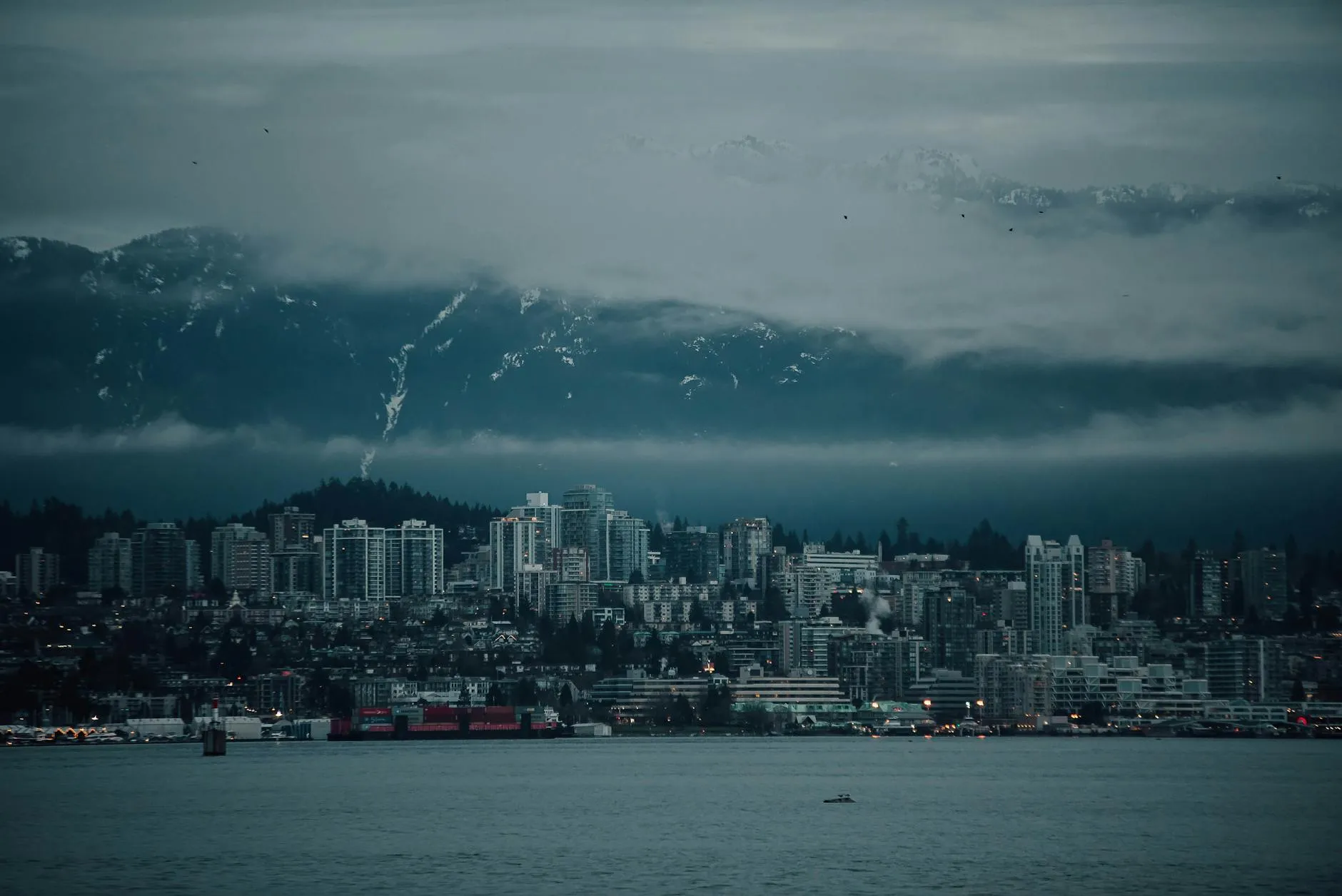
Vancouver, Canada City Guide 2026
Mountains, Myth, and the Modern Frontier
Verified: April 2026 | ✍️ 20-Year Travel Editor
YVR ✈️
$130–950/day
☔ 162 rain days/yr
Why Vancouver? An Editor’s Note
I have covered the Pacific Northwest for two decades, and Vancouver remains the most visually deceptive city in North America. It sells itself as a “Supernatural” wonderland of glass and granite, but the reality is a city of brutal contradictions—one that rewards the traveler who looks past the postcard.
The Gap: Tourist Vancouver is a $70 walk across a bridge and a salmon dinner at Canada Place. Real Vancouver is understanding that this city exists at the intersection of extreme wealth and a devastating humanitarian crisis. It is a place where you can eat the best sushi outside of Tokyo in a neighborhood where most residents can’t afford rent.
In April 2026, Vancouver is in a state of high-tension anticipation. In two months, the 2026 FIFA World Cup arrives (tournament June 11 – July 19; Vancouver hosts 7 matches at BC Place from June 13 to July 7, 2026), and the city is undergoing its final “beautification” polish. This is the last window to see Vancouver as it actually is—before the global crowds arrive.
Looking for cheap flights to Vancouver? Check our latest flight deals for routes from Europe and beyond.
📖 In This Guide
- Top 12 Attractions & 2026 Pricing
- Stanley Park: The 1,000-Acre Strategy
- Granville Island: The Tuesday Manifesto
- The North Shore: Vertical Survival
- Neighborhoods: The Real Barrios
- Culinary Battlegrounds
- Coffee & Craft Beer
- Where to Stay 2026
- Vancouver After Dark
- When to Visit: 12-Month Calendar
- Indigenous Vancouver
- Day Trips: Whistler & Victoria
- Sample Itineraries
- Rainy Day Survival
- Vancouver with Kids
- Romantic Vancouver
- Photography Guide
- Daily Budget Breakdown
- Practical Logistics
- Safety & DTES Reality
- Vancouver Dictionary
- FAQ
Top 12 Attractions — The 2026 Curation
Every attraction below has been visited, re-visited, and stress-tested against its price tag. The “Surgical Tip” column is the single most useful thing I can tell you about each one.
| Attraction | Price (2026 CAD) | Surgical Tip |
|---|---|---|
| Stanley Park | FREE | Walk clockwise as a pedestrian to face the mountain views. Abandon the seawall at Third Beach for the interior trails. |
| Vancouver Art Gallery | $30.00 | Tuesday nights after 5:00 PM: Pay What You Can. A $5 donation is fair. |
| Capilano Suspension Bridge | $71.50 | SKIP THIS. Tourist factory. Go to Lynn Canyon for free. |
| Museum of Anthropology | $24.00 | Visit 5:01 PM Thursdays—the Great Hall totem poles in twilight are the city’s soul. |
| Grouse Mountain Skyride | $79.00 | Only worth it on clear days. Check the webcam first. |
| Granville Island Market | Free | Arrive 8:15 AM to beat cruise ship buses (9:30). |
| Science World | $36.00 | Best for rainy days. OMNIMAX dome—buy the “Night Show” ticket. |
| Vancouver Aquarium | $51.00 | BC Coast exhibit + jellyfish gallery. Look for 19+ “After Hours” events. |
| Dr. Sun Yat-Sen Garden | $18.50 | Public park side is free and 80% as beautiful. Start there. |
| Lynn Canyon Bridge | FREE | The authentic alternative to Capilano. 30-Foot Pool is a summer rite. |
| Bill Reid Gallery | $15.00 | High-end Indigenous art downtown. Often ignored by the crowds. |
| FlyOver Canada | $38.00 | 20-minute simulated flight. Great for kids and rainy days. |
Stanley Park: The 1,000-Acre Strategy
Stanley Park is not a manicured city park—it is a semi-managed temperate rainforest that happens to be surrounded by ocean and skyline. At 1,001 acres, it is larger than Central Park by 20%, and it contains ecosystems that range from coastal marshland to old-growth cedar groves. Most visitors see 5% of it. Here is how to see the rest.
The Seawall: The 9km Circuit
The Seawall is the city’s defining public space—a flat, paved path that hugs the park’s entire coastline. It is beautiful, accessible, and relentlessly popular. On a summer weekend, it can feel like a highway.
The Rules (Strictly Enforced):
- Pedestrians and cyclists are separated. If you walk in the bike lane, expect to be corrected. Vancouverites are polite until you block their 30km/h commute.
- Bicycles MUST travel counter-clockwise. This is not a suggestion. Starting at Coal Harbour and proceeding toward English Bay is the only legal direction.
- Pedestrians should walk clockwise for the best views—this puts the mountains on your right as you face outward.
The Wind Factor: If the wind is coming from the West (check any weather app), the exposed section between Siwash Rock and Third Beach will be 5–8°C colder than the sheltered Coal Harbour side. Bring a shell jacket even in July.
The Timing Strategy: The seawall is best experienced between 6:00–8:00 AM or after 7:00 PM in summer. At these hours, the light is golden, the crowds are thin, and the herons are fishing. Midday in July is a parade of selfie sticks and rental bikes traveling at incompatible speeds.
Cycling the Seawall: Rent from Spokes Bicycle Rentals at the Georgia Street entrance (not the tourist shops on Denman—they overcharge by 30%). A standard bike costs approximately $12/hour or $35/day. E-bikes are available for $20/hour. The full loop takes 45 minutes at a moderate pace, but budget 90 minutes for stops. The mandatory stops: the Girl in a Wetsuit statue, Siwash Rock (an ancient sea stack with a single tree growing from it), and the Lions Gate Bridge underpass, where the acoustic echo is surreal.
The Interior: Where the Locals Disappear
The seawall is the appetizer. The interior is the meal.
Tatlow Trail: Enter at the Third Beach parking lot and walk inland. Within 10 minutes, the ocean sound fades and is replaced by a silence that feels impossible this close to a downtown core. The Western Red Cedars here are 500+ years old. The light filters through the canopy in cathedral shafts. In the rain, the forest floor smells of decomposing cedar and wet earth—a scent that is uniquely Pacific Northwest and impossible to replicate.
Beaver Lake: A small, shallow lake in the park’s interior that is slowly being reclaimed by lily pads and marsh. It is one of the most peaceful spots in the city. In spring, the skunk cabbage blooms yellow along the boardwalk trail. Birdwatchers come here for the Great Blue Herons. Few make it this far inside the park.
The Totem Poles at Brockton Point: Nine totem poles representing various First Nations from across the BC coast. These are not decorative; they are family crests, historical records, and cultural documents. Read the plaques. Take your time. Do not pose in front of them as if they are props. More on the protocol in the Indigenous Vancouver section below.
Third Beach: The locals’ beach. It faces West, which means it gets the sunset. English Bay Beach (on the south side) is more famous and more accessible, but Third Beach has a fire pit culture on summer evenings. Bring a blanket, a “Mickey” (see the Slang Dictionary), and some takeout from Greenhorn Café on Robson. Arrive by 6:30 PM to claim a spot near the fire ring.
Prospect Point: The highest point in the park. It has a lookout over the Lions Gate Bridge and the North Shore mountains. There is a café here, but the food is overpriced and mediocre. Bring your own coffee from the city.
The “Expert” Walk (4 hours, 10km): Start at the Coal Harbour entrance. Walk the seawall to Third Beach (45 mins). Cut inland on the Tatlow Trail to Beaver Lake (30 mins). Loop around Beaver Lake and take the Bridle Path to Prospect Point (45 mins). Descend to the seawall at Prospect Point and complete the loop back to Coal Harbour (60 mins). This route gives you the ocean, the forest, the lake, the heights, and the bridge. It is the definitive Stanley Park experience.
Granville Island: The Tuesday Manifesto
Granville Island is the number-one tourist destination in British Columbia for a reason—it is a self-contained world of food, art, theatre, and maritime charm packed onto a former industrial sandbar under the Granville Street Bridge. It is also, on weekends, a logistical nightmare. The thesis of this section is simple: go on a Tuesday.
The Problem with Weekends
On a Saturday in July, Granville Island receives upwards of 40,000 visitors. The parking lot fills by 10:00 AM. The pedestrian paths through the market become one-way human traffic, and the food vendors are so mobbed that you will wait 20 minutes for a crepe. The buskers are talented but surrounded by walls of phone screens. It is the opposite of the relaxed, artisanal experience the island is supposed to offer.
The Tuesday Solution
On a Tuesday morning at 8:15 AM, the island is a different planet. The vendors are setting up. The artists in the Net Loft building are opening their studios. The seagulls outnumber the tourists. You can actually talk to the fishmongers about what came in that morning. The flowers at the market entrance are dewy and unpicked. This is the Granville Island that earned its reputation.
Navigating the Public Market
Lee’s Donuts: The most famous stall in the market. The honey-dipped donut is the legend, and the line reflects it. Surgical Tip: there is a secondary counter window for “Pre-packs”—if you want a half-dozen of the classics and don’t need a custom box, you can skip 20–30 minutes of waiting. The cream puffs are the underrated order.
Oyama Sausage Co.: Editor’s Pick. Get the truffle salami and a wedge of smoked cheddar. Pair it with a sourdough loaf from Terra Breads (two stalls down). This is a $20 Michelin-quality lunch, and you don’t need a reservation.
The Fish Counter at Longliner Seafoods: If you’re cooking in a vacation rental, this is your source. Ask for the sockeye salmon—it’s what locals buy. The smoked salmon candy (glazed, sweet, dense) is the best edible souvenir in the city. Buy it here, not at the airport, where it costs 40% more for the same product.
The Cheese Trap: There is a cheese vendor near the center of the market that offers unlimited free samples. It is always surrounded by a crowd moving at zero velocity. Navigate around it.
Beyond the Market
The Net Loft: The building adjacent to the market — overlooked in market crowds. It houses artisan studios—glassblowing, printmaking, handmade jewelry. The quality is genuinely high. The second-floor balcony (accessible via stairs on the north side) overlooks the market courtyard and is the best seat on the island. Bring your Oyama picnic here.
Railspur Alley: Walk south from the market, past the cement factory, and into Railspur Alley. This is the working-artist district: pottery studios, a distillery (Liberty Distillery—the gin is excellent), and a small gallery row. It feels nothing like the tourist market. In May through September, there is often a weekend artisan market here as well.
Kids Market: If you have children under 8, this is essential. It is a two-story building of toy shops, a ball pit, and a small adventure playground. It is not sophisticated. It does not need to be. It buys you 90 minutes.
Getting There
The Aquabus Hack: Do not drive. Do not take the bus over the Granville Bridge. Take the Rainbow Aquabus mini-ferry from the Hornby Street dock (at the foot of Hornby, near the Vancouver Aquatic Centre). It costs $6, takes 4 minutes, and delivers you directly to the island with a harbour view. On the return trip, take the Aquabus to David Lam Park instead—it drops you in Yaletown, where you can continue your evening.
Cycling: The island is bike-friendly and connects to the city’s seawall network. Lock your bike at the racks near the market entrance (not inside—space is too tight).
The North Shore Mountains: Grouse, Cypress, and Seymour
Vancouver has three mountains on its North Shore, and your choice defines your trip. They are not interchangeable. Each has a distinct personality, a distinct audience, and a distinct cost structure. Here is the full breakdown.
Grouse Mountain: The Corporate Peak
Best for: Families, first-time visitors, people who want a guaranteed “mountain experience” without risk.
The Price: $79 for the Skyride gondola (round trip). Or free if you hike up and pay $20 for the gondola down.
The Experience: Grouse is the most developed mountain in the trio. At the top, you will find the resident grizzly bears (Grinder and Coola, rescued orphans who have lived here since 2001), a lumberjack show, a Birds in Motion raptor demonstration, ziplines, and a mountain-top restaurant. In winter, there is night skiing under floodlights with a view of the city’s light grid below.
The Grouse Grind: The most famous urban hike in Canada. 2.9km of relentless uphill—2,830 stairs carved into the mountainside. Average completion time is 90 minutes. Locals treat it as a gym workout and do it in 45. It is free to hike up, but you cannot hike down (trail is one-way for safety), so you must pay $20 for the gondola descent. Surgical Tip: The BCMC Trail runs parallel to the Grind and offers the same elevation gain with 90% fewer people and more forest views. It starts from the same parking lot. Take the BCMC up, gondola down.
The Webcam Rule: Grouse Mountain’s entire value proposition depends on visibility. On a cloudy day, you are paying $79 to stand in fog. Always check the Grouse Mountain webcam before you go. If you cannot see the city from the summit camera, postpone.
Cypress Mountain: The Athlete’s Peak
Best for: Skiers, snowboarders, experienced hikers, people who want dramatic views without the theme-park overlay.
The Experience: Cypress hosted the freestyle skiing and snowboard events during the 2010 Winter Olympics, and it retains that athletic DNA. The terrain is more challenging than Grouse, the views are wider (you can see Howe Sound, Bowen Island, and on clear days, Vancouver Island), and the vibe is decidedly less commercial.
Summer Hiking: The Eagle Bluff trail (8km round trip, moderate difficulty) offers the single best panoramic view accessible from the North Shore—a sweeping vista of Howe Sound, the islands, and the Coast Mountains that makes Grouse’s summit view look like a postcard. The Yew Lake loop (3.5km, easy) is a boardwalk trail through sub-alpine meadows that is wheelchair-accessible and stroller-friendly in dry conditions.
Winter: The Lights to the Lodge snowshoe trek is the premier winter evening activity in the region. You snowshoe through old-growth forest to Hollyburn Lodge, a heritage cabin where volunteers serve hot chocolate. The trail is lantern-lit. Reservations required and they sell out weeks in advance.
Mount Seymour: The Local’s Peak
Best for: Budget travelers, locals, people who want a backcountry feel without backcountry risk.
The Experience: Seymour is the least developed of the three, and that is its strength. It feels like the true backcountry—there are no lumberjack shows, no gift shops, and the parking lot does not have a Starbucks. The trails start directly from the parking area and climb into sub-alpine terrain within 30 minutes.
Dog Mountain (5km round trip, easy): This is the hike I recommend to every first-time Vancouver visitor who wants a mountain experience without committing to the Grouse Grind. It is a gentle, well-marked loop that terminates at a viewpoint overlooking the entire city, the Fraser River, and on clear days, Mount Baker in Washington State. It is perfect for a first date, a family outing, or a quick morning hike before brunch. Allow 2 hours including stops.
Mystery Lake (10km round trip, moderate): For those who want more, the trail continues past Dog Mountain to Mystery Lake, a small alpine lake surrounded by sub-alpine forest. In summer, locals swim here—the water is cold but clean. In winter, the lake freezes and the landscape becomes otherworldly.
Getting to the North Shore Mountains: All three are accessible via public transit plus a shuttle, but realistically, Seymour is difficult without a car. For Grouse: take the SeaBus to Lonsdale Quay, then bus #236. For Cypress: SeaBus plus bus #253 (winter shuttle service only in ski season). For Seymour: drive or use the Evo Car Share app.
Neighborhood Deep Dives: The Real Barrios
Vancouver’s neighborhoods are its true attractions. The city’s geography—ocean to the west, mountains to the north, the Fraser River to the south—creates natural boundaries that have allowed distinct micro-cultures to evolve. Here are the ones worth your time, ranked by how much they reveal about the city’s actual identity.
Commercial Drive: The “Real” Vancouver
The locals call it “The Drive.” It is a 20-block stretch running north-south through East Vancouver, and it is the closest thing this city has to a soul.
The History: Italian immigrants built this neighborhood in the mid-20th century. You can still find the old-school Italian cafés—Caffè Calabria serves espresso that would hold up in Naples—but the Drive has evolved into something more complex: a mix of Portuguese bakeries, Ethiopian restaurants, vintage clothing stores, lesbian bars, Latin American grocers, and independent bookshops. It is gentrifying, but slowly, and the counter-culture DNA is still dominant.
The Walk: Start at the Commercial-Broadway SkyTrain station and walk north. The first blocks are the commercial core: JJ Bean Coffee (the Vancouver micro-chain that locals prefer over everything), Pulpfiction Books (the best used bookstore in the city), and a string of restaurants representing every continent. Keep walking past Venables Street and the vibe shifts—more residential, more trees, more murals.
Where to Eat on the Drive: Havana for Cuban-inspired brunch in a room full of art. Kishimoto for Japanese food that rivals the downtown sushi temples at half the price. Via Tevere for Neapolitan pizza that earned a “Vera Pizza Napoletana” certification—one of very few in Canada.
Where to Drink: Storm Crow Alehouse, for those who want craft beer surrounded by science fiction memorabilia. It is gloriously nerdy. Alternatively, Caffè Calabria for a late-afternoon espresso at the sidewalk tables, watching the neighborhood pass by.
The Vibe Check: If Kitsilano is where you go to look fit, and Gastown is where you go to look cool, the Drive is where you go to actually be yourself. It is the most unpretentious neighborhood in the city, and I mean that as the highest compliment.
Gastown: The Tiled Trap
Gastown is the oldest neighborhood in Vancouver, and it wears its history beautifully—Victorian brick, cobblestone streets, wrought-iron lampposts. It is also the neighborhood most calibrated to separate tourists from their money.
The Steam Clock: Let’s get this out of the way. The Gastown Steam Clock is not steam-powered. It is an electric clock with a steam whistle that goes off every 15 minutes. It was built in 1977, not the 1800s. It is always surrounded by a crowd. Watch it once, take the photo, and redirect your attention to the architecture around it, which is genuinely historic.
Where to Drink: The Diamond. Second floor, overlooking the main intersection of Water and Carrall. The cocktail menu is short and expert. This is not a bar where you order a vodka soda—you tell the bartender what flavors you like and they build something. It is the best cocktail experience in the neighborhood. Guilt and Co. is downstairs — basement live-music venue every night; see the Live Music section below for the full writeup.
Where to Eat: Ask For Luigi. A 40-seat Italian restaurant on Alexander Street that is consistently booked weeks in advance. The pasta is handmade daily, the menu is tiny, and the quality is extraordinary. Walk-ins are possible if you arrive at 5:00 PM sharp, but calling ahead is strongly recommended.
The Boundary: Gastown’s eastern edge borders the Downtown Eastside (DTES). You will notice the transition—it is abrupt and jarring. See the Safety section below for guidance.
Kitsilano: Lifestyle as Religion
Kitsilano—”Kits” to everyone who lives here—is the neighborhood that launched Lululemon and never looked back. It is the epicenter of Vancouver’s outdoor-lifestyle culture: yoga studios per capita exceed those of any neighborhood in North America.
The Beach: Kits Beach is the social beach. It has heated saltwater pools (the Kitsilano Pool, at 137 meters, is the longest pool in Canada), beach volleyball courts that host competitive leagues, and a concession stand that is perpetually under-staffed. The view from the sand—looking east across English Bay toward the downtown glass towers and the North Shore mountains—is the single best skyline view in the city. Photographers: come at sunset, face east. The light on the towers is golden.
West 4th Avenue: The shopping strip. This is where you buy technical outdoor gear (Mountain Equipment Company flagship), independent fashion, and high-end kitchenware. It is not cheap, but the quality is high and the stores are locally owned. The Naam, at West 4th and MacDonald, is a 24-hour vegetarian restaurant that has been open since 1968. It is an institution. The sesame fries with the house dressing are the order.
Jericho Beach: Walk west from Kits Beach and you reach Jericho, which is quieter, has a sailing club, and connects to a trail system through Pacific Spirit Regional Park. In summer, the Jericho Folk Club hosts outdoor concerts. It is the more relaxed alternative to Kits Beach’s competitive energy.
Chinatown: Heritage Under Siege
Vancouver’s Chinatown is one of the oldest in North America, established in the 1880s by workers who built the Canadian Pacific Railway. It is currently caught in a painful tug-of-war between heritage preservation and rapid gentrification, and a visit here requires some sensitivity to that context.
The Anchor: The Dr. Sun Yat-Sen Classical Chinese Garden is the first full-scale Chinese garden built outside of China. The paid side ($18.50) includes a guided tour that explains the Taoist philosophy behind every rock, tree, and water feature. The free public park adjacent is beautiful in its own right—start there to decide if the full tour is worth it for you.
The Old Guard: Find the small groceries on Keefer Street and East Pender—stores selling dried goods, medicinal herbs, and produce that have been here for generations. These businesses are under constant threat from rising rents. Supporting them is both a culinary adventure and a small act of preservation.
The New Guard: Bao Bei Chinese Brasserie is the flagship of Chinatown’s culinary evolution—a modern Chinese restaurant in a heritage building, serving dishes that bridge traditional Cantonese and contemporary West Coast. The “Shao Bing” (Chinese flatbread with cumin lamb) is the signature. Reservations essential.
The Keefer Bar: Located in the heart of Chinatown, this is one of the best cocktail bars in North America. The menu is organized by Traditional Chinese Medicine principles—drinks are categorized by their purported healing properties. The “Opium Sour” is the signature. The space itself is dark, intimate, and decorated with vintage apothecary bottles.
What You Should Know: Chinatown has experienced a significant increase in anti-Asian hate incidents since 2020. Community organizations are active and visible. The neighborhood is safe for tourists, but the social context is important to understand. The Chinatown Storytelling Centre on Pender Street offers guided heritage walks that provide this context respectfully.
Richmond: The 20-Minute Portal
Richmond is not technically part of Vancouver, but no guide to the city is complete without it. Take the Canada Line SkyTrain 20 minutes south from downtown, and you step into the most authentically East Asian food city in North America.
The Statistics: Richmond’s population is approximately 75% of Asian descent—predominantly Chinese, but with significant Japanese, Korean, Filipino, and South Asian communities. The result is a culinary landscape that is, in certain categories, superior to anything you will find in San Francisco, New York, or Toronto.
Aberdeen Centre: A massive mall anchored by a food court that functions more like a Taipei night market than a Western shopping center. The bubble tea competition alone supports a dozen vendors. The standout: the Sichuan stall serving Dan Dan Noodles with a chili oil that will recalibrate your spice tolerance.
Crystal Mall (Burnaby, technically, but the SkyTrain makes it adjacent): The food court is circular and legendary. Go to the stall with the longest line for Sheng Jian Bao—pan-fried pork buns with a crispy bottom and a soup interior. These are the most authentic bite in the region and cost $8 for six.
The Richmond Night Market (May–October): A massive outdoor food bazaar with over 200 vendors serving everything from grilled squid to “Rotato” spiral chips to Uyghur lamb skewers. It is loud, crowded, and wonderful. Surgical Tip: buy the “Zoom Pass” for $35 to skip the entry line, which can exceed 90 minutes on Saturday nights. Go on a Thursday for a less intense experience.
Steveston Village: At the southern tip of Richmond, Steveston is a working fishing village that feels like it belongs in the Gulf Islands, not the suburbs of a major city. Walk the boardwalk, watch the fishing boats unload, and buy fish and chips from Pajo’s (the outdoor stand on the wharf, not the indoor restaurant). This is also the departure point for orca whale-watching tours—you are 95% more likely to see orcas from a Steveston boat than from the Stanley Park seawall.
The West End: The Pulse of Davie Village
This is the most densely populated neighborhood in Canada, and it is the heart of Vancouver’s LGBTQ+ community. The rainbow crosswalk at Davie and Bute is the landmark, but the neighborhood’s identity runs deeper than a paint job.
Davie Street: Walk from Burrard to Denman. The strip is lined with independent restaurants, cafés, and bars that cater to the community. Scores of rainbow flags. Strong sense of local pride. In August, the Vancouver Pride Parade originates here and is one of the largest in North America.
Denman Street: The parallel commercial strip, one block from English Bay Beach. This is the “local high street”—grocery stores, sushi joints, ice cream shops, and the kind of independently owned businesses that make a neighborhood feel alive. Stepho’s Souvlaki Taverna has had a line out the door for 30 years; the portions are enormous and the prices are stubbornly low.
English Bay Beach: The “public” beach of the West End. Sunset here is a civic ritual—on a clear evening, hundreds of people gather on the logs to watch the sun drop behind Vancouver Island. The annual Celebration of Light (international fireworks competition, held in late July and early August) launches from a barge just offshore. It is spectacular and free.
New Westminster: The Budget Insider
“New West” is where I send budget travelers who want a local experience. It is 25 minutes from downtown on the SkyTrain (Expo Line to New Westminster Station), and accommodation here—particularly Airbnbs—runs 30–40% cheaper than downtown.
Why It Works: New West has its own waterfront boardwalk along the Fraser River (the Westminster Pier Park), a growing restaurant scene, and a genuine small-city charm that Vancouver’s downtown has long since lost. The Thursday night Columbia Street food trucks are a local institution. It is not glamorous, but it is real.
The Culinary Battlegrounds: Sushi, Dim Sum, and First Nations
Vancouver’s food scene is a three-way collision between the Pacific Ocean, the “Silk Road” diaspora, and Indigenous traditions that predate European contact by millennia. Understanding this is understanding the city.
The Sushi Hierarchy
Vancouver is the best sushi city in North America. This is not hyperbole—it is a function of proximity (the Pacific is right there), immigration (a large and established Japanese-Canadian community), and competition (there are over 600 sushi restaurants in the metro area). Here is the tiered guide:
Tier 1: The Omakase Experience ($150–$300+)
Tojo’s. Chef Hidekazu Tojo claims to have invented the California Roll here in the 1970s—a claim contested by chefs in Los Angeles, but one that Vancouver has adopted as civic mythology. Regardless of the origin story, Tojo’s remains the most respected omakase in the city. The chef’s table experience is a 10-course performance. Reservations are essential, and the dress code is “respectful.” This is not a jeans-and-hoodie establishment.
Tier 2: The Modern Icons ($60–$120)
Miku. The restaurant that popularized “Aburi” (flame-seared) sushi in Vancouver. The Salmon Oshi—pressed sushi, charred with a blowtorch, topped with a single jalapeño—is the city’s single most photographed bite. The waterfront location at Canada Place is part of the experience; request a window seat. Minami, Miku’s sister restaurant in Yaletown, offers the same Aburi style in a more intimate setting.
Tier 3: The Neighborhood Gems ($25–$50)
Sushi California. Where university students eat. The portions are enormous, the fish is fresh, the presentation is unfussy, and the bill will be $25, not $250. There are multiple locations; the one on Robson Street is the most accessible. For a more refined neighborhood experience, Kishimoto on Commercial Drive serves omakase-quality fish at izakaya prices. The sablefish is outstanding.
Tier 4: The Convenience Tier ($10–$20)
Every grocery store in Vancouver has a sushi counter. The quality is surprisingly respectable—this is not gas-station sushi. The Fujiya on Clark Drive is a Japanese grocery with a takeout counter that serves better salmon rolls than many sit-down restaurants.
The Dim Sum Rule
Dim Sum in Vancouver—specifically in Richmond—is a religion. It is not a meal; it is a Sunday ritual that involves multi-generational families, heated debate over the quality of Har Gow skins, and strategic maneuvering for table position.
The Protocol: Arrive by 10:15 AM. Not 10:30, not 11:00—by 10:15. The peak rush hits at 10:45, and by 11:00, the wait at a top restaurant is 45–90 minutes. If you are a party of two, you will be seated faster than a party of six. Use this to your advantage.
Dynasty Seafood (Richmond): The current consensus pick for best Dim Sum in the metro area. Order the Har Gow (shrimp dumplings)—the skin should be translucent, slightly sticky, and “snap” when you bite through. The Siu Mai (pork and shrimp dumplings) and Cheung Fun (rice noodle rolls) are also benchmarks. The turnip cake is the sleeper hit.
Sun Sui Wah (Main Street, Vancouver): If you don’t want to go to Richmond, this is the best in-city option. It has been operating since 1986 and serves a traditional cart-style dim sum that feels increasingly rare—servers push carts through the room, you point at what looks good, and they stamp your card. It is loud, chaotic, and authentic.
Kirin (multiple locations): The upscale option. Higher prices, quieter rooms, and a Cantonese menu that extends well beyond dim sum. The Peking Duck (ordered 24 hours in advance) is the best in the city.
Indigenous Cuisine: Salmon n’ Bannock
This is the most important meal you will have in Vancouver. Located on West Broadway, Salmon n’ Bannock is the city’s only First Nations restaurant, and it is a masterclass in pre-colonial ingredients prepared with modern technique.
The Order: The Fiddler (grilled wild salmon) and the Bannock Tacos. Bannock is a flat bread that is central to many First Nations food traditions; here, it is served as a taco shell, filled with bison, wild mushrooms, and a berry reduction. The menu changes seasonally and sources from Indigenous suppliers across British Columbia.
The Surgical Tip: This restaurant seats only 30 people. You MUST book at least 7 days in advance—more during tourist season. Walk-ins are nearly impossible. Call, not email.
Why This Matters: Indigenous food in Canada has been systematically erased by colonization. Residential schools forced Indigenous children to abandon traditional foodways. The existence of Salmon n’ Bannock is an act of cultural reclamation, and eating here is a way to support that reclamation directly. The staff are knowledgeable and happy to explain the significance of the ingredients. Ask questions. Listen to the answers.
The Budget Food Strategy
If you are eating on a $45/day food budget (the “Budget” tier), here is how to do it without sacrificing quality:
- Breakfast: Skip restaurants. Buy pastries and coffee at a JJ Bean or 49th Parallel location ($8–$10).
- Lunch: Granville Island Market (build a $15 lunch from the vendors) or Crystal Mall food court in Burnaby ($8–$12 for Sheng Jian Bao and a drink).
- Dinner: Sushi California ($15–$20 for a generous combo), or Commercial Drive for $12–$15 bowls and burritos.
- Snack: Buy fruit from the Granville Island market or a Japadog from the street cart on Burrard ($7). Japadog is a Vancouver institution—a Japanese-style hot dog with teriyaki sauce, seaweed, and mayo. It sounds wrong and tastes perfect.
Coffee and Craft Beer: The Caffeine-Hop Axis
Vancouver is a city that runs on two fuels: high-grade coffee in the morning and small-batch IPAs in the evening. The rain is the catalyst—when it’s grey for 20 consecutive days, you develop strong opinions about extraction ratios and hop profiles.
The Coffee Standards
The Rule: Skip the chains. Vancouver has Starbucks on every corner (the company is headquartered in nearby Seattle), but the local roasters are in a different category entirely.
Revolver (Gastown): The temple. Revolver rotates its featured roaster weekly, sourcing beans from across North America and beyond. There is no Wi-Fi, no laptop policy, and no accessible power outlet — by design. You are here to drink coffee, and the coffee is extraordinary. The space is small, the baristas are serious, and the flat white is the order. This is not a place to “work from”—it is a place to sit, taste, and leave.
49th Parallel (multiple locations): The flagship on Main Street is the most popular, but the Kitsilano location is less crowded. The coffee is excellent—balanced, not aggressively acidic—and the Lucky’s Doughnuts counter inside is the best pairing in the city. The old-fashioned donut with a cortado is the Vancouver equivalent of a Parisian croissant and espresso.
JJ Bean (multiple locations, founded on Commercial Drive): The “local chain” that Vancouverites are genuinely proud of. The drip coffee is consistent and clean. The Commercial Drive location is the original and has the most character. This is where you grab a morning coffee to-go before hitting the Drive’s bookshops.
Matchstick Coffee (multiple locations): The newcomer that has earned its place. The Chinatown location is the best—bright space, excellent pour-over program, and a rotating selection of single-origin beans.
Pallet Coffee (downtown): For the person who wants specialty coffee with reliable Wi-Fi and enough space to open a laptop. This is the “work café” pick.
The Craft Beer Scene
Vancouver’s craft beer scene is centered on the “Brewery Creek” area—a stretch of Main Street between 2nd and 7th Avenues where a half-dozen breweries sit within stumbling distance of each other. This is the only “beer crawl” you need.
Brassneck Brewery: The standout. No TVs, no food menu (you can order delivery to your table), and a rotating tap list that changes constantly. The “Passive Aggressive” dry-hopped IPA is the flagship, but the real move is to ask the bartender what’s new. The experimental small-batches here are where Brassneck earns its reputation. Arrive before 5:00 PM on weekdays to guarantee a seat.
33 Acres Brewing: The aesthetic choice. Minimalist white walls, natural light, blond wood. The “33 Acres of Ocean” pale lager is a crisp, easy-drinking beer that tastes like what you wish mass-market lager tasted like. The “33 Acres of Darkness” stout is the winter pick.
Main Street Brewing: The most approachable of the bunch. Wider food menu, larger space, dog-friendly patio. The pilsner is excellent.
Faculty Brewing (near Olympic Village): Slightly outside the Brewery Creek core, but worth the 10-minute walk. Faculty makes Belgian-inspired beers that break from the IPA orthodoxy. The saison is among the best in the province.
The Strategy: Start at Brassneck at 4:00 PM. Move to 33 Acres for one round. Finish at Main Street for dinner. Total cost: approximately $50–$60 for an evening of small-batch beer. This is one of the best-value evenings in the city.
Where to Stay: 2026 Curation
Accommodation in Vancouver is expensive. There is no way to sugarcoat this. The average hotel room in downtown Vancouver in July 2026 will exceed $300 CAD per night, and during the FIFA World Cup window (June 11 – July 19), expect a 40–60% premium on top of that. Here is how to navigate the market at each tier.
Budget: $50–$90 CAD per Night
HI Vancouver Central (Downtown): The city’s flagship hostel. Clean, well-managed, central location on Granville Street. Dorm beds start around $50 in the off-season, $70–$80 in summer. Private rooms are available but book out months in advance. The rooftop patio is a social hub.
HI Vancouver Jericho Beach: If you want a hostel with character, this is the one. Located on the waterfront in Kitsilano, it is a converted military barracks with ocean views from the common areas. It is less convenient for downtown access (a 20-minute bus ride), but the setting is unbeatable for the price.
The New Westminster Strategy: Book an Airbnb in New Westminster. SkyTrain to downtown takes 25 minutes, and nightly rates run 30–40% below downtown equivalents. A clean one-bedroom apartment in New West goes for $80–$110/night compared to $140–$180 for the same in downtown. This is the strategy for stays longer than 3 nights.
Mid-Range: $200–$350 CAD per Night
The Burrard: A renovated 1956 motor hotel that has been reborn as a retro-cool boutique property. Free bike rentals. Walkable to the West End, Davie Village, and the seawall. The rooms are compact but well-designed. This is the best value in the mid-range tier and my default recommendation.
The Sylvia Hotel (West End): An ivy-covered heritage building on English Bay Beach. The rooms vary wildly in quality (request a “renovated bay-view” room), but the location is perfect and the bar on the main floor is a neighborhood institution. It books out early—reserve at least 6 weeks ahead for summer.
YWCA Hotel (Downtown): Not a traditional hostel—this is a budget hotel operated by the YWCA with private rooms, ensuite bathrooms, and a communal kitchen. Rooms start around $160 in the off-season. It is clean, safe, and central, and booking here supports a nonprofit.
Splurge: $500+ CAD per Night
Fairmont Pacific Rim: The gold standard. The lobby bar (Botanist) has the best live music and cocktails in the city. The spa is among the best on the West Coast. The views of the North Shore mountains from the upper floors are unobstructed. If you are going to spend the money, this is where to spend it.
Rosewood Hotel Georgia: The historic alternative to the Fairmont. Originally opened in 1927, it has been restored to a level of elegance that feels European. The rooms are larger than the Pacific Rim’s, and the rooftop pool and lounge are available only to guests.
Loden Hotel (Coal Harbour): A smaller boutique property that offers a more intimate luxury experience. The staff-to-guest ratio is exceptionally high. It is less famous than the Fairmont or Rosewood but consistently rates higher in guest satisfaction surveys.
Vancouver After Dark
Vancouver is not a late-night city. Last call is 2:00 AM (sometimes extended to 3:00 AM for special events), and the club scene is small compared to Montreal or Toronto. What Vancouver does well is intimate, curated nightlife—bars where the bartender knows more about spirits than most sommeliers know about wine.
Live Music
Guilt and Co (Gastown): Underground—literally. You descend a staircase into a basement venue with exposed brick, candlelight, and zero cell service. The acts range from jazz trios to folk singers to experimental electronic. The lack of phone signal forces the audience to actually watch the performance. It is the best live music experience in the city, and it costs nothing beyond your drinks.
The Biltmore Cabaret (Mount Pleasant): A mid-sized venue on Kingsway that books indie bands, comedy nights, and DJ sets. The room has excellent acoustics for its size, and the crowd skews young and local. Check the weekly listings—the Tuesday comedy nights are quietly excellent — locals book early.
The Fox Cabaret (Main Street): A converted adult cinema that now functions as one of the city’s most important independent music and event venues. The programming ranges from live bands to vinyl DJ nights to comedy and burlesque. The room holds about 200 people, which means every show feels intimate.
Cocktails
The Keefer Bar (Chinatown): See the Chinatown neighborhood section above for the full writeup — TCM-themed menu, Opium Sour, the city’s most-decorated cocktail program.
The Diamond (Gastown): See the Gastown section above — second-floor cocktail bar, no menu, build-from-flavours bartender.
Prohibition (Hotel Georgia): The splurge option. Located in the basement of the Rosewood Hotel Georgia, this is a proper hotel bar with live jazz, leather booths, and a cocktail list that runs to 25 pages. The prices are as high as the ceilings, but the experience is polished.
Late-Night Food
The Naam (Kitsilano): See the Kitsilano section above — 24-hour vegetarian since 1968, sesame fries with the house miso dressing are the universal late-night order.
Japadog (Burrard Street cart, open until 11 PM in summer): The street cart that became a global phenomenon. A Japanese-style hot dog with teriyaki, seaweed, and Japanese mayo. The “Terimayo” is the classic. It is the perfect post-bar food.
Bon’s Off Broadway (East Vancouver): A 24-hour diner with checkered floors, vinyl booths, and a menu that starts at $8 for a full breakfast. It is the blue-collar antidote to everything else on this list.
Weather and When to Visit: The Full 12-Month Calendar
Vancouver’s weather is its most misunderstood feature. “It rains all the time” is technically true—162 days per year—but the nature of the rain, and the dramatic seasonal swings, create very different experiences depending on when you visit.
January–February: The Deep Grey
Average high: 6°C / 43°F. Rain days: 18–20 per month.
This is Vancouver’s trough. The days are short (sunrise at 8:00 AM, sunset at 4:45 PM), the rain is persistent, and the mountains are often invisible behind cloud. But: this is ski season. Grouse, Cypress, and Seymour are all open, and lift tickets are at their cheapest in January. Hotel rates are at their annual low. If you come in winter, plan an indoor-heavy itinerary: Museum of Anthropology, Granville Island Market, Science World, and the restaurant and bar scene.
March: The Tease
Average high: 10°C / 50°F. Rain days: 15–17.
March is when the cherry blossoms begin. Vancouver has over 40,000 cherry trees, and the peak bloom typically occurs in the last week of March through the first week of April. The best groves are on West 22nd Avenue (between Arbutus and Mackenzie), in Queen Elizabeth Park, and along the Burrard SkyTrain station entrance. The weather is still unreliable—you can see sun and hail in the same hour—but the blossoms make it worthwhile.
April–May: The Bloom and the Gamble
Average high: 14–17°C / 57–63°F. Rain days: 10–12.
The transition months. April can still feel like winter; May can feel like summer. The gardens are exploding. The mountain trails are opening (snow lingers at higher elevations until late May). Hotel prices are moderate, and the summer crowds haven’t arrived. This is the “insider’s window”—experienced travelers choose May.
June: The Arrival
Average high: 20°C / 68°F. Rain days: 8.
The first truly reliable month. Long days (sunset at 9:15 PM), warm temperatures, and the outdoor season in full swing. In 2026, this is also the start of the FIFA World Cup (June 11), so expect elevated prices and crowds if you visit after the 10th. The first week of June—before the tournament begins—may be the optimal window this year.
July–August: The Gold Months
Average high: 23–25°C / 73–77°F. Rain days: 4–6.
This is peak Vancouver. Extended sunshine, warm evenings, and every outdoor activity running at full capacity. The beaches are packed, the seawall is a highway, and the restaurants are fully booked. The Celebration of Light fireworks competition (late July / early August) draws 300,000+ spectators to English Bay over three nights. If you come in peak summer, book everything in advance—restaurants, tours, even popular hikes have parking lots that fill by 8:00 AM.
September–October: The Secret Season
Average high: 18–14°C / 64–57°F. Rain days: 8–12.
This is the season I recommend most often and the one most visitors overlook. September retains summer’s warmth with a fraction of the crowds. Hotel rates drop 20–30% after Labour Day. The mountain trails are at their driest and most accessible. The leaves turn on the North Shore in October, creating a colour show that rivals New England. Restaurant reservations are suddenly available. The rain returns gradually in mid-October, but the first two weeks of September offer Vancouver’s best combination of weather, availability, and price. If you have flexibility, come in September.
November–December: The Return of the Grey
Average high: 7–5°C / 45–41°F. Rain days: 18–22.
The rain reasserts itself. This is when the “Raincouver” nickname earns its keep. But November brings the Christmas Market at Jack Poole Plaza (near the Olympic Cauldron), the Bright Nights train in Stanley Park, and the Canyon Lights at Capilano (which, despite my general Capilano skepticism, is genuinely magical when the bridge and forest are wrapped in lights). Ski season opens in late November.
The Umbrella Rule: Locals do not carry umbrellas. This is partly cultural pride and partly practical—the rain is usually a fine drizzle, not a downpour, and the coastal wind makes umbrellas useless. Invest in a high-quality waterproof shell jacket (Gore-Tex or equivalent). You will wear it more than any other garment.
Indigenous Vancouver: Protocols and Respect
This section is not optional reading. It is the most important context for understanding where you are.
The Land
Vancouver sits on the unceded ancestral territories of the xʷməθkʷəy̓əm (Musqueam), Sḵwx̱wú7mesh (Squamish), and səlilwətaɬ (Tsleil-Waututh) nations.
“Unceded” means that no treaty was ever signed for this land. Unlike much of Canada, where historical treaties (however unjust) formally transferred land from Indigenous nations to the Crown, the land that Vancouver occupies was simply taken. This is not ancient history—it is an ongoing legal and moral reality that shapes the city’s politics, its architecture (you will see Land Acknowledgments on plaques, at events, and in corporate offices), and the daily lives of its Indigenous residents.
Land Acknowledgments
You will hear Land Acknowledgments at the beginning of concerts, civic meetings, university lectures, sporting events, and corporate presentations. “We acknowledge that we are on the unceded traditional territories of the Musqueam, Squamish, and Tsleil-Waututh nations.”
This is not a formality. It is a practice of recognition. If you attend an event and a Land Acknowledgment is given, stand quietly and listen. You are not expected to repeat it. You are expected to hear it.
What to Visit
Museum of Anthropology (UBC): The single most important cultural institution in the city. The Great Hall, designed by Arthur Erickson, houses monumental carvings from Haida, Kwakwaka’wakw, and other coastal nations. The Bill Reid Rotunda contains “The Raven and the First Men,” one of the most significant works of art in Canada. Allow 2–3 hours minimum. Visit on a Thursday evening when the light through the glass walls is at its most dramatic.
Bill Reid Gallery (Downtown): A smaller, more focused gallery dedicated to the work of Bill Reid, the Haida master carver and goldsmith. His “Spirit of Haida Gwaii” appears on the Canadian $20 bill. The gallery hosts rotating exhibitions of contemporary Indigenous art alongside Reid’s legacy pieces.
Squamish Lil’wat Cultural Centre (Whistler): If you take the day trip to Whistler, this is a mandatory stop. A jointly operated centre by the Squamish and Lil’wat nations, it is the global benchmark for Indigenous-led tourism. The building itself is architecturally significant—it incorporates both a Squamish longhouse form and a Lil’wat Istken (pit house) form. Tours are led by Indigenous guides.
The Totem Poles at Brockton Point (Stanley Park): Nine poles representing various nations. Read each plaque. These poles tell specific stories—they are not generic “Indigenous art.” They are historical and genealogical documents. Do not pose in front of them casually. Photograph them from a respectful distance.
Salmon n’ Bannock (West Broadway): As described in the Food section—the city’s only First Nations restaurant. Eating here is a way to directly support Indigenous food sovereignty.
Protocols for Visitors
- When visiting Indigenous cultural sites, ask before photographing ceremonies, dances, or individuals.
- Do not touch carvings, poles, or regalia unless explicitly invited.
- If purchasing Indigenous art, verify that it is made by an Indigenous artist. The Bill Reid Gallery gift shop and the Museum of Anthropology shop are reliable sources. Street vendors selling “totem pole” keychains made in China are not.
- If you are offered tobacco or invited to participate in a ceremony, follow the lead of the host. Ask quietly if you are unsure of protocol.
- Avoid referring to Indigenous cultural objects as “artifacts” or “relics”—they are living cultural expressions, not museum pieces.
Day Trips: Whistler, Victoria, and the Islands
Whistler: The Sea-to-Sky Strategy
Looking for cheap flights to ski in Whistler? Check our latest deals to Vancouver.
The Drive: 2 hours on the Sea-to-Sky Highway (Highway 99). This is one of the most scenic drives in North America, and the drive itself is a significant part of the experience. The road hugs the coastline of Howe Sound, passes beneath granite cliffs, and climbs through old-growth forest.
The Stops Along the Way:
- Shannon Falls Provincial Park (45 minutes from Vancouver): A 335-meter waterfall visible from a 5-minute walk from the parking lot. Free. Allow 20 minutes.
- Britannia Mine Museum (50 minutes from Vancouver): A former copper mine turned interactive museum. The underground train tour is excellent. $38 for adults. Allow 90 minutes.
- Sea-to-Sky Gondola (Squamish, 55 minutes from Vancouver): A gondola ride to a summit lodge with a suspension bridge and panoramic views. $69 for adults. The views are on par with anything in Whistler at half the price and half the driving time.
In Whistler:
- The Peak 2 Peak Gondola ($90): The world’s longest unsupported span between two mountain peaks. It connects Whistler Mountain to Blackcomb Mountain, and the glass-bottom gondola cabin is a legitimate thrill. This is worth the money even if you don’t ski.
- Whistler Village: Walk-and-browse territory. The restaurants are expensive but the people-watching is free. Araxi is the fine-dining anchor; Peaked Pies (Australian meat pies) is the value play.
- Skiing ($280+/day): Among the best terrain in North America, but priced for it. If you are not a committed skier, the Peak 2 Peak Gondola plus a village lunch is a far better use of your money.
Speed Cameras: The Sea-to-Sky Highway has AI-enforced variable speed limits. In 2026, the cameras are strict and the fines are steep. Drive the posted limit, which changes frequently and is displayed on electronic signs.
Victoria: The Hullo Strategy
The Transit: Take the Hullo Fast-Ferry from downtown Vancouver (Waterfront Station terminal) to Nanaimo. The crossing takes approximately 70 minutes. From Nanaimo, a bus or shuttle runs to Victoria (approximately 2 hours). Total travel time: roughly 3.5 hours one way.
The Alternative: BC Ferries from Tsawwassen to Swartz Bay. The ferry itself is 90 minutes, but the drive to Tsawwassen (45 minutes south of downtown) and the drive from Swartz Bay to Victoria (30 minutes) adds up. Total: about 3.5 hours as well, but with more driving and less scenery.
In Victoria:
- The Royal BC Museum: One of the best natural and human history museums in Canada. The First Peoples Gallery is essential.
- Butchart Gardens: 22km north of Victoria. A former limestone quarry transformed into one of the world’s most celebrated gardens. The afternoon tea here ($45) is a better value than the Fairmont Empress ($95) and the setting is incomparably more beautiful.
- Fisherman’s Wharf: Floating homes and food stalls. Get the fish tacos from Barb’s.
- Inner Harbour: Walk the causeway, admire the Parliament Buildings, and resist the urge to take a horse-drawn carriage ride (overpriced).
Bowen Island: The 20-Minute Escape
If you want an island experience without the commitment of the Victoria trip, take the BC Ferries from Horseshoe Bay to Bowen Island. The crossing is 20 minutes. On the island, you can hike Killarney Lake (3km loop), have lunch at Doc Morgan’s pub near the ferry terminal, and be back in Vancouver by dinner. Total cost: approximately $15 for the ferry, round trip. This is the day trip that locals actually take.
Sample Itineraries
The 3-Day Essential
Day 1: Stanley Park and the West End
- 8:00 AM: Coffee at JJ Bean (Denman Street location).
- 9:00 AM: Rent bikes at Spokes and cycle the Seawall (90 minutes, counter-clockwise).
- 11:00 AM: Abandon the seawall at Third Beach. Walk the Tatlow Trail into the interior (60 minutes).
- 12:30 PM: Lunch at Stepho’s on Davie Street (Greek, huge portions, $15–$20).
- 2:00 PM: Museum of Anthropology at UBC (2 hours).
- 5:00 PM: Return to English Bay Beach for sunset.
- 7:30 PM: Dinner at Miku (reserve in advance).
Day 2: Granville Island, Chinatown, and the Night Scene
- 8:15 AM: Aquabus to Granville Island. Market breakfast: Lee’s Donuts and coffee.
- 10:00 AM: Explore Railspur Alley and the Net Loft studios.
- 12:00 PM: Walk or Aquabus to Yaletown. Lunch at a Yaletown patio.
- 2:00 PM: Dr. Sun Yat-Sen Garden in Chinatown.
- 3:30 PM: Explore Chinatown on foot—Bao Bei for an early dinner or Keefer Bar for cocktails.
- 8:00 PM: Guilt and Co in Gastown for live music.
Day 3: The North Shore
- 7:30 AM: SeaBus to Lonsdale Quay. Coffee and a pastry at the market.
- 9:00 AM: Bus to Lynn Canyon. Hike the suspension bridge loop and the 30-Foot Pool trail (2.5 hours).
- 12:00 PM: Return to Lonsdale Quay for fish and chips on the waterfront.
- 2:00 PM: Optional—Grouse Grind or BCMC Trail (3 hours round trip including gondola down).
- 6:00 PM: Return to downtown. Dinner at Salmon n’ Bannock (pre-booked 7 days in advance).
The 5-Day Deep Dive
Days 1–3 as above, plus:
Day 4: Richmond and Steveston
- 9:00 AM: SkyTrain to Richmond. Aberdeen Centre food court for breakfast.
- 11:00 AM: Crystal Mall food court for Sheng Jian Bao.
- 1:00 PM: Bus to Steveston Village. Boardwalk walk, Pajo’s fish and chips.
- 3:00 PM: Optional whale-watching tour from Steveston (3 hours, ~$140).
- 7:00 PM: Return to Vancouver. Brewery crawl on Main Street: Brassneck → 33 Acres → Main Street Brewing.
Day 5: Commercial Drive and Departure
- 9:00 AM: SkyTrain to Commercial-Broadway. Coffee at Caffè Calabria.
- 10:00 AM: Walk the Drive north. Pulpfiction Books, vintage shops, street art.
- 12:00 PM: Lunch at Kishimoto (sushi on the Drive).
- 2:00 PM: Pack and head to YVR via Canada Line (26 minutes).
The 7-Day Immersion
Days 1–5 as above, plus:
Day 6: Whistler Day Trip
- 7:00 AM: Depart Vancouver (rental car or bus).
- 8:00 AM: Stop at Shannon Falls (20 minutes).
- 9:30 AM: Arrive Whistler. Peak 2 Peak Gondola.
- 11:30 AM: Squamish Lil’wat Cultural Centre (90 minutes).
- 1:00 PM: Lunch in Whistler Village.
- 2:30 PM: Return drive (optional stop at Sea-to-Sky Gondola in Squamish).
- 6:00 PM: Back in Vancouver.
Day 7: Kits, UBC, and Farewell
- 8:00 AM: Walk Jericho Beach.
- 10:00 AM: Pacific Spirit Regional Park hike (any trail—all are good).
- 12:00 PM: Brunch at The Naam in Kitsilano.
- 2:00 PM: Revisit any neighborhood or market you want more time in.
- 4:00 PM: English Bay Beach for final sunset.
- 7:00 PM: Farewell dinner at Ask For Luigi (book weeks in advance).
Rainy Day Survival Guide
It will rain. The question is not if but when. Here is a full day’s itinerary that thrives in the wet.
9:00 AM: Museum of Anthropology. The Great Hall’s glass walls make rain part of the experience—the water streaking down the glass while you stand among the totem poles is one of the city’s most atmospheric moments.
11:30 AM: Science World OMNIMAX theatre. Buy the combo ticket ($44) for the exhibits plus a film. The dome screen is immersive enough to make you forget the weather.
1:00 PM: Lunch at Granville Island Public Market (Aquabus from False Creek—the 4-minute ferry ride in the rain, bundled in a jacket, is part of the experience, not an obstacle).
3:00 PM: Explore the Net Loft artisan studios on the island. Spend time in the bookshops and galleries.
4:30 PM: Head to Kitsilano for hot chocolate at Thomas Haas Chocolates (one of the best chocolatiers in North America).
6:00 PM: The Vancouver Art Gallery (open late on Tuesdays and Fridays). Pay What You Can on Tuesday nights.
8:00 PM: Dinner at Bao Bei in Chinatown, then drinks at The Keefer Bar next door.
The rule: rain in Vancouver is an excuse to go deeper into interiors—the museum, the market, the bar, the restaurant.
Vancouver with Kids
The Strategy
Vancouver with children under 10 requires a “Rain Plan B” for every activity. The single biggest mistake families make is planning a full outdoor day with no fallback. Here is the framework:
Plan A / Plan B Pairs:
- Stanley Park Seawall (A) / Vancouver Aquarium (B)—they are in the same park.
- Kits Beach (A) / Science World OMNIMAX (B)—both accessible by bus.
- Lynn Canyon hike (A) / Lonsdale Quay indoor market (B)—both on the North Shore.
The Best Kid-Specific Attractions
Science World: The under-6 gallery is excellent. The water table exhibit will occupy a toddler for 45 minutes. The OMNIMAX theatre is suitable for ages 4+. Budget 3 hours.
Vancouver Aquarium (Stanley Park): The BC Coast exhibit with the sea otters is the highlight. The 4D theatre is fun but not essential. The “After Dark” 19+ events are for adults only—don’t bring kids. Budget 2.5 hours.
Kids Market (Granville Island): Two floors of toy shops, a ball pit, and an indoor adventure playground. It is chaotic and wonderful. Ages 2–8. Budget 90 minutes.
FlyOver Canada (Canada Place): The simulated flight ride is gentle enough for ages 5+ and thrilling enough for adults. The “wind” and “mist” effects make it feel real. Budget 30 minutes plus wait time.
Grouse Mountain: The bears, the lumberjack show, and the Birds in Motion demonstration are all kid-friendly. The gondola ride itself is exciting for children. Skip the Grouse Grind with kids under 12.
The Logistics of Kid Travel
- Stroller-friendly: Seawall (fully paved), Granville Island (mostly flat), Yew Lake at Cypress (boardwalk).
- NOT stroller-friendly: Grouse Grind, Lynn Canyon trails, Stanley Park interior, most Whistler trails.
- Emergency supplies: London Drugs (a Canadian drugstore chain, located throughout downtown) carries everything you might need, from diapers to children’s Tylenol to rain boots.
Romantic Vancouver: The Sunset and Steam Circuit
The Date Night Strategy
Vancouver’s romance template is simple: sunset, water, food. The city’s geography does the work.
Sunset Locations (ranked):
The “Perfect Date” Itinerary:
- 5:00 PM: Cocktails at The Diamond (Gastown). Window seat, second floor.
- 6:30 PM: Walk the Gastown cobblestones to the Steam Clock (obligatory, 30 seconds).
- 7:00 PM: Dinner at Ask For Luigi (Italian, intimate, 40 seats) or Salmon n’ Bannock (First Nations, meaningful, 30 seats). Both require advance reservations.
- 9:00 PM: Walk to English Bay for the last light. If summer, the sky will still be pink.
- 10:00 PM: Nightcap at Prohibition in the Hotel Georgia, or Guilt and Co for live music.
Photography Guide: Where and When to Shoot
The Five Essential Shots
The Gear Advisory
Vancouver’s weather demands weather-sealed camera bodies and a fast lens (f/2.8 or wider) for the many overcast and low-light situations. A lightweight tripod is essential for the Lions Gate shot. For phone photographers: the iPhone and Pixel “night mode” both handle Vancouver’s blue-hour conditions remarkably well.
Daily Budget Breakdown
Vancouver is the second most expensive city in Canada (after Toronto) and among the top 10 in North America. The header figure of “$130–950 CAD/day” reflects the full range. Here is how that breaks down across three tiers:
| Category | Budget | Mid-Range | Splurge |
|---|---|---|---|
| Accommodation | $60 (Dorm/New West Airbnb) | $220 (Boutique Hotel) | $550 (Luxury Hotel) |
| Meals and Drinks | $45 (Market/Tacos/Sushi California) | $90 (Sushi/Craft Beer/Brunch) | $250 (Fine Dining/Omakase) |
| Transit and Activities | $25 (Day Pass + 1 free attraction) | $40 (Compass + Gondola or Museum) | $150 (Private Tours/Whale Watching) |
| Daily Total | $130 CAD | $350 CAD | $950 CAD |
Hidden Costs to Budget For:
- Tipping: 18–20% on every restaurant meal, coffee counter, and bar tab. This is not optional.
- Parking: If you rent a car downtown, parking runs $20–$35/day. Avoid this by using transit.
- Alcohol: A pint of craft beer costs $8–$10 at a brewery, $10–$14 at a restaurant. A cocktail at a top bar runs $16–$22. A “Mickey” (375ml spirits) from BC Liquor Store runs $15–$20.
- Cell data: If you don’t have a Canadian plan or eSIM, roaming charges will destroy your budget. Buy the eSIM before you land.
Budget Tip (June–July 2026): Expect a 40–60% premium on accommodation and a 15–25% premium on restaurants and tours during the tournament window. If you can visit in May or September instead, you will save hundreds of dollars per day.
Practical Logistics: Transit, Connectivity, and Tipping
Getting to Vancouver: YVR
Vancouver International Airport (YVR) has been rated the best airport in North America multiple times, and it earns the title. The terminal features extensive First Nations art (including a massive Bill Reid jade canoe sculpture), free Wi-Fi, and a direct rail connection to downtown.
The Canada Line: The only transit option you need. SkyTrain from YVR to Waterfront Station (downtown) costs $9.55 CAD (a $5 surcharge on top of the regular fare) and takes 26 minutes. Note: the YVR AddFare rises from $5 to $6.50 on July 1, 2026 — the first increase in 17 years — so trips from July onward will be closer to $11. Trains run every 6–8 minutes. Buy a Compass Card at the machines in the airport station—you will use it for the entire trip.
Taxi/Ride-Share: A taxi to downtown costs approximately $35–$40 CAD, flat rate. Uber and Lyft operate in Vancouver but are often no cheaper than taxis. The Canada Line is faster and cheaper in every scenario except “you have 4 suitcases and 2 children at midnight.”
Entry Requirements: eTA
Most visa-exempt visitors (UK, EU, Australia, NZ, most Latin American countries) need an Electronic Travel Authorization (eTA) to fly into Canada. It costs $7 CAD, is valid for up to five years, and is linked to your passport. Apply at canada.ca — the only official site (the $7 fee is a hard cap; any site quoting $50+ is a scam). US citizens are exempt. Visa-required nationalities (most of Africa, parts of Asia, the Middle East) need a full Temporary Resident Visa, not an eTA. Apply at least 72 hours before departure, though most approvals come through in minutes.
Getting Around: The Compass Card Mastery
The Compass Card: A reloadable transit card that works on buses, SkyTrain, and the SeaBus. Buy a blue card at any station ($6 deposit, refundable). Load it with stored value or buy a day pass ($11.25 for one zone, $16.50 for all zones on weekdays; all zones are free on weekends and holidays after 6:30 PM).
The Zone System: Vancouver’s transit uses a zone system for SkyTrain only. Zone 1 covers the city center. Zone 2 includes Burnaby, New Westminster, and Richmond. Zone 3 extends to the suburbs. Buses are single-zone fare regardless of distance. After 6:30 PM and on weekends and holidays, all SkyTrain travel defaults to a single-zone fare.
The SeaBus: The commuter ferry from Waterfront Station to Lonsdale Quay in North Vancouver. It takes 12 minutes, runs every 15 minutes, and is included in your Compass Card fare. Sit on the right side (heading north) for the best mountain views. The crossing itself—with the cargo ships, the seaplanes landing, and the North Shore mountains filling the windshield—is one of the best free experiences in the city.
The SkyTrain Front-Seat Hack: The SkyTrain is driverless. The very front of the train has a window with a full view of the tracks ahead. Sit here. It feels like a slow-motion roller coaster through the glass towers and over the bridges. Children love it. Adults pretend not to.
Evo Car Share: You will see black-and-white Toyota Priuses everywhere. This is Evo, the city’s one-way car-sharing service. Download the app before you arrive—account verification takes up to 48 hours. You can pick up a car anywhere, drive it, and leave it anywhere within the operating zone. Rates are approximately $0.45/minute or $99/day. This is the best option for North Shore mountain trips and Richmond excursions where transit is inconvenient.
Cycling: Vancouver is one of the most bike-friendly cities in North America. The separated bike-lane network covers most of downtown and extends along the seawall. Mobi bike-share ($2.50 for a single trip, $7 for a day pass) is available throughout the city. The bikes are heavy but functional. E-bike rentals from private shops run $30–$50/day.
Connectivity
The Reality: Canada has some of the highest mobile data costs in the developed world. If you are visiting from Europe or Asia, you will experience sticker shock.
The Strategy:
- Before you land: Buy an Airalo eSIM or similar travel eSIM. Data-only plans start at approximately $10 USD for 5GB. This is the cheapest and most convenient option for most travelers.
- At the airport: Telus, Rogers, and Bell all have kiosks in the arrivals hall. A prepaid SIM with 20GB of data costs approximately $50 CAD. This includes a Canadian phone number, which is useful for restaurant reservations and Evo Car Share.
- Public Wi-Fi: “Vancouver Free Wi-Fi” is available in many public areas but is slow and unreliable. Most cafés offer Wi-Fi, but the quality varies. Revolver has none (by design). JJ Bean and 49th Parallel both have reliable Wi-Fi.
Tipping
Tipping culture in Vancouver follows North American norms, but with a 2026 update:
- Table service: 18–20% is standard. 15% is now considered low and may draw a look from your server. The payment terminal will present you with options—typically 18%, 20%, and 25%. Pick the middle option and move on.
- Coffee counters: 10–15% for counter service, or a $1–$2 tip. This was not expected five years ago but is now standard.
- Bars: $1–$2 per drink, or 18–20% on a tab.
- Taxis/ride-share: 15–18%.
- Hotels: $2–$5/night for housekeeping (left on the pillow with a note), $2–$5 per bag for bellhops.
Safety and the DTES Reality
We need to be honest about Main and Hastings.
The Downtown Eastside (DTES), centered on East Hastings Street between Carrall and Main, is the poorest postal code in Canada. It is the epicenter of the country’s opioid crisis, and the reality on the ground is stark. You will see people in the middle of extreme medical distress. You will see tent encampments on the sidewalks. You will smell things that are difficult to process.
For Tourists:
- The DTES is not “dangerous” in the conventional sense. The crime that occurs here is largely non-violent and self-directed. Muggings of tourists are rare. But the sights and sounds are intense, and if you are not prepared for them, the experience can be deeply distressing.
- Walk with purpose. Keep your head up. Do not take photos of people in distress—they are not “content.” They are human beings in crisis.
- Do not treat the DTES as a “dark tourism” destination. It is not a spectacle. It is a neighborhood where tens of thousands of people live.
- If someone approaches you and asks for money, you are free to give or not give. A simple “sorry, I can’t” is sufficient. Do not engage in long conversations if you are uncomfortable.
- If you see someone in medical distress (unconscious, not breathing, convulsing), call 911 immediately. There are also Overdose Prevention Sites throughout the area staffed by trained workers.
The Context: The opioid crisis in the DTES is not a failure of the people who live there—it is a failure of policy. Decades of underfunded mental health care, the destruction wrought by the residential school system on Indigenous communities, and the toxic drug supply have converged on this neighborhood. Understanding this context does not require you to have all the answers. It requires you to approach the space with respect.
General Safety in Vancouver: Outside of the DTES, Vancouver is one of the safest major cities in North America. Petty theft (car break-ins, bike theft) is the most common crime affecting visitors. Do not leave valuables visible in a parked car—the “smash and grab” is the city’s most persistent property crime. Lock your bike with a U-lock, not a cable lock.
The Vancouver Dictionary: Local Slang
Every city has its language. Here is the vocabulary that will make you sound less like a tourist:
- “The Drive”: Commercial Drive.
- “The North Shore”: North Vancouver and West Vancouver, collectively.
- “Raincouver”: Self-explanatory. Used with a mixture of pride and resignation.
- “The Grind”: The Grouse Grind hike. Also used metaphorically for any grueling effort.
- “A Mickey”: A 375ml bottle of liquor. Essential for beach picnics.
- “The 604”: The original Vancouver area code. Used to refer to the city itself, the way New Yorkers say “the 212.”
- “The DTES”: The Downtown Eastside. Always spoken as individual letters, never as a word.
- “Burrard” vs. “Granville”: The two main downtown bridges. “Take Burrard” or “Take Granville” is a routing instruction you will hear if you ask for directions.
- “The Skytrain”: Often spoken as one word, lowercase. It is the city’s rapid transit system.
- “Surrey”: The large suburb east of Vancouver. Used pejoratively by some Vancouverites (unfairly—Surrey has an excellent food scene).
- “The Island”: Vancouver Island—the massive island to the west that contains Victoria.
- “Dry” vs. “Wet”: When locals say “it’s been dry,” they mean it hasn’t rained in 4+ days, which in Vancouver is noteworthy. “Wet” is the default state.
- “Glass Desert”: An informal term for the condo-tower neighborhoods (Yaletown, Coal Harbour) that look spectacular but feel hollow.
- “Mountain Tax”: The premium you pay for anything in Vancouver because of the quality of life. Often invoked when explaining why a one-bedroom apartment costs $2,400/month.
Frequently Asked Questions
Is the Downtown Eastside (DTES) dangerous for tourists?
For tourists walking through during daylight, no. The crime is largely non-violent. See the full Safety section above for detailed guidance.
How do I get from YVR airport to downtown Vancouver?
Canada Line SkyTrain. $9.55 CAD (a $5 surcharge on top of the regular fare). The YVR AddFare rises from $5 to $6.50 on July 1, 2026 — the first increase in 17 years — so trips from July onward will be closer to $11. 26 minutes. Trains every 6–8 minutes. Faster, cheaper, and more reliable than any other option.
What is the best single day I can have in Vancouver for around $50?
Coffee at JJ Bean ($5). Walk the Stanley Park Seawall (free). Picnic lunch from Granville Island Market ($15, Aquabus fare $6). Afternoon at the Vancouver Art Gallery on a Tuesday evening (pay what you can, $5). Dinner at Sushi California ($20). Total: $51. Close enough.
How bad is the rain, really?
It is persistent but gentle. Vancouver gets 162 rain days per year, but total annual rainfall is lower than New York City’s. The rain is a fine, constant drizzle—not dramatic storms. A good shell jacket replaces an umbrella entirely.
Do I need an eTA or visa to visit Vancouver in 2026?
Most visa-exempt visitors (UK, EU, Australia, NZ, most Latin American countries) need an Electronic Travel Authorization (eTA) to fly into Canada. It costs $7 CAD, is valid up to five years, and is linked to your passport. Apply at canada.ca — the only official site (the $7 fee is a hard cap; any site quoting $50+ is a scam). US citizens are exempt. Visa-required nationalities need a full Temporary Resident Visa, not an eTA. Apply at least 72 hours before departure, though most approvals come through in minutes.
How does the FIFA World Cup 2026 affect a Vancouver trip?
Vancouver hosts 7 matches at BC Place from June 13 to July 7, 2026, within the FIFA World Cup window (tournament June 11 – July 19, 2026). Expect a 40–60% premium on accommodation and a 15–25% premium on restaurants and tours during that window. The first week of June — before the tournament begins — and September are the optimal alternative windows this year if you can shift dates.
Is cannabis legal?
Yes. Cannabis has been legal in Canada since 2018. There are licensed dispensaries throughout the city. You must be 19+ to purchase. Consumption is permitted in private residences and some designated areas; public smoking is restricted in the same way as tobacco. Edibles and beverages are available and are the more discreet option.
Can I see Orcas from the city?
Occasionally from the Stanley Park seawall, but you are 95% more likely to see them on a dedicated boat tour from Steveston Village in Richmond (approximately $140 for a 3-hour tour, May–October).
Is Vancouver good for vegetarians/vegans?
Excellent. The Naam (24-hour vegetarian, open since 1968), MeeT on Main Street (plant-based comfort food), and the Acorn (upscale vegetarian) are all outstanding. Most restaurants offer substantial vegetarian and vegan options without treating them as afterthoughts.
Can I drink the tap water?
Yes. Vancouver’s tap water comes from three protected mountain reservoirs and is among the cleanest municipal water supplies in the world. Do not buy bottled water—it is a waste of money and plastic.
Should I rent a car?
For downtown, Kitsilano, and Granville Island: no. Transit and cycling are faster and cheaper. For the North Shore mountains (especially Seymour), Whistler, and Steveston: yes, or use Evo Car Share.
What is a “Mickey”?
A 375ml bottle of spirits. Essential for discreet picnics on the beach, which is technically illegal but culturally tolerated.
Pricing, festival dates, and transport costs reflect data verified in April 2026 via the official sources linked throughout this guide. Travel costs are subject to annual adjustments — attractions and transport authorities typically refresh prices each spring. We recommend confirming real-time prices and booking windows via the authority links in each section before your trip. Where this guide references Michelin stars, the data reflects the most recent edition of the relevant Michelin Guide at time of publication.
Data Provenance and Verification
- Transit Fares: Verified via TransLink 2026 Fare Index (published February 2026).
- World Cup Timeline: Tournament scheduled for June 11 – July 19, 2026. This guide is indexed for the pre-tournament window (April 2026).
- Attraction Pricing: Sourced from Vancore and BC Tourism 2026 filings. Capilano pricing verified directly from the Capilano Suspension Bridge Park website (April 2026).
- Connectivity: Data based on CRTC 2025/26 mobility pricing trends and Airalo 2026 rate cards.
- Indigenous Protocol: Sourced from the First Nations Technology Council 2026 Guide and the Squamish Lil’wat Cultural Centre visitor guidelines.
- Restaurant Pricing: Verified via direct menu checks (March–April 2026). Prices may fluctuate seasonally.
- Accommodation Rates: Based on Booking.com and Airbnb aggregate pricing for May–August 2026, sampled in March 2026. FIFA World Cup surcharge estimate based on historical data from the 2015 FIFA Women’s World Cup (also hosted in Vancouver).
More City Guides
- Ho Chi Minh City Guide 2026 — Phở, bánh mì, cơm tấm & the new Metro Line 1
- Cairo City Guide 2026
- Toronto City Guide 2026 — CN Tower, Michelin, Kensington Market & the new Crosstown LRT
- Medellín City Guide 2026
- Bogotá City Guide 2026
- Osaka City Guide 2026 — Takoyaki, Dotonbori, Universal Studios & Japan’s kitchen
- Buenos Aires City Guide 2026
- Lima City Guide 2026
- Cape Town City Guide 2026 — Table Mountain, Robben Island & Cape Winelands
- Kyoto City Guide 2026
- Santiago City Guide 2026
- San Francisco City Guide 2026
- Montreal City Guide 2026
- Mexico City Guide 2026
🔍 Every deal on AiFly passes automated verification gates and human editorial review before publishing — how we verify deals.
Cheapest Flights to Vancouver
We track flight deals to Vancouver from 5 cities worldwide. Here are the best recent fares:
Flight Deals from Vancouver
Looking for cheap flights departing Vancouver? Here are deals to 3 destinations:
Prices are based on recent deals and may no longer be available. Browse all flight deals