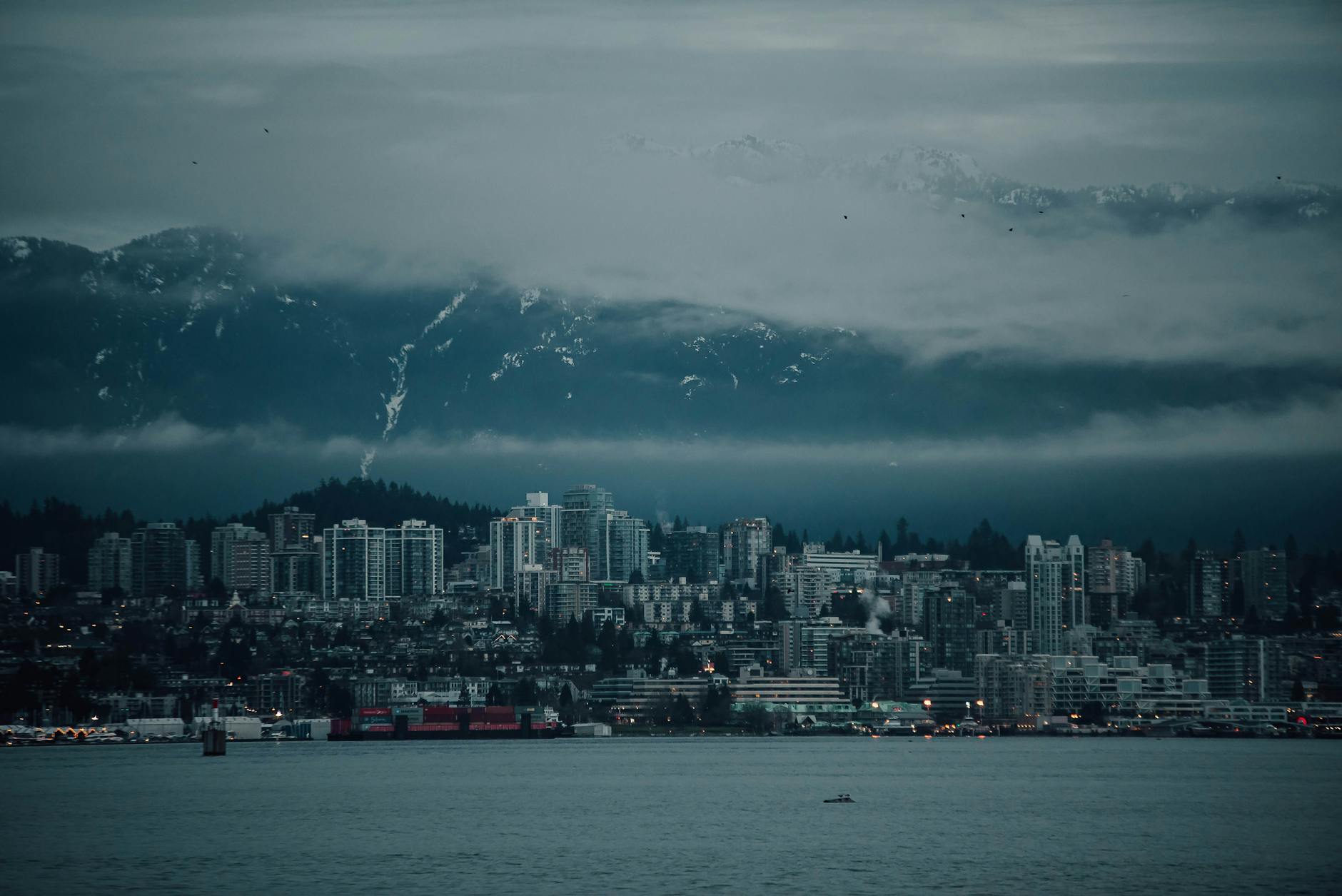
Vancouver — The Complete City Guide 2026
Mountains meet ocean in Canada’s Pacific gateway. Where morning hikes end with dim sum in Richmond and craft beer in Gastown. Yes, it rains — bring layers.
$80–140 CAD/day budget
Rain Oct–Mar ☔
CAD $
Last verified: April 2026. Every price, transit fare, and tip in this guide has been checked. Verify before you go.
In This Guide
Getting There & Around
Food & Drink
Experiences
Planning
Editor’s Note: Tourist Vancouver vs Real Vancouver
Tourist Vancouver is Stanley Park, a Granville Island market stroll, and maybe a gondola ride up Grouse Mountain. Real Vancouver is understanding that this city exists at the intersection of ocean, mountains, and rainforest — and that the Asian food scene here rivals any city in North America outside of actual Asia.
Vancouver has problems that visitors notice immediately. The Downtown Eastside has one of North America’s most visible drug crises. Housing costs have made the city unaffordable for most of its own residents. The rain is relentless from November through March. And the city can feel antisocial — “Vancouver freeze” is a real phenomenon where locals are polite but rarely warm.
But Vancouver is extraordinary. You can ski in the morning and kayak in the afternoon. The sushi is better than Los Angeles. The craft beer scene is excellent. The natural setting — glass towers against snowcapped mountains, with ocean on three sides — creates one of the world’s most photogenic cities. And the diversity, particularly the Asian-Canadian influence, shapes everything from the food to the architecture to the cultural calendar.
Come with realistic expectations about the weather and the cost. Leave with an appreciation for what a city can be when it’s built around nature rather than against it.
Getting There — YVR Airport
Vancouver International Airport (YVR) is consistently rated among North America’s best airports. Located on Sea Island, 12 km south of downtown, it’s connected by the Canada Line SkyTrain — one of the easiest airport transfers on the continent.
Canada Line (SkyTrain)
The correct choice for most travelers. Direct train from YVR to downtown Vancouver. Runs every 6-8 minutes, 5am-1am.
- Time: 25 minutes to Waterfront Station (downtown)
- Cost: $4.55-$6.35 depending on time (add $5 YVR AddFare for airport departure)
- Total from YVR: $9.55-$11.35
Pro Tip: Get a Compass Card
Buy a reloadable Compass Card at YVR ($6 deposit, refundable). It works on all transit and gives you 90-minute transfers. Without it, you’ll pay more and need exact change for buses.
Taxi & Rideshare
Taxi: Flat rate zones to downtown — $35-40 CAD depending on destination. Taxi stand outside arrivals.
Uber/Lyft: Available since 2020. Typically $25-40 to downtown depending on demand. Pickup at designated rideshare zone.
YVR Tips
- International arrivals: Allow 45-90 minutes for immigration, especially from US flights
- Domestic terminal: Much faster — 20 minutes from gate to train
- The jade displays: YVR has excellent First Nations and Asian art. If you have time, it’s worth exploring
When to Visit
The Honest Weather Assessment
June-September: The only reliable good weather. Long days (sunset after 9pm in summer), warm temperatures (20-25°C/68-77°F), minimal rain. This is when Vancouver is spectacular. Hotels book up and prices peak — worth it.
October-November: The descent into grey. Rain begins, temperatures drop, but fall colors can be beautiful. Shoulder season prices.
December-March: Grey, wet, and dark. Vancouver gets 160+ rainy days per year, and most of them are now. BUT: this is ski season. Whistler and the North Shore mountains have excellent snow while the city stays above freezing.
April-May: Improving but unpredictable. Cherry blossoms (late March-early April) are stunning. Rain still common.
Warning: “Raincouver” Is Real
If you visit November-March expecting anything other than grey skies and drizzle, you will be disappointed. The locals joke that Vancouver has two seasons: green and grey. Plan outdoor activities for the morning (often clearer) and have indoor backup options.
Events & Peak Times
Cherry Blossom Festival (late March-April): 40,000+ cherry trees bloom. Stunning, crowded.
Canada Day (July 1): Major celebrations at Canada Place. Book hotels early.
Celebration of Light (late July-August): International fireworks competition over English Bay. The city’s biggest summer event. 400,000+ spectators over three nights.
Vancouver International Film Festival (September-October): Major film fest, good for cinephiles.
Top 12 Attractions
| Attraction | Price (CAD) | Highlights |
|---|---|---|
| Stanley Park | Free (park) | 1,000-acre urban park, seawall, totem poles, beaches |
| Granville Island | Free (market) | Public market, artisan shops, food stalls, beer |
| Capilano Suspension Bridge | $67.95 | 137m suspension bridge, treetop walk, cliff walk |
| Grouse Mountain | $75 (gondola) | Skyride gondola, hiking, skiing, wildlife refuge |
| Vancouver Aquarium | $46 | Canada’s largest aquarium, in Stanley Park |
| Gastown | Free | Historic district, steam clock, restaurants, shops |
| Museum of Anthropology | $18 | World-class First Nations art, UBC campus |
| Science World | $32.15 | Geodesic dome, hands-on science, OMNIMAX |
| Vancouver Art Gallery | $29 | Emily Carr collection, contemporary exhibitions |
| FlyOver Canada | $35 | 4D flight simulation over Canadian landscapes |
| Dr. Sun Yat-Sen Garden | $16 | First Ming Dynasty garden outside China |
| Lynn Canyon | Free | Free suspension bridge, hiking, swimming holes |
2026 Update: Attraction Prices
Capilano increased to $67.95 (was $62.95), Grouse Mountain now $75 for Skyride. Vancouver’s attractions have become significantly more expensive — budget $150-200 for a family of four for a single major attraction.
Consider Skipping: Capilano Suspension Bridge
At $67.95, Capilano is wildly overpriced for what is essentially a bridge and some platforms. Lynn Canyon has a free suspension bridge, better hiking, and actual swimming holes. Capilano is beautiful but the crowds and price make it hard to recommend. If you must do a paid attraction, Grouse Mountain offers more (gondola, hiking, wildlife, views) for similar money.
Stanley Park — Complete Guide
Stanley Park is Vancouver’s crown jewel — a 1,000-acre temperate rainforest peninsula that juts into the harbour, surrounded by the seawall and framed by mountain views. It’s larger than Central Park and, frankly, more beautiful.
The Seawall
The 9km paved path circling the park is the city’s most iconic experience. Walk, run, bike, or rollerblade with ocean on one side and forest on the other.
Time: 2-3 hours walking, 1-1.5 hours biking
Direction: The seawall is one-way for cyclists (counter-clockwise). Walkers can go either direction but counter-clockwise keeps you with the flow.
Bike rentals: Spokes Bicycle Rentals and many others on Denman Street, near the park entrance. $8-15/hour, $30-50/day.
Pro Tip: Start at Second Beach
Most people start at Coal Harbour and hit the crowds immediately. Start at Second Beach (drive or bus) and go clockwise as a pedestrian — you’ll have the best sections (Siwash Rock, Prospect Point) less crowded and can finish at the totem poles.
Highlights
Totem Poles at Brockton Point: Nine totem poles representing different First Nations. Free. The most photographed spot in BC.
Prospect Point: Highest point in the park. Views of Lions Gate Bridge, the North Shore mountains, and passing ships. Café on site.
Siwash Rock: Sea stack off the seawall, featured in Indigenous legend. Beautiful at sunset.
Third Beach: The locals’ beach. Less crowded than English Bay, stunning sunset views.
Beaver Lake: Interior forest lake with lily pads and actual beavers. Peaceful escape from the seawall crowds.
Vancouver Aquarium
Canada’s largest aquarium, located inside Stanley Park. $46 adults, $27 children. Good for families, especially on rainy days (which is most days October-April).
Controversial note: The aquarium no longer keeps cetaceans (whales, dolphins) after public pressure. They now focus on rescue, rehabilitation, and smaller marine life.
Granville Island
A former industrial peninsula transformed into Vancouver’s most popular destination. The Public Market is the draw, but there’s also theatres, breweries, artisan studios, and a good marina vibe.
Granville Island Public Market
Open daily 9am-6pm. Free to enter. The market has been operating since 1979 and remains genuinely good — it hasn’t been completely overrun by tourist tat.
What to eat:
- Lee’s Donuts: Honey-dipped donuts that have achieved cult status. Cash only. Get there early — they sell out.
- Oyama Sausage Co: European-style cured meats. The Hungarian salami is excellent.
- Siegel’s Bagels: Montreal-style wood-fired bagels. The only proper bagels in Vancouver.
- Stock Market: Soup and stock. Perfect for a rainy day.
- Stuart’s Bakery: Pecan sticky buns.
Skip This: Weekend Afternoons
The market on a Saturday afternoon is chaos — you’ll spend more time queueing than eating. Visit weekday mornings for the actual market experience. Weekends are for the tourists who didn’t read this guide.
Beyond the Market
Granville Island Brewing: BC’s first microbrewery (1984). The taproom does flights and tours. Not the best brewery in Vancouver anymore, but historically significant.
Kids Market: If you have children, this indoor market of toy shops and play areas will eat up hours.
Arts Umbrella / Emily Carr University: Public galleries with student and professional work.
Getting There
Aquabus or False Creek Ferries: Small ferries from downtown (Hornby Street dock, David Lam Park, Science World). $4-6, runs frequently. Much more fun than the bus.
Bus: #50 from downtown. Functional but boring.
Driving: Don’t. Parking is a nightmare.
North Shore Mountains
The mountains visible from downtown are not just scenery — they’re accessible. Within 30 minutes of the city centre, you can be hiking through alpine meadows or skiing down a black diamond run.
Grouse Mountain
The most accessible mountain, visible from downtown with its gondola line cut into the forest.
Skyride (gondola): $75 round-trip, includes access to mountaintop attractions. 8-minute ride with stunning views.
Summer: Hiking, wildlife refuge (grizzly bears!), lumberjack shows, ziplines, paragliding.
Winter: Night skiing (lifts run until 10pm), skating rink, sleigh rides. It’s small but convenient — locals come after work.
Pro Tip: Grouse Grind
The “Grouse Grind” is a 2.9km trail straight up the mountain — 853m elevation gain, nicknamed “Nature’s Stairmaster.” Takes 1-2 hours depending on fitness. Free to hike up, but you must take the Skyride down ($20 one-way). It’s a rite of passage for Vancouverites. Not for casual walkers.
Cypress Mountain
Larger than Grouse, with better skiing terrain. Hosted snowboarding and freestyle skiing during the 2010 Olympics.
Winter: 53 runs, 600m vertical. Day pass ~$90-110. Better for intermediate/advanced skiers than Grouse.
Summer: Hiking to Black Mountain, Howe Sound Crest Trail access. Free parking, free hiking.
Seymour Mountain
The locals’ mountain — less crowded, more affordable, better for families and beginners.
Winter: Day pass ~$65-75. Good terrain park, night skiing.
Summer: Mount Seymour Provincial Park has excellent hiking. Dog Mountain trail is family-friendly with alpine lake.
Lynn Canyon Park
The free alternative to Capilano. A suspension bridge (shorter than Capilano but still impressive), hiking trails, and the 30 Foot Pool — a natural swimming hole where locals cool off in summer.
Cost: Free. The Ecology Centre is $8.
Lynn Canyon vs Capilano: Capilano has the longer bridge and more manicured experience. Lynn has free entry, better hiking, and feels more authentically wild. If you only have time for one, Lynn provides better value unless you’re specifically seeking the “Instagram bridge” experience.
Neighborhoods
Downtown
The glass-tower core, walkable and well-connected by transit. Canada Place, the convention centre, and cruise ship terminal are here. Robson Street is the main shopping drag — chain stores and international brands. Functional but not Vancouver’s most interesting area.
Gastown
Vancouver’s oldest neighborhood, centred on the famous steam clock. Victorian buildings now house boutiques, restaurants, and bars. The aesthetic is exposed brick and Edison bulbs. Good for an evening out, though it borders the Downtown Eastside — the transition can be jarring.
Must visit: The steam clock (kitschy but required), Water Street shopping, L’Abattoir or Pidgin for dinner.
Chinatown
One of the largest Chinatowns in North America, though it’s struggling. Many businesses have closed as the Chinese-Canadian community has dispersed to Richmond and the suburbs. The Dr. Sun Yat-Sen Garden is beautiful ($16). Keefer Street has newer cocktail bars and restaurants doing interesting things.
Warning: Downtown Eastside
The blocks around East Hastings and Main Street have North America’s most concentrated open drug scene. This is directly adjacent to Chinatown and Gastown. It’s generally safe to walk through but can be confronting. Don’t leave valuables visible in cars parked in the area. The situation is a tragedy, not a tourist attraction.
Yaletown
Former warehouse district turned upscale. Converted loading docks now hold restaurants and boutiques. It’s where young professionals live and where the brunch scene happens. David Lam Park has nice waterfront access.
Kitsilano (Kits)
Beach neighborhood on the south side of English Bay. Yoga studios, organic groceries, athletic wear — very Vancouver. Kitsilano Beach has spectacular views back to downtown and the mountains. 4th Avenue has good shopping and restaurants.
Commercial Drive (The Drive)
Vancouver’s bohemian heart. Italian roots now mixed with hipsters, activists, and artists. The city’s best independent coffee shops, used bookstores, and ethnic restaurants. Less polished than other areas — that’s the appeal.
Main Street / Mount Pleasant
The trendy alternative to Gastown. Breweries (Brassneck, Main Street Brewing), independent boutiques, brunch spots. This is where creative-class Vancouver shops and drinks. Less touristy than Gastown, more interesting than Yaletown.
Richmond
Technically a separate city, but connected by Canada Line (20 minutes from downtown). This is where Vancouver’s Chinese-Canadian community actually lives and eats. The food — dim sum, Cantonese seafood, hot pot, Taiwanese — is better here than anywhere in the city proper. If you care about Asian food, you must visit Richmond.
Vancouver Food
Vancouver’s food scene is defined by three things: Asian immigration (particularly Chinese, Japanese, and Korean), Pacific seafood, and farm-to-table Canadian cuisine. The city punches well above its weight for a metro of 2.5 million.
What Vancouver Does Best
Sushi: Vancouver has arguably the best sushi in North America outside Japan. The Japanese-Canadian community is large and demanding. Even mid-range places serve quality you’d pay double for elsewhere.
Dim Sum: Richmond specifically has dim sum that rivals Hong Kong. The Cantonese population is substantial and the competition fierce.
Seafood: Spot prawns (May-June season), salmon, halibut, Dungeness crab, geoduck. Pacific Northwest seafood is excellent and relatively affordable.
Farm-to-Table: BC’s agricultural valley supplies excellent produce. The locavore movement is strong here.
Where to Eat by Budget
Cheap Eats ($10-20):
- Japadog: Japanese-style hot dogs. Oroshi (grated daikon) and teriyaki chicken are signatures. Multiple locations.
- Peaceful Restaurant: Northern Chinese hand-pulled noodles. Get the dan dan noodles.
- Phnom Penh: Vietnamese-Cambodian in Chinatown. The butter beef and chicken wings are legendary.
- Sal y Limón: Mexican. The tacos are legit.
Mid-Range ($25-50):
- Miku: Aburi sushi (flame-seared). The salmon oshi is iconic. Waterfront location.
- Vij’s: Modern Indian. Inventive, delicious, no reservations (expect to wait).
- AnnaLena: Canadian contemporary. Playful, locally-sourced, consistently excellent.
- Savio Volpe: Italian. Wood-fired, rustic, excellent cocktails.
Splurge ($80+):
- Tojo’s: The master. Hidekazu Tojo invented the California Roll here in 1974. Omakase from $150.
- Hawksworth: Vancouver’s flagship fine dining. Downtown. $150+ per person.
- Published on Main: Tasting menus, intimate space. One of Canada’s best restaurants.
- St. Lawrence: Québécois cuisine. Tourtière, poutine, sugar pie elevated to fine dining.
Michelin 2026
Michelin arrived in Vancouver in 2022. The 2026 guide includes:
- 2 Stars: Published on Main
- 1 Star: Tojo’s, St. Lawrence, Masayoshi, iDen & QuanJuDe, Burdock & Co, Kissa Tanto, AnnaLena, Pidgin
- Bib Gourmand: Phnom Penh, Savio Volpe, Maenam, Cioppino’s, and others
Asian Food Deep Dive
Vancouver’s Asian food scene is extraordinary. The Chinese-Canadian population (particularly Cantonese from Hong Kong) is large enough to support restaurants that would thrive in Asia. This is not “adapted for Western palates” food — this is the real thing.
Richmond: The Essential Destination
Take the Canada Line to Richmond (20-25 minutes from downtown). The area around Aberdeen Centre and Richmond Centre malls has the highest concentration of Asian restaurants.
Dim Sum:
- Dynasty Seafood: High-end, cart service, excellent har gow.
- Chef Tony: More modern style, quality ingredients.
- Fisherman’s Terrace: Huge, reliable, classic experience.
Pro Tip: Dim Sum Timing
Arrive by 10:30am or expect to wait 30-60 minutes on weekends. Dim sum is lunch, not dinner — most places stop cart service by 3pm. Bring cash for parking (lots, not street).
Cantonese Seafood:
- Sea Harbour: Live tanks, exceptional quality. Point at what you want.
- Golden Paramount: Less touristy, excellent lobster.
Other Richmond Highlights:
- HK BBQ Master: Roast duck and pork. Under $15 for a full meal.
- Gami: Korean fried chicken. 24-hour location.
- Dinesty: Shanghainese. Xiao long bao (soup dumplings) and dan dan noodles.
- Parker Place night market (summer): Street food, carnival atmosphere.
Japanese Beyond Sushi
Ramen:
- Marutama: Chicken-based broth, lighter than tonkotsu.
- Santouka: Tonkotsu from a famous Hokkaido chain.
- Jinya: Solid all-rounder.
Izakaya:
- Guu: Lively Japanese pub. Multiple locations. Order the kabocha croquette.
- Kingyo: More refined, excellent sake selection.
Omakase:
- Tojo’s: The master, $150+
- Masayoshi: Michelin-starred, intimate counter
- Sushi Bar Maumi: Hidden gem, exceptional value
Korean
The North Road corridor in Burnaby (adjacent to Vancouver) is Korean town.
- Sura: Traditional Korean, banchan spread.
- Damso: Modern Korean, excellent BBQ.
- Kook: Korean fried chicken, beer.
Coffee & Craft Beer
Coffee
Vancouver has excellent third-wave coffee, driven by rainy weather and a health-conscious population that needs something to do besides outdoor activities.
The Standards:
- 49th Parallel: Local roaster, multiple locations. The Lucky’s Doughnuts attached to some locations are excellent.
- Revolver: Gastown. Rotating roasters, serious about coffee. The space is beautiful.
- Matchstick: Chinatown. Quality beans, good food menu.
- Nemesis: Main Street. Industrial space, excellent pastries.
- Prado: Commercial Drive. Neighborhood institution.
Craft Beer
BC has over 200 craft breweries. Vancouver proper has dozens, concentrated in a few areas.
Brewery District (Mount Pleasant/Main Street):
- Brassneck: Small batches, experimental, excellent. The passive-aggressive pumpkin ale is a classic.
- Main Street Brewing: Solid range, good patio.
- 33 Acres: Minimalist aesthetic, drinkable beers.
East Van:
- Strange Fellows: Belgian-style, interesting sours.
- Powell Brewery: “Old James” ESB is a local favorite.
- Storm Brewing: Weird and wonderful. Try the Precipice Imperial Stout.
Granville Island:
- Granville Island Brewing: The OG (since 1984). Historic but no longer the best.
Pro Tip: Brewery Crawl Route
Start at Brassneck (walkable from Main Street station), hit 33 Acres and Main Street Brewing, then Uber to East Van for Strange Fellows and Powell. 5-6 breweries in an afternoon. Eat before you start — most don’t serve food beyond snacks.
Cocktails & Wine
Cocktail Bars:
- The Keefer Bar: Chinatown. Asian-influenced cocktails, apothecary aesthetic.
- Pourhouse: Gastown. Classic cocktails, speakeasy vibe.
- The Shameful Tiki Room: Tiki in a basement. Kitsch done right.
Wine: BC’s Okanagan Valley produces excellent wine, particularly white varietals. Marquis Wine Cellars in West End is a good bottle shop for BC wines.
Outdoor Activities
Vancouver exists for outdoor recreation. The city’s identity is built on having ocean, mountains, and forests within minutes of downtown.
Hiking
Easy / Family-Friendly:
- Stanley Park Seawall: 9km, flat, paved. The default walk.
- Lighthouse Park: West Vancouver. Old-growth forest, rocky coastline. 1-2 hours.
- Pacific Spirit Park: UBC area. 73km of trails, mostly flat forested paths.
Moderate:
- Quarry Rock (Deep Cove): 4km round trip. Payoff view of Indian Arm. Very popular — go early.
- Dog Mountain: Seymour area. 5km, family-friendly, alpine meadows.
- Lynn Loop: Lynn Headwaters. 5km loop through old-growth forest.
Challenging:
- Grouse Grind: 2.9km straight up. 853m gain. 1-2 hours. Brutal but iconic.
- St. Mark’s Summit: Cypress area. 11km. Panoramic Howe Sound views.
- The Chief (Squamish): 45 minutes north. The famous granite dome. Three peaks, ladders, chains. 4-6 hours.
Water Activities
Kayaking:
- Deep Cove: Kayak rentals into Indian Arm. Calm waters, mountain backdrop. $50-80 for 2 hours.
- English Bay / False Creek: Urban kayaking. Rentals at Granville Island.
Beaches:
- Kitsilano Beach: Pool, volleyball, city views. The scene.
- English Bay: Downtown’s beach. Sunset watching.
- Third Beach (Stanley Park): Locals’ choice. Less crowded, great sunsets.
- Wreck Beach: UBC. Clothing-optional, accessed by 500+ stairs. A Vancouver institution.
Swimming note: The Pacific is COLD. Even in summer, water temperatures rarely exceed 18°C (64°F). The Kitsilano Pool (saltwater, heated) is the civilized option.
Cycling
Vancouver is bike-friendly with separated lanes throughout downtown.
- Seawall: The obvious choice. False Creek to Stanley Park and back.
- Central Valley Greenway: 24km from Science World to New Westminster. Off-road mostly.
- Bike rentals: Mobi bike-share ($12.99/day), or dedicated rental shops for better bikes.
Skiing & Snowboarding
Vancouver has three mountains within 30 minutes of downtown and Whistler — one of the world’s best resorts — two hours north. You can genuinely ski in the morning and eat sushi downtown for dinner.
Local Mountains (North Shore)
Grouse Mountain:
- Smallest of the three, most accessible
- 26 runs, 365m vertical
- Day pass: ~$80-90
- Night skiing until 10pm
- Best for: Beginners, after-work skiing, tourists
Cypress Mountain:
- Largest local mountain, hosted 2010 Olympics
- 53 runs, 610m vertical
- Day pass: ~$90-110
- Best terrain variety, good terrain park
- Best for: Intermediate/advanced skiers
Mount Seymour:
- Most affordable, least crowded
- 40 runs, 365m vertical
- Day pass: ~$65-75
- Good terrain park, family-friendly
- Best for: Beginners, families, budget-conscious
Whistler Blackcomb
2 hours north. One of the largest ski areas in North America. 8,171 acres, 200+ runs, 1,530m vertical. This is world-class skiing.
Day Pass: $200-250 (2026 prices, dynamic pricing)
Getting there:
- Drive: Sea-to-Sky Highway (Hwy 99). Stunning scenery. 2 hours without traffic, 3+ on powder days.
- Bus: Epic Rides, Skylynx. ~$40-60 round trip. 2.5 hours.
2026 Update: Whistler Prices
Whistler uses dynamic pricing — book lift tickets online in advance for better rates. Walk-up window prices can exceed $280 on peak days. The IKON Pass or Epic Pass are worth considering if you’ll ski 3+ days.
Day Trips from Vancouver
Whistler
2 hours north via Sea-to-Sky Highway. The highway itself is the attraction — winding along Howe Sound with mountain and ocean views.
Winter: World-class skiing (see above).
Summer: Mountain biking (bike park is legendary), hiking, Peak 2 Peak gondola ($75, connects Whistler and Blackcomb summits), Scandinave Spa.
The Village: Purpose-built pedestrian village. Upscale but pleasant. Good restaurants and bars.
Victoria
BC’s capital, on Vancouver Island. More British than Britain, with gardens, high tea, and colonial architecture.
Getting there: BC Ferries from Tsawwassen (35 min drive from Vancouver) to Swartz Bay (1.5 hour ferry). Total journey ~3.5 hours each way. Or float plane from Coal Harbour (35 minutes, ~$200+).
Highlights:
- Butchart Gardens: 55-acre gardens, stunning in any season. $35-45 depending on season.
- Inner Harbour: The Empress Hotel (high tea, $85+), Parliament Buildings, Royal BC Museum.
- Fisherman’s Wharf: Float homes, fish and chips, sea lions.
Pro Tip: Make It Overnight
Victoria as a day trip is exhausting — 7+ hours of travel for a few hours in the city. Stay overnight to properly explore. The ferry ride itself is beautiful (watch for orcas in summer).
Squamish
45 minutes north. “The Outdoor Recreation Capital of Canada.”
- The Stawamus Chief: Massive granite dome, hiking/climbing. Three summits.
- Sea to Sky Gondola: $65. Views of Howe Sound, suspension bridge, hiking trails at top.
- Shannon Falls: BC’s third-tallest waterfall, free, 5-minute walk from parking.
- Britannia Mine Museum: Underground mine tours. Good for kids. $35.
Bowen Island
20-minute ferry from Horseshoe Bay. A relaxed, artsy island community. Good for a half-day escape.
- Ferry: $13 round trip
- Hike Killarney Lake or Mount Gardner
- Lunch at Doc Morgan’s
- Browse Artisan Square galleries
Fort Langley
45 minutes east. Historic fur trading post with preserved buildings and “birthplace of BC” claim. Antique shops, cafes, small-town atmosphere. Good for a few hours if you have a car.
Getting Around
SkyTrain (Metro)
Three automated light metro lines covering the metro area. Clean, frequent, reliable.
- Canada Line: Airport to downtown to Richmond
- Expo Line: Downtown to Burnaby, New Westminster, Surrey
- Millennium Line: VCC-Clark through Burnaby to Coquitlam
Hours: 5am-1am (varies by line)
Fares & Compass Card
TransLink operates all public transit (SkyTrain, buses, SeaBus).
Zones: 1-zone ($3.15), 2-zone ($4.55), 3-zone ($6.05). After 6:30pm and weekends, everything is 1-zone fare.
Compass Card: Reloadable card ($6 deposit). Gives you 90-minute transfers. Get one at YVR when you arrive.
Day Pass: $11.25 unlimited travel. Worth it if you’ll make 3+ trips.
Buses
Extensive network. Compass Card works on all buses. Most useful routes for tourists:
- #19: Stanley Park loop
- #50: Granville Island
- #99 B-Line: Express along Broadway (UBC to Commercial)
SeaBus
Ferry across Burrard Inlet from Waterfront Station to North Vancouver (Lonsdale Quay). 12 minutes, runs every 15-30 minutes. Same fare as transit. Beautiful crossing.
Taxis & Rideshare
Uber and Lyft both operate (since 2020). Traditional taxis available but less convenient to hail.
Driving
You don’t need a car for downtown Vancouver. The transit is good, parking is expensive ($5-10/hour downtown), and traffic is frustrating.
Rent a car for: Day trips to Whistler, Squamish, Victoria ferry, North Shore if doing multiple activities.
Car shares: Modo and Evo are local car-share services. Good for occasional use.
Where to Stay
By Neighborhood
Downtown/Coal Harbour: Most convenient for transit and attractions. Business hotels, convention crowd. Can feel sterile.
Gastown: More character, walking distance to downtown. Boutique hotels. Some street-level challenges from adjacent DTES.
Yaletown: Upscale, quieter than downtown. Good restaurants within walking distance. Young professional vibe.
West End: Residential, walkable to Stanley Park and English Bay. Feels more like living in Vancouver than visiting it.
Kitsilano: Beach neighborhood, south of downtown. Requires transit or car to access most attractions but has its own charm.
By Budget
Budget ($80-150 CAD):
- HI Vancouver Central: Well-run hostel downtown. Dorms from $50, private rooms from $120.
- YWCA Hotel: Clean, simple, central. From $100.
- Victorian Hotel: Budget option in Gastown. Basic but functional. From $90.
Mid-Range ($200-350 CAD):
- Skwachàys Lodge: Indigenous art hotel in Gastown. Unique, meaningful, well-located. From $200.
- Opus Hotel: Yaletown boutique. Stylish, good bar. From $250.
- Loden Hotel: Coal Harbour. Excellent service, quieter location. From $280.
Luxury ($400+ CAD):
- Fairmont Pacific Rim: The best hotel in Vancouver. Waterfront, exceptional service. From $500.
- Rosewood Hotel Georgia: Historic building, restored to luxury. Downtown. From $450.
- Fairmont Hotel Vancouver: The classic grande dame. From $400.
Budget Breakdown
Vancouver is expensive. It’s one of the most costly cities in North America after New York and San Francisco.
Budget Traveler: $100-150 CAD/day
- Hostel dorm: $50-70
- Food (markets, cheap eats, one meal out): $40-50
- Transit day pass: $11.25
- Free activities (Stanley Park, beaches, neighborhoods): $0
Mid-Range: $250-400 CAD/day
- 3-star hotel: $180-250
- Mix of restaurants and casual: $80-100
- Transit/occasional Uber: $20-30
- One paid attraction: $30-70
Luxury: $600+ CAD/day
- 4-5 star hotel: $400-600
- Fine dining: $150-250
- Private transport: $50-100
- Premium experiences: $100+
Money-Saving Tips
- Lynn Canyon instead of Capilano (free vs $68)
- Dim sum in Richmond instead of downtown (half the price, better food)
- Day pass if riding transit 3+ times
- Granville Island market for meals instead of sit-down restaurants
- Vancouver Art Gallery by donation on Tuesday evenings
- Pack for weather — you don’t want to buy a rain jacket at tourist prices
Safety & Practical Information
The Downtown Eastside
Let’s be direct: the area around East Hastings Street (roughly from Gastown to Main Street) has one of North America’s most visible homelessness and drug crises. Open drug use, people in distress, and tent encampments are common.
This area is adjacent to Chinatown and Gastown — two places tourists visit. The contrast can be stark.
Safety: The area is generally not dangerous to walk through in daylight. The crisis primarily affects the people living it, not visitors. But it can be confronting and sad. Don’t leave valuables visible in parked cars.
Perspective: This is a humanitarian crisis, not a tourist hazard. The people you see are struggling with addiction, mental illness, and poverty. Vancouver’s response is harm reduction rather than criminalization — controversial but genuine attempt at compassion.
General Safety
Vancouver is generally very safe. Violent crime against tourists is rare. The main concerns:
- Car break-ins: Don’t leave anything visible. Ever. Especially not in the DTES area.
- Bike theft: Rampant. Don’t leave a bike unlocked even briefly.
- Petty theft: Normal urban awareness applies.
Health
Canadian healthcare is excellent but not free for visitors. Travel insurance is essential. A hospital visit can cost thousands.
Pharmacies (Shoppers Drug Mart, London Drugs) are widespread for minor issues.
Weather Preparedness
- Rain gear: Not optional October-April. Locals wear performance shells, not umbrellas.
- Layers: Temperatures can vary 10°C between neighborhoods and elevations.
- Sun protection: When it’s sunny, it’s intense. Especially on water or mountains.
Tipping
Canadian tipping follows US norms: 15-20% at restaurants, $1-2 per drink at bars, 15-20% for taxis.
Cannabis
Legal for adults 19+. Government stores (BC Cannabis Stores) and private retailers throughout. Can’t smoke in public parks or beaches — designated areas or private property only.
Events & Festivals 2026
Major Events
Vancouver Cherry Blossom Festival (March 25 – April 20): 40,000+ cherry trees bloom. Peak usually late March/early April. Free self-guided walks, photography events, cultural celebrations.
420 Vancouver (April 20): Cannabis celebration at Sunset Beach. Huge gathering, live music, vendors. Very Vancouver.
Canada Day (July 1): Major celebrations at Canada Place. Fireworks, concerts, crowds. Book hotels early.
Celebration of Light (July 23, 26, 30): International fireworks competition over English Bay. Three nights (different countries each night), 400,000+ spectators. The city’s biggest summer event. Go early for beach spots or book a boat.
Vancouver Pride (August 2-4): Parade on Sunday is one of Canada’s largest. Davie Village is the centre of celebrations.
Vancouver International Film Festival (September 25 – October 10): Major film festival, 250+ films. Diverse programming, particularly strong in Canadian and Asian cinema.
Halloween on Granville Street (October 31): The street becomes a massive costume party. Chaotic but quintessentially Vancouver.
Sports
Vancouver Canucks (NHL): Hockey at Rogers Arena, downtown. Season October-April. Tickets from $80+.
BC Lions (CFL): Canadian football at BC Place. Summer season.
Vancouver Whitecaps (MLS): Soccer at BC Place. March-October.
Hidden Vancouver
Secret Spots
Nitobe Memorial Garden: UBC campus. Small, exquisite Japanese garden. Less crowded than Dr. Sun Yat-Sen, equally beautiful. $7.
Cleveland Dam: North Vancouver. Free viewpoint over Capilano Lake and the mountains. The dam supplies Vancouver’s drinking water — some of the best tap water in the world.
VanDusen Botanical Garden: 55 acres of themed gardens. Gorgeous in any season. Less famous than Butchart but easier to access. $12.
Wreck Beach: Clothing-optional beach below UBC, accessed by 500+ stairs. A genuine Vancouver institution since the 1970s. Food and drink vendors on the beach.
Sam Kee Building: World’s narrowest commercial building (4.86 feet wide). Chinatown, at 8 West Pender. Spite architecture.
Bloedel Conservatory: Queen Elizabeth Park. Geodesic dome with tropical birds. $8. Excellent views of the city.
Local Experiences
Granville Island market before 10am: When locals actually shop. Different energy than weekend tourist crowds.
Sunday dim sum in Richmond: The authentic experience. Entire families, cart service, the real deal.
Drive-thru at Dairy Queen on Kingsway: Weird but true — this particular DQ is a local late-night institution.
Commercial Drive on a Saturday: Farmers market, café culture, people-watching. The real bohemian Vancouver.
Vancouver with Kids
Best Attractions for Families
Science World: The geodesic dome on False Creek. Hands-on exhibits, OMNIMAX theatre. Half-day minimum. $32.15 adults, $22.15 kids.
Vancouver Aquarium: Stanley Park. Good for rainy days. Jellyfish exhibit and sea otter feedings are highlights. $46 adults, $27 kids.
Capilano Suspension Bridge: Kids love it, though the price hurts. Treetop Adventure and Cliffwalk add to the experience. $67.95 adults, $30 kids.
Grouse Mountain: Summer has wildlife refuge (grizzly bears!), lumberjack shows, and a playground. Winter has ice skating. $75 Skyride (kids discounted).
Granville Island Kids Market: Indoor market of toy shops, art studios, play areas. Kids can spend hours. Adjacent to the main market.
Free Options
Stanley Park: Seawall cycling, Second Beach pool (summer), playgrounds, beaches.
Lynn Canyon: Free suspension bridge, easy trails, swimming holes in summer.
Lonsdale Quay: SeaBus ride is an adventure. Market has kids’ activities.
Beaches
Kitsilano Beach: Has a saltwater pool (heated, summer only). $6.60 adults, $4.65 kids.
Second Beach (Stanley Park): Pool and playground combo.
Note: Ocean water is cold year-round. Kids will want to swim; the ocean will disagree. The pools are the solution.
Romantic Vancouver
Experiences
Sunset at Third Beach: Stanley Park’s quietest beach. Bring wine (technically not allowed, but everyone does it).
Seawall walk at dusk: Coal Harbour section has mountain views and reflection pools.
Grouse Mountain Skyride at sunset: The views of the city lighting up are spectacular. Expensive but memorable.
Kayaking at sunset: Deep Cove or English Bay. Guided tours available.
Restaurants
Ancora: Waterfront seafood in False Creek. Beautiful views, Peruvian-Japanese fusion.
Miku: Aburi sushi with harbour views. The salmon oshi by sunset is iconic.
The Botanist: Fairmont Pacific Rim. Elegant room, exceptional cocktails.
L’Abattoir: Gastown. Exposed brick, excellent wine, French-inspired cuisine.
Hotels
Fairmont Pacific Rim: Waterfront views, rooftop pool, exceptional service.
Wedgewood Hotel: Intimate boutique in downtown. Old-world elegance.
Wickaninnish Inn (Tofino): If you can extend the trip — 4 hours to Vancouver Island’s wild west coast. Storm watching, hot tubs overlooking the Pacific. Bucket list.
FAQ
Is Vancouver worth visiting in winter?
For skiing, yes. For anything else, be prepared for grey skies and rain November-March. The city functions fine, but the wow factor of the scenery is diminished when you can’t see the mountains through clouds. Spring (late April-May) and fall (September-October) offer shoulder-season value with better weather odds.
Do I need a car?
Not for the city. Transit (SkyTrain, buses) handles downtown and most tourist areas well. Rent a car only for day trips to Whistler, Squamish, Victoria ferry, or extensive North Shore exploration.
Is Capilano worth the price?
Honestly? It’s overpriced. The bridge is impressive, but $68 for a bridge and some platforms is steep. Lynn Canyon offers a free suspension bridge and better hiking. If budget matters, skip Capilano and do Lynn Canyon + Grouse Mountain instead — more variety for similar money.
Where should I eat Asian food?
Richmond. Specifically, the area around Aberdeen Centre and Richmond Centre malls. Take the Canada Line (20-25 minutes from downtown). The dim sum and Chinese food there is genuinely excellent — better than anything in downtown Vancouver.
How bad is the rain really?
Bad. Vancouver gets 160+ days of precipitation per year, mostly November-March. It’s not usually heavy rain — more often a persistent drizzle. Locals call it “Raincouver” for a reason. Pack a waterproof jacket (not an umbrella — too much wind). Accept that some plans will be weather-dependent.
Is the Downtown Eastside dangerous?
It’s not dangerous in the sense of tourists being targeted. It is confronting — open drug use, people in crisis, tent encampments. The area is adjacent to Chinatown and Gastown. Walk through if needed during the day, but don’t expect it to feel comfortable. It’s a humanitarian crisis, not a safety threat.
What’s the best day trip?
Depends on interests. Whistler (2 hours) for mountains, skiing, or summer hiking. Victoria (3.5 hours including ferry) for a different vibe — very British, with gardens and high tea. Squamish (45 minutes) for outdoor activities without the Whistler prices. The Sea-to-Sky Highway to Whistler is scenic enough to be the attraction.
Should I do Whistler as a day trip?
You can, but staying overnight is better. The drive is 2 hours each way (longer on powder days or summer weekends). A day trip means 4+ hours of driving for a few hours on the mountain. If possible, stay one night in Whistler to maximize your time.
Cheapest Flights to Vancouver
We track flight deals to Vancouver from 5 cities worldwide. Here are the best recent fares:
Flight Deals from Vancouver
Looking for cheap flights departing Vancouver? Here are deals to 3 destinations:
Prices are based on recent deals and may no longer be available. Browse all flight deals
More deals you might like
 Montreal Guide 2026 — Poutine, Bagels, Smoked Meat, Festivals & the Most European City in North America
 San Francisco, USA — City Guide 2026
 Kyoto Guide 2026 — Temples, Gardens, Geisha Districts & Traditional Japan
 Cape Town Guide 2026 — Table Mountain, Winelands, Bo-Kaap, Robben Island & Africa’s Most Beautiful City