Liberia Daniel Oduber Quirós Airport (LIR) — The Complete Master Guide 2026
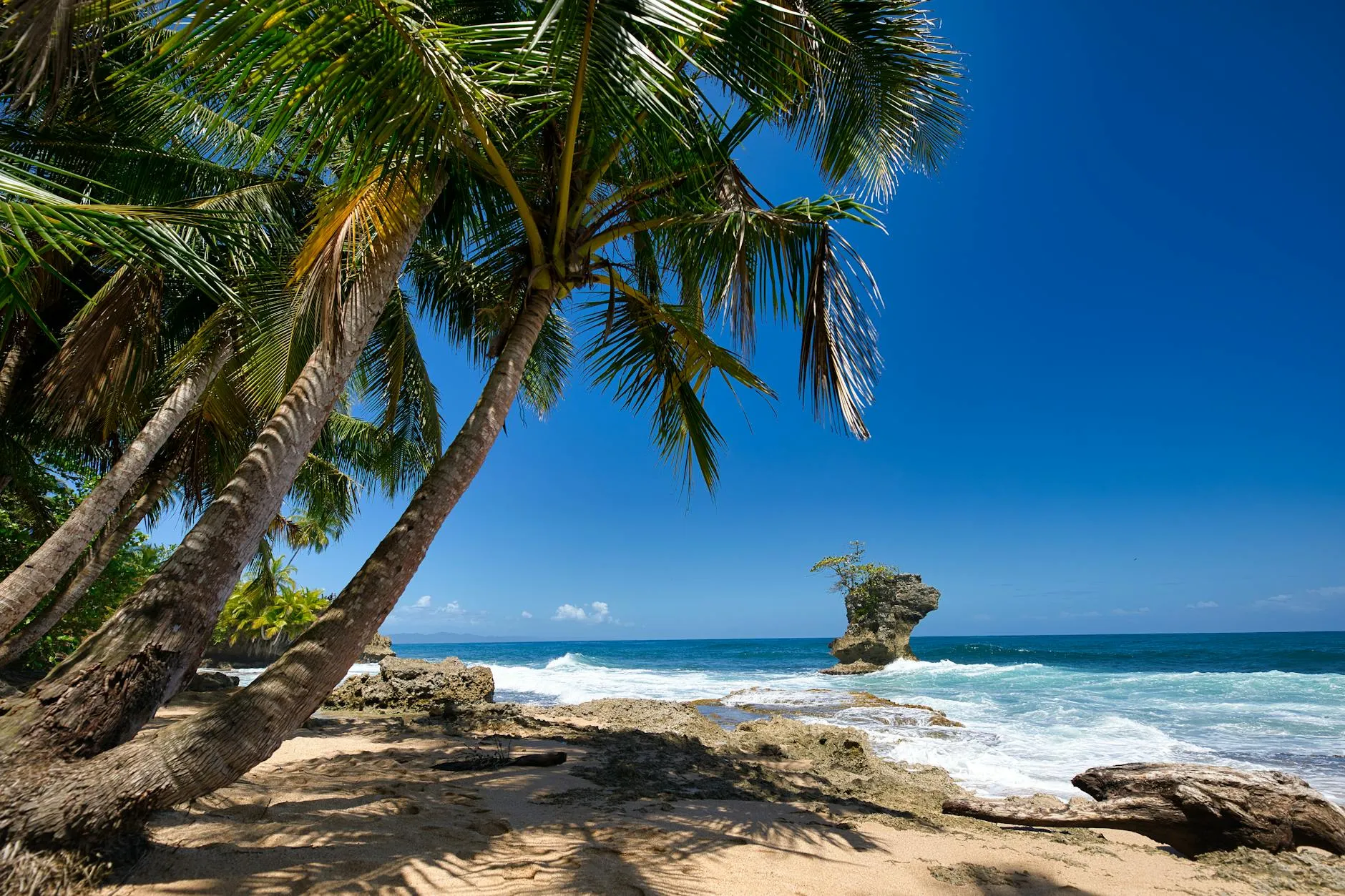
The gateway to Costa Rica’s Guanacaste Pacific Coast: Tamarindo, Playa del Coco, Papágayo, Conchal, Flamingo and the dry tropical forest. LIR is the country’s second-largest international airport and the preferred entry point for the Pacific beach belt, beating San José (SJO) on transfer time by 4–5 hours. The 180-day visa-free entry is one of LATAM’s longest, USD is widely accepted, and the post-2024 expansion added a new pier for the surge in US-Canadian winter traffic.
⚡ 2026 Quick Reference — Key Facts at a Glance
Expanded multiple times · latest pier added mid-2020s · 8 contact gates
30–75 min · closer than any other Costa Rica resort airport
Costa Rican Colón (CRC) · ~510 per USD · USD widely accepted in tourist Guanacaste
~US$30–90 · flat zone-based at the desk
Often included · Papágayo / Tamarindo / Conchal resort transfers
180 days for EU/UK/US/CA/AU/NZ · among LATAM’s longest
Generally safe in Costa Rica · resorts use filtered
Collapsed May 2026 · JetBlue/Frontier absorbed
🏢 1. The Single Terminal & the Guanacaste Surge
LIR (Daniel Oduber Quirós International Airport, named after the late Costa Rican president) opened as a domestic facility in the 1970s and was upgraded to full international status in the mid-1990s. Multiple phased expansions through the 2010s and 2020s (latest pier added in the mid-2020s) have grown the terminal from a small commuter facility to Costa Rica’s second-busiest airport, processing ~1.5–2 million passengers a year. The country’s post-pandemic eco-tourism surge concentrated in Guanacaste, and LIR rode that wave.
🛫 Single Terminal — US/Canada Heavy
Airlines: JetBlue (heavy seasonal Dec–Apr from JFK, FLL, BOS), American (DFW, MIA, CLT daily; PHL seasonal), Delta (ATL, MSP seasonal), United (IAH, EWR, ORD seasonal), Southwest (FLL, BWI, HOU seasonal since 2023), Air Canada (YYZ, YVR seasonal), WestJet (Toronto, Calgary), Avianca, Aeroméxico, plus various charter carriers and Frontier/Allegiant on the budget tier (Spirit’s former routes).
Layout: Single concourse with 8 contact gates plus 4 remote stands. Walk time check-in to furthest gate: 5–10 minutes. International and domestic share the same security checkpoint.
📥 Spirit Airlines Collapse & Winter-Heavy Seasonality
Spirit Airlines collapsed in May 2026. Pre-collapse, Spirit ran daily FLL/EWR/MIA–LIR rotations carrying budget eco-tourists. JetBlue and Frontier absorbed most of Spirit’s budget market; Allegiant and Southwest (which started LIR in 2023) picked up the rest. US–LIR fares are 15–25% higher in mid-2026 than the Spirit-era floor.
Winter-heavy seasonality: LIR’s December–April high season sees 3–4x more daily flights than the May–November shoulder/wet season. Many seasonal-only routes (e.g., Air Canada Halifax, Delta Minneapolis) drop entirely outside winter.
Most travellers heading to Guanacaste beaches (Tamarindo, Papágayo, Conchal, Flamingo, Playa Hermosa) pick LIR over SJO (San José) because the LIR-to-resort transfer is 30–90 minutes; SJO-to-Guanacaste is 4–5 hours through mountainous terrain. SJO works better for the Central Valley itinerary (Arenal, Monteverde, Manuel Antonio Pacific) where the geography is roughly equidistant from both airports. For beaches alone — LIR. For volcanoes + cloud forest + Pacific south — SJO.
🛂 2. Visa, Colón, USD & the 180-Day Stamp
Costa Rica is one of LATAM’s most welcoming entry stamps. EU, UK, US, Canada, Australia, New Zealand and most western passports get up to 180 days visa-free on arrival — one of the longest tourist allowances in any LATAM country, alongside Panama. Currency is Costa Rican Colón (CRC); USD is widely accepted in tourist Guanacaste.
180-Day Visa-Free Stamp
EU/UK/US/CA/AU/NZ get up to 180 days visa-free on arrival, just a passport stamp. Officer at immigration enters days granted on the stamp. Politely ask for the full 180 if your itinerary needs them. Up to 180 days per calendar year. Stays beyond 180 days require leaving and returning, or applying for residency. Onward ticket is sometimes asked for at check-in — have a return or onward booking ready.
USD Widely Accepted · CRC for Local
USD is widely accepted in tourist Guanacaste — resorts, restaurants in Tamarindo/Coco/Papágayo, taxis, tours all take it at ~1–3% mark-up. Cards work in tourist establishments. For non-tourist transactions (sodas/local restaurants, public buses, smaller shops), use Costa Rican Colones (~CRC 510 per USD). ATMs at LIR dispense both CRC and (some) USD; ~CRC 2,000–3,500 in fees plus your home bank’s.
Costa Rica is not in any visa-waiver scheme requiring online pre-registration. There is no tourist VAT/IVA refund at LIR. The 13% IVA on goods is included in retail prices. Costa Rican coffee, chocolate, and craft items are duty-free standouts; we cover them in Section 5.
Costa Rica does not require a yellow fever certificate for general entry from Europe, the US, Canada or Mexico. You do need one if you’re arriving from a yellow-fever-risk country — primarily Brazil (parts), Bolivia, Colombia (Amazon), Peru (Amazon), Ecuador (Amazon), Venezuela, parts of Africa — with a connection <7 days. Vaccination should be at least 10 days before travel.
🚚 3. Transport: Tamarindo, Papágayo, Conchal & The LIR vs SJO Math
LIR is the gateway to Costa Rica’s Guanacaste Pacific beach coast. Papágayo is closest at 35 minutes north; Tamarindo is 75 minutes southwest; Playa del Coco 30 minutes north; Conchal 60 minutes; Flamingo 75 minutes. There’s no rail service (no Costa Rican airport has rail). Rental cars are common — the highways are well-maintained and signage is in Spanish/English. Uber operates in Costa Rica but with airport-pickup restrictions.
⭐ Cooperativa Taxi (Coopetransatlantica) — Flat Zone Rate
LIR has licensed cooperativa taxi desks immediately past Customs. Pay at the desk in USD, CRC, or card; get a slip; dispatcher pairs you with a marked taxi. The price is fixed by destination zone. Yellow-and-red cars only.
US$30–55
US$70–100 (75 min)
US$60–90
US$15–25
🏘️ Pre-Arranged Resort Transfer (Often Included)
Most all-inclusive packages and many independent hotels include a private resort transfer. If yours doesn’t, pre-arrange one through your hotel or trusted operators like Interbus, Easy Ride, or Tropical Tours. Pricing depends on resort distance: Papágayo US$45–75, Tamarindo US$80–120, Conchal US$70–100. Don’t book at the airport — pre-arranged is 30–50% cheaper than airport-purchased.
🚗 Rental Car — The Independent-Traveller Default
Costa Rica is one of the most rental-friendly countries in LATAM for road-trip travel. The major rental agencies (Avis, Budget, Hertz, Enterprise, Alamo, Thrifty, Europcar) all have desks at LIR. Mandatory liability insurance (Costa Rican law) adds US$15–30/day to advertised rental rates — budget for it. 4WD recommended for many beach-access roads (especially in wet season May–Nov). Pre-book online; airport-walk-in rates are 50–100% higher.
📱 Uber, InDriver & the Restricted Airport Pickup
Uber and InDriver operate in Costa Rica but the legal status is grey, and both face airport-pickup restrictions at LIR. The cooperativa has political muscle that limits ride-hailing at the terminal. For the airport-to-resort run, the cooperativa or pre-arranged shuttle is your reliable option. Once at your resort, Uber and InDriver work for trips around Tamarindo, Papágayo, Coco and Liberia town.
Costa Rica’s wet season runs May to November, with September–October being the wettest. Beach-access roads can flood in heavy rain; some Papágayo / Península routes get cut off briefly. The dry season (December–April) is the high-tourism wave with consistent sunshine, harder beach access, and higher prices. May/June and November are shoulder months — better deals, occasional rain.
🛍️ 4. Lounges: VIP Lounge LIR, Status Tier
LIR’s lounge offering is modest given its tourist scale: the VIP Lounge LIR (paid walk-in), plus the American Admirals Club for AA passengers. No Plaza Premium-branded option as of mid-2026, though a Priority Pass-eligible expansion is reportedly part of the medium-term master plan.
✨ VIP Lounge LIR (international airside, paid walk-in)
~US$453-hour stay
Priority Pass (some networks) · LoungeKey · paid walk-in · check current network status
05:00–22:00 daily
Yes / Limited
✈️ American Admirals Club (status / Citi/Amex Plat)
oneworld Sapphire/Emerald, AAdvantage Executive Platinum, Citi/AAdvantage Executive cardholders, Amex Platinum on same-day AA flight. International airside. Smaller than VIP Lounge LIR; coffee is similar; food slightly less Costa Rican. 05:30–19:30. Most useful during the morning American DFW/MIA/CLT wave.
✨ Delta Sky Club (seasonal, status only)
SkyTeam Elite Plus, Delta One/Premium Select on same-day Delta flight. Often operates only seasonally during the Dec–Apr Delta ATL/MSP daily wave; verify before relying on it. Smaller than VIP Lounge LIR.
Many Papágayo / Tamarindo all-inclusive packages now include a resort welcome lounge with departure pickup — you have a final breakfast at the resort, then transfer arrives 3 hours before flight. If you’ve booked an all-inclusive, the lounge math may not matter; you’ll arrive at LIR 90 minutes before flight, breeze through security, and board. The VIP Lounge LIR matters more if you’re a flexible-time independent traveller.
🥩 5. Food & Duty-Free: Gallo Pinto, Imperial & Coffee
Gallo Pinto (the ‘spotted rooster’: rice and black beans cooked together with peppers, onion and Salsa Lizano) is Costa Rica’s national breakfast dish. Served with eggs, plantain, and queso fresco. The LIR food court does it for ~US$8–12 a plate. Order it for breakfast on departure day. The McDonald’s and Burger King are at the same food court — you can have those anywhere; gallo pinto is the Costa Rica you came for.
Costa Rica grows excellent specialty coffee — the Tarrazú (San José province) and Volcán Poás slope plantations are renowned. The LIR food court has Café Britt and Café Tarrazú stands doing proper Costa Rican single-origin for US$3–5 a cup. Order a café chorreado (filtered through a sock-bag, the rural traditional method) for the most authentic experience. The LIR airport coffee is genuinely good; skip the Starbucks two doors down.
Café Britt — the country’s most famous coffee export — at duty-free for US$10–25 a 340g bag. The Tarrazú single-origin is the splurge. Ron Centenario (Costa Rican rum) at US$15–30 a litre. Imperial beer (the iconic Costa Rican lager) by the 6-pack at US$8–12. Costa Rican chocolate from Sibu and Caribeans Coffee at US$8–15 a bar. Pura Vida-themed souvenirs — t-shirts, magnets, hammocks — are widely available; the airport prices are 50–100% higher than tourist markets in Tamarindo or San José.
Imperial is Costa Rica’s defining national lager; Pilsen is the slightly upmarket alternative. Both at the LIR food court for ~US$3–5 a bottle. Try one before you leave — the Imperial Light is the daytime beach default. Pair with patacón (fried green plantain).
💡 6. Insider Tips: Pure Vida, Eco-Tax, Cash & Wildlife
“Pura Vida” (pure life) is Costa Rica’s national greeting, philosophy, and frequent reply to questions. Costa Ricans (Ticos) are universally regarded among LATAM’s most welcoming hosts; the country has a strong eco-tourism conservation ethic and a robust national parks system. The general traveller experience is friendly, with low-pressure tourism. The military was abolished in 1948 — you won’t see armed soldiers at LIR or anywhere in the country (except a small National Police presence at the airport).
Costa Rica protects ~25% of its land area as national parks — Rincón de la Vieja (40 minutes from LIR), Santa Rosa, Palo Verde, Marino Las Baulas (turtle nesting). National park entrance fees are typically US$15–25 per person, paid at the park entrance in cash USD or via SINAC’s online booking. You will see wildlife — howler monkeys at most beach hotels, iguanas everywhere, sloths in higher-elevation forests. Don’t feed the monkeys; they get aggressive and it’s illegal.
Costa Rica’s tap water is generally safe to drink in tourist Guanacaste, San José and the Central Valley — one of few LATAM countries where this is true (alongside Chile, Panama’s capital, urban Jamaica). Including airport washroom taps. Many visitors still prefer bottled water from habit; resorts use filtered. Hot drinks (coffee, tea) are safe regardless. For excursions to remote rural areas (deep into Península de Osa, parts of the Caribbean coast), bottled water is recommended.
For tourist Costa Rica: Airalo, Holafly, GigSky and Saily all work fine in Tamarindo, Papágayo, Conchal, San José — ~US$10–20 for 5–10 GB / 14 days. For travel beyond — Península de Osa, Tortuguero Caribbean coast, deep Monteverde — buy a local SIM. Kolbi (the state-owned monopoly until 2008, still dominant in rural areas) has the best Costa Rican rural coverage; Movistar is second. The Kolbi kiosk at LIR arrivals takes a passport and 8 minutes; ask for the “Plan Turístico” bundle (~US$15–25 for 30 days unlimited domestic data).
Costa Rica is among the safest LATAM destinations for solo female travellers, with active tourist police presence and a strong tourism-protection orientation. The Papágayo, Tamarindo, Coco, and Conchal beach belt is universally considered safe daytime; small-town friendliness is the norm. Avoid: some beach towns at night (Tamarindo’s Sunday-night strip can get rowdy with US-frat-spring-break travelers in season), and remote areas of Península de Osa solo. The single biggest rule: don’t hail street taxis; use cooperativa or pre-arranged transfers only. The LIR airport is well-policed.
Costa Rican restaurants automatically add a 10% service charge plus 13% IVA — verify your bill before adding more. Service is included; an additional 5–10% is appreciated for excellent service but not expected. Hotel porters: US$1–2 per bag. Wildlife/eco tour guides: US$10–20 per person per tour; this is genuinely appreciated. Pre-arranged shuttle drivers: US$5 per person.
❓ Frequently Asked Questions
📊 2026 Summary Data Table
| Feature | Current Data (2026) |
|---|---|
| IATA Code | LIR |
| Terminal | Single terminal, 8 contact gates · multiple phased expansions through 2010s–2020s · latest pier added in the mid-2020s |
| Distance to Papágayo / Tamarindo | Papágayo 35 min north · Tamarindo 75 min SW · Conchal 60 min · Coco 30 min · closer than any other CR airport to Guanacaste |
| Primary Currency | Costa Rican Colón (CRC) · ~510 per USD · USD widely accepted in tourist Guanacaste at 1–3% markup |
| Cooperativa taxi | US$30–55 to Papágayo/Coco · US$70–100 to Tamarindo · flat zone-based at the desk · USD/CRC/card |
| Resort transfer (private) | Often included in all-inclusive packages · otherwise US$45–120 via Interbus, Easy Ride, Tropical Tours |
| Uber / InDriver | Operate in Costa Rica but face airport-pickup restrictions at LIR · useful around the resort areas after check-in |
| Rental cars | Avis, Budget, Hertz, Enterprise, Alamo, Thrifty, Europcar all at LIR · mandatory liability insurance adds US$15–30/day · 4WD recommended for beach roads |
| Visa policy | Up to 180 days visa-free on arrival for EU/UK/US/CA/AU/NZ · among LATAM’s longest · no |
| Climate | Tropical Pacific · 28–33°C dry season (Dec–Apr) · 25–30°C wet season (May–Nov, peak Sep–Oct) · humidity 60–90% |
| Spirit Airlines status | Collapsed May 2026 · routes absorbed by JetBlue, Frontier, Allegiant, Southwest (which started LIR in 2023) |
| Tap Water | Generally safe in Guanacaste, San José and Central Valley (one of few LATAM countries) · visitors often prefer bottled (US$2–4 airside) |