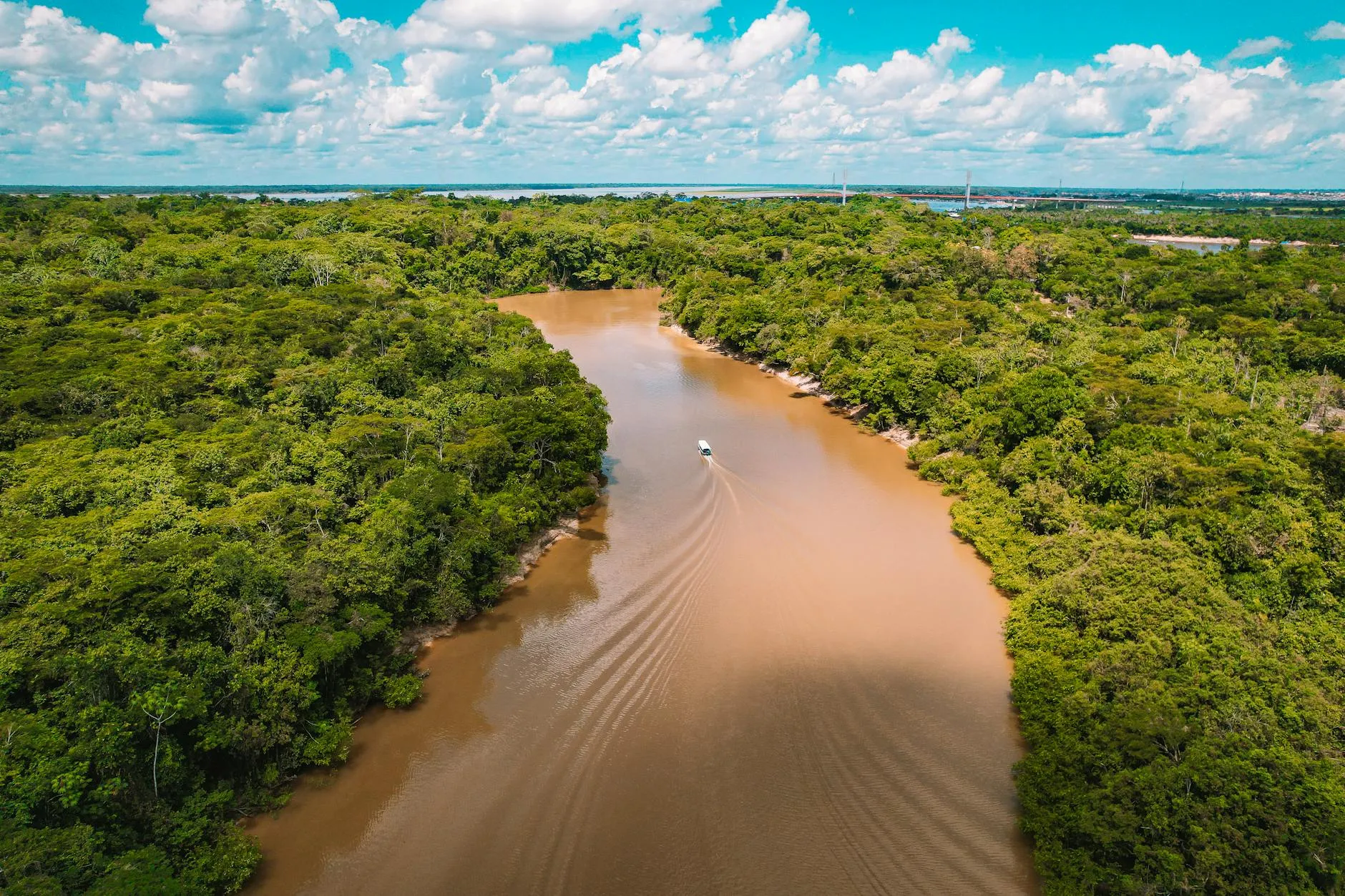
Johan Adolf Pengel International Airport (PBM) — Airport Guide 2026
Suriname’s sole international airport opened as a Pan American refuelling stop in 1928, was expanded by the United States military during World War II, and is currently mid-construction on a $205 million new-terminal project that will still be in progress when you land. In 2025 it handled 519,171 passengers — modestly above pre-pandemic levels — and the single runway that once handled the Antonov An-225 is, for now, still where every international flight into or out of Suriname operates.
Quick Reference
PBM / SMJP
Zanderij (after the nearby village)
~45 km south of Paramaribo, near Zanderij village
~70 minutes by road; no motorways
519,171 (up from 489,767 in 2024)
Single; arrival and departure halls physically separate
One, ~3.5 km — among the longest in the Caribbean basin
Surinamese dollar (SRD); ~37 SRD = 1 USD (May 2026, floating)
e-Tourist Card, USD 25 single / USD 54 multi — buy online before travel
Required only if arriving from / transiting a risk country
~80 SRD / ~USD 30; agree the fare before boarding (no meters)
~USD 14, 4 departures/day at 05:30, 08:00, 15:30, 17:00
Sabaku Lounge (airside, upper level) — no Priority Pass
05:30–23:00 / USD 20–40
Avis, Budget, Europcar
Dutch (official); Sranan Tongo (everyday creole)
Generally potable in Paramaribo
Level 1 — normal precautions (US/Canada/Australia rating)
🏛️ Terminal, History, and the Zanderij Question
PBM runs on a single terminal, and its defining inconvenience is that the arrival and departure halls are not connected airside. You clear into one building on arrival; on a future outbound trip you check in at another. Plans to bridge them with airbridges existed as of 2026 — they remain apart. If you’re meeting someone, agree on which building before you land.
The formal name is Johan Adolf Pengel International Airport, honouring a former Surinamese prime minister. Nobody calls it that.
🏷️ “Zanderij” is what you’ll hear
The name on your ticket reads Johan Adolf Pengel; every taxi driver, local resident, and piece of informal signage says “Zanderij” — the village the airport sits beside, and its name since 1928. These are the same airport. Don’t let the discrepancy add confusion to a 70-minute ride.
The airport opened in 1928 as a Pan American refuelling stop on the Miami–Paramaribo mail route. The United States expanded it heavily during the Second World War as a Lend-Lease transit base — the first American forces arrived on 30 November 1941 — routing supplies onward to England. Amelia Earhart passed through in 1937 on her final round-the-world attempt; Princess Juliana of the Netherlands landed in 1943; and in 1972 KLM put the first Boeing 747 wide-body ever to reach South America down on this runway.
The airport’s worst entry is 7 June 1989, when Surinam Airways Flight 764 crashed on approach to Zanderij, killing 176 of the 187 people aboard — many of them Surinamese-Dutch footballers and dual nationals flying home from the Netherlands. It remains the deadliest aviation disaster in Surinamese history, and it explains something of the weight the diaspora traffic through Amsterdam carries.
PBM handled 519,171 passengers in 2025, up from 489,767 in 2024 and 464,222 in 2023, with 3,359 aircraft movements in 2025. Traffic is heavily seasonal and diaspora-driven: Dutch school holidays and the year-end period are the peaks, when the Amsterdam flights fill and the single terminal presses against its limits.
The single runway runs roughly 3.5 km — long enough to have handled the Antonov An-225, the heaviest cargo aircraft ever built, and among the longest in the Caribbean basin. The last major upgrade before the current project completed around 2017: new arrival lounges, a commercial centre, a repaved runway, renovated aircraft platforms, and updated lighting. A $205 million expansion is underway — a new terminal and a 2.7-km parallel taxiway. The timeline on projects this scale in a small economy tends to stretch; treat any “new terminal” signage as a work in progress rather than a finished product.
✈️ Airlines at PBM in 2026
- KLM — Amsterdam (the long-haul European link)
- Surinam Airways (SLM) — Amsterdam, Miami, Aruba, Barbados, Belém, Cayenne, Curaçao, Georgetown
- Copa Airlines — Panama City (the main connecting bank for the rest of the Americas)
- Caribbean Airlines — Port of Spain (Georgetown route ends 1 June 2026)
- Fly All Ways — Georgetown, Havana, Santiago de Cuba, Camagüey
- Gol — Belém
- Trans Guyana Airways — Georgetown
- Sky High Dominicana — Santo Domingo (launched April 2026)
From outside the Americas, the realistic options are KLM via Amsterdam or Copa via Panama City. Sky High Dominicana’s April 2026 Santo Domingo launch is the one genuinely new routing — a link into the Dominican Republic and onward Caribbean connections that didn’t exist before. Surinam Airways’ Amsterdam and Miami flights carry the bulk of the diaspora traffic; the Netherlands hosts a Surinamese community larger than some Surinamese cities, and those Amsterdam departures are consistently the busiest the airport runs.
🛂 Border, Visa, and Fees
The e-Tourist Card
Suriname replaced visa-on-arrival with an online card, and the part that catches people out is that you cannot buy it at the airport.
⚠️ Buy the e-Tourist Card before you fly
The e-Tourist Card cannot be purchased at PBM. Apply through the VFS Global portal at least a few days out — processing takes 24–72 business hours. Arriving without it risks being refused boarding at your departure airport or denied entry at PBM. Carry a printed confirmation.
Most visitors from North America, Europe, and elsewhere need the e-Tourist Card, applied for in advance through the VFS Global portal (the Surinamese government’s authorised partner). As of 2026:
- Single entry: USD 25, valid 3 months from issue, allows a stay of up to 90 days
- Multiple entry: USD 54, valid one year
- Documents required: passport valid 6+ months, a passport-style photo, a bio-data page scan, and a return/onward ticket
- Processing: typically 24–72 business hours; pay by Visa or Mastercard
Citizens of CARICOM member states and the Netherlands can enter without the card for short stays — a reflection of Suriname’s history as a Dutch territory and Caribbean Community member, and the reason so much PBM traffic consists of Dutch-passport-holding Surinamese visiting family. Verify your nationality’s status on the official VFS portal before assuming exempt; the list is specific and changes.
💵 Currency — The Surinamese Dollar
The Surinamese dollar (SRD) replaced the old Surinamese guilder on 1 January 2004 at a rate of 1 SRD to 1,000 guilders — a redenomination forced by hyperinflation that had already hollowed out the old note. The fact that the country has already lopped three zeros off its money once this century tells you something about the texture of the place: prices are large numbers, ATMs dispense thick stacks, and the currency has a history of moving.
Notes in circulation run 5, 10, 20, 50, 100, 200, and 500 SRD. The 200 and 500 denominations were added on 23 March 2024, specifically to shorten ATM queues and cut the wads of low-value paper that renewed inflation had made necessary. As of late May 2026 the rate sits around 37 SRD to 1 USD, having traded in the high-36 to high-37 band through the month. A coffee runs into the tens of SRD; a taxi fare into the dozens — the figures look alarming until you divide by 37.
The SRD was centrally pegged from 2004 to 2021, which sustained a thriving parallel exchange market. The currency was floated in June 2021 with a 33% devaluation, and by mid-2022 the official rate began tracking the real market rate. The wide official/street gap that older guides warn about has largely closed under the float. You’ll still get a better rate exchanging USD or EUR at a licensed cambio in town than at the airport counter, and many hotels and tour operators quote in USD outright. There’s an ATM and currency exchange landside at PBM, so you can settle a taxi or acquire last SRD before clearing security. Bring clean, undamaged USD notes in small denominations.
💉 Yellow Fever
Suriname does not require yellow fever vaccination from all arrivals. The certificate is required only if you’re arriving from, or have transited (over 12 hours), a country with yellow fever transmission risk — for travellers aged 1 and over, with the certificate dated at least 10 days before arrival. Under the WHO’s 2016 ruling, a valid certificate cannot be rejected for being more than ten years old; it is valid for life. Coming directly from a non-risk country (most of Europe, North America), you won’t be asked. If your routing touches a risk country, carry the yellow booklet or you risk being refused entry.
Airport Fees
Airport charges are folded into ticket pricing rather than collected as a separate cash departure tax at the gate. A general 5.9% fee increase took effect from 1 January 2026. A self-collection scheme that was floated for an October start was postponed — don’t budget for a surprise cash-only exit tax, but check your itinerary’s tax breakdown if the line items matter.
🚆 Getting Into the City
The airport is ~45 km from Paramaribo and the drive takes roughly 70 minutes because Suriname has no motorways — it’s a single road through savannah and bush. Budget over an hour each way for everything you plan around the airport.
⏱️ Allow three hours before departure
When two long-haul flights bank together — typically the Amsterdam and Miami departures — the e-Tourist Card check, security, and immigration can bottleneck at a single terminal with modest throughput. The standard advice for PBM is three hours before an international flight, both for the queue margin and because a delay on the 70-minute road into town leaves no recovery time. There’s an ATM and currency exchange landside, so arriving a little early to collect SRD before you go airside is not a bad use of the buffer.
📌 Domestic flights leave from a different airport
Suriname’s domestic and small-plane interior flights depart from Zorg en Hoop, a separate airport next to central Paramaribo — about USD 12 by taxi from the city centre. If your itinerary includes a small-plane hop to a jungle lodge or a mining town, check the airport code carefully. Connecting from an international arrival at PBM to a domestic departure at Zorg en Hoop requires a 45-km cross-country taxi; build at least three hours between them.
Taxi
Taxis wait outside the terminal on arrival. The fare to central Paramaribo runs roughly 80 SRD — about USD 30 — and drivers do not use meters. Agree the full price before you get in, and agree on the currency. Suriname’s general taxi fare structure works out near USD 0.60 to start plus around USD 2 per kilometre, which explains why a 45-km airport run lands where it does. For a group, splitting one taxi beats any other option on both time and money.
🚕 No meters — agree the fare before you get in
Fix the price and the currency before boarding. ~80 SRD / ~USD 30 is the going rate to central Paramaribo. Drivers who sense uncertainty about the fare will quote higher. This is not a scam; it’s how the taxi economy works here.
Airport Bus
A bus connects the airport with Paramaribo for around USD 14, running only four times a day — departing PBM at 05:30, 08:00, 15:30, and 17:00. The journey takes 70–90 minutes. It’s the cheapest option, but those four windows rarely coincide with a flight that landed at, say, 13:00. A missed window means a multi-hour wait or falling back on a taxi. Only build a plan around the bus if your arrival time actually matches a departure.
Rental Car
Avis, Budget, and Europcar all have desks at PBM. Renting makes sense for touring the Commewijne plantations or approaching the interior — less so if you’re purely city-bound, where parking and the night-driving situation cut against it. There are no motorways; distances that look short on a map take longer, and the unlit single highway after dark is not where you want to learn the road.
What’s Not Here
Suriname has no passenger rail, and no metro. App-based rideshare isn’t a developed, reliable option at PBM the way Uber or Cabify would be in Quito or Bogotá — the taxi rank is the system, and pre-arranged hotel transfers are the other common route in.
| Option | Approx. cost | Time to city | Notes |
|---|---|---|---|
| Taxi | ~80 SRD / ~USD 30 | ~70 min | No meter — fix price first |
| Airport bus | ~USD 14 | 70–90 min | 4 departures/day only |
| Rental car | Market rate | ~70 min self-drive | Avis / Budget / Europcar at PBM |
🛋️ Lounges
PBM has one lounge: the Sabaku Lounge, airside on the upper level, open daily 05:30–23:00. Entry runs USD 20–40 with complimentary snacks, drinks, Wi-Fi, charging, and workspace seating. Surinam Airways Business Class passengers enter free. Everyone else pays at the door.
⚠️ Priority Pass does not work here
The Sabaku Lounge does not accept Priority Pass, LoungeKey, or DragonPass. Your card works in Amsterdam and Panama City — it will not work at PBM. The lounge is pay-at-the-door or Surinam Airways Business Class only. Don’t arrive counting on a card that covers the rest of the route.
There is no Plaza Premium, no bank or Diners Club lounge, and no global-network lounge. The third-party “VIP” services advertised for PBM are concierge meet-and-assist products — a greeter, fast-track help through formalities, sometimes a private waiting room — booked in advance through operators, not walked into, and priced as a premium service rather than a USD 30 day pass. For an ordinary long wait, the Sabaku entrance fee is the realistic comfort purchase. If you’re flying Surinam Airways Business Class, the lounge is free and the single best reason to arrive a little early.
🍽️ Food Before You Fly
Surinamese food is the most genuinely distinctive thing the country produces for a traveller: the result of Javanese, Hindustani, Creole, Chinese, and Dutch kitchens sharing one small country across several generations. The airport’s catering is limited and priced for a captive audience. The honest advice is to eat in Paramaribo and treat PBM as a top-up, not a destination for a meal.
Dishes worth knowing before you arrive — and ordering before you leave:
- Roti — the Hindustani flatbread plate, usually with curried chicken, potato, and kousenband (the local long bean). The Surinamese benchmark dish, and cheap in town.
- Pom — a Creole baked casserole of pomtajer (a taro-family root) and citrus-marinated chicken, present at every birthday and celebration.
- Bami and nasi — the Javanese-Surinamese fried-noodle and fried-rice plates, sold from warungs (small Javanese eateries that dot the city) for a handful of SRD.
- Moksi-alesi — literally “mixed rice” in Sranan Tongo, a Creole one-pot of rice cooked with salted meat or fish and beans.
- Bara and telo — fried street snacks: a savoury split-pea fritter and fried cassava, both good for a few SRD from a market stall.
A warung meal or a roti plate in town runs a few USD; the same calories airside cost several times more. Carry a bottle of water and a snack through security — the airside selection at PBM is thin and priced accordingly, not a draw in itself.
Duty-free and take-home: Borgoe and Black Cat are the local rum labels (Borgoe is the long-running Surinamese brand, the one in every bar); Parbo is the national lager, named for Paramaribo; Surinamese-grown coffee and cacao come from the same plantation belt you can visit across the river. These are products with real provenance — better gifts than another carton of cigarettes from the global-brand spirits wall. Airside prices sit above town prices, so buy in Paramaribo if you have the luggage space and the time, at the airport if you don’t.
💡 Layovers and Day Trips
First, the layover math. The airport is 45 km from Paramaribo — roughly 70 minutes each way by road. A sensible return-security buffer at a single-runway airport with separate arrival and departure halls is 90 minutes to two hours before your onward flight. That puts the round-trip logistics floor at roughly five hours before you’ve seen anything. Below about a 6–7 hour layover, leaving the airport for Paramaribo isn’t worth it — stay airside, pay the Sabaku entrance fee, and wait.
If you do have the time:
- Historic Inner City of Paramaribo — UNESCO World Heritage since 2002, a dense quarter of Dutch colonial timber buildings on the Suriname River, ~70 minutes from the airport. This is the one sight a generous layover can actually fit.
- Fort Zeelandia — the 1667 fortress on the riverfront, now a colonial-history museum, with the Garden of Palms behind it. In the historic centre, so it pairs naturally with the inner-city walk.
- Waterkant — the old riverfront street where ships once docked, the oldest in Paramaribo. A short walk from Fort Zeelandia along the water.
- Commewijne plantation route — the former coffee and sugar estates across the Suriname and Commewijne rivers. Peperpot, a preserved coffee-and-cacao plantation now run as a nature park, is the easy entry; Fort Nieuw Amsterdam, the 18th-century fortress at the river mouth, is the history stop, and many tours add a boat run to look for dolphins. The estates are ~30–45 minutes from Paramaribo; add the 70-minute airport leg. A half-day at minimum: marginal on a long layover, comfortable on a proper visit.
⚠️ Brownsberg is not a layover trip — don’t let anyone sell it as one
Brownsberg Nature Park — rainforest, trails, and waterfalls on a plateau above the Brokopondo reservoir — sits ~130 km from Paramaribo, a 2–3 hour drive, with a final climb to the plateau that requires a 4×4 because the track is rough. It’s a full day from the city at minimum, and most people overnight. A long layover buys you the UNESCO historic core; everything genuinely green and famous about Suriname is in the interior, and the interior does not fit between two flights.
🔧 Practical Notes
Connectivity
The two networks are Telesur (the state operator, with better coverage outside the city) and Digicel. A tourist SIM costs around 110 SRD (approximately USD 3.60) from either, sold at their stores in town and at the airport — bring your passport, as registration is required. eSIM options are available through Digicel and travel-eSIM providers if you’d rather land already connected. Airport Wi-Fi exists but treat it as a backup; for any stay beyond a day or two, a local SIM is the dependable choice. Telesur is the one to pick if you’re heading into the interior, where Digicel thins out.
Safety
Suriname rates Level 1 (“exercise normal precautions”) with the US, Canada, and Australia — the lowest advisory tier. The practical risks in Paramaribo are petty crime: pickpocketing and bag-snatching in business and shopping districts and around hotels. Armed robbery and burglary occur but are not the typical visitor experience.
⚠️ Avoid the Palmentuin after dark
The Palmentuin (Palm Garden) area in Paramaribo has a documented reputation for illicit activity and thin police presence after dark. Don’t walk the city at night generally — use a licensed taxi — and avoid the Palmentuin specifically after dusk. Carry only the day’s cash; leave your passport and spare cards in the hotel safe.
Health
This is lowland Amazon — no altitude to acclimatise to. Malaria and dengue exist in the interior; far less so in Paramaribo itself. If your trip stays in the city and along the coast, standard mosquito precautions cover it. For any trip into the interior, take antimalarial advice before you travel.
Water
Paramaribo’s tap water is generally potable and fine for brushing teeth. In drought periods or if you’re uncertain about the building’s plumbing, bottled is the safe call. Hotel staff will tell you directly.
Tipping
Not deeply ingrained but appreciated: rounding up or roughly 10% at sit-down restaurants is normal. Taxi fares are agreed in advance — the negotiated price is the fare, not a base to tip on top of.
Language
Dutch is the official language — what appears on signage, immigration forms, and airport notices — making Suriname the only Dutch-speaking country in South America. The everyday street language is Sranan Tongo, the English-based creole that serves as the shared tongue across ethnic lines. “Fa waka?” means “how’s it going?”; “switi” (sweet, good) is the standard reply. English carries you well in hotels and tour settings. A printed Dutch address for a taxi driver removes any doubt — “Centrum” (city centre) and “Waterkant” (the riverfront street) cover the heart of the old town. Spanish won’t help here; despite the South American location, this is not a Spanish-speaking country.
❓ Frequently Asked Questions
📊 At a Glance — PBM 2026
| Item | Detail |
|---|---|
| IATA / ICAO | PBM / SMJP |
| Common name | Zanderij |
| Distance to Paramaribo | ~45 km (~70 min by road) |
| 2025 passengers | 519,171 |
| 2024 passengers | 489,767 |
| Aircraft movements (2025) | 3,359 |
| Terminal | Single; arrival and departure halls separate |
| Runway | One, ~3.5 km |
| Currency | Surinamese dollar (SRD), ~37 = 1 USD (May 2026) |
| Banknotes | 5, 10, 20, 50, 100, 200, 500 SRD |
| Entry document | e-Tourist Card, USD 25 single / USD 54 multi |
| Yellow fever | Conditional (risk-country arrivals only) |
| Taxi to city | ~80 SRD / ~USD 30 (no meter) |
| Airport bus | ~USD 14, 4×/day (05:30, 08:00, 15:30, 17:00) |
| Rental firms | Avis, Budget, Europcar |
| Lounge | Sabaku Lounge — no Priority Pass |
| Lounge hours / fee | 05:30–23:00 / USD 20–40 |
| SIM | Telesur, Digicel — ~110 SRD at airport |
| Language | Dutch (official), Sranan Tongo (everyday) |
| Tap water | Generally potable in Paramaribo |
| Safety level | Level 1 (normal precautions) |
| 2026 changes | Sky High Dominicana launched Santo Domingo (Apr 2026); Caribbean Airlines Georgetown route ends 1 Jun 2026 |
| Expansion | ~$205M project: new terminal + 2.7-km parallel taxiway (ongoing) |