Lima, Peru — City Guide 2026
The Gastronomic Capital of the Americas
Lima Guide 2026
Ceviche at sunrise markets, Maido’s #1-in-the-world nikkei tasting, pisco sours at sunset over the Malécon, colonial catacombs beneath the plaza, and 5,000 years of history in every bite. This is Lima — the gastronomic capital of the Americas.
$40–250+/day (Budget to Luxury)
USD 1 ≈ S/3.39
No Michelin — World’s 50 Best city
Sea level (0 m)
Why Lima? An Editor’s Note
Lima is the only city on earth where you can eat at the world’s #1 restaurant, watch paragliders launch off a cliff above the Pacific, tour a 1,500-year-old adobe pyramid lit up at night, and finish with a pisco sour for $6 — all within a 15-minute walk. The food scene is not a minor attraction here; it is the attraction. Ten Lima restaurants sit on Latin America’s 50 Best. Maido is the #1 restaurant on planet Earth in 2025. Central, Kjolle, Mérito, Mayta, Cosme — the list goes on. Peru has no Michelin guide, which is part of the reason nobody outside the industry has fully caught on yet.
And the honest part. Lima is grey. For half the year (May through November), the garúa rolls in from the Pacific and sits on the city like a wet sheet — not rain, but a relentless overcast drizzle-mist that makes the gleaming cliffs of Miraflores look exactly as miserable as London in February. The Centro Histórico is beautiful but rough around the edges, and the gap between Miraflores money and Villa El Salvador reality is wider than most visitors ever see. Traffic is brutal. Petty theft is real. The airport run can burn an hour of your life.
But if you show up between December and April, or if you’re willing to trade sunshine for the greatest value fine-dining experience on the continent, Lima delivers something genuinely unique: a city where 2,000 years of pre-Columbian culture, Spanish colonial weight, Chinese and Japanese immigration, African heritage, and Andean migration have produced something that tastes like nothing else. You didn’t come here for the weather. You came for the food, the coast, and Maido.
Stay at least 3 days. Book Central and Maido 2–3 months ahead. Eat ceviche only at lunch. Take Uber, not taxis. And when the garúa lifts at sunset and the Andes briefly appear to the east, you’ll understand why Limeños put up with everything else.
Photography Guide — Essential Lima Shots
Six shots that make the photo essay. Timing matters in a city where the light is grey for half the year.
- Malecón Sunset from Parque del Amor (Miraflores): Face south. The cliffs, the Pacific, paragliders silhouetted against pink sky. 30 minutes before sunset. Phone or camera — it’s hard to get wrong. The El Beso sculpture adds a foreground anchor.
- Huaca Pucllana Night Tour: The illuminated adobe pyramid against the modern Miraflores skyline. A tripod helps. The on-site restaurant terrace gives the elevated angle most photographers miss.
- Barranco Bridge of Sighs (Puente de los Suspiros) at Blue Hour: 20 minutes after sunset. Stairs descending, warm lamplight, the bridge framed by old republican buildings. Low light — fast lens (f/2.8 or wider) or phone night mode.
- Convento de San Francisco cloister (Morning): Photography is strictly prohibited inside the catacombs, but the baroque upper cloister and courtyard are stunning. Morning light through the arches, fewest tourists before 10am.
- Circuito Mágico del Agua at Night: The illuminated fountains are genuinely spectacular for long-exposure photography. Tripod essential. The laser show adds movement and colour. Wednesday–Sunday evenings only.
- Mercado Surquillo in the morning: Colour and chaos — fruit pyramids, fish counters, juice vendors. Ask before photographing vendors; a smile and a purchase go a long way. Best light between 9am and 11am before the overhead sun and the afternoon slowdown.
Respect: Do not photograph inside the San Francisco catacombs (strictly prohibited — you will be stopped). Do not photograph Andean women in traditional dress without asking; they may ask for payment. Gion-style fines do not exist in Lima, but basic courtesy does.
Top Attractions — Prices & Hours
| Attraction | Price | Notes |
|---|---|---|
| Museo Larco | S/50 (~$15) | Daily 9am–7pm. Pre-Columbian art in 18th-century mansion. Erotic gallery. Pueblo Libre. |
| Convento de San Francisco | S/20 (~$6) | Daily 9am–6pm. Catacombs with ~70,000 bones. 40-min guided tour. No photos in catacombs. |
| Catedral de Lima | S/30 foreigners (~$9) | Mon–Fri 9am–8pm, Sat 10am–10pm, Sun 1–7pm. Museum + crypts + Pizarro’s tomb. |
| MALI (Museo de Arte) | S/30 tourists (~$9) | Tue–Sun 10am–7pm. Free Thu after 3pm, first Fri 5–10pm. 3,000+ years of Peruvian art. |
| Huaca Pucllana | S/15 (~$4.50) | Wed–Mon 9am–5pm, night tours 7–10pm. Adobe pyramid in Miraflores. 500 AD. |
| Circuito Mágico del Agua | S/5 (~$1.50) | Daily 3–10pm. 13 fountains, laser shows 7:15/8:15/9:10pm. Guinness record. |
| MUNA (Museo Nacional) | FREE | Tue–Sun 10am–4pm. Opened June 2024. 500,000+ artefacts. Timed entry. Lurín. |
| Pachacamac | S/15–20 (~$4.50–6) | Tue–Sun. Pre-Inca oracle site 40 km south. Museum included. |
| Huaca Huallamarca | S/5 (~$1.50) | Tue–Sun 9am–5pm. Adobe pyramid in San Isidro. Climbable. |
| Plaza Mayor | FREE | UNESCO Historic Centre. Cathedral, Government Palace, Archbishop’s Palace. |
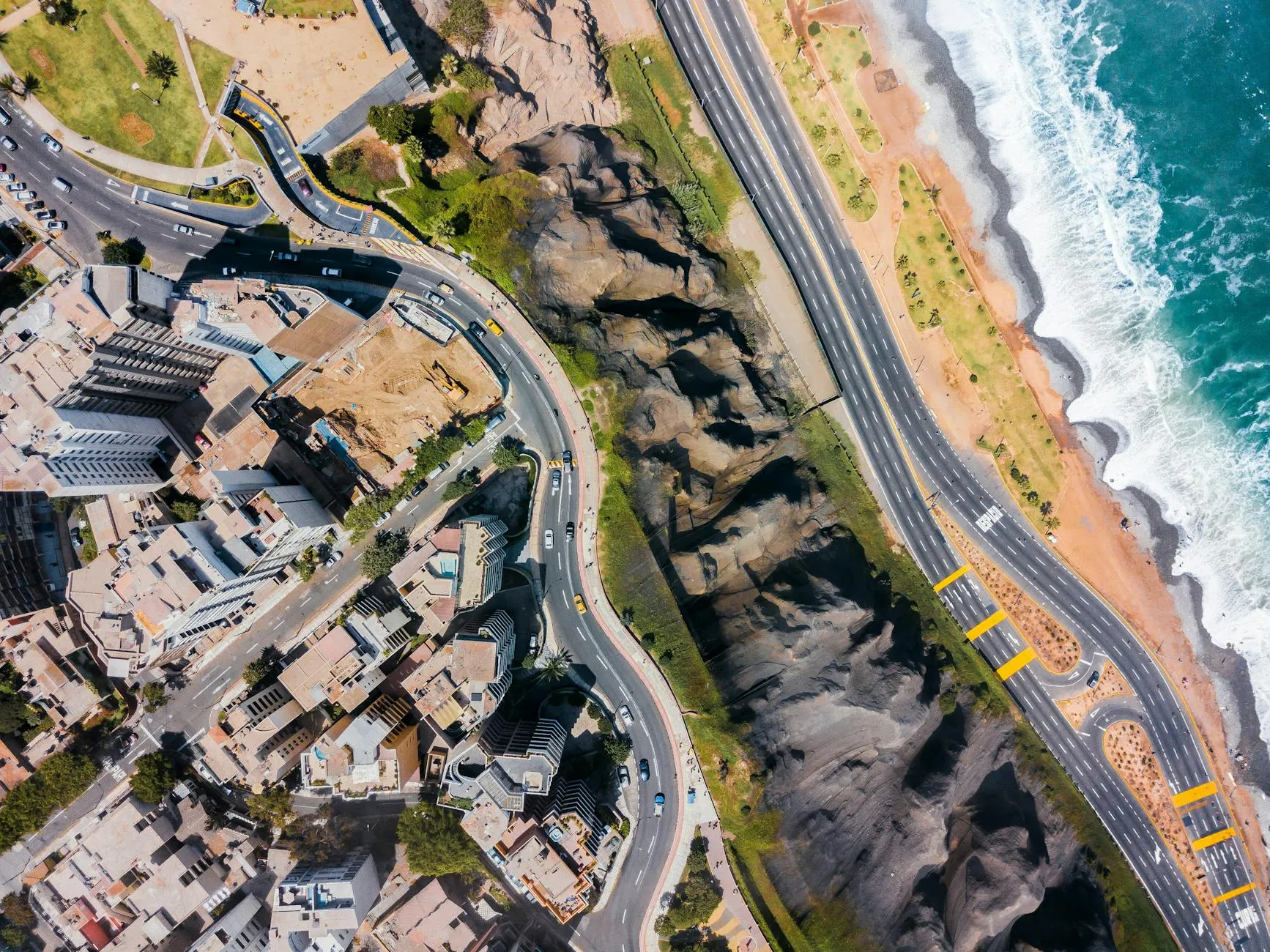
| Miraflores Malecón | FREE | 10 km cliff-top promenade. Paragliding, Parque del Amor, sunset walks. |
Museo Larco — Lima’s Best Museum
Set in an 18th-century viceregal mansion in Pueblo Libre, Museo Larco houses 45,000 years of pre-Columbian Peruvian history. The permanent collection spans ceramics, textiles, gold, and silver. The famous Sala Erótica displays ancient erotic pottery — an unflinching, beautifully curated exploration of sexuality across pre-Columbian cultures. The garden cafe serves Peruvian fusion in the courtyard. S/50 adults (~$15), S/35 seniors, S/25 students. Buy online for faster entry.
San Francisco Catacombs — 70,000 Bones Under Lima
The Convento de San Francisco y Catacumbas is a colonial Baroque masterpiece built in 1674 with tunnels connecting to the Cathedral. The catacombs contain an estimated 70,000 sets of human remains, neatly arranged in circular pits by bone type. The 40-minute guided tour (English/Spanish, included in the S/20 ticket) also visits the Moorish library with 25,000+ texts and the colonial cloister. Photography is strictly prohibited in the catacombs. Part of Lima’s UNESCO World Heritage Site.
Huaca Pucllana — Ancient Pyramid in Modern Miraflores
A 1,500-year-old adobe pyramid from the Lima culture sits in the middle of Miraflores, surrounded by apartment buildings and restaurants. The night tour (Wed–Sun 7–10pm, S/15) is spectacular — the illuminated pyramid against the city skyline. A daytime visit includes a guided tour of the excavation site and small museum. The on-site Restaurante Huaca Pucllana serves upscale Peruvian cuisine with the floodlit ruins as your backdrop. Reserve for dinner.
Centro Histórico — UNESCO World Heritage
Lima’s Historic Centre was inscribed by UNESCO in 1988 (extended 1991 and 2023). The heart is Plaza Mayor (Plaza de Armas), founded by Francisco Pizarro in 1535, flanked by the Cathedral, Government Palace, and Archbishop’s Palace with its iconic wooden balconies. The Changing of the Guard at the Government Palace happens daily at 11:45am (30 min ceremony). Free interior tours require a letter to the Tourism Office at least 1 week in advance (Saturdays only). The Lima 2035 restoration project is investing ~$38M annually to revitalise the colonial core.
Ceviche — Lima’s Religion
Ceviche is to Lima what pasta is to Rome. Fresh white fish (corvina or lenguado) cured in lime juice (leche de tigre), with red onion, aji limo chilli, cilantro, served with sweet potato and choclo corn. The leche de tigre (tiger’s milk) left in the bowl is considered a hangover cure and aphrodisiac.
Best Cevicherías
- Chez Wong (Santa Catalina) — The legend. 8 tables, no menu, no sign. Chef Javier Wong uses only lenguado peruano. The Guardian called it “The Tastiest Item On Earth.” Reservations months in advance, Tue–Sat 1–3:30pm only. ~S/75–150 per person (chef decides). Anthony Bourdain came here.
- La Mar (Miraflores) — Gastón Acurio’s cevichería, Latin America’s 50 Best #26. 10+ ceviche varieties from clásico to nikkei. S/45–65 per plate (~$13–19). Reservations essential, especially Saturdays. Closes ~5pm.
- El Mercado (Miraflores) — Rafael Osterling. Sustainably sourced fish, ~S/55 per plate. Also serves gyozas and curries alongside traditional ceviches.
- Pescados Capitales (Miraflores) — Menu uses “deadly sins” naming. Ceviche de puerto S/59. Upscale casual.
- Punto Azul (Miraflores) — Since 1992, self-described “#1 ceviche in Peru.” S/40–80 per person. 4.5/5 from 9,600+ reviews. The ceviche mixto (shrimp, clams, calamari, fish) is the signature.
Ceviche Types
- Clásico: White fish in lime juice, red onion, aji limo, cilantro, sweet potato, corn
- Mixto: Mixed seafood — shrimp, octopus, squid, fish
- Nikkei: Japanese-Peruvian fusion with soy, ginger, sesame, miso
- Tiradito: Sashimi-style, thinly sliced, no onion — the nikkei influence at its purest
Peruvian Cuisine — Beyond Ceviche
Peru has five fusion cuisines layered on top of indigenous traditions: criolla (Spanish colonial), chifa (Chinese-Peruvian, from 19th-century Cantonese immigrants), nikkei (Japanese-Peruvian), novoandina (modern Andean), and afro-Peruvian (coastal African heritage). Lima is where all five collide.
| Dish | What It Is | Budget (S/) | Mid-Range (S/) |
|---|---|---|---|
| Lomo saltado | Stir-fried beef with onions, tomatoes, soy sauce, fries & rice (chifa influence) | 25–35 | 45–74 |
| Ají de gallina | Shredded chicken in creamy aji amarillo-walnut-bread sauce | 18–25 | 35–50 |
| Causa limeña | Cold layered potato cake with lime, aji, filled with chicken/tuna/avocado | 15–25 | 30–45 |
| Arroz con pollo | Green rice with chicken (cilantro, beer, peas) | 18–28 | 35–50 |
| Ceviche clásico | Fresh fish in lime with onion, aji, sweet potato, corn | 25–40 | 45–65 |
| Anticuchos | Beef heart skewers, charcoal-grilled, aji panca sauce | 5–15 | 27–56 |
| Picarones | Sweet potato & squash doughnuts with chancaca syrup | 4–5 | 12–18 |
| Pan con chicharrón | Pork crackling sandwich with sweet potato & salsa criolla | 8–15 | 20–30 |
| Pollo a la brasa | Rotisserie chicken with fries, salad, 3 sauces | 20–22 | 35–40 |
| Tamales | Corn dough parcels with chicken or pork, wrapped in banana leaf | 3.50–12 | — |
The menú del día is Lima’s best budget hack: a set lunch at neighbourhood restaurants for S/10–15 (~$3–4.50) including soup, main course, dessert, and drink. Available at thousands of small restaurants across the city, especially around markets.
Anticuchos — The Street Food King
Beef heart skewers marinated in vinegar, cumin, garlic, and aji panca, charcoal-grilled until smoky and tender. Served with boiled potato and corn. They’re sold on street carts across Lima from late afternoon onwards.
- Anticuchos de la Tía Grimanesa (Miraflores, Calle Ignacio Merino 466) — Named “best anticucho in the world” by TasteAtlas. Single skewer S/13–15, “Antiduo” combo (beef heart + chicken + potatoes) S/27, large combo S/56. Gastón Acurio endorses her.
- Street cart anticuchos: S/5–10 for multiple skewers. Found near parks and markets after 5pm.
Pollo a la Brasa — Peru’s National Fast Food
Rotisserie chicken marinated in dark beer, garlic, cumin, paprika, and aji, spit-roasted over charcoal. Served with thick-cut fries, salad, and three sauces: aji verde (green chilli), mayonesa, and crema de huancaína. Peru has a national holiday for it (Pollo a la Brasa Day, third Sunday of July). The industry generates S/11 billion annually.
- Norkys — Market leader, 25% brand recall. 1/4 chicken + fries + salad S/20–22 (~$6). Whole chicken S/55–57.
- Pardos Chicken — Premium polleria. 1/4 chicken meal S/35–40 (~$10–12). Better ambiance, higher quality.
- Rokys — Second most popular chain, similar pricing to Norkys.
Chifa — Chinese-Peruvian Fusion
Lima has Latin America’s largest Chinatown (Barrio Chino, centred on Jirón Ucayali and Jirón Paruro in Centro). The Chinese-Peruvian fusion born here created dishes that most Peruvians consider simply “Peruvian food.” Lomo saltado itself is a chifa creation.
- Madam Tusan (Gastón Acurio concept, multiple locations) — Upscale chifa. Signature: pollo chijaukay, “Aeropuerto” (noodle-rice-meat stir-fry).
- Wa Lok (Miraflores) — Cantonese flavours, ~300 dishes. Generous portions.
- Salón Capón (Barrio Chino, Paruro 819) — Traditional dim sum carts, chaufa especial. Hidden gem.
- San Joy Lao (Barrio Chino) — Historic, old-school chifa. Generous portions at good prices.
Key chifa dishes: chaufa (fried rice), tallarín saltado (stir-fried noodles), wanton soup, kam lu wantan (sweet-sour wantons).
Where to Eat — World’s 50 Best & Latin America’s Best
Lima has more restaurants on the World’s 50 Best list than any other city. The city’s fine dining scene is globally unrivalled in value — tasting menus at world-ranked restaurants cost a fraction of equivalent meals in New York, London, or Tokyo. Peru has no Michelin Guide, but that’s irrelevant when you have Maido at #1.
| Restaurant | Ranking | Style & Price |
|---|---|---|
| Maido | World #1 (2025) | Nikkei (Japanese-Peruvian). Tasting S/1,295 (~$382), with wine S/1,985 (~$586). Miraflores. |
| Central | Hall of Fame (#1 in 2023) | Ecosystems of Peru. 12 courses S/1,045 (~$308), 14 courses S/1,250 (~$369). Barranco. |
| Kjolle | World #9 / LatAm #2 | Pía León, contemporary Peruvian. Tasting S/988 (~$291). Barranco. |
| Merito | World #26 / LatAm #4 | Venezuelan-Peruvian. A la carte ~S/200–300 pp (~$60–90). Barranco. |
| Mayta | World #39 / LatAm #11 | Contemporary Peruvian. 10 courses S/989 (~$292). Miraflores. |
| Cosme | LatAm #9 | 9-course tasting S/450 (~$133), with wine S/750 (~$221). San Isidro. |
| La Mar | LatAm #26 | Gastón Acurio’s cevichería. S/45–65 per plate. Miraflores. |
| Rafael | LatAm #33 | Rafael Osterling. Modern Peruvian-Italian. Miraflores. |
| Osso | LatAm #44 | Renzo Garibaldi. Meat-focused. La Molina. |
| Astrid y Gastón | LatAm #81 | Gastón Acurio’s flagship. 15 courses ~$300. 17th-century hacienda. San Isidro. |
Central — Virgilio Martínez’s Masterpiece
Central won #1 in the World in 2023 and entered the permanent “Best of the Best” Hall of Fame — ineligible for future ranking but still operating and bookable. The concept is extraordinary: each course represents an ecosystem of Peru at a different altitude, from Pacific seafood at -10m to Andean roots at 3,800m. The dining room in Barranco features an open kitchen and Mater Iniciativa research lab. 12 courses S/1,045 (~$308) or 14 courses S/1,250 (~$369). Wine pairing S/424–518 depending on menu. Open Mon–Sat, lunch 12:45–1:45pm, dinner 7–8:30pm. Closed Sundays. Book 2–3 months ahead.
Maido — #1 in the World
Mitsuharu “Micha” Tsumura’s nikkei restaurant won the top spot in 2025. The tasting menu is a journey through Japanese-Peruvian fusion: sea urchin causa, nikkei tiradito, wagyu gyoza, miso-glazed fish. Tasting without pairing S/1,295 (~$382), with wine S/1,985 (~$586), with premium wine S/2,525 (~$745). A la carte from S/65+. Calle San Martín 399, Miraflores.
Where to Eat Traditional Criolla
- Isolina (Barranco) — Chef José del Castillo’s taberna criolla. Legendary lomo saltado (shared portion S/74), starters S/23–83. Massive portions meant for sharing. The sangrecita (blood sausage) and stuffed potato are standouts.
- Panchita (Miraflores, Gastón Acurio) — Anticuchos specialist: 7 varieties from S/19–46. Full meal with drinks ~S/120 per person (~$35). Beef heart, chicken heart, liver, octopus.
Pisco Sour — The National Cocktail
Pisco (grape brandy from the Ica valley) + fresh lime juice + simple syrup + egg white + Angostura bitters, shaken until frothy. The national cocktail is serious business — Peru has a National Pisco Sour Day (first Saturday of February). Don’t order it in Chile.
Best Pisco Bars
- Museo del Pisco (Miraflores/Cusco) — 100+ pisco varieties, creative variations, tasting flights ~S/40–52 (~$12–15). The best place to learn about pisco categories.
- Hotel Maury (Centro) — Claims to be the birthplace of the pisco sour (bartender Victor Morris, 1920s). Historic hotel bar.
- Gran Hotel Bolívar (Centro) — The largest pisco sour in the city (5 oz pisco + 4 oz lemon). In the grand Plaza San Martín hotel.
- Ayahuasca Restobar (Barranco) — In a restored Republican-era mansion with three floors. Creative cocktails and stunning interiors.
- Taberna Queirolo (Pueblo Libre) — Since 1880. Sells Pisco Queirolo (one of Peru’s most popular brands). Affordable and authentic.
Pisco sour prices: Casual bars S/20 (~$5.90), good cocktail bars S/25–40 (~$7–12), premium hotel bars S/35–50 (~$10–15).
Other Drinks
- Chilcano: Pisco + ginger ale + lime + Angostura bitters. Lighter and more refreshing than a pisco sour. S/18–35.
- Chicha morada: Purple corn drink with pineapple, apple, cinnamon, cloves. Antioxidant-rich, non-alcoholic. S/8–15 at restaurants, S/3–5 at markets.
- Inka Kola: Bright yellow, bubblegum-flavoured soda. Created in Lima in 1935, outsells Coca-Cola in Peru. S/3–5. The quintessential pairing with pollo a la brasa.
- Emoliente: Hot herbal street drink (alfalfa, linseed, barley, lime, honey). S/2–3 from street carts. Popular at dawn and dusk.
Markets & Street Food
Mercado No. 1 de Surquillo
The second floor serves menú del día for S/8–12 including soup, main course, dessert, and drink. The ground floor has a fresh seafood section — “Don Cevichero” is popular for market ceviche. Fresh juices, emoliente, tamales. Cash only. Smaller and cleaner than Mercado Central — recommended for first-timers.
Picarones
Sweet potato and squash doughnuts, deep-fried and drizzled with dark chancaca (cane sugar) syrup. S/4–5 (~$1.20–1.50) for a serving of 4 from street vendors. Best locations: Picarones Mary in Parque Kennedy, La Picaronería (Miraflores). Best in the afternoon and evening.
Pan con Chicharrón
Pork crackling sandwich with sweet potato and salsa criolla — Lima’s weekend breakfast tradition, often paired with a creole tamale. El Chinito (Centro) S/23.90, “Combo Taypa” with chicha S/29.50. Budget spots from S/8. This sandwich won the “World Breakfast Championship” at a 2025 global food event.
Lima’s Neighbourhoods
Miraflores — Tourist Hub & Cliff-Top Beauty
Where most visitors stay and eat. The 10 km Malecón cliff-top promenade offers Pacific sunsets, Parque del Amor (Victor Delfín’s “El Beso” sculpture, Gaudí-inspired mosaic walls), and paragliding launch points. LarcoMar is a shopping centre built into the cliff face. Huaca Pucllana sits between apartment blocks. Parque Kennedy has nightly artisan markets and resident cats. The safest district for tourists.
Barranco — Bohemian & Beautiful
Lima’s artsy neighbourhood. The Puente de los Suspiros (Bridge of Sighs) dates to 1876 — tradition says cross it while holding your breath and make a wish. Street art covers entire building facades. Central, Kjolle, and Merito all relocated here. Bajada de Baños descends to the beach. Live music bars, craft cocktails, and the best nightlife in Lima. Best for: dining, nightlife, culture.
Centro Histórico — UNESCO Colonial Core
The beating historical heart. Plaza Mayor, San Francisco catacombs, the Cathedral, Barrio Chino, and colonial mansions with wooden balconies. More raw than Miraflores — busier, louder, and grittier. Safe during the day but take Uber/DiDi at night. The Lima 2035 restoration project is gradually transforming neglected colonial buildings.
San Isidro — Business District & Ancient Huaca
Lima’s financial district with Huaca Huallamarca (a climbable adobe pyramid surrounded by glass towers), Parque El Olivar (1,600 olive trees planted in 1560), and high-end dining. Cosme and Astrid y Gastón are here. Quiet, safe, and upscale. Best for: fine dining, peace, business travellers.
Surquillo — Local Food & Markets
The neighbourhood that feeds Miraflores. Mercado No. 1 de Surquillo is the city’s best food market. Increasingly gentrified with new cafes and restaurants, but still working-class at its core. Walk from Miraflores in 10 minutes.
Pueblo Libre — Museums & History
Quiet residential district that hosts Museo Larco and the Museo Nacional de Arqueología. Taberna Queirolo (since 1880) serves pisco and criolla food in a colonial tavern. Best for: museum day trips.
Callao — Port City & Street Art
Lima’s port, historically rough but undergoing an art-driven transformation. The Callao Monumental project turned a 19th-century naval building complex into galleries and studios. Fortaleza del Real Felipe (S/10) is a massive 18th-century fortress. La Punta peninsula is a peaceful residential area with seafood restaurants and Pacific views. Worth a half-day. Take Uber/DiDi, don’t walk from Centro.
Chorrillos — Wetlands & Surf
The Pantanos de Villa wetland reserve is a 263-hectare birding haven within the city limits. La Herradura beach is a surf spot. Less touristy, more authentic.
Paragliding Over the Malecón
Tandem paragliding from the Miraflores cliffs is Lima’s most thrilling activity. You launch from Parapuerto (next to Parque del Amor) and soar 200m above the Pacific coastline for 10–15 minutes. No reservation needed — walk up with cash and passport.
Price: S/180–300 (~$53–88) depending on operator. Condor Xtreme (S/180), Infinity (S/260 incl. HD video). Most operators include GoPro footage sent via WhatsApp within 48 hours. Daily 10am to sunset.
Surfing Lima’s Pacific Coast
Lima is one of the few capital cities where you can surf. The Pacific swells hit the Costa Verde beaches year-round, with the biggest waves from April to October.
- Makaha Beach (Miraflores) — Beginner-friendly. Lessons S/70–100 (~$21–30) for ~2 hours, including board, wetsuit, instructor. Operators line the waterfront.
- Punta Hermosa (40 min south) — Intermediate to advanced. Private lessons ~$40 USD for 2 hours with certified instructors.
Water temperature: 15–22°C. Wetsuit needed most of the year.
Day Trips from Lima
Pachacamac — Pre-Inca Oracle
The largest archaeological site in Lima, 40 km south. A pre-Inca oracle and pilgrimage centre with the Temple of the Sun, Acllawasi, and painted murals visible from excavation sites. Entry S/15–20 (~$4.50–6), guided tour S/50. Combine with MUNA (free, 500,000+ artefacts), located nearby in Lurín. Taxi ~S/50–80 one way, or organised half-day tours ~$30–50.
Paracas & Islas Ballestas
The “Galápagos of Peru” — sea lion colonies, Humboldt penguins, flamingos, and bird-covered islands. Boat tour S/50–60 (~$15–18) plus entrance fee S/16–17 (~$5). Paracas National Reserve entry S/11 (~$3.25). Bus from Lima S/60–100 (~$18–30) depending on class, 3.5–4 hours. Cruz del Sur Business S/98, Oltursa Tourist S/71. Can be combined with Huacachina for an overnight trip.
Huacachina — Desert Oasis
A Hollywood-worthy oasis surrounded by massive sand dunes in the Ica desert. Sandboarding + dune buggy tour: $15–25/person (~S/50–85) for 2 hours. Entrance fee S/8.10 foreigners. Usually combined with Paracas as a 1–2 day trip. Ica is ~5 hours from Lima by bus.
Caral — Oldest City in the Americas
The oldest known city in the Western Hemisphere (~5,000 years old, contemporary with Egypt’s pyramids). UNESCO World Heritage Site. Entry S/11 (~$3.25), guided tour S/4 extra. Open 9am–4pm daily. About 3 hours north of Lima in the Supe Valley. Less visited, more raw, and deeply impressive.
Lunahuáná — Adventure Valley
White-water rafting (Class I–IV rapids), zip-lining, and ATV tours in a beautiful Andean valley. Rafting S/70–120/person (~$21–35) for ~2 hours, 15 km on the river. Combo packages with wine/pisco tasting available — the Cañete Valley produces decent pisco. About 3 hours south of Lima.
Callao & La Punta
Lima’s port, 30 minutes from Centro. Fortaleza del Real Felipe (S/10), Callao Monumental art galleries, and seafood restaurants on La Punta peninsula. A half-day trip.
Getting Around Lima
Airport to Miraflores
Jorge Chávez International Airport (LIM) is in Callao, 14–18 km from Miraflores. Journey time: 45–90 minutes depending on Lima’s notorious traffic.
- Airport Express Lima bus: S/15 (~$4.40). Hourly 7am–10pm. 4 stops in Miraflores (LarcoMar, Larco, Parque Kennedy, Hotel Boulevard). 40-seat coach with WiFi, USB, luggage hold. The best value.
- Official taxi (counter inside arrivals): S/75 sedan (~$22), S/130 van (~$39). Fixed price, safe.
- Uber/DiDi: S/40–70 off-peak, but drivers frequently cancel airport pickups. Surge pricing common.
- InDriver: As low as S/35, cash-only (soles), negotiation-based, less reliable.
Metropolitano BRT
Lima’s bus rapid transit runs dedicated lanes from north to south. Flat fare S/3.50 (~$1.03), feeder routes S/0.50. Electronic card S/4.50 from vending machines at stations. Top up via Plin app with balance activation at totems. Useful for Centro to Miraflores.
Metro Line 1
Flat fare S/1.50 (~$0.44). 26 stations, 34.6 km, Villa El Salvador to San Juan de Lurigancho. Not hugely useful for tourists — the route runs through eastern/southern Lima, missing the main tourist districts.
Metro Line 2 (Under Construction)
Stage 1A opened December 2023 with 5 stations in eastern Lima. 80%+ complete as of March 2026, but all operational stations are far from tourist areas. The full line (connecting Callao to Ate) is not expected before 2028. Not useful for tourists yet.
Taxis & Rideshare
Always use Uber, DiDi, or official taxi counters. Never hail random taxis on the street. A cross-city ride (Miraflores to Centro) costs S/15–25 by app. Phone snatching and petty crime in unlicensed taxis is a real risk.
Safety in Lima
Lima requires more awareness than most South American capitals but is perfectly manageable for informed travellers.
Safe Areas
- Miraflores: Safest district, best infrastructure. Stick to busy streets at night.
- San Isidro: Financial district, very safe, upscale, quiet.
- Barranco: Bohemian/artistic, generally safe. Stay aware, especially late at night.
- Centro Histórico: OK by day, use Uber/DiDi at night. Avoid empty side streets.
Areas to Avoid
San Juan de Lurigancho, Ate Vitarte, Villa El Salvador, La Victoria, Rímac (except specific sites), and Callao (except the airport and La Punta/Callao Monumental by day).
Lima Budget Guide
Lima is extraordinarily good value for visitors paying in USD/EUR, especially for food. The world’s #1 restaurant costs $382 for a tasting menu. A full lunch costs $3. The range is absurd.
| Category | Budget ($40–65/day) | Mid-Range ($80–150/day) | Luxury ($250+/day) |
|---|---|---|---|
| Accommodation | Hostel dorm $8–18 | Boutique hotel $50–100 | Belmond/Country Club $300–600+ |
| Food | Menú del día $3–5 | Cevichería + dinner $20–40 | Central/Maido tasting $300–600 |
| Transport | BRT + walking $2–3 | BRT + Uber $5–10 | Private driver $40–80 |
| Activities | Free museums + markets | Museo Larco + paragliding $50–70 | Food tour + Paracas $150–250 |
What’s New in Lima for 2026
- MUNA opened June 2024: Peru’s flagship national museum in Lurín. Free entry, 500,000+ artefacts, timed slots. The replacement for the largely closed Museo de la Nación.
- Maido #1 in the World (June 2025): Mitsuharu Tsumura’s nikkei restaurant took the top spot, cementing Lima’s position as the world’s fine dining capital.
- MATE permanently closed: Museo Mario Testino closed in December 2020 and will not reopen. The digital archive continues at mate.pe/archivo.
- Metro Line 2 Stage 1B (2026): 3 new stations expected to open first half 2026 in eastern Lima. Still not useful for tourists.
- Lima 2035 restoration: ~$38M/year invested in restoring the UNESCO Historic Centre. New pedestrian areas, restored colonial facades.
- Peru, Mucho Gusto Lima: October 30–November 1, 2026. The replacement for the defunct Mistura food festival. Four-city edition celebrating Peru’s 25 culinary regions.
- Energy crisis (March 2026): Damage to the Camisea gas pipeline caused temporary museum closures March 9–14. Fully resolved.
- Exchange rate stable: USD 1 ≈ S/3.39 (sol strengthened ~9% over past 12 months).
Lima Events & Festivals 2026
- Fiestas Patrias — July 28–29. 21-cannon salute, Te Deum Mass at Cathedral, Great Military Parade on Avenida Brasil (Jul 29, 10am, 30 blocks). Book flights/buses weeks ahead — the entire country travels.
- Peru, Mucho Gusto Lima — October 30–November 1. Peru’s premier food festival (replaced Mistura, which ended in 2018). Four-city edition.
- Señor de los Milagros — October. Lima’s most important religious procession. Thousands in purple robes follow the Lord of Miracles through Centro Histórico.
- Mistura: No longer exists. The beloved food festival ran its last edition in 2017 (cancelled 2018 onwards).
- National Pisco Sour Day — February 7. Bars across Lima offer pisco sour specials.
- Inti Raymi — June 24 (in Cusco, not Lima — but relevant if you’re combining trips).
When to Visit Lima
Month-by-Month Weather
| Month | High/Low | Rain | Key Notes |
|---|---|---|---|
| January ⭐ | 26/20°C | 0 days | Peak summer. Sunny, warm, ideal for coast and paragliding. |
| February ⭐ | 27/20°C | 0 days | BEST MONTH. Hottest, sunniest. Beach season peak. |
| March | 26/20°C | 0 days | Still summer. Excellent. Slightly less crowded than Jan–Feb. |
| April | 24/18°C | 0 days | Transition month. Still pleasant. Good value. |
| May | 20/16°C | 1 day | Garúa begins. Grey overcast. Cooler. Low season starts. |
| June | 18/15°C | 1 day | Full garúa. Misty, grey, cool. Good for food and museums. |
| July | 17/14°C | 1 day | Coldest. Greyest. Fiestas Patrias (Jul 28–29) — book ahead. |
| August | 17/14°C | 1 day | Still garúa. Lima at its gloomiest. Best restaurant availability. |
| September | 18/14°C | 1 day | Garúa lifting slowly. Still grey but improving. |
| October | 19/15°C | 0 days | Transition back. Sun returning. Good shoulder season. |
| November | 22/17°C | 0 days | Warming up. Sun increasing. Peru Mucho Gusto food festival. |
| December ⭐ | 24/19°C | 0 days | Summer returns. Sunny, warm. Holiday season begins. |
Lima’s “rain” during garúa season isn’t real rain — it’s a persistent coastal mist/drizzle that never becomes a downpour. You won’t need an umbrella, but you’ll want a light jacket.
Best months: December–April (summer, clear skies, 25–30°C). This is when Lima shines — literally. The coast is sunny, outdoor dining is at its best, and paragliding conditions are ideal. The rest of the year (May–November) is garúa season — a persistent grey overcast drizzle that never turns to real rain. It’s not cold (15–19°C) but it’s gloomy. Lima feels like a different city under garúa.
Low season (May–October) means cheaper hotels and fewer crowds. If you’re here for food and museums, garúa season is fine. If you want beaches, paragliding, and sunny cliff walks, come December–March.
Practical Information
- Altitude: Lima is at sea level (0 m). No altitude sickness, no acclimatisation needed. This is why it’s the perfect first stop before heading to Cusco (3,400 m).
- Water: Do NOT drink tap water. Use bottled or filtered. Ice in upscale restaurants is usually safe (made with purified water).
- Tipping: Not mandatory but appreciated. 10% at sit-down restaurants is standard. Round up for taxis.
- Visa: Most nationalities (US, EU, UK, Australia, Canada) enter visa-free for up to 183 days. No reciprocity fees.
- Currency: Peruvian Sol (PEN/S/). USD widely accepted at hotels and tourist businesses, but soles get better rates. ATMs dispense both.
- Language: Spanish. English is uncommon outside Miraflores hotels and high-end restaurants.
- Plugs: Types A and C (US flat and European round). 220V. US devices need a voltage converter for high-wattage items.
Find Cheap Flights to Lima
Use Skyscanner to compare fares to Jorge Chávez International Airport (LIM). Lima is well connected with direct flights from major US cities (Miami 5.5h, New York 8h, Los Angeles 8.5h), Madrid (12h), Amsterdam (13h), and multiple Latin American hubs.
Lima Nightlife
Lima comes alive after dark. The nightlife centers on Barranco (bohemian, bars, live music), Miraflores (mainstream clubs, rooftop bars), and Asia (summer beach clubs south of the city).
Barranco Bars
Ayahuasca: The most atmospheric bar in Lima. Set in a restored Republican-era mansion with multiple rooms and a courtyard. Craft cocktails including creative pisco variations. Live music some nights. Cocktails S/35-55. Book weekends.
Barranco Beer Company: Craft brewery with excellent IPAs and lagers. Food available. Relaxed vibe.
Victoria Bar: Dive bar atmosphere, cheap drinks, local crowd. The anti-Ayahuasca.
La Noche: Live music venue — rock, jazz, Latin. Cover varies. Iconic Barranco spot.
Miraflores
Huaringas: Pisco bar excellence. Over 100 pisco varieties, knowledgeable bartenders. Learn about the spirit that defines Peru.
Hotel B Bar: Sophisticated cocktails in a boutique hotel setting. Quiet elegance.
Cala: Beach-side restaurant that turns into a scene at night. Sunset drinks, then dinner, then dancing.
Clubs
Bizarro: Barranco’s main club. Electronic, house, techno. Gets going after midnight.
Gotica: Miraflores megaclub. Top 40, Latin, bottle service. Dress code.
Sargento Pimienta: Beatles-themed club that’s been around forever. Rock en español, classic hits.
Peñas
Traditional Peruvian folk music venues — criolla music, guitars, cajón drums, audience participation. Don Porfirio in Barranco is the most accessible for tourists. La Candelaria in Miraflores is another option. Shows typically S/60-100 including dinner and show.
Shopping in Lima
From artisan markets to upscale malls, Lima offers excellent shopping — particularly for Peruvian textiles, silver, and crafts.
Artisan Markets
Mercado Indio (Indian Market): Miraflores market with alpaca textiles, silver jewelry, ceramics, souvenirs. Quality varies — inspect carefully. Bargaining expected. Multiple locations along Av. Petit Thouars.
Las Pallas: Curated Peruvian folk art in Barranco. Higher prices but museum-quality pieces. Textiles, ceramics, retablos (carved wooden boxes). The owner is an expert — ask questions.
Feria de Barranco: Weekend artisan market in Barranco’s main square. Local designers, handmade jewelry, art. Saturday-Sunday.
What to Buy
Alpaca textiles: Peru produces the world’s finest alpaca wool. Look for “baby alpaca” (softer) or “vicuña” (extremely rare and expensive). Scarves S/100-500; sweaters S/200-1,500+.
Silver: Peru is a major silver producer. Jewelry, decorative items, tableware. Look for “.950” purity stamp. Miraflores and Centro have many shops.
Pisco: Bring home Peru’s national spirit. Acholado (blended) is most versatile. Look for Barsol, Portón, or small-batch producers at duty-free prices.
Chocolate: Peruvian cacao is exceptional. Maraná and Pacari are premium brands.
Malls
Larcomar: Miraflores clifftop mall overlooking the Pacific. International brands, good restaurants, cinema with ocean views. Tourist-oriented but convenient.
Jockey Plaza: Lima’s largest mall. Everything from fast fashion to luxury. Food court, cinema, supermarket.
Coffee Culture
Peru produces excellent coffee — particularly from the Chanchamayo and Amazonas regions. Lima’s specialty coffee scene has exploded.
Specialty Coffee Shops
Tostaduría Bisetti (Barranco): The pioneer of Lima specialty coffee. Single-origin Peruvian beans, expert baristas, educational approach. Coffee from S/12.
Neira Café Lab (Miraflores): Geek-level coffee excellence. Pour-overs, cold brew, latte art. They take it seriously.
The Coffee Road (Miraflores): Direct-trade Peruvian coffees. Good for buying beans to take home.
Colonia & Co (San Isidro): Upscale café with excellent breakfast/brunch. The coffee matches the food quality.
Traditional Coffee
Traditional Peruvian coffee is often instant (Nescafé dominates) or passada (filter coffee). For authentic local experience, try the coffee at traditional markets or old-school cafés in Centro.
Hidden Lima — Off the Tourist Trail
Beyond Miraflores and Barranco, Lima has neighborhoods and experiences that few tourists discover.
Pueblo Libre
Traditional neighborhood with colonial atmosphere, home to Museo Larco. Walk the quiet streets, visit the small plazas, eat at traditional restaurants. Feels like a different city from Miraflores.
Rímac
The historic neighborhood across the river from Centro. Alameda de los Descalzos (promenade), Convento de los Descalzos, and views back to the Centro. Rougher edges but historically rich. Daytime visits only.
El Circuito Mágico del Agua
The world’s largest fountain complex, in Parque de la Reserva. 13 illuminated fountains with light shows. Kitsch but genuinely fun, especially with kids. S/4. Evening shows Wednesday-Sunday.
Lima with Kids
Lima is family-friendly — Peruvians adore children, and there’s plenty to keep them entertained.
Attractions
Parque Kennedy (Miraflores): The main square, famous for its colony of cats. Kids love feeding and petting them. Street performers, ice cream vendors, playground nearby. Free.
Circuito Mágico del Agua: Fountain park with water shows. Interactive fountains, kids can run through some. Evening visits are magical. S/4.
Museo Larco: The gardens are beautiful for kids; the erotic pottery gallery is an awkward conversation or a skip.
Huaca Pucllana: Kids enjoy the pyramid, especially night tours when it’s illuminated.
Beaches
The Costa Verde beaches below Miraflores are accessible but cold (Pacific current). Better for running around than swimming. Agua Dulce beach in Chorrillos is more family-oriented.
Restaurants
Most restaurants welcome children. High chairs are common. Peruvian food is generally kid-friendly (ceviche might be too “strange,” but lomo saltado, anticuchos, and rice dishes work well).
Romantic Lima
Lima’s Pacific sunsets, world-class restaurants, and bohemian Barranco make it surprisingly romantic.
Sunset Spots
Malecón de Miraflores: The clifftop promenade. Sunset over the Pacific from any of the parks along the route.
Parque del Amor: The “Love Park” with its Gaudí-inspired benches and famous kissing sculpture. Touristy but legitimately romantic at sunset.
Barranco Bridge: The Puente de los Suspiros (Bridge of Sighs) — legend says if you cross it holding your breath and making a wish, it will come true.
Romantic Restaurants
Huaca Pucllana Restaurant: Dining overlooking an illuminated pre-Inca pyramid. Hard to beat for atmosphere.
Rafael (Miraflores): Michelin-recognized tasting menus in an intimate setting. World-class but approachable.
IK Restaurante (San Isidro): Creative Peruvian in a beautiful house. Garden terrace for warm evenings.
Experiences
Paragliding at sunset: Tandem flights over the Malecón as the sun drops. From S/350.
Pisco tasting: Learn together at Huaringas or a distillery visit.
Ready to Book Your Lima Trip?
Find the best flight deals to Jorge Chávez International (LIM)
Sample Itineraries
Day 1: Centro Histórico
- 9:00 AM: Plaza Mayor — Cathedral exterior (free), Government Palace
- 10:00 AM: Convento de San Francisco + Catacombs (S/20, 40-min guided tour, 70,000 bones)
- 11:30 AM: Walk Jirón de la Unión to Plaza San Martín
- 11:45 AM: Changing of the Guard at Government Palace (if timing works)
- 12:30 PM: Barrio Chino — chifa lunch at Salón Capón or San Joy Lao
- 2:30 PM: MALI (S/30) or Casa de Aliaga (oldest continuously inhabited colonial house in the Americas)
- 5:00 PM: Uber back to Miraflores. Malecón sunset walk, Parque del Amor
- 7:30 PM: Dinner at Isolina in Barranco (book ahead, share portions — this is peasant food done right)
- 10:00 PM: Drinks at Ayahuasca (Barranco, inside a colonial mansion)
Day 2: Museums + Coast
- 9:00 AM: Museo Larco (3 hours including garden lunch at the on-site restaurant)
- 12:30 PM: Uber to Miraflores
- 1:30 PM: Ceviche lunch at La Mar or Punto Azul (lunchtime only — serious cevicherías close by 4–5pm)
- 3:30 PM: Huaca Pucllana daytime visit (or save for night tour + dinner)
- 5:00 PM: Paragliding from the Malecón (S/180–260, walk-up, no reservation)
- 7:00 PM: Huaca Pucllana night tour + dinner at the on-site restaurant overlooking the illuminated pyramid (book ahead)
Day 3: Food Day
- 8:00 AM: Mercado Surquillo — browse, eat, juice (S/3–5 per juice)
- 10:00 AM: Cooking class (if booked) or walk Barranco street art
- 1:00 PM: Lunch at Chez Wong (the ceviche of your life, if you booked months ago) OR El Mercado
- 3:00 PM: Pisco tasting at Museo del Pisco (Miraflores)
- 5:00 PM: Walk Barranco — Bridge of Sighs, galleries, Bajada de Baños to the coast
- 8:00 PM: Tasting menu at Central, Maido, or Kjolle (booked 2–3 months ahead)
Day 4: Day Trip
- Option A — Paracas + Islas Ballestas: Full day, leave 5:30am by bus or organised tour. Sea lion colonies, Humboldt penguins, the Candelabro geoglyph. Back by evening.
- Option B — Pachacamac + MUNA: Half day. Pre-Inca oracle site + the new national museum (free). Afternoon free for Malecón.
- Option C — Caral: Full day, 3 hours each way. The oldest city in the Americas (3,000 BC). For archaeology obsessives only — no infrastructure.
LGBTQ+ Lima
Peru is more conservative than Argentina or Brazil, but Lima has a visible LGBTQ+ scene, centered on Miraflores.
Scene
Downtown Vale (Miraflores): Long-running gay club. Multiple floors, drag shows, dancing.
Epicentro (Miraflores): Smaller bar, friendlier atmosphere.
Barranco: Generally bohemian and LGBTQ+-friendly throughout.
Pride
Lima Pride (Marcha del Orgullo) happens in June/July, centered on Parque Kennedy in Miraflores. Growing in size annually.
Practical Notes
Public affection is less common than in Europe or North America. Hotels are generally welcoming. Dating apps work normally. Most tourist areas are accepting; more traditional neighborhoods can be less so.
Speaking Peruvian
Skip the generic phrasebook — here’s the slang that will make Lima locals actually smile.
- Chévere — Cool, great, awesome. The single most useful word in Peruvian Spanish. Use liberally.
- Bacán — Also cool/awesome. Slightly younger/slangier than chévere.
- Pata / patita — Friend, dude, mate. “Hola pata” is universally friendly.
- Chela — Beer. “Dos chelas por favor” = two beers please.
- Al toque — Right away, immediately. “Lo hago al toque” = I’ll do it right now.
- Jato — Home / place to crash. “Me voy al jato” = I’m heading home.
- Qué paja — How cool / awesome. Reaction word.
- Causa — Both a potato dish AND slang for “bro” (causa = fellow countryman).
- Asu — Wow, damn. Reaction word, mildly surprised.
- La cuenta, por favor — The check, please. (OK, one generic phrase — you’ll use it every meal.)
Pronunciation note: Lima Spanish is clearer and easier than Santiago or Buenos Aires — slower, fewer dropped syllables, less slang dominance. A semester of high-school Spanish gets you surprisingly far.
Craft Beer in Lima
Peru’s craft beer scene has exploded. While pisco remains the national drink, a new generation of brewers is producing excellent beer.
Breweries & Bars
Barranco Beer Company: Lima’s best-known craft brewery. The IPA and wheat beers are excellent. Taproom in Barranco with food. From S/18.
Cervecería Nuevo Mundo: Another quality brewery with varieties from pale ales to stouts. Multiple locations — the Miraflores branch has Parque Kennedy views, a factory shop with 10% discounts on cases, and guest taps alongside house drafts.
Barbarian: Lima’s leading craft brewery, founded 2011. Aggressive IPAs including the 174 IPA (8% ABV) and creative specials. The flagship “Red Ale” is a local favorite. Barranco taproom. Craft beer pint: S/20–25.
Cañas y Tapas: Beer bar with 30+ taps in Miraflores. Good for sampling many breweries in one spot.
Peruvian Beer Styles
Local brewers often incorporate Peruvian ingredients: quinoa, lucuma (fruit), coca leaf, ají peppers. Look for unique local interpretations alongside classic styles.
Pricing, festival dates, and transport costs reflect data verified in April 2026 via the official sources linked throughout this guide. Travel costs are subject to annual adjustments — attractions and transport authorities typically refresh prices each spring. We recommend confirming real-time prices and booking windows via the authority links in each section before your trip. Where this guide references Michelin stars, the data reflects the most recent edition of the relevant Michelin Guide at time of publication.
Lima Beaches
Lima sits on the Pacific, but the beaches require expectation management — the water is cold (Humboldt Current), the sky is often grey (May-November), and the water quality varies.
Costa Verde
The beaches below Miraflores’ cliffs. Makaha, La Pampilla, and Redondo are the main stretches. Popular with surfers and joggers. Water is cold; swimming is bracing. The promenade above is the real attraction.
Punta Hermosa / Punta Rocas
45km south of Lima. Serious surf beaches with consistent waves. The annual WSL championship event happens at Punta Rocas. More beach-town atmosphere than Costa Verde.
Asia (Beach Town)
The beach resort strip 100km south of Lima. This is where limeños go for summer weekends. Beach clubs, restaurants, nightlife (December-March). Virtually empty off-season. Boulevard de Asia is the main strip.
Data Provenance & Verification
- Attraction Pricing: Verified via official museum/site websites, April 2026
- Restaurant Pricing: Verified via World’s 50 Best, Latin America’s 50 Best, and direct menu checks, March–April 2026
- Transit: Airport Express Lima, Metropolitano, and Metro fares verified via official sites, April 2026
- Exchange Rate: USD 1 ≈ S/3.39 per XE.com, April 2026
- Weather: Based on SENAMHI (Servicio Nacional de Meteorología e Hidrología del Perú) climate data
- Safety: Informed by US State Department Level 2 advisory and local Lima tourism sources
- Last Updated: April 2026
🌍 See the bigger picture: our Peru travel guide covers regions, when to go, and getting around.
Frequently Asked Questions
Is Lima safe for tourists?
Miraflores, San Isidro, and Barranco are safe with normal precautions. Always use app-based taxis (Uber/DiDi), keep phones out of sight, and avoid isolated streets at night. Centro Histórico is safe during the day but use rideshare at night. Avoid peripheral districts (SJL, La Victoria, Villa El Salvador).
Does Lima have Michelin stars?
No. Peru does not have a Michelin Guide. Lima’s restaurants are ranked by the World’s 50 Best (Maido is #1 in 2025) and Latin America’s 50 Best (10 Lima restaurants in the top 100). These rankings carry equal prestige in the culinary world.
How many days do you need in Lima?
Minimum 3 full days: one for Centro Histórico/museums, one for Miraflores/Barranco food and coast, one for a day trip (Pachacamac or Paracas). 4–5 days is ideal to eat at top restaurants and explore properly.
What’s the best area to stay?
Miraflores for first-time visitors (safest, best infrastructure, walking distance to restaurants and coast). Barranco for nightlife and artistic atmosphere. San Isidro for quiet luxury.
Is ceviche safe to eat?
Yes, at reputable cevicherías. The lime juice “cooks” (denatures) the fish. Stick to well-known restaurants that serve at lunchtime only (the fresh fish tradition). Avoid ceviche at night or from street stalls.
What’s the difference between pisco from Peru and Chile?
Both countries claim pisco, but they’re different products. Peruvian pisco uses only copper pot stills, cannot be diluted, and must rest in non-reactive containers. Chilean pisco can be aged in wood and diluted. Do not ask this question in either country unless you want a heated debate.
Do I need altitude pills for Lima?
No. Lima is at sea level (0 metres). You only need altitude preparation for Cusco (3,400m) and Machu Picchu. Lima is the perfect acclimatisation base — spend 3–4 days here first.
When is the best time to visit Lima?
December–April for sunny skies and outdoor activities. May–November is garúa season (grey overcast mist, 15–19°C) — still fine for food and museums but gloomy. Avoid Fiestas Patrias week (Jul 28–29) unless you want the experience — everything books out.
What is the best day in Lima for under S/50 ($15)?
Street tamale breakfast from a market vendor (S/5). Metropolitano BRT to Centro (S/3.50). Walk Plaza Mayor, watch the Changing of the Guard at 11:45am (free). Convento de San Francisco Catacombs (S/20). Walk Jirón de la Unión to Plaza San Martín (free). Menú del día lunch at a Centro fonda (S/12). BRT back to Miraflores (S/3.50). Walk the Malecón at sunset (free). Street anticucho for dinner (S/5). Total: S/49. A $15 day that includes 70,000 bones in a colonial crypt, a Pacific sunset from a cliff, and the world’s most underrated street food.
More City Guides
- Ho Chi Minh City Guide 2026 — Phở, bánh mì, cơm tấm & the new Metro Line 1
- Cairo City Guide 2026
- Toronto City Guide 2026 — CN Tower, Michelin, Kensington Market & the new Crosstown LRT
- Osaka City Guide 2026 — Takoyaki, Dotonbori, Universal Studios & Japan’s kitchen
- Vancouver City Guide 2026
- San Francisco City Guide 2026
- Montreal City Guide 2026
- Mexico City City Guide 2026
- Santiago City Guide 2026
- Kyoto City Guide 2026
- Cape Town City Guide 2026
- Buenos Aires City Guide 2026
- Bogotá City Guide 2026
- Medellín City Guide 2026
Cheapest Flights to Lima
We track flight deals to Lima from 3 cities worldwide. Here are the best recent fares:
Prices are based on recent deals and may no longer be available. Browse all flight deals