Dar es Salaam Airport (DAR) — The Complete Guide 2026
In 2026, navigating DAR is defined by its new integrated rail links and digital immigration systems. This guide provides the professional-grade intelligence needed to navigate Tanz
Julius Nyerere International Airport (DAR) is the primary aviation portal to Tanzania, the commercial heart of Dar es Salaam, and the essential starting point for world-renowned safaris and Zanzibar excursions. Located 12km southwest of the city centre, DAR has undergone a total strategic realignment between 2024 and 2026. With the flagship Terminal 3 now handling all major international traffic, the airport has transformed into a world-class transit hub for Air Tanzania, Ethiopian Airlines, Qatar Airways, and Emirates.
In 2026, navigating DAR is defined by its new integrated rail links and digital immigration systems. This guide provides the professional-grade intelligence needed to navigate Tanzania’s largest airport efficiently, bypassing the logistical bottlenecks that still catch unprepared travellers.
1. Terminal Architecture: The 2026 T3 Ecosystem
A frequent error for travellers is arriving at the wrong building. In 2026, the three terminals have strictly defined roles — and connecting between them requires planning.
Terminal 3 — The International Flagship
All major international carriers operate from T3: Qatar Airways, Emirates, KLM, Turkish Airlines, Swiss International, Ethiopian Airlines, and Air Tanzania International. The building is an ultra-modern, glass-fronted facility designed for high-concurrency transit. It features centralised security, 24 boarding bridges, and an expansive “Zanzibar-themed” duty-free promenade. Sophisticated, spacious, and highly efficient — this is where 95% of international visitors will arrive and depart.
Terminal 2 — Domestic & Regional Hub
T2 handles the high-volume “Golden Triangle” routes: Air Tanzania domestic services, Precision Air, and Kenya Airways regional connections to Arusha/Kilimanjaro and Zanzibar. The vibe is busy and functional.
Important for transit passengers: If you are connecting from an international flight to a domestic one, you must exit T3 airside, clear customs, and take a 5-minute shuttle or taxi to T2. This is not a connected airside transfer — allow at least 90 minutes for this connection.
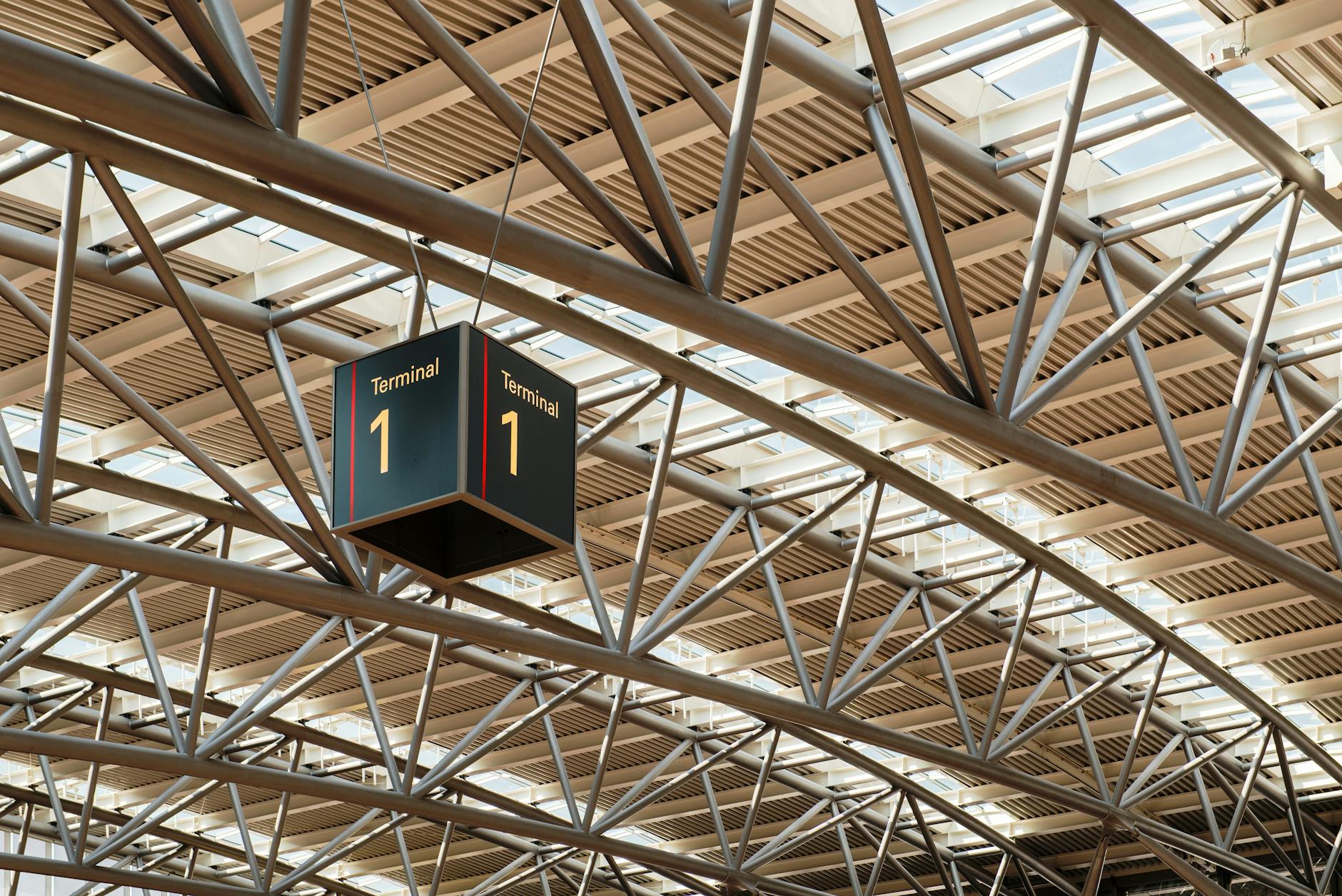
Terminal 1 — Small Craft & Private Charters
Reserved for small bush-plane operators (Coastal Aviation, Safari Air Link) and private government delegations. If you are heading directly to a remote safari airstrip in the Selous, Ruaha, or Serengeti, verify whether your operator departs from T1 before booking ground transport.
2. Visa & Tanzania Entry 2026
Tanzania has fully digitised its border control to manage the surge in post-2024 tourism — but the penalties for arriving without correct documentation remain strict.
e-Visa (Strongly Recommended)
“Visa on Arrival” desks still exist in T3, but they are notorious for 2-hour wait times during peak arrivals. In 2026, the Tanzania e-Visa (immigration.go.tz) is the professional standard. Apply online before travel, print your approval QR code, and use the fast-track lanes on arrival. The e-Visa typically costs $50 USD for most nationalities.
Yellow Fever Certificate — Mandatory
A valid International Certificate of Vaccination (the “Yellow Card”) is strictly mandatory for entry to Tanzania. Health officials in T3 scan digital versions, but carrying the physical Yellow Booklet is the only 100% reliable backup — digital verification systems have experienced outages. Travellers without a valid Yellow Card face refusal of entry.
Biometric Kiosks
T3 features automated biometric kiosks for returning residents and frequent travellers with registered profiles. For eligible passengers, these reduce the average immigration processing time to approximately 20 minutes — compared to 45–90 minutes at standard counters during busy arrivals.
3. Transport: Reaching the City & SGR Station
Dar es Salaam traffic is legendary for its gridlock — particularly on the Nyerere Road and Mandela Expressway corridors during morning (07:00–09:00) and evening (16:00–19:00) peaks. Choosing the right transport option is the difference between a 30-minute and a 2-hour journey.
Bolt & Uber — The Smart Choice
Ridesharing is the gold standard for price transparency in Tanzania. Exit the arrivals hall and head to the designated “App-Based Pickup” zone in the parking lot.
| Destination | Bolt / Uber Price (2026) |
|---|---|
| Peninsula / Posta | 45,000 – 65,000 TZS ($16–$24 USD) |
| Masaki / Oyster Bay | 55,000 – 75,000 TZS |
| City Centre / Kariakoo | 50,000 – 70,000 TZS |
The key advantage of Bolt/Uber is that fixed digital pricing eliminates the “Mzungu price” (tourist surcharge) that is routine with unmetered street taxis.
SGR Link — The Regional Rail Option
The Standard Gauge Railway (SGR) station is now fully operational. While the train does not enter the airport directly, a frequent shuttle service connects T3 to the Dar es Salaam SGR Central Station. This is the essential option if you are heading to Morogoro or Dodoma immediately after landing, or if you need to avoid peak-hour road traffic entirely.
Official Airport Taxis
Look for white vehicles with a blue stripe and official airport branding. Pay at the official counter inside the arrivals hall — do not accept solicitations from individuals in the lobby, who are unlicensed and have no fare accountability.
- 2026 Price: 70,000 – 90,000 TZS to the city centre.
4. Premium Lounges: 2026 Status
Lounges at DAR have seen a significant leap in quality following the T3 opening — the new facilities comfortably match those of comparable African hub airports.
Tanzanite Lounge (T3 Airside)
Access: Business Class passengers on major carriers, Priority Pass, LoungeKey, or approximately $45 USD walk-in.
Reputation: Widely cited as the best lounge in East Africa. Features a hot Swahili cuisine buffet (Pilau, Samosas, grilled meats), private shower suites, a premium bar stocked with Tanzanian craft spirits, and panoramic tarmac views. Book shower suites in advance during the 21:00–23:00 departure wave.
Kilimanjaro Lounge (T2)
A reliable, air-conditioned retreat for domestic travellers and regional connections. Lighter menu than the Tanzanite, but a solid option for Precision Air or Air Tanzania domestic connections.
The Lounge (Global Lounge Network — T3)
A 2026 addition in T3’s international pier, offering high-speed fibre-optic WiFi, quiet “Work Pods” for business travellers, and a self-service beverage station. Access via LoungeKey or selected corporate card programmes.
5. Security & Practical Logistics
Multi-Stage Security
Expect at least two security scans at DAR — one at the terminal entrance (passenger and luggage X-ray) and one after immigration at the departure gate. This is standard procedure at all Tanzanian airports and is non-negotiable. Allow extra time.
Cash is Essential
While T3 accepts cards at most retail and F&B outlets, Tanzania remains a predominantly cash-driven economy outside the airport. The ATMs in the T3 arrivals hall (CRDB Bank and NMB Bank) are the most reliable. Withdraw at least 200,000 TZS upon arrival to cover taxis, tips, and small purchases.
SIM Cards
Kiosks for Airtel, Vodacom, and Tigo are located in the T3 arrivals hall. In 2026, 5G coverage is live across Dar es Salaam city centre and the airport precinct. A 20GB “Safari Pack” costs approximately 25,000 TZS (~$9 USD) and provides reliable connectivity through the region.
Plastic Bag Ban — Strictly Enforced
Tanzania operates one of Africa’s strictest bans on plastic carrier bags. Customs officials at the T3 exit actively check that duty-free items and hand baggage are in paper bags or reusable totes. Plastic bags discovered at the checkpoint are confiscated and a fine is levied. Request paper bags at all duty-free purchases before leaving the terminal.
6. Frequently Asked Questions
Is the tap water safe to drink at DAR?
No. Even in 5-star hotels in Dar es Salaam, always use bottled or filtered water. Airside bottled water is priced at approximately 3,000 TZS. Purchase a litre before exiting the terminal.
How do I get to Zanzibar from DAR Airport?
Two practical options:
Fly (20 minutes): Take a short domestic flight from Terminal 2 — the most convenient option for those with luggage or arriving late.
Ferry (2 hours total): Take a Bolt or taxi (approx. 45 minutes) to the Azam Marine Ferry Terminal in downtown Posta, then board a 90-minute fast ferry to Zanzibar Stone Town. The ferry is more economical but weather-dependent in the April–May rainy season.
How early should I arrive for a flight to Europe?
At least 3.5 hours before departure. Document verification queues for airlines like KLM, Qatar Airways, and Turkish Airlines are particularly slow during the late-night departure wave (21:00–23:00), which is when the majority of long-haul services depart. The multi-stage security process adds further time.
Are there luggage storage facilities at DAR?
Yes. Left luggage storage is available in the T3 arrivals hall. 2026 rates are approximately 15,000 TZS per bag per day. The service is staffed and monitored, making it a reliable option for day-trip excursions to Zanzibar before a late-night international departure.
What is the free WiFi situation at DAR?
The airport provides 1 hour of complimentary WiFi in the T3 departures area. For extended connectivity, the Tanzanite Lounge and The Lounge both offer high-speed fibre-optic access included with entry. Alternatively, a local SIM with a data pack is the most cost-effective solution for the duration of your stay.
7. 2026 Quick-Reference Summary
| Feature | Current Data (2026) |
|---|---|
| IATA Code | DAR |
| Primary Currency | Tanzanian Shilling (TZS) |
| Bolt to Peninsula | 50,000 – 65,000 TZS |
| Official Taxi to City | 70,000 – 90,000 TZS |
| SGR Shuttle | Available (T3 → Central Station) |
| Yellow Fever Certificate | Mandatory (digital or physical) |
| Tanzanite Lounge Walk-In | ~$45 USD |
| Left Luggage | ~15,000 TZS per bag per day |
| Safari SIM Pack (20GB) | ~25,000 TZS (Airtel / Vodacom / Tigo) |
| Free WiFi | 1 hour complimentary (T3) |
| Plastic Bag Ban | Strictly enforced — paper/reusable bags only |
This guide is maintained by the aifly.one editorial team. Verified for April 2026 travellers.