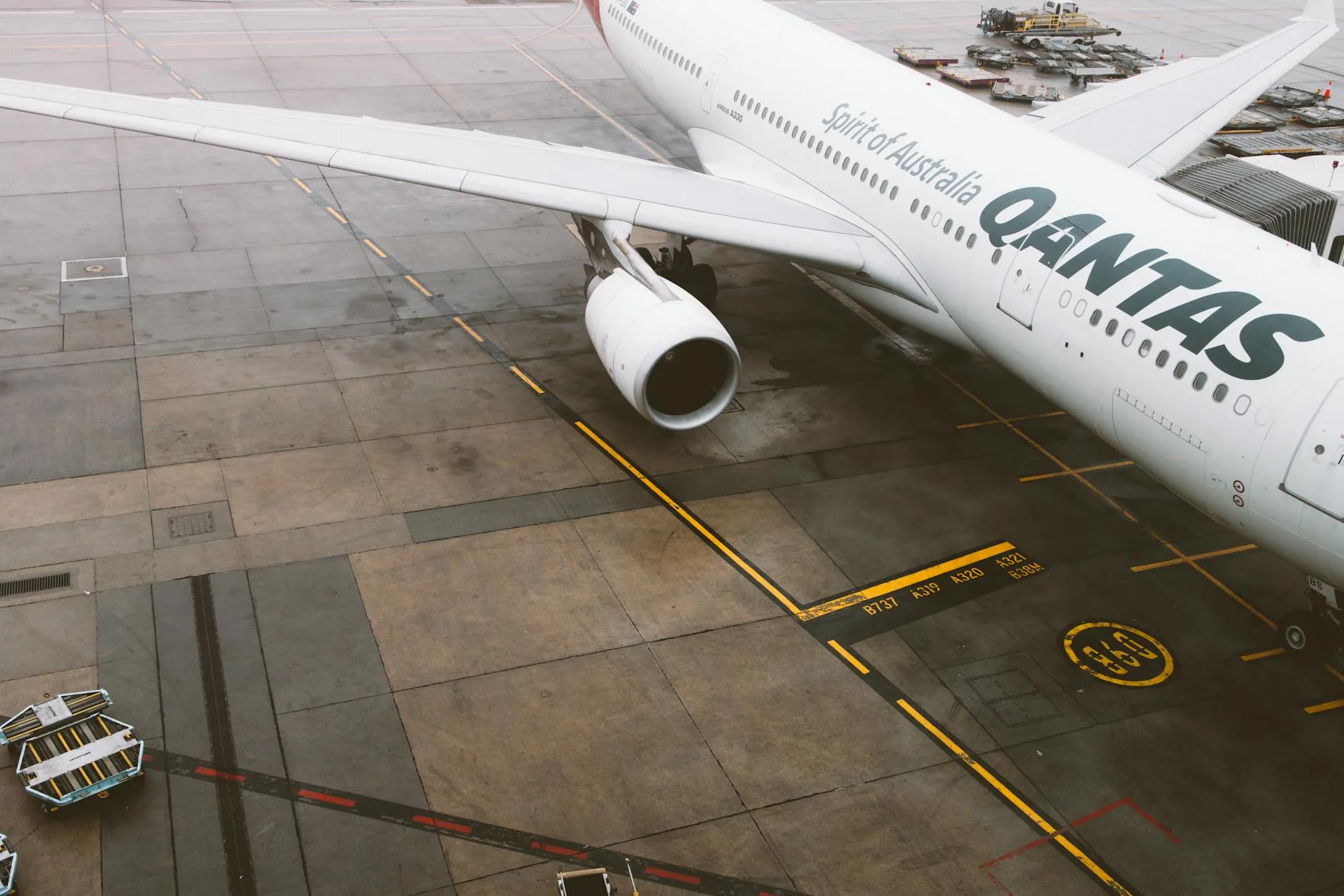
Darwin (DRW) — The Complete 2026 Airport Guide
Darwin is a small, easy airport with one big decision attached to it: when you come. It is Australia’s gateway to the Top End — Kakadu, Litchfield, the closest big Australian airport to Asia — but it swings between a bone-dry tourist peak (May–October) and a steamy monsoon (November–April) that empties the parks and the plane cabins alike. Get the season right and the airport itself barely slows you down: it is a single terminal, ~8 km from town, and you can be on Mitchell Street within 15 minutes of clearing customs.
Last verified: July 2026. Fares, bus routes, lounge prices and Australia’s entry rules change — confirm the specifics on your ticket and at official signage before you travel.
Quick reference
| Detail | What you need to know |
|---|---|
| Airport | Darwin International Airport, IATA DRW / ICAO YPDN — the Northern Territory’s main gateway, around 1.8 million passengers a year. One integrated terminal for domestic and international |
| Location | About 8 km north of the CBD (roughly a 13 km, 15-minute drive by road) — genuinely close to town, unusually so for a capital-city airport |
| Into the city | Public bus (Route 3) A$3 + an 8-min walk · airport-to-hotel shuttle · taxi ~A$30 incl. exit fee · Uber ~A$30–35 + exit fee |
| Entry | eVisitor (651) — free, for UK and EU passports · ETA (601) — ~A$20 via the app, for US/Canada/Japan and others. Both must be arranged before you fly. SmartGate on arrival |
| Biosecurity | Australia’s laws are among the strictest on earth — declare all food, plant and animal products. On-the-spot fines run into the thousands |
| When to come | Dry season May–October = peak, blue skies, parks open. Wet season November–April = monsoon, storms, waterfalls at full roar but road access cut |
The decision that shapes your whole trip: wet season or dry
Most airport guides bury the weather at the bottom. At Darwin it belongs at the top, because the Top End runs on two seasons and they are nothing alike. This is the single most important thing to get right before you book.
The dry season (roughly May to October) is why people come. Days sit around 30–32°C, humidity drops, rain all but stops, and every road into Kakadu and Litchfield is open — waterfall pools, sunset markets, and reliable tour operators. It is also therefore the busy, pricier window, so fares and beds book out well ahead.
The wet season (roughly November to April) is the monsoon. Afternoon thunderstorms, real humidity, dramatic lightning and — the part that catches visitors — flooding that closes unsealed park roads and some Kakadu sites entirely. The upside is that Litchfield’s waterfalls are spectacular, the landscape turns green, and everything is cheaper and quieter. The bridge months, the “build-up” around September–October, bring the heat and humidity without the reliable rain yet — locals will tell you it is the hardest stretch to enjoy.
One terminal, and a runway shared with the Air Force
After a big airport, Darwin is a relief. There is one integrated terminal: domestic and international sit under the same roof, so you never leave the building to change between them. Arrivals and baggage reclaim are on the ground floor with the car-rental desks and the ground-transport pickup out front; check-in, security and the departure gates are up on Level 1. The international wing — passport control, customs and the international gates — is cordoned off at the western end but physically joined to the same concourse.
The quirk worth knowing is who owns the tarmac. Darwin is a joint civil–military airport: the civilian terminal shares its main runway (11/29, about 3,354 m) with RAAF Base Darwin. It is one of only two joint-user sites among Australia’s federally leased airports. In practice you will never notice it as a passenger beyond the occasional military aircraft on the apron and, rarely, a short hold for defence movements — but it is why the airfield is bigger and busier-looking than a 1.8-million-passenger terminal would suggest.
For a hub this size, transfers are simple. There is no shuttle to catch between terminals, no satellite concourse, no people-mover. If you are connecting domestic-to-domestic, it is a short walk. The one connection that needs time is international-to-domestic, because you clear immigration, customs and biosecurity first — see the connections note below.
Getting into Darwin
The airport’s best feature is how close it is. The CBD and the Mitchell Street hotel strip are about a 15-minute drive, and there is a genuinely cheap public-bus option most guides overlook. Here is the honest comparison.
| Option | Price | Time to CBD | Verdict |
|---|---|---|---|
| Public bus (Route 3) | A$3 (~€1.80 / $2), A$1 concession | ~15 min + 8-min walk | Cheapest by far — if you travel light and it’s running |
| Airport hotel shuttle | Book online / at the kiosk near Carousel 1 | ~15–25 min | Door-to-hotel; best with luggage or a group |
| Taxi | ~A$30 (~€18 / $20) incl. A$4 airport exit fee | ~15 min | Simple, metered, at the rank out front |
| Uber / rideshare | ~A$30–35 (+ A$4 exit fee) | ~15 min | Often the same as a taxi; check the surge in peak |
The public bus — cheap, but read the small print
Darwin’s city buses charge a flat A$3 adult fare (A$1 concession), and that ticket buys about three hours of travel with transfers — a fraction of a taxi. The route that reaches the airport is Route 3 (the Casuarina loop). The catch is that buses do not pull up at the terminal door. The nearest stop is on Henry Wrigley Drive (the Bradshaw Terrace stop, by the Mercure resort), about a 600 m, 8-minute walk from the terminal. That is fine in the dry with a carry-on; it is less fun dragging a suitcase through wet-season humidity. Check the current Route 3 timetable on the NT Government transport pages before you rely on it, as frequencies are modest and there are no services on Good Friday or Christmas Day.
Shuttle, taxi and rideshare
The Darwin City Airport Shuttle runs a hotel door-to-door service — book online in advance or at the kiosk near the baggage carousels — which is the sensible middle ground with bags or a family. Taxis wait at the rank directly outside arrivals and run to roughly A$30 to the CBD, a figure that already includes the A$4 airport exit fee charged on every pickup. Uber, 13cabs and Darwin Radio Taxi all operate; rideshare typically lands around A$30–35 plus the same exit fee, though the app’s estimate is your best guide on the day.
Entry: visa, SmartGate and the biosecurity you must not ignore
Australia has no visa-on-arrival. If you are visiting, you arrange your travel authority before you get on the plane — turn up without one and you will not be allowed to board. There is no EES or ETIAS here; that is a European system and does not apply to Australia.
- eVisitor (subclass 651) — free. This is the one for UK and EU passport holders (British citizens included, post-Brexit). Apply online through the official Department of Home Affairs site; it allows stays of up to three months, valid for a year of entries, and costs nothing.
- ETA (subclass 601) — about A$20. This covers US, Canadian, Japanese and around 30-odd other eligible passports. You apply through the official Australian ETA app (there’s a small service fee, commonly quoted at A$20); it likewise gives up to three months per visit. Use the government app, not a lookalike reseller.
- SmartGate on arrival. Australia’s automated eGates read your ePassport and use facial recognition. Since mid-2025 they have been open to all ePassport holders regardless of nationality, so most visitors can self-process rather than queue for a manned desk.
- The arrival card is still paper at Darwin. You will be handed an Incoming Passenger Card to fill out on the plane (the digital “Australia Travel Declaration” pilot only covers certain Qantas flights into Brisbane, Sydney and Melbourne — not Darwin). Fill it in honestly; it is the legal declaration customs and biosecurity act on.
Where Darwin actually flies — Australia’s doorstep to Asia
Darwin’s calling card is geography: it is the closest major Australian airport to Asia, which makes a handful of genuinely short international hops possible from here.
- Dili, East Timor (DIL) — barely an hour away, served year-round by Airnorth and Qantas (with other operators seasonally). It’s the shortest international flight in the country from Australia’s mainland.
- Bali / Denpasar (DPS) — Jetstar flies this leisure route, putting Indonesia within a few hours.
- Singapore (SIN) — Singapore Airlines operates it year-round, with Qantas adding capacity seasonally; this is Darwin’s long-haul connecting gateway into Asia and Europe.
Domestically, Qantas, Jetstar, Virgin Australia and the NT’s own Airnorth link Darwin to the big east-coast cities and a web of regional and remote Top End communities. It is a small network overall — around seven airlines to roughly twenty destinations — so if you are connecting onward internationally, most itineraries route you via Singapore or an east-coast hub rather than direct.
Lounges
Darwin is not a lounge city, but there are two worth knowing.
- Catalina Lounge — the airport’s pay-in lounge for international departures, airside on Level 1 near Gate 6. It is all-inclusive food and drink with showers, Wi-Fi and a kids’ zone; walk-in is around A$55 per person for up to three hours, with a small discount for booking online. It also serves as the access point for various lounge-membership and premium-card programs.
- Qantas Club — in the domestic area near Gate 4, for Qantas Club members, eligible frequent flyers and premium-cabin passengers.
If you are on a budget international departure with no lounge access, the concourse is small and calm enough that you will not miss one badly — grab a seat by the glass wall and watch the tropical weather roll in.
Connections, food and practical bits
Minimum connection time
Because everything is under one roof, connections are easier than at most capitals. A domestic-to-domestic change is a short walk and needs little time. The connection to plan for is international-to-domestic (or the reverse): you have to clear immigration, collect bags, pass customs and biosecurity screening, then re-check for the domestic leg — the biosecurity queue is the variable, especially behind a widebody. Darwin does not publish a single headline figure, so the safe habit is to book a comfortable buffer rather than a legal-minimum connection, and give yourself more if you have items to declare.
Food, money and Wi-Fi
Food: the terminal has the usual café-and-bar spread rather than a food hall — coffee, bakery items, a bar, and grab-and-go — with more choice landside before security than airside. Prices are airport-normal; if you want a real Darwin feed, do it in town (the dry-season Mindil Beach Sunset Market is the local institution).
Money & SIM: Australia is near-cashless — a contactless card or phone works everywhere, so you rarely need to touch the exchange booth. An eSIM bought before you land is the least-hassle way to get connected; Telstra has the best coverage once you head out into the Top End, where signal thins fast.
Practicalities: free airport Wi-Fi; car-rental desks in the arrivals hall (worth pre-booking in dry-season peak, and note many Kakadu/Litchfield tracks require a 4WD and an unsealed-road-permitted rental); short-term and long-term parking directly across from the terminal.
Frequently asked questions
Does Darwin Airport have one terminal or separate domestic and international terminals?+
One. Darwin has a single integrated terminal where domestic and international operations share the same building — you don’t leave to change between them. The international wing (passport control, customs and international gates) is at the western end of the concourse, but it’s physically connected to the domestic side. Arrivals and baggage are on the ground floor; check-in, security and gates are on Level 1.
What visa do I need to visit Australia through Darwin?+
You must arrange a travel authority before you fly. UK and EU passport holders (including British citizens) get the free eVisitor, subclass 651, online. US, Canadian, Japanese and around 30 other eligible nationalities use the ETA, subclass 601, via the official Australian ETA app for a small fee (commonly quoted around A$20). Both allow stays of up to three months. There is no visa on arrival, and no EES/ETIAS — that’s a European system, not an Australian one.
How do I get from Darwin Airport to the city, and how much?+
The CBD is about 15 minutes away. The cheapest option is the public bus (Route 3) at a flat A$3, but the stop is an 8-minute walk from the terminal on Henry Wrigley Drive. A taxi is about A$30 including the A$4 airport exit fee; Uber and rideshare are similar. The Darwin City Airport Shuttle offers hotel door-to-door pickup, which is the easiest choice with luggage.
When is the best time to visit Darwin, Kakadu and Litchfield?+
The dry season, roughly May to October, is the peak and the safest bet: warm days, low humidity, little rain, and all the national-park roads open. The wet season, November to April, is the monsoon — spectacular waterfalls and cheaper travel, but storms, humidity and flooding that can close park roads and 4WD tracks. If your plan centres on Kakadu hiking, aim for the dry.
How strict is biosecurity at Darwin Airport?+
Very. Australia has some of the toughest biosecurity laws in the world, and Darwin, as a tropical gateway near Asia, enforces them hard. Declare every food, plant, wood, seed and animal product on your Incoming Passenger Card — even sealed snacks or a wooden souvenir. Declaring costs nothing; failing to declare can bring on-the-spot fines running into the thousands (a common infringement is around A$5,500) and can affect your visa. Detector dogs and X-ray screening cover arrivals.
Can I use SmartGate on arrival at Darwin?+
Yes. Australia’s SmartGate eGates read your ePassport and use facial recognition, and since mid-2025 they’ve been open to all ePassport holders regardless of nationality. Most visitors can self-process at the automated gates rather than queue for a staffed immigration desk. You still complete the paper Incoming Passenger Card for customs and biosecurity.
What international flights leave from Darwin?+
Darwin is Australia’s closest major airport to Asia, so it has a handful of short international hops: Dili in East Timor (about an hour, year-round on Airnorth and Qantas), Bali/Denpasar (Jetstar), and Singapore (Singapore Airlines year-round, Qantas seasonally). Singapore is the main long-haul connecting gateway. It’s a small network — roughly seven airlines to about twenty destinations — so many onward international trips route via Singapore or an east-coast hub.
How long should I leave for a connection at Darwin?+
Domestic-to-domestic connections are quick because everything is in one terminal. The connection to plan carefully is international-to-domestic (or reverse): you clear immigration, collect bags, pass customs and biosecurity, then re-check for the domestic leg, and the biosecurity queue is the wildcard behind a full widebody. Darwin doesn’t publish a headline minimum, so book a comfortable buffer rather than a tight legal minimum — and add time if you have anything to declare.
At a glance
| Codes | DRW / YPDN — Darwin International Airport |
| Terminal | Single integrated terminal; domestic + international under one roof, international wing at the west end |
| Runway | Shared with RAAF Base Darwin (joint civil–military); main runway 11/29, ~3,354 m |
| Distance to CBD | ~8 km north (~13 km / 15 min by road) |
| Cheapest to city | Public bus Route 3, flat A$3, + 8-min walk to Henry Wrigley Drive stop |
| Taxi to city | ~A$30 incl. A$4 airport exit fee, ~15 min |
| Entry | eVisitor (651) free for UK/EU · ETA (601) ~A$20 for US/CA/JP & others · SmartGate for ePassports |
| Best time to visit | Dry season May–October (peak); wet/monsoon November–April |
| Wi-Fi | Free, airport-wide |
Before you fly
- 📊 Check what a good fare to Darwin looks like — our price-check tool shows the typical deal range so you know a bargain when you see one.
- 🧳 Baggage checker — confirm your airline’s carry-on and checked allowance before you pack.
- 🌏 Australia travel guide — when to go, which regions to pick, and how much a trip really costs.
🌏 Planning the trip? Read our Australia travel guide — the best time to go, where to base yourself in the Top End, and how to get around.