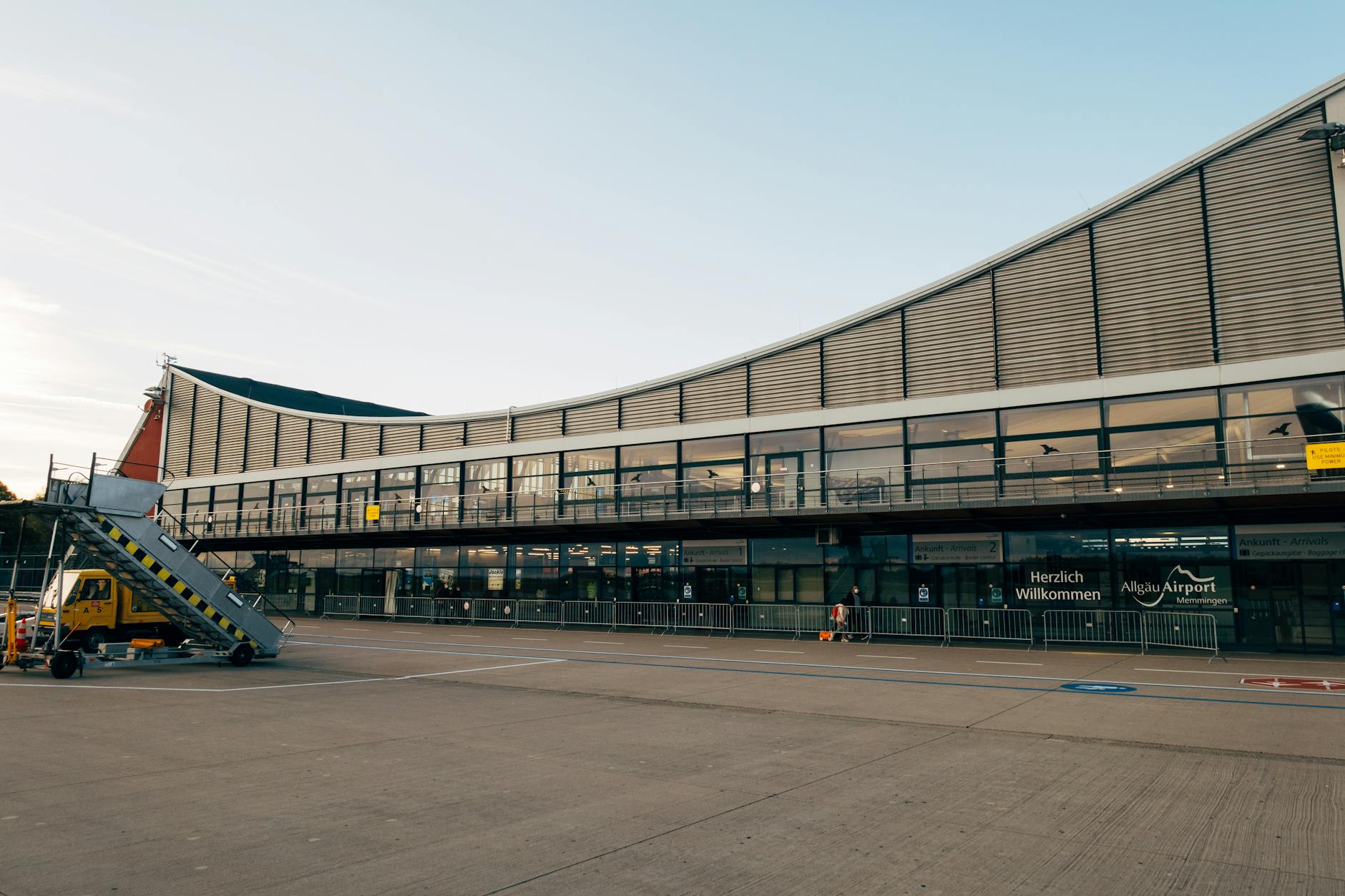
Kuala Lumpur International Airport (KUL) is one of the world’s premier aviation hubs and a centerpiece of Southeast Asian connectivity. Designed by the legendary Kisho Kurokawa under the philosophy of “Airport in the Forest, Forest in the Airport,” KUL handles over 65 million passengers annually in 2026. Located in Sepang, 45km south of the city, it serves as the global fortress for Malaysia Airlines and the undisputed world headquarters for AirAsia.
In 2026, KUL has entered a new era of efficiency. Following the full replacement of the automated people mover (Aerotrain) and the expansion of biometric “Single Token” travel, the airport has solidified its 5-star status. Whether you are arriving at the premium Terminal 1 or the low-cost powerhouse Terminal 2, this guide provides the professional-grade intelligence needed to navigate Malaysia’s primary gateway with 10/10 efficiency.
🏢 1. Terminal Architecture: The 2026 Realignment
KUL operates two distinct terminals, now officially known as Terminal 1 and Terminal 2. They are separated by a runway and require a train or bus transfer to move between them.
Terminal 1 (The Full-Service Hub)
- Airlines: Malaysia Airlines, Singapore Airlines, Emirates, Qatar Airways, Turkish Airlines, Cathay Pacific, KLM, and all Oneworld/Star Alliance partners.
- Structure: Consists of the Main Terminal Building (MTB) and the Satellite Building. The Contact Pier (MTB) handles domestic and regional international flights; the Satellite Building handles long-haul international flights.
- 2026 Update: The New Aerotrain is fully operational, linking the MTB to the Satellite Building in under 2.5 minutes with departures every 3 minutes.
Terminal 2 (The LCC Fortress)
- Airlines: AirAsia, Batik Air, Scoot, Jetstar, and Cebu Pacific.
- Infrastructure: An integrated complex featuring the Gateway@klia2 shopping mall — the largest terminal in the world dedicated to low-cost carriers.
- Vibe: High-energy, retail-focused, and extremely busy. Walking distances are significant; allow at least 15 minutes to reach the “P” and “Q” piers.
🛂 2. Mandatory 2026 Arrival Protocols: MDAC & Autogates
Malaysia has fully digitized its border control for 2026. Failure to comply with digital registration is the primary cause of delays for international arrivals.
Malaysia Digital Arrival Card (MDAC)
- Requirement: All foreign visitors must complete the MDAC online at least 3 days before arrival.
- The Process: Register at the official immigration portal. You will receive a digital confirmation which is linked to your passport number. No physical printout is required, but having a screenshot is professional practice.
The Foreigner Autogate Expansion
- 2026 Tech: KUL has expanded its Automated Immigration Gates to citizens of over 15 “low-risk” countries, including the UK, USA, EU, Australia, Japan, Korea, and Singapore.
- The Benefit: If you have a biometric passport and have submitted your MDAC, you can bypass the manual desks. Processing time: 15 seconds.
🚆 3. Transport: Reaching KL Sentral & Beyond
KUL offers world-class rail connectivity, though rideshare remains the most convenient for door-to-door service.
The “Pro” Choice: KLIA Ekspres
- Route: Non-stop from Terminal 1 and Terminal 2 to KL Sentral (City Center).
- 2026 Price: RM 65 (Single) / RM 115 (Return).
- Time: 28 minutes from T1 / 33 minutes from T2.
- Advantage: Fast, air-conditioned, and immune to Kuala Lumpur’s notorious peak-hour traffic.
- Payment: Use the KLIA Ekspres App for a 10% discount or simply Tap-on with a Contactless Card/Digital Wallet at the gates.
The “App” Choice: Grab
- Status: The undisputed king of private transport in Malaysia.
- Pickup Points: Terminal 1: Level 1, Door 3 or 4. Terminal 2: Level 1, Transportation Hub.
- 2026 Price: RM 75 – RM 110 (inclusive of highway tolls) to the Bukit Bintang or KLCC areas.
The “Budget” Choice: Airport Bus
- Route: Direct to KL Sentral or Pudu Sentral.
- 2026 Price: RM 15 – RM 20.
- Time: 60–90 minutes depending on traffic.
🛋️ 4. Premium Lounges: 2026 Status
KUL features some of the highest-rated lounges in Asia, with the “Golden Lounge” being the centerpiece.
- Malaysia Airlines Golden Lounge (T1 Satellite): Famous for its Live Laksa Bar and dedicated Nap Zones. In 2026, it features a revamped “First Class Dining” room for top-tier elites.
- Plaza Premium First (T1): An upgraded version of the standard Plaza Premium, offering à la carte dining and premium shower suites. Access via American Express Platinum or paid walk-in (approx. RM 280).
- Sky Suite (T2): The best option in the low-cost terminal, offering high-speed WiFi and hot buffet meals for Priority Pass holders.
🍴 5. Culinary & Shopping: “Last Call” Malaysian Flavors
- OldTown White Coffee (T1 & T2): Essential for a final Kaya Toast and traditional White Coffee.
- The Forest (T1 Satellite): A 10/10 hidden gem. You can walk through a section of real tropical rainforest inside the terminal to de-stress between long-haul flights.
- Duty-Free Durian: Look for high-end Musang King durian products (vacuum-sealed or freeze-dried) in the Eraman duty-free shops. They are 100% flight-compliant and make for a unique gift.
💡 6. Insider “Editor” Tips for 2026
- The “Jacket” Rule: Malaysian airports are kept at freezing temperatures (approx. 19°C). Even if it is 34°C outside, you will need a sweater inside the terminal.
- Inter-Terminal Transit: Use the KLIA Transit train (one stop) to move between T1 and T2. It costs RM 2 and takes 4 minutes. Do not use a taxi between terminals; it takes 20 minutes due to the road layout.
- Free Hydration: KUL has installed alkaline filtered water stations near all restroom blocks. Bring a reusable bottle to bypass the RM 5 bottled water prices.
- SIM Cards: Kiosks for CelcomDigi and Maxis are in the arrivals hall. In 2026, 5G is standard. A 30-day “Tourist Unlimited” pack costs approx. RM 45 ($10 USD).
- Transit Hotels: If you have an 8-hour layover, book the Sama-Sama Express (Airside) — you do not need to clear immigration. For landside, the CapsuleTransit (T1 and T2) offers “container-style” beds by the hour — excellent for budget travelers.
❓ Frequently Asked Questions (FAQ)
Can I pay for the train with Apple Pay?
Yes. In 2026, the KLIA Ekspres and the entire RapidKL transit network in the city support NFC/Contactless tap-and-pay.
How early should I arrive for a flight?
Domestic: 2 hours. International: 3.5 hours. While Autogates are fast, security screening at the gate (a unique KUL feature) can take time for wide-body flights.
Is the tap water safe to drink?
It is treated, but most travelers prefer the free filtered water stations provided airside.
Are there luggage storage facilities?
Yes. Baggage Solutions is located on Level 3 of T1 and Level 2 of T2. 2026 rates are approx. RM 40 – RM 60 per day depending on size.
📈 2026 Summary Data Table
| Feature | Current Data (2026) |
|---|---|
| IATA Code | KUL |
| Primary Currency | Malaysian Ringgit (RM / MYR) |
| Ekspres Train to City | RM 65 (28 minutes) |
| Grab to Center | ~RM 85 |
| Security Tech | Biometric “Single Token” Journey |
| Digital Requirement | MDAC (Malaysia Digital Arrival Card) |
| Free WiFi | “KLIA Free WiFi” (High-Speed / Unlimited) |
This guide is maintained by the aifly.one Autonomous Intelligence Team. Verified for April 2026 travelers.