Naha (OKA) — The Complete 2026 Okinawa Airport Guide
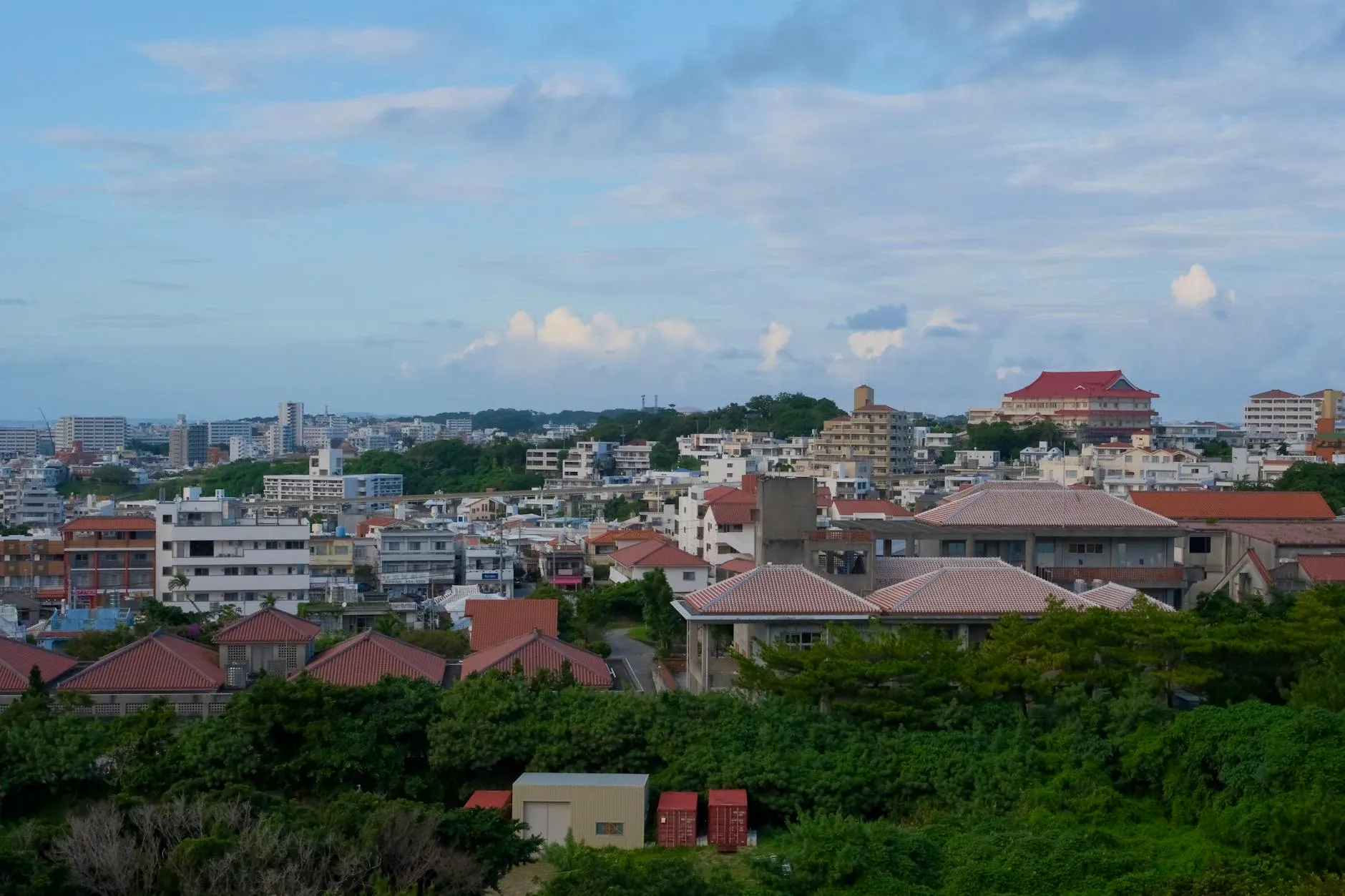
Naha is the gateway to Okinawa, and it has one enormous advantage almost no other resort-island airport can match: a monorail station attached to the terminal that puts you on Kokusai-dori in central Naha in about 13 minutes for ¥270. Get on the Yui Rail and the island opens up. The one thing to get right in 2026 is that the old separate low-cost terminal is gone — everyone now flies from one connected complex — and that Naha is a shared civil-military airfield, so occasional holds on the ground are normal.
Last verified: July 2026. Fares, lounge rules and Japan’s entry procedures change — confirm the specifics on your ticket and at official signage before you travel.
Quick reference
| Detail | What you need to know |
|---|---|
| Airport | Naha Airport, IATA OKA (ICAO ROAH) — Okinawa’s main gateway; ~21.7 million passengers in 2024, among Japan’s busiest half-dozen airports, and overwhelmingly domestic (roughly 9 in 10 travellers) |
| Layout | One connected complex: Domestic Terminal (south) and International Terminal (north), linked by an indoor Connecting Hall on the 2nd floor — a 5–10 minute covered walk. The old stand-alone budget terminal is closed; Peach, Jetstar and all carriers now use the main buildings |
| Into Naha city | Yui Rail monorail from the terminal: ¥270 (~$1.80/€1.65), ~13 min to Kencho-mae for Kokusai-dori. Limousine/express bus to the resorts; taxi to Kokusai-dori ~¥1,700–2,500 |
| Entry | Naha is a normal Japanese port of entry. UK/EU/US/Canada/Australia nationals enter visa-free for up to 90 days. No EES or ETIAS — those are European systems. Optional Visit Japan Web QR speeds up immigration and customs |
| Also useful for | The hub for the Okinawa outer islands — Ishigaki (ISG), Miyako (MMY) and the smaller Yaeyama and Miyako islands, flown by JAL, ANA, JTA, RAC and Solaseed |
| Watch out for | Ground holds from military/single-approach congestion at peak · the last Yui Rail around 23:30 · Lounge Hana being domestic-side and not a Priority Pass lounge |
One connected terminal now — the budget-terminal shuttle is history
If your memory of Naha is a bare-bones low-cost shed reached by a shuttle bus across the apron, update it. Peach and the other budget carriers used to depart from a separate, no-frills LCC terminal that opened in 2012 — cheap to run, miserable to use, and a genuine trap if you turned up at the wrong building. That terminal is closed. Naha completed a long integration project, and every airline now checks in and departs from the same connected complex.
The layout is simple. The Domestic Terminal sits at the south end and handles the vast majority of traffic — this is Okinawa, and most people arrive on a domestic flight from Tokyo, Osaka or Fukuoka. The International Terminal is at the north end. Since 2019 the two have been joined by an indoor Connecting Hall on the 2nd floor, so you can walk between domestic and international under cover in about 5–10 minutes without going outside or taking a bus.
A shared civil-military airfield — why it sometimes stops
Naha is not a purely commercial airport. It is also home to JASDF Naha Air Base, the Japan Air Self-Defense Force’s Okinawa station, and the runways are shared between military and civil traffic. For years that shared use, on a single runway, made Naha one of Japan’s more congestion-prone airports, with holds and delays at busy times.
The big fix arrived on 26 March 2020, when a second 2,700 m runway on a reclaimed island opened parallel to the original 3,000 m strip. Two runways eased the worst of it. But military movements still share the field, so a short ground hold before pushback or on approach is nothing to worry about — it is a normal feature of flying in and out of Okinawa, not a sign something is wrong. Build a little slack into a same-day onward connection rather than the tightest legal minimum.
Getting into Naha and out to the resorts
Naha is unusually close to its city — the airport is on the southwestern edge of Naha itself, not an hour out on an island somewhere. The monorail is the star, but your best option depends on where you’re actually going: central Naha, or a resort up the west coast.
| Option | Price | Time | Best for |
|---|---|---|---|
| Yui Rail monorail | ¥270 to Kencho-mae (~$1.80 / €1.65) | ~13 min to Kokusai-dori | Central Naha — fast, cheap, no traffic; the default |
| Limousine / express bus | ~¥1,600–2,800 (~$11–19) | ~1.5–2.5 hrs to west-coast resorts | Onna, Nago, Churaumi — direct, luggage-friendly |
| Taxi | ~¥1,700–2,500 to Kokusai-dori | ~15–25 min to central Naha | Late arrivals, heavy bags, small groups |
| Rental car | From ~¥4,000–7,000/day + fuel | Pick up near the airport by shuttle | Exploring the island — most of Okinawa has no rail |
The Yui Rail — the reason Naha is so easy
The Okinawa Urban Monorail (Yui Rail) station sits directly on the 2nd floor of the Domestic Terminal — you walk from arrivals to the platform, no shuttle, no taxi rank. It is the only urban rail on the island, and it runs the full 17 km from the airport across Naha to Tedako-Uranishi in neighbouring Urasoe, a line extended in October 2019.
For visitors the useful stops are close in. Kencho-mae (¥270, about 13 minutes) puts you at the western end of Kokusai-dori, Naha’s main street; Miebashi and Makishi serve its middle and eastern end. Shuri — for Shuri Castle Park — is ¥340, about 27 minutes. The full line end to end is around 37 minutes.
Pay with a paper ticket or tap the local OKICA smart card; since March 2020 the monorail also accepts the ten major Japanese IC cards (Suica, PASMO, ICOCA and the rest), so a card from the mainland works here too. If you’ll ride more than three or four times, the 1-day pass (¥1,000) or 2-day pass (¥1,800) pays for itself and includes small discounts around town. Trains run roughly 06:00 to 23:30, every 7–10 minutes in the daytime — mind that last train near 23:30 if you land late.
Buses, taxis and cars
If you’re heading straight to a resort, skip the monorail. Airport limousine and express buses leave from the arrivals level and run direct to the west-coast resort zones — roughly ¥1,600–2,800 depending on distance, about 1.5 hours to Onna Village and 2–2.5 hours to the Churaumi Aquarium area up north; buy tickets at the bus counter in the arrivals hall first. A taxi into central Naha or Kokusai-dori is short and cheap by Japanese standards, around ¥1,700–2,500 for 15–25 minutes; expect the standard Japanese late-night surcharge after roughly 22:00. Much of Okinawa has no rail at all, so if you plan to see the island beyond Naha, a rental car is the honest answer — the rental desks are just off-airport and reached by their own free shuttles.
Entry: visa-free, Visit Japan Web, and no EES or ETIAS
Okinawa is Japan, and Naha is a normal international port of entry — the same immigration and customs rules apply here as at Tokyo or Osaka.
- Visa-free for up to 90 days. Passport holders from the UK, the EU/Schengen countries, the US, Canada, Australia and dozens of others enter Japan visa-free for short-stay tourism, normally stamped for 90 days. A handful of nationalities (including the UK, Ireland, Germany, Austria and Switzerland) can request an extension to six months. You just need a valid passport and, if asked, onward travel and funds.
- No EES, no ETIAS. Those are European Union systems and have nothing to do with Japan — you don’t register for either to visit Okinawa. Ignore any site that tells you otherwise.
- Visit Japan Web is optional but worth it. Japan’s free official portal (vjw.digital.go.jp) lets you pre-fill your immigration and customs details before you fly and generates a QR code you scan on arrival, saving time at the desks. It remains optional in 2026 — paper arrival and customs cards are still handed out onboard and accepted at Naha. Register at least a few hours before landing.
- The one-machine “joint kiosks” aren’t here yet. The new single-QR combined immigration-and-customs kiosks are rolling out at the big three hubs — Tokyo Haneda, Tokyo Narita and Osaka Kansai — not (as of mid-2026) at Naha. At OKA you’ll still clear immigration and customs as two steps, which the Visit Japan Web QR simply speeds along.
The outer-islands hub: Ishigaki, Miyako and the Yaeyamas
For a lot of travellers Naha isn’t the destination — it’s the connection. Okinawa Prefecture is a long chain of islands, and the postcard beaches are often out on the far ones. Naha is the hub that feeds them.
Ishigaki (ISG), gateway to the Yaeyama Islands, is about a one-hour flight with 10+ departures a day from Naha on JAL, ANA, JTA, Solaseed and RAC. Miyako (MMY) is a similar short hop, served mainly by JTA (Japan Transocean Air) and its turboprop sister RAC (Ryukyu Air Commuter), which also fly the smallest islands. Competition keeps these fares low for Japan — often a modest add-on to your main ticket.
Lounges
Naha is a domestic-heavy airport, so most of its lounges sit on the domestic side and follow the usual Japanese-carrier rules:
- ANA Lounge — airside in the Domestic Terminal, for ANA/Star Alliance premium-cabin and status passengers (Star Alliance Gold). Not a walk-in lounge.
- JAL Sakura Lounge — airside in the Domestic Terminal, for JAL/oneworld premium-cabin and status passengers (oneworld Sapphire and above). Also not open to walk-ins.
- Lounge Hana — the pay-in-the-door card lounge, on the 4th floor of the Domestic Terminal (it moved up from the 1st floor in February 2026). Walk-in is ¥1,320 (~$9), or free if you hold a qualifying Japanese gold-tier credit card plus a same-day boarding pass. Soft drinks are free; it’s a comfortable spot but a modest regional lounge, not a flagship.
Priority Pass note: Lounge Hana is not a Priority Pass lounge — it takes cash/card at the door or a Japanese gold card, and the airline lounges are cabin/status only. Priority Pass options at Naha are thin, so if that’s your card, plan to pay the ¥1,320 at Hana rather than count on free access. Confirm current arrangements at the desk.
Food, money and practicalities
Eat Okinawan, not generic Japanese. The terminal food is a chance to try the local kitchen before you even leave: Okinawa soba (wheat noodles in a pork broth, quite different from mainland soba), taco rice, goya champuru (bitter-melon stir-fry) and Blue Seal ice cream in flavours like Okinawan salt-cookie and beniimo purple sweet potato. The domestic building’s restaurant and food-court floors are the place to graze; there’s also a food and souvenir zone strong on local sweets, awamori spirits and sea-salt snacks.
Money & SIM: Japan is far more cash-friendly than card-first Europe, though contactless is now widespread. Use bank or convenience-store (7-Bank) ATMs to draw yen, and if a machine offers to bill you in your home currency, decline and choose yen. Prepaid SIMs and eSIMs are easy to arrange; an eSIM bought before you land is the least-hassle route, and it covers you across the outer islands too.
Other practicalities: free airport Wi-Fi; luggage storage and coin lockers in the terminal; a good clutch of drugstores and konbini for anything you forgot. Because Naha is so close to the city, there’s little reason to hang around the airport — the monorail into Naha is faster than settling in here.
Layover or long wait? Ride into Naha
Naha is one of the easiest airports anywhere to leave on a layover, precisely because the monorail is at the door. With even two or three spare hours and no checked bag to worry about, ride the Yui Rail 13 minutes to Kencho-mae or Makishi, walk Kokusai-dori, grab Okinawa soba or a Blue Seal, and be back with time to spare. With four-plus hours, Shuri Castle Park (¥340, ~27 minutes on the line) is doable — the reconstructed Ryukyu royal palace, still being rebuilt after the 2019 fire, with hilltop views over the city.
If you’re just resting between flights, the terminals are calm and well signed, with cafés and the ¥1,320 Lounge Hana for a quiet sit-down. There’s no need to gamble on a long airside wait when the city is 13 minutes away.
Frequently asked questions
How do I get from Naha Airport to Kokusai-dori and central Naha?+
Take the Yui Rail monorail — the station is on the 2nd floor of the Domestic Terminal, so there’s no shuttle or taxi needed. It’s ¥270 and about 13 minutes to Kencho-mae at the western end of Kokusai-dori; Miebashi and Makishi serve the rest of the street. Pay with a paper ticket, the local OKICA card, or a mainland IC card like Suica. A taxi is also cheap here, roughly ¥1,700–2,500 for 15–25 minutes.
Is there still a separate low-cost terminal at Naha for Peach and Jetstar?+
No. The old stand-alone LCC terminal reached by shuttle bus is closed. After a terminal integration project, Peach, Jetstar and every other airline now use the main connected complex — international LCC flights from the International Terminal and domestic ones from the Domestic Terminal. Check the departures board for your check-in wing.
Do I need a visa or ETIAS to visit Okinawa in 2026?+
No. Okinawa is part of Japan, and UK, EU, US, Canadian and Australian passport holders enter visa-free for up to 90 days of tourism. ETIAS and EES are European Union systems and don’t apply to Japan at all. Japan’s optional Visit Japan Web QR pre-registration can speed up immigration and customs, but paper cards are still accepted at Naha.
What is Visit Japan Web and do I have to use it?+
Visit Japan Web (vjw.digital.go.jp) is Japan’s free official portal where you pre-fill immigration and customs information and receive a QR code to scan on arrival. It’s optional — paper arrival and customs forms are still distributed on the plane and accepted at Naha. It just saves time. The newer single-QR “joint kiosks” are only at Tokyo Haneda, Narita and Osaka Kansai so far, not Naha.
Are the domestic and international terminals connected?+
Yes. Since 2019 a covered indoor Connecting Hall on the 2nd floor links the Domestic Terminal (south) and the International Terminal (north). You can walk between them under cover in about 5–10 minutes — no bus or exit needed. This matters if you’re connecting an international arrival onto a domestic outer-island flight.
Can I fly from Naha to Ishigaki and Miyako, and how long does it take?+
Yes — Naha is the hub for the Okinawa islands. Ishigaki (ISG) is about a one-hour flight with 10-plus departures a day on JAL, ANA, JTA, Solaseed and RAC; Miyako (MMY) is a similar short hop, mainly on JTA and its turboprop sister RAC. Fares are low by Japanese standards. Domestic-to-domestic connections stay within the Domestic Terminal, but leave buffer — this is a shared military airfield that can hold traffic on the ground.
Which lounges can I use at Naha without a business-class ticket?+
Lounge Hana, the pay-in-the-door card lounge on the 4th floor of the Domestic Terminal, charges about ¥1,320 (~$9) for walk-in access, or is free with a qualifying Japanese gold credit card and same-day boarding pass. It is not a Priority Pass lounge. The ANA Lounge and JAL Sakura Lounge are for those airlines’ premium-cabin and alliance-status passengers only.
Why does my flight sometimes wait on the ground at Naha?+
Naha shares its runways with JASDF Naha Air Base, so it’s a joint civil-military airfield. Even with a second runway added in March 2020, military movements and busy periods can mean short ground holds before pushback or on approach. It’s routine at Okinawa, not a fault — just don’t book the tightest possible onward connection.
At a glance
| Codes | OKA / ROAH — Naha Airport, Okinawa |
| Layout | Domestic Terminal (south) · International Terminal (north) · 2nd-floor Connecting Hall between them; one integrated complex |
| Runways | Two parallel (3,000 m and 2,700 m); second opened 26 Mar 2020. Shared with JASDF Naha Air Base |
| Into Naha city | Yui Rail monorail from the terminal — ¥270, ~13 min to Kokusai-dori (Kencho-mae); ¥340 to Shuri |
| To the resorts | Limousine/express bus ¥1,600–2,800; ~1.5 hrs Onna, ~2–2.5 hrs Churaumi |
| Entry | Visa-free 90 days (UK/EU/US/CA/AU); optional Visit Japan Web QR; no EES/ETIAS |
| Outer islands | Hub for Ishigaki (ISG) ~1 hr and Miyako (MMY) — JAL/ANA/JTA/RAC/Solaseed |
| Last monorail | Around 23:30; after that, taxi |
| Wi-Fi | Free, airport-wide |
Before you fly
- 📊 Check what a good fare to Okinawa looks like — our price-check tool shows the typical deal range so you know a bargain when you see one.
- 🧳 Baggage checker — confirm your airline’s carry-on and checked allowance before you pack, including the outer-island turboprop limits.
- 🌏 Japan travel guide — best time to go, the regions, money and etiquette, and how to get around.
🌏 Planning the trip? Read our Japan travel guide — best time to go, where to stay, and how to get around.