Dubrovnik — The Complete City Guide 2026
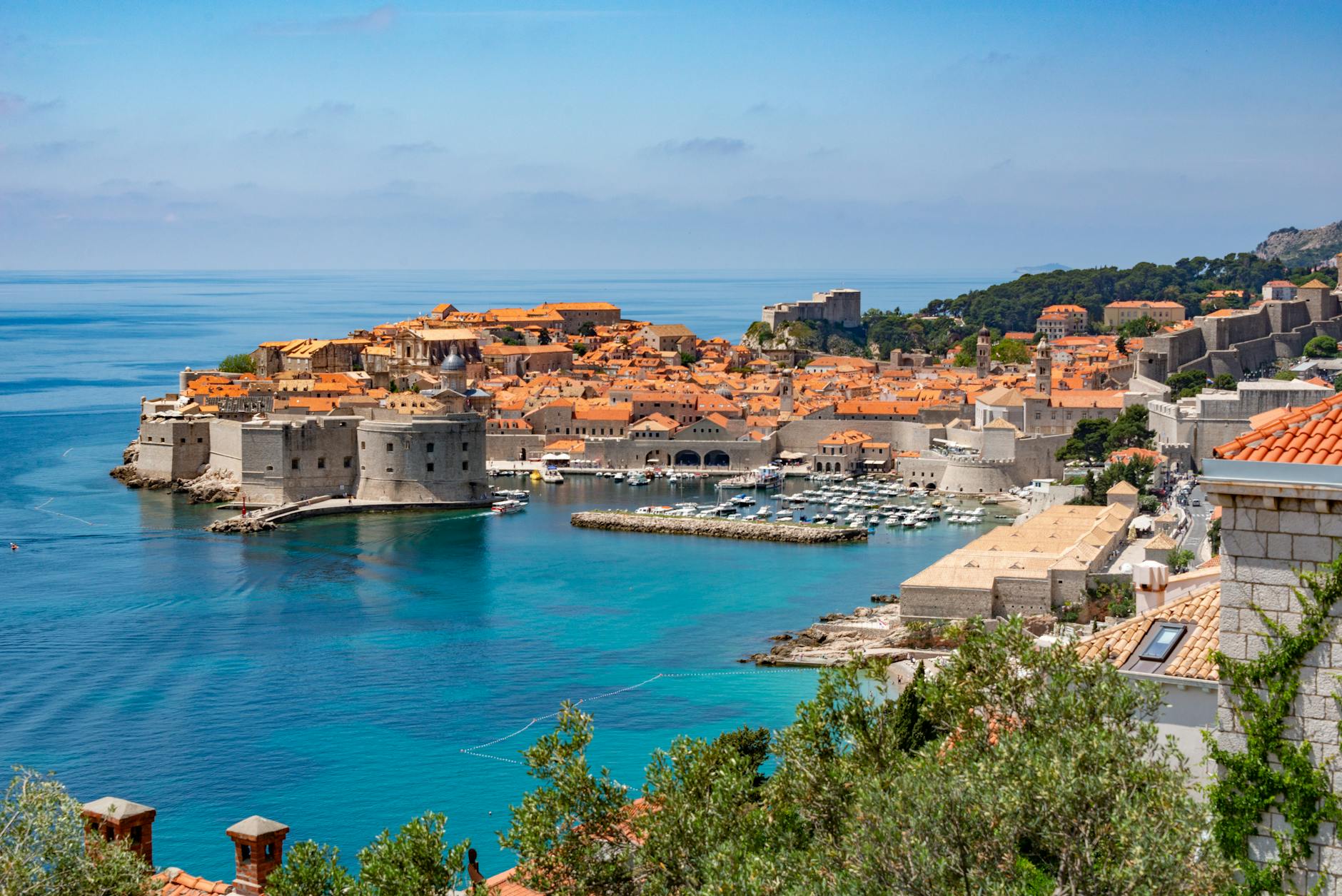
Lord Byron called it “the Pearl of the Adriatic.” George Bernard Shaw said those who seek paradise on Earth should come to Dubrovnik. They weren’t exaggerating. A walled city of cream-coloured limestone and terracotta roofs perched on the Dalmatian coast, Dubrovnik is one of the most beautiful cities in Europe. Walk the ancient walls with the Adriatic glittering below, eat grilled fish in a candlelit alley, swim off limestone cliffs between medieval fortresses, and watch the sun drop behind the Elaphiti Islands. Then there’s Game of Thrones — this is King’s Landing made real.
Last verified: April 2026. Every price, opening hour, and practical detail in this guide has been checked against current sources. All prices are in euros (€) — Croatia adopted the euro on January 1, 2023. Dubrovnik is Croatia’s most expensive city, comparable to popular Mediterranean resort destinations. The Old Town is compact enough to walk everywhere.
Why Dubrovnik? An Editor’s Note
Dubrovnik is a city that stops you in your tracks. You enter through the Pile Gate, descend the worn stone steps, and suddenly you’re standing on the Stradun — a polished limestone promenade that runs the length of the Old Town, glowing white in the Adriatic light. To the left and right, narrow alleys climb steeply up to the city walls. Everywhere: stone, light, sea.
What makes Dubrovnik special is compression. Inside an area barely 500 metres long, you have medieval fortresses, Baroque churches, Renaissance palaces, hidden restaurants, cliff-edge bars, and swimming spots where the clear blue Adriatic meets 600-year-old walls. The city was devastated by earthquake in 1667 and by siege in 1991–92 — and rebuilt both times with fierce determination. That resilience is visible everywhere.
Yes, it’s touristy. Yes, cruise ships bring floods of day-trippers. But stay overnight, walk the walls at 8 AM, eat dinner in a hidden courtyard, and swim at Buža at sunset — and you’ll understand why Byron reached for the word “pearl.”
Table of Contents
- Top Attractions & 2026 Prices
- The City Walls
- Game of Thrones Locations
- Dalmatian Food & Dining
- Seafood & Oysters Deep-Dive
- Fine Dining & Michelin 2026
- Croatian Wine Guide
- Beaches & Swimming
- Buža Cliff Bars
- Neighbourhoods & Areas
- Inside the Old Town
- Nightlife & Bars
- Shopping & Souvenirs
- Lokrum & Nearby Islands
- Day Trips from Dubrovnik
- Getting Around
- Budget & Money
- Weather & Best Time to Visit
- Safety & Tips
- What’s New in 2026
- How Many Days?
- Frequently Asked Questions
- Explore More Guides
Top Attractions & Verified 2026 Prices
| Attraction | Price | Notes |
|---|---|---|
| City Walls Walk | €40.00 | Mar–Oct; €15 winter; the defining Dubrovnik experience; allow 1.5–2h |
| Fort Lovrijenac | Incl. walls | “Dubrovnik’s Gibraltar”; included in walls ticket or €15 standalone |
| Cable Car (Srđ) | €30.00 | Return; €17 one-way; panoramic views; Fort Imperial at summit |
| Rector’s Palace | €15.00 | Gothic–Renaissance palace; cultural history museum |
| Franciscan Monastery | €8.00 | 14th-century pharmacy (one of the oldest in Europe); cloisters |
| Dominican Monastery | €8.00 | Art collection; peaceful 15th-century cloister |
| Sponza Palace | Free | 16th-century customs house; Memorial Room of Defenders (1991–92 war) |
| War Photo Limited | €10.00 | Powerful conflict photography gallery; seasonal (May–Oct) |
| Dubrovnik Cathedral | Free/€3 | Cathedral free; Treasury €3 |
| Maritime Museum | €13.00 | Inside Fort St. John; Dubrovnik’s seafaring history |
| Fort Imperial (Srđ) | €10.00 | Napoleonic fortress at summit; 1991 siege exhibition |
| Trsteno Arboretum | €10.00 | Renaissance garden; GoT filming location; 18 km NW; cash only |
| Lokrum Island | €30.00 | Ferry return from Old Port (incl. island entry); botanical garden, Dead Sea lagoon |
The City Walls
The city walls of Dubrovnik are the most complete and well-preserved fortification system in Europe. Built between the 13th and 17th centuries, they run 1,940 metres around the Old Town, rising up to 25 metres high and 6 metres thick. Walking the walls is the single must-do experience in Dubrovnik.
The circuit takes 1.5–2 hours at a comfortable pace (longer with stops for photos, which you’ll make many). The walk is one-way: you can enter at Pile Gate (main entrance, west side), Ploče Gate (east side), or St. Luke’s Tower (near the Old Port). Most people start at Pile Gate, which gives you the best photo sequence — Fort Lovrijenac across the water, the rooftop panorama from the northern walls, and the Old Port from the eastern section.
€40 (Mar–Oct 2026; €15 in winter). The ticket includes entry to Fort Lovrijenac and the Western Outer Walls (valid 72 hours, so you can visit Lovrijenac separately). Children 5–18: €15 (summer) / €5 (winter). Under-5s free.
Fort Lovrijenac (St. Lawrence Fortress)
Perched on a 37-metre cliff outside the western walls, Fort Lovrijenac is called “Dubrovnik’s Gibraltar.” Built in the 11th century to guard the city’s western approach, it has walls up to 12 metres thick on the seaward side. The inscription above the entrance reads: “Freedom cannot be sold for all the gold in the world.”
Free with your city walls ticket (same-day). If visiting separately: €15. During the Dubrovnik Summer Festival, it becomes the stage for Shakespeare performances — Hamlet played in this fortress, with the Adriatic as a backdrop, is one of the great theatre experiences in Europe.
Fort Bokar
The oldest preserved casemate fortress in Europe (1461), guarding the western approach to the Pile Gate. Included in the walls ticket. Small but atmospheric, with excellent views of Fort Lovrijenac across the water.
Game of Thrones Filming Locations
Dubrovnik is King’s Landing. Seasons 2–8 of Game of Thrones were filmed extensively here, and the city still draws fans from around the world. You can visit every major location on your own (no tour needed), though guided GoT tours (€25–€40) add context and behind-the-scenes stories.
Key Filming Locations
- Fort Lovrijenac — The Red Keep. The exterior shots of the Red Keep were filmed at this fortress. Stand on the terrace and you’ll recognise the courtyard where Joffrey held court and tournaments took place.
- City Walls — King’s Landing walls. Multiple scenes used the walls and towers. The Battle of the Blackwater approach shots were filmed from the walls looking seaward.
- Minčeta Tower — House of the Undying. The largest and tallest tower on the city walls. Daenerys enters the House of the Undying here in Season 2.
- Jesuit Stairs (Staircase of St. Ignatius) — Walk of Shame. Cersei’s infamous walk of atonement was filmed on these Baroque stairs connecting the Jesuit Church of St. Ignatius to Gundulić’s Square. The most recognisable GoT location in the city.
- Pile Gate area — Gate of the Gods. The main entrance to King’s Landing. Riot scenes and royal processions were filmed here.
- Lokrum Island — Qarth gardens. The lush botanical garden on Lokrum doubled as the gardens of Qarth where Daenerys meets the Spice King.
- Trsteno Arboretum — Tyrell gardens. The stunning Renaissance garden 18 km northwest of Dubrovnik served as the garden where Olenna Tyrell conspired and schemed. €10 entry (cash only). Bus 12, 15, or 35 from Dubrovnik (20–30 min).
- Gradac Park — Purple Wedding. The park outside the Pile Gate was the setting for Joffrey’s fateful wedding feast.
- Ethnographic Museum (Rupe) — Littlefinger’s brothel. The grain silos of this museum doubled as interior locations.
- St. Dominic Street — Streets of King’s Landing. Multiple street scenes were filmed along this approach to the Ploče Gate.
Dalmatian Food & Dining
Dalmatian cuisine is Mediterranean at its simplest and best: fresh seafood, olive oil, garlic, wine, and herbs. The cooking philosophy mirrors the coast — nothing is hidden, everything is direct. Grilled fish with olive oil and lemon, slow-cooked lamb or octopus under a peka bell lid, local wine poured without ceremony. This is food that tastes of the sea, the sun, and the stone.
| Dish | Description | Typical Price |
|---|---|---|
| Crni rižot | Black risotto with cuttlefish ink — the signature Dalmatian dish | €14–€20 |
| Buzara (na buzaru) | Shellfish (shrimp or mussels) simmered in white wine, garlic, breadcrumbs & tomato | €15–€25 |
| Pašticada | Slow-braised beef in sweet wine, prune & root vegetable sauce; Dalmatia’s finest stew | €16–€22 |
| Peka | Meat or octopus slow-roasted under an iron bell with potatoes & vegetables | €15–€25/person |
| Grilled fish | Fresh catch (brancin/sea bass, orada/bream), grilled whole with olive oil | €50–€80/kg |
| Oysters (kamenice) | Mali Ston oysters — among the best in the Mediterranean (see deep-dive) | €12–€18/dozen |
| Ćevapi | Grilled minced-meat sausages in flatbread (lepinja) with onions & ajvar | €6–€10 |
| Brudet (brode) | Fisherman’s stew of mixed fish in tomato and wine | €14–€20 |
| Rozata | Dubrovnik’s crème caramel with rose liqueur — the city’s signature dessert | €5–€8 |
| Zelena menestra | Green stew of collard greens with smoked pork — traditional Dubrovnik winter dish | €12–€18 |
Where to Eat Traditional
Konoba Ribar (Ulica od Pučca, Old Town) — A small, family-run konoba (tavern) in the heart of the Old Town. Fresh fish, excellent crni rižot, and reasonable prices for the location. €20–€35.
Taj Mahal (Nikole Gučetića 2, Old Town) — Despite the name, this is Bosnian cuisine at its finest: ćevapi, burek, klepe (dumplings), and grilled meats. A local favourite and a welcome break from seafood if you need one. €10–€18.
Pantarul (Ulica kralja Tomislava 1, Lapad) — Creative Dalmatian cooking outside the Old Town. Frequently named Dubrovnik’s best restaurant by locals. Modern takes on traditional dishes, excellent wine list. €25–€40. Reservations essential.
Shizuku (Frana Supila 2, Ploče) — Excellent Japanese ramen just outside the Old Town walls. A surprising choice, but locals swear by it. €10–€15.
Dalmatino (Ul. Miha Pracata 6, Old Town) — Upmarket traditional Dalmatian. Pašticada, fresh fish, truffle dishes. Beautiful interior. €30–€50.
Lucin Kantun (Old Town) — Tiny, popular burger and street food spot on the Stradun side streets. Best burgers in the Old Town. €8–€14.
Seafood & Oysters Deep-Dive
Seafood in Dubrovnik
The Adriatic is one of the cleanest seas in Europe, and Dubrovnik’s seafood reflects it. Fish is typically grilled whole (na žaru) — sea bass (brancin), sea bream (orada), John Dory (šanpjer), or the day’s catch — served with olive oil, lemon, Swiss chard (blitva), and boiled potatoes. It’s priced by the kilogram (typically €50–€80/kg). Always ask the price before ordering.
Shellfish is outstanding. Mussels and prawns na buzaru (in wine, garlic, breadcrumbs, and a touch of tomato) is the classic preparation. Grilled squid (lignje na žaru) with rocket and balsamic is a lighter option. Octopus under peka (hobotnica ispod peke) — slow-roasted under an iron bell lid with potatoes and herbs — is one of the great dishes of the Dalmatian coast.
Ston Oysters
Mali Ston, 55 km northwest of Dubrovnik on the Pelješac peninsula, has been farming oysters since Roman times. The Malostonske kamenice (Mali Ston oysters) grow in the nutrient-rich waters where the Neretva River meets the sea, giving them a distinctive sweetness. They’re smaller and sweeter than Atlantic oysters, traditionally eaten raw with just a squeeze of lemon.
In Mali Ston, you can eat fresh oysters at waterside restaurants for €12–€18 per dozen. The best spots: Kapetanova Kuća (the most famous, with oyster beds visible from the terrace), Bakus, and Villa Koruna. Pair with a glass of local Pošip white wine.
In Dubrovnik, the best oysters are at Bota Šare (Old Town, €3–€4 per piece) and Oyster & Sushi Bar Bota (near the cathedral).
Where to Eat Seafood
Nautika (Brsalje 3, outside Pile Gate) — Dubrovnik’s most celebrated seafood restaurant, with a terrace overlooking the sea and Fort Lovrijenac. White-tablecloth fine dining. Expensive (€60–€100+) but an extraordinary setting. Reservations essential.
Proto (Ulica Široka 1, Old Town) — Family-run since 1886. Upper-floor terrace with Old Town views. Traditional Dubrovnik seafood at high quality. €35–€55.
Konoba Jezuite (Poljana Ruđera Boškovića, Old Town) — On the Jesuit Stairs (Walk of Shame stairs). Romantic terrace dining. Excellent seafood, good wine. €25–€40.
Kopun (Ulica boškovićeva Poljana 7, Old Town) — Specialises in free-range roasted capon and traditional Dubrovnik dishes including rozata. €20–€35.
Fine Dining & Michelin 2026
Croatia’s Michelin scene has grown rapidly, though Dubrovnik itself has been slower to gain stars than Zagreb or Istria. The 2026 guide recognises several establishments in and around the city.
| Restaurant | ⭐ | Cuisine |
|---|---|---|
| 360° | ⭐ | Creative Mediterranean; stunning Old Town walls setting (Sv. Dominika bb) |
| Restaurant Dubrovnik | Michelin Recommended | Fine Dalmatian; Old Town location |
| Nautika | Michelin Recommended | Seafood; fortress-view terrace |
| Pantarul | Michelin Selected | Creative Dalmatian; Lapad neighbourhood — locals’ favourite |
In wider Croatia: Agli Amici in Rovinj (2⭐ — Croatia’s first two-star), Monte in Rovinj (1⭐), Pelegrini in Šibenik (1⭐), LD Restaurant in Korčula (1⭐), Noel in Zagreb (1⭐), Draga di Lovrana near Opatija (1⭐). Croatia’s Michelin scene is concentrated in Istria and along the northern coast, with Dubrovnik’s sole star at 360°.
Splurge-Worthy Restaurants
360° (Sv. Dominika bb) — The only Michelin-starred restaurant in Dubrovnik. Set atop the Old Town walls near the old port. Tasting menus from €120. The view at sunset is extraordinary. Book well ahead in summer.
Nautika (Brsalje 3) — See seafood section. Dubrovnik’s classic fine dining address since 1994.
Posat (Uz Posat 1, near Pile Gate) — Mediterranean fine dining in a serene garden. Excellent wine pairings. €50–€80.
Above 5 (Old Town rooftop) — Rooftop gastronomy above the Old Town. Creative small plates, cocktails, and panoramic views. €40–€60.
Croatian Wine Guide
Croatia has over 130 indigenous grape varieties and a winemaking history going back 2,500 years. The wines from the Dubrovnik region — the Pelješac peninsula and the Konavle valley — are among the country’s finest, yet almost unknown outside Croatia.
Key Wines
- Plavac Mali — Croatia’s most important red grape. Genetically the child of Zinfandel/Primitivo (and its parent Crljenak Kaštelanski). Full-bodied, high alcohol, dark fruit. The best come from the Pelješac peninsula’s steep, south-facing slopes.
- Dingač — Croatia’s first PDO wine (protected since 1961). 100% Plavac Mali from the Dingač appellation on the southern slopes of Pelješac, facing Korčula. Rich, powerful, and age-worthy. €8–€15/glass.
- Postup — The other great Pelješac appellation. Slightly softer and more approachable than Dingač, but equally impressive. Excellent value.
- Pošip — Croatia’s best white grape, from Korčula originally. Crisp, mineral, medium-bodied. Perfect with seafood and oysters. €5–€9/glass.
- Malvasia (Malvazija Dubrovačka) — The Dubrovnik variant of Malvasia. Aromatic, floral, slightly honeyed. A local aperitif favourite.
- Grk — An extremely rare grape grown only in Lumbarda on Korčula. An all-female variety (it needs a different grape for pollination). Dry, mineral, and fascinating.
Wine Bars & Tastings
D’Vino Wine Bar (Palmotićeva 4a, Old Town) — The best wine bar in Dubrovnik. Over 60 Croatian wines by the glass, knowledgeable staff, cheese and charcuterie. €5–€15/glass. Start here if you want to understand Croatian wine.
Matuško Winery (Potomje, Pelješac) — One of the top Dingač producers. Tastings from €15. Visit on a Pelješac day trip.
Saints Hills (Pelješac) — A collaboration with Michel Rolland. Premium Plavac Mali and Dingač. Tastings by appointment.
Korta Katarina (Orebić, Pelješac) — Beautiful winery with Adriatic views. Tastings from €20 including tour.
Beaches & Swimming
Dubrovnik’s beaches are rocky rather than sandy (this is limestone country), but the Adriatic water is crystal-clear and warm from June to October. Most “beaches” are concrete platforms or pebble coves — bring water shoes.
Best Beaches
Banje Beach — The main beach closest to the Old Town, just outside the Ploče Gate. Pebble beach with a view of the walls and Lokrum Island. Free access (though the EastWest Beach Club occupies the prime section with sunbeds at €20–€40/day). Busy but scenic.
Sveti Jakov Beach — A hidden gem east of the Old Town. Steep stairs down (150+) from the road, but the reward is a smaller, less crowded beach with one of the best views in Dubrovnik — the entire Old Town and walls visible across the water. Bar and sunbed rental available. Free access.
Copacabana Beach (Babin Kuk) — The largest and most family-friendly beach in Dubrovnik. Pebble, with shallow water, water sports, sunbed rental, and beach bars. 20 min by bus from the Old Town. Free access.
Bellevue Beach — A gorgeous cove below the Hotel Bellevue, with dramatic cliff walls on either side. Fewer tourists than Banje. Steep stairs down. Free access.
Betina Cave Beach — A unique beach inside a natural cave/overhang near the Bellevue Hotel area. Atmospheric and Instagram-famous. Small and rocky.
Lokrum Island beaches — Rocky swimming spots around the island. The Dead Sea (Mrtvo More) is a small saltwater lake in the island’s interior, popular for swimming. The FKK (nudist) beach is on the island’s eastern shore. See Lokrum section below.
Šunj Beach (Lopud Island) — The best sandy beach in the Dubrovnik area, on Lopud in the Elaphiti Islands. Fine white sand, shallow turquoise water. Worth the 45-min ferry ride. See day trips.
Buža Cliff Bars
Dubrovnik’s most iconic drinking experience. The Buža bars (buža means “hole in the wall”) are perched on the cliffs of the southern city walls, accessible through literal holes in the medieval fortification. You sit on cushions on the limestone rocks, drink beer or cocktails, and watch the sunset over the open Adriatic. If you’re brave, you can jump into the sea from the rocks below.
Buža I (also called Buža Bar or Cafe Buža) — The smaller, more intimate bar. Lower on the rocks, closer to the water. Find it by following the signs through the narrow streets near the Jesuit Stairs.
Buža II (also called Buža Bar II) — The larger, more popular one. Higher up, with a broader terrace and wider views. Find the “Cold Drinks with the Most Beautiful View” sign on Od Margarite street.
Drinks are €5–€10 for a beer, €10–€15 for a cocktail. Cash only at some. No food. Go for sunset — arrive 45+ minutes before to get a good spot. The combination of the setting sun, the deep-blue Adriatic, and the medieval walls rising behind you is one of the great travel moments in Europe.
Neighbourhoods & Areas
Old Town (Stari Grad)
The walled city. Everything is here: the Stradun (Placa), Rector’s Palace, the cathedral, the Franciscan Monastery, the harbour, and the narrow alleys climbing to the walls. Stunning but crowded during the day. Magical at night. Stay here for atmosphere, but expect to pay a premium and deal with limited dining options after midnight.
Ploče
Just outside the eastern (Ploče) gate. Many of Dubrovnik’s luxury hotels (Excelsior, Villa Dubrovnik, Argentina) are here. Close to Banje Beach and the cable car station. A quieter base than inside the walls, with some excellent restaurants.
Lapad
A peninsula 3 km west of the Old Town. The main tourist hotel zone outside the Old Town, with its own promenade, beaches, restaurants, and shops. Good mid-range base — 15–20 min by bus to the Old Town. More space, lower prices, beach access. Pantarul (Bib Gourmand) is here.
Gruž
The port area where ferries and cruise ships dock. The Gruž market is Dubrovnik’s main fresh produce market — open daily, busiest on weekday mornings. Good supermarkets and more local restaurants than the Old Town. Bus hub for most city routes.
Babin Kuk
A residential peninsula beyond Lapad. Copacabana Beach is here. All-inclusive resorts and apartment rentals. Family-friendly, with swimming pools and water sports. Furthest from the Old Town (25–30 min by bus), but the most relaxed.
Inside the Old Town
The Stradun (Placa)
The main street of the Old Town, running 300 metres from Pile Gate to Ploče Gate. Paved in polished limestone that glows white in the sun and reflects the street lights at night. Destroyed in the 1667 earthquake and rebuilt in uniform Baroque style. Free to walk, of course — and you’ll walk it dozens of times.
Rector’s Palace
A Gothic–Renaissance palace where the Rector (head of the Dubrovnik Republic) governed. He was elected for one month, confined to the palace for his entire term, and could not leave without Senate permission. Now the Cultural History Museum. €15. Beautiful atrium with Renaissance arches. Free concerts in the courtyard during the Summer Festival.
Onofrio’s Fountains
Two 15th-century fountains. The Large Fountain (at the Pile Gate end of the Stradun) is one of Dubrovnik’s landmarks — a 16-sided dome with 16 carved masks spouting drinking water. Built in 1438 by Onofrio della Cava as part of the city’s water supply system. The water still flows and is still drinkable.
Dubrovnik Cathedral (Velika Gospa)
Built after the 1667 earthquake on the ruins of the Romanesque original. Baroque exterior, with a Treasury containing a 12th-century Byzantine skull reliquary of St. Blaise (Dubrovnik’s patron saint), attributed to Byzantine goldsmiths. Cathedral free; Treasury €3.
Gundulić’s Square (Gundulićeva Poljana)
A small, atmospheric square with a daily morning market (fresh fruit, vegetables, lavender sachets, olive oil, honey). Surrounded by restaurants with terrace seating. Below the Jesuit Stairs. At night it transforms into an outdoor dining area.
Orlando’s Column
A carved stone column of the knight Orlando (Roland), erected in 1418, standing in front of the Church of St. Blaise. The forearm of Orlando’s statue was the official unit of measure (the Dubrovnik cubit, 51.1 cm) used in the Republic’s trade. The city’s flag is ceremonially raised here.
Nightlife & Bars
Dubrovnik’s nightlife is concentrated in the Old Town and is more bar-oriented than club-oriented. The atmosphere is cocktails on stone terraces, wine in candlelit alleys, and cliff-edge sunset beers rather than thumping nightclubs.
Buža I & II — The cliff bars (see above). The ultimate sunset drink.
D’Vino Wine Bar — (see wine section). Outstanding wine selection in an atmospheric cellar.
Razonoda Wine & Cocktail Bar (Old Town) — Creative cocktails and local wines. Stone walls, atmospheric lighting. Popular with a slightly older crowd.
Jazz Caffé Troubadour (Bunićeva Poljana 2) — A Dubrovnik institution since 1989. Live jazz in a tiny square outside the cathedral. Sit outside on summer evenings and let the music fill the piazza.
Revelin Culture Club (Fort Revelin) — Dubrovnik’s main nightclub, inside a 16th-century fortress at the Ploče Gate end of the Old Town. International DJs, laser shows, and dancing until late. Entry €10–€25 depending on the night. The fortress setting is extraordinary even if you’re not a clubber.
Buzz Bar (Prijeko, Old Town) — Craft cocktails in the Prijeko street area. Younger crowd, good music.
Bar Raguža (Old Town) — A local favourite for casual drinks. Stone courtyard, simple but atmospheric.
Shopping & Souvenirs
Lavender products — Lavender from the island of Hvar is sold throughout Dubrovnik: sachets, essential oil, soaps. The Gundulić Square market is the best place to buy.
Olive oil — Dalmatian olive oil is excellent and underrated. Buy at the market or from specialist shops in the Old Town. Brands from Korčula and Pelješac are particularly good.
Croatian wine — A bottle of Dingač or Pošip is one of the best souvenirs. D’Vino Wine Bar sells bottles to take away.
Dubrovačka Kuća (Svetog Dominika 4) — An art and gift shop with high-quality Croatian products: wines, olive oils, truffles, ceramics, and art. Better quality than typical souvenir shops.
Franciscan Pharmacy — Operating since 1317 (one of the oldest in Europe). You can buy creams, herbal remedies, and rose water made from traditional recipes. Inside the Franciscan Monastery complex.
Dubrovnik Summer Market (Gruž) — The real market where locals shop for produce. Larger and cheaper than the Gundulić Square market. Open daily.
Lokrum & Nearby Islands
Lokrum Island
600 metres off the Old Town, Lokrum is a lush, forested island that feels like a different world. It’s been a nature reserve since 1964 — no permanent residents, no cars, no hotels. Ferries run every 30 minutes from the Old Port (April–November). €30 return (includes island entry; students €10, children 7–18 €5). Last ferry back at 17:00–19:00 depending on season. Tickets at the Old Port kiosk only — no online purchase for the official ferry.
What to do on Lokrum:
- Botanical Garden — Subtropical plants from around the world, planted by Archduke Maximilian of Habsburg in the 1860s. Peacocks roam freely.
- Dead Sea (Mrtvo More) — A small saltwater lake in the island’s interior, warmer than the sea. Popular for swimming.
- Benedictine Monastery — Ruins of an 11th-century monastery. The cloister garden has the Game of Thrones Iron Throne replica.
- Fort Royal — A Napoleonic fortress at the island’s highest point. Panoramic views back to the Old Town.
- FKK beach — A clothing-optional beach on the southeastern shore. Croatia has a strong naturist tradition.
- Rocky swimming — Crystal-clear water off the rocks around the island’s edge. Bring water shoes.
Elaphiti Islands (Koločep, Lopud, Šipan)
A chain of 13 islands northwest of Dubrovnik, of which three are inhabited. Car-free, peaceful, and beautiful. Easily visited as a day trip by ferry or organized boat tour.
- Koločep (Kalamota) — The closest (20 min ferry). Lush vegetation, two small settlements, and quiet swimming coves. Completely car-free. Walking trail connects both villages (20 min).
- Lopud — The middle island (50 min ferry). Home to Šunj Beach — the best sandy beach in the Dubrovnik area. Walk 20 minutes across the island from the ferry dock. A few restaurants and a ruined fortress.
- Šipan — The largest (1.5h ferry). Two villages (Šipanska Luka and Suđurađ), olive groves, vineyards, and Renaissance summer palaces. The quietest of the three.
The Jadrolinija ferry from Gruž port serves all three islands. Check the timetable — frequencies vary. Or book a Three Islands Tour (from €40–€55) which hits all three with swimming stops and lunch.
Day Trips from Dubrovnik
Ston & Mali Ston (Oysters & Walls)
55 km northwest on the Pelješac peninsula. The Walls of Ston (5.5 km, the longest in Europe) are the main attraction — you can walk a section or attempt the full circuit (€10, 2–3h). Then head to Mali Ston for oysters (see seafood section). Combine with a Pelješac wine tasting. Bus from Dubrovnik: about €7–€10, 1h 15m.
Mostar, Bosnia & Herzegovina
The famous Stari Most (Old Bridge), rebuilt after its destruction in the 1993 war, is one of the most powerful sights in the Balkans. The old town has Ottoman bazaars, mosques, and bridge divers performing for tips. A deeply moving day trip that puts Dubrovnik’s own war damage into wider context.
Getting there: Organised tours from €40–€55 (most popular option). Bus from Dubrovnik: about €20–€30 one-way, 3–3.5h (Autotrans/Arriva/FlixBus). You cross two international borders (Croatia→Bosnia→Croatia on the Neum corridor), so bring your passport. Non-EU citizens may need a Bosnian visa.
Kotor, Montenegro
A medieval walled town at the head of Europe’s southernmost fjord. Kotor’s Bay is jaw-dropping. Climb the 1,350 steps to the Fortress of San Giovanni (€8) for views that make the effort worthwhile. The old town is a mini-Dubrovnik without the cruise-ship crowds (usually).
Getting there: Organised tours from €35–€50. Bus from Dubrovnik: about €25–€35 one-way, 2–2.5h (multiple operators, ~15 connections/day). You cross the Croatia-Montenegro border — bring your passport. Montenegro uses the euro but is not in the EU or Schengen. Significant delays possible at the border in summer.
Mljet National Park
A green, forested island with two connected saltwater lakes and a 12th-century Benedictine monastery on a tiny island within a lake within an island. One of the most peaceful places on the Adriatic. Excellent cycling, kayaking, and swimming.
Getting there: Catamaran from Dubrovnik (Gruž) to Polače or Sobra, 1.5–2h. National park entry €25 (Jun–Sep; €15 off-season; includes solar boat to monastery island). 25% discount after 4 PM. Day trip is doable but an overnight stay is rewarding.
Pelješac Wine Peninsula
The Pelješac peninsula produces Croatia’s finest wines — Dingač and Postup appellations. Combine Ston/Mali Ston with visits to wineries in Potomje, Trstenik, and Orebić. Best by car or organised wine tour (€60–€90). The new Pelješac Bridge (opened June 2022) now connects the peninsula directly to the Croatian mainland, bypassing the Neum corridor through Bosnia.
Cavtat
A pretty harbour town 20 km south. Renaissance villas, the Račić Family Mausoleum (by Ivan Meštrović), a waterfront promenade, and good restaurants at half the Dubrovnik price. Bus 10: €2–€3, 30 min. Or take a water taxi from the Old Port (from €12–€15 one-way). A relaxed escape from the Old Town crowds.
Getting Around
| Transport | Price | Notes |
|---|---|---|
| Walking (Old Town) | Free | Everything in the Old Town is within 10 min walk |
| Libertas city bus | €2.50 | On-bus; pre-purchase €1.73 at kiosk; 24h pass €5.31 |
| Airport bus (Platanus) | €10.00 | Shuttle to Ploče Gate/Gruž; 30–40 min; times match flights |
| Airport taxi | €35–€45 | Fixed-ish rate to Old Town; agree price before |
| Lokrum ferry | €30.00 | Return from Old Port; includes island entry; every 30 min |
| Cable car (Srđ) | €30.00 | Return; €17 one-way; from Ploče area; 4 min to summit |
| Uber/Bolt | €5–€15 | Available; cheaper than taxis; surge pricing in summer |
From Dubrovnik Airport (Čilipi)
The airport is 21 km south of the Old Town (Čilipi). The Platanus shuttle bus (€10 one-way, €15 return; buy online or at the airport counter) runs to Ploče Gate and Gruž bus station, timed to match arrivals. Journey: 30–40 minutes. Book online in peak season. A taxi costs €35–45 to the Old Town (agree price before departure).
Uber and Bolt operate in Dubrovnik and are usually cheaper than official taxis. Check availability before relying on them at the airport.
Getting Around Dubrovnik
The Old Town is entirely pedestrian and tiny — 500 metres end to end. You’ll walk everywhere inside the walls. To reach Lapad, Gruž, Babin Kuk, or the cable car, use the Libertas bus system. €2.50 from the driver (cash), €1.73 pre-purchased from kiosks/trafika. Key routes: 1a/1b (Old Town–Lapad–Babin Kuk), 4 (Old Town–Lapad via Gruž). Buses are frequent (every 10–20 min in summer). Free with Dubrovnik Pass (city lines 1–9).
Budget & Money
| Category | Budget | Mid-Range | Luxury |
|---|---|---|---|
| Accommodation | €25–50 dorm/room | €100–€200 | €300–€800+ |
| Food (per day) | €25–€45 | €50–€100 | €120–€300+ |
| Transport (per day) | €0–€4 | €4–€10 | €15–€50 |
| Activities | €40 (walls) | €60–€100 | €120–€250+ |
| Daily Total | €85–€130 | €200–€400 | €530–€1,300+ |
Money-Saving Tips
- Dubrovnik Pass: If you’re visiting the walls + 1– museum, the 1-day pass (€40) saves money vs. individual tickets. The 3-day pass (€50) adds unlimited bus travel and Lokrum discount.
- Eat outside the Old Town. Restaurants in Lapad and Gruž are 30–50% cheaper than inside the walls. Pantarul in Lapad is better than most Old Town restaurants.
- Buy bus tickets from kiosks (€1.73) rather than from drivers (€2.50).
- Swim for free. Most beaches are free access — don’t pay for sunbeds unless you want to.
- Cook or picnic. Buy from the Gruž market and Konzum supermarkets. Eat schiacciata and ćevapi for cheap meals.
- Visit in shoulder season. May–June and September–October have better prices, fewer cruise ships, and lovely weather.
- Tourist tax: Up to €2.65 per person per night in peak season (~€1.85 off-season). Children 12–17 half-rate, under-12 exempt. Charged by your host.
Weather & Best Time to Visit
Summer (Jun–Aug): Hot, sunny, and crowded. 25–35°C. Peak season. Sea temperature 22–26°C. The busiest months — cruise ships bring 8,000+ visitors per day. Book everything in advance.
Spring (Apr–May): Ideal. 15–25°C. Sea warming up (18–21°C by late May). Fewer tourists, lower prices, flowers everywhere. May is the sweet spot.
Autumn (Sep–Oct): Warm and golden. 18–28°C in September. Sea still warm (23–25°C). Fewer cruise ships from mid-September. October can be rainy but has beautiful light.
Winter (Nov–Mar): Cool and quiet. 8–15°C. Many restaurants, some museums, and Lokrum island closed. Hotel prices drop dramatically. The city feels local and atmospheric. The Feast of St. Blaise (Feb 3) is a major event.
Best months: May, June, September. Good weather, swimming possible, fewer cruise ships than July–August.
Safety & Tips
- Dubrovnik is very safe. One of the safest cities in Europe. Violent crime is virtually non-existent.
- Pickpockets: Rare but possible in the crowded Old Town during peak season. Standard awareness.
- Sun and heat: The biggest safety concern in summer. The limestone walls reflect heat intensely. The city walls walk has no shade. Carry water, wear a hat, use sunscreen.
- Slippery streets: The polished limestone of the Stradun and Old Town streets becomes extremely slippery when wet. Wear shoes with good grip.
- Sea urchins: Present on rocky beaches. Wear water shoes when entering the water from rocks.
- Cruise ship days: Check the cruise ship schedule at dubrovnik-port.com. On days with 3+ ships, the Old Town can feel overwhelmingly packed from 10:00–16:00. Plan accordingly.
- Drinking water: Tap water is safe and excellent in Dubrovnik. The Onofrio fountains are still drinkable.
- Tipping: Not expected but appreciated. Rounding up or 10% for good restaurant service.
What’s New in 2026
Cruise ship caps (2026): Dubrovnik now limits cruise arrivals to max 4,000 simultaneous passengers and max 2 ships per day. Ships over 4,000 pax must stay 12+ hours. This is down from a pre-pandemic peak of 10,000+ daily. City walls access may require pre-booked appointment slots in 2026 due to overtourism measures. Check the port schedule at dubrovnik-port.com before planning your day.
Pelješac Bridge: Opened June 2022, this 2.4 km bridge connects the Croatian mainland directly to the Pelješac peninsula, bypassing the Neum corridor through Bosnia. Day trips to Ston, Mali Ston, and Pelješac wineries are now faster and no border crossings needed.
Dubrovnik Summer Festival 2026: Croatia’s most prestigious cultural event runs July 10–August 25. Theatre, music, and dance performances in historic venues including Fort Lovrijenac, Rector’s Palace courtyard, and Gradac Park. Book tickets early for Hamlet at Lovrijenac.
Feast of St. Blaise: February 3, 2026. Dubrovnik’s patron saint’s day. A UNESCO-listed tradition since 972 — processions, ceremonies, and a city-wide celebration. The only time of year the Old Town feels truly local.
Tourist tax: Dubrovnik charges up to €2.65 per person per night in peak season (~€1.85 off-season). Children 12–17 half-rate, under-12 exempt. Highest in July–August.
Entry requirements: Croatia joined the Schengen Area on January 1, 2023 and adopted the euro the same day. EU/EEA citizens need only an ID card. Non-EU visa-exempt nationals: 90 days in any 180-day period. ETIAS is not yet in effect as of April 2026. No currency exchange needed — everything is in euros.
War Photo Limited: This important photography gallery reopens each May–October. Check their website for exact 2026 opening dates.
City Walls restoration: Ongoing restoration work on sections of the walls continues. Some sections may have scaffolding but the full circuit remains open.
Dubrovnik Card online discount: 10% discount when purchased online in advance at dubrovnikcard.com.
How Many Days in Dubrovnik?
2 days: Walk the walls, explore the Old Town, swim at Banje or Buža, sunset drinks at a cliff bar. Intense but covers the essentials.
4 days: Add Lokrum Island, cable car to Srđ, a day trip to Ston for oysters and wine, the Elaphiti Islands, and time to eat and drink properly.
7+ days: Deep dive: Mostar, Kotor, Mljet, Pelješac wine tour, multiple beaches, repeat the walls at different times of day, and slow evenings in the Old Town.
Frequently Asked Questions
How many days do I need in Dubrovnik?
Three to four days is ideal. Two covers the highlights (walls, Old Town, beach), four lets you add island hopping and a day trip to Ston or Mostar.
Is the Dubrovnik Card worth it?
If you’re walking the walls and visiting at least one museum, the 1-day pass (€40) pays for itself. The 3-day pass (€50) adds unlimited bus rides — excellent value if staying outside the Old Town.
When should I avoid Dubrovnik?
July and August are the busiest months, with cruise ships peaking. The heat is intense (35°C+). If you must visit in summer, walk the walls at 8 AM, avoid the Stradun midday, and plan beach time in the afternoon.
Is Dubrovnik too touristy?
During the day in summer, the Old Town can feel overwhelmed. But stay overnight — by 19:00 the cruise passengers leave, and the city transforms. Evening and early-morning Dubrovnik is magical.
What currency does Croatia use?
The euro (€) since January 1, 2023. No currency exchange needed. Credit cards are widely accepted.
Is Dubrovnik expensive?
It’s Croatia’s most expensive city, comparable to popular Mediterranean destinations. Eating and drinking in the Old Town is pricey; Lapad and Gruž are 30–50% cheaper.
Can I visit Game of Thrones locations without a tour?
Yes. All filming locations are publicly accessible. The walls, Fort Lovrijenac, Jesuit Stairs, and Lokrum are all part of regular sightseeing. A tour adds context and comparison photos but isn’t necessary.
Is the water safe to drink?
Yes. Tap water in Dubrovnik is clean and safe. The Onofrio fountains in the Old Town are drinkable.
Explore More Guides
- 🇮🇹 Florence City Guide 2026
- 🇮🇹 Naples City Guide 2026
- 🇪🇸 Seville City Guide 2026
- 🇵🇹 Porto City Guide 2026
- 🇫🇷 Marseille City Guide 2026
- 🇨🇿 Prague City Guide 2026
- 🇵🇱 Krakow City Guide 2026
- 🇩🇰 Copenhagen City Guide 2026
This guide was researched and written by the AiFly editorial team. Last verified April 2026. Prices and opening hours are subject to change — always confirm locally. AiFly may earn a commission from partner links at no extra cost to you.
More deals you might like
 Florence City Guide 2026 — Uffizi, Bistecca, Chianti & the Renaissance Capital
 Porto City Guide 2026 — Port Wine, Francesinha, Azulejo Tiles & the Douro
 Edinburgh City Guide 2026 — Castle, Whisky, Festivals & the Best of Scotland’s Capital
 Copenhagen City Guide 2026 — New Nordic Food, Tivoli, Design & Harbour Life