Edinburgh, Scotland — City Guide 2026
A Masterclass in Gothic Soul
Edinburgh — The Complete City Guide 2026
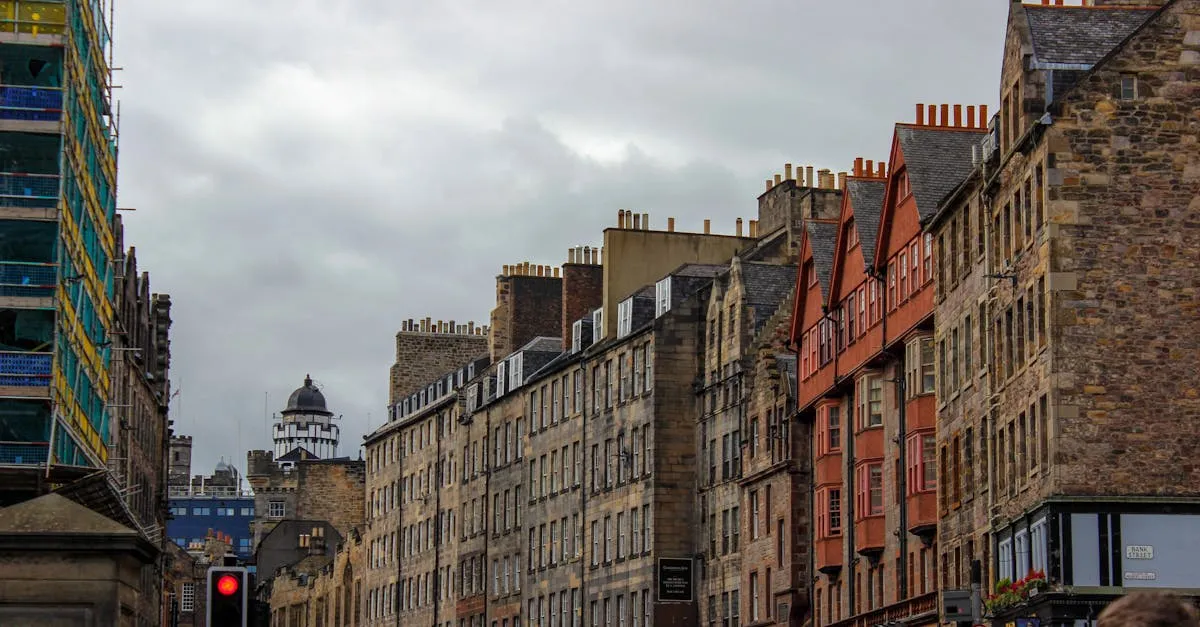
There is a specific, melancholy magic to Edinburgh when the haar — the thick sea mist — rolls in off the Firth of Forth. It clings to the jagged silhouettes of the Old Town’s “lands” (16th-century skyscrapers built before anyone else thought to build skyscrapers) and turns the Royal Mile into a scene from a Robert Louis Stevenson novel. This is a city that doesn’t just have history; it breathes it through damp stone and the faint malty scent of the breweries west of Princes Street. Whether you’re climbing the extinct volcano of Arthur’s Seat at dawn or nursing a single malt in a basement bar while a gale howls outside, Edinburgh feels less like a modern capital and more like a beautifully preserved stage set for a drama that has been running for a thousand years.
£50–420+/day (Budget to Luxury)
9°C avg / GBP £
7 Michelin-starred restaurants
ETA required (£20)
Editor’s Note — Why Edinburgh
Most travellers make the mistake of thinking Edinburgh only exists in August. While the Fringe remains the world’s greatest cultural adrenaline shot, the city is at its most soulful in the shoulder seasons. In May, the cherry blossoms in the Meadows are a pink riot against the grey stone; in October, the light hits the Scott Monument with a golden, gothic intensity that no filter can replicate.
With the new Visitor Levy launching this July (a 5% surcharge on the first five nights), Edinburgh is finally reinvesting in its historic bones, making 2026 the year the city feels more polished — and more accessible after the Newhaven tram extension — than it has in a generation. Go for the castle, but stay for the Leith food scene, which is currently out-cooking London on a fraction of the budget. And maintain the bone-dry sense of humour the locals will demand of you.
Top Attractions & Verified 2026 Prices
| Attraction | Price | Notes |
|---|---|---|
| Edinburgh Castle | £19.50 online | Book online (£22 at gate); £15.50 concession |
| Palace of Holyroodhouse | £22.00 advance | Includes audio guide; £26 on the day |
| Royal Yacht Britannia | £21.00 | Leith; includes audio guide |
| National Museum of Scotland | Free | Chambers Street; some special exhibitions paid |
| Scottish National Gallery | Free | The Mound; world-class collection |
| Arthur’s Seat | Free | 45–60 min hike; accessible from Holyrood |
| Calton Hill | Free | Nelson Monument £7; National Monument free |
| Camera Obscura | £24.95 | Top of Royal Mile; 5 floors of illusions |
| The Real Mary King’s Close | £25.00 | Underground tours; book ahead |
| Scotch Whisky Experience | £21.00 | Silver Tour; Gold Tour £34.00 |
| Scott Monument | £8.00 | 287 steps; views over Princes Street Gardens |
| Dynamic Earth | £21.50 | Holyrood; science/natural history |
The unspoken bargain of Edinburgh: the headline attractions cost a fortune, but the deepest experiences are free. The National Museum of Scotland alone could fill a day, and the Scottish National Gallery, the National Portrait Gallery, and the Scottish National Gallery of Modern Art will not charge you a penny. Spend money on the Castle and one whisky tasting; let the world-class museums pay nothing for the privilege of teaching you about Scotland. (The Edinburgh Explorer Pass exists for those determined to bundle the paid sites — it pays off if you hit three or more in a day.)
Edinburgh Castle In-Depth
Perched on an extinct volcanic plug at the top of the Royal Mile, Edinburgh Castle has dominated the city’s skyline since at least the 12th century. It is Scotland’s most visited paid attraction and one of the most besieged places in Great Britain.
- The Honours of Scotland (Crown Jewels) — The oldest crown jewels in Britain, predating the English regalia by a century. The crown, sceptre, and sword of state are displayed alongside the Stone of Destiny, returned from Westminster Abbey in 1996.
- St Margaret’s Chapel — The oldest surviving building in Edinburgh (c. 1130). A tiny, beautiful Norman chapel on the castle rock.
- The One O’Clock Gun — Fired every day except Sundays, Good Friday, and Christmas Day at 13:00. Originally a time signal for ships in the Firth of Forth.
- Mons Meg — A medieval siege cannon from 1449, one of the largest in the world.
- The Great Hall — Built for James IV in 1511. The original hammerbeam roof is magnificent.
- National War Museum — Inside the castle grounds, covering 400 years of Scottish military history.
Tickets: £19.50 adult online (£22.00 at gate), £11.50 child (5–15), under 5 free, £15.50 concession. Family £52.00 online. Book online in advance, especially in summer and during the festival. The castle can sell out. Allow 2–3 hours. Audio guide included.
Arrive at opening or after three in the afternoon. The window between 10 AM and 2 PM belongs to the tour buses, and the experience of the Honours of Scotland and the views down to the Firth of Forth is diminished when you’re shoulder-to-shoulder with forty people wearing matching lanyards.
The Royal Mile
The Royal Mile runs downhill from Edinburgh Castle to the Palace of Holyroodhouse — roughly one Scots mile (1.8 km). It is the spine of the Old Town and one of the most historically dense streets in Europe.
Castlehill & the Esplanade
The top section, immediately below the castle. Home to the Scotch Whisky Experience (£21 Silver Tour), Camera Obscura (£24.95), and the Hub (Edinburgh International Festival’s ticket office, in a striking Gothic church). The Esplanade is where the Military Tattoo is staged every August.
Lawnmarket
The historic marketplace. Gladstone’s Land (National Trust, a 17th-century merchant’s house, £10), and The Writers’ Museum (free, dedicated to Burns, Scott, and Stevenson) in Lady Stair’s Close.
High Street
The central section. St Giles’ Cathedral (free entry, donations welcome; the crown steeple is Edinburgh’s most recognisable silhouette after the castle). The Real Mary King’s Close (£25, guided tours of 17th-century streets sealed beneath the Royal Exchange). The Heart of Midlothian — a heart-shaped mosaic in the pavement outside St Giles’, marking the site of the old Tolbooth prison. Locals spit on it for luck (really).
Canongate
The lower section, leading to Holyrood. The People’s Story Museum (free), Museum of Edinburgh (free, includes the original National Covenant from 1638), and Canongate Kirk (where Adam Smith is buried). The Scottish Parliament building (Enric Miralles, 2004) is at the bottom — free tours when Parliament is not sitting.
Palace of Holyroodhouse
The official Scottish residence of the monarch. Mary, Queen of Scots lived here — and it was here that her secretary David Rizzio was murdered in front of her in 1566 (the bloodstain on the floor is pointed out, though its authenticity is debatable). The State Apartments and the ruined 12th-century Holyrood Abbey are the highlights. £22.00 advance (£26 on the day) including audio guide.
The Closes & Wynds
The most magical part of the Royal Mile is not the Mile itself — it is the narrow alleyways (closes) that branch off it. Advocate’s Close (views over the New Town), Dunbar’s Close (a hidden 17th-century garden), Anchor Close (where the Encyclopaedia Britannica was first printed), and Riddle’s Court (a beautifully restored courtyard). Exploring the closes is free and endlessly rewarding.
Scottish Food & Dining
Scottish food has undergone a transformation. The old clichés (deep-fried everything) still exist and have their charm, but Edinburgh now has a food scene that ranges from Michelin stars to excellent street food, with a genuine pride in Scottish ingredients: game, seafood, beef, berries, and dairy.
| Dish | Description | Typical Price |
|---|---|---|
| Haggis | Sheep’s offal with oatmeal, onion & spices in a casing (see deep-dive) | £12–£18 (main) |
| Cullen skink | Thick smoked haddock, potato and leek soup. On a wet Edinburgh afternoon — and they are all wet — this is the dish that makes you understand why Scotland never developed a café culture. Why would you leave? | £8–£12 (starter) |
| Scotch pie | Double-crust mutton pie with a raised lid for adding beans or gravy | £2.50–£4.00 |
| Full Scottish breakfast | Bacon, eggs, sausage, black pudding, tattie scone, haggis, beans, toast | £9–£15 |
| Cranachan | Whipped cream, oats, raspberries & whisky — Scotland’s national dessert | £7–£10 |
| Fish & chips | Haddock (not cod) in Edinburgh, with chips & mushy peas | £9–£14 |
| Tablet | Scottish fudge-like confection, grainier and sweeter than English fudge | £3–£5 (bag) |
| Scotch broth | Thick soup with lamb, barley, root vegetables | £6–£9 |
| Stovies | Potato, onion & leftover meat slow-cooked — ultimate comfort food | £9–£13 |
| Smoked salmon | Scottish cold-smoked salmon — world-famous, especially from the Highlands | £8–£14 (starter) |
Where to Eat Scottish Classics
The Dogs (Hanover Street, New Town) — Nose-to-tail Scottish cooking at honest prices. Haggis, cullen skink, and game. Mains £13–£19. Excellent value.
Mums Great Comfort Food (Forrest Road) — Haggis, mash, sausages, pies — proper Scottish comfort food. Mains £10–£15.
Arcade Bar Haggis & Whisky House (Cockburn Street) — Multiple haggis preparations plus a serious whisky selection. Tourist-friendly but genuine.
The Sheep Heid Inn (Duddingston, near Arthur’s Seat) — One of Scotland’s oldest pubs (est. 1360). Scottish food, real ales, and a skittles alley. Worth the walk.
Fishers in the City (Thistle Street) — Excellent Scottish seafood. Fish pie, smoked haddock, and the catch of the day. Mains £18–£28.
Best Fish & Chips
The Fishmarket (Newhaven) — Right on the harbour. Freshly caught haddock in crispy batter. £10–£14.
L’Alba D’Oro (Henderson Row) — Italian-Scottish chippy, widely considered the best in Edinburgh. Perfectly cooked haddock. £9–£13.
Haggis Deep-Dive
Haggis is Scotland’s national dish and far better than its description suggests. At its core: sheep’s heart, liver, and lungs, minced with oatmeal, onion, suet, and spices, traditionally encased in a sheep’s stomach. The result is rich, savoury, peppery, and nutty — more like a spiced meat crumble than anything unpleasant. It is served with “neeps and tatties” (mashed turnip/swede and mashed potato) and a whisky sauce.
How to Eat Haggis
- Traditional: Haggis, neeps, and tatties with whisky cream sauce. The Burns Night (January 25) standard.
- Haggis bon bons — Deep-fried breaded balls of haggis, often served as a bar snack or starter. Ubiquitous in Edinburgh pubs.
- Haggis pakora — A Scottish-Indian fusion that sounds wrong and tastes brilliant. Available in many Edinburgh Indian restaurants.
- Haggis pizza / haggis nachos / haggis toastie — The modern Edinburgh treatment. Haggis works as a topping/filling for almost anything.
- Breakfast haggis — A slice of haggis is standard in a Full Scottish. Often the best part.
- Vegetarian haggis — Made with oats, pulses, nuts, and spices. Surprisingly good. Macsween is the best-known brand.
Best Haggis in Edinburgh
Macsween of Edinburgh — Scotland’s most famous haggis maker. Their products are in shops everywhere; their haggis is the benchmark.
Arcade Bar Haggis & Whisky House — Multiple haggis preparations (traditional, bon bons, pakora) with a 100+ whisky list.
The Whiski Rooms (Royal Mile) — Traditional haggis with neeps, tatties, and whisky sauce, plus 300+ whiskies. Tourist-facing but good quality.
Timberyard — Fine dining haggis in a Michelin-starred context. Elevated but respectful.
Fine Dining & Michelin 2026
Edinburgh’s fine dining scene punches well above its weight. The city has multiple Michelin-starred restaurants, a strong mid-range scene, and some of the best-value tasting menus in the UK.
Michelin-Starred Restaurants (2025/2026)
| Restaurant | Stars | Cuisine | Tasting Menu |
|---|---|---|---|
| The Kitchin | ⭐ | French-Scottish, “from nature to plate” (Leith) | £105–£125 |
| Restaurant Martin Wishart | ⭐ | French-Scottish fine dining (Leith) | £100–£120 |
| Condita | ⭐ | Intimate tasting-menu only | £95–£110 |
| Timberyard | ⭐ + 🌿 | Nordic-Scottish, seasonal + Green Star 2026 | £85–£105 |
| Heron | ⭐ | Farm-to-table modern (Leith) | £80–£100 |
| Avery | ⭐ | Modern American-Scottish (Stockbridge) | £85–£110 |
| Lyla | ⭐ | Seafood tasting menu (Royal Terrace) | £90–£115 |
Excellent Restaurants Under £50
Dishoom (St Andrew Square) — Bombay-inspired café. The bacon naan roll at brunch is legendary. Mains £12–£20.
Ting Thai Caravan (Teviot Place) — Authentic Thai street food, student-budget prices. Mains £9–£13.
Baba (George Street) — Eastern Mediterranean sharing plates from the Timberyard team. Small plates £8–£16.
Aizle (Kimpton Charlotte Square) — Outstanding Scottish seasonal tasting menu. £65–£85 for incredible value.
The Palmerston (Bruntsfield) — Neighbourhood bistro with excellent locally sourced food. Mains £18–£26.
Union of Genius (Forrest Road) — Soup. Just really, really good soup. £5–£8. Perfect for a cold Edinburgh day.
Whisky Guide
Scotland produces the world’s most celebrated whisky (spelled without the ‘e’ in Scotland). Edinburgh, while not a whisky-producing region itself, is the best place in the world to learn about and taste Scotch whisky, with distillery experiences, specialist bars, and independent bottlers all within walking distance.
The Five Whisky Regions
- Speyside — The largest region. Fruity, honeyed, sometimes sherried. Examples: Glenfiddich, Macallan, Aberlour.
- Islay — Peated, smoky, maritime. Examples: Laphroaig, Lagavulin, Ardbeg. The “love it or hate it” region.
- Highland — The most diverse. Ranges from light and floral to full-bodied. Examples: Dalmore, Oban, Glenmorangie.
- Lowland — Light, grassy, gentle. Often recommended for beginners. Examples: Auchentoshan, Glenkinchie, Bladnoch.
- Campbeltown — The smallest region. Briny, complex. Examples: Springbank, Glen Scotia.
Whisky Experiences in Edinburgh
Scotch Whisky Experience (Royal Mile) — The best introduction for beginners. A barrel ride through whisky-making, guided tasting, and access to the world’s largest collection of Scotch whisky (3,384 bottles). Silver Tour £21, Gold Tour £34, Platinum Tour £45.
Holyrood Distillery (near Dynamic Earth) — Edinburgh’s newest whisky distillery, opened 2019. The first single malt distillery in the city centre for almost 100 years. Tours from £25. Also produces gin (Height of Arrows). Free Sunday tours for Edinburgh residents.
Johnnie Walker Princes Street — An immersive whisky experience across eight floors of a beautifully restored department store on Princes Street. Tours from £29. Rooftop bar with castle views.
Best Whisky Bars
The Bow Bar (Victoria Street) — A no-nonsense, old-school pub with 300+ whiskies. No music, no TV, no food — just excellent whisky and real ale. The staff are knowledgeable and unpretentious. Drams from £4.50.
Cadenhead’s Whisky Shop (Canongate) — Scotland’s oldest independent bottler (since 1842). Tastings in the back room. Bottles you won’t find anywhere else. Tastings from £10.
The Scotch Malt Whisky Society (SMWS) (Queen Street) — Members’ club, but day passes available. Single-cask bottlings with cryptic names. Extraordinary range.
Usquabae (Hope Street Lane) — Intimate whisky bar with 400+ bottles. Excellent guided tastings. Flights from £15.
Pubs & Drinking Culture
Edinburgh has some of the finest pubs in Britain. The city’s pub culture rewards exploration — step off the Royal Mile and into the closes, and you’ll find centuries-old drinking holes with real fires, cask ales, and conversation.
Historic Pubs
The Sheep Heid Inn (Duddingston) — Dating from 1360, possibly Scotland’s oldest pub. Skittles alley, beer garden with Arthur’s Seat views. Worth the walk.
Sandy Bell’s (Forrest Road) — Edinburgh’s most famous folk music pub. Live sessions most nights. Tiny, packed, atmospheric.
The Oxford Bar (Young Street, New Town) — Ian Rankin’s Inspector Rebus’s local. A no-frills, no-pretence pub. The locals don’t bite.
Greyfriars Bobby’s Bar (Candlemaker Row) — Next to the famous statue and cemetery. Tourist-facing but a genuine old pub. Pint from £5.00.
Craft Beer
BrewDog (Cowgate + Lothian Road) — Scotland’s biggest craft brewery. Punk IPA and rotating taps. £5.50–£7.50 per pint.
Hanging Bat (Lothian Road) — 20 taps of carefully curated craft beer plus a beer shop downstairs. £5.50–£8.00.
Barney’s Beer (Summerhall) — Small brewery in a former veterinary school. Unpretentious, excellent beer. £5.00–£6.50.
Cocktails & Wine
Panda & Sons (Queen Street) — A hidden speakeasy behind a barbershop facade. Creative cocktails in a Prohibition-era setting. £12–£15.
Lucky Liquor Co. (Queen Street) — A dive bar with serious cocktails. £9–£12.
The Devil’s Advocate (Advocates Close, off the Royal Mile) — Cocktails in a converted Victorian pump house. £12–£15. The close itself is atmospheric.
Neighbourhoods
Old Town
Medieval Edinburgh: the Royal Mile, the castle, the closes, Grassmarket, Cowgate, and the Vaults. Atmospheric, vertical (buildings up to 14 storeys were built here in the 17th century — Edinburgh invented the skyscraper before anyone else), and tourist-heavy on the Mile itself. The trick: step three metres off the Mile into Anchor Close or Old Stamp Office Close, and the noise drops to nothing. You can stand alone on cobbles that have been polished by feet for four hundred years, with a single shaft of light cutting between two tenements above you. That moment, more than any monument, is what people mean when they talk about Edinburgh getting under their skin.
New Town
The Georgian masterpiece, built from the 1760s. Elegant crescents, gardens, and terraces. George Street (restaurants and bars), Princes Street (shopping with castle views), Queen Street, and Rose Street (a narrow lane of pubs). The Scottish National Gallery and the Scottish National Portrait Gallery are here.
Leith
Edinburgh’s port, 2 miles north of the centre. Once rough, now the city’s food and drink destination. The Kitchin and Condita are here. The Shore (waterfront) has excellent pubs and restaurants. Royal Yacht Britannia is at Ocean Terminal. Connected by tram and bus.
Stockbridge
A village within the city, in the valley of the Water of Leith. Independent shops, excellent cafes, the Stockbridge Market (Sundays, 10:00–17:00), and the beautiful walk along the Water of Leith to Dean Village. Affluent, charming, local.
Grassmarket
A broad square below the castle, with a grim history (public executions took place here) and a lively present (pubs, restaurants, independent shops). The Last Drop pub is named for the gallows. Victoria Street (the curving, colourful street above Grassmarket) is one of Edinburgh’s most photogenic streets and an inspiration for Diagon Alley.
Bruntsfield & Morningside
Upmarket residential neighbourhoods south of the centre. Excellent independent cafes, delis, and restaurants. Bruntsfield Links is one of the oldest golf courses in the world (and it’s free to play). Good for a quieter base.
Portobello
Edinburgh’s seaside. A long, sandy beach 3 miles east of the centre, with a promenade, cafes, and an open-air swimming pool (seasonal). Popular with locals on sunny days. Bus 26 from the centre. Free beach.
Dean Village
A hidden gem 5 minutes’ walk from Princes Street. A medieval milling village on the Water of Leith, now one of Edinburgh’s most picturesque corners. Walk along the river path to the Scottish National Gallery of Modern Art (free).
Hidden Corners — Circus Lane, Dunbar’s Close & Museum of Childhood
Circus Lane (Stockbridge): A cobbled mews among Edinburgh’s most photographed streets, but somehow never crowded.
Dunbar’s Close Garden (Canongate): A hidden 17th-century-design garden behind a Royal Mile doorway. Benches, peace, almost no tourists.
Museum of Childhood (Royal Mile): Free nostalgia on the Royal Mile. Adults often more engaged than the children.
Arthur’s Seat & Outdoor Edinburgh
Arthur’s Seat is the main peak of a group of hills in Holyrood Park — an extinct volcano rising 251 metres in the middle of the city. The hike to the summit takes 45–60 minutes from Holyrood Palace and rewards you with a 360-degree panorama of Edinburgh, the Firth of Forth, and the Pentland Hills. Free. Open at all times.
Walking Routes
- Main route from Holyrood: 45–60 min. Start at the Scottish Parliament, follow the path past St Margaret’s Loch. Moderate difficulty, some scrambling near the top.
- Salisbury Crags path: An easier, lower-level walk along the dramatic cliff face. Stunning views without the summit climb. 30 min.
- From Duddingston Village: A quieter route from the south side. Steeper but less crowded.
Bring a layer and wear proper shoes. The weather on the summit can flip from sunshine to driving sleet in twelve minutes — locals call it “four seasons in one walk” — and the only people who suffer are the ones in trainers and a t-shirt who didn’t believe a Scotsman who told them to pack a coat. Stay for sunset; the light hitting the crags is the closest thing Edinburgh has to a religious experience.
Other Walks & Green Spaces
Calton Hill — A 10-minute walk from Princes Street for panoramic views. The unfinished National Monument (“Edinburgh’s Disgrace”, a Parthenon replica abandoned in 1829) and Nelson Monument (£7). The sunset view from here is Edinburgh’s most photographed.
Water of Leith Walkway — A 12-mile path following the river from Balerno to Leith. The section from Dean Village to Stockbridge is the most popular. Herons, dippers, and occasional kingfishers.
Princes Street Gardens — The park that divides Old Town from New Town, beneath the castle. The Scott Monument (£8, 287 steps) rises from the gardens.
Royal Botanic Garden (Inverleith) — 70 acres of beautiful gardens with views to the castle. Free (glasshouses £7.50). One of Edinburgh’s hidden gems.
More Routes & Beyond Arthur’s Seat
Dunsapie Loch route: Drive or take a bus to Dunsapie Loch and walk up from there — 20 minutes to the summit. Less crowded than the Holyrood route and gentler.
St Margaret’s Loch approach: A gentler ramp through Holyrood Park’s lower paths. Adds 15 minutes but avoids the steepest sections — ideal if you have kids or weak knees.
Pentland Hills: 20 minutes south by bus from the city centre. Proper hill walking with views to the Highlands on a clear day. Multiple marked trails ranging from 1 hour to a full day. Bring layers and a windproof — exposure is real even in summer.
Festivals
Edinburgh is the world’s festival city. In August, five major festivals run simultaneously, transforming the city entirely.
Edinburgh Festival Fringe (Aug 7–31, 2026)
The world’s largest arts festival. Over 3,000 shows across 300+ venues, from stand-up comedy and theatre to dance, circus, and spoken word. Anyone can perform. Tickets range from free (many “Free Fringe” shows, pay what you want) to £15–£30 for established acts. Walk the Royal Mile at 4 PM in mid-August and you will be handed seventeen flyers in a hundred metres, watch a man set himself on fire on a unicycle, and feel the specific physical buzz that only happens when half a million people decide, simultaneously, that art matters more than sleep. The exhaustion is the point.
Locals know the secret: the headline acts are not the point. Book the one or two big-name comedy shows you actually want, then leave the rest of the day open. The transcendent Fringe moments — the ones you’ll still be telling people about a decade later — happen when you stumble into a 20-seat room above a pub and discover a future star at 3pm on a wet Tuesday. Eat at the Assembly Gardens food trucks. Check the Free Edinburgh Fringe programme. Accept that you cannot see everything; that surrender IS the festival.
Edinburgh International Festival (Aug 7–31, 2026)
The “official” festival: curated, world-class performances in classical music, opera, theatre, and dance at major venues (Usher Hall, Festival Theatre, the Hub). Higher-brow and higher-budget than the Fringe. Tickets £15–£100+.
Royal Edinburgh Military Tattoo (Aug 7–29, 2026)
A spectacular military music and display event on the Edinburgh Castle Esplanade. Pipe bands, military bands, and precision drill teams from around the world, with the castle as a floodlit backdrop. Tickets £30–£80+. Sells out months in advance. The finale, with a lone piper on the castle battlements, is unforgettable.
Edinburgh International Book Festival
The world’s largest public book festival. Now held at Edinburgh Futures Institute (moved from Charlotte Square in 2023). Author events, readings, and debates. Tickets £8–£18 per event. Usually runs during the same August period.
Festival Survival Tips (For Anyone Doing August)
- Book accommodation NOW: Prices triple in August. Six months ahead is the minimum; a year ahead is better.
- Use the Half Price Hut on the Mound: Same-day discount tickets for shows that haven’t sold out — best Fringe deal in the city.
- Free shows exist: Hundreds of Free Fringe shows operate on a pay-what-you-want basis. Quality varies wildly — that’s the gamble.
- Pace yourself: Five shows a day burns you out. Three is plenty. Leave time to eat, walk, and decompress.
- Walk: Traffic is gridlocked, parking is non-existent. Everything central is walkable — wear comfortable shoes.
Hogmanay (Dec 30–Jan 1)
Edinburgh’s world-famous New Year celebration. A three-day festival: the Torchlight Procession (Dec 30), the Street Party (Dec 31, from £35), the Concert in the Gardens, and the Loony Dook (Jan 1, a mass swim in the Firth of Forth at South Queensferry). Tickets go on sale in autumn; the street party sells out.
Other Festivals
- Edinburgh Science Festival (April) — Two weeks of science events, often excellent for families.
- Edinburgh International Film Festival — One of the world’s oldest film festivals (since 1947).
- Edinburgh Art Festival (August) — Visual arts across galleries and pop-up spaces, running alongside the Fringe.
- Burns Night (January 25) — Not a festival as such, but Edinburgh celebrates with haggis suppers, whisky, and recitations of Robert Burns’s poetry across pubs and restaurants.
Edinburgh’s Dark History
Edinburgh’s history has a dark streak that the city doesn’t shy away from — it capitalises on it, brilliantly.
The Real Mary King’s Close (£25) — Guided tours of 17th-century streets sealed beneath the Royal Exchange. The temperature drops as you descend, and the smell of damp stone that hasn’t seen daylight since the 1750s hits before the guide starts talking about plague victims. This is not a haunted house. It’s the real thing, and the quiet of it is worse than any jump scare.
Edinburgh Vaults (South Bridge Vaults) — Chambers beneath South Bridge, used in the 18th century by businesses, the poor, and allegedly by Burke and Hare (body snatchers). Multiple tour operators; Mercat Tours and Auld Reekie Tours are the most established. £18–£22. Evening tours are atmospheric.
Greyfriars Kirkyard — One of Edinburgh’s oldest cemeteries (1562). Free. Famous for: Greyfriars Bobby (the loyal Skye terrier), the Covenanters’ Prison (said to be haunted by the Mackenzie Poltergeist), and as an inspiration for J.K. Rowling (Tom Riddle’s gravestone, McGonagall, and others are here). Ghost tours run at night.
Burke and Hare — Edinburgh’s most infamous murderers (1828). They killed 16 people and sold the bodies to Dr Robert Knox for anatomical dissection. The story is told at various sites around the Old Town.
The Bloody History of Grassmarket — Public executions took place here for centuries. The Covenanters’ Memorial marks where over 100 religious dissenters were hanged. The Last Drop pub is named accordingly.
Shopping
Victoria Street & Grassmarket — Independent shops in Edinburgh’s most colourful street. Armstrong’s (vintage clothing), specialist whisky shops, and the inspiration for Diagon Alley.
Princes Street — High street shopping with castle views. Jenners (the grand old department store, now a Hotel Indigo + retail) is the landmark.
George Street — Upmarket shops, restaurants, and bars in a Georgian setting.
Stockbridge Market (Sundays) — Artisan food, crafts, and street food in a charming village setting.
Edinburgh Farmers’ Market (Castle Terrace, Saturdays) — Scottish produce direct from farmers. Cheese, meat, bread, and seasonal fruit.
Cockburn Street — Indie record shops, vintage clothing, and quirky gift shops.
Getting Around
| Transport | Price | Notes |
|---|---|---|
| Lothian Bus single | £2.40 | Contactless accepted; daily cap £5.00 |
| Bus + Tram DAYticket | £5.50 | Unlimited bus + tram (city zone) all day |
| Edinburgh Tram single | £2.40 | City zone; £7.90 to/from airport |
| Tram airport return | £9.50 | Open return; cheaper than 2 singles |
| Airlink 100 (airport bus) | £3.50 single | Every 10 min; 25 min to Waverley Bridge |
| Train to Glasgow | from £6–£8 advance | ScotRail; 50 min; peak fares abolished |
| Train to London | from £28 advance | LNER; 4h 20m; book early for best fares |
From Edinburgh Airport
Edinburgh Airport (EDI) is 8 miles west of the city centre.
Edinburgh Tram — The best option. Direct to York Place via Princes Street, Haymarket, and the city centre. £7.90 single, £9.50 return. Takes 35 minutes. Runs every 8–12 minutes. Contactless accepted.
Airlink 100 bus — Express bus to Waverley Bridge (city centre). £3.50 single. Every 10 minutes. Takes 25–30 minutes.
Taxi/Uber — £25–£35 to the city centre. 25–40 minutes depending on traffic.
Getting Around the City
Edinburgh’s centre is compact and very walkable. The Old Town and New Town are easy on foot. For Leith, Portobello, or Stockbridge, buses are frequent and reliable. The tram runs east-west from the airport through the city centre to York Place.
Skip the paper tickets entirely. Lothian Buses and Edinburgh Trams both take contactless (tap your card or phone on entry) with a hard daily cap of £5.00 — the TapTapCap system means you can ride all day without thinking about it. The paper £5.50 DAYticket exists for the same reason but costs more and forces you to stand at a machine. Uber and Bolt both operate in the city; locals use them after the last train and never before.
Day Trips from Edinburgh
St Andrews
The home of golf and one of Scotland’s most beautiful coastal towns. The Old Course (public ballot for tee times), the university (Scotland’s oldest, 1413), the ruined Cathedral (free grounds, museum £8) and Castle (£10, combined £12), and the West Sands beach (the Chariots of Fire beach). Bus X59/X60, 2 hours, or drive 1.5 hours.
Stirling Castle
Many historians consider Stirling Castle more important than Edinburgh Castle — it was the strategic key to Scotland for centuries. The Great Hall and the Royal Palace are spectacular. £18.50 adult online. The Wallace Monument is nearby (£12.50). Train from Edinburgh: 55 min, from £10.
Rosslyn Chapel
A 15th-century chapel famous for its extraordinary carved interior and its role in The Da Vinci Code. The carvings are genuinely remarkable regardless of Dan Brown. £9.00–£10.50 adult (under 18 free in family group). Bus 37 from Edinburgh, 40 min.
North Berwick & Bass Rock
A charming coastal town 30 minutes by train. Scottish Seabird Centre (£13.50) with live cameras on Bass Rock — home to the world’s largest colony of Northern gannets (150,000 birds). Boat trips run in summer. Train: 30 min, from £7.
The Kelpies & Falkirk Wheel
The Kelpies — Two 30-metre horse-head sculptures by Andy Scott. Free to see from outside; guided tours inside from £8.50. Falkirk Wheel — The world’s only rotating boat lift. Boat trips £17.70. Both near Falkirk, 50 min by train.
Scottish Highlands
Full-day tours to the Highlands are popular from Edinburgh. Typical routes: Glencoe, Loch Ness, and the Trossachs. Multiple operators run day trips (from £70). Rabbie’s, Haggis Adventures, and The Hairy Coo are well-regarded. An overnight trip gives you much more.
Budget & Money
| Category | Budget | Mid-Range | Luxury |
|---|---|---|---|
| Accommodation | £25–£45 dorm | £100–£200 | £250–£600+ |
| Food (per day) | £20–£40 | £50–£100 | £150–£400 |
| Transport (per day) | £0 (walk) | £5.50 (day pass) | £20–£40 |
| Pint of beer | £4.50–£5.50 | £5.50–£7.00 | £7.00–£9.00 |
| Daily Total | £50–£90 | £160–£350 | £420–£1,050+ |
Money-Saving Tips
- Free museums: National Museum of Scotland, Scottish National Gallery, National Portrait Gallery, Modern Art galleries, People’s Story, Writers’ Museum, Museum of Edinburgh — all free.
- Free views: Arthur’s Seat, Calton Hill, the castle esplanade (exterior), Victoria Street, Dean Village — Edinburgh’s best views cost nothing.
- Edinburgh Explorer Pass: Covers Edinburgh Castle + Holyroodhouse + Royal Yacht Britannia. £50 adult. Saves money if you visit all three.
- Lunch over dinner: Many restaurants offer cheaper lunch menus. The Kitchin’s lunch tasting menu is roughly half the dinner price.
- August accommodation: Book 3–6 months ahead during festival season. Prices triple. Consider staying in Leith or Portobello for better rates.
Weather & Best Time to Visit
Summer (Jun–Aug): Best weather (14–20°C). Very long days (sunrise 04:30, sunset 22:00 in June). August is festival season — incredible but crowded and expensive.
Spring (Apr–May): Cool but pleasant (8–15°C). Fewer tourists. Cherry blossoms in The Meadows. The Science Festival runs in April.
Autumn (Sep–Oct): Crisp and atmospheric (6–14°C). Golden light on the Old Town. Fewer crowds after September. Excellent for walking.
Winter (Nov–Mar): Dark and cold (1–7°C). Edinburgh’s Christmas (Princes Street Gardens) and Hogmanay are world-class winter events. The city is atmospheric in winter — whisky bars are at their best when it’s dark and cold outside.
Edinburgh’s weather is unpredictable. Rain can arrive at any time in any season. Always carry a waterproof layer. The locals say: “If you don’t like the weather, wait 15 minutes.”
Safety & Tips
- Edinburgh is very safe. Violent crime against tourists is extremely rare.
- Cobblestones: Wear sensible shoes. The Royal Mile and closes are uneven cobblestone. Heels are a liability.
- Arthur’s Seat: It’s a real hill. Wear proper footwear and bring a jacket — weather changes fast at the top.
- Cowgate/Grassmarket late night: Can be rowdy after pub closing (typically 01:00–03:00 on weekends). Normal city-centre awareness.
- Tipping: Not mandatory in Scotland. 10% at restaurants for table service is standard. No need to tip in pubs (but offering to buy the bartender a drink is a Scottish tradition).
- Tap water: Excellent Scottish tap water. No need for bottled.
- Smoking: Banned indoors. Smoking areas outside pubs and restaurants.
What’s New in 2026
Edinburgh Visitor Levy (Tourist Tax): Launching 24 July 2026 — the UK’s first visitor levy. A 5% surcharge on paid overnight accommodation (hotels, B&Bs, Airbnb, hostels), applied to the first 5 nights only. Charged before VAT. This applies to bookings made from 1 October 2025 onwards.
Edinburgh Fringe 2026: Running August 7–31. As always, the world’s largest arts festival. Theme for the Military Tattoo: “A Call to Gather.”
King’s Theatre reopening: After a £43.2 million refurbishment, Edinburgh’s King’s Theatre reopens in July 2026 with improved accessibility, new bars, and a learning studio.
Peak rail fares abolished: ScotRail permanently scrapped peak-time pricing from September 2025. All tickets are now at the former off-peak rate regardless of travel time.
Johnnie Walker Princes Street: The multi-floor whisky experience continues to be one of Edinburgh’s most popular newer attractions. Rooftop bar with castle views.
Holyrood Distillery: Edinburgh’s newest single malt distillery, maturing its first whiskies. Tours and gin/whisky tastings available.
Tram extension to Newhaven: The tram line extension to Newhaven (via Leith) opened in 2023, making Leith and the waterfront much more accessible.
Dunard Centre: Edinburgh’s first purpose-built concert hall in 100 years. Construction started in 2026; opening expected late 2028/early 2029. Designed by David Chipperfield Architects.
Entry requirements: UK is not in the EU/Schengen. EU citizens need a passport (ID cards not accepted since October 2021). Non-EU visa-exempt nationals get 6 months visa-free. Electronic Travel Authorisation (ETA) is now mandatory for nationals of ~85 visa-exempt countries (US, Canada, Australia, NZ, Japan, all EU member states, etc.) visiting the UK. Apply online at gov.uk/eta; fee is £20 (increased from £16 on 8 April 2026), valid for two years or until passport expiry, multiple entries, stays up to 6 months per visit. British and Irish citizens are exempt.
Currency: British pounds (£). Scotland prints its own banknotes (Bank of Scotland, RBS, Clydesdale) which are legal currency throughout the UK, though some English shops can be confused by them. Cards (contactless) are accepted almost everywhere.
How Many Days in Edinburgh?
2 days: Edinburgh Castle, Royal Mile, Arthur’s Seat or Calton Hill, a whisky bar, haggis dinner, one museum.
4 days: Add Leith (Kitchin, Britannia), Stockbridge, Holyroodhouse, National Museum, a ghost tour, Grassmarket pubs, Portobello Beach.
6+ days: Add day trips (St Andrews, Stirling, Highlands), deeper neighbourhood exploration, tasting menus, multiple whisky bars.
August (Fringe): Minimum 4 days. The Fringe alone could fill a week.
Romantic Edinburgh
Sunset Spots
Calton Hill at sunset — see the Outdoor Edinburgh section for full details. Bring a picnic blanket.
Arthur’s Seat at golden hour — full description in the Outdoor Edinburgh section. The crags catch extraordinary light.
Victoria Street at dusk: The curved, colourful street glows as lamplighters illuminate the closes. The Diagon Alley inspiration. Stand on George IV Bridge for the view down.
Romantic Dining
The Kitchin — see Fine Dining & Michelin section; from £95 tasting menu.
Timberyard — see Fine Dining & Michelin section; from £75 tasting menu.
The Witchery: Gothic opulence beside the Castle. Theatre, candlelight, drama. Not subtle, but memorable. From £50/person.
Romantic Stays
Prestonfield House: Baroque extravagance. Peacocks, velvet, open fires. From £295/night.
The Witchery Suites: Nine apartments dripping with drama. Four-posters, roll-top baths. From £395.
The Balmoral: Edinburgh’s grande dame. Clock tower (set 3 minutes fast so you don’t miss trains), Michelin-starred restaurant, old-world elegance. From £350.
Edinburgh with Kids
Top Attractions
Edinburgh Zoo: Pandas, penguins, and 1,000 other animals. Penguin parade daily at 2:15pm (weather permitting). Adults £22, children £16. Allow half a day.
Edinburgh Castle (kids’ angle): Cannons, dungeons, Crown Jewels, and the One O’Clock Gun firing daily (except Sundays). See the main attractions section for prices and timing.
Dynamic Earth: Interactive science centre — volcanoes, glaciers, rainforests. Great for ages 5–12. See the main attractions section for full details.
Museum of Childhood: Toys, games, and nostalgia through the ages. Free entry. Royal Mile.
Outdoor Activities
Arthur’s Seat (with kids 6+): Manageable for children six and up. Pack snacks and water. See the main Arthur’s Seat section for routes.
Portobello Beach: Sandy beach 15 minutes from the centre. Amusement arcades, fish and chips, proper British seaside. Bus 26 from Princes Street.
Water of Leith (with pushchairs): Pushchair-friendly sections, ducks to feed, playgrounds along the route. Full walkway detail in the Outdoor Edinburgh section.
Harry Potter Trail
Edinburgh claims significant Potter heritage. Key stops:
- The Elephant House: Where Rowling wrote early chapters (currently closed after a fire — check status)
- Victoria Street: Inspiration for Diagon Alley
- Greyfriars Kirkyard: Tom Riddle’s grave
- George Heriot’s School: Said to inspire Hogwarts architecture (exterior only)
Edinburgh Photography Guide
Seven shots that will define your Edinburgh feed — and exactly when to take each one.
- Edinburgh Castle from Grassmarket (any time): The castle towering above the Grassmarket’s coloured buildings. The vertical scale is the shot. Morning or late afternoon light. Victoria Street curving above adds depth.
- Calton Hill at sunset: The panoramic view with the castle, Old Town, Arthur’s Seat, and Firth of Forth. The unfinished National Monument and Nelson Monument as foreground framing. Arrive 30 minutes before sunset.
- The Royal Mile closes (morning): The narrow alleyways branching off the Mile — Advocate’s Close for the New Town view, Dunbar’s Close for the hidden garden. Morning light penetrates the narrow gaps. Documentary style.
- Arthur’s Seat from Salisbury Crags (golden hour): The volcanic peak with Edinburgh sprawled below. The Crags path gives a dramatic foreground cliff. Late afternoon golden light.
- Victoria Street (dusk): The curving, colourful street as lamplights illuminate the shops. The Grassmarket below. The Harry Potter / Diagon Alley connection draws fans. Blue hour is the magic window.
- Sandy Bell’s interior (evening): The folk music session in the tiny pub. Musicians crammed in, pints raised, authenticity radiating. Low light — fast lens, no flash. Ask before photographing performers.
- Greyfriars Kirkyard at dawn: The headstones, the mist, Edinburgh’s towers behind. Early morning before ghost tour groups arrive. The Tom Riddle gravestone for Potter fans.
Month-by-Month Weather & Events
| Month | High / Low | Rain Days | Notes |
|---|---|---|---|
| January | 7 / 1°C | 12 | Cold, dark. Burns Night (Jan 25). Whisky bar season. |
| February | 7 / 1°C | 10 | Cold. Quiet. Good prices. Six Nations rugby begins. |
| March | 9 / 2°C | 11 | Spring starting. Edinburgh Science Festival (late Mar/Apr). |
| April | 12 / 4°C | 9 | 🌟 Pleasant. Fewer crowds. Cherry blossoms (The Meadows). |
| May | 15 / 6°C | 9 | 🌟 BEST NON-FESTIVAL MONTH. Warm, long days. |
| June | 17 / 9°C | 9 | 🌟 Longest days (sunrise 04:30). Warm. |
| July | 19 / 11°C | 9 | 🌟 Warmest. Pre-Fringe. 🎭 King’s Theatre reopens (Jul). Tourist levy starts (Jul 24). |
| August | 19 / 11°C | 9 | 🎭 FESTIVAL MONTH. Fringe (Aug 7–31). Tattoo. Book Festival. Prices triple. Book NOW. |
| September | 16 / 9°C | 10 | 🌟 Post-festival calm. Golden light. Excellent visiting. Good prices. |
| October | 13 / 6°C | 11 | Autumn colour. Atmospheric. Fewer tourists. |
| November | 9 / 3°C | 11 | Dark, cold. Edinburgh’s Christmas begins. Whisky season. |
| December | 7 / 1°C | 11 | 🎄 Christmas markets. 🎆 Hogmanay (Dec 30–Jan 1). Book Hogmanay early. |
Pricing, festival dates, and transport costs reflect data verified in April 2026 via the official sources linked throughout this guide. Travel costs are subject to annual adjustments — attractions and transport authorities typically refresh prices each spring. We recommend confirming real-time prices and booking windows via the authority links in each section before your trip. Where this guide references Michelin stars, the data reflects the most recent edition of the relevant Michelin Guide at time of publication.
Data Provenance & Verification
- Attraction pricing: Verified via official sites (Edinburgh Castle, Holyroodhouse, Britannia) — April 2026.
- Michelin: Per Michelin Guide Great Britain & Ireland 2025/2026.
- Whisky: Scotch Whisky Experience, Holyrood Distillery, Johnnie Walker official sites — April 2026.
- Fringe: Per edfringe.com, dates confirmed for 2026.
- Tattoo: Per edintattoo.co.uk, August 7–29, 2026.
- Edinburgh Visitor Levy: Per City of Edinburgh Council, launching July 24, 2026.
- ScotRail: Peak fares abolished September 2025 per Transport Scotland.
- Weather: Based on Met Office data for Edinburgh.
- King’s Theatre: Reopening July 2026 per Capital Theatres (£43.2M restoration).
- Tourism: Official information at Visit Edinburgh and Edinburgh Airport.
- Last updated: April 2026.
Frequently Asked Questions
What is the best day in Edinburgh for under £30?
Walk the Royal Mile from Castle to Holyrood — exterior views of Edinburgh Castle (free), St Giles’ Cathedral interior (free), the closes and wynds (free, endlessly rewarding). National Museum of Scotland (free — you could spend three hours). Scotch pie from a bakery (£3). Walk through Princes Street Gardens (free) with castle views. Climb Calton Hill for sunset panorama (free). Walk to Grassmarket for atmosphere and a pint at The Last Drop (£5). Walk Victoria Street at dusk (free). Total: £8. Add Edinburgh Castle entry (£19.50 online) for £27.50 total — still under £30 for a medieval fortress, a cathedral, hidden alleys, a world-class museum, a volcanic summit at sunset, and a pub named after the gallows.
How many days do I need in Edinburgh?
Three to four days is ideal. Two covers the highlights, but Edinburgh rewards slower exploration.
Is Edinburgh expensive?
It’s cheaper than London but not cheap. Many top museums are free, and the best views cost nothing. Budget £50–90/day on a tight budget, £160–350 mid-range.
Should I visit during the Fringe?
The Fringe (August) is an extraordinary experience but the city is packed and accommodation prices triple. If you love arts and culture, yes. Book months ahead. If you prefer a quieter Edinburgh, visit May–July or September.
Is Edinburgh walkable?
Very. The centre is compact. Old Town to New Town is 10 minutes on foot. The main challenge is hills — Edinburgh is built on volcanic rock and the Old Town is steep.
Do I need to try haggis?
Yes. It’s much better than it sounds. Start with haggis bon bons or haggis pakora if you’re nervous. Vegetarian haggis is also excellent.
What’s the best whisky for beginners?
Start with a Lowland or light Speyside: Glenkinchie, Auchentoshan, or Glenfiddich 12. The Scotch Whisky Experience or Bow Bar staff will guide you.
Can I visit the Scottish Highlands from Edinburgh?
Yes. Day trips to Glencoe and Loch Ness are popular (10–12 hours, from £45). An overnight trip gives you more time. The Highlands are 2–3 hours by car.
Is Edinburgh safe?
Very safe. Standard city awareness applies. The biggest hazard is cobblestones and hills.
More City Guides
Explore all our city and island guides at aifly.one Travel Guides — covering destinations across Europe, the Americas, Asia, Africa, and beyond.
Flight Deals from Edinburgh
Looking for cheap flights departing Edinburgh? Here are deals to 5 destinations:
Prices are based on recent deals and may no longer be available. Browse all flight deals