Jakarta — The Complete City Guide 2026
Jakarta is the kind of city that confounds expectations. There is no single image that captures it. In Kota Tua, the old Dutch colonial quarter, you walk past 17th-century warehouses and the grandest VOC buildings east of Amsterdam. In SCBD, the glass towers of the central business district gleam like a Southeast Asian Manhattan. In the kampungs of Glodok, Jakarta’s oldest Chinatown, incense drifts from temples that have stood since the 1650s while vendors sell bakmi and dim sum from carts that haven’t changed in generations. And everywhere — on every corner, in every alley, from dawn to well past midnight — there is food. Nasi goreng fried on a cart at 2 AM. Soto betawi simmered for hours in coconut milk. Kerak telor cooked over charcoal by Betawi grandmothers. Martabak so thick with chocolate and cheese that it could be dessert or breakfast or both.
Last verified: April 2026. Every price, opening hour, and practical detail in this guide has been checked against official sources. All prices are in Indonesian rupiah (IDR/Rp); €1 ≈ Rp 17,500 / $1 ≈ Rp 16,200 at time of writing. Most nationalities need a Visa on Arrival (IDR 500,000 / ~$35, valid 30 days, extendable). Verify at the listed URLs before travelling.
Why Jakarta? An Editor’s Note
Jakarta is rarely anyone’s first choice in Southeast Asia. Travellers fly over it on their way to Bali’s rice terraces or Yogyakarta’s temples. That’s a mistake. Jakarta is a city of 11 million people (35 million in the metro area), the economic engine of the world’s fourth most populous nation, and a place where Malay, Chinese, Arab, Dutch, and Javanese cultures have collided and fused for five centuries. The result is a food scene that is genuinely one of the best in Asia, a colonial heritage that tells the story of the spice trade and the VOC empire, and a modern megacity energy that’s unlike anything else in the region.
Yes, the traffic is legendary. Yes, parts of the city flood in rainy season. Yes, you will spend time in cars. But if you come with an open mind and an empty stomach, Jakarta will reward you with meals you’ll remember for years, museums and colonial architecture that rival anything in Southeast Asia, and a window into Indonesian culture that Bali simply cannot offer. The new MRT and TransJakarta BRT have made getting around far easier than it was even five years ago.
This guide covers everything: the attractions, the food, the neighbourhoods, the transport, and the day trips. For other Southeast Asian cities, see our Bangkok guide, Singapore guide, or Bali guide.
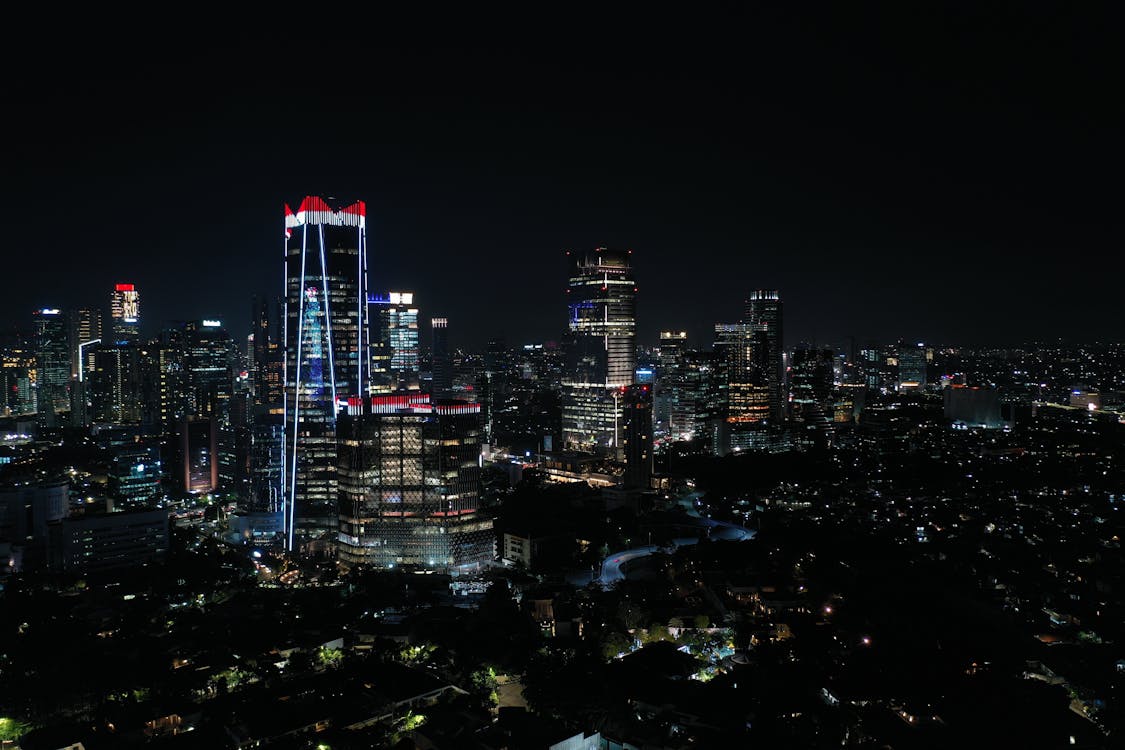
Table of Contents
- Top Attractions in Jakarta
- Jakarta Street Food — Indonesia’s Greatest Eating City
- Kota Tua — The Colonial Old Town
- Restaurants, Cafes & Fine Dining
- Jakarta’s Neighbourhoods
- Markets, Malls & Shopping
- Art, Museums & Culture
- Nightlife & Entertainment
- Getting Around Jakarta
- Whoosh High-Speed Train to Bandung
- Day Trips from Jakarta
- Best Time to Visit & Weather
- Practical Information & Visa
- Where to Stay — By Budget & Style
- Budget Tips & Money
- Safety & Scams
- Jakarta’s Sinking City
- The Capital Move to Nusantara
- 2026 Travel Notes & Changes
- Frequently Asked Questions
Top Attractions in Jakarta
| Attraction | Price (IDR) | Hours |
|---|---|---|
| Monas (National Monument) | Rp 24,000 top / Rp 8,000 museum | Daily 8:00–16:00 |
| Istiqlal Mosque | Free | Daily 8:00–16:00 (visitors) |
| Museum Fatahillah | Rp 10,000–15,000 / Rp 50,000 foreign | Tue–Sun 8:00–15:00 |
| National Museum | Rp 50,000 / Rp 150,000 foreign | Tue–Sun |
| Museum MACAN | Rp 70,000–90,000 | Tue–Sun 10:00–18:00 |
| Taman Mini Indonesia Indah | Rp 25,000–35,000 | Daily 6:00–17:00 |
| Ragunan Zoo | Rp 4,000–5,000 | Tue–Sun 7:00–16:00 |
| Ancol Dreamland (gate) | Rp 25,000–30,000 | Daily |
| Dufan Theme Park | Rp 275,000–400,000 | Daily (inside Ancol) |
| National Gallery | Rp 20,000 / Rp 50,000 foreign | Tue–Sun |
| Jakarta Cathedral | Free | Daily |
| Thousand Islands (boat trip) | From Rp 300,000 day trip | Boats from Marina Ancol |
Note on pricing: Several Jakarta museums introduced a two-tier pricing system. The National Museum raised prices on January 1, 2026 — foreigners now pay Rp 150,000 (up from Rp 30,000). Kota Tua museums charge Rp 50,000 for foreigners vs Rp 5,000–15,000 for locals. Museum MACAN charges the same for everyone. Most prices are cashless — bring a debit/credit card or e-money card.
1. Monas (National Monument)
The 132-metre marble obelisk at the centre of Merdeka Square is Jakarta’s most iconic landmark. Built between 1961 and 1975 under President Sukarno, it’s topped with a flame coated in 35 kg of gold leaf. The observation deck at the top offers a 360-degree panorama of Jakarta’s sprawl — on a clear day you can see all the way to the Java Sea. The basement houses the National History Museum with 48 dioramas tracing Indonesian history from prehistoric times through independence.
Price: Top observation deck Rp 24,000 adult / Rp 13,000 student / Rp 6,000 child. Museum (basement) Rp 8,000 adult / Rp 5,000 student / Rp 3,000 child. Same price for all nationalities. Hours: Daily 8:00–16:00, closed last Monday of each month. Getting there: MRT to Monas station (under construction — use TransJakarta to Monas stop). Time needed: 1–1.5 hours.
2. Istiqlal Mosque
Southeast Asia’s largest mosque — and one of the largest in the world — can hold 200,000 worshippers. Completed in 1978, the vast interior is dominated by a 45-metre dome and seven gates representing the seven verses of Al-Fatihah. It was deliberately built facing Jakarta Cathedral, and the two are now linked by a “Tunnel of Friendship” bridge — a symbol of Indonesia’s tradition of religious pluralism (Pancasila). Free guided tours are available; non-Muslim visitors observe from the second floor.
Price: Free (donations welcome). Hours: Daily 8:00–16:00 for non-Muslim visitors (last guided tour 16:30). Free 20-minute tours. Dress code: Shoulders and knees covered; sarongs and headscarves provided free. Getting there: Walk from Monas (10 min).
3. Jakarta Cathedral (Gereja Katedral)
Directly across from Istiqlal Mosque, this neo-Gothic cathedral was completed in 1901 and is one of Jakarta’s finest colonial-era buildings. The twin spires, stained glass windows, and vaulted interior feel transplanted from the Netherlands. The cathedral is the seat of the Archbishop of Jakarta and hosts Christmas and Easter services that draw thousands. The juxtaposition of mosque and cathedral — facing each other, sharing a square — is one of Jakarta’s most powerful architectural statements.
Price: Free. Hours: Daily. Getting there: Walk from Istiqlal Mosque (2 min). Time needed: 20–30 minutes.
4. Kota Tua & Fatahillah Square Museums
Jakarta’s colonial old town is centred on Fatahillah Square, a cobblestoned plaza surrounded by Dutch East India Company (VOC) buildings from the 17th–19th centuries. The square is flanked by three museums: Museum Fatahillah (Jakarta History Museum, in the former Stadhuis/City Hall, built 1707), Museum Wayang (Puppet Museum), and Museum Seni Rupa (Fine Arts Museum). The area has been restored and pedestrianised, with bicycle rentals (Rp 20,000–30,000/hr) and street performers on weekends.
Prices: Museum Fatahillah Rp 10,000 weekday / Rp 15,000 weekend / Rp 50,000 foreigners. Wayang and Seni Rupa each Rp 5,000 local / Rp 50,000 foreigners. Hours: Tue–Sun 8:00–15:00, closed Mondays. Getting there: TransJakarta Corridor 1 to Kota station. Time needed: 2–3 hours for all three museums.
5. National Museum of Indonesia (Museum Nasional)
Indonesia’s premier museum, founded in 1778 by the Batavian Society of Arts and Sciences, houses over 140,000 artefacts spanning Indonesian history from prehistoric Java Man to modern independence. Highlights include the treasure room (gold jewellery from ancient Javanese kingdoms), the ethnographic collection (textiles, weapons, boats from across the archipelago), and Hindu-Buddhist sculpture from Central Java and Bali. The new wing (Gedung Arca) is modern and well-curated.
Price: Adults Rp 50,000 / Students Rp 30,000 / Foreigners Rp 150,000. Children 0–3, seniors, disabled: free. Prices increased January 1, 2026. Hours: Tue–Sun. Getting there: Near Monas, walk from MRT or TransJakarta. Time needed: 1.5–2 hours.
6. Museum MACAN
Jakarta’s leading contemporary art museum, opened in 2017 in the AKR Tower. The permanent collection includes works by Yayoi Kusama, Ai Weiwei, and major Indonesian artists like Raden Saleh, Affandi, and FX Harsono. Rotating exhibitions bring international contemporary art to Jakarta. The Kusama infinity room is a permanent highlight. The museum is cashless only — tickets sent to your email.
Price: Weekday: Rp 70,000 adults / Rp 60,000 students / Rp 50,000 children 3–12. Weekend: Rp 90,000 / Rp 80,000 / Rp 70,000. Under 3 free. Hours: Tue–Sun 10:00–18:00 (last admission 17:00), closed Mondays. Getting there: In AKR Tower, West Jakarta (Grab/Gojek recommended).
7. Ancol Dreamland (Taman Impian Jaya Ancol)
Jakarta’s waterfront entertainment complex in North Jakarta includes the Dufan theme park (Indonesia’s largest), Sea World, Atlantis Water Adventure, Jakarta Bird Land, beaches, and the marina for Thousand Islands boat trips. It’s massive — budget a full day if you want to see everything, or just visit for Dufan or the marina.
Price: Gate entry Rp 25,000–30,000 + parking. Dufan: Rp 275,000 Mon–Thu / Rp 300,000 Fri / Rp 400,000 Sat–Sun (children under 100 cm free). Sea World from Rp 85,000. Atlantis from Rp 120,000. Sea World + Samudra + Bird Land combo Rp 210,000. Hours: Daily. Getting there: TransJakarta to Ancol.
8. Taman Mini Indonesia Indah (TMII)
A 150-hectare cultural park showcasing Indonesia’s 34 provinces through traditional houses, museums, gardens, and cultural performances. Reopened in November 2022 after a major government renovation, TMII is essentially Indonesia in miniature — you can walk through a Torajan rice barn, a Balinese temple, a Papuan longhouse, and a Minangkabau rumah gadang in a single afternoon. It’s earnest rather than sophisticated, but genuinely educational and a good way to understand Indonesia’s staggering diversity before travelling further.
Price: Rp 25,000 weekday / Rp 35,000 weekend. Parking: car Rp 35,000, motorcycle Rp 15,000. Hours: Daily 6:00–17:00. Getting there: LRT Jabodebek from Dukuh Atas.
9. Ragunan Zoo (Taman Margasatwa Ragunan)
One of the cheapest major zoos in Southeast Asia — and surprisingly good. The 140-hectare park in South Jakarta houses Komodo dragons, orangutans, Sumatran tigers, and hundreds of bird species. The Schmutzer Primate Center (add-on Rp 7,500) is particularly impressive, with large open-air enclosures for orangutans and gorillas. Ragunan requires a JakCard for entry (Rp 45,000 reusable, available at the gate).
Price: Rp 4,000 weekday / Rp 5,000 weekend. Children Rp 3,000. Schmutzer Primate Center add-on Rp 7,500. Hours: Tue–Sun 7:00–16:00, closed Mondays. Getting there: TransJakarta to Ragunan.
10. National Gallery of Indonesia
Near Monas on Jl. Medan Merdeka Timur, the National Gallery houses Indonesia’s most important art collection, from Raden Saleh’s Romantic-era paintings to contemporary installations. Rotating exhibitions frequently feature major Indonesian and international artists. The building itself — a mix of colonial and modern architecture — is worth the visit.
Price: Rp 20,000 adults / Rp 10,000 children 3–12 / Rp 50,000 foreigners. Seniors 60+ free. Hours: Tue–Sun. Online pre-registration recommended. Getting there: Walk from Monas (5 min).
11. Thousand Islands (Kepulauan Seribu)
A chain of 110 islands stretching into the Java Sea north of Jakarta. Despite the name, you don’t need to go far — some islands are just 20 minutes by speedboat from Marina Ancol. The closer islands (Pulau Bidadari, Pulau Ayer) are developed resorts; further out (Pulau Tidung, Pulau Pari, Pulau Harapan, Pulau Macan) you get clearer water, better snorkelling, and a tropical escape that feels impossible given you were in a megacity that morning.
Price: Day trips from Rp 300,000–400,000 including transport and food. Resort packages: from Rp 740,000 (day trip) / Rp 1,400,000 (2D/1N). Getting there: Boats from Marina Ancol or Muara Angke. Journey 20 min–3 hours depending on island. Best islands: Pulau Tidung (bridge between two islands), Pulau Macan (eco-resort), Pulau Pramuka (marine park HQ).
12. Glodok — Jakarta’s Chinatown
Jakarta’s oldest Chinatown, south of Kota Tua, is a sensory assault of temple incense, sizzling woks, and narrow lanes packed with traditional medicine shops, fabric merchants, and dim sum parlours. The Dharma Bhakti Temple (1650) is Jakarta’s oldest Chinese temple. Petak Enam, a trendy food hall in a converted 1960s department store, has become a culinary destination. Pantjoran Tea House serves traditional Chinese tea and snacks in a beautiful heritage building.
Price: Free to walk around. Getting there: TransJakarta Corridor 1 to Glodok stop. Time needed: 2–3 hours for food and sightseeing. Best for: Morning dim sum, afternoon temple visits, photo walks.
Jakarta Street Food — Indonesia’s Greatest Eating City
Jakarta is not just Indonesia’s political and economic capital — it’s the country’s undisputed food capital. The city draws hawkers and recipes from every corner of the archipelago: Padang rendang, Javanese gudeg, Manadonese cakalang, Betawi soto, Chinese bakmi, and Arab-influenced martabak. The result is a street food scene so vast and so varied that you could eat three meals a day at different stalls for a month and barely scratch the surface.
| Dish | What It Is | Typical Price |
|---|---|---|
| Nasi Goreng | Indonesia’s national fried rice — wok-fried with sweet soy, shallots, garlic, chilli, topped with fried egg | Rp 15,000–35,000 |
| Soto Betawi | Jakarta’s signature soup — beef and offal in rich coconut milk broth with potato and tomato | Rp 25,000–45,000 |
| Kerak Telor | Betawi spicy glutinous rice omelette with dried shrimp and serundeng, cooked over charcoal | Rp 25,000–30,000 |
| Ketoprak | Rice cake, tofu, and vermicelli in sweet peanut sauce — Jakarta’s beloved breakfast | Rp 12,000–20,000 |
| Gado-Gado | Vegetables, tofu, tempe, and hard-boiled egg in peanut dressing — Indonesia’s great salad | Rp 15,000–30,000 |
| Satay (Sate) | Grilled skewers — ayam (chicken), kambing (goat), or Padang-style with yellow turmeric sauce | Rp 15,000–35,000 |
| Nasi Uduk | Betawi coconut milk rice with fried chicken, eggs, tempe, sambal, and emping crackers | Rp 10,000–25,000 |
| Bubur Ayam | Chicken congee topped with shredded chicken, cakwe (fried dough), kerupuk, and sweet soy | Rp 10,000–20,000 |
| Martabak | Thick stuffed pancake — manis (sweet: chocolate/cheese/peanut) or telur (savoury: egg/meat) | Rp 30,000–80,000 |
| Bakso | Meatball soup with noodles, fried shallots, and chilli — Indonesia’s ultimate comfort food | Rp 15,000–30,000 |
| Es Cendol | Iced coconut milk with green rice flour jelly, palm sugar syrup, and red beans | Rp 8,000–15,000 |
Soto Betawi — Jakarta’s Soul Dish
If Jakarta has one signature dish, it’s soto betawi. This rich beef soup — slow-cooked in a base of coconut milk, cow’s milk, and beef broth — is loaded with chunks of beef, tripe, tendon, and potato, served with rice and a bewildering array of condiments: sweet soy, lime, sambal, emping crackers. The best versions have a broth so thick and flavourful that it borders on a stew.
- Soto Betawi H. Husein (Tendean) — one of the most famous, with a broth that’s been perfected over decades
- Soto Betawi Haji Ma’ruf — institution since the 1950s, known for extremely rich coconut milk broth
Kerak Telor — The Betawi Original
Jakarta’s most distinctive street food is kerak telor — a spicy omelette made with glutinous rice, egg, and dried shrimp, seasoned with fried shallots, pepper, and toasted coconut (serundeng), cooked directly over charcoal. It’s a Betawi (indigenous Jakartan) specialty that you won’t find anywhere else in Indonesia. Street vendors set up around Monas, Kota Tua, and during the annual Jakarta Fair. Watch the vendor flip the pan upside down over the coals — the technique is part of the show.
Martabak — Indonesia’s Greatest Snack
Martabak comes in two forms, and you should try both. Martabak manis (sweet) is a thick, spongy pancake folded over fillings of chocolate, cheese, peanut butter, condensed milk, or any combination thereof. It’s absurdly rich and utterly addictive. Martabak telur (savoury) is a crispy pan-fried crepe stuffed with spiced minced meat, egg, and spring onion. The best martabak stalls have queues stretching down the block after 6 PM.
Nasi Goreng — The National Dish
Every Indonesian has a favourite nasi goreng stall, and arguments about whose is best can get heated. The Jakartan version is wok-fried over extreme heat with sweet soy sauce (kecap manis), garlic, shallots, chilli paste, and topped with a fried egg, kerupuk (prawn crackers), and acar (pickled vegetables). The best ones have wok hei — that smoky, charred flavour from a well-seasoned wok.
- Nasi Goreng Kambing Kebon Sirih — legendary street stall specialising in goat meat fried rice. Open late, queues expected.
Where to eat: The best street food is found at Pecenongan (late-night food street near Monas), Sabang Street (Jl. H. Agus Salim — mixed hawkers), Glodok/Petak Enam (Chinese-Indonesian), and the Blok M area (South Jakarta). For Betawi food specifically, head to Setu Babakan (Betawi cultural village) or the annual Lebaran Betawi festival.
Kota Tua — The Colonial Old Town
Kota Tua (“Old City”) is the heart of old Batavia — the colonial capital of the Dutch East Indies. For 350 years, this was one of the most important trading ports in Asia, where the VOC (Dutch East India Company) controlled the spice trade that made the Netherlands one of the richest nations on Earth. Today, the district is a fascinating if sometimes melancholy time capsule of colonial architecture, cobblestone squares, and warehouses being slowly restored or quietly crumbling.
What to See in Kota Tua
- Fatahillah Square: The former Stadhuisplein, ringed by the three main museums. The Stadhuis (City Hall, now Museum Fatahillah) was built in 1707 and was the administrative centre of the VOC empire. Its underground dungeons held prisoners including the national hero Prince Diponegoro.
- Cafe Batavia: A colonial-era cafe on the square’s north side, dripping with antique photos and old-world atmosphere. Overpriced but iconic — worth a drink if not a full meal.
- Kali Besar: The old canal district south of Fatahillah Square, lined with 18th-century warehouse buildings. The Toko Merah (“Red Shop”) is the most photographed — a blood-red colonial mansion built in 1730.
- Old Harbour (Sunda Kelapa): A 15-minute walk north of Fatahillah Square, this working harbour still berths traditional pinisi schooners — wooden sailing ships from Sulawesi that look straight out of the Age of Sail. It’s one of the most photogenic spots in Jakarta. Entry Rp 5,000–10,000.
- Maritime Museum (Museum Bahari): In a converted 17th-century VOC warehouse near Sunda Kelapa. Small but interesting collection of ship models, maps, and navigation instruments.
Restaurants, Cafes & Fine Dining
Jakarta has no Michelin Guide — Indonesia is not yet covered (only Thailand, Malaysia, and Vietnam have Southeast Asian Michelin guides as of 2026). But the city’s fine dining scene is booming, and international recognition is growing fast.
Asia’s 50 Best Restaurants
- August (SCBD/Sequis Tower) — Ranked #42 in Asia’s 50 Best 2026 (up from #49 in 2025). Chef Hans Christian’s modern Indonesian fine dining uses local ingredients with European technique. Ardika Dwitama of August won Asia’s Best Pastry Chef 2026. Tasting menu from Rp 1,500,000+.
Modern Indonesian Fine Dining
- Namaaz Dining — Immersive multi-sensory Indonesian dining experience with projections and soundscapes. Modern interpretations of dishes from across the archipelago. Tasting menu from Rp 1,200,000.
- NSNTR (PIK) — Modern authentic Indonesian across regions — Javanese, Sumatran, Balinese, Sulawesi. Beautifully plated, seriously researched. One of Jakarta’s most exciting restaurants.
- Plataran Menteng — Upscale Indonesian in a gorgeous colonial-era setting. The garden dining is particularly atmospheric. Mains from Rp 150,000.
- The Crown by Kirk Westaway (Fairmont Jakarta) — British-born chef with deep Indonesian ingredient knowledge. Hotel fine dining done right.
Indonesian Regional Restaurants
- Sate Khas Senayan — Upscale Betawi-style satay chain. The sate ayam and nasi timbel are excellent. Multiple locations.
- Padang restaurants (Rumah Makan Padang) — Minangkabau cuisine from West Sumatra. Plates of rendang, gulai, sambal, and vegetables are placed on the table — you pay only for what you eat. Best: RM Sederhana (citywide chain), RM Surya (Menteng).
- Gudeg Yu Djum — Yogyakarta-style jackfruit stew. Multiple locations in South Jakarta.
Cafe Culture
Jakarta’s specialty coffee scene has exploded. Indonesian coffee — from Toraja, Gayo, Java, Flores — is world-class, and local roasters are doing exceptional work.
- Tanamera Coffee — Single-origin Indonesian beans, multiple locations. Their Aceh Gayo is outstanding.
- Anomali Coffee — Pioneers of Jakarta’s specialty scene. Multiple locations including Menteng.
- Kopikalyan — Third-wave coffee in a converted warehouse. Excellent pour-overs.
Jakarta’s Neighbourhoods
Menteng
Jakarta’s most prestigious colonial-era residential neighbourhood. Tree-lined boulevards, embassies, the Taman Suropati park (with its ASEAN sculpture garden), and some of the city’s finest restaurants. Menteng was where Sukarno grew up and where Barack Obama spent part of his childhood. The area feels like a green oasis amid Jakarta’s chaos — wide sidewalks, mature trees, and a genteel atmosphere that’s rare in this city. Plataran Menteng for dinner, Taman Suropati for a morning walk.
SCBD / Sudirman (Central Business District)
Jakarta’s gleaming financial district — glass towers, luxury hotels, rooftop bars, and the most walkable area in the city (which is saying something, because most of Jakarta is emphatically not walkable). The Sudirman–Thamrin corridor is Jakarta’s spine, running from the financial district south to Bundaran HI (Hotel Indonesia roundabout). Senopati (nicknamed “Seno-party”) is the trendy restaurant and bar strip adjacent to SCBD. Home to August (#42 Asia’s 50 Best).
Kota Tua (Old Town)
The colonial heritage district (covered in detail above). Best visited during the day — the area can feel isolated after dark. Connected via TransJakarta Corridor 1. Allow a half-day.
Glodok (Chinatown)
Immediately south of Kota Tua, Jakarta’s oldest Chinatown is a maze of narrow lanes, Buddhist and Taoist temples, traditional medicine shops, and some of the best Chinese-Indonesian food in the city. The Dharma Bhakti Temple dates to 1650. Petak Enam food hall has revitalised the area. Best for morning dim sum and afternoon temple walks.
Kemang
South Jakarta’s expat hub — international restaurants, art galleries, indie boutiques, and a lively bar scene. More affordable and more characterful than SCBD. Good for evening dining and weekend brunches. International schools nearby mean a cosmopolitan crowd.
Kebayoran Baru
An upscale South Jakarta neighbourhood with wide streets and established trees. Blok M is the commercial heart — a traditional market area with the Pasaraya department store. Pasar Mayestik specialises in fabrics and textiles at wholesale prices. Pacific Place and Plaza Senayan malls anchor the western end.
PIK (Pantai Indah Kapuk)
Jakarta’s newest and most hyped lifestyle hub along the northern coast. A 3,800-hectare development extending into Tangerang with 1,300+ food and beverage outlets, 40+ attractions, and Instagram-ready cafes. Pantjoran PIK is a Chinatown-inspired food street. PIK Avenue is the flagship mall. NSNTR serves excellent modern Indonesian. The area is sprawling and car-dependent, but it’s where young Jakartans go to eat, photograph, and be seen.
Ancol
The waterfront entertainment district in North Jakarta. Beyond the theme parks, Ancol has a marina (boats to Thousand Islands), beach areas, an eco-park, and an art market. The former Formula E circuit has been dismantled (Jakarta dropped from the 2025–26 calendar).
Markets, Malls & Shopping
Traditional Markets
- Tanah Abang Market — The largest textile market in Southeast Asia. Cotton T-shirts from Rp 60,000, fabrics by the metre at wholesale prices. Block B is air-conditioned; food court on Level 8. Cash preferred — many stalls don’t accept cards. Avoid Fridays, weekends, and holidays for less crowding. Bargain hard.
- Pasar Baru — One of Jakarta’s oldest markets (established 1820). Colonial-era architecture, narrow lanes, textiles, shoes, cameras, Indian-style jewellery, and traditional snacks. 3rd floor of Metro Plaza: 150+ shops selling secondhand clothes from Singapore/US/Korea/Japan. Cash only at most stalls. Best visited mornings.
- Pasar Mayestik (Kebayoran Baru) — Fabrics and textiles market. Batik, silk, and lace at wholesale prices.
Modern Malls
- Grand Indonesia — Jakarta’s premier mall at Bundaran HI. East + West Mall connected by Skybridge. 263,000 sqm. Seibu Department Store, Central, international brands (H&M, Uniqlo, Zara), CGV Cinemas. Connected to MRT Bundaran HI station.
- Plaza Indonesia — Luxury mall adjacent to Grand Indonesia. Louis Vuitton, Gucci, and fine dining.
- Pacific Place (SCBD) — Upscale mall with cinema, restaurants, and a mix of international and local brands.
- PIK Avenue — The flagship mall of the PIK development. Trendy, food-focused.
Art, Museums & Culture
Contemporary Art
- Museum MACAN — Jakarta’s leading contemporary art museum (covered above). Yayoi Kusama infinity room, Ai Weiwei, major Indonesian artists.
- National Gallery of Indonesia — The country’s premier art gallery (covered above).
- Art:1 New Museum — Private museum in South Jakarta with an excellent collection of modern Indonesian art.
Cultural Experiences
- Wayang (Shadow Puppet Theatre) — Museum Wayang in Kota Tua holds occasional live performances. Check schedules. The Javanese wayang kulit tradition is a UNESCO Intangible Cultural Heritage.
- Taman Ismail Marzuki (TIM) — Jakarta’s main arts centre in Menteng. Theatre, dance, music, and film. Check the schedule for gamelan performances and contemporary Indonesian dance.
- Setu Babakan — Betawi Cultural Village in South Jakarta. Traditional Betawi houses, food stalls, and cultural performances. Best during festivals.
- Batik workshops — Several studios in Menteng and South Jakarta offer batik-making classes (typically 2–3 hours, from Rp 250,000).
Nightlife & Entertainment
Jakarta’s nightlife is the biggest in Southeast Asia after Bangkok. The scene centres on SCBD/Senopati, Kemang, and increasingly PIK.
- Skye Bar (BCA Tower, 56th floor) — Rooftop bar with panoramic city views. Dress code enforced. Cocktails from Rp 150,000.
- Cloud Lounge & Dining (Plaza Office Tower, 49th floor) — Another skyline-view option with a pool-party vibe on weekends.
- Beer Garden (Senopati) — Craft beer selection, casual atmosphere, popular with expats.
- Jenja (Gunawarman) — One of Jakarta’s best nightclubs. International DJs, house/techno, stylish crowd.
- Paulaner Bräuhaus (Kemang) — German beer house with its own microbrewery. Popular expat hangout.
Note on alcohol: Indonesia is a Muslim-majority country but Jakarta is cosmopolitan and alcohol is widely available in bars, restaurants, and hotels. Beer (Bintang, Rp 35,000–60,000 in bars) and cocktails are common. Convenience stores (Indomaret, Alfamart) do not sell alcohol. Some areas (especially those with strong Muslim communities) have fewer drinking options.
Getting Around Jakarta
Jakarta’s traffic is legendary — the city regularly ranks among the most congested in the world. The good news: public transport has improved dramatically in the last decade. The MRT, LRT, and TransJakarta BRT system make it possible to avoid cars entirely for most tourist routes.
| Mode | Fare | Notes |
|---|---|---|
| MRT Jakarta | Rp 3,000 base + Rp 1,000/station (max ~Rp 14,000) | 13 stations, Lebak Bulus–Bundaran HI. Clean, fast, air-conditioned. |
| LRT Jabodebek | Rp 5,000–20,000 (peak) / max Rp 10,000 off-peak | Dukuh Atas–Harjamukti + Dukuh Atas–Jatimulya. 18 stations. |
| LRT Jakarta | Rp 5,000 flat | Kelapa Gading–Velodrome. Manggarai extension expected Aug 2026. |
| TransJakarta (BRT) | Rp 3,500 flat (Rp 2,000 before 7 AM) | World’s largest BRT. 260+ stations. Mikrotrans feeders: FREE. |
| KRL Commuter Line | Rp 5,000 base + Rp 1,000/10 km | To Bogor (~Rp 7,000), Tangerang, Bekasi. E-money required. |
| Airport Train (KAI Bandara) | Rp 70,000–100,000 Executive / Rp 35,000 Premium | Soekarno-Hatta to BNI City. 45–50 min. Every 30 min. Cashless. |
| Grab / Gojek (car) | ~Rp 4,200–7,200/km | Essential apps. Surge pricing in rain/rush hour. Safer than street taxis. |
| Grab / Gojek (motorbike) | ~Rp 2,000–4,000/km | Ojek (motorbike taxi). Fastest in traffic. Helmets provided. |
JakLingko — Integrated Transport
Jakarta’s integrated payment system links MRT, LRT, TransJakarta, and KRL on a single card. The key benefit: maximum integrated fare of Rp 10,000 even for multi-transfer trips. Cards from Bank Jakarta (JakCard), BRI, BNI, and Mandiri are accepted. Buy a JakCard at any MRT station (Rp 45,000 minimum, reusable).
From the Airport
Soekarno-Hatta International Airport (CGK) is 20 km northwest of the city centre, but traffic can make the journey take 1–3 hours by car. The KAI Bandara airport train is the best option: Executive class Rp 70,000–100,000 to BNI City station (45–50 min), or Premium class Rp 35,000 (limited departures, ~10/day). Trains run 5:00–22:00 every 30 minutes. Cashless only (credit/debit/e-money). From BNI City, transfer to MRT at Dukuh Atas.
Grab/Gojek from the airport: Rp 150,000–300,000 depending on traffic. Use the official rideshare pickup area (follow signs to “Grab/Gojek pickup”). Blue Bird taxi with meter: similar fare.
Whoosh High-Speed Train to Bandung
Southeast Asia’s first high-speed railway — and one of the most impressive transport projects in the region. The Whoosh train runs Jakarta–Bandung at speeds up to 350 km/h, cutting a journey that used to take 3+ hours by car to just 30–50 minutes. It’s a Chinese-built system (similar to China’s CRH) and has been running reliably since its 2023 opening.
| Class | Price (IDR) | Notes |
|---|---|---|
| Premium Economy | Rp 225,000–250,000 | Standard seating, 2+3 configuration |
| Business | Rp 450,000 | Wider seats, 2+2 configuration, meal included |
| First Class | Rp 600,000 | Premium seats, meal, lounge access |
Getting to Halim Station: The Jakarta terminus is at Halim in East Jakarta — not central Jakarta. Factor in 30–60+ minutes to get there from the city centre depending on traffic. LRT Jabodebek from Dukuh Atas connects to Halim Station via a skybridge. TransJakarta feeder buses also serve Halim.
Schedule: ~40 trips daily, roughly every 30 minutes. Promotional fares: Rp 150,000–200,000 during off-peak periods and holidays (Ramadan promo: Rp 200,000 for groups of 5+). Book via the Whoosh app or at the station. Feeder train: Connection from Tegalluar/Padalarang to Bandung station is included in the Rp 175,000 combined ticket.
Day Trips from Jakarta
1. Bandung (via Whoosh High-Speed Train)
The “Paris of Java” — a highland city at 768 m elevation with cooler weather, Dutch Art Deco architecture (especially along Braga Street), volcanic craters, tea plantations, and Indonesia’s best factory outlet shopping. Kawah Putih (volcanic crater lake with turquoise water, entry Rp 81,000 + shuttle Rp 38,000) and Tangkuban Perahu (active volcano, entry Rp 30,000 locals / Rp 300,000 foreigners) are the main natural attractions. Gedung Sate (Art Deco government building) and the Conference of Asian-African Countries museum are the cultural highlights.
Getting there: Whoosh train from Halim, 30–50 min, from Rp 225,000. Return: Last train around 20:00. Budget tip: Combined ticket with feeder train to Bandung station Rp 175,000.
2. Bogor (Kebun Raya / Botanical Garden)
An 87-hectare botanical garden established in 1817 — one of the oldest and finest in Southeast Asia. 15,000 plant species, enormous lily pads, orchid collections, and towering kenari trees. The garden is 500 metres from Bogor railway station. The city sits at higher elevation than Jakarta, so it’s cooler and greener. Also home to the Presidential Palace (Istana Bogor) and a lively market town.
Getting there: KRL Commuter Line from Jakarta Kota, ~Rp 7,000, 1–1.5 hours. Garden entry: Rp 25,000 + car Rp 50,000. Shuttle/buggy inside Rp 35,000. Time needed: Half-day.
3. Thousand Islands (Kepulauan Seribu)
Covered above. Day trips from Rp 300,000–400,000. Best for snorkelling, diving, and escaping Jakarta’s heat. Choose closer islands (Pulau Bidadari, 20 min) for a shorter trip, or further islands (Pulau Tidung, 2–3 hours) for clearer water.
4. Anyer Beach
On the west coast of Banten province, ~150 km from Jakarta. A 2–3 hour drive via the Merak Toll Road. Sunset views across the Sunda Strait, views of Krakatau on clear days, water sports, and seafood. Feasible as a long day trip, but better as an overnight. Popular weekend getaway for Jakartans.
5. Pelabuhan Ratu
A coastal town in Sukabumi, ~120 km south. Surfing, seafood, and the legend of Nyi Roro Kidul (the Queen of the South Sea). The drive takes 4–7 hours due to winding mountain roads — not ideal as a day trip. Better as an overnight.
Best Time to Visit & Weather
Jakarta sits virtually on the equator — it’s hot and humid year-round (24–32°C / 75–90°F). There are only two seasons: wet and dry.
- Dry season (June–September): Best months. Lower humidity, clearer skies, less flooding risk. This is peak season for tourism.
- Shoulder months (May, October): Generally fine with occasional rain.
- Rainy season (November–April): Heavy afternoon downpours, potential flooding especially December–February. North Jakarta is most affected. Hotels are cheaper. Flash floods can disrupt traffic citywide, but rain rarely lasts more than a few hours.
Ramadan: The month before Eid al-Fitr (Lebaran). Many restaurants close during daylight hours. Non-Muslim tourists can still eat in hotels and malls, but be discreet. The post-Ramadan Lebaran holiday (2–3 days) sees mass exodus from Jakarta — transport is packed and the city empties out.
Practical Information & Visa
Visa
Important change (2024): Indonesia dramatically reduced its visa-free list from 169 countries to just 13–17 countries (mainly ASEAN nations) under Presidential Regulation No. 95/2024. Most Western tourists now need a Visa on Arrival (VOA).
- Visa on Arrival (VOA): Available for 97 countries including USA, UK, EU, Australia, India, China. Costs IDR 500,000 (~$35). Valid 30 days, extendable once for another 30 days (IDR 500,000 extension fee).
- e-VOA: Apply online at evisa.imigrasi.go.id before travel. Same price. Speeds up arrival — highly recommended.
- Visa-free (30 days): Only for ~13–17 countries, mainly ASEAN. Non-extendable.
Money
- Currency: Indonesian rupiah (IDR/Rp). Notes: Rp 1,000 to Rp 100,000.
- Exchange rate: €1 ≈ Rp 17,500 / $1 ≈ Rp 16,200 (April 2026).
- ATMs: Everywhere. BCA, Mandiri, BNI accept international cards. Withdraw max Rp 2,500,000–5,000,000 per transaction.
- Cards: Accepted at malls, hotels, and upscale restaurants. Street stalls and markets are cash only.
- E-money: GoPay (Gojek), OVO (Grab), and bank cards work for most transport and many shops. Top up via the apps.
SIM Cards & Internet
Telkomsel is the best network. Tourist SIM cards available at the airport from Rp 50,000 for 15 GB (valid 30 days). Registration requires passport. 4G/5G coverage is excellent in Jakarta.
Tap Water
Not safe to drink. Bottled water (Aqua brand, Rp 3,000–5,000) is cheap and widely available. Most hotels provide free bottled water daily.
Where to Stay — By Budget & Style
| Budget | Area | Nightly Rate | Best For |
|---|---|---|---|
| Backpacker | Jl. Jaksa (Menteng), Kota Tua area | Rp 100,000–300,000 | Budget hostels, street food access |
| Mid-range | Menteng, Kebayoran Baru, Kemang | Rp 400,000–800,000 | Clean hotels, good restaurants nearby |
| Upscale | SCBD, Thamrin corridor | Rp 1,200,000–2,500,000 | Business hotels, walkability, MRT access |
| Luxury | Thamrin, Senayan, SCBD | Rp 3,000,000+ | Mandarin Oriental, Raffles, Fairmont, Four Seasons |
Budget Tips & Money
Jakarta can be remarkably cheap or surprisingly expensive, depending on where and how you eat and sleep.
| Category | Budget | Mid-Range | Luxury |
|---|---|---|---|
| Daily food | Rp 50,000–100,000 | Rp 200,000–400,000 | Rp 1,000,000+ |
| Accommodation | Rp 100,000–300,000 | Rp 400,000–800,000 | Rp 3,000,000+ |
| Transport | Rp 20,000–50,000 (BRT/MRT) | Rp 100,000–200,000 (Grab) | Rp 500,000+ (private car) |
| Daily total | Rp 200,000–500,000 (~$12–30) | Rp 700,000–1,400,000 (~$45–85) | Rp 4,500,000+ (~$280+) |
Budget tips: Eat at street stalls and warungs (Rp 15,000–30,000 per meal). Use TransJakarta (Rp 3,500 flat) and MRT instead of Grab. Mikrotrans feeder buses are free. Museum MACAN on weekdays (Rp 70,000 vs Rp 90,000 weekends). Ragunan Zoo is the cheapest major attraction (Rp 4,000–5,000). Bring a water bottle and refill at hotels.
Safety & Scams
Jakarta rates as moderate risk — not dangerous for informed travellers, but street smarts are essential.
Stay Smart
- Taxis: Use Grab/Gojek apps exclusively, or genuine Blue Bird taxis (check the bird logo, URL on windshield, driver’s blue batik uniform). Avoid unregistered taxis at airports and malls.
- Money changers: Avoid street money changers — sleight-of-hand scams are common. Use bank ATMs or authorised changers inside malls.
- Pickpocketing: Crowded areas (Tanah Abang market, TransJakarta platforms, KRL trains). Keep bags zipped, phones secure, and avoid displaying expensive items.
- Flooding: North Jakarta is particularly vulnerable during rainy season (Nov–Mar). Check weather before heading north. Central and South Jakarta are less affected but flash floods can disrupt traffic.
- Dress code: Cover shoulders and knees at religious sites (mosques, temples). Sarongs and scarves are usually provided.
Safe Areas
The SCBD/Sudirman/Thamrin corridor is the safest area for visitors, well-lit and patrolled. Menteng, Kemang, and Kebayoran Baru are also safe for walking. Kota Tua is fine during the day but feels isolated after dark — take a Grab out. North Jakarta (outside Ancol) is less tourist-friendly.
Jakarta’s Sinking City
Jakarta is sinking at 5–10 cm per year — up to 20 cm in some northern areas. 40% of the city is below sea level, especially in the north, where land has subsided 2–4 metres in 30 years. The cause is excessive groundwater extraction (piped water only reaches ~40% of the population, so most people pump from wells beneath their homes).
The NCICD Giant Sea Wall project — a massive coastal defence system — has seen its completion pushed from 2028 to 2030, with cost estimates of $50–60 billion and significant procurement delays.
Tourist impact: Minimal for most visitors. Flooding mainly affects northern low-lying areas during rainy season. Central and South Jakarta are on higher ground. The sinking issue is one of the reasons behind the capital relocation to Nusantara (see below), though the move’s progress has been slow.
The Capital Move to Nusantara
In 2022, Indonesia announced it would move its capital from Jakarta to a new city called Nusantara (IKN) on the island of Borneo (Kalimantan). The project was championed by former President Jokowi and was supposed to transform Indonesia’s political centre. The reality, as of 2026, is more complicated.
- Status: Downgraded from “national capital” to “political capital” under the Prabowo administration (September 2025)
- Progress: Vice Presidential Palace completed January 2026. Legislative and judicial buildings broke ground December 2025, targeting December 2027 completion. 1,700–4,100 civil servants ordered to relocate within 2026.
- Funding crisis: State funding collapsed from $2 billion (2024) to $300 million (2026) — an 85% cut. Of IDR 225 trillion ($13.8B) in private investment commitments from 42 companies, only ~$4B has materialised.
- For tourists: No practical impact on visiting Jakarta. The city remains fully functional as Indonesia’s economic, cultural, and commercial capital regardless of political relocation. Jakarta will remain by far the most important city in Indonesia.
2026 Travel Notes & Changes
- National Museum price increase: As of January 1, 2026, foreigner admission jumped from Rp 30,000 to Rp 150,000. Adult locals from Rp 30,000 to Rp 50,000.
- MRT Phase 2A: 7 new stations extending north from Bundaran HI to Kota (including Monas, Harmoni, and Glodok). 60.2% complete, tunnel boring on track for August 2026 linkup. Full operation now targeted 2028 (delayed from original 2026).
- LRT Jakarta Manggarai extension: 5 new stations from Velodrome to Manggarai. Expected August 2026.
- Formula E Jakarta: Dropped from the 2025–26 calendar. Ancol circuit dismantled.
- Nusantara capital relocation: Downgraded and behind schedule (see above).
- Visa changes (2024): Most Western tourists now need VOA (IDR 500,000). Visa-free list reduced to ~13–17 countries. Use e-VOA online to avoid queues.
- New East-West MRT Line: IDR 50 trillion project connecting East and West Jakarta (Kembangan–Balaraja, 14 stations). Construction expected to start ~2026.
- Whoosh train: Running reliably with ~40 daily services. Promotional fares occasionally available.
- Lebaran 2026: MRT, LRT, and TransJakarta offered Rp 1 fares during Eid holiday (March 21–22, 2026).
Frequently Asked Questions
Cheapest Flights to Jakarta
We track flight deals to Jakarta from 5 cities worldwide. Here are the best recent fares:
Prices are based on recent deals and may no longer be available. Browse all flight deals