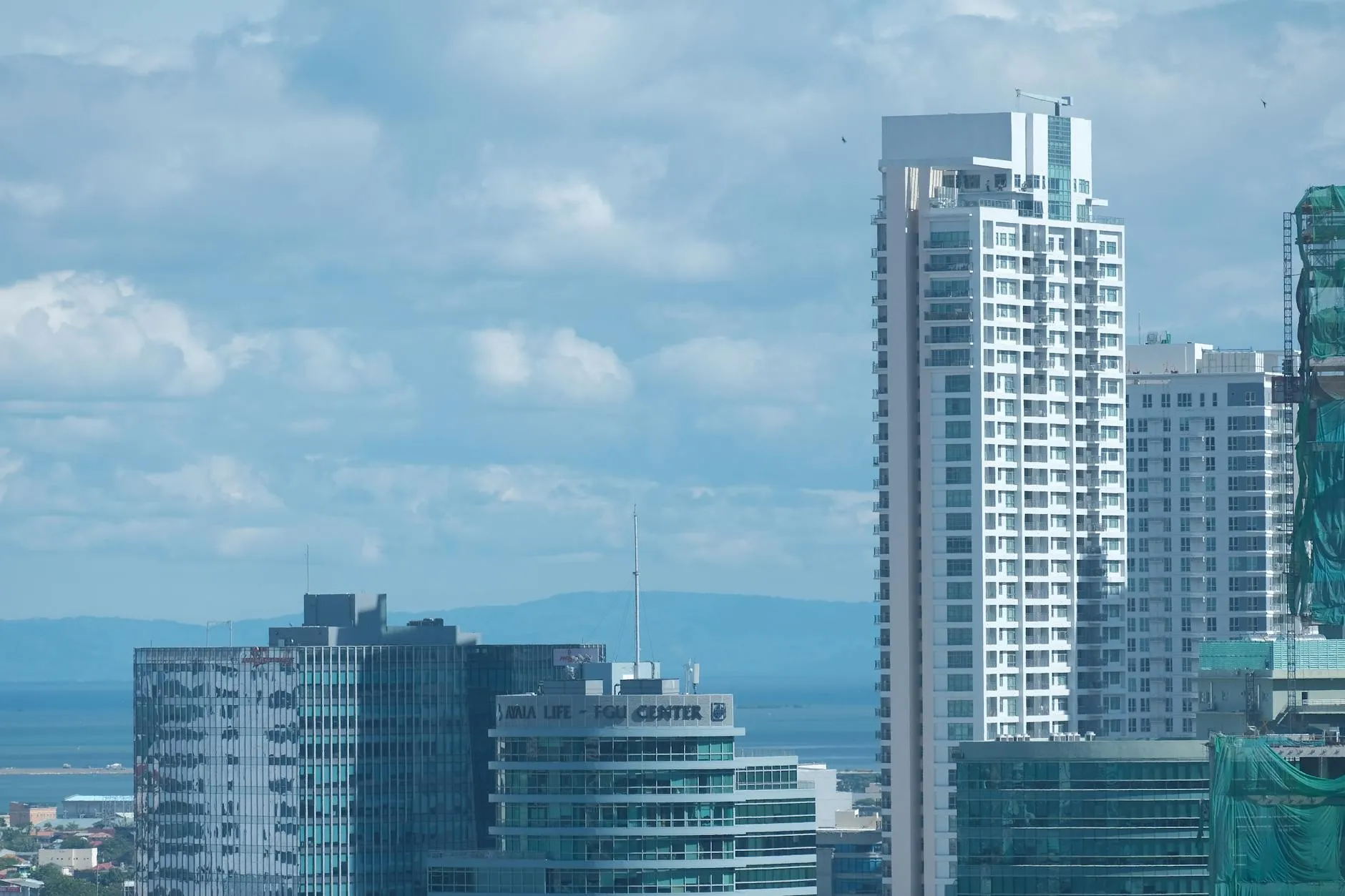
Mactan-Cebu (CEB) — The Complete 2026 Airport Guide
Cebu’s airport is the one people actually photograph. Terminal 2 is a soaring Austrian-timber hall built to feel like a beach resort before you have even left the building — and it won a world architecture award for pulling it off. But CEB has a split personality that catches connecting travellers every time: international arrives in that beautiful T2, domestic flies from a plain 1990s T1 next door, and the two do not connect airside. Get that right and you are on a Mactan beach within the hour.
Last verified: July 2026. Fares, terminal assignments and Philippine entry rules change often — confirm the specifics on your ticket and at official signage before you travel.
Quick reference
| Detail | What you need to know |
|---|---|
| Airport | Mactan-Cebu International Airport, IATA CEB — the Philippines’ second-busiest airport, ~11.6 million passengers in 2025, and the main gateway to Cebu, Bohol and the Visayan islands |
| Location | On Mactan Island in Lapu-Lapu City — ~15 km from central Cebu City across two bridges, but the Mactan beach resorts are only 10–20 minutes away |
| Terminals | Terminal 2 — all international flights, the award-winning wooden “resort” terminal. Terminal 1 — all domestic flights. They sit side by side but have no airside link |
| Into Cebu City | MyBus ₱50 (~$0.85) to SM City Cebu / IT Park · white metered taxi ~₱250–350 · yellow airport taxi ~₱400–550 · Grab ~₱400–550 |
| Entry | Most Western nationalities get 30 days visa-free (onward/return ticket required). Everyone must file the free eTravel QR at etravel.gov.ph within 72 hours before arrival |
| Watch out for | The domestic↔international terminal switch (no airside transfer) · taxi drivers who won’t use the meter · the last MyBus around 21:40 · booking a “visa” you don’t need |
Two terminals: the resort hall and its plain neighbour
CEB has two terminals and the difference between them is dramatic. Terminal 2 handles every international flight and it is genuinely special — a 65,500 m² hall of glue-laminated timber arches shipped from Austria, curving overhead like the inverted hull of a traditional bangka outrigger, with a wave-like roof meant to put you in a holiday mood the moment you land. It opened in July 2018 and took the “Completed Buildings – Transport” prize at the 2019 World Architecture Festival. The airport bills it as the world’s first “resort airport”, and for once the marketing is close to the truth.
Terminal 1 is the opposite story. It is the original 1990 building, renovated in 2020, and it now handles all domestic flights — your onward hop to Manila, Bohol (Panglao/Tagbilaran), Siargao, Palawan, Boracay (Caticlan) or Davao. It works fine, but it is a functional domestic terminal, not an architectural showpiece.
Getting into Cebu City — and to the beaches
Here is the geography that trips people up: the airport is on Mactan Island, not on the Cebu mainland. The Mactan beach resorts (Maribago, Punta Engaño) are a short 10–20 minute ride away. Cebu City itself is ~15 km away across two bridges — the older Mactan–Mandaue Bridge and the newer Marcelo Fernan Bridge — and that crossing is the traffic chokepoint. In light traffic it is 30 minutes; in the evening peak it can be 60–90. Plan your options around that, not the map distance.
| Option | Price | Best for | Notes |
|---|---|---|---|
| MyBus | ₱50 (~$0.85 / €0.80) | Solo, budget, daytime | Air-conditioned, luggage space; routes to SM City Cebu and to IT Park via Ayala Center |
| White metered taxi | ~₱250–350 (~$4–6) | Cheapest door-to-door | City cab; flag-down ₱40 then ₱13.50/km — insist on the meter |
| Grab (app) | ~₱400–550 (~$7–9) | No haggling, fixed price | The dominant ride app in Cebu; price shown up front, surges in peak hours |
| Yellow airport taxi | ~₱400–550 (~$7–9) | Late arrivals, heavy bags | Official airport fleet; flag-down ₱70, pricier than white cabs |
MyBus — the ₱50 way in
The MyBus airport shuttle is the smart budget choice: air-conditioned, with luggage racks, and it picks up right outside both terminals. Two routes matter. One runs to SM City Cebu (a big mall and transit hub) for ₱50, roughly every 20–30 minutes from about 07:30 to 21:40; another goes to Cebu IT Park via Ayala Center Cebu and Cebu Business Park, also ₱50, running roughly hourly. From either drop-off you grab a short taxi or Grab to your final address. Pay the conductor on board. If you land late at night, MyBus won’t be running — go straight to a taxi or Grab.
Taxis: white vs yellow, and why it matters
Cebu has two taxi colours and the difference is real money. White taxis are ordinary city cabs: flag-down ₱40 plus about ₱13.50 per kilometre, which works out to roughly ₱250–350 to central Cebu City. Yellow taxis are the official airport fleet with a higher ₱70 flag-down, so the same trip runs closer to ₱400–550. Both are legitimate; the yellow ones simply cost more for the convenience of the dedicated airport rank. Whichever you take, insist the driver runs the meter — a flat “fixed price” offered at the kerb is almost always worse than the meter.
Entry: visa-free, but the eTravel QR is mandatory
The Philippines is refreshingly easy to enter, provided you do the one piece of digital paperwork that everybody must do.
- 30 days visa-free for most Western travellers. Citizens of the US, UK, all EU states, Australia, Canada and around 60 other countries may enter for tourism up to 30 days without a visa (this is extendable at the immigration office once you’re in). You must hold an onward or return ticket and a passport valid at least six months — airlines and immigration do check.
- eTravel is compulsory for everyone. Every arriving passenger — foreign or Filipino — must register at the official etravel.gov.ph and generate a QR code within 72 hours before arrival. It takes under ten minutes, it is completely free, and it replaces the old paper arrival card. A green QR means you’re cleared to walk to immigration; a red QR flags you for a quick health check first. Screenshot the QR before you land — airport Wi-Fi and mobile data can be patchy in the queue.
- Ignore the “e-visa” and “eTA” websites charging a fee. Visa-free visitors do not need any visa or paid authorisation to enter for 30 days — only the free eTravel QR. There has been talk of a future Philippine Electronic Travel Authorisation tied to a new border-management system, but as of July 2026 it is a project proposal with no confirmed rules, fee or start date. Do not pay a third-party site for something the government provides free, and don’t buy a “visa” you don’t need.
Connecting between international and domestic
This is the single biggest planning trap at CEB, so read it before you book that cheap onward flight to Bohol or Siargao.
Because international lives in Terminal 2 and domestic in Terminal 1 with no airside link, a mixed connection is a self-transfer, not an airside stroll. Arriving internationally, you will: clear immigration, collect your checked bag, exit landside, move to the other terminal, then check in and clear security again. The terminals are adjacent, with a short walk or free transfer between them, but the process — immigration queue, baggage claim, re-check-in — eats time.
If your international and domestic flights are on separate tickets (very common, since the domestic leg is often a cheap low-cost hop), the airline will not protect your connection and you must have your bags with you. Give yourself a generous buffer — at least 3 hours, more at busy times. If both legs are on a single through-ticket with the same airline group, follow the transfer signage and the through-check may cover your bag, but confirm that at check-in for your first flight rather than assuming it. When in doubt, an overnight in a Mactan resort beats a missed onward flight.
Lounges
Terminal 2’s main pay-in or membership lounge is the Plaza Premium Lounge, in the international pre-departure area on Level 1 (take the lift opposite Gate 20). It runs 24 hours, serves hot and cold food and drinks, and has shower rooms (subject to availability), a kids’ room and fast Wi-Fi. Priority Pass and Dragon Pass are accepted, and various premium travel cards (including some Amex Platinum products) get you in; walk-in access is around $40 (~₱2,300). If you’re flying a full-service carrier in business, you’ll be directed to whichever contract lounge your airline uses in T2 — confirm at check-in.
Terminal 1 (domestic) is more modest on lounges; if you have a long domestic wait, the cafés and food outlets airside are the realistic option rather than a full lounge.
Food, money, SIM and practicalities
Food: Terminal 2’s landside and airside areas have a decent spread of Filipino and international outlets — this is a good place to try your first proper Filipino meal or grab a mango shake before the flight. Prices are airport prices; a sit-down meal runs roughly ₱250–500. Terminal 1 leans toward familiar fast-food and coffee chains.
Money & SIM: use the bank ATMs in the arrivals area rather than the currency-exchange booths, and if an ATM offers to charge you in your home currency, decline and choose pesos. A local SIM or eSIM (Globe or Smart) is worth it — Grab, GCash payments and maps all want data; SIM counters sit in arrivals, but an eSIM bought before landing is the smoothest route. Note that many small vendors and taxis are cash-only, so keep some peso notes.
Practicalities: free Wi-Fi is available in both terminals (registration can be fiddly — have your QR screenshotted). There are pharmacies, prayer rooms and baggage assistance; the airport is compact, so you won’t get lost. Cebu is tropical and the terminals are strongly air-conditioned — an easy layer helps.
Onward to the islands
CEB is really a springboard, and knowing the routes saves a wasted day.
- Mactan beaches (Maribago, Punta Engaño resorts) — 10–20 minutes by taxi or Grab; you can be poolside almost immediately.
- Bohol / Panglao — the beautiful way is the fast ferry from Cebu City’s pier to Tagbilaran (about 2 hours); the fast way is a short domestic flight from Terminal 1 into Panglao (Bohol-Panglao, TAG). Choose by budget and timing.
- Camotes Islands — ferries run from Danao (north of Cebu City) and from the Cebu port; a quieter, less-touristed escape.
- Moalboal, Kawasan Falls, Oslob — south Cebu, all by road (2–4 hours), no flight needed — arrange a car or join a day tour from the city.
If you’re pairing Cebu with another Philippine island, remember every one of those onward flights leaves from Terminal 1, and re-read the connections section above.
Frequently asked questions
Which terminal do I use at Mactan-Cebu Airport?+
All international flights use Terminal 2, the award-winning wooden “resort” terminal. All domestic flights use Terminal 1, the older building next door. The two terminals are adjacent but have no airside connection, so if your journey combines an international and a domestic flight you must clear immigration, collect your bag and re-check in at the other terminal.
Do I need a visa to visit the Philippines?+
Most Western travellers do not. Citizens of the US, UK, EU countries, Australia, Canada and around 60 others get 30 days visa-free for tourism, provided you hold an onward or return ticket and a passport valid for at least six months. You do, however, have to complete the free eTravel registration before arrival — that is not a visa, but it is mandatory.
What is the eTravel QR code and is it free?+
eTravel is the Philippines’ compulsory digital arrival registration. Every arriving passenger must register at the official etravel.gov.ph within 72 hours before arrival and show the generated QR code at the airport. It is 100% free and takes under ten minutes. A green QR means proceed to immigration; a red QR means a quick health check first. Ignore any site that charges a fee to “process” it.
Does the Philippines have an eTA or e-visa I need to buy?+
For a 30-day visa-free tourist stay, no — you only need the free eTravel QR. There has been discussion of a future Philippine Electronic Travel Authorisation linked to a new border system, but as of July 2026 it is only a proposal with no confirmed rules, fee or start date. Do not pay a third-party “eTA” or “e-visa” website for a visa-free entry.
How do I get from Cebu airport to the city, and how much?+
Cheapest is the MyBus shuttle at ₱50 (about $0.85) to SM City Cebu or IT Park, roughly every 20–30 minutes in daytime. A white metered taxi is about ₱250–350; a yellow airport taxi or a Grab ride is about ₱400–550. Grab is the easiest — the price is fixed and shown before you book. The airport is on Mactan Island, about 15 km and 30–90 minutes from central Cebu City depending on bridge traffic.
White taxi or yellow taxi — what’s the difference?+
White taxis are regular city cabs with a ₱40 flag-down and around ₱13.50 per kilometre, so a trip to Cebu City is roughly ₱250–350. Yellow taxis are the official airport fleet with a higher ₱70 flag-down, so the same trip is closer to ₱400–550. Both are legitimate; always ask the driver to run the meter rather than accept a flat kerbside price.
Can I use Priority Pass at Cebu airport?+
Yes — the Plaza Premium Lounge in Terminal 2’s international departures (Level 1, lift opposite Gate 20) accepts Priority Pass and Dragon Pass, and some premium travel cards. It’s open 24 hours with food, showers and Wi-Fi; walk-in access is around $40. Terminal 1 (domestic) has no comparable lounge, so plan for cafés there instead.
How much time should I leave to connect to a domestic island flight?+
Because international (T2) and domestic (T1) do not connect airside, a mixed connection is a self-transfer: immigration, baggage claim, walk to the other terminal, then check in and clear security again. If the flights are on separate tickets, allow at least 3 hours, more at peak times. On a single through-ticket the airline may protect the connection and through-check your bag — confirm that at your first check-in rather than assuming it.
At a glance
| Codes | CEB / RPVM — Mactan-Cebu International Airport |
| Terminals | T2 (all international, the wooden resort terminal) · T1 (all domestic) · adjacent, no airside link |
| Location | Mactan Island, Lapu-Lapu City — ~15 km from Cebu City across two bridges |
| Cheapest into city | MyBus ₱50 to SM City Cebu / IT Park, ~every 20–30 min (daytime) |
| Taxi to city | White metered ~₱250–350 · yellow airport ~₱400–550 · Grab ~₱400–550 |
| Entry | 30 days visa-free for most Western nationalities (onward ticket required) + mandatory free eTravel QR |
| Lounge | Plaza Premium, T2 international departures — Priority Pass, 24 h, ~$40 walk-in |
| Wi-Fi | Free in both terminals |
Before you fly
- 📊 Check what a good fare to Cebu looks like — our price-check tool shows the typical deal range so you know a bargain when you see one.
- 🧳 Baggage checker — confirm your airline’s carry-on and checked allowance before you pack, especially for that cheap domestic island hop.
- 🌏 Philippines travel guide — Palawan, Cebu, Boracay, Siargao, best time to go and how to island-hop.
🌏 Planning the trip? Read our Philippines travel guide — best islands, when to go, and how to hop between them.
More deals you might like
 Niš Constantine the Great Airport (INI) Airport Guide 2026 — Free Buses, Cheap Taxis, Real Dinars
 Norwich Airport (NWI) Airport Guide 2026 — The Airport Where Helicopters Outnumber Planes
 Stornoway Airport (SYY) Airport Guide 2026 — Four Miles, Four International Passengers
 Kerry Airport (KIR) Airport Guide 2026 — One Runway, Two Peninsulas