Qingdao Jiaodong (TAO) — The Complete 2026 Airport Guide
First thing to unlearn: Qingdao’s airport moved. If you flew here before August 2021 you landed at Liuting, a short hop north of the city. That airport is closed. Everything now runs through the vast starfish-shaped Jiaodong International, roughly 39 km northwest of the coast — same TAO code, completely different journey into town. Get the metro-versus-taxi call right and it’s painless.
Last verified: July 2026. Transport fares, timetables and China’s entry and transit rules change often — confirm the specifics on your ticket and at official signage before you travel.
Quick reference
| Detail | What you need to know |
|---|---|
| Airport | Qingdao Jiaodong International Airport, IATA TAO / ICAO ZSQD — opened 12 August 2021, replacing the old Liuting airport; one giant starfish-shaped terminal with five concourses |
| Location | In Jiaozhou, ~39 km northwest of central Qingdao — this is an out-of-town airport, budget the transfer |
| Into the city | Metro Line 8 (high-speed, 120 km/h): ~¥8, ~37 min to Qingdao North Station, then transfer for the coast · airport bus ¥15–30 · taxi ~¥160 (~€20/$22) |
| Entry | EU / UK / Canada / Australia / NZ: 30-day visa-free through 31 Dec 2026, no visa, no onward ticket needed. US passport holders: not on that list — use the 240-hour (10-day) visa-free transit with an onward third-country ticket, or get a visa |
| Payments | China is effectively cashless — set up Alipay or WeChat Pay and link a foreign card before you fly; carry some cash as backup |
| Watch out for | The metro being fast to North Station but ~1.5 h (with a transfer) to the beaches · the last Line 8 train mid-evening · assuming the US is on the 30-day list (it isn’t) |
The 2026 headline: which visa-free rule is yours
This is the single most useful thing to sort out before you book, because Qingdao has two completely different visa-free doors and the right one depends on your passport — not on where you’re flying from.
If you hold an EU, UK, Canadian, Australian or NZ passport
You’re covered by China’s unilateral 30-day visa-free policy, extended through 23:59 on 31 December 2026. All 27 EU states plus the UK, Canada, Australia and New Zealand are on the list. You turn up with your passport (valid at least six months), no visa, no application, no fee — and crucially no onward ticket requirement. You can stay up to 30 days for tourism, business, family visits or transit, and go anywhere in mainland China. For most readers of this guide, that’s the whole story.
If you hold a US passport
Read this carefully, because it trips people up: the United States is not on the 30-day visa-free list. Your route in without a full visa is the 240-hour (10-day) visa-free transit. Qingdao Jiaodong is an approved entry port for it, and it’s generous — it lets you roam all of Shandong province and beyond during the ten days. The catch is baked into the name: it’s transit, so you must arrive with a confirmed onward ticket to a third country or region departing within 240 hours (Hong Kong and Macau count as third regions). A simple US → China → Japan itinerary qualifies; a US → China → US round trip does not. If you want to stay longer or fly in-and-out to the same country, get a tourist visa instead.
Getting into Qingdao
The airport is ~39 km out, so the transfer is a real decision, not an afterthought. The metro is cheap and genuinely fast to the northern railway hub — but Qingdao’s old town, the German-colonial waterfront and the beaches sit on the southern tip of the peninsula, so reaching them means one transfer and about an hour and a half door to platform. Here’s the honest comparison:
| Option | Price | Time to the city | Verdict |
|---|---|---|---|
| Metro Line 8 | ~¥8 (~€1 / $1.10) to North Station; up to ~¥12 further in | ~37 min to Qingdao North; ~1.5 h to the old town with a transfer | Cheapest by far and fast on the trunk leg — the default if you’re not loaded with luggage |
| Airport bus | ¥15–30 (~€2–4) | ~1.5–2 h depending on route and traffic | Direct to some hotel and downtown points; useful late at night when the metro has stopped |
| Taxi (standard) | ~¥160 (~€20 / $22) + tolls | ~1 h to the coast | Worth it for a group, heavy bags, or a late arrival — split three or four ways it’s cheap |
| Taxi (premium) | ~¥280 (~€35 / $39) | ~1 h | Larger/executive cars; no real advantage over a standard cab for most trips |
Metro Line 8 — fast to North Station, patient to the coast
Line 8 is a high-speed metro — its trains are built for a 120 km/h design speed, which is why it covers the long run from Jiaozhou to the city so quickly. The station sits on B1 of the airport’s Ground Transportation Centre, a short indoor walk from arrivals. It reaches Qingdao North Railway Station in about 37 minutes for roughly ¥8. What it does not do is drop you at the seaside directly: for the old town, Zhongshan Road and the beaches you change at Qingdao North onto Line 3 or Line 1, which pushes the total to around 90 minutes and the fare to about ¥12. First and last trains run roughly 06:30 to 22:30 — treat those as approximate and check the current timetable, because a late flight can leave you on the bus or in a taxi.
Buses and taxis
Airport buses depart from the ground floor of the Ground Transportation Centre and cost ¥15–30 depending on the line, running to several downtown and hotel clusters; pay by cash, Alipay or WeChat at the counter or on board. A taxi to the coast is around ¥160 standard (premium cars ~¥280) plus bridge and road tolls, about an hour in normal traffic, with the usual late-night surcharge of roughly 20% after 23:00. Use the official taxi rank on the arrivals level rather than anyone approaching you inside the terminal. Ride-hailing via Didi works well and is priced similarly — but you’ll need it inside Alipay or WeChat, which brings us to money.
Cashless China: set up your phone before you land
Qingdao, like the rest of the country, runs on QR codes. Cash and foreign contactless cards are accepted in fewer and fewer places, and the moment you want a metro top-up, a Didi, a bowl of noodles or a Tsingtao at a beach shack, you’ll want a Chinese payment app. The good news for 2026: you no longer need a Chinese bank account.
- Link a foreign card to Alipay or WeChat Pay. Alipay’s international setup now accepts Visa, Mastercard, Maestro and Amex directly; verification is a passport-photo upload done in the app. Set this up before you fly — doing it on airport Wi-Fi with jet lag is no fun.
- Set up both if you can, and link two different cards. Alipay tends to be the more reliable of the two for foreign-issued cards; having WeChat Pay as a backup covers the odd merchant that only takes one.
- Carry a little cash anyway. Small vendors and a rare taxi still want yuan, and by law they must accept it. Use bank ATMs over exchange booths, and if an ATM offers to bill you in your home currency, decline and choose yuan.
At immigration: fingerprints and the arrival card
Whichever visa-free door you’re using, the arrival process itself is the same, and it’s smoother than its reputation if you know the two moving parts.
- Fingerprints. Foreign nationals aged 14 to 70 have fingerprints collected on entry (under-14s and over-70s are exempt). There are self-service kiosks before the immigration counters — scan your passport, place your fingers on the reader, take the printed slip to the officer. It adds a couple of minutes, no more.
- The Arrival Card went online. Since 20 November 2025, foreign visitors can complete the entry Arrival Card digitally in advance through China’s National Immigration Administration — its official website, the “NIA 12367” app, or the WeChat/Alipay mini-program (scan the QR code). Filing before you land shortens the queue. If you don’t, you can still do it on arrival by scanning the QR code at the hall, using the on-site kiosks, or filling in a paper card. Confirm the current format at the port — the digital system is new and rolling out.
The terminal, connections and minimum times
TAO is refreshingly simple in one respect: it’s a single terminal. The starfish plan means five airside concourses radiate from one central check-in and immigration core, so there’s no inter-terminal shuttle to catch and no chance of landing at the “wrong” building — the classic multi-terminal trap doesn’t exist here. Walks to the far concourses can be long, so leave time, but it’s all one roof.
The connection you do need to plan for is international to domestic (or vice versa). On an international-to-domestic transfer in China you clear immigration and customs, reclaim and re-check your bags, then pass security again for the domestic flight — even at a single-terminal airport. That’s the time sink, not the walking distance. If you’re self-connecting on separate tickets, or arriving internationally to catch a domestic hop, give yourself a comfortable buffer well beyond a tight published minimum, and more if your bags aren’t checked through. Purely domestic-to-domestic connections are quick.
Lounges
TAO has a decent spread of contract and airline lounges, several bookable on Priority Pass. Exact locations and access rules shift, so treat the specifics as a starting point and confirm at the door:
- Plaza Premium Lounge — the reliable pay-in or Priority Pass option on the domestic side (Concourse A, near the domestic gates), with showers usually available for a fee. The most dependable choice if you’re on a domestic connection.
- VIP Club lounges in international departures — some accept Priority Pass on a walk-in basis; others (a VIP Club used by ANA, Korean Air, Cathay Pacific and Air Busan passengers) are tied to specific carriers. Check which one your pass or ticket actually opens.
- Airline lounges such as Shandong Airlines’ member lounge serve their own premium and status passengers.
Facilities are functional rather than showpiece — this is a regional hub, not Incheon or Doha — but a Priority Pass or a lounge-inclusive card will get you a quiet seat, Wi-Fi and a plate of food before a long flight.
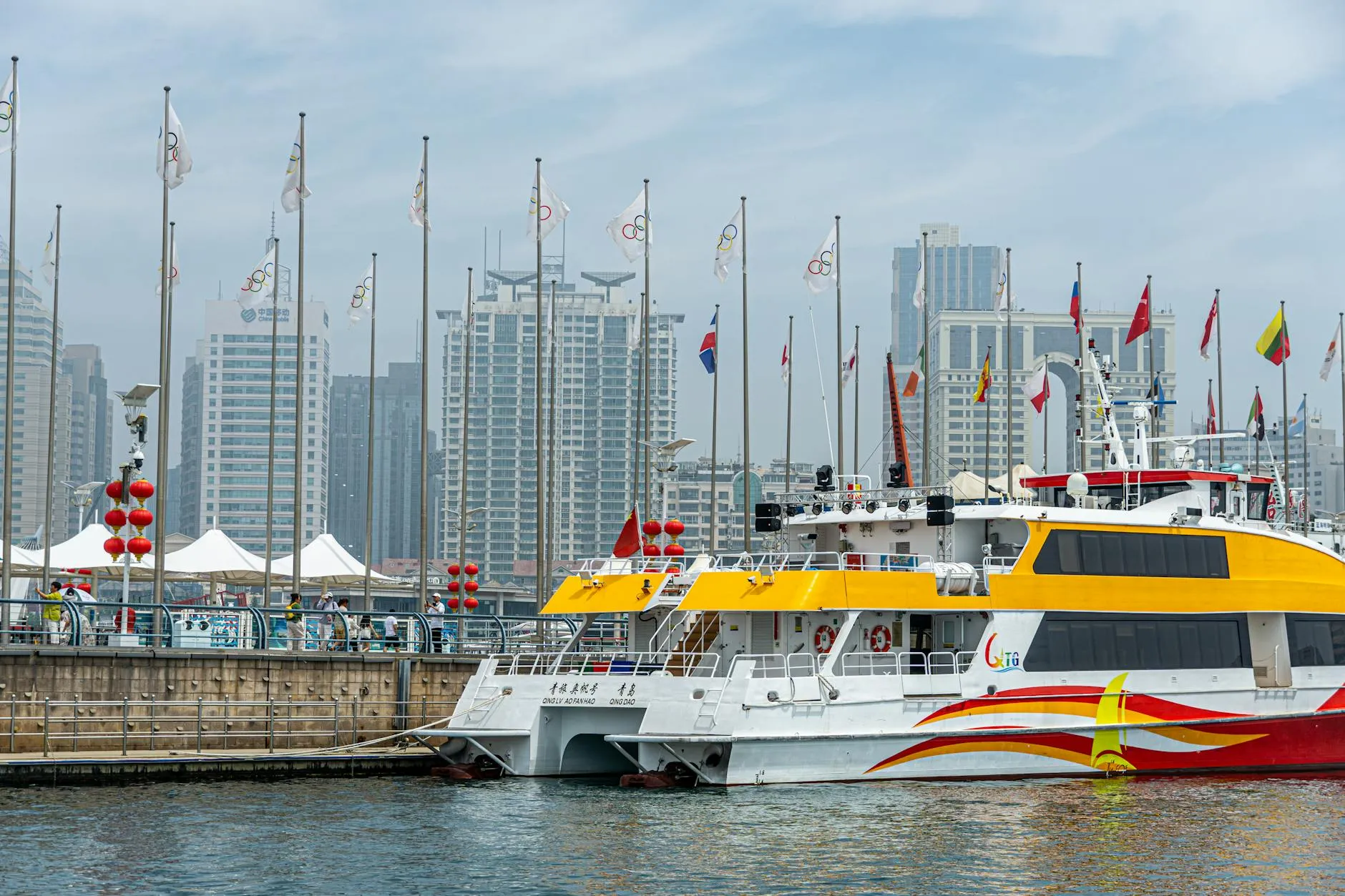
Why you’re here: Qingdao itself
Qingdao rewards the trip out from the airport. It’s a coastal city with an unusual backstory — it was a German concession from 1898, and the red-roofed old town, the century-old St Michael’s Cathedral and the Bavarian-style waterfront are the legacy. So is the beer: the Tsingtao brewery was founded here by German and British investors in 1903, and the Tsingtao Beer Museum on Dengzhou Road is one of the city’s best-loved stops. Add real swimming beaches (Golden Sand Beach, the No. 1 Bathing Beach), the Badaguan villa district and fresh Shandong seafood, and a two-or-three-day stopover on a China itinerary earns its place. The August International Beer Festival is the peak-season draw — and the busiest time to fly in.
Frequently asked questions
Did Qingdao’s airport move? Is Liuting still open?+
Yes, it moved. Qingdao Jiaodong International Airport opened on 12 August 2021 and replaced the old Liuting airport, which closed to passengers the same day. The IATA code TAO carried over to the new airport, so an old booking code doesn’t warn you — but Jiaodong is a different, much larger airport about 39 km northwest of the city, so plan the transfer fresh rather than from memory.
Do I need a visa to visit Qingdao in 2026?+
If you hold an EU, UK, Canadian, Australian or New Zealand passport, no — China’s unilateral 30-day visa-free policy runs through 31 December 2026, and you enter on your passport alone with no visa and no onward-ticket requirement. US passport holders are not on that list: your visa-free route is the 240-hour (10-day) transit, which requires a confirmed onward ticket to a third country, or you apply for a tourist visa.
How does the 240-hour visa-free transit work at Qingdao?+
Qingdao Jiaodong is an approved 240-hour transit port. Eligible travellers (including US passport holders) can enter without a visa for up to ten days, provided they hold a confirmed onward ticket to a third country or region departing within 240 hours — Hong Kong and Macau count as third regions. During the ten days you can travel throughout Shandong and beyond. A round trip back to your origin country does not qualify; it must be a genuine transit to somewhere new.
What’s the cheapest way from Qingdao airport to the city?+
Metro Line 8. It’s a high-speed metro from the airport’s B1 Ground Transportation Centre to Qingdao North Railway Station in about 37 minutes for roughly ¥8. For the old town and beaches you transfer at Qingdao North onto Line 3 or Line 1, making the total around 90 minutes and ¥12. Trains run roughly 06:30–22:30; after that, take an airport bus (¥15–30) or a taxi (~¥160).
How long does Metro Line 8 take, and is it really fast?+
It’s fast on the trunk leg — Line 8 uses 120 km/h high-speed trains and reaches Qingdao North Station in about 37 minutes. But “the city” for most visitors means the coastal old town and beaches on the southern peninsula, which need a transfer at Qingdao North, so budget around an hour and a half door to door. If your hotel is near a Line 8 or northern-district station, it’s much quicker.
Do I need Alipay or WeChat Pay in Qingdao?+
In practice, yes. China is close to fully cashless and many places no longer take foreign cards. As of 2026 you can link a foreign Visa, Mastercard, Maestro or Amex to Alipay (or WeChat Pay) without a Chinese bank account, verifying with a passport photo in the app. Set it up before you fly, and carry a little cash as a legal backup for small vendors.
Will I be fingerprinted on arrival, and what’s the arrival card?+
Foreign nationals aged 14 to 70 have their fingerprints taken at self-service kiosks before immigration — it takes a couple of minutes. Since 20 November 2025 the entry Arrival Card can be completed online in advance through China’s National Immigration Administration website, its NIA 12367 app, or the WeChat/Alipay mini-program; if you don’t, you can fill it in on arrival at a kiosk or on paper. Filing in advance shortens the queue.
Is Qingdao Jiaodong one terminal, and how much time do I need to connect?+
It’s a single starfish-shaped terminal, so there’s no inter-terminal shuttle and no risk of landing at the wrong building. The time sink is an international-to-domestic connection: you clear immigration and customs, reclaim and re-check your bags, then pass security again, so allow a generous buffer — more if you’re on separate tickets. Domestic-to-domestic connections are quick.
At a glance
| Codes | TAO / ZSQD — Qingdao Jiaodong International Airport |
| Opened | 12 August 2021, replacing Qingdao Liuting (now closed) |
| Layout | Single starfish-shaped terminal, five concourses; ~27M passengers in 2025 |
| Distance to city | ~39 km northwest, in Jiaozhou |
| Cheapest to city | Metro Line 8, ~¥8, ~37 min to Qingdao North (+ transfer for the coast) |
| Taxi to city | ~¥160 (~€20 / $22) + tolls, ~1 hour |
| Entry | EU/UK/Canada/AU/NZ: 30-day visa-free to 31 Dec 2026 · US: 240-hour transit with onward ticket |
| Payments | Alipay / WeChat Pay with a linked foreign card; carry some cash |
Before you fly
- 📊 Check what a good fare to Qingdao looks like — our price-check tool shows the typical deal range so you know a bargain when you see one.
- 🧳 Baggage checker — confirm your airline’s carry-on and checked allowance before you pack.
- 🌏 China travel guide — visas, payments, when to go and how to get around the country.
🌏 Planning the trip? Read our China travel guide — visas, payments, best time to go and how to get around.