Manila, Philippines — City Guide 2026
The Complete City Guide 2026
Manila — The Complete City Guide 2026
Manila is a city that overwhelms and rewards in equal measure. Capital of the Philippines, home to nearly 14 million people in the metro area, it is loud, chaotic, traffic-choked, devoutly Catholic, wildly hospitable, and — as of 2026 — officially one of the most exciting food cities on earth. National Geographic named it a Best of the World destination for its food scene. The inaugural Michelin Guide Philippines arrived in October 2025, starring nine restaurants. But the real eating happens in carinderias, on street corners, in the 430-year-old alleyways of Binondo, and at Jollibee — the fried chicken chain that beat McDonald’s at its own game. Behind the traffic and the concrete, you’ll find the Spanish colonial walls of Intramuros, the free world-class National Museum complex, the rooftop cocktail bars of Poblacion, and a warmth from ordinary Manileños that makes every other city feel cold by comparison.
₱1,700–10,000+/day (Budget to Luxury)
USD 1 ≈ ₱60
9 Michelin stars (Oct 2025)
30-day visa-free / eTravel required
Editor’s Note — Why Manila
Manila is not a city you visit for pristine beaches or Instagram-perfect streets. You visit Manila to eat. The food scene here is one of the deepest in Asia: a 400-year collision of Malay, Chinese, Spanish, American, and Japanese influences that produced a cuisine unlike anywhere else. In 2025, Michelin finally arrived, starring nine restaurants. But the real story is the PHP 82 Jollibee Chickenjoy that outsells every multinational, the PHP 15 balut from a street vendor at midnight, the sizzling sisig on a hot plate in a roadside bar, and the fresh lumpia in Binondo that National Geographic singled out. Add a free world-class museum complex, the most atmospheric walled city in Southeast Asia, and a nightlife scene in Poblacion that rivals Bangkok’s — and you have a city that’s finally getting the attention it deserves.
Top Attractions in Manila
| Attraction | Price (PHP) | Hours / Notes |
|---|---|---|
| Fort Santiago | ₱75 / ₱50 student | Mon–Fri 8:00–22:00, Sat–Sun 6:00–22:00 |
| National Museum Complex | FREE | Tue–Sun 10:00–17:00. Closed Mon |
| San Agustin Church & Museum | Church free / Museum ₱200 | UNESCO 1993. Oldest stone church (1607) |
| Manila Cathedral | FREE | Active cathedral, donations welcome |
| Rizal Park / Luneta | FREE | 60-hectare park. Open all day |
| Casa Manila | ₱75 | Tue–Sun 9:00–18:00. Closed Mon |
| Ayala Museum (Makati) | ₱750 | Tue–Sun 10:00–18:00. History dioramas, gold |
| Mind Museum (BGC) | ₱750 / ₱600 online | Tue–Sun 9:00–18:00. Science museum |
| Manila Ocean Park | from ₱690 online | 8-in-1 pass. Daily 10:00–20:00 |
| Star City | ₱80 entry / ₱779 ride pass | Walk-in. Indoor-outdoor theme park |
| Paco Park | FREE | Former Spanish cemetery (1820s). Concerts Fri |
| Manila Baywalk | FREE | Daily except Thu, 6:00–18:00 |
Best free attractions: The National Museum Complex is completely free (since 2016 under RA 11333) and genuinely world-class — the National Museum of Fine Arts houses Juan Luna’s Spoliarium, one of the most important paintings in Philippine history. The Natural History building’s Tree of Life atrium alone is worth the visit. Rizal Park is Manila’s green lung. Binondo (Chinatown) costs nothing to explore — the spending happens at the food stalls.
1. Fort Santiago
The citadel within Intramuros, built by the Spanish in 1571 on the site of Rajah Soliman’s wooden palisade. This is where José Rizal, the Philippines’ national hero, was imprisoned before his execution in 1896. His cell, his footsteps marked in bronze along the path to the execution site, and the Rizal Shrine museum inside make this the most emotionally resonant historical site in Manila. The fort’s gardens and ramparts overlooking the Pasig River are unexpectedly peaceful.
Price: ₱75 adults / ₱50 students, seniors, PWDs. Hours: Mon–Fri 8:00 AM–10:00 PM, Sat–Sun 6:00 AM–10:00 PM (last entry 8:00/8:30 PM). Time needed: 1–1.5 hours.
2. National Museum Complex
Three museums around Rizal Park, all completely free. The National Museum of Fine Arts (the former Legislative Building) houses Luna’s monumental Spoliarium (1884), Félix Resurrección Hidalgo’s works, and a growing contemporary collection. The National Museum of Natural History (2018) is the showpiece: a stunning modernist building with the Tree of Life spiral ramp atrium, biodiversity galleries, and the Lolong crocodile skeleton. The National Museum of Anthropology covers 4,000 years of Filipino culture from prehistoric gold to the Manunggul Jar.
Price: FREE (all three, including special exhibitions). Hours: Tuesday–Sunday 10:00 AM–5:00 PM. Closed Mondays. Bring one valid government ID per group.
3. San Agustin Church
The oldest stone church in the Philippines, completed in 1607, and a UNESCO World Heritage Site since 1993. It survived the 1645 earthquake that flattened Manila, the British occupation in 1762, and the Battle of Manila in 1945. The interior is remarkable: trompe l’oeil ceiling paintings that create the illusion of a vaulted Gothic nave (the ceiling is actually flat), 14th-century European choir stalls, and a carved stone façade. The adjacent museum (₱200) has an excellent collection of colonial religious art, vestments, and a gallery on the Augustinian mission in the Philippines.
Price: Church free / Museum ₱200. Hours: Daily 8:00 AM–12:00 PM, 1:00 PM–5:00 PM. Mass schedule posted at entrance.
4. Ayala Museum
Makati’s premier museum, housing the famous Dioramas of Philippine History — 60 handcrafted miniature scenes tracing the archipelago from prehistoric times through the People Power Revolution. The Gold of Ancestors collection of pre-colonial Philippine gold jewellery is astonishing: 1,000+ pieces dating back to the 10th century, rivalling anything in Southeast Asia. The museum’s design and curation are excellent, and it’s one of the few cultural attractions in the Makati business district.
Price: ₱750 adults / discounts for students, seniors. Hours: Tuesday–Sunday 10:00 AM–6:00 PM. Closed Mondays.
Intramuros — The Walled City
The 64-hectare ciudad murada (walled city) is where Manila began. Built by the Spanish in 1571, Intramuros was the political, religious, and military centre of the Philippines for over 300 years. It was almost completely destroyed in the Battle of Manila in February 1945 — the deadliest urban battle in the Pacific theatre, which killed over 100,000 Filipino civilians. What stands today is a mix of surviving colonial structures (San Agustin Church, parts of the walls), painstaking reconstructions (Manila Cathedral, Casa Manila), and ongoing restoration. Walking through the cobblestone streets, past crumbling walls and quiet plazas, gives you the most tangible connection to Manila’s layered history.
Walking Intramuros
Start at Fort Santiago (₱75) at the northern tip, walk the Rizal Shrine, then south along the walls to Manila Cathedral (free — rebuilt eight times since 1581, the current structure dates from 1958). Cross the plaza to San Agustin Church (UNESCO) and its museum (₱200). Walk through Plaza San Luis Complex to Casa Manila (₱75), a reconstructed Spanish colonial house. End at Baluarte de San Diego, the southernmost bastion. Total walking time: 3–4 hours with stops.
A calesa (horse-drawn carriage) ride covers the highlights in about 45 minutes for ₱300–500 — agree on the price before boarding. Bamboo bicycles rent for ₱150–200 per hour from Bambike Ecotours, which also runs guided cycling tours (₱1,500–2,000).
Getting Around Intramuros
Bambike: Rent a bamboo bike for a self-guided tour of the walled city. Sustainable, stylish, practical. From ₱400. The city is compact enough that bikes are the ideal pace — fast enough to cover ground, slow enough to absorb detail.
Kalesa (horse-drawn carriage): Touristy but atmospheric. Negotiate the price before boarding — ₱300–500 for a circuit of the walled city.
Walking: The walled city is compact. The walls themselves are walkable in long sections and give you the best perspective on the scale of the Spanish fortifications.
Filipino Food — Adobo, Sisig, Lechon & Street Eats
Filipino cuisine is one of the most underappreciated in the world, and Manila is where you eat your way through it. The cooking is bold, sour, salty, sweet, and uncompromising: vinegar-braised adobo, tamarind-sour sinigang, whole roast pig lechon with shattering skin, sizzling sisig on a cast-iron plate. The Chinese influence runs deep in Binondo’s noodle houses and siopao (steamed buns). The Spanish legacy lives on in caldereta, mechado, and the Christmas season leche flan. And then there’s the street food — skewered, fried, grilled, and eaten standing up on the pavement, dipped in spiced vinegar, for a few pesos a piece.
| Dish | What It Is | Price (PHP) |
|---|---|---|
| Adobo | Pork or chicken braised in soy sauce, vinegar, garlic, bay leaf, black pepper | ₱80–120 carinderia / ₱150–250 restaurant |
| Sinigang | Sour tamarind soup with pork belly or shrimp, kangkong, radish, tomatoes | ₱150–180 casual / ₱250–400 restaurant |
| Lechon | Whole roast suckling pig, ultra-crispy skin, juicy meat. The king of Filipino feasts | ₱950–1,500/kg |
| Sisig | Sizzling chopped pig face and belly with calamansi, chilli, onion on hot plate | ₱150–250 |
| Kare-Kare | Oxtail and tripe stew in thick peanut sauce, served with bagoong (shrimp paste) | ₱250–400 |
| Lumpia | Fresh or fried spring rolls, pork or vegetable | ₱15–25/piece street / ₱100–200 platter |
| Halo-Halo | Shaved ice mountain with beans, fruits, leche flan, ube ice cream, evaporated milk | ₱80–150 |
| Pancit | Noodles (canton, bihon, or palabok) — birthday party essential | ₱60–120 carinderia |
| Balut | Fertilized duck egg with 17-day embryo. The ultimate Filipino dare food | ₱15–25 each |
| Crispy Pata | Deep-fried whole pork leg with shattering crackling skin | ₱500–800 (whole leg, serves 3–4) |
Adobo — The National Dish
Every Filipino family has their own adobo recipe, and every version is the correct one. The base is always the same: meat (pork, chicken, or both) braised in vinegar, soy sauce, garlic, bay leaves, and black peppercorns until the sauce reduces to a thick, dark glaze. Some versions are soupy (sabaw), some are dry-fried until the meat crisps. Some add coconut milk (adobo sa gata), some use coconut vinegar instead of cane. The best adobo you’ll eat in Manila will probably be at a ₱80 carinderia lunch, spooned over a mound of steaming white rice. Where to eat: Any carinderia. Seriously. Also: Locavore (Michelin Selected), Manam (Bib Gourmand), Mesa.
Sisig — The Sizzling Icon
Invented in Angeles City, Pampanga, by Lucia Cunanan (Aling Lucing) in the 1970s, sisig is the dish that put Filipino bar food on the world map. The original is chopped pig face (cheeks, ears, snout) and chicken liver, seasoned with calamansi, chilli, onion, and vinegar, served sizzling on a cast-iron plate. The egg on top is optional but correct. Modern versions use pork belly or even tuna, but purists insist on the face meat for texture. Every bar, every pulutan (drinking food) joint, every family gathering features sisig. Where to eat: Aling Lucing in Angeles is the birthplace. In Manila: Manam (Bib Gourmand), Sisig Hooray, Gerry’s Grill (chain but reliable).
Lechon — The Whole Roast Pig
No Filipino celebration is complete without lechon. The whole pig is stuffed with lemongrass, garlic, and onions, then spit-roasted over charcoal for hours until the skin shatters like glass. Cebu-style lechon (seasoned throughout the meat) and Manila-style (served with liver sauce, sarsa) are two rival traditions. Both are transcendent. You can buy lechon by the kilo at dedicated shops across Manila. Where to eat: Lydia’s Lechon (₱1,500/kg, multiple branches), Rico’s Lechon (₱990/kg, Cebu-style), Elar’s Lechon, or any lechon house during a fiesta.
Street Food
| Street Food | Price | What to Know |
|---|---|---|
| Kwek-kwek | ₱15 / 4 pieces | Battered deep-fried quail eggs, orange coating, sweet-spicy vinegar dip |
| Isaw | ₱5–15/stick | Grilled chicken intestines on a stick, vinegar dip. The ultimate Filipino street snack |
| Fish balls | ₱5–10/stick | 3–4 per stick, choose sweet, spicy, or vinegar sauce |
| Taho | ₱20/cup | Warm silken tofu with tapioca pearls and arnibal (caramel syrup). Morning vendors shout “Tahoooo!” |
| Turon | ₱10–20 | Banana and jackfruit spring roll, caramelised wrapper |
| Barbecue on stick | ₱15–25 | Pork or chicken, sweet glaze, charcoal-grilled |
| Balut | ₱15–25 | Fertilized duck egg. Eaten with salt and vinegar. Night-time vendor snack |
Eating etiquette: Street food is eaten standing up, dipping into communal sauce pots. Point to which sauce you want (sweet, spicy, or vinegar). The vendor counts your sticks at the end. Balut is a night-time food — vendors appear after dark. To eat it: crack the top, sip the broth (sabaw), then eat the yolk and embryo with salt. It’s not as scary as it sounds.
Binondo Food Walk — World’s Oldest Chinatown
Established in 1594, Binondo is the oldest Chinatown in the world. It predates San Francisco, London, and New York’s Chinatowns by centuries. Today it’s a dense, chaotic, delicious warren of narrow streets, gold shops, Chinese apothecaries, and — most importantly — food. A Binondo food walk is one of the essential Manila experiences. Start at Binondo Church (Minor Basilica of San Lorenzo Ruiz, the first Filipino saint) and eat your way through the streets.
The Binondo Food Walk Route
- Dong Bei Dumplings — Steamed kutchay (chive) dumplings and xiao long bao. Cash only, no frills, perfect dumplings.
- Masuki (since 1930) — Cantonese mami (noodle soup) with oversized siomai and siopao. Nearly a century old and still going.
- Shanghai Fried Siopao — Pan-fried steamed buns with crispy caramelised bottoms. Order the asado filling.
- Lan Zhou La Mien — Authentic hand-pulled Lanzhou noodles. Watch the noodle-pulling show.
- Chuan Kee — Kiampong (Filipino-Chinese fried rice), patatim (braised pork leg), oyster cake.
- Sincerity Cafe & Restaurant — Legendary fried chicken and lomi noodles since the 1950s.
- Wai Ying — Dim sum and Hong Kong-style roast meats. Perpetual queue, worth the wait.
- New Po Heng Lumpia House — Fresh lumpia (spring rolls) that National Geographic singled out. Thin crepe wrapper, heart of palm filling, peanut sauce.
- Quik Snack — Machang (sticky rice wrapped in lotus leaf), siomai, and siopao.
Beyond Food — Eng Bee Tin & Escolta
Eng Bee Tin (since 1912) is the Binondo hopia institution — moon-cake-style pastries with filling options that range from the traditional mongo bean to the iconic purple ube hopia. Boxes from ₱200, sold by weight. Buy a mixed box as a souvenir.
Escolta Street — once known as the “Wall Street of Manila,” Escolta is slowly reviving as Manila’s arts and design district. Art deco facades, creative studios, and weekend markets at HUB: Make Lab. Worth a detour after the food walk.
Jollibee — The Chain That Beat McDonald’s
Jollibee is not just a fast-food chain. It is a cultural institution, a national treasure, and the single best example of Filipino culinary identity winning against global competition. Founded in 1978 as an ice cream parlour by Tony Tan Caktiong (a Chinese-Filipino entrepreneur), Jollibee now has over 1,800 stores in the Philippines and 1,400+ worldwide. It outsells McDonald’s in the Philippines by a wide margin. The reason is simple: the food is calibrated to Filipino taste preferences. The fried chicken is crispier and juicier. The spaghetti is sweet (with hotdog slices and cheese), and Filipinos love it.
| Item | Price (PHP) | Notes |
|---|---|---|
| Chickenjoy (1 pc) | ₱82 | The signature. Crispy skin, juicy meat, served with gravy. The benchmark |
| Jolly Spaghetti | ₱60 | Sweet Filipino-style, hotdog slices, cheese. Not Italian. That’s the point |
| Peach Mango Pie | ₱48 | Hot, crispy, sweet, messy. Better than McDonald’s apple pie. Fight me |
| Palabok Fiesta | ₱138 | Rice noodles in shrimp sauce, crushed chicharon, egg, tinapa flakes |
| Yumburger | ₱40 | The most basic burger in the world, and somehow perfect |
| Breakfast Meals | from ₱85 | Longsilog, tapsilog, cornsilog (meat + garlic rice + egg) |
Essential ordering: 1-pc Chickenjoy with rice and gravy + Peach Mango Pie = the canonical Jollibee experience for under ₱200. Filipinos will debate the best Chickenjoy variant (spicy vs. original, thigh vs. breast) with the same intensity that Italians debate pizza. The answer is spicy thigh, but you should try both.
Restaurants & the Michelin Guide Philippines
The inaugural Michelin Guide Philippines launched in October 2025, and it was a landmark moment for Filipino cuisine. The guide covered 108 establishments across Manila, Makati, BGC, and Cebu. Manila’s food scene had been quietly world-class for years — Toyo Eatery had been climbing Asia’s 50 Best, and National Geographic had named Manila a Best of the World 2026 destination specifically for its food — but the Michelin stars made it official. The Philippines does not have a Michelin 3-star restaurant yet, but it has one 2-star, eight 1-stars, and 25 Bib Gourmands.
Michelin-Starred Restaurants
| Restaurant | ⭐ | Cuisine / Notes |
|---|---|---|
| Helm (Makati) | ⭐⭐ | Chef Josh Boutwood. Modern tasting menus blending British-Filipino heritage. Intimate counter-style. The Philippines’ only 2-star |
| Gallery by Chele (BGC) | ⭐ + 🌿 | Progressive Filipino. Michelin Green Star for sustainability. Chef Chele González |
| Toyo Eatery (Makati) | ⭐ | Complex layered Filipino. #71 Asia’s 50 Best 2026. Chef Jordy Navarra |
| Hapag (Makati) | ⭐ | Modern Filipino with local produce. Intimate setting |
| Celera (Makati) | ⭐ | Contemporary Asian by two chef-owners. #100 Asia’s 50 Best 2026 |
| Inato (Makati) | ⭐ | Refined Filipino. Intimate 8-seat counter |
| Kasa Palma (Makati) | ⭐ | French techniques, wood-fired dishes |
| Linamnam (Parañaque) | ⭐ | Chef’s dining. 10 seats only |
| Asador Alfonso (Cavite) | ⭐ | Spanish cuisine, direct sourcing from Spain. Outside Metro Manila |
Bib Gourmand Highlights
The 25 Bib Gourmand selections — restaurants offering excellent value — are arguably the most useful part of the guide for visitors. In Manila/Makati: Manam (Filipino comfort food, sisig, kare-kare), Sarsa (Ilonggo cuisine), Your Local (neighbourhood Filipino), Halong (Vietnamese-Filipino), Pilya’s Kitchen, The Underbelly. In BGC: COCHI (Peruvian-Filipino), Bolero, Em Ha Noi (Vietnamese). In Quezon City: Morning Sun Eatery. Also Michelin Selected: Locavore (Filipino tapas, multiple branches), Lola Helen (a Marikina panciteria — proof that Michelin knows to look beyond the obvious).
Asia’s 50 Best & Beyond
Toyo Eatery is the flag-bearer: #42 on Asia’s 50 Best 2025 (Best Restaurant in Philippines + Art of Hospitality Award), #71 in 2026. Celera debuted at #100 in 2026. Chef Jordy Navarra’s approach at Toyo — building tasting menus from Filipino flavour combinations rather than adapting European frameworks — has influenced a generation of younger Manila chefs.
Manila’s Neighbourhoods
Intramuros
The walled city. Fort Santiago, Manila Cathedral, San Agustin Church (UNESCO), Casa Manila. Cobblestone streets, calesa rides, bamboo bike tours. Most historical attractions are here, all within walking distance. Stay for the atmosphere but eat elsewhere — the restaurants inside the walls are mostly tourist-oriented.
Binondo
The world’s oldest Chinatown (1594). Food is the reason to come — see the Binondo Food Walk section above. Also: Binondo Church (San Lorenzo Ruiz), gold shops along Ongpin Street, Chinese apothecaries, and a dense, authentic energy that’s nothing like sanitised tourist Chinatowns elsewhere. Come hungry.
Makati
Manila’s financial centre and the most walkable, polished part of the metro. Greenbelt and Glorietta malls for shopping and dining. Ayala Museum (₱750). Salcedo Saturday Market (fresh produce, artisan food, 7:00 AM–2:00 PM). Most of Manila’s Michelin-starred restaurants are in Makati. Poblacion (see Nightlife section) is technically within Makati. This is where most business travellers and first-time visitors base themselves.
BGC / Taguig
Bonifacio Global City is the most modern, planned district in Metro Manila. Wide sidewalks, public art installations, the Mind Museum (₱750), High Street for shopping and dining. Gallery by Chele (Michelin ⭐ + 🌿) is here. Night markets on weekends. It feels like a different country from Old Manila — that’s both its strength and its limitation. Good for families and those who want comfort; less interesting for travellers seeking the real Manila.
Poblacion
Manila’s nightlife epicentre. A former working-class neighbourhood in Makati transformed into the hippest bar district in Southeast Asia. Rooftop bars, speakeasies, live music, craft cocktails, backpacker hostels, and a mix of locals, expats, and travellers that’s hard to find elsewhere. See the Nightlife section for details.
Ermita & Malate
Along Manila Bay. The former tourist belt — grittier than Makati but being revitalised. Rizal Park, the National Museum Complex, and Manila Baywalk / Dolomite Beach are here. Robinson’s Place Manila mall. Some heritage buildings alongside modern development. More affordable accommodation than Makati/BGC.
Quezon City
The largest city in Metro Manila by population. University Belt (UP Diliman campus), Maginhawa Food Street (block after block of affordable restaurants — a local foodie pilgrimage), Cubao Expo (indie culture, vintage shops, live music, art galleries in a converted warehouse complex). Morning Sun Eatery (Bib Gourmand) is here. More local, less touristy, and significantly cheaper than Makati.
Pasig / Ortigas
Major business district. SM Megamall, Ortigas Center offices, Capitol Commons lifestyle hub. Less tourist-oriented but where many Manileños live and work. Practical rather than photogenic.
Nightlife — Poblacion, Speakeasies & Rooftop Bars
Manila’s nightlife is underrated and excellent. The centre of gravity is Poblacion, a compact cluster of bars in Makati that went from working-class neighbourhood to Asia’s most exciting bar district in under a decade. Beer costs ₱60–150, cocktails ₱200–400. The scene is democratic: backpackers, locals, and expats mixing in the same rooftop bars and speakeasies. Thursday through Saturday is busiest.
Poblacion’s Best Bars
- The Curator — Coffee by day, speakeasy by night. #78 on Asia’s 50 Best Bars 2025. David Ong helms the cocktail programme.
- Agimat at Ugat Foraging Bar — Filipino mystical theme, cocktails made with locally foraged ingredients. Unique and unmissable.
- Run Rabbit Run — Restored family home with garden area, creative cocktails. Tue–Sat 6:00 PM–2:00 AM.
- Spirits Library — Vast cocktail selection, vinyl DJ sets, moody interiors.
- Polilya — Engkanto craft beer, neon interiors, younger crowd.
- Dr. Wine / Bibio — Natural wine movement hotspot.
Makati Speakeasies
- The Blind Pig — Prohibition-era inspired, candlelit, jazz. Legazpi Village area.
- Fat Cat — Handcrafted cocktails on Amorsolo Street.
- Tango — Underground moody speakeasy.
BGC & Live Music
BGC nightlife skews upscale and slightly older (late 20s–30s+). Revel at the Palace is the luxury nightclub in Uptown Bonifacio. For live music, Filipinos are famously musical — live bands play in bars across the city. 19 East (Parañaque) is the premier jazz/soul/R&B venue. Conspiracy Garden Cafe (QC) hosts indie and alternative acts.
Newport World Resorts (formerly Resorts World Manila, near NAIA Terminal 3): 323,000 sq ft casino floor with 300+ tables and 1,500+ gaming machines (21+), 50 restaurants, 18 bars, and the 1,500-seat Newport Performing Arts Theater.
Speakeasies & Underground
- The Blind Pig: Hidden behind a butcher shop façade. Password required (ask nicely). Classic cocktails, prohibition vibe. Poblacion.
- ABV: Entry through a telephone booth door. Japanese-influenced cocktails, meticulous technique, small capacity.
- Saguijo: Makati’s indie-music venue — check the schedule, some nights are legendary. Low ceiling, loud, honest.
Shopping — Malls, Markets & Pearls
SM Mall of Asia (MOA)
One of the largest malls in the world (6th globally). Four buildings: Main Mall, Entertainment Mall, North Park, South Park. IMAX theater, ice skating rink, MOA Eye Ferris wheel (re-inaugurated February 2025), bowling, and hundreds of shops and restaurants. Open daily 10:00 AM–10:00 PM. It’s an experience in itself — Filipinos treat mall-going as a social activity, not just shopping.
Greenbelt & Glorietta (Makati)
Greenbelt 1–5: Connected complex. Greenbelt 4–5 = luxury (Louis Vuitton, Gucci). Greenbelt 1–2 = casual dining. A chapel with a garden sits in the middle — a unique urban oasis. Glorietta is adjacent and more mid-range. Air-conditioned walkways connect everything. This is where Makati professionals eat, shop, and socialise.
Divisoria Market
Manila’s massive wholesale and bargain market. The cheapest prices for clothing, school supplies, bags, and household goods. Haggling is expected, especially for bulk purchases (3+ items). Go early morning to avoid crushing crowds. Cash only for most vendors. Watch your belongings — pickpockets are active. Adjacent covered markets: 168 Mall and Tutuban Center.
Greenhills Shopping Center (San Juan)
Famous for South Sea pearls and freshwater pearls at bargain prices. The tiangge (flea market) section has electronics, accessories, and clothing. Pearl shops along the Theater Mall section. Haggling expected. Quality varies — bring a knowledgeable friend or research beforehand. Also good for home décor and pre-loved designer items.
Getting Around Manila
Let’s be honest: Manila traffic is among the worst in the world. A journey that takes 20 minutes at 2:00 AM can take 2 hours at 8:00 AM. Morning rush (7:00–10:00 AM) and evening rush (5:00–8:00 PM) are brutal. Plan your day around traffic, use the rail system when possible, and budget extra time for everything.
Airport (NAIA)
Ninoy Aquino International Airport has four terminals: Terminal 1 (most international airlines), Terminal 2 (Philippine Airlines), Terminal 3 (Cebu Pacific, AirAsia, some international), Terminal 4 (small domestic carriers). The San Miguel-Incheon consortium took over operations in September 2024, with a ₱72 billion 5-year modernisation underway — expect gradual improvements.
| Mode | Price (PHP) | Time / Notes |
|---|---|---|
| Grab | ₱200–500 | 30–90 min. Fixed app price. Designated pickup zones |
| Metered Taxi | ₱250–600 | 30–90 min. Flag fall ₱40 + ₱13.50/km. Official queue only |
| Sky Pasada Bus | ₱100–200 | To Pasay (MOA), Makati, Cubao. 45–120 min |
Rail Transit (MRT / LRT)
Three rail lines cover key corridors:
- LRT-1 (Yellow Line) — Baclaran to Roosevelt, 20 stations. Fares: ₱20–55 (single journey), ₱16–52 (Beep card). Fare increase from April 2, 2025.
- LRT-2 (Purple Line) — Recto to Antipolo, 13 stations. 50% discount effective March 23, 2026 (all passengers, until further notice). Discounted fares: ₱8–18.
- MRT-3 (Blue Line) — North Avenue to Taft Avenue, 13 stations. 50% discount effective March 23, 2026. Discounted fares: ~₱7–14. GCash QR and contactless EMV accepted.
Beep Card: ₱30 card + ₱14 minimum load. Works across all three lines. Essential for regular rail use. Additional 50% discount for students, seniors, and PWDs with personalised white Beep card.
Jeepney — Ride One Before They’re Gone
The most iconic form of Filipino public transport. Originally made from surplus US Army jeeps after WWII, jeepneys are loud, colourful, covered in chrome and religious imagery, and go everywhere. Traditional fleet is being phased out for Euro-4-compliant e-jeepneys — the government is pushing 100% modernisation by end of 2026. Ride one while you still can.
Fares: ₱14 minimum (traditional) / ₱17 (air-conditioned modern PUVs). Exact change appreciated.
How to ride:
- Find a jeepney headed your direction (destinations painted on the side).
- Wave it down or wait at a designated stop.
- Hop in the back — seats face each other down the length.
- Pass your fare forward (chain of hands to the driver).
- Say “para” or knock on the roof when your stop approaches.
Grab
Grab is essential for Manila travel. It is the most reliable, safest way to get around. Within Metro Manila: ₱100–500 depending on distance and traffic. GrabCar is most common; GrabBike (motorcycle) is cheaper for solo travellers. Book through the app — prices are fixed, routes are tracked, and you avoid the haggling and meter-tampering that can happen with street taxis.
Day Trips from Manila
1. Tagaytay & Taal Volcano
About 2 hours south of Manila, Tagaytay sits on a ridge overlooking Taal Lake and the photogenic Taal Volcano — one of the smallest active volcanoes in the world, sitting on an island, inside a lake, inside a volcano. Bus from Manila: ₱100–121 from Buendia or Cubao terminals. Boat rides on Taal Lake: ₱2,000–2,500 per boat (up to 6 people). Important: Hiking to the crater island is currently prohibited due to volcanic activity — check PHIVOLCS status before visiting. Boat tours of the lake are operating. Tagaytay’s specialty is bulalo (bone marrow beef soup) — try it at Leslie’s or Bag of Beans.
2. Corregidor Island
A tadpole-shaped island at the mouth of Manila Bay, Corregidor was the last Allied stronghold in the Philippines during WWII. The ruins of barracks, batteries, and the Malinta Tunnel (where MacArthur made his famous “I shall return” pledge) are haunting and powerful. Day tour: ₱3,400–4,500 per person (includes roundtrip ferry, island entrance, tram tour, Malinta Tunnel Light & Sound Show, buffet lunch). New ferry route launched March 1, 2026 via Prestige Cruise Inc. Tours operate Saturdays and Sundays, minimum 30 participants. Time needed: Full day (6:00 AM–5:00 PM typical).
3. Pagsanjan Falls
About 2 hours southeast of Manila. The famous “shooting the rapids” boat ride takes you upstream through a dramatic gorge to the 100-metre-high falls, then a bamboo raft behind the curtain of water. Boat ride: ₱1,250–1,350 per person (includes round-trip, bamboo raft, life vest, helmet). Alternative trek via Pueblo El Salvador: ₱270 entrance + optional ₱360 boat. Tips for boatmen expected. It’s a thrilling 2-hour paddle — one of the most exhilarating day trip activities in the Philippines.
4. Antipolo & Pinto Art Museum
About an hour east, in the hills of Rizal province. The Pinto Art Museum (₱300 adults / ₱150 students) is a stunning collection of contemporary Filipino art spread across whitewashed Mediterranean-style buildings and tropical gardens — one of the most Instagrammed spots near Manila. Accessible via LRT-2 to Antipolo station. Combine with a roadside stop for suman (sticky rice) and kasoy (cashew) snacks. Hinulugang Taktak National Park is free.
5. Las Casas Filipinas de Acuzar (Bataan)
About 3 hours northwest via NLEX. A unique heritage resort where Spanish-colonial houses from across the Philippines were painstakingly relocated and restored on a beachfront site. Day tour: ₱2,000–2,500 per person (includes heritage walking tour, calesa ride, beach access, set lunch). It’s like stepping into a Philippine town from the 1800s. Also nearby: the WWII Death March historical markers and Mount Samat National Shrine (₱50 entrance + ₱10 elevator to the cross viewing gallery).
6. San Pablo & the Seven Lakes (Laguna)
About 2.5 hours south. Seven volcanic crater lakes surrounded by coconut groves in Laguna province. Lake Pandin bamboo raft tour: ₱600–800 per raft (includes a simple lunch cooked by your boatman on the raft). Sampaloc Lake is the biggest and most accessible. Combine with Villa Escudero (₱1,000–1,500 day tour with the famous waterfall restaurant buffet).
Best Time to Visit & Typhoon Season
The Philippines has two seasons: dry (November–May) and wet (June–November). The wet season includes typhoon season, with peak activity August–October — the Philippines averages about 20 typhoons per year, and Metro Manila can flood badly.
- Best months: January–February. Cooler dry season (26–32°C), post-holiday prices, fewer tourists. Chinese New Year in Binondo (February 17, 2026) is a bonus.
- March–May: Hot season (35–40°C+). Uncomfortable but dry. Holy Week (March 28–April 13, 2026) — many businesses close Maundy Thursday through Easter Sunday, but the religious processions are powerful.
- June–November: Wet season. Heavy afternoon rain, occasional flooding, typhoon risk. Hotel prices drop. Can still be enjoyable if you’re flexible — mornings are often dry.
Practical Information & Visa
Visa
157 countries have visa-free entry for 14–59 days (varies by nationality). Most Western countries (US, EU, UK, Australia, Canada): 30 days visa-free under EO 408. China: 14 days visa-free (non-extendable, effective January 16, 2026). Extensions possible at the Bureau of Immigration for up to 36 months.
eTravel Registration (Mandatory)
ALL international travellers must register at etravel.gov.ph within 72 hours before arrival. It is free, takes about 5 minutes, and generates a QR code you must show to airline staff before boarding. You need: passport, flight details, accommodation address, and email. This replaced the old paper arrival card.
Currency & Payments
Philippine Peso (PHP / ₱). Exchange rate (April 2026): $1 ≈ ₱60, €1 ≈ ₱70. Cash is still king for street food, jeepneys, markets, and smaller restaurants. GCash (the local e-wallet) is widely accepted in malls, restaurants, and even some street vendors. ATMs are everywhere — BDO, BPI, and Metrobank have the widest networks. Credit cards accepted at malls, hotels, and mid-to-upscale restaurants.
Language
Filipino (Tagalog) and English are both official languages. English is widely spoken and understood — the Philippines has one of the highest English proficiency rates in Asia. Menus, signs, and official documents are typically in English. You will have no language barrier in Manila.
SIM Cards & Internet
Buy a prepaid SIM at the airport from Globe or Smart (the two major providers). A tourist SIM with data costs ₱300–500 for 15–30 days with 10–20 GB. Activation requires passport registration. Wi-Fi is widely available in malls, cafes, and hotels.
Budget Tips & Money
| Category | Daily Budget (PHP) | Daily Budget (USD) | Includes |
|---|---|---|---|
| Backpacker | ₱1,700–2,300 | $28–40 | Dorm bed ₱500–1,000, street food/carinderia ₱300–500, jeepney/MRT ₱100–200, 1–2 attractions |
| Mid-range | ₱4,000–6,000 | $67–100 | Private room ₱1,500–3,000, casual restaurants ₱800–1,500, Grab ₱500–1,000, multiple attractions |
| Luxury | ₱10,000–20,000+ | $167–334+ | 4–5 star hotel ₱5,000–15,000+, fine dining ₱2,000–5,000+, Grab Premium |
Key costs: Carinderia meal ₱60–120. Mid-range restaurant for two ₱500–1,000. Michelin-starred tasting menu ₱3,000–8,000+. Beer (local, bar) ₱60–150. Cocktail (Poblacion) ₱200–400. Water bottle ₱15–25. The Philippines is one of the cheapest countries in Southeast Asia for travellers — you can eat extremely well on a backpacker budget.
Safety & Scams
Metro Manila is generally safe for tourists in the main areas (Makati, BGC, Intramuros) but requires normal urban caution. Crime rates are lower than many comparable Asian capitals, but petty theft does occur.
- Pickpocketing: Watch your belongings in crowded areas (Divisoria, Quiapo, jeepneys, LRT/MRT during rush hour). Use a crossbody bag or money belt.
- Taxi scams: Use Grab instead of hailing taxis on the street. If you must take a taxi, use the official airport queue and insist the meter is on.
- Areas to avoid at night: Tondo, parts of Quiapo and Ermita. Stick to well-lit, populated areas.
- Grab safety: Always verify the plate number matches the app before getting in. Share your trip with a contact.
- Flooding: During typhoon season (June–November), streets can flood rapidly. Check weather forecasts and follow local advice. Do not attempt to wade or drive through floodwaters.
Emergency numbers: Police 117, Fire/Ambulance 911 (nationwide), Tourist Assistance 1-386 (DOT hotline).
2026 Travel Notes & Changes
- Michelin Guide Philippines — Inaugural edition launched October 2025, covering 108 establishments in Manila and Cebu. 1 two-star (Helm), 8 one-stars, 25 Bib Gourmands. A landmark moment for Filipino cuisine.
- National Geographic Best of the World 2026 — Manila named for its food scene.
- MRT-3 and LRT-2 50% fare discount — Effective March 23, 2026 (all passengers, until further notice). Significant savings on rail travel.
- NAIA Rehabilitation — San Miguel-Incheon consortium took over September 2024. ₱72 billion 5-year modernisation. Biometric e-gates being installed (60 by end 2026). Improvements ongoing but NAIA remains chaotic during transition.
- New Manila International Airport (Bulacan) — $15 billion mega airport, construction started January 2026. Phase 1 target: late 2028. Not yet open.
- Metro Manila Subway — ₱488 billion project, 33 km underground. 5.37 km of tunnels bored. BGC station groundbreaking February 2026. Demonstration run targeted 2028, full completion 2032. Not yet operational.
- Jeepney Modernisation — Government pushing 100% modern fleet by end 2026. Traditional jeepneys being phased out but still widespread. Ride one before they’re gone.
- Chinese New Year in Binondo: February 17, 2026 (Year of the Fire Horse). Lantern Festival March 2.
- Holy Week: March 28–April 13, 2026. Many businesses close Maundy Thursday through Easter Sunday.
- Feast of the Black Nazarene: January 9 — massive procession of millions through Quiapo. One of the largest Catholic events in the world.
- eTravel registration — Mandatory for all international arrivals (free, 5 minutes, etravel.gov.ph).
- China visa-free entry: 14 days visa-free for Chinese nationals (effective January 16, 2026).
Manila Photography Guide
Seven shots that will define your Manila feed — and exactly when to take each one.
- National Museum of Natural History Tree of Life (midday): The spiral ramp atrium from ground level looking up. The architectural geometry is the shot. Midday light fills the space through the glass dome. Wide angle essential.
- Fort Santiago at golden hour: The stone walls and Rizal’s bronze footsteps catching warm light. The ramparts overlooking the Pasig River. Late afternoon avoids the worst heat.
- Binondo street life (morning): Ongpin Street’s chaos — vendors, signage, temples, food stalls. Morning light, documentary style. The incense-filled interiors of Binondo Church.
- Intramuros walls (any time): The surviving colonial walls with modern Manila visible beyond. The contrast of 450-year-old stone and skyscrapers tells Manila’s story in a single frame.
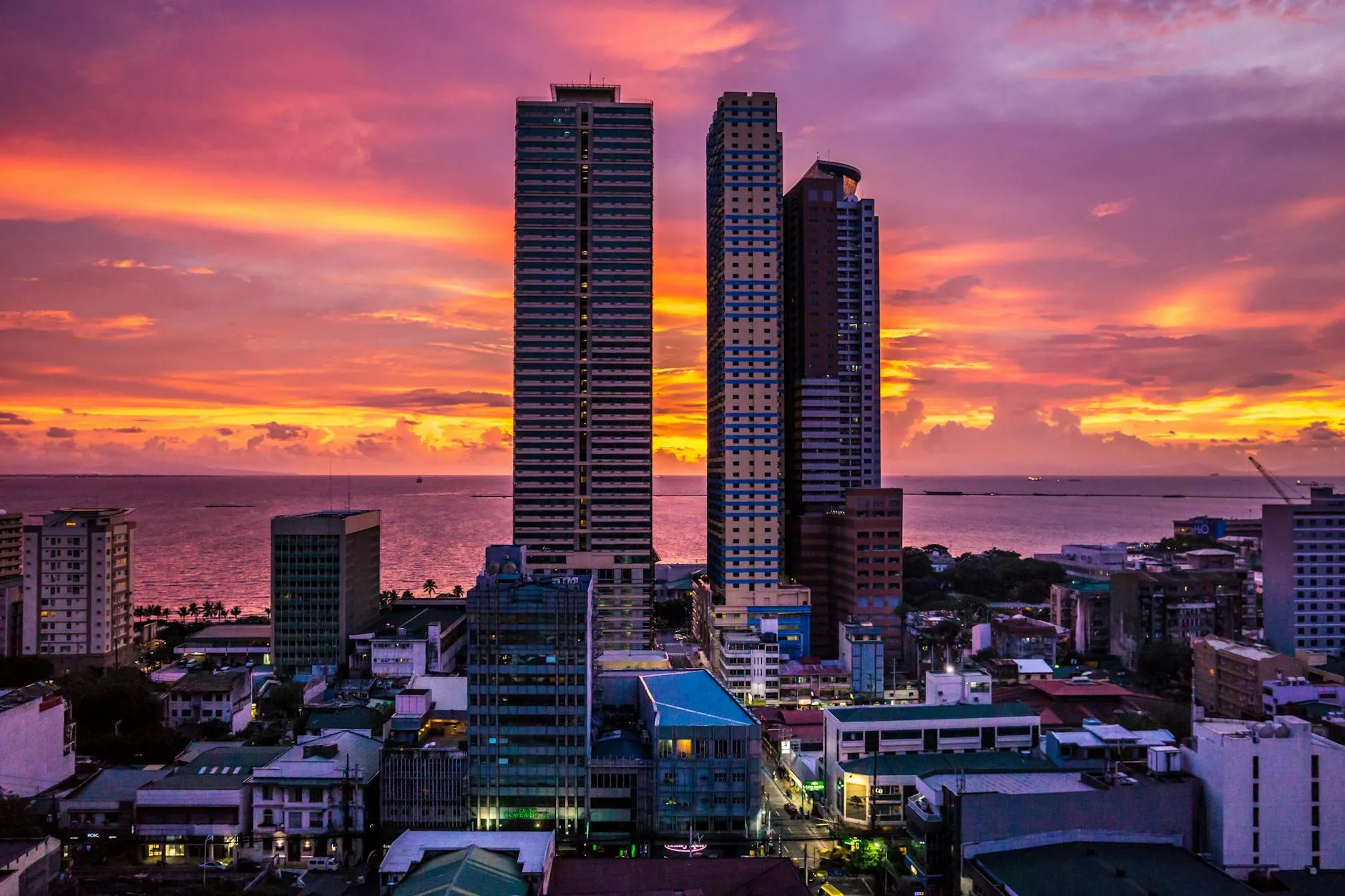
- Manila Bay sunset: From the Baywalk or any elevated Ermita vantage point. Manila’s sunsets are legendary — the pollution creates extraordinary colours. Wide shot for the full bay panorama.
- Poblacion rooftop at night: Bar lights in the foreground, Makati skyline behind. Any rooftop bar works. The energy of the neighbourhood from above.
- Jeepney close-up (daytime): The chrome, the religious imagery, the hand-painted signage. Traditional jeepneys are being phased out — document them now. Ask drivers before photographing.
Month-by-Month Weather & Events
| Month | High / Low | Rain Days | Notes |
|---|---|---|---|
| January | 30 / 24°C | 4 | 🌟 DRY. Coolest month. Best visiting. Feast of Black Nazarene (Jan 9). |
| February | 31 / 24°C | 2 | 🌟 BEST MONTH. Driest. Chinese New Year in Binondo (Feb 17, 2026). |
| March | 33 / 25°C | 2 | 🌟 Dry, warming. Holy Week (Mar 28–Apr 13). |
| April | 34 / 26°C | 3 | 🔥 Hottest month. Holy Week closures. Dry. |
| May | 34 / 26°C | 8 | Hot. Rains beginning. Shoulder season. |
| June | 33 / 26°C | 14 | 🌧️ Wet season begins. Afternoon downpours. Independence Day (Jun 12). |
| July | 32 / 25°C | 17 | 🌧️ Heavy rain. Typhoon risk begins. Flooding possible. |
| August | 31 / 25°C | 18 | 🌧️ Peak typhoon season. Cheapest prices. Flexible plans essential. |
| September | 31 / 25°C | 18 | 🌧️ Wettest. Typhoon peak. Major flooding risk. |
| October | 31 / 25°C | 15 | 🌧️ Still wet. Typhoons possible. Rain easing late month. |
| November | 31 / 25°C | 10 | Transition. Rain decreasing. Prices still low. |
| December | 30 / 24°C | 6 | 🌟 Dry season returns. Christmas season (Filipinos celebrate from Sep!). Simbang Gabi novena masses. |
Pricing, festival dates, and transport costs reflect data verified in April 2026 via the official sources linked throughout this guide. Travel costs are subject to annual adjustments — attractions and transport authorities typically refresh prices each spring. We recommend confirming real-time prices and booking windows via the authority links in each section before your trip. Where this guide references Michelin stars, the data reflects the most recent edition of the relevant Michelin Guide at time of publication.
Data Provenance & Verification
- Attraction pricing: Verified via official sites (Fort Santiago, National Museum, Ayala Museum) — April 2026.
- Michelin: Per Michelin Guide Philippines inaugural edition, October 2025.
- Restaurant pricing: Direct menu checks and Michelin Guide — March–April 2026.
- Transit: MRT/LRT fares per DOTr fare matrix effective March 23, 2026 (50% discount).
- Jollibee: Menu prices verified via jollibee.com.ph — April 2026.
- Exchange rate: $1 ≈ ₱60 per XE.com — April 2026.
- Weather: Based on PAGASA (Philippine Atmospheric, Geophysical and Astronomical Services Administration) data.
- Visa: Per Bureau of Immigration EO 408 — April 2026.
- eTravel: Mandatory registration via etravel.gov.ph.
- Last updated: April 2026.
Frequently Asked Questions
Is Manila worth visiting in 2026?
Yes. National Geographic named Manila a Best of the World 2026 destination for its food scene. The inaugural Michelin Guide Philippines (October 2025) starred nine restaurants. The free National Museum Complex is world-class. Binondo is the oldest Chinatown on Earth. And Jollibee Chickenjoy still costs ₱82.
What should I eat first in Manila?
Start with Jollibee Chickenjoy (₱82) for cultural context. Then do the Binondo food walk: Dong Bei dumplings, Shanghai Fried Siopao, fresh lumpia at New Po Heng. For dinner, order sisig on a sizzling plate at Manam (Bib Gourmand). Total: under ₱500 for the most Filipino day of eating possible.
How many days do I need in Manila?
3–4 days minimum. Day 1: Intramuros (Fort Santiago, San Agustin, Cathedral). Day 2: Binondo food walk + National Museum Complex. Day 3: Makati (Ayala Museum, Poblacion nightlife). Day 4: day trip (Tagaytay/Taal or Corregidor). Add days for deeper food exploration in Quezon City and beyond.
Is Manila safe?
Main tourist areas (Makati, BGC, Intramuros) are generally safe. Use Grab instead of street taxis. Watch belongings in crowded areas (Divisoria, Quiapo, rush-hour trains). Avoid Tondo and parts of Ermita at night. During typhoon season (June–November), streets can flood — check forecasts and follow local advice.
How do I get around Manila?
Grab is essential — the safest, most reliable option. LRT/MRT covers key corridors (50% fare discount since March 23, 2026). Jeepneys are the cheapest option (₱14 base fare). Manila traffic is legendary — avoid rush hours (7–10 AM, 5–8 PM). Budget 2+ hours for airport journeys during peak times.
Why is Jollibee so popular?
Jollibee outsells McDonald’s in the Philippines because the food is calibrated to Filipino taste: crispier fried chicken (Chickenjoy ₱82), sweet spaghetti with hotdog slices, and the Peach Mango Pie (₱48). Founded 1978, now 1,800+ stores in the Philippines and 1,400+ worldwide. It’s a cultural institution, not just fast food.
When is the best time to visit Manila?
January–February: dry, slightly cooler (30°C), post-holiday prices. Chinese New Year in Binondo (Feb 17, 2026) is a bonus. Avoid June–November typhoon season unless flexible. March–May is dry but extremely hot (35°C+). Holy Week (late March) closes many businesses but the processions are powerful.
What is the best day in Manila for under ₱1,500?
MRT to Taft station (₱14). National Museum Complex (free — Spoliarium, Tree of Life). Rizal Park (free). Jeepney to Binondo (₱14). Binondo food walk: Dong Bei dumplings (₱50), Shanghai Fried Siopao (₱70), fresh lumpia at New Po Heng (₱80). Escolta (free). Grab to Fort Santiago (₱150). Fort Santiago (₱75). Intramuros walls (free). Jeepney back to Makati (₱14). Jollibee Chickenjoy dinner with rice and Peach Mango Pie (₱200). Total: ₱667 ($11) for three world-class museums, the world’s oldest Chinatown, a Spanish colonial fortress, and the Philippines’ most culturally significant fried chicken.
Do I need to register on eTravel before arriving?
Yes. All international travellers must register at etravel.gov.ph within 72 hours before arrival. It’s free, takes 5 minutes, and generates a QR code required at check-in. You need passport details, flight info, and accommodation address. This replaced the old paper arrival card.
What is the Binondo food walk?
A walking food crawl through the world’s oldest Chinatown (established 1594). Nine stops including Dong Bei dumplings, Masuki noodles (since 1930), Shanghai Fried Siopao, hand-pulled Lan Zhou noodles, and New Po Heng fresh lumpia (singled out by National Geographic). Go weekday mornings, arrive by 9 AM, pace yourself. 2–3 hours.
More City Guides
Explore all our city and island guides at aifly.one Travel Guides — covering destinations across Asia, Europe, the Americas, Africa, and beyond.
Romantic Manila
Sunset Spots
Manila Baywalk: The rehabilitated waterfront. Dolomite beach (controversial but pretty), food stalls, sunset views over Manila Bay.
Manila Hotel Sunset Lounge: Classic elegance, bay views, cocktails. The MacArthur Suite has history.
Poblacion rooftops: Multiple options. Z Hostel Roofdeck is budget-friendly; Firefly is upscale.
Romantic Dining
Gallery by Chele: One Michelin star + Green Star. Modern Filipino tasting menus. ₱5,500-8,500. Book weeks ahead.
Toyo Eatery: One star. Filipino ingredients, contemporary technique. More relaxed than Gallery by Chele. From ₱4,500.
Antonio’s: Worth the Tagaytay drive (1.5 hours). Fine dining in a garden setting. Consistently excellent. From ₱3,000.
Romantic Stays
The Peninsula Manila: Old-world elegance in Makati. Afternoon tea is an institution. From ₱15,000.
Raffles Makati: Butler service, art deco glamour, excellent restaurants. From ₱20,000.
Manila with Kids
Attractions
Manila Ocean Park: Aquarium, water rides, marine shows. A full day for families. From ₱690.
Star City: Amusement park with rides and shows. Old-school fun. ₱80 entry + ₱779 ride-all-you-can.
The Mind Museum: Science museum in BGC. Interactive exhibits, planetarium. ₱750/₱600 online. Best for ages 5-14.
Kidzania: Role-playing city where kids work jobs. Multiple malls have branches. ₱700-1,100.
Kid-Friendly Areas
BGC (Bonifacio Global City): Pedestrian-friendly, clean, multiple parks. The Highstreet has family-friendly dining.
SM Megamall/MOA: Air-conditioned relief with entertainment, food courts, and kids’ play areas.
Hidden Manila
Art & Design
Jorge B. Vargas Museum: On UP Diliman campus. Philippine art and historical artefacts. ₱50.
Historical Curiosities
Chinese Cemetery: Elaborate tombs (some multi-story with air conditioning). Respectful visitors welcome. Tondo area.
Bahay Tsinoy: Chinese-Filipino heritage museum in Intramuros. Hidden history, well-curated. ₱150.
San Sebastian Church: The only all-steel church in Asia. Prefabricated in Belgium, assembled in Manila. Gothic metal beauty.
🌍 See the bigger picture: our The Philippines travel guide covers regions, when to go, and getting around.
Cheapest Flights to Manila
We track flight deals to Manila from 2 cities worldwide. Here are the best recent fares:
Prices are based on recent deals and may no longer be available. Browse all flight deals