Reykjavik, Iceland — City Guide 2026
The Complete City Guide 2026
Reykjavik — The Complete City Guide 2026
Reykjavik is the world’s northernmost capital and one of its most improbable cities — 140,000 people perched on a volcanic island in the North Atlantic, where the tap water comes from glacial melt, the electricity comes from geothermal steam, and the hot dogs are made from lamb. It is spectacularly expensive, breathtakingly beautiful, and unlike anywhere else on Earth. In 2026, the city has three Michelin-starred restaurants, a total solar eclipse on August 12, volcanic eruptions on the Reykjanes Peninsula that may close the Blue Lagoon at any moment, and the same eccentric creative energy that has always made it punch absurdly above its weight. The Northern Lights dance overhead from September to April. The midnight sun refuses to set from late May to July. And the 880 ISK hot dog at Bæjarins Beztu is still the best fast food in the world.
18,000–120,000+ ISK/day (Budget to Luxury)
USD 1 ≈ 137 ISK
3 Michelin-starred restaurants
Schengen / ISK kr
Editor’s Note — Tourist Reykjavik vs Real Reykjavik
Iceland’s appeal is geological: you are standing on a crack in the Earth’s crust where two tectonic plates are pulling apart at 2.5 centimetres per year. Geysers erupt on schedule, waterfalls drop off cliffs that were sea floor a million years ago, and the Reykjanes Peninsula has erupted nine times since December 2023 — an ongoing reminder that this island is still being built. But Reykjavik itself is more than a launchpad for nature tours. The city has a Michelin scene that would shame cities ten times its size (DILL, OX, and Moss all hold stars), a craft beer culture that didn’t exist until 1989 when beer was legalised, geothermal swimming pools on every corner, and a weekend nightlife scene — the rúntinn — that starts at midnight and doesn’t end until the sun comes up (which, in summer, is never). On August 12, 2026, a total solar eclipse will darken the sky over Reykjavik for 59 seconds — the first in 72 years. That alone is worth the flight.
Top Attractions in Reykjavik
Reykjavik is compact and walkable — most attractions are within a 20-minute walk of Laugavegur. The best things are either free (the city pond, the harbour, the church exterior, the street art) or included in the Reykjavik City Card (5,500–9,500 ISK for 24–72 hours, covering museums, pools, and buses).
| Attraction | Price (ISK) | Notes |
|---|---|---|
| Hallgrímskirkja Tower | 1,500 | Church free. Tower price increased Jan 2026. Best city panorama. Students/seniors 1,000. Under 7: 200 |
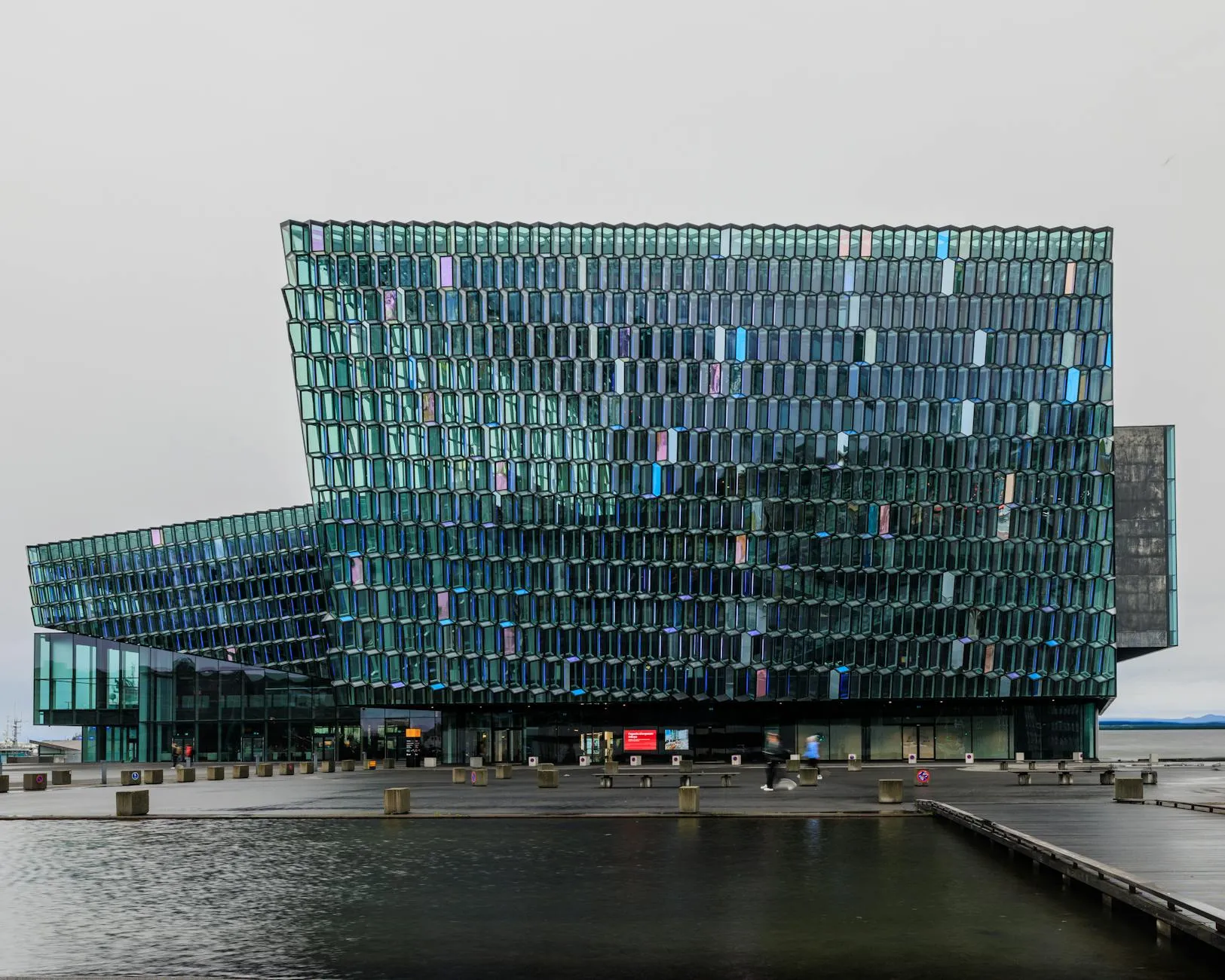
| Harpa Concert Hall | Free (lobby) | Olafur Eliasson glass façade. World of Icelandic Music exhibition opening May 2026 |
| Sun Voyager (Sólfar) | Free | Iconic steel sculpture on the waterfront. Best at sunset/sunrise. 24/7 |
| Perlan | 5,990 online | Wonders of Iceland museum, indoor ice cave, aurora planetarium, observation deck. ~7,290 at door. Under 6 free |
| National Museum | 3,300 | Under 18 free. Students/seniors 1,600. Free guided tour Sat 11 AM. Includes Culture House |
| Reykjavik Art Museum | 2,550 | Ticket valid 24h at all 3 locations (Hafnarhús, Kjarvalsstaðir, Ásmundarsafn). Under 18 free |
| Settlement Exhibition (871±2) | 2,900 | Built around a 10th-century Viking longhouse ruin. Under 17 free. Seniors/disabled free |
| Whales of Iceland | 4,000 | Europe’s largest whale museum. 23 life-size whale models. Family (2+2) 8,000. 30% off with City Card |
| FlyOver Iceland | 5,690 online | 8.5-min flight simulator ride over Iceland. Must be 100 cm+. 5,950 at door. No cash accepted |
| Tjörnin (City Pond) | Free | City centre lake. Bird feeding, City Hall nearby. Locals ice-skate in winter |
| Árbær Open Air Museum | 2,150 | Historic Icelandic buildings. Under 17 free. Free with City Card. Laugardalur area |
| Laugavegur | Free | Main shopping/dining street. Runs from Hlemmur to Lækjartorg. Where everything happens |
Hallgrímskirkja
The 74.5-metre expressionist church that dominates Reykjavik’s skyline. Designed by Guðjón Samuélsson and inspired by basalt column formations, it took 41 years to build (1945–1986). The church interior is free; the tower elevator (1,500 ISK, increased January 2026) delivers the best 360-degree view of the city, the harbour, the mountains, and — on clear days — the Snæfellsjökull glacier. Arrive before 10 AM to avoid queues. The statue in front is Leifur Eiríksson — a 1930 gift from the US commemorating the millennium of the Althing parliament.
The Harbour District & Grandi
The Old Harbour has transformed from a working fishing port into Reykjavik’s most dynamic neighbourhood. Whale watching boats depart from here. The Marshall House holds art galleries (including works by Olafur Eliasson and Erro). Grandi Matholl is a food hall with a half-dozen stalls serving everything from Icelandic lamb soup to tacos and craft beer — the best casual eating in Reykjavik. Whales of Iceland (4,000 ISK) has 23 life-size whale models and is genuinely impressive even for adults.
Reykjavik City Card
The Reykjavik City Card (24h 5,500 ISK / 48h 7,700 ISK / 72h 9,500 ISK) includes free entry to 15+ museums and galleries, ALL municipal geothermal pools, unlimited Strætó bus service, the Videy Island ferry, and discounts on tours and restaurants. If you’re visiting for 2+ days and plan to visit museums and swim in the pools, the 72-hour card pays for itself quickly.
Hot Springs & Geothermal Pools
Swimming in geothermally heated water is not a tourist activity in Iceland — it is the national pastime. Every neighbourhood has a pool (sundlaug), heated to 38–44°C by the same volcanic energy that powers the city. These are where Icelanders socialise, gossip, and occasionally make political decisions. The tourist-oriented lagoons (Blue Lagoon, Sky Lagoon) are spectacular but expensive. The municipal pools are the real Iceland — and they’re included free with the City Card.
Blue Lagoon
The most famous geothermal spa on Earth, set in a lava field on the Reykjanes Peninsula, 50 km from Reykjavik. The milky-blue water is a byproduct of the nearby Svartsengi geothermal power plant, rich in silica, algae, and minerals. It is beautiful, expensive, and divisive — some visitors call it life-changing, others call it an overpriced tourist trap. Both are partially correct.
| Package | Low Season | Mid Season | Peak Season |
|---|---|---|---|
| Comfort | 9,990–11,990 | 11,990–13,990 | 12,990–14,990 |
| Premium | 12,990–14,990 | 14,990–16,990 | 16,990–18,990 |
| Signature | 16,490–18,490 | 18,490–20,490 | 19,990–22,990 |
| Retreat Spa | 79,000–89,000 | 89,000–99,000 | 99,000–119,000 |
Comfort includes entry, silica mud mask, towel, one non-alcoholic drink, steam bath, and sauna. Premium adds bathrobe, slippers, two extra masks, one alcoholic drink, and a skincare gift. Retreat Spa is a completely separate, private lagoon with its own changing facilities and the Blue Lagoon Ritual treatment. Children 2–13 enter free (one per paying adult). Bathrobe rental 1,900 ISK. Swimsuit rental 1,000 ISK.
Dynamic pricing: Tuesday–Thursday and early morning/late evening slots are cheapest. Weekend midday is most expensive. Book 2–4 weeks ahead in summer — it sells out.
Sky Lagoon
Reykjavik’s newer alternative to the Blue Lagoon, opened 2021 in Karsnes, just 15 minutes from downtown. An infinity-edge geothermal pool with ocean views, a 7-step ritual (cold plunge, steam room, salt scrub, and more), and a dramatically lower price point. Pure Lite 8,577 ISK (lagoon only). Pure Pass 12,651 ISK (lagoon + 7-step ritual, shared changing). Sky Pass 16,539 ISK (private changing, signature amenities). Children under 12 are not allowed. Many visitors prefer Sky Lagoon to Blue Lagoon — it’s closer, cheaper, and the infinity-edge view is stunning.
Municipal Pools — The Real Iceland
Reykjavik’s municipal pools are where Icelanders actually go. Heated to 38–44°C, they typically include a lap pool, hot pots (small tubs at varying temperatures), a steam room, and sometimes a waterslide. Entry is 1,200–1,430 ISK — or free with the City Card.
- Laugardalslaug (1,430 ISK) — The largest pool. Indoor 50m lap pool, outdoor hot pots, waterslide, steam rooms. Laugardalur valley. The one to visit if you only do one
- Vesturbæjarlaug (1,330 ISK) — The locals’ favourite. Quieter, with a gorgeous hot pot and an intimate neighbourhood feel. Vesturbr area
- Sundhöllin (1,210 ISK) — Downtown Reykjavik. Recently renovated with a rooftop hot pot. Most convenient for tourists staying in 101
- Nautholsvík Beach (Free, May 15–Aug 15) — Geothermally heated seawater lagoon on the beach. Hot pots alongside the ocean. Open summer only
Pool etiquette (mandatory): You MUST shower naked before entering the pool. This is not optional — signs in the changing rooms show which areas to wash. Staff will send you back if you skip. Remove your swimsuit for the shower, wash thoroughly with soap, then put it back on for the pool. This is about hygiene, not cultural eccentricity — the pools use minimal chemicals because of the natural geothermal water.
Day-Trip Hot Springs
- Secret Lagoon (Flúðir) — 4,200 ISK. Iceland’s oldest pool, 90 min from Reykjavik. Often combined with Golden Circle. Natural setting with a small geyser nearby. Advance booking required. Children under 14: 260 ISK
- Hvammsvík Hot Springs — From 6,900 ISK (Classic). Eight geothermal pools along Hvalfjorður fjord, 45 min drive. Dynamic pricing up to 14,100 ISK. Comfort package 10,700 ISK adds towel and drink
- Laugarás Lagoon — NEW (opened October 2025). Geothermal pools with cascading waterfall on the Golden Circle route. From ~12,000 ISK
Wild Hot Springs
Free, natural, and increasingly popular — which creates problems. Reykjadalur (Hot River Valley) is the accessible option: a 45-minute hike to bathe in a warm river. Bring a towel, be prepared for crowds, and respect the landscape.
Icelandic Food — Hot Dogs, Lamb & Fermented Shark
Icelandic cuisine is built on what the island provides: lamb that roams free all summer on mountain pastures, fish from the North Atlantic, and dairy from a unique breed of cattle. The traditional foods are functional — designed to survive harsh winters — but modern Icelandic cooking has become one of Europe’s most exciting scenes. Warning: Reykjavik is expensive. A casual restaurant meal runs 3,500–5,000 ISK; a proper sit-down dinner 7,000–12,000 ISK. Budget eating requires strategy.
The Hot Dog — Bæjarins Beztu Pylsur
The most famous hot dog stand in the world, operating since 1937. One lamb-based hot dog (“pylsur”) with the works costs 880 ISK (hot dog + Coke combo 1,330 ISK). Order “eina með öllu” — one with everything: ketchup, sweet mustard (pylsusinnep), remoulade, crispy fried onion, and raw onion. Bill Clinton, James Hetfield, and Kim Kardashian have all queued here. The queue is part of the experience. It’s not ironic — the hot dog is genuinely excellent. The secret is the lamb-pork-beef blend and the remoulade.
What to Eat
| Dish | Price Range | What It Is |
|---|---|---|
| Pylsur (hot dog) | 880 ISK | Lamb-pork-beef blend, remoulade, fried onion. Bæjarins Beztu since 1937. The national fast food |
| Lamb soup (kjötsúpa) | 2,500–3,500 ISK | Free-range Icelandic lamb slow-cooked with root vegetables, herbs. Hearty, warming, iconic |
| Fish of the day | 4,150–4,890 ISK | Fresh North Atlantic catch — cod, haddock, arctic char. Often the best-value restaurant option |
| Fish & chips | 2,500–3,500 ISK | Fresh battered cod or haddock. Try at Grandi Matholl or harbour restaurants |
| Plokkfiskur | 2,500–4,000 ISK | Traditional mashed fish stew with potatoes, onions, béchamel. Comfort food. Home-style |
| Skyr | 300–500 ISK (shop) | Thick cultured dairy product (technically cheese, not yogurt). 1,000+ years old. Available everywhere |
| Harðfiskur | 500–1,000 ISK/bag | Wind-dried fish jerky, eaten with butter. Traditional Icelandic snack. High protein |
| Hangikjöt | 3,000–5,000 ISK | Smoked lamb. Traditional Christmas dish but available year-round in restaurants and on sandwiches |
| Hákarl (fermented shark) | ~3,950 ISK (at Íslenski Barinn) | Greenland shark fermented for months. Pungent ammonia smell. An acquired taste. Try it once. Chase with Brennivin |
| Langoustine (humar) | 5,000–8,000 ISK | Iceland’s premium seafood. Smaller than lobster, sweeter. Worth the splurge |
Budget Eating
Reykjavik is expensive, but it’s not impossible to eat affordably:
- Bónus supermarket (pink pig logo) — Iceland’s cheapest grocery chain. Self-catering for 2,500–4,000 ISK/day. Essential for budget travellers
- Noodle Station — Big bowl of noodle soup for 1,600–2,200 ISK. The cheapest sit-down meal downtown. Laugavegur location
- Hlöllabátar — Iceland’s Subway equivalent. Subs 2,000–4,000 ISK
- Bæjarins Beztu — 880 ISK for the world’s best hot dog. Hard to beat
- Gas station food — Not a joke. Icelandic gas stations serve decent sandwiches and hot dogs for 500–1,500 ISK
- Grandi Matholl — Food hall in the harbour district. Multiple stalls with mains from 2,000–4,000 ISK. Best variety for the price
More Essentials — Sægreifinn, Brennivín & Omnom
Sægreifinn (Sea Baron): The old fisherman’s shack in the Old Harbour whose lobster soup (technically langoustine) is one of the most famous bowls in Iceland. Warm, creamy, loaded with shellfish. Around 3,500 ISK. A rite of passage — locals and tourists share communal benches.
Brennivín: The caraway-flavoured schnapps nicknamed “Black Death,” traditionally drunk as a chaser when you brave your cube of hákarl. Available everywhere. Buy a miniature at Vínbúðin or the airport duty-free.
Omnom Chocolate: Bean-to-bar chocolate factory in Reykjavik’s harbour district. Factory tours and shop let you taste single-origin bars made on-site. Their sea-salt and liquorice bars are the iconic purchases. An unexpected but beloved souvenir.
Skyr: The thick cultured dairy product (technically cheese, marketed as yogurt) is 1,000+ years old and sold in endless flavours at every supermarket. Plain with berries is the Icelandic breakfast.
Michelin Guide & Fine Dining
A city of 140,000 people has three Michelin-starred restaurants and five Michelin Key hotels. For a place that was eating fermented shark and dried fish fifty years ago, this is a remarkable transformation. The New Nordic movement took Icelandic ingredients — wild herbs, Arctic char, free-range lamb, foraged berries — and turned them into world-class cuisine.
| Restaurant | ⭐ | Tasting Menu | Notes |
|---|---|---|---|
| DILL | 1★ + 🌿 Green Star | 25,000–30,000 ISK (+wine pairing) | Iceland’s first star (2017). Chef Gunnar Karl Gíslason. Foraged/local ingredients. Green Star new 2025. Laugavegur 59 |
| OX | 1★ | 66,000–69,000 ISK (all-inclusive) | 11–17 seats. Surprise tasting menu. Price includes food, wine pairings, coffee, service. Prepaid at booking. Laugavegur 55 |
| Moss | 1★ | Tasting menu (price varies) | At The Retreat at Blue Lagoon. Seasonal Icelandic ingredients, lava field views. Requires Retreat Spa booking |
Other Notable Restaurants
- Grillíð (Grillid) — 4–7 course tasting menu from 11,900 ISK. Top of Saga Hotel with panoramic city views. Classic Icelandic fine dining
- Grillmarkaðurinn (Grill Market) — Tasting menu 11,400 ISK (min 2 persons), with wine pairing 22,400 ISK. Volcanic rock grilled meats
- Apótek Kitchen + Bar — Michelin Recommended. Lunch 2-course 7,990 ISK / 3-course 8,990 ISK. Fish of the day + soup 4,890 ISK. Good value for the quality
- Íslenski Barinn — Traditional Icelandic food at accessible prices. Fish of the day 4,150 ISK. Lamb shank 5,150 ISK. Singed sheep head 3,950 ISK (the full Viking experience)
- Hosíló — Michelin Recommended. Traditional Icelandic cuisine, Hverfisgata
- Sumac — Michelin Recommended. Middle Eastern cuisine, Laugavegur. A welcome break from lamb and fish
“OX seats 11–17 people, charges 66,000–69,000 ISK all-inclusive — food, wine pairings, coffee, service, everything — and is fully prepaid at booking. In a city where a casual restaurant meal costs 5,000 ISK, this is either outrageous or a bargain for a Michelin star. I think it’s a bargain.”
Craft Beer & Nightlife
Beer in Iceland
Beer was illegal in Iceland until March 1, 1989. That date is still celebrated as Bjórdagurinn (Beer Day). In the 37 years since, Iceland has developed a craft beer scene that rivals countries with centuries of brewing tradition. A pint at a bar costs 1,200–1,600 ISK (standard beer) and up to 3,000 ISK for craft. Happy hour is essential: many bars run discounts from 3–6 PM or 4–7 PM, dropping pints to 700–1,000 ISK. The Reykjavik App shows happy hours across the city.
Vínbúðin (state monopoly): The ONLY place to buy wine, spirits, or beer over 2.25% ABV. Supermarket “beer” is essentially non-alcoholic (under 2.25%). Vínbúðin hours: typically Mon–Thu 11–18, Fri 11–19, Sat 11–18. Stock up at the airport duty-free — it’s significantly cheaper than Vínbúðin.
Best Craft Beer Bars
- Skúli Craft Bar — 28 taps of Icelandic and international craft beer. The best selection in the city. Knowledgeable staff
- Microbar — Small, intimate, serious about beer. Excellent Icelandic microbrews. Vesturgata
- Bryggjan Brugghús — Brewpub in the Old Harbour with its own beers and harbour views. Good food too
- Bastard Brew & Food — Craft beer, pizza, and a lively atmosphere. Vegamótastgata
The Rúntinn — Reykjavik’s Weekend Nightlife
Reykjavik’s weekend nightlife is legendary and genuinely strange. Nothing starts before midnight on Friday and Saturday. Icelanders pre-drink at home (due to bar prices), then hit Laugavegur and the surrounding streets around 12–1 AM, and the night doesn’t end until 4–5 AM. The main strip is Laugavegur and its side streets. Dress up — Icelanders take weekend outfits seriously. Venues to know: Kaffibarinn (iconic, featured in 101 Reykjavik), Paloma (DJ sets, dancing), Kiki Queer Bar (welcoming to all), Lebowski Bar (bowling-themed cocktails).
More Venues & Live Music
- Prikið: Diner by day, club by night. Hip-hop Saturdays get rowdy. Bankastræti.
- Húrra: Live music venue with consistently good bookings — indie, electronic, experimental.
- Gaukurinn: Rock, metal, alternative. The underground spot for heavier nights.
Iceland’s music scene is disproportionately influential — Björk, Sigur Rós, Of Monsters and Men, Kaleo all emerged here. Check Reykjavik Grapevine listings for who’s playing. Iceland Airwaves (early November) is the major music festival — international and Icelandic acts across multiple downtown venues. Book accommodation early.
Neighbourhoods
Downtown / 101 Reykjavik
The heart of the city and where 90% of your time will be spent. Laugavegur shopping street, Hallgrímskirkja, Harpa, the Parliament (Alþingi), and Tjörnin pond are all here. Most restaurants, bars, galleries, and boutiques. 101 is both a postal code and a cultural identity — “101 Reykjavik” is the title of Iceland’s most famous novel and film. Stay here if: you want to walk everywhere.
Old Harbour / Grandi
The formerly industrial fishing district has become Reykjavik’s creative hub. Marshall House (art galleries), Whales of Iceland, FlyOver Iceland, Grandi Matholl food hall, and the whale watching departure point. Industrial-chic converted warehouses. Stay here if: you want harbour views and a creative neighbourhood feel.
Laugardalur
The family-friendly valley east of the centre. Home to Laugardalslög (the largest pool), the Botanical Garden (free), Reykjavik Zoo, and Árbær Open Air Museum. Also the national football stadium. More residential, less nightlife. Stay here if: you’re travelling with children or prioritise the pools.
Vesturbær
The quiet, leafy western neighbourhood. Vesturbæjarlaug pool (the locals’ favourite), University of Iceland, and a calm residential atmosphere. Less touristy, more neighbourhood cafés and bakeries. Stay here if: you want a quieter base within walking distance of downtown.
Seltjarnarnes
The westernmost tip of the peninsula. Grótta lighthouse (accessible at low tide), ocean walks, and the Nautholsvík geothermal beach nearby. Peaceful and scenic. Stay here if: you have a car and want space and nature within 10 minutes of downtown.
Hafnarfjörður (Nearby)
A separate town 15 minutes south of Reykjavik by bus or car, known as the “Town of Elves and Vikings.” Viking Village restaurant, lava gardens, Hellisgerði Park. Good seafood at lower prices than downtown Reykjavik. Accessible on the Strætó bus network.
Northern Lights
The aurora borealis is visible from Reykjavik between September and mid-April, with the best chances in the darkest months (October–February). 2026 remains an excellent year — near the peak of the current solar maximum cycle, meaning aurora activity is strong.
Tour Options
- Bus tour: 8,000–12,990 ISK per person. Most operators offer free re-booking if no aurora is seen
- Small group tour: ~23,000 ISK. More personalised, fewer people, better locations
- Super Jeep / private: 40,000+ ISK. Maximum flexibility, photographer-guides
DIY Northern Lights
You don’t need a tour. On clear nights, drive 15–30 minutes outside the city to escape light pollution. Grótta lighthouse (Seltjarnarnes) works without a car. Check the aurora forecast at en.vedur.is — the Icelandic Met Office provides a 0–9 scale forecast updated daily. A clear sky + KP 3+ = good chances. The best viewing is between 10 PM and 2 AM. Dress for the cold — you will be standing outside for 30–60 minutes.
Conditions for Success
- Darkness: No midnight sun. Dark enough from late August through mid-April.
- Solar Activity: Check the Icelandic Met Office aurora forecast (vedur.is). KP 3+ is good.
- Clear Skies: Cloud cover is the main enemy. Weather in Iceland changes rapidly — have backup nights.
- Low Light Pollution: Get 15+ minutes outside Reykjavik for the strongest viewing.
Day Trips from Reykjavik
Golden Circle
The most popular day trip in Iceland: a ~300 km loop covering three iconic sites. Þingvellir National Park (free, parking 750 ISK) — where the North American and Eurasian tectonic plates meet, and where the world’s oldest parliament was founded in 930 AD. Geysir (free) — Strokkur erupts every 5–10 minutes, shooting water 15–20 metres high. Gullfoss (free) — a massive two-tiered waterfall that drops 32 metres into a canyon. All three sites are free; the only cost is parking at Þingvellir and fuel. Guided tour from 9,990 ISK. Self-drive fuel ~6,000–8,000 ISK for the full loop. Add the new Laugarás Lagoon (opened October 2025, from ~12,000 ISK) — geothermal pools with a cascading waterfall on the route.
South Coast
Seljalandsfoss (walk behind the waterfall), Skógafoss (thundering 60-metre drop), Reynisfjara black sand beach (see safety warning below), and Vík — all free, all spectacular. Day tours from 16,990–30,000 ISK. Self-drive is easy — the Ring Road (Route 1) is paved the entire way.
CRITICAL SAFETY — Reynisfjara Beach: In February 2026, a major landslide from Reynisfjall mountain and severe coastal erosion dramatically changed the beach. The flat sand buffer zone has largely eroded. Access is now restricted to upper viewing platforms when conditions are dangerous. Rogue waves at Reynisfjara have killed 6 people between 2007–2025, including a 9-year-old in August 2025. NEVER turn your back on the ocean. Obey the red light warning system. This is not overcautious advice — it is life or death.
Snæfellsnes Peninsula
Often called “Iceland in miniature” — glaciers, volcanoes, lava fields, sea cliffs, and the photogenic Kirkjufell mountain in one peninsula. Day tours from 16,990 ISK. Self-drive: 3 hours each way. The Snæfellsjökull glacier-topped volcano at the tip is where Jules Verne set the entrance to Journey to the Centre of the Earth.
Whale Watching
Departing from the Old Harbour, year-round (peak April–October). Elding Classic: 14,500 ISK adult / 7,250 ISK child (7–15) / free under 7. Three-hour tours. 95–98% success rate in summer. Species: minke whales, humpback whales, white-beaked dolphins, harbour porpoises. Optional hotel pickup 3,750 ISK. Dress warmly — it’s colder on the water.
Langjökull Ice Tunnel (Into the Glacier)
The world’s largest man-made ice tunnel, carved into Iceland’s second-largest glacier. Classic tour from Husafell: 23,500 ISK (3–4 hours). From Reykjavik full day: 36,990 ISK. Operates year-round (it’s inside the glacier, so weather-independent). Glacier + Krauma Spa combo: 31,990 ISK. Northern Lights winter combo: 38,900 ISK.
Getting Around
Reykjavik itself is compact and walkable — most visitors never need more than their feet in downtown. For day trips, you either join a tour or rent a car. There are no trains anywhere in Iceland.
Airport Transfers (Keflavík → Reykjavik, ~50 km)
| Option | Price | Notes |
|---|---|---|
| Flybus | 3,999 ISK | BSI Terminal, 45 min. Departs 35–45 min after every flight. Under 6 free. 2 bags + 1 carry-on included |
| Flybus+ (hotel drop-off) | ~4,999 ISK | Drop-off at your accommodation door |
| Airport Direct (Gray Line) | ~4,100 ISK | Similar to Flybus, slightly different terminal locations |
| Route 55 public bus | ~2,000 ISK | Cheapest option, less convenient |
| Taxi | 16,000–20,000 ISK | Split between 3–4 people it’s comparable to Flybus+ |
Strætó Bus System
Reykjavik’s city bus system. Single ride 690 ISK. 24-hour pass 2,750 ISK. Unlimited buses are included free with the Reykjavik City Card. Use the Klappíð app for mobile tickets. Fare capping: never pay more than 3 rides/day. Seniors (67+): 345 ISK. Under 12: free. Good for reaching Laugardalur, Perlan, and Hafnarfjörður.
Car Rental
Essential for day trips beyond the Golden Circle. Summer rates: small 2WD 14,000–22,000 ISK/day, compact 4WD 18,000–30,000 ISK/day, SUV 22,000–38,000 ISK/day. Fuel: ~183 ISK/litre (petrol), ~204 ISK/litre (diesel). F-roads require 4WD by law — insurance is voided if you drive a 2WD on an F-road. Off-road driving is illegal and fines reach 500,000+ ISK. Gravel/sand/ash protection insurance (SAAP) is strongly recommended — standard CDW does not cover gravel damage.
Budget Guide & Daily Costs
Iceland is one of the most expensive countries in the world. There is no way around this. But it’s not impossible on a budget — it just requires planning.
| Category | Budget | Mid-Range | Luxury |
|---|---|---|---|
| Accommodation | 7,000–18,000 ISK (hostel/camping) | 22,000–45,000 ISK (guesthouse/hotel) | 45,000–150,000+ ISK (boutique/resort) |
| Food | 2,500–4,000 ISK (self-catering) | 5,000–12,000 ISK (restaurants) | 15,000–30,000+ ISK (fine dining) |
| Transport | 0–2,750 ISK (walking/bus) | 5,000–15,000 ISK (bus/tours) | 15,000–40,000+ ISK (car rental/private) |
| Activities | 0–5,500 ISK (free sites/City Card) | 10,000–20,000 ISK (tours) | 25,000–70,000+ ISK (lagoons/glacier) |
| Daily Total | 18,000–30,000 ISK ($130–220) | 40,000–65,000 ISK ($290–475) | 120,000+ ISK ($875+) |
Budget survival tips: Self-cater from Bónus. Drink tap water. Buy alcohol duty-free at the airport. Use the City Card for pools and museums. The Golden Circle, waterfalls, and many natural sites are free. Camp in summer (1,500–4,000 ISK/night). Hostels with kitchens are your best friend.
Best Time to Visit & Weather
Summer (June–August)
10–15°C. Midnight sun — 24 hours of daylight around the summer solstice (June 21). No darkness at all. The best hiking, road trips, whale watching, and puffin season. Most expensive, busiest. August 12, 2026: total solar eclipse — expect extreme demand.
Autumn (September–November)
2–10°C. Northern Lights season begins. Increasing darkness, dramatic autumn colours, and the beginning of the off-season. Fewer crowds, lower prices. Weather is unpredictable.
Winter (December–February)
-3 to 3°C. Only 4–5 hours of daylight. Peak Northern Lights season. Possible snow, ice, and road closures. Ice caves open. Christmas markets. Essential: warm layers, waterproof shell, good boots.
Spring (March–May)
0–10°C. Daylight increasing rapidly (12+ hours by April). Northern Lights still possible until mid-April. Puffins return in May. Shoulder-season prices. Weather unpredictable — all four seasons in one day is normal.
The rule in Iceland: “If you don’t like the weather, wait five minutes.” Pack layers regardless of season. A waterproof outer shell is essential year-round. Wind is often the bigger challenge than cold.
Volcanic Activity & Safety
The Reykjanes Peninsula, southwest of Reykjavik, has experienced nine eruptions on the Sundhnúkur crater row since December 2023. The most recent eruption ran from July 16 to August 5, 2025, producing a 3.3 km² lava field. As of April 2026, there is no active eruption, but magma accumulation beneath Svartsengi has reached the highest volume ever recorded in this sequence (23+ million m³). A new eruption is considered more likely than not.
What This Means for Visitors
- The volcanic activity is localised to the Reykjanes Peninsula. The rest of Iceland is unaffected. There has been no air traffic disruption
- The Blue Lagoon has experienced multiple temporary closures as a precautionary measure. It is currently open but may close with short notice
- Grindavík town is gradually reopening — lava from the January 2024 eruption engulfed three houses. Recovery is ongoing
- Check safetravel.is, vedur.is (Met Office), and almannavarnir.is before visiting the Reykjanes area
- Eruptions in this area produce lava flows, not explosive ash clouds — they are visually spectacular and attract “volcano tourists,” but the toxic gases (SO₂) and unstable ground make approaching eruption sites dangerous without authorised guides
General Safety
- Iceland is one of the safest countries in the world — virtually no violent crime, no military
- Weather is the main danger: sudden changes, extreme wind (car doors can be ripped off), hypothermia risk
- F-roads: 4WD mandatory by law. Open seasonally (mid-June to early October). Never attempt river crossings without experience
- Off-road driving fines: 100,000–500,000+ ISK. Tyre tracks in moss take decades to heal
- Glacier walking: Never walk on a glacier without a certified guide and crampons
- Always check safetravel.is and road.is before any outdoor activity
Practical Tips
- Currency: Icelandic Króna (ISK). $1 ≈ 137 ISK. €1 ≈ 150 ISK. Iceland is virtually cashless — credit/debit cards accepted everywhere, including hot dog stands and public toilets. Many visitors never use cash. Apple Pay / Google Pay widely accepted
- Tipping: NOT expected or customary. Service charge is included in all prices. Tip only if exceptionally pleased — it will surprise the staff
- Tap water: Among the best in the world. Never buy bottled water. Glacial melt filtered through volcanic rock — no chlorine, no calcium
- Plugs: European 2-pin (Type C/F), 230V
- Language: Icelandic, but English is spoken fluently by virtually everyone. You will never have a language problem
- Visa: Iceland is in the Schengen Area. Visa-free for most Western nationalities (up to 90 days in 180). ETIAS not yet active as of April 2026
- Alcohol: Vínbúðin state monopoly — only place to buy beer/wine/spirits over 2.25% ABV. Supermarket “beer” is essentially non-alcoholic. Stock up at the airport duty-free — significantly cheaper
Total Solar Eclipse — August 12, 2026
Iceland will experience its first total solar eclipse since 1954 on August 12, 2026. The path of totality crosses the Westfjords, Snæfellsnes Peninsula, and Reykjanes Peninsula. Reykjavik itself gets approximately 59 seconds of totality at around 17:48 GMT. The Westfjords and northern Snæfellsnes will see the longest totality (up to 2 minutes 18 seconds).
What to expect: Eclipse tourism is already driving demand. Accommodation for early August 2026 is filling fast and prices will be extreme. Tour operators are selling eclipse-specific packages. If you are planning to visit Iceland for the eclipse, book accommodation and car rental NOW. This will be the most visited day in Iceland’s history.
Viewing tips: Totality requires no special glasses — you can look directly at the corona during the total phase. For partial phases before and after totality, ISO 12312-2 eclipse glasses are mandatory. Weather is the wildcard — August in Iceland can be cloudy. Have a backup viewing location. The Westfjords have the longest totality but the hardest access; Snæfellsnes is the sweet spot between duration and accessibility.
What to Expect
Totality is unlike any other natural phenomenon. The sky goes dark, stars appear, the temperature drops, and the sun’s corona becomes visible. 59 seconds will feel like both an eternity and an instant.
Where to Watch
The centre line of totality passes through northwestern Iceland. Patreksfjörður and Ísafjörður in the Westfjords get 2+ minutes of totality. Reykjavik’s 59 seconds is less but still total — and far more accessible.
Planning Considerations
- Weather: August weather in Iceland is unpredictable. Having mobility (rental car) to chase clear skies dramatically increases your chances.
- Accommodation: Already booking up fast. Westfjords will be crowded beyond capacity. Book now or accept Reykjavik as your base.
- Equipment: ISO 12312-2 solar eclipse glasses for the partial phases. Not needed during totality itself — you can look directly at the corona.
More City Guides
Explore all our city and island guides at aifly.one Travel Guides — covering destinations across Europe, the Americas, Asia, and Africa.
Art, Design & Culture
Museums
National Museum: The comprehensive history of Iceland from settlement to modern times. The Viking artifacts and medieval church art are highlights. 3,300 ISK, free with City Card.
Perlan: The dome-topped former hot water tanks now house an excellent nature exhibition. Planetarium, artificial ice cave, and stunning city views. 5,990 ISK online.
Árbær Open Air Museum: Historic buildings moved to this site show traditional Icelandic life. Like Skansen in Stockholm but Icelandic. 2,150 ISK.
Settlement Exhibition: Built around actual Viking-age ruins in downtown Reykjavik. The excavated longhouse foundation puts you in direct contact with early settlement. 2,900 ISK.
Art Galleries
Reykjavik Art Museum: Three locations — Hafnarhús (contemporary), Kjarvalsstaðir (20th-century Icelandic), and Ásmundarsafn (sculptor Ásmundur Sveinsson). One ticket covers all. 2,550 ISK.
National Gallery: Icelandic art from the 19th century to present. The landscape paintings show how artists processed this unusual environment. Free.
i8 Gallery: Contemporary gallery representing major Icelandic artists. Free.
Design
Icelandic design emphasizes function, simplicity, and durability — responses to weather and isolation. Shops worth browsing:
Kraum: Collective showcasing Icelandic design.
66°North: The outdoor clothing brand. Factory outlet outside town for discounts.
Omnom: Chocolate factory and shop. Tours available.
Shopping in Reykjavik
What to Buy
Wool (Lopapeysa Sweaters): The iconic Icelandic sweater with yoke pattern. Handknit versions cost 25,000-50,000 ISK. Machine-knit from the Handknitting Association are cheaper. Bring one home.
Outdoor Gear: 66°North and Cintamani make excellent cold-weather clothing designed for Icelandic conditions.
Fish Leather: Unique material made from salmon, wolffish, or cod skin. Bags, wallets, and accessories.
Books: Icelanders read more than almost any other nation. Bookstores are excellent. The Mál og Menning bookshop is particularly good.
Where to Shop
Laugavegur: Main shopping street. Everything from tourist shops to independent designers.
Hlemmur Mathöll: Food hall that also houses some shops and a great lunch spot.
Kolaportið Flea Market: Weekend flea market by the old harbour. Used books, vintage clothes, fermented shark, dried fish. Authentically weird.
Reykjavik with Kids
Top Family Activities
Whale Watching: Kids love boats and whales. Dress warmly.
Perlan: The ice cave, planetarium, and nature exhibits are designed to engage children.
Municipal Pools: Geothermal pools with waterslides. Laugardalslaug and Árbæjarlaug have excellent children’s areas. Cheap, authentically Icelandic.
Zoo & Botanical Garden: Small but includes Icelandic farm animals and seals. Kids can feed some animals. 1,200 ISK adults.
Whales of Iceland: Life-size models of all whale species found in Icelandic waters. More impressive than it sounds. 4,000 ISK adults.
Day Trips for Families
Golden Circle: Manageable in a day. Geysir erupts every 5-10 minutes. Þingvellir has walking paths. Gullfoss waterfall is dramatic.
Langjökull Ice Tunnel: The monster truck ride alone is exciting for kids. Inside an actual glacier.
Romantic Reykjavik
Experiences
Northern Lights: Private tours are available if you don’t want to share the moment with a bus full of strangers. More expensive but more intimate.
Blue Lagoon at Dusk: The Retreat level or evening Comfort tickets offer a more romantic atmosphere than midday crowds.
Sunset (When It Exists): Summer has midnight sun, no sunset romance. September-March brings actual sunsets — Grotta lighthouse is the classic spot.
Restaurants
DILL: The Michelin-starred experience. Intimate, sophisticated, memorable.
Grillið: Top-floor views, excellent food, less conceptual than DILL.
Apotek: Beautiful space in a former pharmacy. Good wine list.
Hotels
The Reykjavik EDITION: The city’s most luxurious option. Rooftop bar, excellent restaurant.
Hotel Borg: Art Deco landmark on the main square. Classic elegance.
Sand Hotel: Boutique option with modern design.
Events & Festivals 2026
Major Events
Total Solar Eclipse (August 12): The year’s defining event. 59 seconds of totality in Reykjavik at 5:21 PM. Book everything now.
Iceland Airwaves (November): The music festival that showcases Icelandic talent alongside international acts. Venues across downtown.
Þorrablót (February): Midwinter festival celebrating traditional foods — fermented shark, pickled ram’s testicles, singed sheep’s heads. Cultural survival more than culinary pleasure.
Independence Day (June 17): Parades, festivities, and Icelanders celebrating with characteristic understatement.
Verslunarmannahelgi (First Weekend of August): Merchants’ Weekend. Everyone goes camping, outdoor festivals happen, Reykjavik empties out. Westman Islands festival is the big one.
Cultural Seasons
Dark Music Days (January-February): Contemporary classical music festival.
Reykjavik Arts Festival (May-June): Major performing arts festival.
Culture Night (Late August): Free outdoor concerts, museum nights, fireworks. The city’s biggest summer party.
Reykjavik Photography Guide
Seven shots that will define your Iceland feed — and what the moment actually demands.
- Hallgrímskirkja (morning, low angle): The basalt-column church against clear sky. Shoot from the walkway approaching the church for the full height. Morning light on the west-facing façade. The Leifur Eiríksson statue provides foreground interest.
- Harpa Concert Hall (blue hour): The Olafur Eliasson glass façade reflects and refracts light. Blue hour — just before sunrise or just after sunset — makes the colours pop. Shoot from the harbour side for water reflections.
- Northern Lights over Grótta Lighthouse (winter night): The lighthouse silhouette against aurora. Accessible without a car from Seltjarnarnes. Tripod essential, 10–15 second exposure, ISO 1600+. Check aurora forecast before heading out.
- Reynisfjara Black Sand Beach (overcast): The basalt columns, Reynisdrangar sea stacks, and black sand against white surf. Overcast light actually works better here — eliminates harsh shadows on the dark sand. STAY ABOVE THE WAVE LINE.
- Strokkur Eruption (any conditions): The geyser erupts every 5–10 minutes — you’ll get multiple chances. Shoot continuously on burst mode. The bulging blue water bubble just before eruption is the money shot.
- Sun Voyager at sunrise/sunset: The steel sculpture with mountains behind. Winter sunrise (late, ~11am) puts light directly behind the sculpture. Summer sunset works from the opposite angle.
- Total Solar Eclipse, August 12 (17:48 GMT): If you’re there for it — practice exposure settings before totality. During the 59 seconds: remove the solar filter, shoot the corona at various exposures (bracket). Wide-angle for landscape + eclipse context. The emotional experience matters more than the photo.
Month-by-Month Weather & Daylight
| Month | High / Low | Daylight | Notes |
|---|---|---|---|
| January | 3 / -2°C | 5–7h | ❄️ Dark. Peak Northern Lights. Ice caves open. Þorrablót festival. |
| February | 3 / -2°C | 7–10h | ❄️ Still dark. Northern Lights strong. Dark Music Days. Winter driving caution. |
| March | 4 / -1°C | 10–13h | Spring beginning. Northern Lights until mid-month. Daylight increasing fast. |
| April | 6 / 1°C | 13–17h | Shoulder season. Last Northern Lights. Puffins arriving. Prices rising. |
| May | 10 / 4°C | 17–21h | 🌟 Midnight sun approaching. Puffins nesting. Hiking season opens. |
| June | 13 / 7°C | 21–24h | 🌟 MIDNIGHT SUN. Solstice Jun 21 — no darkness. Independence Day Jun 17. Peak whale watching. |
| July | 14 / 9°C | 24–20h | 🌟 Warmest. Midnight sun fading late month. Peak tourist season — busiest, priciest. |
| August | 13 / 8°C | 20–16h | 🌟☀️ SOLAR ECLIPSE AUG 12. Verslunarmannahelgi (first weekend). Culture Night. Still warm. |
| September | 10 / 5°C | 16–12h | 🌟 Northern Lights return. Crowds thin. Autumn colours. Excellent value. |
| October | 7 / 2°C | 12–9h | 🌌 Peak Northern Lights begin. Shoulder pricing. |
| November | 4 / 0°C | 9–6h | 🌌 Dark. Northern Lights. Iceland Airwaves music festival. |
| December | 3 / -1°C | 5–4h | ❄️ Darkest. Christmas markets. New Year’s Eve fireworks (spectacular). Northern Lights. |
Pricing, festival dates, and transport costs reflect data verified in April 2026 via the official sources linked throughout this guide. Travel costs are subject to annual adjustments — attractions and transport authorities typically refresh prices each spring. We recommend confirming real-time prices and booking windows via the authority links in each section before your trip. Where this guide references Michelin stars, the data reflects the most recent edition of the relevant Michelin Guide at time of publication.
Data Provenance & Verification
- Attraction pricing: Verified via official sites (Hallgrímskirkja, Perlan, Blue Lagoon, Sky Lagoon) — April 2026.
- Michelin: Per Michelin Guide Nordic Countries 2025/2026.
- Blue Lagoon: Dynamic pricing verified via bluelagoon.com — April 2026.
- Volcanic activity: Per Icelandic Met Office and Department of Civil Protection (almannavarnir.is) — April 2026.
- Eclipse data: NASA eclipse predictions, path verified for August 12, 2026.
- Transit: Strætó fares; Flybus per re.is — April 2026.
- Exchange rate: $1 ≈ 137 ISK per XE.com — April 2026.
- Weather: Based on Icelandic Met Office climate data for Reykjavik.
- Northern Lights: Solar maximum cycle per NOAA Space Weather Prediction Center.
- Reynisfjara: Death statistics per Icelandic Association for Search and Rescue (ICE-SAR).
- Last updated: April 2026.
Frequently Asked Questions
How expensive is Reykjavik really?
Very. A casual restaurant meal costs 3,500–5,000 ISK (£20–30). A beer at a bar is 1,200–1,600 ISK. A hotel room starts around 22,000 ISK. But the natural attractions — waterfalls, geysers, beaches, Northern Lights — are almost all free. Budget travellers self-catering from Bónus and camping can get by on 18,000–30,000 ISK/day ($130–220). The City Card saves money on museums and pools.
Should I rent a car?
For Reykjavik itself, no — the city is walkable and buses cover the rest. For day trips (Golden Circle, South Coast, Snæfellsnes), a car gives maximum freedom but tours are excellent alternatives. If you’re spending 5+ days and want to explore beyond the city, rent a car. Get 4WD if visiting in winter or planning any highland routes.
When can I see the Northern Lights?
September to mid-April, with the best chances October–February when nights are longest. 2026 remains near the solar maximum, meaning strong aurora activity. Check the aurora forecast at en.vedur.is. You need darkness and clear skies — cloudy nights are wasted. Even from downtown Reykjavik, strong displays are visible.
Is it safe to visit with the volcanic eruptions?
Yes. The eruptions are localised to the Reykjanes Peninsula and produce lava flows (not explosive ash). No flights have been disrupted. The Blue Lagoon may close temporarily — check before booking. The rest of Iceland, including Reykjavik, is completely unaffected. Check safetravel.is for current status.
Blue Lagoon or Sky Lagoon?
Blue Lagoon: iconic, bucket-list, in a lava field, more expensive (from 9,990 ISK), 50 km from the city, and may close due to volcanic activity. Sky Lagoon: newer, closer (15 min from downtown), cheaper (from 8,577 ISK), infinity-edge ocean views, 7-step ritual. Many visitors prefer Sky Lagoon. Do both if budget allows. If you can only do one: Sky Lagoon for convenience and value, Blue Lagoon for the once-in-a-lifetime setting.
How many days do I need?
Three days minimum (city + Golden Circle + one lagoon). Five days ideal (add South Coast + whale watching or Snæfellsnes). Seven days for a Ring Road circuit. For the eclipse (August 12), plan a week and build in weather buffer days.
Do I need to tip?
No. Tipping is not customary in Iceland. Service charge is included in all prices. If you leave a tip, staff will be pleasantly surprised but it is not expected.
Can I drink the tap water?
Yes — it’s among the best in the world. Glacial melt naturally filtered through volcanic rock. No chlorine, no fluoride, no calcium. Bring a reusable bottle and never buy bottled water. The hot water from taps smells sulphuric (geothermal source) but the cold water is pristine.
What is the best day in Reykjavik for under 15,000 ISK?
Hallgrímskirkja tower at opening (1,500 ISK) — the best 360° city panorama. Walk Laugavegur to the harbour. Hot dog at Bæjarins Beztu (880 ISK). Walk the harbour district — Sun Voyager (free), Harpa exterior (free), Marshall House galleries (free). Afternoon: Vesturbæjarlaug municipal pool with hot pots (1,330 ISK, or free with City Card). Walk Tjörnin pond (free). Noodle Station dinner (2,200 ISK). Evening: happy hour craft beer at Skúli (700–1,000 ISK during happy hour). Walk the Old Harbour at sunset. Total: ~7,610 ISK ($55). Church-tower panorama, the world’s best hot dog, harbour art galleries, an authentic geothermal soak, and craft beer — for less than the price of one Blue Lagoon Comfort ticket.
🌍 See the bigger picture: our Iceland travel guide covers regions, when to go, and getting around.
Cheapest Flights to Reykjavik
We track flight deals to Reykjavik from 7 cities worldwide. Here are the best recent fares:
Prices are based on recent deals and may no longer be available. Browse all flight deals