Italy — Complete Travel Guide 2026
Everyone does Rome, Florence and Venice in a week, posts the Trevi Fountain at dawn, and tells people they’ve “done Italy.” They haven’t. They’ve done the trailer. The actual film is in the gaps between those cities and, increasingly, in the south — a Tuscan hill town where dinner costs half what it does in Florence, a Pugliese masseria, the Dolomites in July when the meadows are full of wildflowers and the crowds are all 600km south fighting for a gelato in a sweltering Venetian alley. Italy isn’t one country; it’s about twenty stitched together in 1861 and still arguing about it at the dinner table. Plan around that, and you’ll have the trip of your life. Plan around the postcards, and you’ll spend it queuing.
Quick Reference
Southern Europe, a boot-shaped peninsula in the central Mediterranean, plus Sicily, Sardinia and 800+ smaller islands
Rome Fiumicino (FCO), Milan Malpensa (MXP), Milan Bergamo (BGY), Venice (VCE), Naples (NAP), Bologna (BLQ), Bari (BRI), Catania (CTA), Palermo (PMO), Pisa (PSA)
Euro (€)
Italian (plus living regional languages and dialects — German in Alto Adige, French in Valle d’Aosta, Sardinian, Friulian)
EU/Schengen. EES biometric registration live since 10 April 2026 for non-EU visitors; ETIAS expected, date not announced
Late April–June and September–October. Avoid August like the plague it is
Food that changes every 50km, Roman ruins, Renaissance art, the Dolomites, coastlines, wine, and being loved slightly to death
Rome, Florence and a region — Tuscany, Puglia, the Veneto countryside, or a lake — rather than three cities in five days
Editor’s Note: The Triangle Is a Trap
Let me die on this hill. The Rome–Florence–Venice triangle is the single most over-trodden route in Europe, and it gives you a wildly distorted picture of the country. It’s three magnificent but utterly atypical cities — two of them effectively open-air museums, one of them a literal museum the rest of Italy comes to look at on a school trip. String them together with high-speed rail and you can see all three in five days, which is exactly why everyone does, and exactly why all three are at saturation point.
Here’s the reframe. Use Rome as your anchor for antiquity and chaos. Pick Florence if you want the Renaissance, but stay two nights, not one. Then — and this is the whole point — give the next four or five days to a region rather than a third city. Base yourself in Tuscany’s interior, or in Puglia’s Valle d’Itria, or in a Dolomite valley, or on Lake Como, and travel slowly. You’ll eat better, pay less, and actually meet Italians who aren’t selling you something.
The mistake isn’t visiting Venice. The mistake is thinking the famous three are the best three. They are the most famous. In Italy those are very different words.
The 2025 numbers tell the story: over 185 million arrivals, up 7.1% on the year, with foreign visitors up 8.7%. The honeypots are bursting and the trend is only up. The smart move in 2026 is lateral — same country, fewer people, more soul.
Should You Go? Who It’s For — and Who It Isn’t
Italy is for you if you genuinely care about food and are willing to eat where and when Italians do (more on that war later); if you can find joy in a single perfect hill town rather than a checklist of capitals; if you’ll trade a little efficiency for a lot of texture. It rewards the slow, the curious, and the carb-tolerant.
It is not for you if you need everything to run on time and be air-conditioned. Trains strike. Museums close on Mondays. Restaurants shut from 3pm to 7:30pm and look at you like you’re feral if you ask for a cappuccino after lunch. Service is warm but unhurried; “the customer is always right” was not invented here and never will be. If that infuriates you, you’ll be miserable. If you can roll with it, it’s liberating.
It’s also not for you in August. I’ll keep saying this until it sticks. The combination of furnace heat, peak prices, closed family-run restaurants (the owners are at the beach too), and the entire population of northern Europe trying to occupy the same fifty beaches is a special kind of hell. Go in May or September and it’s a different, better country.
If your idea of a great holiday is poolside with a buffet and a swim-up bar, Italy will frustrate you. If your idea of a great holiday is a three-hour lunch you remember for a decade, you’ve found your place.
Entry, EES and the Paperwork Nobody Reads
Italy is in the EU and the Schengen Area, so the rules are the standard Schengen ones — but 2026 is the year the border itself changed, and you need to know about it.
EES (the Entry/Exit System) went fully live on 10 April 2026. If you hold a non-EU passport — UK, US, Australia, Canada and most of the rest — your first entry into the Schengen Area now involves biometric registration: a facial photo and fingerprints, taken at the border, replacing the old passport stamp. It’s a one-time enrolment that then tracks your 90-days-in-180 allowance automatically. Practically, this means allow extra time at the airport, especially on a busy summer arrival at Fiumicino or Malpensa, while the system beds in. EU, EEA and Swiss nationals are unaffected and breeze through as before.
ETIAS — the €20 pre-travel authorisation, broadly Europe’s answer to the US ESTA — is the next shoe to drop. It’s with no announced launch date and become mandatory only after a transition period in 2027. As of mid-2026 you do not need it yet. Don’t pay any website claiming to sell you one “in advance”; when it’s real, you’ll apply through the official EU portal.
Two practical truths for 2026: budget longer immigration queues than you’re used to, and ignore every scare-email selling you “mandatory EU travel permits.” ETIAS isn’t live yet, and EES is free.
For everyone, the 90/180 rule applies: 90 days in any rolling 180 within Schengen, no visa needed for most Western passports for tourism. Italy uses the euro — no Italian lira nostalgia, no currency faff. Cards are accepted almost everywhere now, even at the market stall, but carry €40–50 in cash for the espresso bar, the rural trattoria, and the church that charges €2 to light the Caravaggio.
Getting There & Around: Master the Train, Fear the Car
Here is the most useful sentence in this entire guide: for the classic Italy trip, the train is not just easier than driving — it’s better, faster, and cheaper, and it drops you in the middle of every city instead of in a car park outside it.
Italy’s high-speed network is genuinely world-class and most visitors underuse it. Two operators share the same 300km/h tracks and compete on price, which is wonderful for you:
- Frecciarossa (Trenitalia, the state operator) and Italo (the private challenger) both run the spine: Turin–Milan–Bologna–Florence–Rome–Naples, plus Venice.
- Milan to Rome is under 3 hours city-centre to city-centre (about 2h55 non-stop) — beating flying once you count airport faff.
- Rome to Florence is 1h30. Bologna to Florence is 37 minutes. Florence to Venice about two hours.
- Fares start absurdly low — from €19.90 advance on the busy routes — and climb as the train fills, airline-style. Book 30–60 days out for the cheap “Super Economy” seats; turn up on the day and you’ll pay three times as much.
My standing advice: open trenitalia.com and italotreno.com side by side and book whichever is cheaper for your slot. Italo only serves the big cities; Trenitalia also reaches the smaller towns and runs the cheap, unreserved regionale trains you’ll need for places like Cinque Terre, the Tuscan hill towns, or the Amalfi coast railhead.
Buy high-speed tickets online in advance for a fixed train; buy regional tickets as you go — but validate a regional paper ticket in the green-and-white machine on the platform before boarding, or you’ll be fined. The high-speed tickets are tied to a specific train and need no validation.
Now the warning that saves you €300: the ZTL. Around 300 Italian towns and cities have a Zona a Traffico Limitato — a limited-traffic zone, usually the historic centre, where unauthorised cars are banned and the boundary is policed by automatic cameras. Drive through one in a rental car and you’ll get a fine — typically €80–100 per gate — and because each camera is a separate infraction, one wrong turn through a medieval centre can mean several fines. They arrive at your home address months later, with the rental company’s admin fee (commonly €25–60) bolted on top, often after you’ve forgotten you were ever in Italy. Florence, Rome, Milan, Pisa, Bologna, Naples — they all have them, and tourists in rental cars are the cash cow.
The golden rule: don’t drive into any Italian historic centre, ever. Park outside the walls in a signposted lot (look for the blue “P”) and walk in. If you do get a ZTL fine, paying within five days usually earns a 30% discount — but the cleanest strategy is never to need one.
Where a car does earn its keep: rural Tuscany, Umbria, Puglia, the Dolomite valleys, the Sicilian and Sardinian interiors — anywhere the joy is the back roads and the train doesn’t reach. There, rent. For the cities and the high-speed corridor, the car is a liability. Mix the two: train between bases, rent locally for the countryside days.
The North–South Story (and Why It Matters to Your Trip)
You cannot understand Italy, or plan it well, without grasping the divide. The north — Lombardy, Piedmont, Emilia-Romagna, the Veneto — is wealthy, industrial, fashion-and-finance, Mitteleuropean in tempo, with the Alps on the doorstep and risotto on the table. The south — the Mezzogiorno: Campania, Puglia, Calabria, Basilicata, Sicily — is poorer on paper, hotter, slower, more chaotic, more passionate, and in many ways more Italian in the way the world imagines Italy: the laundry strung across alleys, the nonna shouting from the balcony, the tomatoes that taste of sunshine.
For the traveller this is gold. The south delivers far more atmosphere and far better value per euro. A seafood dinner in Bari or Lecce or Catania costs a fraction of the same in Florence and is, frankly, often better. The catch is that the south runs at its own pace — things close, buses are theoretical, August empties the cities to the beaches — and the language gets harder as you go down, with thick dialects layered over Italian.
If your budget is tight or your second week is flexible, point it south. You’ll get more sun, more soul, more food and more change in your pocket. The north is where Italy works; the south is where it lives.
The Regions: The Real Italy (Skip a City, Add a Region)
This is the heart of the guide. Italy’s genius is regional, and the best trips are built around one or two regions explored slowly. Here’s the honest rundown.
Tuscany — beyond the Florence day-trip
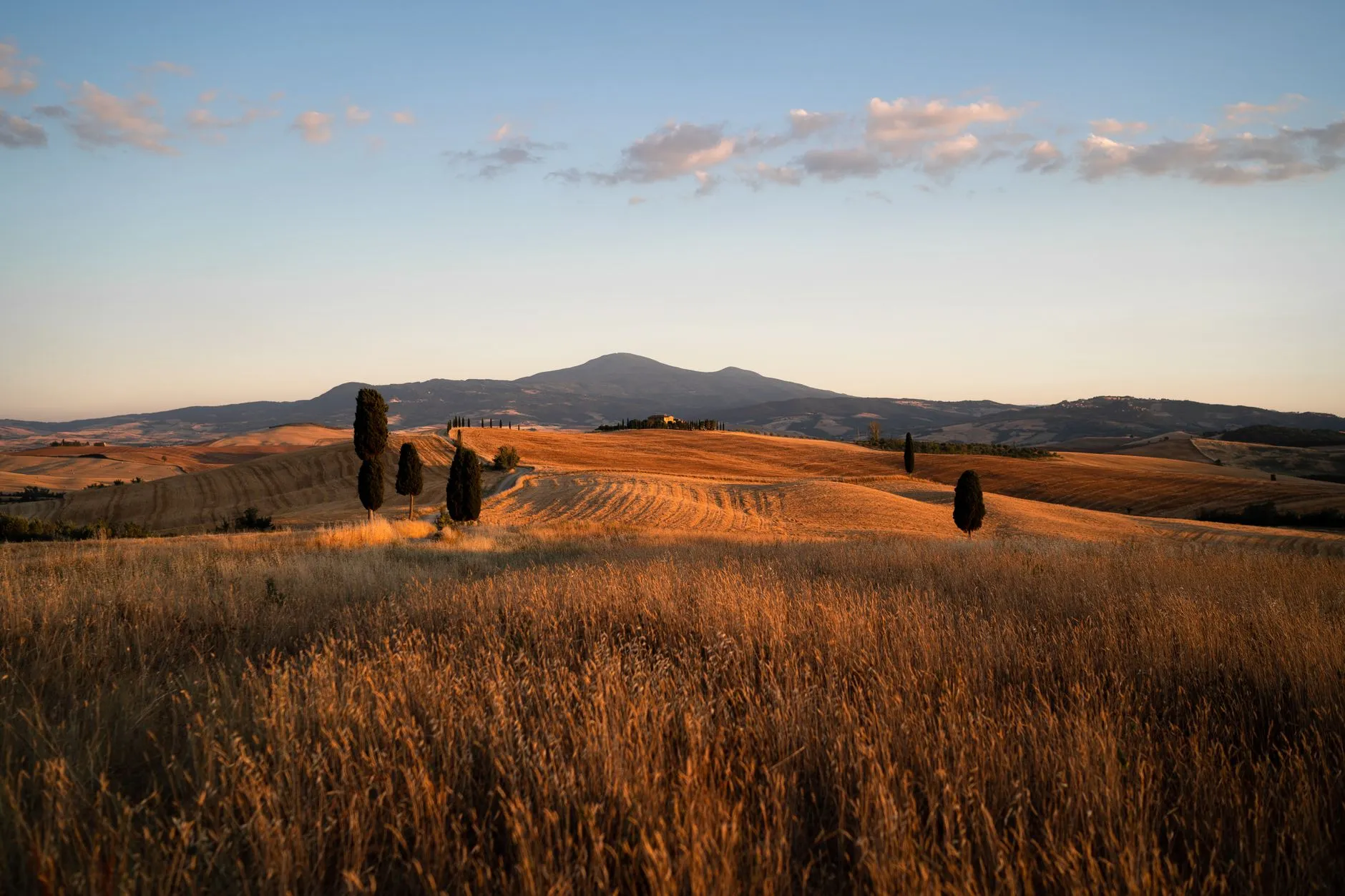
Everyone uses Florence as a base and bolts on a coach tour. Better: stay in Tuscany. The Val d’Orcia — Pienza, Montalcino, Montepulciano — is the cypress-and-rolling-hills Tuscany of the screensavers, and it’s real, with Brunello and Vino Nobile to drink at the source. Siena is a medieval city-state with a shell-shaped piazza that beats most of Florence’s set-pieces, with far fewer queues. San Gimignano is gorgeous and absolutely mobbed — go at dusk and stay the night after the coaches leave. Rent a car, base in an agriturismo, and the region opens up.
Puglia — the heel, and Italy’s best-value region right now
If I had to send a first-timer somewhere “undiscovered” that isn’t really undiscovered any more but still feels human, it’s Puglia. The Valle d’Itria with its conical trulli houses around Alberobello (touristy but unmissable) and the lovelier, lived-in Locorotondo and Martina Franca; the baroque honey-stone city of Lecce, “the Florence of the South”; the whitewashed seafront of Polignano a Mare; orecchiette pasta made by hand on the street in Bari’s old town. Beaches, masserie (fortified farmhouse hotels), burrata at its source, and prices that make Tuscany blush. Fly into Bari (BRI) or Brindisi.
Campania & the Amalfi Coast — magnificent, and a logistical nightmare in season
Naples is the raw, brilliant, pizza-inventing heart of the south — read the dedicated guide. The Amalfi Coast beyond it is as beautiful as promised and, in July and August, gridlocked — a single coast road, jammed buses, €8 espressos, and hotel prices that need a sit-down. Positano is stunning and a scrum. My fix: go in May, June or late September; base in less-frenzied Salerno or in the hills; and consider the Cilento coast just south — same turquoise water, a tenth of the crowds. Pompeii and Herculaneum are essential; do Herculaneum too, it’s smaller, better-preserved and less exhausting.
The Dolomites — Italy’s summer secret weapon
The most underrated decision in Italian travel: go to the Dolomites in summer. These jagged limestone peaks in Alto Adige/Südtirol are world-famous for skiing, but July–September is when the valleys turn emerald, the mountain huts (rifugi) serve hearty Tyrolean-Italian food, and you can hike from gondola-top to gondola-top with the Alps to yourself while the lowlands swelter. Val Gardena, Alta Badia, the Alpe di Siusi, Lago di Braies (go at dawn — by 10am the Instagram crowd has the lake). It’s bilingual German-Italian country, spotless, and a total tonal break from the rest of the trip.
The Lakes — Como, Garda, Maggiore
Lake Como is the celebrity, all villa gardens and George Clooney lore, beautiful and busy and pricey; base in Varenna rather than crowded Bellagio and use the ferries. Lake Garda is bigger, more varied and more family-friendly, with the lovely Sirmione peninsula and good for combining with Verona. Lake Maggiore with the Borromean islands is the quieter, more elegant choice. All three are easy from Milan.
Cinque Terre — loved to death, with caveats
Five jewel-box fishing villages strung along the Ligurian cliffs. Genuinely beautiful, genuinely overwhelmed — narrow lanes designed for a few hundred fishermen now take millions. The trains between villages are packed; the famous coastal footpath sections close and reopen. Go, but go in shoulder season, stay overnight (the day-trippers vanish at 6pm and it becomes magical), and consider basing in Levanto or La Spezia just outside. For the same Ligurian beauty with fewer crowds, the Portofino peninsula and Camogli are quieter alternatives.
The Veneto beyond Venice
Venice gets its own hard, honest attention below, but the Veneto — its hinterland — is brilliant and ignored. Verona (Roman arena, opera, Romeo-and-Juliet kitsch you can skip), Padua with Giotto’s frescoes, Vicenza of Palladio’s villas, and the Prosecco hills around Valdobbiadene. Base here and day-trip into Venice rather than the other way around — cheaper beds, and you escape the crush each night.
Piedmont — for the food and wine pilgrim
Italy’s quiet gastronomic heavyweight. Turin is an underrated, elegant, café-and-chocolate city. The Langhe hills produce Barolo and Barbaresco — Italy’s grandest reds — and in autumn the white truffles of Alba. Slow Food was born here. Go in October for truffle season and the vineyards in flame-colour.
Umbria — the green heart, Tuscany without the crowds
Landlocked, hilly, spiritual: Assisi (St Francis), Orvieto on its cliff, Spoleto, Perugia. Everything Tuscany offers — hill towns, art, wine, food — with a fraction of the foot traffic. If Tuscany feels overdone to you, come here instead.
The Cities You’ll Still Want (Briefly — They Have Their Own Guides)
The famous cities are famous for good reason; I’m not telling you to skip them, only to weight them correctly. Each of these has a full dedicated aifly guide — read those for the depth:
- Rome — antiquity, chaos and the best ruins on earth; non-negotiable, give it three full days.
- Florence — the Renaissance concentrated into a walkable centre; stunning, crowded, book the Uffizi and Accademia ahead.
- Naples — pizza’s birthplace and the most alive city in Italy; gateway to Pompeii, the Amalfi Coast and Capri.
- Milan — fashion, design, the Duomo and the Last Supper; your northern hub and Dolomites/Lakes springboard.
- Sicily — practically its own country: Greek temples, Etna, the best street food in Italy.
- Sardinia — Caribbean-grade beaches, a fierce ancient culture, and an interior nobody visits.
And then Venice itself — which deserves a hard, honest paragraph of its own.
Venice: Still Magnificent, No Longer Charging at the Door
Venice is unlike anywhere on the planet and you should see it once in your life. It is also, in high season, a theme park — and for four months of 2026 it literally charged day-trippers admission.
The Venice Access Fee is not currently in force. It ran as a trial on roughly 60 designated peak days between 3 April and 26 July 2026 — mostly weekends and holidays — when day-visitors entering the historic centre between 08:30 and 16:00 paid €5 booking four or more days ahead, or €10 last-minute. The City of Venice states that since 27 July 2026 the fee no longer applies, and Venice can be visited without any payment or request for exemption. It always targeted day-trippers: if you stayed overnight you were exempt (you already pay the city’s accommodation tax), as were children under 14 and residents. Whether it returns in the years after 2026 is a decision for the City of Venice and has not been made.
Whether the fee actually thins the crowds is hotly debated — most observers think it’s more revenue-raiser than deterrent. But the lesson for you is simple: don’t day-trip Venice in peak season. Stay a night, see it at dawn and after dark when the cruise crowds have gone, and you’ll understand why it’s worth the hassle.
Do it right: skip the daylight scrum on the Rialto–San Marco artery, get gloriously lost in Cannaregio and Dorsoduro, take the public vaporetto down the Grand Canal instead of a €90 gondola, eat cicchetti (Venetian tapas) at a bacaro with a glass of ombra, and stay over. Day-trip Venice in July and it’s a sweaty, overpriced, shoulder-to-shoulder slog — and now with a turnstile.
Food by Region: The One Idea That Changes Everything
If you take a single thing from this guide, take this: there is no such thing as “Italian food.” There is Roman food, Bolognese food, Neapolitan food, Sicilian food, Ligurian food — and ordering or expecting them in the wrong place marks you instantly as a tourist. Italian cuisine is hyper-regional, fiercely defended, and that regionalism is the single greatest pleasure of travelling here. Lean all the way in.
The cast-iron rules:
- Carbonara, cacio e pepe, amatriciana, gricia — Roman. The holy quartet of Roman pasta, built on guanciale (cured pork cheek), pecorino and egg or tomato. No cream, ever. Eat them in Rome, not Venice.
- Ragù alla Bolognese — Emilian, from Bologna, and it is never served on spaghetti in Italy (it’s tagliatelle, or in lasagne). “Spaghetti bolognese” is a foreign invention. Emilia-Romagna is, pound for pound, Italy’s greatest food region: Parmigiano-Reggiano, prosciutto di Parma, balsamic from Modena, tortellini, mortadella. Make a pilgrimage.
- Pesto — Ligurian, from Genoa, basil and pine nuts and Ligurian olive oil, on trofie or trenette. Eat it in Liguria/Cinque Terre.
- Pizza — Neapolitan, from Naples: soft, blistered, wet in the middle, eaten with a knife and fork. The Roman version is thin and crisp. Both are great; they’re different beasts.
- Risotto, polenta, ossobuco — northern, Lombard and Veneto. The north eats rice and butter where the south eats pasta and olive oil — a genuine culinary border running across the country.
- Sicily — its own civilisation: arancini, pasta alla Norma, caponata, cannoli, granita with brioche for breakfast. Arab, Greek and Spanish layers in every dish.
- Puglia — orecchiette con cime di rapa, burrata, fave e cicoria, exceptional seafood and bread.
The single biggest food upgrade you can make: eat what the region in front of you is famous for, and ignore the rest of the “Italian” menu. A trattoria in Bologna doing carbonara is a trap; order the tagliatelle al ragù. Match the plate to the place.
And the etiquette, briefly, because getting it right earns respect: cappuccino is a morning drink — order one after lunch and you’ll get a smile and a story told about you later. Espresso (just un caffè) any time. No parmesan on seafood pasta — asking for it is mildly heretical. A coperto (cover charge, €1.50–3 per person) on the bill is normal and not a scam. Lunch is roughly 12:30–2:30, dinner from 7:30/8pm — turn up at 6 and the kitchen isn’t open. And tipping is not expected the way it is in the US: round up, leave a couple of euros for great service, but there’s no 18% ritual.
Money & Costs: What Italy Actually Costs in 2026
Italy spans a huge value range depending on where you are and when. Rough 2026 day-to-day:
- Espresso at the bar: €1.10–1.50 standing (you pay more to sit; sometimes a lot more on a famous piazza — that €8 coffee in St Mark’s Square is buying the view and the orchestra).
- A good trattoria dinner with wine: €30–45 a head in the cities, €20–30 in the south, more on the Amalfi Coast and in Venice.
- Pizza in Naples: a legendary margherita for €5–8. Genuinely one of the world’s great cheap meals.
- Mid-range hotel/B&B: €100–180 a night in the cities in shoulder season; far less in the south, far more in Venice/Como/Amalfi in peak.
- High-speed train, booked ahead: €20–50 between major cities. Booked late: double or triple.
- Museum entry: €15–25 for the big ones (Uffizi, Vatican, Colosseum), and book online in advance — the queues are otherwise brutal.
The cost gradient is steep and exploitable: the same dinner costs €45 in central Florence and €22 in Lecce; the same beach is €5 in Calabria and a €40 sunbed on the Amalfi Coast. If money matters, weight your trip south and inland, and you’ll eat better and spend less.
City tourist taxes (a few euros per person per night, paid at your accommodation) apply almost everywhere now — and are unrelated to Venice’s day-tripper access fee, which is no longer in force. Budget a few euros a night and don’t be surprised by it on checkout.
When to Go: Shoulder Season vs the August Furnace
The calendar is the most powerful lever you have, so use it ruthlessly.
- Late April to June: the sweet spot. Warm, long days, everything open, flowers out, the sea warming up by June, and the crowds not yet at full August density. My favourite window is mid-May.
- September to mid-October: the other sweet spot, and arguably better — the sea is still warm from summer, the harvest and truffle and grape seasons kick in, and the northern-European school crowds have gone home. September is the connoisseur’s month.
- July: hot and busy but workable, especially in the mountains and the cooler north. The Dolomites and lakes are at their best.
- August: avoid if you possibly can. It’s the hottest, most crowded, most expensive month, Italians themselves go on holiday (so many family-run restaurants and shops simply close, especially around Ferragosto, 15 August), and the cities can be sweltering and half-shuttered. If August is your only option, go to the mountains or accept the beach crush.
- November–March: low season, cheap, atmospheric, cold up north, mild in Sicily. Great for the cities without crowds (Rome and Florence in winter are a revelation) and for skiing the Alps and Dolomites. Some coastal and island businesses hibernate.
The August trap snares millions every year: it’s the one month half of Europe is off work, so it feels like the obvious time — and it’s the worst. Shift your trip by even two weeks into June or September and you’ll get a measurably better, cheaper, calmer country.
A note for 2026 specifically: the Milan–Cortina Winter Olympics were held in February 2026, leaving behind upgraded infrastructure across Lombardy, the Veneto and Trentino-Alto Adige — good news for travellers heading to the Dolomites and the lakes this year. And the 2025 Jubilee brought record pilgrim crowds to Rome that have only just eased; the city is busy but back to its normal rhythm in 2026.
The Overtourism Reality — and What’s Actually Overrated
Italy is wrestling, openly, with being too popular. The Venice fee is one front; Cinque Terre crowd-control, Capri visitor caps, and Florence’s clampdowns on short-term rentals are others. As a visitor you can be part of the problem or part of the fix, and the fix is also the better trip: go in shoulder season, stay overnight in the honeypots, and spread out into the regions.
In that spirit, here’s my honest “overrated / what to skip” list — controversial, but I’ll defend it:
- The Trevi Fountain mid-afternoon. Mobbed to the point of misery. Go at 7am or 11pm; it’s transcendent empty and grim packed.
- Pisa’s Leaning Tower as a destination. It’s a 90-minute photo stop, not a day. See it, do the silly leaning photo, get back on the train to Florence or Lucca (Lucca, an hour away, is the lovely walled town nobody photographs).
- The Blue Grotto at Capri in peak season — long queues, a rushed 60 seconds inside, and frequently closed by swell. Capri’s gardens and cliff walks are the real reward.
- “Spaghetti and meatballs” anywhere. It’s Italian-American, not Italian; you won’t find it on a real menu, and chasing it is missing the point.
- The San Marco–Rialto strip in Venice at midday. The crowds, the tat, the overpriced glass. The magic is in the empty back sestieri.
- Restaurants with photos on the menu, a tout at the door, and “tourist menu” signs anywhere near a major sight. Walk five minutes off the piazza and prices halve and quality doubles.
Overrated isn’t the same as bad. The Trevi is a masterpiece; it’s the timing that’s overrated. Nearly every Italian “tourist trap” is a genuine wonder being experienced at the wrong hour with the wrong expectations. Fix the timing, and almost nothing is truly overrated.
Practicalities, Safety and the Scams to Sidestep
Italy is a safe country for travellers — violent crime against tourists is rare. The real threats are to your wallet and your patience.
- Pickpockets, especially on Rome’s Termini-area buses and metro, the 64 bus to the Vatican, and crowded Naples and Florence streets. Front pockets, zipped bags, hand on your phone in crowds. The classic distractions — the “rose” pressed into your hand, the petition clipboard, the friendship bracelet tied on your wrist, the spilled-something — all end with a hand in your bag or a demand for money. Walk on.
- The restaurant near the big sight with no prices listed, then a shock bill. Always check the menu prices and the coperto before sitting; be wary of “fresh fish at market price” without a number.
- Taxi overcharging from airports and stations — use the fixed official airport fares (Fiumicino to central Rome is a set ~€55) or the app, and insist on the meter in town.
- The ZTL fine — covered above, and the most expensive “scam” of all, except it’s entirely self-inflicted and avoidable. Don’t drive into historic centres.
- Costumed “gladiators” at Roman monuments who pose for a photo, then aggressively demand payment. Nothing handed to you near a sight is free.
The single best scam-proofing habit in Italy: the moment anyone approaches you unprompted near a famous monument — to give you something, sign something, or “help” you — assume it ends in a demand for money, and keep walking. Italians going about their day don’t approach tourists. The people who do, want something.
Water is safe and free — refill at the nasoni, Rome’s cast-iron public fountains, and their equivalents elsewhere. Pharmacies (farmacia, green cross) are everywhere and the pharmacists are highly trained for minor ailments. English is widely spoken in the cities and tourist areas, less so in the deep south and rural areas — learn per favore, grazie, buongiorno, il conto and you’ll get warmth back. And carry a little cash: the espresso bar and the rural trattoria still love it.
How to Build the Trip: Three Itineraries That Beat the Triangle
To make all this concrete, three frameworks — none of them the standard three-city dash:
First-timer, 10 days, classic-but-smarter: Rome (3 nights) → high-speed train to Florence (2 nights) → rental car into Tuscany’s Val d’Orcia (3 nights, hill towns and wine) → train to Bologna for the food (2 nights). You get the icons and a real region, and you finish eating like royalty in Emilia-Romagna.
Second-timer or value-seeker, 10 days, go south: Naples (3 nights, pizza and Pompeii) → ferry/train to the Cilento or a May Amalfi (3 nights) → flight or train to Puglia (4 nights, Valle d’Itria and Lecce). More sun, more soul, half the price, a fraction of the crowds.
Summer escape, 8 days, beat the heat: Milan (1 night) → Lake Como (2 nights) → Dolomites (3 nights of hiking, the country’s best summer move) → Verona and the Veneto (2 nights). Cool, green, uncrowded while everyone else melts in the south.
The unifying principle of all three is the same: at least one slow region, reached by train, explored at walking pace. That’s the trip people remember; the five-cities-in-five-days version is the one they recover from.
Italy will not be rushed, and the moment you stop trying to rush it — the moment you trade one more city for one more long lunch in one more hill town — it gives you everything. Pick a couple of regions, ride the trains, never drive into a centro storico, eat what’s in front of you where it belongs, and go in May or September. Do that, and you won’t have “done Italy.” You’ll have been to Italy, which is the only version worth the airfare.
Frequently Asked Questions
Cheapest Flights to Italy
We have tracked 2,931 fares to Italy from 118 cities. As of June 2026, here is what a good price looked like from each — the lowest fare we recorded, and a “great-deal” benchmark to judge a quote against. These are tracked observations, not live prices: by the time you read this they will have moved, so treat them as a yardstick, not a quote.
| From | Lowest fare we tracked | Great-deal benchmark |
|---|---|---|
| Bratislava (BTS) | €20 | €29 |
| Budapest (BUD) | €25 | €36 |
| Krakow (KRK) | €26 | €37 |
| Sofia (SOF) | €29 | €186 |
| Copenhagen (CPH) | €34 | €48 |
| Sandefjord Torp (TRF) | €34 | €48 |
| Stockholm (ARN) | €34 | €48 |
| Eindhoven (EIN) | €37 | €53 |
| Nice (NCE) | €38 | €55 |
| Paris (ORY) | €41 | €58 |
| Dublin (DUB) | €41 | €59 |
| Cork (ORK) | €41 | €59 |
| Gothenburg (GOT) | €42 | €60 |
| Basel (BSL) | €45 | €65 |
Recent deals we have posted to Italy:
- Madrid to Venice, Italy from €43
- London to Venice, Italy from £24
- Barcelona to Venice, Italy from €36
- Bristol to Venice, Italy from £63
- Bologna to Palermo, Italy from €29
- Paris to Palermo, Italy from €57
- Palma Mallorca to Naples, Italy from €37
- Los Angeles to Naples, Italy from $660
- Barcelona to Naples, Italy from €42
- Nantes to Naples, Italy from €71
These are fares aifly tracked to this destination, not live quotes — they have changed since and several of the deals above may have expired. Browse current flight deals →