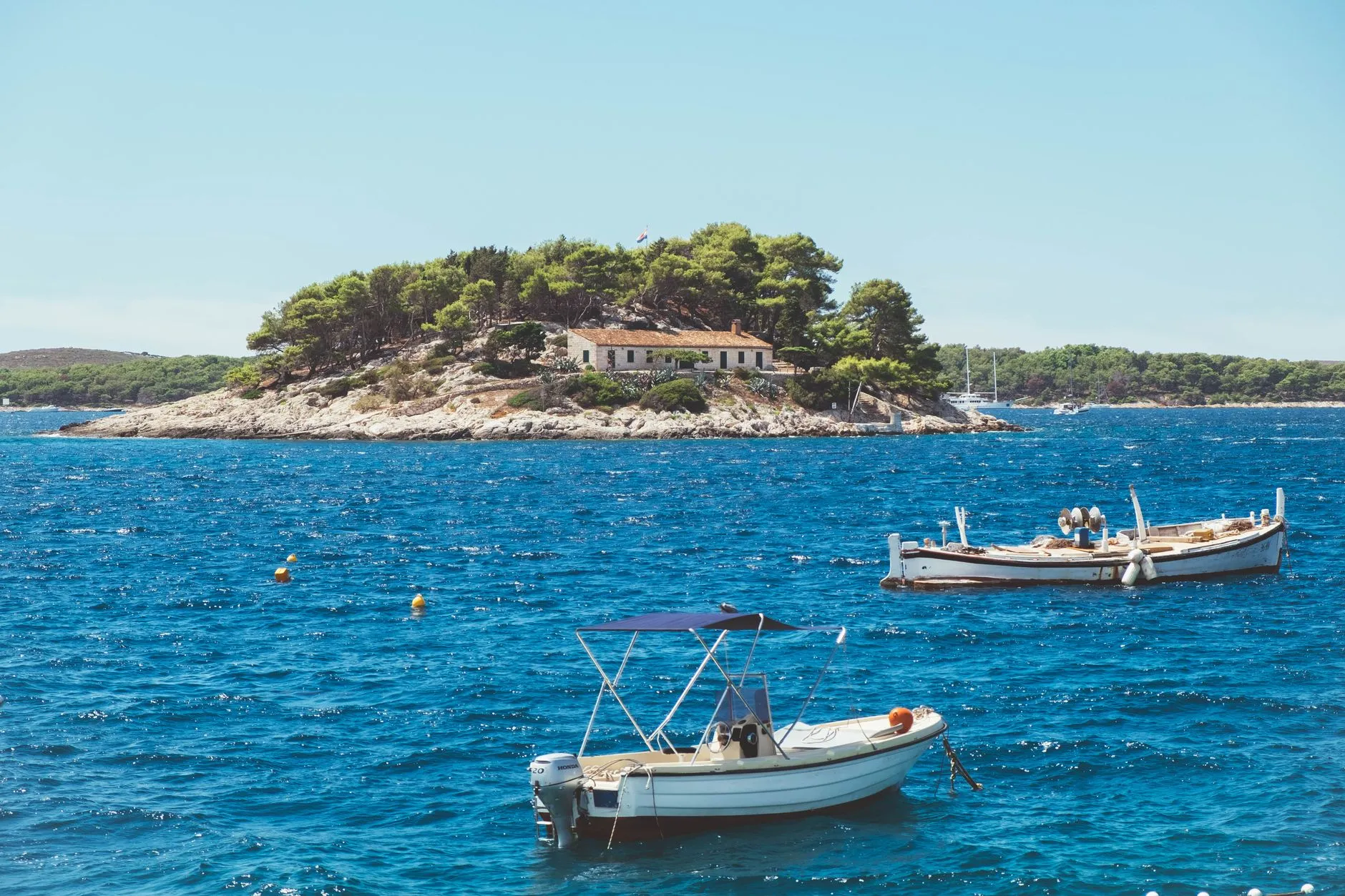
Croatia — Complete Travel Guide 2026
Everyone arrives in Croatia thinking they already know it — Dubrovnik’s walls, a yacht off Hvar, the marble streets of Split — and most leave having seen exactly that and nothing else. The truth is that the postcard Dalmatia of July and August is the most crowded, most expensive, least relaxing version of this country, a cruise-and-charter crush where you queue to walk a city wall. The Croatia worth the airfare is the one beside it: the lake-and-waterfall national parks, the green continental heartland around Zagreb, the islands beyond Hvar, the Kvarner gulf, and the under-visited east. Come in the shoulder season, rent a car, get on a ferry, and Croatia turns from a theme park back into a country.
Quick Reference
Southeastern Europe, on the Adriatic; a long arc from the Istrian peninsula down to the Bay of Kotor’s edge, plus a green continental interior
Zagreb (ZAG), Split (SPU), Dubrovnik (DBV), Zadar (ZAD), Pula (PUY), Rijeka (RJK), Osijek (OSI)
Euro (€) — Croatia adopted the euro on 1 January 2023; the kuna is gone
Croatian; English very widely spoken on the coast, German and Italian common too
EU/Schengen member since 2023; EES biometric registration live since April 2026 for non-EU visitors; ETIAS expected, date not announced
Late May–June and September–early October; July–August is peak crowds and peak prices
The Dalmatian coast, walled Dubrovnik, 1,200+ islands, Plitvice and Krka waterfalls, Roman ruins, *Game of Thrones
Split (coast + ferry hub), Zagreb (interior + parks), Dubrovnik (the far south), Rovinj (Istria)
Editor’s Note: The Honest Version
Let me be blunt, because the brochures won’t. Croatia in peak summer has a crowding problem and a pricing problem, and the two feed each other. The country took 21.8 million tourists in 2025 — a record — against a resident population of under 3.9 million, and a punishing share of them funnel into the same handful of coastal honeypots in the same eight weeks. Dubrovnik’s Old Town, a UNESCO jewel of maybe a few thousand permanent residents, has been so overwhelmed that the city now formally caps cruise arrivals and is trying to hold Old Town visitor numbers under 8,000 at a time. When a destination is publicly rationing access, that is not a secret to be discovered — it’s a warning to be read.
My one-line thesis: Skip nothing on the coast out of obligation, but build your trip around the interior, the islands, and the shoulder seasons — that’s where Croatia is still itself.
And the price story has genuinely changed. Since the switch to the euro in 2023, Croatia is no longer the cheap Italy-alternative your friends raved about in 2015. Locals talk bitterly about the “cappuccino effect” — prices quietly rounded up at conversion — and grocery and restaurant costs have climbed hard. A coastal dinner with wine can now cost what it would in Puglia or Provence. None of this means don’t go. It means go with your eyes open, go in June or September, and spend your time where the value and the soul still are.
Should You Go? Who It’s For — and Who It Isn’t
Croatia is a near-perfect fit if you want a road-trip-and-ferry country with serious variety: Roman and Venetian old towns, swimmable turquoise sea, dramatic karst waterfalls, good wine, and an easy, safe, walkable feel. It rewards travelers who’ll drive an hour inland, who’ll take the slow ferry to a quieter island, who’ll eat at a family konoba rather than the harbour-front place with photos on the menu. Families do well here — calm seas, short distances, kid-friendly food. So do hikers, sailors, divers, and anyone who likes a place where you can swim before breakfast and stand under a waterfall after lunch.
It’s a poorer fit if you want long sandy beaches (most Croatian beaches are pebble or rock — pack water shoes), all-inclusive resort sprawl, or a budget blowout. It’s also a frustrating choice if your only window is mid-July to mid-August and your only targets are Dubrovnik, Split and Hvar — you’ll spend the trip in lines, in traffic, and overpaying, and you’ll come home convinced Croatia is “overrated.” It isn’t. You just went to the wrong three places at the wrong time.
The decision rule: if you can travel in the shoulder season, Croatia is one of Europe’s great trips. If you can only come in peak August, go inland and island-hop off the headline route, or honestly consider going somewhere else.
Getting There & Around: The Ferry-and-Road Strategy
Croatia is long, thin, and split between a mainland spine and a thousand-plus islands, so how you move is half the trip. There are seven airports with scheduled flights; the practical four are Zagreb (best for the interior and the parks), Split (the coast’s beating heart and main ferry hub), Dubrovnik (the far south, semi-detached from the rest of the country), and Zadar (an underrated, well-connected northern-Dalmatian gateway). Pula serves Istria, Rijeka the Kvarner, and tiny Osijek the eastern interior.
Get a car for the mainland. The motorway network (the A1 down toward Split, the A3 across the north) is modern, fast, and tolled — budget for tolls, and note the toll booths now take cards and the system is shifting to electronic. A car frees you from the tyranny of bus timetables and unlocks the inland parks, the wine roads, and the empty back-coast villages that buses skip. The big caveat: a car is a liability on the islands and in the old towns. Dubrovnik and Split’s historic cores are pedestrian; island roads are narrow and parking is scarce and pricey in summer. The smart move is to drive the mainland and leave the car at a ferry port (or rent only when you need it).
The ferries are the magic, and you must book ahead. Two names matter: Jadrolinija, the state operator that runs the workhorse car ferries and many catamarans, and Krilo (Kapetan Luka), the main fast passenger catamaran company. Krilo’s flagship coastal catamaran links Split–Brač–Hvar–Korčula–Mljet–Dubrovnik roughly daily from April to October, end to end in around four and a half hours, with high-season fares in the order of €20–50 per leg. Car ferries (Jadrolinija) are cheaper and take vehicles but are slower and fill up; foot-passenger catamarans are faster but take no cars. In July and August the popular catamaran legs — Split–Hvar, Dubrovnik–Korčula — sell out, so book online days in advance through the operators’ own sites rather than gambling on the quay.
Ferry rule of thumb: catamarans for speed and island-hopping without a car; car ferries when you genuinely need the vehicle on a bigger island like Brač or Krk. Either way, reserve ahead in peak season — turning up and hoping is a peak-summer rookie mistake.
One geographic quirk to plan around: Dubrovnik sits in a detached sliver of Croatia, historically separated from the rest by a short strip of Bosnia & Herzegovina’s coastline at Neum. The Pelješac Bridge, opened in 2022, now lets you drive Dubrovnik–Split entirely within Croatia, bypassing the old border faff — a genuine improvement, though the coastal catamaran is still the lovelier way to make that journey.
Entry, the Euro, and the New Border Tech
Croatia is a full EU and Schengen member — it joined the borderless Schengen area and adopted the euro on the same day, 1 January 2023 — so the practicalities are simple but worth getting right.
Currency: euros, full stop. If a guidebook or a relative still talks about the kuna, that advice is out of date — the kuna was retired in 2023 and you’ll see and pay euros everywhere. Cards are accepted almost universally; carry a little cash for small konobas, markets, and rural spots.
The new border admin (non-EU travelers, read this). The EU’s Entry/Exit System (EES) — biometric registration (fingerprints and a facial scan) of non-EU visitors at the external Schengen border, replacing passport stamping — went fully operational across the Schengen area on 10 April 2026, and Croatia was an early adopter, running it from earlier that spring with new automated gates and kiosks at Zagreb airport. In practice: if you hold a UK, US, Australian, Canadian or other non-EU passport, your first arrival now involves a quick biometric enrolment, which can mean longer queues at busy airport peaks — arrive with buffer. The separate ETIAS travel authorisation (a cheap, online, ESTA-style pre-registration) is expected to follow later in 2026 and become mandatory on a date the EU has not announced; check before you fly. EU, EEA and Swiss citizens are unaffected by both.
Entry in one breath: euros, not kuna; if you’re non-EU, you’ll do a one-time biometric scan on arrival (EES, live since April 2026), and ETIAS is coming but not yet required — confirm its status when you book.
The Coast Everyone Knows — and How to Do It Right
This is the Croatia of the brochures, and it earns much of its fame. But it’s also where the crowds and prices bite hardest, so the skill is doing it deliberately rather than on autopilot.
Dubrovnik is genuinely spectacular and genuinely loved to death. The walled Old Town, the limestone Stradun, the circuit of the city walls — all worth it, all unforgettable at the right hour. But by late morning in summer it can feel like a film set overrun by extras, which it sometimes literally is: the Game of Thrones industry (King’s Landing was filmed here) has spawned an endless circus of themed tours, “Iron Throne” photo ops and Lannister tat. The city has responded with hard limits — cruise arrivals capped at two ships a day and roughly 4,000 disembarking passengers, a target of keeping Old Town numbers under 8,000, and timed-entry booking creeping onto the city walls. Go anyway, but go off-season or go at dawn and dusk, sleep inside or just above the walls so you have the place when the day-trippers leave, and ride the cable car up Mount Srđ for the view that puts it all in scale. For the full city, lean on the dedicated Dubrovnik city guide.
Split I’d argue is the better base of the two — a living, working city where Diocletian’s 1,700-year-old Roman palace isn’t a roped-off ruin but the lived-in heart of the old town, full of bars, flats and washing lines. It’s also the coast’s transport hub: the airport, the bus station and the ferry port sit close together, making Split the natural launchpad for the islands.
The Dalmatia trap: the classic Split–Hvar–Dubrovnik trio in peak August is the single most over-trodden itinerary in Croatia. Do two of the three at most, pad it with quieter islands, and you’ll have a far better trip than the person who “did all three” in a sweaty week.
For the wider region — Trogir, Šibenik, Zadar, the Makarska Riviera and the whole Split-to-Dubrovnik stretch — and for Istria’s very different rhythm to the north, use aifly’s regional deep-dives: The Dalmatian Coast and Istria. I’ll keep those brief here and spend the rest of this guide on the Croatia those guides don’t cover.
Zagreb: The Capital Everyone Skips (and Shouldn’t)
Here’s my contrarian pick: give Zagreb two full days at the start of your trip, before the coast. Croatia’s capital is consistently skipped by sun-seekers flying straight to Split, and that’s their loss — it’s a handsome, unhurried Central European city with an Austro-Hungarian face, a serious café culture, and almost none of the coast’s crowds or prices.
The Upper Town (Gornji Grad) is the postcard: the tile-roofed St Mark’s Church, the funicular (one of the world’s shortest), the Lotrščak Tower, and lanes that empty out by evening. But Zagreb’s real charm is its everyday texture — the green-market bustle of Dolac, the Saturday-morning ritual of špica (the city’s see-and-be-seen coffee crawl), the leafy “Green Horseshoe” of parks and museums. Don’t miss the genuinely brilliant, genuinely weird Museum of Broken Relationships, a globally original idea born here, and the Museum of Contemporary Art if you’ve a half-day. In summer the city throws INmusic (22–24 June 2026, on the islands of Lake Jarun — the 2026 lineup includes Gorillaz, Jack White and Kings of Leon), one of the region’s best open-air festivals, plus a string of month-long lakeside events.
Why start in Zagreb: it’s cheaper than the coast, the parks are an easy drive south, and you’ll arrive on the Adriatic relaxed rather than already jaded by crowds.
Plitvice and Krka: The Waterfall Parks (and the Catch)
If you do one inland thing in Croatia, make it the karst national parks — they’re the antidote to the coast and, for many travelers, the most memorable day of the trip.
Plitvice Lakes is the famous one and deserves it: sixteen terraced turquoise lakes spilling into one another over travertine dams, linked by miles of timber boardwalks that take you right across the water, all in a deep beech-and-fir forest. It’s a UNESCO site and it photographs like a fantasy. The catch is exactly that fame: in peak summer the boardwalks become a slow-shuffling conga line, peak-season adult tickets have climbed to around €40, and parking and timed entry are managed tightly. Go at opening time or late afternoon, and go in shoulder season — May greenery or October colour, fewer people, lower prices. There is no swimming anywhere in Plitvice.
Krka, near Šibenik, is the one I’d actually steer first-timers to if they have to choose. It’s smaller, easier, closer to the coast, and built around the broad, theatrical Skradinski buk falls — and crucially you arrive partly by boat up the river gorge, which is half the fun. Note that swimming below the main falls, once Krka’s signature, has been banned since 2021 to protect the travertine, so come for the spectacle, not the dip.
Parks done right: Krka as a half-day from the coast; Plitvice as a dedicated dawn or late visit with a night nearby so you’re not fighting the tour buses. Either way, sturdy shoes — the boardwalks get slick.
Beyond the famous two, the inland karst hides quieter gems: Paklenica for hiking in the Velebit mountains, the Krka hinterland’s monasteries, and the wild Risnjak park up in Gorski Kotar.
The Islands Beyond Hvar
Croatia has over a thousand islands, and the tragedy is that most visitors see exactly one of the busy ones. Hvar — glamorous, expensive, party-hard — gets the headlines and the yacht crowd. It’s beautiful, the lavender hills and the Pakleni islets offshore are real, but in August it’s a scene, and the prices and the noise can be exhausting. Here’s where I’d send you instead.
Korčula is Hvar’s quieter, more soulful cousin — a fortified medieval town that looks like a miniature Dubrovnik, laid out in a herringbone of lanes to break the wind, with a credible claim to be Marco Polo’s birthplace, ringed by good beaches and the excellent white wines of the Pelješac and island vineyards. Vis, the farthest-out inhabited island, was a closed military zone until the 1990s and still feels gloriously undeveloped — two sleepy harbour towns, the famous Blue Cave on neighbouring Biševo, and some of the best, least-spoiled food on the Adriatic (its peka-roasted dishes are the stuff of pilgrimages). Brač, closest to Split, gives you the iconic Zlatni Rat beach at Bol — yes, it’s busy, but the island’s interior of stone villages and olive groves empties out fast. And Mljet, half of it a national park of saltwater lakes and Aleppo pine, is the gentle, green, get-away-from-it-all island — a day or two there resets the nervous system.
Island strategy: pick one “famous” island and one “quiet” island. Hvar or Brač for the buzz; Vis, Mljet or Korčula for the soul. Two islands done slowly beats five done in a blur of ferry queues.
The practical key, again, is the ferry timetable — many smaller islands are served only a few times a day, and inter-island hops sometimes route back through Split. Plan the sequence before you book, not on the quay.
Kvarner: Rijeka, Opatija, and the Northern Islands
Between Istria and Dalmatia sits the Kvarner gulf — a region most foreign visitors blow straight past, and one of Croatia’s best-value, least-touristy stretches. Rijeka, the country’s gritty, characterful port city and a former European Capital of Culture, isn’t pretty in the postcard sense, but it has real urban energy, a fierce Carnival, good museums and a working-city honesty you won’t find in the polished old towns. Just along the coast, Opatija is a time capsule of fin-de-siècle Habsburg grandeur — the Austro-Hungarian elite’s seaside resort, with grand villas, a famous shoreline promenade (the Lungomare), and a genteel, old-money air that’s a complete change of register from Dalmatia’s stone villages.
Offshore lie the big northern islands. Krk, joined to the mainland by a bridge and close to Rijeka airport, is the easy one — varied, well-served, good for families. Cres and Lošinj, reached by ferry, are wilder and greener: Cres is sparse, sheep-dotted and home to griffon vultures; Lošinj is a fragrant, mild “island of vitality” with dolphins offshore. The Kvarner is where I’d send a traveler who wants the Adriatic without the Dalmatian price tag or the cruise crush.
Kvarner’s appeal: Habsburg nostalgia in Opatija, real-city texture in Rijeka, and northern islands a fraction as mobbed as Hvar — all an easy hop from Istria or Zagreb.
Slavonia and the East: The Croatia Almost No One Visits
Now the part of the guide that separates the curious traveler from the box-ticker. East of Zagreb, the country flattens into Slavonia — a broad, fertile plain of cornfields, oak forests, paprika and some of Croatia’s best food and wine, with barely a foreign tourist in sight. Osijek, the regional capital on the Drava, has a fine Habsburg-era fortress quarter (the Tvrđa), an unforced café life and prices that’ll feel like a different country after the coast.
This is also where Croatia’s recent history sits closest to the surface. The town of Vukovar, on the Danube, endured a brutal three-month siege in 1991 during the war of independence; today it’s a place of solemn, important memory — the water tower left deliberately shell-scarred as a memorial, the Ovčara site nearby. Visiting Slavonia means engaging, even briefly and respectfully, with that history, and it’s the richer for it.
And then the wine. Slavonia and neighbouring Baranja are serious wine country — the Graševina white grape is the national workhorse done very well here, and the Iločki Podrumi cellars at Ilok, on the Serbian border, are among Croatia’s oldest and most storied. Pair it with the region’s hearty river-fish stew (fiš paprikaš) and game, and you have one of the best-value food experiences in the country.
For the traveler who’s “done” the coast: Slavonia is your reward — empty roads, generous food, great-value wine, and a slower, kinder, more local Croatia. It’s the easiest way to see the country most tourists never do.
Food and Wine: A Tale of Two Croatias
Croatian food splits cleanly down the mountains, and understanding the split makes you eat far better.
On the coast it’s Mediterranean — and at its best, sublime in its simplicity. Grilled fresh fish and seafood, olive oil, garlic, the slow-roasted-under-a-bell-of-coals peka (order it hours ahead), black risotto inky with cuttlefish, pašticada (Dalmatian braised beef in a sweet-sour sauce), prosciutto (pršut) and sheep’s cheese from Pag. Inland it’s Central European and hearty — štrukli (baked cheese pastry, Zagreb’s comfort food), meat slow-cooked under the peka, game, freshwater fish stews in the east, and the sausages and stews of the continental kitchen. Istria, cross-linked above, is its own culinary world of truffles, wild asparagus and exceptional olive oil — arguably the country’s gastronomic high point.
The drinking is genuinely good and under-appreciated abroad. Croatia makes serious wine from native grapes you’ve probably never heard of: the powerful red Plavac Mali (a relative of Zinfandel) from the Pelješac peninsula and Dalmatian islands, crisp coastal whites like Pošip and Malvazija (Istria), and the inland Graševina. Buy from a small producer or a wine bar, not the supermarket, and you’ll drink very well. The everyday ritual to embrace is coffee — Croatians treat the long, unhurried café sit as a near-sacred social institution; join it.
Eat where the menu has no photos: the family-run konoba is where the real food and the fair prices live. The harbour-front place with laminated picture-menus and a tout outside is the one to walk past.
One honest note: a celebrated seafood dinner on the Dalmatian coast in August, with island-grown wine, is no longer cheap — expect Western-European prices in the tourist hotspots. The inland and eastern kitchens are where the value still lives.
Money and Costs: No Longer the Bargain
Time to put numbers on the warning. Croatia’s reputation as Europe’s affordable-beach secret is a decade out of date. Most travelers now spend roughly €80–150 a day mid-range, more on the coast in peak season; the euro switch in 2023 nudged a lot of prices up (the infamous “cappuccino effect”), and grocery costs in particular have climbed sharply enough that locals complain loudly about it.
Concretely: a coffee runs around €1.50–3.50 depending on how fancy the terrace is; a meal in a no-frills konoba is roughly €10–15, but a proper coastal seafood dinner with wine can easily hit €40–60 a head in the hotspots. Mid-range coastal accommodation in July–August is the real budget-killer — book months ahead and expect to pay a premium for anything near the water in a famous town. The savings levers are obvious once you accept the geography: travel in June or September, base inland or in the Kvarner/Slavonia, eat at konobas, self-cater from the green markets, and use car ferries (cheaper) over fast catamarans where time allows.
Budget reality check: Croatia in peak August on the headline coast costs about what Italy does. Croatia in the shoulder season, inland and on quiet islands, still feels like good value. Choose accordingly.
When to Go: The Case for the Shoulders
If there’s one decision that makes or breaks a Croatia trip, it’s when.
July and August are hot, gorgeous and packed — the warmest sea, every festival running, and every flaw of the country (crowds, prices, ferry queues, parking) at its worst. Unless you’re locked to school holidays or chasing a specific festival, I’d avoid the peak fortnight on the headline coast.
Late May, June, and especially September into early October are the sweet spot — warm enough to swim (the sea holds its heat into October), the parks green or golden, the towns breathing again, and prices noticeably softer. September is my personal pick: the water’s at its warmest after a summer of sun, the cruise season is easing, and you can actually get a table.
The shoulder edges and winter have their own quiet rewards: Plitvice frozen and empty, Zagreb’s much-loved Christmas market (Advent in Zagreb has won European awards), Rijeka’s wild Carnival in February. The coast largely shuts down out of season — many island restaurants, ferries and hotels run reduced schedules or close entirely from November to April — so winter is for the cities and the interior, not the islands.
The single best tip in this guide: move your trip two or three weeks off peak. Same sea, same towns, half the crowds, a noticeably lower bill. Almost everything else here is detail next to that.
The Overtourism Reality — and What to Skip
Croatia’s crowding isn’t evenly spread; it’s hyper-concentrated, which is both the problem and the solution. A few honest cuts:
- Dubrovnik in a cruise-day midday — the worst-case Croatia. If you must visit on a busy summer day, be on the walls at opening or come for sunset and dinner, not the lunchtime crush. The city itself is rationing visitors for a reason.
- The full-day Game of Thrones tour — overpriced and over-served. You’ll walk past every filming location anyway just by exploring; you don’t need a guide pointing at a staircase.
- Hvar Town in August as a base — by all means visit, but sleeping elsewhere (Stari Grad on the same island is calmer, or skip to Vis/Korčula) saves you money and sanity.
- The Blue Cave on a midday tour-boat conga — magical at the right moment, a scrum at the wrong one; go early.
- Driving into old-town cores — Dubrovnik and Split’s centres are pedestrian; circling for parking is a tourist’s self-inflicted wound. Park outside and walk.
What to do instead is the whole back half of this guide: the parks at dawn, the quiet islands, Kvarner, Slavonia, Zagreb, and the shoulder season. Croatia has the supply to spread you out — most visitors just don’t take it.
The overtourism fix is in your hands: the country isn’t full, three towns in eight weeks are. Step one island over, one region inland, or one month off peak, and the crush mostly disappears.
Practical Tips That Actually Matter
A grab-bag of things worth knowing before you go:
- Beaches are pebble and rock, not sand — beautiful and clear, but bring water shoes and a beach mat. The famous “sandy” exceptions are few.
- Book ferries and peak-season accommodation early — both genuinely sell out in July–August on popular routes and towns.
- Tap water is safe to drink everywhere. Tipping is modest — rounding up or roughly 10% for good restaurant service is plenty.
- Sun and wind are real — the summer sun is fierce, and the cold bura wind off the mountains can shut ferries and chill an evening; pack a layer even in summer.
- English is widely spoken on the coast and in cities; a few Croatian pleasantries (hvala — thank you; dobar dan — good day) go a long way inland.
- Cards work nearly everywhere, but carry small euro cash for konobas, markets, parking machines and rural spots.
- Drive sober and carry your documents — Croatia has a low drink-drive limit and active enforcement, plus motorway tolls (cards accepted).
- Croatia is very safe, with low violent crime; the usual sensible care with valuables in crowded tourist spots is all that’s needed.
- Respect dress codes in churches (the cathedrals in Dubrovnik, Zagreb and Šibenik) and obey the no-swimming rules in the national parks — they’re protecting fragile travertine.
Frequently Asked Questions
Cheapest Flights to Croatia
We have tracked 2,949 fares to Croatia from 90 cities. As of June 2026, here is what a good price looked like from each — the lowest fare we recorded, and a “great-deal” benchmark to judge a quote against. These are tracked observations, not live prices: by the time you read this they will have moved, so treat them as a yardstick, not a quote.
| From | Lowest fare we tracked | Great-deal benchmark |
|---|---|---|
| Rome Ciampino (CIA) | €23 | €33 |
| Bergamo (BGY) | €24 | €34 |
| Marseille (MRS) | €26 | €37 |
| Bucharest (OTP) | €26 | €37 |
| Vienna (VIE) | €26 | €37 |
| Weeze (NRN) | €27 | €38 |
| Katowice (KTW) | €27 | €39 |
| Krakow (KRK) | €29 | €42 |
| Wrocław (WRO) | €29 | €42 |
| Gdansk (GDN) | €31 | €44 |
| Sandefjord Torp (TRF) | €31 | €44 |
| Charleroi (CRL) | €31 | €44 |
| Frankfurt Hahn (HHN) | €33 | €47 |
| Prague (PRG) | €34 | €48 |
Recent deals we have posted to Croatia:
- Berlin to Zadar, Croatia from €54
- Kraków to Zadar, Croatia from €44
- Eindhoven to Zadar, Croatia from €58
- Budapest to Zadar, Croatia from €39
- Gothenburg to Zadar, Croatia from €51
- Barcelona to Zadar, Croatia from €45
- Copenhagen to Zadar, Croatia from €53
- Wrocław to Zadar, Croatia from €33
- Weeze to Zadar, Croatia from €39
- Vienna to Zadar, Croatia from €30
These are fares aifly tracked to this destination, not live quotes — they have changed since and several of the deals above may have expired. Browse current flight deals →