Dar es Salaam (DAR) — The Complete 2026 Airport Guide
Julius Nyerere International is Tanzania’s front door and, for most visitors, only a stepping stone — you land here to hop to Zanzibar or connect toward the northern safari circuit. Two things trip people up. Your international flight lands at Terminal 3, but your Zanzibar or domestic flight leaves from a separate building, Terminal 2 — so you clear immigration, grab your bags and change terminals. And a long connection through Nairobi or Addis Ababa on the way in can put a yellow-fever card between you and the exit. Get those right and Dar is straightforward.
Last verified: July 2026. Visa fees, terminal assignments and health rules for Tanzania change often — confirm the specifics on your ticket, with the Tanzania immigration service and at official signage before you travel.
Quick reference
| Detail | What you need to know |
|---|---|
| Airport | Julius Nyerere International Airport (JNIA), IATA DAR — Tanzania’s busiest, handling roughly 2.9 million passengers a year |
| Location | Kipawa, ~12 km from central Dar es Salaam — close on the map, but traffic can turn it into an hour |
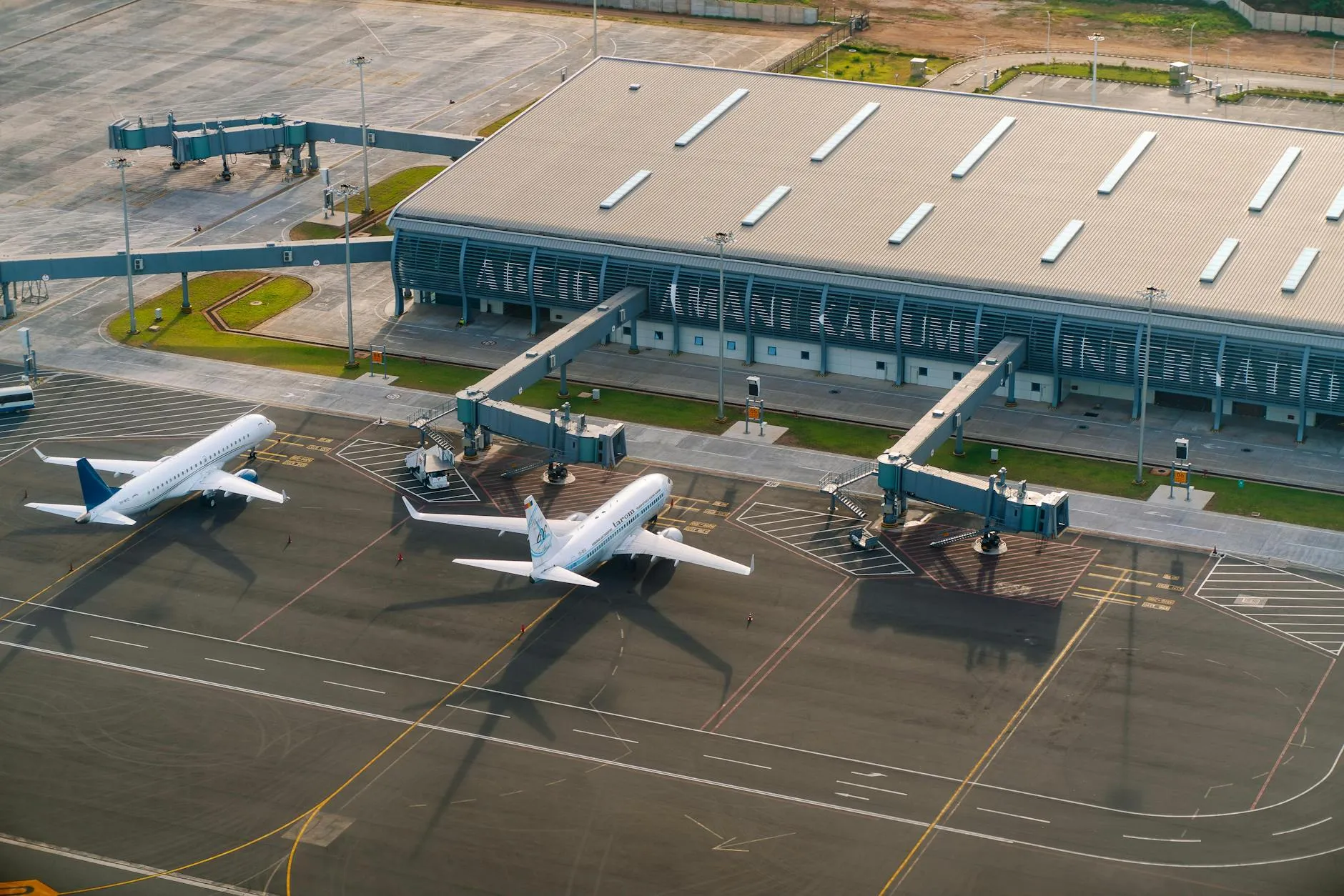
| Terminals | T3 — all international flights (opened 2019). T2 — domestic and regional, including the Zanzibar hops. T1 — private, charter and a VIP terminal. T2 and T3 are separate buildings a short walk/shuttle apart |
| Into the city | Taxi ~40,000–70,000 TZS (~$15–28) · Uber/Bolt ~25,000–50,000 TZS (~$10–20) · no reliable rail/BRT link yet |
| Entry | e-Visa in advance or visa on arrival at DAR. Single-entry tourist visa $50; US citizens must buy the $100 multiple-entry visa. Bring a return ticket |
| Watch out for | Landing at T3 but flying onward from T2 · taxi touts at arrivals · a yellow-fever card if you connected through a risk country · Zanzibar’s separate mandatory insurance |
Entry: yes, you can still get a visa on arrival
You will find scaremongering online claiming Tanzania scrapped visa on arrival. It hasn’t. As of July 2026 the official immigration service (visa.immigration.go.tz) still lists both an online e-Visa and visa on arrival at Dar es Salaam for most nationalities. So you have a genuine choice, and the honest advice is: apply online ahead if you can, because the airport queue for on-arrival visas regularly runs 30–60 minutes after a wide-body lands, but don’t panic if you didn’t — the counter is there.
- The ordinary tourist visa is $50, single entry, valid up to 90 days. That covers most European, UK, Canadian, Australian and other Western passports.
- US citizens are the exception: Americans are required to buy the multiple-entry visa at $100, valid one year, even for a single short trip. This is a nationality rule, not an upsell — plan for the higher fee.
- Apply on the real site only — visa.immigration.go.tz. There is a swarm of lookalike “e-visa” resellers charging a markup; the official e-Visa can take up to 10 working days to approve, so start early rather than paying an agent for speed.
- Carry proof of a return or onward ticket. Immigration can ask for it at the desk, whichever visa route you take.
Three terminals — and why the Zanzibar transfer catches people
Julius Nyerere spreads across three buildings, and the one you arrive at is not the one you’re likely to leave from.
- Terminal 3 — the big modern international terminal, opened in August 2019. Every foreign carrier uses it: Emirates, Qatar Airways, Turkish Airlines, Kenya Airways, Ethiopian and the other long-haul and regional international flights, plus Air Tanzania’s international services.
- Terminal 2 — domestic and regional scheduled flights. This is where your Zanzibar hop, or a flight up to Kilimanjaro, Arusha or an airstrip near the parks, actually departs — on Air Tanzania, Precision Air and the small domestic carriers.
- Terminal 1 — the original, now used for private, charter and small aircraft, with a VIP terminal added in early 2026. Ordinary scheduled passengers rarely see it.
The trap is the T3-to-T2 move. They are separate buildings, a short walk or shuttle apart, and they are not connected airside. Arriving internationally into T3 and continuing to Zanzibar from T2 means you clear immigration, collect your checked bags, walk or take the shuttle across, and check in again from scratch. It is not hard — it’s just longer than “connecting” implies, and nobody warns you.
Getting into Dar es Salaam
The airport sits about 12 km from the centre. On paper that’s nothing; in Dar’s traffic it can be anywhere from 25 minutes to well over an hour, so leave a buffer for the outbound trip. Here’s the honest comparison:
| Option | Fare | Time to centre | Verdict |
|---|---|---|---|
| Uber / Bolt | ~25,000–50,000 TZS (~$10–20 / €9–18) | ~25–90 min | The sane default — app price, no haggling, driver named. Both work at DAR |
| Official airport taxi | ~40,000–70,000 TZS (~$15–28 / €14–26) | ~25–90 min | Fine if you agree the fare first; use the official rank, not a tout |
| Pre-booked transfer | ~$25–40 | ~25–90 min | Worth it for a late arrival or a hotel far from the centre |
| DART bus (BRT) | — | — | No dependable airport link yet — see below |
Ride-hailing beats haggling
Uber and Bolt both operate in Dar es Salaam, and for most arrivals they’re the easiest call: you get a fixed app price in TZS and don’t negotiate anything. Order from the arrivals hall, confirm the plate and driver name, and meet at the designated ride-hail pickup point. Note that ride-hail fares are time-based, so heavy traffic pushes the number up — a metered taxi’s flat rate can occasionally win when the road is jammed.
Taxis and the tout problem
Official airport taxis are safe and reasonable if you agree the price before you get in — there’s no meter, so a quoted fare is the deal. The nuisance is the touts who work the arrivals doors offering “taxi, taxi” at inflated rates. Walk to the marked official taxi rank, name your destination, settle the fare, and ignore anyone who intercepts you between the door and the rank. Small USD notes or TZS both work; drivers rarely carry much change.
The DART bus — not yet, for the airport
Dar’s Bus Rapid Transit (DART) is a genuinely good, cheap system in the corridors it serves, but the branch to the airport is part of Phase III, still under construction in 2026 — a dedicated BRT terminal at Julius Nyerere is planned rather than running. Ignore older guides that claim you can BRT to the airport for a few hundred shillings; for now, plan on a taxi or ride-hail. If you see a working airport BRT stop on the day, treat it as a bonus, not a plan.
Yellow fever and the Zanzibar insurance rule
Two health-and-paperwork items catch visitors who did all their reading about visas and none about these.
Yellow fever — it’s about where you connected, not where you’re from
Tanzania does not require a yellow-fever certificate from travellers arriving directly from Europe, the UK, the US or Canada — those countries aren’t on the risk list. The catch is the connection. If you route in through a yellow-fever risk country — and Kenya (Nairobi) and Ethiopia (Addis Ababa) both count, two of Dar’s busiest connecting hubs — a lengthy layover there can trigger a request for your yellow card at Dar immigration, even though your journey began somewhere with no risk at all.
Flying on to Zanzibar? Buy the mandatory insurance
Zanzibar is semi-autonomous and runs its own entry rules. Since October 2024, every visitor arriving in the Zanzibar archipelago must hold the compulsory inbound travel insurance from the Zanzibar Insurance Corporation — a fixed US$44 policy valid up to 90 days, required even if you already have your own travel insurance. It applies when you land in Zanzibar, including on that short hop from Dar, not for a mainland-only stay. Buy it online before you travel (the ZIC / Visit Zanzibar portal) to skip the airport kiosk queue; without it you can be denied entry on arrival at Zanzibar.
Lounges
Terminal 3 is where the pay-in or Priority Pass lounges live. It’s a modest selection compared with a Gulf mega-hub, but perfectly comfortable for a pre-flight wait:
- Twiga Business Lounge — the main independent lounge in T3, generally the reliable Priority Pass option.
- CIP Lounge — a second T3 lounge, sold as a walk-in and often bundled with premium tickets.
- Equity Aviation Lounge — also listed at the airport with lounge-programme access.
Priority Pass and card-lounge access at DAR has shifted around, and different providers list different lounges from month to month. Check your Priority Pass app (or your card’s lounge finder) for the current DAR listing on the day rather than trusting a saved name — and note lounge hours here don’t always cover the small-hours departures.
Connections: the T3 to T2 shuffle
Most “connections” at Dar are really this: an international arrival into T3, then a domestic departure from T2 to Zanzibar or the safari airstrips. Because the two terminals aren’t linked airside, there’s no clean minimum connecting time to quote — you’re doing a mini re-entry each time.
The sequence is: land at T3 → clear immigration (visa in hand) → collect checked bags → cross to T2 → check in and drop your bag again → clear the domestic security. The walk or shuttle between buildings is short, but immigration and bag reclaim are the slow parts, especially right after a big international bank of arrivals. If you’re on a single through-ticket the airline builds in a connection time, but you still physically change terminals. If you’re on separate tickets, be generous — allow a comfortable few hours, more if your inbound is the only flight of the day that would let you make the last Zanzibar hop. Missing a self-connection here means buying a fresh domestic ticket.
Money, SIM cards and practicalities
Money: the currency is the Tanzanian shilling (TZS), but US dollars are widely accepted for the big-ticket items — the visa, park fees, some hotels — so a stash of clean, recent USD notes is genuinely useful here. Use bank ATMs in the terminal over the exchange desks for shillings, and if an ATM offers to bill you in your home currency, decline and take TZS. Notes printed before 2009 are sometimes refused, so ask for newer bills.
SIM cards: pick up a prepaid SIM from Vodacom, Airtel or Halotel at the arrivals-area kiosks — you’ll need your passport to register it, and a local data SIM is what makes Uber, Bolt and maps work the moment you land. An eSIM bought before arrival is the zero-queue alternative.
On the ground: free Wi-Fi is patchy — don’t count on it for the ride-hail booking, which is exactly when you need data. T3 has the usual cafés, a few shops and currency and SIM counters; it is not a place to plan on a long, luxurious wait. Both terminals get warm, so travel light on layers.
Frequently asked questions
Can I still get a visa on arrival at Dar es Salaam airport in 2026?+
Yes. The official Tanzania immigration service still offers visa on arrival at Dar es Salaam alongside the online e-Visa for most nationalities as of July 2026, despite reseller sites claiming otherwise. The ordinary tourist visa is $50 (single entry, up to 90 days); US citizens must buy the $100 multiple-entry visa. Applying online ahead avoids the arrival queue, which can run 30–60 minutes after a big flight — but the counter is there if you didn’t.
Why do US citizens pay $100 for a Tanzania visa?+
It’s a nationality rule, not an upsell. US passport holders travelling for tourism are required to apply for the multiple-entry visa, which costs $100 and is valid for one year, even for a single short trip. Most other Western nationalities pay $50 for the single-entry tourist visa. Bring the fee in clean US dollar notes.
How do I get from Dar es Salaam airport to the city?+
Uber and Bolt both operate at DAR and are the easiest choice — roughly 25,000–50,000 TZS (about $10–20) with a fixed app price. Official airport taxis run about 40,000–70,000 TZS but have no meter, so agree the fare before getting in and use the marked rank rather than a tout at the door. The airport is only about 12 km out, but traffic can stretch it past an hour.
My international flight lands at Terminal 3 but my Zanzibar flight is Terminal 2 — what do I do?+
Terminals 2 and 3 are separate buildings and aren’t connected airside, so you clear immigration, collect your checked bags, cross to T2 by the short walk or shuttle, then check in and drop your bag again for the domestic flight. Treat it as a self-connection and leave generous time, especially on separate tickets — the immigration and bag-reclaim steps are the slow parts.
Do I need a yellow fever certificate to enter Tanzania?+
Not if you’re arriving directly from Europe, the UK, the US or Canada — those aren’t on the risk list. You may be asked for one if you connected through a yellow-fever risk country, and Kenya (Nairobi) and Ethiopia (Addis Ababa) — two of Dar’s main hubs — both count. If your route transits a risk country for more than a brief stop, carry your original paper yellow card; get vaccinated at least 10 days before travel.
Do I need special insurance for Zanzibar if I fly via Dar es Salaam?+
Yes, when you land in Zanzibar. Since October 2024 every visitor to the Zanzibar archipelago must hold the compulsory Zanzibar Insurance Corporation inbound policy — a fixed US$44 for up to 90 days, required even if you already have your own travel insurance. It applies to the Zanzibar arrival, including the short hop from Dar, not to a mainland-only trip. Buy it online in advance to skip the airport kiosk.
Which terminal do international flights use at DAR?+
Terminal 3, the modern international terminal that opened in August 2019. All foreign carriers — Emirates, Qatar Airways, Turkish Airlines, Kenya Airways, Ethiopian and others — plus Air Tanzania’s international flights use it. Domestic and regional flights, including Zanzibar, leave from the separate Terminal 2; Terminal 1 is for private, charter and VIP traffic.
Are there lounges at Julius Nyerere airport?+
Yes, in Terminal 3 — the Twiga Business Lounge, the CIP Lounge and the Equity Aviation Lounge, with walk-in and lounge-programme access. Priority Pass and card-lounge listings at DAR change fairly often, so check your Priority Pass app or card lounge finder for the current option on the day rather than relying on a saved name.
At a glance
| Codes | DAR / HTDA — Julius Nyerere International Airport (JNIA) |
| Terminals | T3 international (opened 2019) · T2 domestic & regional incl. Zanzibar · T1 private/charter/VIP · T2 and T3 not linked airside |
| Distance to city | ~12 km to central Dar es Salaam; 25 min to 1 hour+ in traffic |
| Best way into town | Uber/Bolt, ~25,000–50,000 TZS (~$10–20); official taxi ~40,000–70,000 TZS, fare agreed first |
| Entry | e-Visa or visa on arrival; $50 single entry, $100 multiple entry for US citizens; return ticket needed |
| Yellow fever | Only if arriving from/transiting a risk country (Kenya, Ethiopia included) — carry the paper card |
| Zanzibar add-on | Mandatory US$44 ZIC insurance for arrivals in the archipelago |
| Money | Tanzanian shilling (TZS); USD widely accepted for visas/fees; use bank ATMs |
Before you fly
- 📊 Check what a good fare to Tanzania looks like — our price-check tool shows the typical deal range so you know a bargain when you see one.
- 🧳 Baggage checker — confirm your airline’s carry-on and checked allowance before you pack, especially for the small domestic hop to Zanzibar.
- 🌍 Tanzania travel guide — the safari circuit, Zanzibar, Kilimanjaro and when to go.
🌍 Planning the trip? Read our Tanzania travel guide — the Serengeti, Zanzibar, Kilimanjaro and the best time to go.