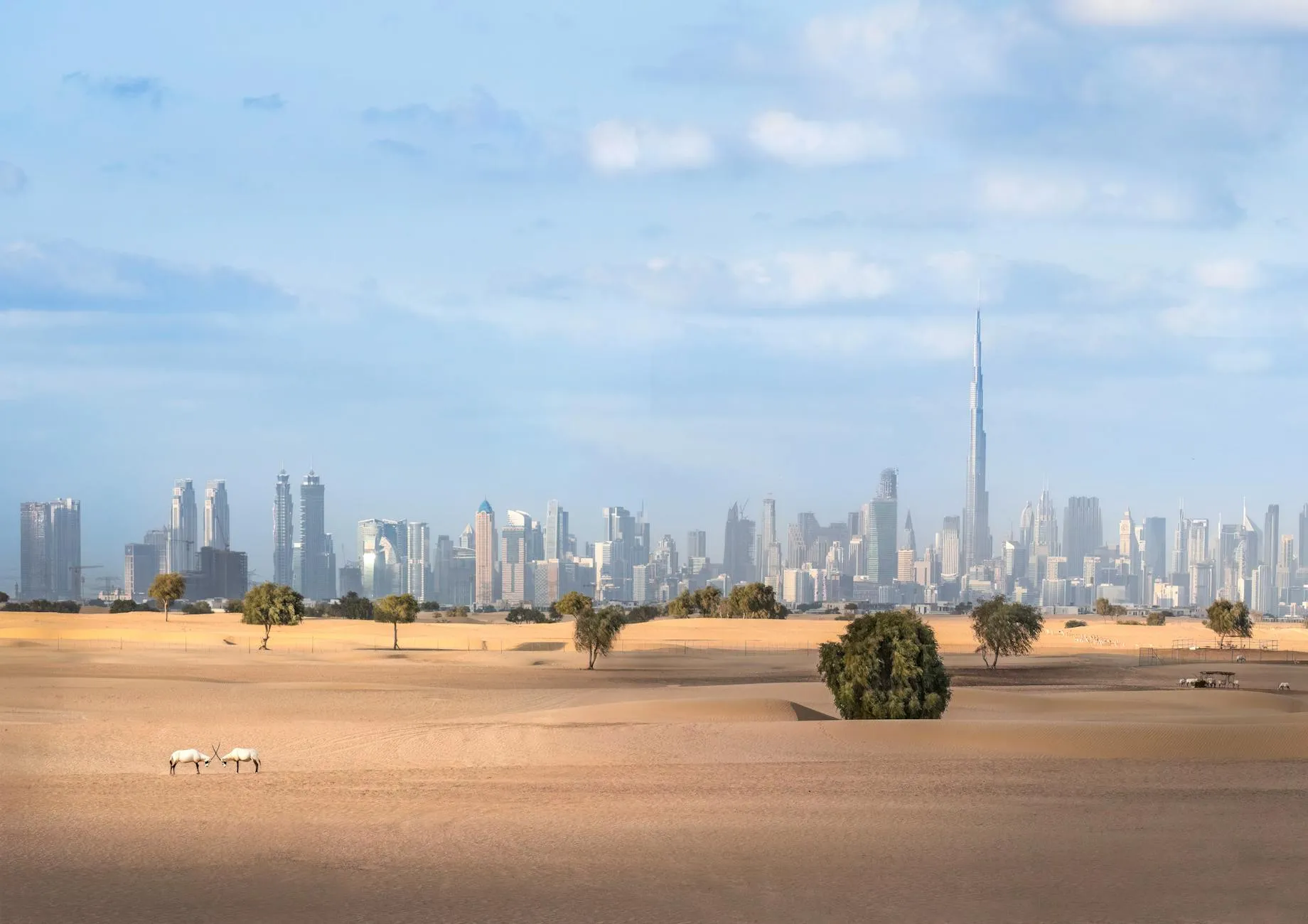
Dubai — The Complete City Guide 2026
Desert adventures, world-record skyscrapers, hidden souks, and beaches — your complete guide to the city that keeps reinventing itself.
AED 300–600/day budget
Best: Nov–Mar
Dubai is the city that shouldn’t exist — a metropolis conjured from desert sand, oil money, and the unshakable belief that if you build it tall enough, they will come. The world’s tallest building, the world’s largest mall, artificial islands shaped like palm trees, indoor ski slopes in 45°C heat. It’s excessive, artificial, and absolutely unapologetic about it. But beneath the superlatives is a surprisingly functional city with excellent food, genuine warmth, and a version of the future that’s already arrived.
Why Dubai? An Editor’s Note
Let me tell you about two Dubais.
The first is “Brochure Dubai” — the Burj Khalifa photos, the seven-star hotel claims, the influencers posing on artificial beaches, the assumption that Dubai is a soulless playground for the rich.
The second is “Real Dubai” — the Creek abra boats for 1 dirham, the Iranian traders in Deira, the Filipino nurses and Indian construction workers who actually built this place, the Pakistani biryani at 2am, the Emirati families at desert camps, the fact that 90% of residents are expats creating one of the world’s most genuinely multicultural cities.
The gap between these two Dubais is one metro stop. Leave the Dubai Mall for Deira’s spice souk. Skip the beach clubs for a shawarma at Al Mallah. Trade the Palm Jumeirah for the wind-tower houses of Al Fahidi. That’s where you’ll find it.
One surgical tip: The best time to see Dubai is sunset from the Creek, not sunset from the Burj Khalifa. Take an abra (wooden boat) across the water as the call to prayer echoes from both banks. It costs 1 dirham and delivers what no observation deck can — the feeling that this improbable city is, somehow, a real place where real people live.
Extending the trip? See our Istanbul city guide (4h direct flight), Mumbai city guide (3h flight, a far more human counterpoint), Bangkok city guide (6h flight), and Singapore city guide (7h flight) for the same treatment.
Table of Contents
- → Top Attractions
- → Burj Khalifa Deep Dive
- → Old Dubai
- → Dubai’s Neighbourhoods
- → Where to Stay
- → Dubai Food Scene
- → Emirati Cuisine
- → International Dining
- → Street Food & Cheap Eats
- → Coffee Culture
- → Bars & Nightlife
- → Beaches & Beach Clubs
- → Desert Experiences
- → The Malls
- → Museums & Culture
- → Architecture
- → Hidden Dubai
- → Free Dubai
- → Dubai with Kids
- → Luxury Dubai
- → Day Trips
- → Arriving at DXB
- → Getting Around
- → Dubai in 2026
- → Budget Breakdown
- → Rules & Etiquette
- → Safety & Practical Info
- → Essential Arabic
- → FAQ
Top Attractions in Dubai
Dubai Attractions Price Guide
| Attraction | 2026 Price |
|---|---|
| Burj Khalifa At the Top (124/125) | AED 174-235 (peak sunset AED 235) |
| Burj Khalifa At the Top SKY (148) | AED 399-553 |
| Burj Khalifa The Lounge (152-154) | AED 750+ |
| Dubai Frame | AED 50 |
| Museum of the Future | AED 155 |
| Dubai Aquarium & Underwater Zoo | AED 160-275 |
| Ain Dubai (Dubai Eye) | AED 130-150 |
| Palm Jumeirah Monorail | AED 30 return |
| The View at The Palm | AED 100 |
| Dubai Fountain Lake Ride | AED 85 |
| Desert Safari (standard) | AED 150-250 |
| Desert Safari (premium) | AED 400-800 |
| Aquaventure Waterpark | AED 350 |
| Wild Wadi Waterpark | AED 299 |
| Ski Dubai | AED 240-450 |
| IMG Worlds of Adventure | AED 349 |
| Dubai Creek Abra | AED 1 |
| Gold Souk | FREE |
| Spice Souk | FREE |
| Dubai Mall | FREE |
| Dubai Fountain | FREE |
| Al Fahidi Historic District | FREE |
1. Burj Khalifa — The World’s Tallest Building
828 meters, 163 floors, the ultimate symbol of Dubai’s ambition. The Burj Khalifa isn’t just tall — it’s 200 meters taller than the second-tallest building. At night, LED screens turn the entire tower into a vertical canvas. The observation decks offer views that stretch to the horizon in every direction.
The Levels:
- At the Top (124/125): The standard observation deck. 452 meters. Outdoor terrace on 124, indoor on 125. AED 169 (off-peak) to AED 224 (prime time/sunset).
- At the Top SKY (148): The premium experience. 555 meters. Guided journey, refreshments, smaller crowds. AED 399-553.
- The Lounge (152-154): The highest lounge in the world. Afternoon tea or sunset drinks. AED 750+. Reservations required.
The Move: Book online 2+ days ahead — walk-up prices are 30% higher and slots sell out. Sunset is most popular (book weeks ahead). Clear winter days offer 80km visibility. The sunrise “Dawn at the Top” experience (AED 399) is magical if you can wake up.
Skip it if: You’re on a tight budget — the Dubai Frame offers similar views for AED 50. The Burj Khalifa experience is about the prestige, not the view.
2. Dubai Mall — The World’s Largest Mall
1,200+ shops, 12 million square feet, and attractions that have nothing to do with shopping: an aquarium with 33,000 animals, an Olympic-sized ice rink, a dinosaur skeleton, a waterfall, and the Dubai Fountain outside. You could spend a day here without buying anything.
Don’t Miss:
- Dubai Aquarium: The 10-million-liter tank is visible from the mall (free). Pay AED 160-275 for the tunnel walkthrough and underwater zoo.
- VR Park: Virtual reality experiences. AED 150-250.
- Dubai Ice Rink: Olympic-sized skating. AED 85-120.
- The Waterfall: Four-story diving figures sculpture. Free.
- Souk Al Bahar: Adjacent traditional-style market. Better restaurants than the mall food court.
Practical: Air-conditioned relief from the heat. The mall connects to the Burj Khalifa and Dubai Metro. Allow 3-4 hours minimum. The food court is expensive; eat in Souk Al Bahar or Downtown proper.
3. Dubai Fountain — The World’s Largest Choreographed Fountain
The fountain performs every 30 minutes from 6pm to 11pm, set to music ranging from Arabic classics to Whitney Houston. 6,600 lights, water jets reaching 150 meters — the Bellagio’s older sibling, scaled up Dubai-style.
Entry: FREE from the waterfront. The Dubai Mall terrace and Souk Al Bahar restaurants offer the best views.
The Move: Take an abra boat ride on the Burj Lake (AED 85, 25 min) for the closest view. Or book a restaurant at Souk Al Bahar with fountain-facing tables (reserve ahead for evening).
4. Museum of the Future — Dubai’s Most Beautiful Building
The torus-shaped building covered in Arabic calligraphy is an architectural icon. Inside is an immersive journey to 2071 (the UAE’s centenary), exploring future scenarios for space travel, climate, and technology. It’s part museum, part theme park, part thought experiment.
Entry: AED 149. Book online — it sells out.
The Move: The building exterior is worth seeing even without entering. The interior experience takes 2-3 hours. Best visited after dark when the calligraphy illuminates.
5. Dubai Frame — The Budget View
A 150-meter picture frame on the border between old and new Dubai. One side faces the Creek and historic districts; the other faces Downtown and the Burj Khalifa. The glass-floored Sky Deck offers views in both directions.
Entry: AED 50.
The Move: The best value viewpoint in Dubai. Go at sunset to see both old Dubai and new Dubai lit up. The museum on the ground floor explains Dubai’s history.
6. Palm Jumeirah — The Artificial Island
The palm-shaped island visible from space. Luxury hotels, beach clubs, apartments, and Atlantis The Palm at the crescent. Take the monorail (AED 30 return) for the approach views, or The View at The Palm (AED 100) for the observation deck.
What to Do:
- Aquaventure Waterpark: At Atlantis. One of the world’s largest waterparks. AED 350. The Leap of Faith slide drops through a shark tank.
- The Lost Chambers: Atlantis aquarium with “lost civilization” theme. AED 115.
- Beach clubs: Day passes AED 200-500 include pools, beaches, and F&B credits. Azure, White Beach, FIVE Palm.
- The Pointe: Waterfront dining and entertainment with fountain shows.
7. Ain Dubai — The World’s Largest Observation Wheel
250 meters tall, double the size of the London Eye. Located on Bluewaters Island, with views of JBR, the Marina, and Palm Jumeirah. The 38-minute rotation offers dramatic perspectives.
Entry: AED 130-150. Premium cabins with dining available.
2026 status: After being closed for enhancement works from March 2022, Ain Dubai reopened to the public in late 2024 and is now fully operational. Open Tue–Fri 12pm–9pm, weekends 11am–9pm. Each rotation is 38 minutes. Tickets from AED 145 — book via the official site (aindubai.com) to avoid walk-up premiums.
Burj Khalifa Deep Dive
The Numbers
- 828 meters / 2,717 feet tall
- 163 floors above ground
- 57 elevators
- Construction: 2004-2010
- Cost: $1.5 billion
- Named after UAE President Khalifa bin Zayed
What’s Inside
The Burj Khalifa isn’t just an observation deck — it’s a vertical city:
- Armani Hotel Dubai (floors 1-8 and 38-39): The world’s first Armani hotel. Rooms from AED 2,500.
- Corporate offices (floors 9-16, 19-37): Some of the world’s most prestigious addresses.
- Residential apartments (floors 45-108): Where Dubai’s elite live. Studio apartments from AED 40,000/year.
- At the Top observation decks (124, 125, 148): See Attractions.
- At.mosphere restaurant (122): The world’s highest restaurant. Lunch from AED 350, dinner from AED 650. The view surpasses the food.
- The Lounge (152-154): The highest lounge. Afternoon tea from AED 750.
Photographing the Burj Khalifa
Best spots:
- Dubai Fountain Lake: Classic reflection shots, especially during fountain shows.
- Souk Al Bahar bridge: Framed with traditional architecture.
- Address Downtown rooftop: If you’re a guest or book the restaurant.
- Palace Downtown: Traditional Arabian frame with modern tower.
- Business Bay canal: Less crowded alternative with water reflections.
The LED Shows
The Burj Khalifa’s facade becomes the world’s largest LED screen for special occasions — New Year’s Eve (the famous fireworks), UAE National Day, Ramadan. Regular LED shows occur nightly, synchronized with the fountain.
Old Dubai — The Soul Beneath the Skyscrapers
Before the oil, before the towers, there was the Creek — a natural inlet where pearl divers, traders, and fishermen built a town. Old Dubai is still here, and it’s the antidote to everything that came after.
Dubai Creek
The saltwater inlet that divided old Dubai into Deira (north) and Bur Dubai (south). Traditional wooden abras (water taxis) still cross it every few minutes, carrying commuters and tourists alike.
Abra ride: AED 1. The most authentic experience in Dubai. Board at the stations in Deira or Bur Dubai, cross in 5 minutes. Runs until midnight.
Dhow cruise: Traditional wooden boats converted for dinner cruises. AED 150-300 for 2-hour cruise with dinner. Touristy but atmospheric.
Al Fahidi Historic District (Bastakiya)
The preserved heritage neighborhood on the Bur Dubai side. Wind-tower houses (traditional air conditioning), narrow lanes, courtyard cafés, and small museums. This is what Dubai looked like before 1971.
Entry: FREE.
Don’t Miss:
- Dubai Museum (Al Fahidi Fort): Dubai’s oldest building (1787). The history of Dubai from fishing village to metropolis. AED 3.
- Coffee Museum: The history of Arabic coffee. Free entry, excellent coffee.
- XVA Art Hotel: Gallery, café, and boutique hotel in a heritage house.
- Arabian Tea House: Traditional courtyard café. The best breakfast in old Dubai.
- Sheikh Mohammed Centre for Cultural Understanding: Cultural tours, mosque visits, and meals with Emiratis.
Deira Souks
The traditional markets on the north side of the Creek.
Gold Souk: Over 300 shops selling gold, diamonds, and jewelry. Prices based on daily gold rate plus workmanship. Bargain hard — 30-50% off asking price is normal. Open 10am-10pm, closed Friday afternoon.
Spice Souk: Saffron, frankincense, dried fruits, spices. More photogenic than the gold souk, less aggressive selling. Good for gifts.
Perfume Souk: Traditional Arabian perfumes (oud, bakhoor) and international fragrances. Bargaining expected.
Textile Souk: Fabrics, pashminas, tailoring. In Bur Dubai near the abra station.
The Abra Route
The classic old Dubai walking tour:
- Start at Al Fahidi Historic District (Bur Dubai)
- Visit Dubai Museum
- Walk through Textile Souk to abra station
- Cross the Creek (AED 1)
- Explore Spice Souk, then Gold Souk
- Return by abra or walk across Al Maktoum Bridge
Allow 3-4 hours. Best in morning or evening (souks close 1-4pm Friday).
Dubai’s Neighbourhoods
Downtown Dubai
The tourist center: Burj Khalifa, Dubai Mall, Dubai Fountain, Dubai Opera. Modern, impressive, expensive. Where first-time visitors spend most of their time.
Stay if: First visit, want iconic views, don’t mind tourist prices.
Vibe: Polished, vertical, international.
Dubai Marina
The expat playground. A man-made canal lined with skyscrapers, restaurants, and boats. The Marina Walk is pedestrian-friendly (rare in Dubai). Connects to JBR beach.
Stay if: You want nightlife, waterfront dining, beach access.
Vibe: Young professionals, brunches, yacht parties.
JBR (Jumeirah Beach Residence)
The Walk at JBR is Dubai’s most pedestrian-friendly strip — shops, restaurants, and direct beach access. Connects to Bluewaters Island (Ain Dubai) via footbridge.
Stay if: Beach is priority, want walkable neighborhood.
Vibe: Families, beach life, accessible luxury.
Palm Jumeirah
The artificial island. Atlantis, Waldorf Astoria, One&Only, and private villas. Everything is spread out; a car or taxi is necessary.
Stay if: You want resort-style isolation, unlimited budget.
Vibe: Exclusive, quiet, disconnected from the city.
DIFC (Dubai International Financial Centre)
The business district with emerging art galleries, design restaurants, and Gate Village. Dubai’s answer to a financial district with personality.
Stay if: Business travel, interested in galleries and fine dining.
Vibe: Suits by day, cocktails by night.
Deira & Bur Dubai (Old Dubai)
The historic districts. Souks, Creek, budget hotels, authentic food. Where Dubai’s working population lives — Indians, Pakistanis, Filipinos, Africans.
Stay if: You want budget accommodation, authentic food, cultural experience.
Vibe: Chaotic, real, multicultural.
Jumeirah
The beachside residential strip. Burj Al Arab, Madinat Jumeirah, La Mer. Quieter than the Marina, more residential than Downtown.
Stay if: You want beach without Marina crowds, mid-range to luxury.
Vibe: Established expats, family-friendly, beachside villa life.
Business Bay
The extension of Downtown, along the canal. Newer hotels, often better value than Downtown proper. Walking distance to Dubai Mall.
Stay if: You want Downtown access at lower prices.
Vibe: Corporate, modern, up-and-coming.
Al Quoz
The industrial area turned arts district. Alserkal Avenue is the anchor — galleries, studios, cafés in converted warehouses. Dubai’s creative hub.
Stay if: You’re interested in art and don’t need beach access.
Vibe: Creative, industrial, off the beaten path.
Where to Stay in Dubai — By Budget
Budget: AED 200-400 per night ($55-110)
Rove Hotels (multiple locations): Dubai’s best budget brand. Modern, clean, well-located. Rove Downtown, Rove City Centre. From AED 250.
Premier Inn (multiple): Reliable UK chain. Ibn Battuta, Dubai Silicon Oasis. From AED 200.
Deira hotels: The budget zone. Carlton Palace, Hyatt Place Deira. Older but functional, close to souks. From AED 200.
Mid-Range: AED 500-1,000 per night ($135-275)
Address Hotels (Downtown, Marina, Fountain Views): The Emaar brand. Excellent locations, modern design. From AED 700.
JA Ocean View Hotel (JBR): Beachfront, great value, family-friendly. From AED 500.
Vida Hotels (Downtown, Emirates Hills): Boutique feel, excellent design. From AED 600.
Jumeirah Beach Hotel: The wave-shaped icon opposite Burj Al Arab. Beach access, water park. From AED 800.
Luxury: AED 1,500+ per night ($410+)
Burj Al Arab Jumeirah: The sail-shaped icon. Suites only, butler service, everything excessive. From AED 7,000.
Atlantis The Palm: The pink palace at the end of Palm Jumeirah. Aquaventure included. From AED 1,500.
Armani Hotel Dubai: Inside the Burj Khalifa. Armani-designed everything. From AED 2,500.
One&Only Royal Mirage: Arabian-style luxury, private beach, three distinct experiences. From AED 2,000.
Four Seasons DIFC: Urban luxury, excellent restaurants, Gate Village art scene. From AED 2,000.
Atlantis The Royal: The newer, more exclusive Atlantis. Celebrity chef restaurants, ultra-luxury. From AED 3,000.
Dubai Food Scene
Dubai’s food scene is genuinely world-class — not because of Emirati cuisine (which is limited) but because of the city’s international population. 200 nationalities means 200 cuisines, from Pakistani truckers’ cafeterias to three-Michelin-star restaurants.
Dubai Food Price Guide
| Type | Where | Price |
|---|---|---|
| Shawarma | Street stand | AED 8-15 |
| Biryani | Pakistani restaurant | AED 25-40 |
| Mandi/Madhbi | Yemeni restaurant | AED 30-50 |
| Emirati meal | Local restaurant | AED 60-120 |
| Friday brunch | Hotel | AED 300-600 |
| Casual international | Marina/JBR | AED 100-200 |
| Mid-range dinner | DIFC/Downtown | AED 200-400 |
| Fine dining | Hotel restaurant | AED 500-1,500 |
| Celebrity chef | Signature restaurant | AED 800-2,000+ |
Emirati Cuisine
Authentic Emirati food is hard to find — Emiratis are 10% of the population, and most eat at home. But it exists, and it’s worth seeking out.
The Dishes
Machboos: Spiced rice with meat (lamb, chicken, or fish), dried limes, and baharat spices. The Emirati biryani.
Harees: Slow-cooked wheat and meat porridge. Comfort food, especially during Ramadan.
Thareed: Meat stew with vegetables, served over crispy bread. Similar to a tagine.
Luqaimat: Sweet fried dough balls drizzled with date syrup. The dessert everyone loves.
Balaleet: Sweet vermicelli with egg and cardamom. Breakfast dish.
Khameer: Traditional Emirati bread, slightly sweet.
Camel: Yes, really. Camel meat and camel milk are traditional. Try camel burger at Local House or camel milk chocolate from Al Nassma.
Where to Eat Emirati
Al Fanar Restaurant & Café (multiple locations): The most accessible Emirati dining. Reconstructed 1960s heritage village setting, full menu of traditional dishes. AED 80-150.
Arabian Tea House (Al Fahidi): Courtyard café in the historic district. Emirati breakfast, dates, Arabic coffee. AED 60-100.
SMCCU Cultural Meals: The Sheikh Mohammed Centre for Cultural Understanding offers meals with Emiratis who explain the culture. AED 150-200. Book ahead.
Logma (City Walk, Dubai Mall): Modern Emirati. Elevated traditional dishes in contemporary setting. AED 80-150.
Al Khayma Heritage Restaurant (Al Seef): Traditional tent setting by the Creek. Authentic dishes. AED 100-180.
Arabic Coffee (Gahwa)
Light, cardamom-flavored coffee served in small cups with dates. The hospitality ritual — you’ll be offered it everywhere. Accept at least one cup; declining is rude. Pour your own refills by shaking the cup side to side when you’ve had enough.
International Dining
Dubai is where celebrity chefs open their 15th restaurant. The concentration of high-end international dining rivals London or New York.
Michelin-Starred Restaurants (2026)
Tresind Studio (St. Regis, Palm Jumeirah): 3 stars — the only Indian restaurant in the world at three stars (promoted from 2 stars in 2025). Progressive, multi-course tasting menu. AED 1,100+. The must-book dinner in Dubai.
FZN by Björn Frantzén (Atlantis The Royal): 3 stars — awarded in 2025. Nordic-influenced fine dining. AED 1,500+.
Il Ristorante – Niko Romito (Bulgari Hotel): 2 stars. Italian precision. AED 800-1,200.
STAY by Yannick Alléno (One&Only The Palm): 2 stars. French contemporary. AED 1,000+.
Row on 45 (Grosvenor House, Dubai Marina): 2 stars. Jason Atherton’s modern European tasting-menu restaurant.
Ossiano (Atlantis, The Palm): 1 star. Seafood with aquarium views — Chef Rémy Marquignon’s nine-course AED 1,250 tasting.
Dubai’s Michelin scene moves faster than any city in this guide — restaurants open, close, and rotate chefs monthly. Always cross-check the current Michelin Guide Dubai before booking an expensive dinner on reputation alone.
Celebrity Chef Restaurants
Nobu Dubai (Atlantis Royal): The Nobu formula in Dubai’s newest luxury hotel. AED 400-700.
Zuma Dubai (DIFC): Contemporary Japanese izakaya. One of the city’s most popular high-end restaurants. AED 400-600.
La Petite Maison (DIFC): French Riviera elegance. AED 400-600.
CÉ LA VI (Address Sky View): Pan-Asian with skyline views. AED 300-500.
Dinner by Heston Blumenthal (Atlantis Royal): Historic British dishes with modern techniques. AED 600-1,000.
Gordon Ramsay restaurants: Bread Street Kitchen, Hell’s Kitchen. AED 300-600.
Worth the Splurge
Pierchic (Al Qasr): Seafood on a pier extending into the Gulf. Sunset views of Burj Al Arab. AED 500-800.
At.mosphere (Burj Khalifa, 122nd floor): World’s highest restaurant. The view exceeds the food. AED 350-650.
Al Mahara (Burj Al Arab): Fine dining in an aquarium. AED 1,000+. Book months ahead.
Street Food & Cheap Eats
The real Dubai food scene isn’t in hotels — it’s in the cafeterias of Deira, the shawarma stands of Karama, and the Pakistani restaurants that feed the workers who built the towers.
Shawarma
The ultimate Dubai street food. Every neighborhood has its champion.
Al Mallah (Al Dhiyafah Street, Satwa): The legendary shawarma since 1979. Chicken or beef, AED 10-15. Cash only, always busy, always worth it.
Aroos Damascus (various): Syrian chain, excellent quality. AED 12-18.
Laffah (Sheikh Zayed Road): Grilled meat in laffa bread. AED 25-35 for a meal.
Operation:Falafel (multiple): Modern Middle Eastern, great falafel wraps. AED 25-40.
Indian & Pakistani
Ravi’s (Satwa): The legendary Pakistani restaurant. Biryani, karahi, seekh kebabs. AED 20-40. Cash only, plastic chairs, extraordinary food.
Special Ostadi (Deira): Iranian restaurant, kebabs, rice dishes. AED 30-50.
Delhi Darbar (Karama): North Indian classics. Butter chicken, biryani. AED 30-50.
Sind Punjab (multiple): Pakistani comfort food, 24 hours. AED 25-40.
Lebanese
Al Safadi (multiple): Reliable Lebanese chain. Mezze, grills, shawarma. AED 50-100.
Zaroob (multiple): Levantine street food, colorful setting. AED 40-80.
Lebanese Flower (Deira): Classic, old-school, excellent. AED 50-100.
Filipino, Thai & More
Dubai’s Asian communities have created food scenes in their neighborhoods:
Filipino: Al Rigga area in Deira. Jollibee is the fast food; local restaurants serve lechon and adobo.
Thai: Thai restaurants cluster around hotels catering to tourists; better options in Karama and Bur Dubai.
Chinese: Dragon Mart and Deira have authentic options beyond hotel Chinese restaurants.
Coffee Culture
Arabic Coffee
Traditional gahwa (light, cardamom-infused) is served everywhere — hotels, malls, homes. Always accompanied by dates. A cultural ritual, not a caffeine hit.
Specialty Coffee
Dubai’s specialty coffee scene has exploded. Third-wave roasters compete with international chains.
% Arabica (various): Japanese brand, beautiful spaces, excellent espresso. AED 20-35.
Tom&Serg (Al Quoz): Industrial space, Australian-style. AED 20-40 with food.
The Sum of Us (Al Quoz): Roastery, bakery, brunch. AED 30-60.
Nightjar Coffee (DIFC): Specialty focus, minimal aesthetic. AED 20-35.
RAW Coffee Company (multiple): Dubai roasters, excellent quality. AED 18-30.
Café Culture
The Coffee Museum (Al Fahidi): History of Arabic coffee, excellent cups. Free entry.
Arabian Tea House: Traditional courtyard setting. Arabic coffee with dates. AED 15-25.
Starbucks Reserve (various): The premium Starbucks experience, if that’s your thing.
Bars & Nightlife
Alcohol is legal in Dubai — but only in licensed venues (hotels, clubs, some restaurants). You can’t drink in public, and the zero-tolerance drunk driving law means no drinking if you’re driving.
Rooftop & Sky Bars
At.mosphere (Burj Khalifa, 122): World’s highest bar. Cocktails AED 100+. Dress code. Book ahead.
Level 43 Sky Lounge (Four Points, Sheikh Zayed Road): More accessible than At.mosphere, excellent Downtown views. AED 60-90 cocktails.
CE LA VI (Address Sky View): Infinity pool vibes, Downtown panorama. AED 80-120.
Treehouse (Taj JLT): Garden rooftop, chilled vibe. AED 50-80.
Beach & Pool Bars
Zero Gravity (Dubai Marina): Beach club with pool and direct beach access. Day pass AED 200-400 (redeemable on F&B). DJs, parties.
Barasti (Le Méridien Mina Seyahi): The original beach bar. Sand, sea, cold beer. AED 40-70 drinks. Crowded weekends.
Cove Beach (Bluewaters): Mediterranean vibes, day-to-night. AED 250+ day pass.
Nikki Beach (Pearl Jumeirah): The global brand’s Dubai outpost. AED 350+ day pass.
Cocktail Bars
Galaxy Bar (Address Downtown): Intimate, well-made cocktails, Burj Khalifa views. AED 70-100.
Zuma (DIFC): Japanese izakaya bar with excellent sake and cocktails. AED 70-100.
The Penthouse (FIVE Palm): Party venue, big energy. AED 80-120.
Cavalli Club (Fairmont): Opulent, over-the-top, Dubai at its most Dubai. AED 100+.
Nightclubs
WHITE Dubai (Meydan): Mega-club, international DJs. AED 200-400 entry (often includes drinks).
Soho Garden (Meydan): Multiple venues in one complex. AED 150-300.
Base Dubai (d3): Hip-hop and R&B focus. AED 100-200.
Friday Brunch Culture
The Dubai institution. Hotels serve all-you-can-eat-and-drink brunches on Fridays (the UAE weekend). Prices range from AED 300 (soft drinks only) to AED 600+ (champagne packages). The brunch often continues into late afternoon partying.
Top brunches:
- Bubbalicious (Westin Mina Seyahi): Pool party vibes. AED 495-695.
- Saffron (Atlantis): Quantity and variety. AED 399-549.
- La Petite Maison: Elegant French. AED 495-650.
- Zuma: Japanese with free-flowing sake. AED 595-695.
Beaches & Beach Clubs
Public Beaches (Free)
JBR Beach (Jumeirah Beach Residence): The main public beach. 1.7 km of sand, lifeguards, facilities. The Walk at JBR has restaurants and shops. Can get crowded weekends.
Kite Beach: Named for the kite surfers. Food trucks, water sports rentals, skyline views. More active than JBR.
La Mer: Meraas-developed beach area with restaurants, inflatable water park. Beach free, water park AED 125.
Jumeirah Public Beach (near Burj Al Arab): Views of the Burj Al Arab. Smaller, less developed.
Al Mamzar Beach Park: Quieter, near Sharjah border. AED 5 entry. Good for families.
Beach Clubs
Day passes include lounger, pool access, and often F&B credit. Expect AED 200-500.
Zero Gravity: Pool and beach, DJ parties. AED 200-400.
Cove Beach (Bluewaters): Mediterranean style. AED 250+.
Nikki Beach (Pearl Jumeirah): The brand name. AED 350+.
Azure Beach (Rixos Premium JBR): Less scene-y than others. AED 200-300.
White Beach (Atlantis): Aquaventure access sometimes included. AED 250-400.
SĀN Beach (FIVE Palm): Party vibe. AED 200-350.
Hotel Beach Access
Most beach hotels restrict beach access to guests or paid day passes. If beach is priority, stay at a beach hotel or budget for day passes.
Desert Experiences
Dubai sits at the edge of the Arabian Desert. Sand dunes, Bedouin traditions, and starlit skies are 45 minutes from the skyscrapers.
Desert Safari
The classic Dubai experience: dune bashing in a 4×4, sandboarding, camel rides, a desert camp with BBQ dinner, belly dancing, henna. Touristy but fun.
Budget safari (AED 150-250): Group tour, standard camp, shared experience. Book through any hotel or aggregator.
Premium safari (AED 400-800): Better vehicles, smaller groups, upgraded camps, falcon shows. Platinum Heritage and Arabian Adventures offer quality.
Luxury safari (AED 1,500+): Private vehicles, gourmet dining, overnight options. Sonara Camp and Al Marmoom offer elevated experiences.
What to Expect
- Timing: Afternoon pickup (3-4pm), return by 9-10pm.
- Dune bashing: 30-45 minutes of 4×4 driving over sand dunes. Can be intense — skip if you have back problems.
- Activities: Camel rides (short), sandboarding, quad bikes (extra charge), falconry.
- Dinner: Arabic buffet at a desert camp. Quality varies.
- Entertainment: Belly dancing, tanoura spinning, sometimes fire shows.
Alternatives to the Standard Safari
Hot air balloon: Sunrise flights over the dunes. AED 1,000-1,500. Bucket list.
Overnight camping: Sleep in the desert under stars. Platinum Heritage and Sonara offer glamping.
Al Marmoom Desert Conservation Reserve: Self-drive day pass, more authentic than tourist safaris. AED 50 entry.
Morning safari: Skip the camp and entertainment for a pure dune-bashing experience.
The Malls
Dubai malls aren’t just shopping — they’re air-conditioned cities with attractions, restaurants, and entertainment. When it’s 45°C outside, the mall is the public square.
Dubai Mall
The world’s largest by total area. 1,200+ shops, the aquarium, ice rink, VR park, fountain views. Allow half a day minimum. Connected to Burj Khalifa.
Mall of the Emirates
The other mega-mall. Ski Dubai (indoor ski slope), excellent restaurants, less overwhelming than Dubai Mall. In the Al Barsha area.
Ibn Battuta Mall
Themed after the travels of Ibn Battuta — six “courts” representing China, India, Persia, Egypt, Tunisia, and Andalusia. More interesting architecture than most malls. Near Jebel Ali.
City Walk
Open-air “urban” mall. Boutiques, restaurants, more curated than mega-malls. Connected to La Mer beach.
Dubai Festival City Mall
Waterfront mall with IMAGINE light and water show (free, evenings). Less touristy, more local families.
Mercato Mall
Venetian-themed in Jumeirah. Smaller, quieter, nostalgic for early 2000s Dubai.
Museums & Culture
Major Museums
Museum of the Future: See Attractions. AED 149.
Dubai Museum (Al Fahidi Fort): Dubai’s history from fishing village to metropolis. The oldest building in Dubai. AED 3. Allow 1 hour.
Etihad Museum: The story of UAE federation (1971). Modern building near Jumeirah Beach. AED 25.
Dubai Frame: Not strictly a museum, but the ground floor has a Dubai history exhibition. AED 50.
Art Galleries
Alserkal Avenue (Al Quoz): Dubai’s art district. 20+ galleries in converted warehouses. Free entry to most. Green Art Gallery, Leila Heller, Carbon 12. Check for openings — the scene is most active Thursday evenings.
Jameel Arts Centre: Contemporary art museum in Jaddaf Waterfront. Free entry. Excellent café.
Gate Village (DIFC): Commercial galleries among the finance towers. Opera Gallery, Ayyam Gallery.
Cultural Experiences
Sheikh Mohammed Centre for Cultural Understanding: “Open doors, open minds” — mosque tours, cultural meals, Emirati heritage walks. Reservations required. AED 100-200.
Coffee Museum (Al Fahidi): The history of Arabic coffee. Free, excellent coffee. Small but worthwhile.
Al Shindagha Museum (Bur Dubai): Perfume house, traditional crafts. Near the Creek.
Architecture
Dubai is an open-air architecture museum — some beautiful, some bizarre, all ambitious.
Icons
Burj Khalifa (SOM, 2010): The world’s tallest. Y-shaped floor plan reduces wind loads.
Burj Al Arab (Tom Wright, 1999): The sail-shaped hotel that put Dubai on the map.
Museum of the Future (Killa Design, 2022): Torus-shaped, clad in Arabic calligraphy.
Cayan Tower (SOM, 2013): 90-degree twist over 75 floors. Marina skyline icon.
Dubai Frame (Fernando Donis, 2018): 150-meter picture frame.
Traditional Architecture
Al Fahidi Historic District: Wind-tower houses (barjeel) — traditional air conditioning using thermal chimneys.
Jumeirah Mosque: Modern interpretation of traditional Islamic architecture. Open for tours.
Al Seef (Creek): Modern development mimicking heritage architecture. Touristy but pleasant.
Emerging
Dubai Design District (d3): Creative hub with galleries, studios, restaurants.
The Opus (Zaha Hadid, 2020): Void-in-a-cube design. ME Dubai hotel inside.
Dubai Creek Tower: The Santiago Calatrava-designed tower was paused in April 2020 and sat dormant for nearly six years. In January 2026, Emaar announced a construction tender would be issued within three months — but with a redesigned brief: no longer a height record-breaker past the Burj Khalifa, instead a smaller “modern minaret” anchoring the Dubai Creek Harbour district. No completion date has been announced. Treat it as a building site, not an attraction.
Hidden Dubai
Off-the-Beaten-Path
Al Quoz industrial area: Beyond Alserkal — mechanic shops, storage units, random cafés. Raw Dubai, not on tourist maps.
Global Village (Oct-Apr): 90+ country pavilions selling crafts and food. Kitschy but genuine fun. AED 25 entry.
Miracle Garden (Oct-May): 150 million flowers in the desert. Seasonal, surreal. AED 75.
Ras Al Khor Wildlife Sanctuary: Flamingos in the mangroves, with Dubai skyline behind. Free. Binoculars provided.
Hatta: Mountain exclave, 90 minutes from Dubai. Hiking, kayaking, cooler temperatures. Day trip or overnight.
Al Qudra Lakes: Man-made desert lakes, cycling, stargazing. Popular with residents escaping the city.
Local Experiences
Friday prayers at Jumeirah Mosque: Non-Muslims welcome (appropriate dress required). Free.
Fish markets: Deira Fish Market (wholesale, dawn), Waterfront Market (tourist-friendly). Buy fish, have it cooked at nearby restaurants.
Iranian Hospital cafeteria (Satwa): Cheap, excellent Iranian food. Where hospital staff eat. AED 20-30.
Free Dubai
Always Free
- Dubai Fountain shows (every 30 min from 6pm)
- Dubai Mall (and its free aquarium viewing panel)
- Al Fahidi Historic District
- Souks (Gold, Spice, Textile)
- Creek abra crossing (AED 1 is close enough to free)
- JBR Beach, Kite Beach, public beaches
- Alserkal Avenue galleries
- Jameel Arts Centre
- Dubai Marina Walk
- Ras Al Khor Wildlife Sanctuary
Cheap Thrills
- Dubai Museum: AED 3
- Al Mamzar Beach Park: AED 5
- Palm Monorail views: AED 30
- Dubai Frame: AED 50
Dubai with Kids
Theme Parks
Aquaventure (Atlantis): World-class waterpark. The Leap of Faith slide, shark-filled lagoons. AED 350. All ages.
Wild Wadi (Jumeirah Beach Hotel): Another waterpark, smaller than Aquaventure but closer to the city. AED 299.
IMG Worlds of Adventure: Indoor theme park — Marvel zone, Cartoon Network. AED 349. Air-conditioned, good for summer.
Legoland Dubai: For 2-12 year olds. AED 295.
Motiongate: Movie-themed park (DreamWorks, Lionsgate). AED 295.
Dubai Parks combo tickets: Legoland + Motiongate + Bollywood Parks bundled.
Family Attractions
Dubai Aquarium (Dubai Mall): Kids love the tunnel and underwater zoo. AED 160-275.
KidZania (Dubai Mall): Mini-city where kids play adult jobs. AED 189-209. Ages 4-14.
Ski Dubai: Indoor snow, penguins, skiing lessons. AED 240-450. All ages.
The Green Planet: Indoor tropical forest with wildlife. AED 130. Educational.
VR Park (Dubai Mall): Virtual reality experiences. AED 150+.
Family Beaches
JBR and La Mer have shallow, lifeguarded beaches with facilities. Atlantis’ private beach is excellent for resort guests.
Luxury Dubai
Dubai does excess better than anywhere. If budget is no object:
Stay
Burj Al Arab: The 7-star hotel (no such rating exists, but they claim it). Butler service, Rolls-Royce transfers. From AED 7,000.
Atlantis The Royal: The new ultra-luxury. Nobu, Dinner by Heston. From AED 3,000.
One&Only The Palm: Private beach, Guerlain spa. From AED 4,000.
Dine
Al Mahara (Burj Al Arab): Surrounded by an aquarium. AED 1,500+ tasting.
Nathan Outlaw at Al Mahara: Michelin-starred seafood. AED 1,000+.
Nobu by the Beach (Atlantis Royal): Japanese with private beach. AED 800+.
Experience
Helicopter tour: Burj Khalifa, Palm Jumeirah from above. AED 700-2,000.
Yacht charter: Private sunset cruise. AED 2,000-10,000.
Supercar rental: Lamborghini, Ferrari by the day. AED 2,500-5,000.
Private desert glamping: Luxury camp under stars. AED 3,000+.
Day Trips from Dubai
Abu Dhabi (1.5 hours)
The UAE capital. Sheikh Zayed Grand Mosque (free, dress code), Louvre Abu Dhabi (AED 63), Yas Island (Ferrari World AED 345). More cultural than Dubai.
Getting there: Bus E100/E101 from Ibn Battuta station, AED 25. Or taxi AED 250-300.
Sharjah (30 minutes)
The conservative neighbor. Blue Souk, Sharjah Art Museum (free), heritage areas. No alcohol.
Getting there: Metro to Union, then bus. Or taxi AED 50-80.
Hatta (90 minutes)
Dubai’s mountain exclave. Cooler temperatures, Hatta Dam kayaking, hiking trails. Good escape from summer heat.
Getting there: Car only. Hatta Resorts offers overnight stays.
Fujairah (2 hours)
East coast emirate. Beaches on the Gulf of Oman (calmer than Dubai’s side), diving, snorkeling.
Getting there: Car recommended.
Oman (4+ hours)
Muscat is a different world — more traditional, mountainous, genuine. Worth an overnight or longer.
Arriving at Dubai (DXB)
Dubai International Airport (DXB) is one of the world’s busiest. Terminal 3 (Emirates) is the largest terminal building in the world.
Terminals
- Terminal 1: Most international airlines.
- Terminal 2: flydubai and some regional carriers. Separate location — requires taxi between T1/T3.
- Terminal 3: Emirates only. Connected to T1 airside.
Getting to the City
Metro (Red Line): Stations at T1 and T3. AED 8.50 to Burj Khalifa/Dubai Mall, AED 6 to Deira. 45-60 minutes. Runs 5am-midnight (Fri from 10am).
Taxi: AED 50-80 to Downtown, AED 80-120 to Marina. 25-45 minutes depending on traffic. Airport surcharge AED 25.
Uber/Careem: Work at the airport. Similar to taxi prices.
Bus: Multiple routes, AED 5-10. Slow but cheap.
DWC (Al Maktoum International)
The newer airport in Jebel Ali, sometimes used by budget carriers. Further from the city — metro doesn’t reach it. Taxi AED 150+ to Downtown.
Getting Around Dubai
Metro
Two lines (Red and Green) covering major areas. Clean, modern, cheap, women-only carriages. Runs 5am-midnight (Friday 10am-midnight).
Fares: AED 4-8.50 depending on zones. Nol card required (AED 25 with credit).
Coverage: Good for Downtown, Marina, DIFC, Deira. Doesn’t reach Palm Jumeirah directly.
Taxi
Plentiful, metered, air-conditioned, affordable. Cream-colored official taxis. AED 12 minimum, then AED 2/km.
Apps: Dubai Taxi, Uber, Careem all work.
Bus
Extensive but slow due to traffic. Useful for budget travel.
Tram
One line serving Marina and JBR. Connects to Metro at two stations. AED 4.
Monorail
Palm Jumeirah only. AED 30 return. More tourist attraction than transport.
Water Taxi
Abras cross the Creek (AED 1). Water taxis serve Marina and Business Bay (AED 50+).
Driving
Easy, well-signed roads. Parking can be challenging in busy areas. International license accepted. Rental from AED 100/day.
Dubai in 2026
Events
Dubai Shopping Festival (Dec-Jan): Sales, raffles, entertainment across malls and attractions.
Dubai Food Festival (Feb-Mar): Restaurant weeks, food events, special menus.
Art Dubai (Mar): Major art fair at Madinat Jumeirah.
Dubai World Cup (Mar): Horse racing at Meydan. The world’s richest race.
Ramadan (Feb 18 – Mar 18, 2026): Fasting month. The UAE moon-sighting committee confirmed Feb 18 as the first day. Restaurants stay open in hotels (screened tourist areas); most mall food courts are closed during daylight but re-open at sunset. Iftar feasts after sunset are the cultural highlight — join one at a hotel or traditional venue. Fasting hours run ~13 hours. A genuine cultural experience, but plan around the restrictions.
Eid al-Fitr (Mar 20–23, 2026): End of Ramadan — four-day public holiday in the UAE (private and public sector). Major celebrations, fireworks, family gatherings. Hotels and restaurants book out well in advance. Final date subject to moon sighting.
UAE National Day (Dec 2): Flag everywhere, fireworks, celebrations.
What’s New in 2026
Dubai Creek Tower: Construction tender launched Q1 2026 after a six-year pause. The redesigned tower is no longer targeting a height record — the project has pivoted from “world’s tallest” to a symbolic modern-minaret centrepiece for Dubai Creek Harbour. No completion date yet.
Blue Line Metro extension: New line under construction, will improve coverage.
Expo City Dubai: The 2020 Expo site converted to permanent attractions. Terra pavilion, Al Wasl dome, events.
2026 Prices Snapshot
| Item | Price (AED) | Price (USD) |
|---|---|---|
| Metro single (zone 1) | 4 | $1.10 |
| Metro single (multi-zone) | 8.50 | $2.30 |
| Taxi minimum | 12 | $3.30 |
| Shawarma | 10-15 | $2.70-4 |
| Coffee (café) | 18-30 | $5-8 |
| Beer (bar) | 40-60 | $11-16 |
| Cocktail (hotel bar) | 60-100 | $16-27 |
| Casual dinner | 80-150 | $22-41 |
| Friday brunch | 300-600 | $82-164 |
Budget Breakdown
Budget: AED 350-500 per day ($95-135)
Budget hotel: AED 200-300. Metro: AED 20. Shawarma lunch: AED 25. Street food dinner: AED 50. One attraction: AED 50-100. Total: AED 345-495.
Tips: Stay in Deira or Bur Dubai, eat street food, use metro, hit free attractions (beaches, souks, mall-watching).
Mid-Range: AED 800-1,200 per day ($220-330)
4-star hotel: AED 500. Taxi/metro: AED 80. Lunch: AED 100. Dinner: AED 200. Attractions: AED 200. Total: AED 1,080.
Tips: Mix luxury experiences (one fine dining, one observation deck) with affordable ones (beach days, old Dubai). Brunches offer value for unlimited dining.
Luxury: AED 3,000+ per day ($820+)
5-star hotel: AED 1,500+. Fine dining: AED 500-1,000. Beach club: AED 400. Attraction: AED 400. Taxi everywhere. Total: AED 2,800-3,300+.
Tourism Dirham (Hotel Fee)
Dubai charges a Tourism Dirham fee on every paid room, per room per night (not per person), tiered by hotel star rating. Capped at 30 consecutive nights.
- 5-star hotels: AED 20 per room per night
- 4-star hotels: AED 15
- 3-star hotels: AED 10
- Budget hotels / aparthotels: AED 7
Unlike European tourist taxes, the Tourism Dirham is added directly to your hotel bill at checkout — most booking platforms do not include it in the quoted nightly rate, so budget for it separately. Example: five nights in a 4-star hotel adds AED 75 (~$20). Five nights in a 5-star hotel adds AED 100 (~$27). Source: Dubai Department of Economy and Tourism.
Note: this is separate from the 10% municipality fee, 10% service charge, and 5% VAT that many hotels add on top — always check whether your quote is “all in” before booking.
Money-Saving Tips
- Eat where workers eat — Deira, Karama, Satwa have cheap, excellent food
- Dubai Frame (AED 50) beats Burj Khalifa (AED 174+ standard, AED 235 at sunset) for views
- Public beaches are free — skip beach club passes unless you want the party
- Visit during summer for hotel deals (but prepare for 45°C heat)
- Happy hours at bars 5-8pm offer half-price drinks
- Souks are free entertainment
- Book attractions online — walk-up prices are 20-30% higher
Rules & Etiquette
Dubai is modern, but it’s still a Muslim country with laws different from Western norms.
Alcohol
- Legal in licensed venues (hotels, clubs, some restaurants)
- Illegal in public
- Zero tolerance for drunk driving (any alcohol = jail)
- Don’t be visibly drunk in public — it’s technically illegal
- Tourists can buy alcohol from licensed shops (Dubai Duty Free, MMI, A&E) with ID
Dress Code
- Beach/pool: Swimwear fine
- Malls/public: Cover shoulders and knees (not strictly enforced but respectful)
- Mosques: Women cover hair, arms, legs. Men cover legs.
- Restaurants/bars: Smart casual to formal depending on venue
Ramadan
- No eating, drinking, or smoking in public during daylight
- Restaurants may be curtained or closed during day
- Hotels have screened areas for tourists to eat
- Evenings come alive with Iftar feasts — join in
- Alcohol service may be restricted
Public Behavior
- Public displays of affection: Holding hands OK, kissing/hugging not appropriate
- Photography: Ask before photographing people, especially local women
- Swearing and rude gestures: Technically illegal, can result in fines
- Drugs: Absolute zero tolerance. Even residue can mean prison.
Respect
- The UAE is tolerant of visitors but expects respect for local customs
- “Modest dress” signs should be followed
- Friday is the holy day — some services may be limited
- Sheikh Zayed and the ruling family are deeply respected — never criticize
Safety & Practical Information
Safety
Dubai is one of the world’s safest cities. Violent crime is extremely rare. Petty theft is uncommon. Women traveling solo report feeling very safe.
Scams to Avoid
- Taxi drivers taking long routes — use Uber/Careem for transparency
- Gold souk overpricing — know the day’s gold rate before buying
- Fake “luxury goods” — if the price is too good, it’s fake
- Desert safari quality varies — book through reputable operators
Money
Currency: UAE Dirham (AED). Pegged to USD at ~3.67 AED = $1.
Cards widely accepted. Cash useful for souks, street food, taxis.
ATMs everywhere, no fees from most international cards.
Language
Arabic is official; English is the business language. You can live in Dubai without Arabic. Most service staff speak English and often Hindi/Urdu/Tagalog.
Tipping
Not required (service charge often included) but appreciated. 10% at restaurants, AED 5-10 for valets/porters.
Weather
- November-March: Perfect. 20-30°C. The tourist season.
- April-May, October: Hot (30-40°C) but manageable.
- June-September: Brutal. 40-50°C, 80%+ humidity. Everything is air-conditioned; you’ll survive but won’t enjoy outdoor activities.
Health
Tap water is safe (desalinated). Excellent medical facilities. No vaccinations required. Bring sunscreen and stay hydrated.
Essential Arabic Phrases
| English | Arabic | Pronunciation |
|---|---|---|
| Hello | مرحبا | Mar-HA-ba |
| Hello (response) | أهلاً | AH-lan |
| Peace be upon you | السلام عليكم | As-sa-LA-mu a-LAY-kum |
| Thank you | شكراً | SHUK-ran |
| Please | من فضلك | Min FAD-lak |
| Yes | نعم | NA-am |
| No | لا | La |
| How much? | بكم؟ | Bi-KAM? |
| Goodbye | مع السلامة | Ma-a sa-LA-ma |
| God willing | إن شاء الله | In-SHAA-al-lah |
Note: “Inshallah” is used constantly — it means “if God wills it” and can indicate “yes, probably,” “maybe,” or “definitely not” depending on context.
Frequently Asked Questions
How many days do I need in Dubai?
Four to five days is ideal. Day 1: Downtown (Burj Khalifa, Dubai Mall, Fountain). Day 2: Old Dubai (Creek, souks, Al Fahidi). Day 3: Beach/Marina. Day 4: Desert safari. Day 5: Day trip (Abu Dhabi) or deeper exploration.
When is the best time to visit?
November to March — perfect weather (20-30°C). December-January is peak season (higher prices). Avoid June-August unless you love extreme heat.
Is Dubai expensive?
It can be — or not. Luxury is expensive; basics are reasonable. Budget travelers can do AED 350/day; mid-range AED 800-1,200. Luxury is unlimited.
Is Dubai safe?
Extremely safe. Low crime, strict enforcement. Women traveling solo report feeling very secure.
Do I need a visa to visit Dubai?
It depends on your passport. Citizens of around 80 countries — including the US, UK, EU member states, Canada, Australia, New Zealand, Japan, South Korea, and others — get a free visa on arrival at Dubai International (DXB). The duration varies:
- US, UK, EU, Canada, Australia, NZ, Japan, South Korea, Singapore, Malaysia, Hong Kong: 30-day visa on arrival, extendable for another 30 days inside the UAE
- GCC citizens (Saudi, Kuwait, Bahrain, Qatar, Oman): no visa required — free movement
- A number of other nationalities get 90-day visas on arrival or multiple-entry options — check before travelling
- Other nationalities: may need to apply for a visa through a UAE-based sponsor or travel agent before departure — do not assume visa on arrival, because airlines will deny boarding without the right authorisation
Your passport must be valid for at least 6 months from the date of entry. The UAE has no entry restrictions for Israeli passport holders since the 2020 Abraham Accords — Israeli citizens can visit on a visa on arrival. Overstaying your permitted period is taken extremely seriously: daily fines apply and repeat offenders can face detention or deportation. When in doubt, check the official GDRFA UAE site before you fly.
Can I drink alcohol in Dubai?
Yes, in licensed venues (hotels, bars, clubs). Not in public. Zero tolerance for drink driving.
What should I wear?
Swimwear at beaches/pools. Cover shoulders and knees in malls and public places (not strictly enforced but respectful). More covered at mosques.
Is Dubai good for families?
Excellent. Waterparks, theme parks, beaches, kid-friendly hotels. Very safe. Most restaurants welcome children.
Should I rent a car?
Not necessary for tourists. Metro and taxis cover most attractions. Rent for day trips or if staying outside the main areas.
Water Sports & Activities
Dubai’s coastline offers more than sunbathing. The calm waters of the Arabian Gulf are ideal for water sports, and the city has invested heavily in aquatic entertainment.
Jet Skiing
Rent jet skis at JBR, Marina, and Palm Jumeirah beaches. AED 300-500 for 30 minutes. Some tours let you ride past the Burj Al Arab and Atlantis — worth the premium for the photos.
Operators: Nemo Water Sports, Sea Ride Dubai, Jet Ski Dubai.
Flyboarding & Jet Packs
Iron Man over the water. Water-propelled jetpacks launch you into the air. AED 350-500 for 20-30 minutes including instruction. Easier than it looks.
Where: JBR, Dubai Marina, Palm Jumeirah.
Diving & Snorkeling
The Gulf isn’t the Red Sea, but diving is possible. Artificial reefs and wrecks provide habitat. Visibility best October-May.
Dive sites:
- Palm Jumeirah breakwater: Easy, sheltered, marine life.
- World Islands: Developing artificial reef project.
- MV Dara wreck: Cargo ship sunk in 1961. Advanced divers only (depth, currents).
Operators: Al Boom Diving, Divers Down, PADI centers. Expect AED 400-800 for a two-dive trip with equipment.
Parasailing
Classic beach activity. 10-15 minute flights with views of the coastline. AED 300-500 at JBR and Marina beaches.
Kayaking & Paddleboarding
Rent at Kite Beach (AED 100/hour) or join guided tours through the Marina or mangroves. Sunrise and sunset sessions recommended.
Wakeboarding & Waterskiing
Cable wakeboarding at Wake DXB (AED 150/hour) — no boat needed. Traditional waterskiing available through marina operators (AED 400-600/session).
Fishing
Deep-sea fishing trips depart from Dubai Marina and Deira. Half-day trips AED 500-800 per person; private charters AED 2,000-4,000. Species include kingfish, barracuda, tuna, and grouper.
Golf in Dubai
Dubai has positioned itself as a golf destination, hosting European Tour events and building world-class courses. Winter (November-March) is ideal; summer is playable but brutal.
Championship Courses
Emirates Golf Club: The original Dubai course. Two courses — Majlis (the famous one with floodlit palm trees) and Faldo. Green fees AED 800-1,500. Home of the Dubai Desert Classic.
Jumeirah Golf Estates: Earth and Fire courses designed by Greg Norman. Earth hosts the DP World Tour Championship. Green fees AED 800-1,200.
Dubai Creek Golf & Yacht Club: Championship course with Creek views. Central location. Green fees AED 600-1,000.
Trump International Golf Club: Gil Hanse-designed course. AED 800-1,200.
Budget-Friendly Options
Dubai Golf (driving range, The Springs): Practice facilities without the resort price.
Twilight rates: Most courses offer 50%+ discounts for afternoon rounds in summer.
Simulation: Indoor golf simulators at malls offer climate-controlled practice.
Shopping Beyond the Malls
Design Districts
d3 (Dubai Design District): Fashion and design hub. Local designer boutiques, galleries, creative studios. More curated than malls.
Alserkal Avenue (Al Quoz): Warehouse district turned art galleries. A dozen galleries, studios, coffee shops. The coolest neighborhood you didn’t expect in Dubai.
Boxpark (Al Wasl): Container-based retail and dining. Local brands, urban vibe.
Souvenirs Worth Buying
- Oud and Arabian perfumes: Real oud is expensive (AED 500+) but last years. Souk perfume shops let you blend custom scents.
- Saffron: Iranian saffron in the Spice Souk. Check for quality (deep red, strong aroma).
- Gold: 22K gold at competitive prices. The Gold Souk has fixed gold rates; you negotiate workmanship.
- Pashminas: From the Textile Souk. Quality varies widely — expect AED 50-200.
- Arabic coffee sets: Dallah pots and finjan cups. Beautiful, functional souvenirs.
- Dates: Premium Medjool and Khudri dates. Bateel is the luxury brand; market dates are cheaper and often as good.
- Camel milk chocolate: Al Nassma brand. Unique to the region.
Electronics & Tech
Sharaf DG (various): Electronics retailer, sometimes competitive prices.
Computer Street (Bur Dubai): Old-school tech market. Bargain for cameras, laptops, phones. Verify authenticity.
Duty Free: Dubai Duty Free at the airport is actually competitive for some items. Check prices before assuming savings.
Fashion
Dubai Mall and Mall of the Emirates: All international brands.
d3: Local and regional designers.
The Outlet Village: Designer discounts. Worth the drive to Jebel Ali for serious shoppers.
Dubai for Business Travelers
DIFC
The financial center. Gate Village has galleries, restaurants, and the professional energy. Walking distance between meetings is possible here (rare in Dubai).
Business Hotels
DIFC and Downtown have the concentration of business hotels. Expect AED 600-1,500/night for major chains. All have business centers, meeting rooms, and fast wifi.
Meeting Clients
Coffee meetings: La Petite Maison, Zuma, La Serre (DIFC) for business lunches. AED 200-400 per person.
Casual meetings: Starbucks Reserve, specialty coffee shops in DIFC.
Client dinners: Pierchic, At.mosphere, Nobu — impressive but not cheap.
Practical Tips
- The business week is Sunday-Thursday. Friday-Saturday is the weekend.
- Meetings often start late. Build buffer time.
- Business cards still matter — carry them.
- Dress is business formal in finance; smart casual acceptable in tech.
- Ramadan affects business hours and meeting cultures significantly.
Coworking
NEST (One Central): Near DIFC, modern spaces.
Regus/IWG (various): Global chain, multiple locations.
Nasab (Alserkal Avenue): Creative coworking in the arts district.
🌍 See the bigger picture: our The UAE travel guide covers regions, when to go, and getting around.
Cheapest Flights to Dubai
We track flight deals to Dubai from 3 cities worldwide. Here are the best recent fares:
Prices are based on recent deals and may no longer be available. Browse all flight deals