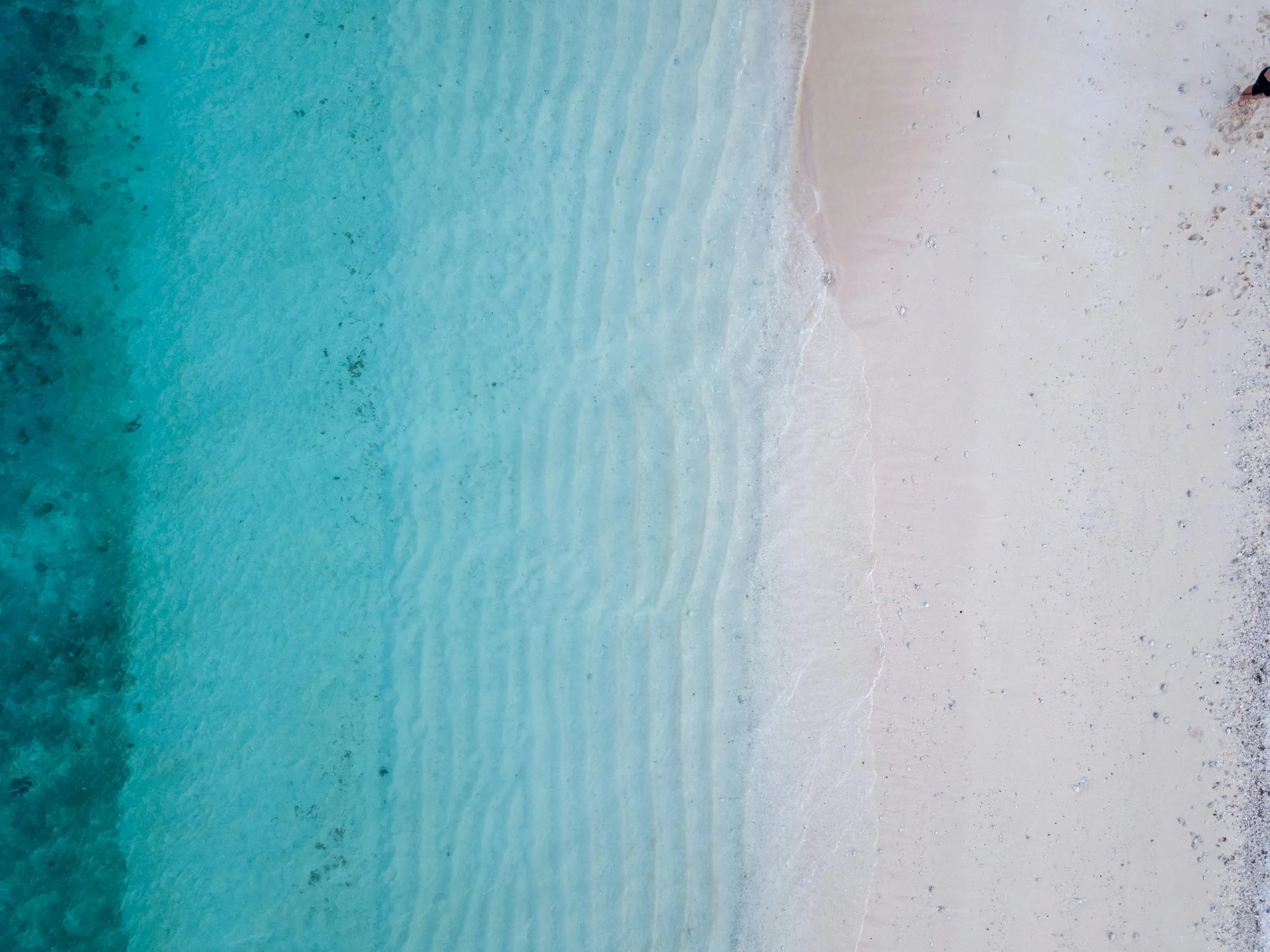
Sydney — The Complete City Guide 2026
Where Australia’s heart beats loudest — world-class beaches, indigenous culture 65,000 years deep, and a food scene that’s finally getting the global recognition it deserves.
$80–150/day Budget
Year-round destination
In This Guide
Getting There & Around
Top Sights
Food & Drink
Experiences
Planning
Editor’s Note: Tourist Sydney vs Real Sydney
Tourist Sydney takes a selfie at the Opera House, walks across the Harbour Bridge, eats at a waterfront restaurant in Circular Quay paying $45 for fish and chips, and goes home thinking they’ve seen Australia’s largest city.
Real Sydney knows that the best view of the Opera House is from the Manly Ferry at sunset, that the Bondi to Coogee walk is the city’s most democratic experience (CEOs and backpackers sharing the same cliff path), that the food scene has exploded with Southeast Asian and Middle Eastern immigrants creating suburbs that rival Singapore and Beirut, and that the harbour isn’t just a postcard — it’s 240 kilometres of shoreline with secret beaches, oyster farms, and Aboriginal rock engravings that predate the pyramids.
Sydney’s challenge is its sheer spread. It’s a 90-minute drive from the Northern Beaches to Cronulla, and nobody lives in the CBD except tourists and corporate lawyers working late. The real city happens in neighbourhoods: Newtown’s queer punk energy, Marrickville’s Vietnamese bakeries, Surry Hills’ converted warehouses, and Cabramatta’s pho joints that put everything in Melbourne to shame.
This guide tells you where to find both Sydneys — the icons you came for and the city that 5.3 million people actually live in.
Extending the trip? See our Bali island guide (6h flight), Singapore city guide (8h flight), Bangkok city guide (9h flight), and Tokyo city guide (9.5h flight) for the same treatment.
Getting There: Sydney Airport (SYD)
Sydney Kingsford Smith Airport sits 8km south of the CBD, making it one of the closest major airports to a city centre in the world. The trade-off: noise restrictions mean no flights between 11pm and 6am, so redeyes land at dawn.
Airport to City Options
| Transport | Price (2026) | Time | Notes |
|---|---|---|---|
| Airport Link Train | $21.80 adult / $15.71 off-peak | 13 min to Central | Fastest option. Expensive due to station access fee. |
| Bus 400 | $4.80 Opal | 35-45 min to Bondi Junction | Cheapest. No direct CBD service. |
| Uber/DiDi | $35-55 | 20-40 min | Traffic dependent. Pickup from dedicated rideshare zones. |
| Taxi | $50-70 | 20-40 min | Fixed fare zones available. Credit card OK. |
| Redy2Go Shuttle | $22 per person | 45-60 min | Door-to-door. Book online for discount. |
Pro Tip: The $21.80 Train Hack
The Airport Link fee is a separate charge on top of normal Opal fares. If you’re staying near Green Square or Mascot (both one stop from the airport), catch the T8 line away from the city, then backtrack — you’ll pay standard Opal fares, not the airport premium. Or take the 400 bus to Mascot station and continue by train.
Direct Flight Routes to Sydney
Sydney has direct flights from major hubs across Asia, the Pacific, Middle East, and North America. Key routes include:
- Asia: Singapore (8h), Hong Kong (9h), Tokyo (9.5h), Bangkok (9h), Kuala Lumpur (8h), Bali (6h)
- Middle East: Dubai (14h), Doha (14.5h) — popular stopover routes from Europe
- North America: Los Angeles (14h), San Francisco (14.5h), Dallas (17h), Honolulu (10h)
- Pacific: Auckland (3h), Fiji (4h)
- Domestic: Melbourne (1.5h), Brisbane (1.5h), Perth (5h), Cairns (3h)
Getting Around Sydney
Sydney’s public transport runs on the Opal card — a contactless smart card that works across trains, buses, ferries, and light rail. As of late 2025, contactless credit/debit cards and phones work on all transport modes (no Opal needed), but Opal still gives better transfer discounts.
Opal Card Prices (2026)
| Mode | Peak Fare | Off-Peak | Notes |
|---|---|---|---|
| Train | $4.00-9.54 | 30% off | Distance-based. Capped at $18.10/day, $50/week |
| Bus | $3.20-5.46 | 30% off | Distance-based |
| Ferry | $6.79-9.54 | 30% off | Most scenic commute in the world |
| Light Rail | $3.20-4.91 | 30% off | L1 runs CBD to Dulwich Hill, L2/L3 to Randwick |
Off-peak hours: Weekdays before 6:30am, 9am-4pm, after 7pm. All day weekends and public holidays.
2026 Update: Free CBD Buses Gone
The free CBD shuttle buses were discontinued in December 2023. The CBD is now best navigated on foot (compact) or by light rail (George Street runs the full length).
The Sydney Ferry Network
Sydney’s ferries aren’t just transport — they’re the best value experience in the city. For $6.79, you get 30 minutes on the harbour with Opera House and Bridge views that would cost $40+ on a tourist cruise.
Best ferry routes:
- Circular Quay to Manly (F1): 30 minutes across the harbour to Manly Beach. The quintessential Sydney experience.
- Circular Quay to Taronga Zoo: 12 minutes. Zoo entry includes return ferry.
- Circular Quay to Watsons Bay: 25 minutes to a sleepy harbour village with excellent fish and chips.
- Barangaroo to Cockatoo Island: 10 minutes to Sydney’s most unusual campground (yes, you can camp on a harbour island).
Pro Tip: Sunset Ferry
Take the 5:30pm Manly ferry in summer. You’ll hit the harbour as the sun drops behind the Bridge, painting the Opera House gold. Grab the outdoor upper deck on the left side heading out.
Top 12 Attractions
| Attraction | Price (2026) | Worth It? |
|---|---|---|
| Sydney Opera House Tour | $43 adult / $23 child | Yes — architecture is stunning inside |
| Sydney Opera House Backstage Tour | $185 adult | For theatre nerds only |
| BridgeClimb | $268-374 | Expensive but unforgettable. Book sunrise or twilight. |
| Pylon Lookout | $19 adult | Budget alternative to BridgeClimb. Great views. |
| Taronga Zoo | $51 adult / $30 child | Yes — harbour views + animals. Ferry included in ZooPass. |
| Sydney Tower Eye | $32.50 adult | Skip — better free views elsewhere |
| Art Gallery of NSW | FREE (special exhibitions extra) | Absolutely — expanded 2022, world-class Aboriginal collection |
| Museum of Contemporary Art | FREE | Yes — harbour views from rooftop cafe |
| Australian Museum | $20 adult / FREE under 16 | Good for families. Natural history + Indigenous culture. |
| Royal Botanic Garden | FREE | Absolutely — 30 hectares of harbourside gardens |
| SEA LIFE Sydney Aquarium | $51 adult / $38 child online | Overpriced. Skip unless with kids. |
| Bondi to Coogee Walk | FREE | Best free activity in Sydney |
Sydney Opera House
Jørn Utzon’s 1973 masterpiece is the most photographed building in Australia. The sail-shaped roof tiles — 1,056,006 of them — were designed in Sweden and shipped to Sydney because no Australian company could produce them to specification.
How to experience it:
- From outside (free): Walk the full perimeter. The best angles are from Mrs Macquaries Point (Opera House + Bridge in one frame) or the Manly Ferry deck.
- One-hour guided tour ($43): Covers the building’s turbulent history (Utzon quit mid-construction after a political falling out), the acoustics, and the Joan Sutherland Theatre. Tours run 9am-5pm daily.
- Attend a performance: From $50 for a concert to $500+ for a main-stage opera. The Concert Hall reopened in 2022 after a $250 million acoustic renovation. Book at sydneyoperahouse.com.
Pro Tip: Vivid Sydney (May-June)
During Vivid Sydney (May 22–June 13, 2026), the Opera House sails become a canvas for massive light projections. The event is free and runs 6pm-11pm nightly. Best viewing from Circular Quay or the Royal Botanic Garden.
Sydney Harbour Bridge
The “Coathanger” opened in 1932 after nine years of construction. It’s still the world’s largest steel arch bridge (though not the longest) and carries eight lanes of traffic, two rail lines, a cycleway, and a pedestrian walkway — all across a single span.
Ways to Experience the Bridge
Walk across (free): The eastern footpath connects Milsons Point (north) to the Rocks (south). Takes about 20 minutes. Views are good, but you’re behind a fence.
Pylon Lookout ($19): Climb 200 steps inside the southeastern pylon for panoramic views and a small museum about the bridge’s construction. Open 10am-5pm daily.
BridgeClimb ($268-$374): The signature Sydney experience. You clip into a safety rail and climb to the summit 134m above the harbour. Options include:
- Summit Climb: 3.5 hours, full outer arch experience
- Summit Insider: 2.5 hours, combination inner/outer arch
- Twilight/Night Climb: Premium pricing but magical lighting
Consider Skipping: Sydney Tower Eye
At $32.50, the Sydney Tower Eye (305m) offers views that aren’t meaningfully better than free alternatives: the Pylon Lookout, the MCA rooftop, or Mrs Macquaries Chair. The tower’s location in the CBD means you’re looking at the harbour from a distance rather than being in it.
Sydney’s Beaches
Sydney has over 100 beaches within the greater metropolitan area. The Eastern Suburbs beaches (Bondi, Bronte, Coogee) are the most famous, but locals will tell you the Northern Beaches (Manly, Freshwater, Dee Why) have better surf and fewer crowds.
The Essential Beaches
Bondi Beach: Australia’s most famous beach is a 1km crescent of golden sand with consistent waves and a legendary surf club. The Icebergs ocean pool at the southern end is iconic (pool entry $9). Bondi is crowded, expensive, and worth seeing once — then move on.
Manly Beach: A 30-minute ferry ride from Circular Quay delivers you to what many consider Sydney’s best beach. The Corso (pedestrian street) connects the harbour ferry wharf to the ocean beach. Better surf than Bondi, better vibe, more space.
Bronte Beach: Smaller and more sheltered than Bondi, with a grassy park perfect for picnics. The ocean pool is one of Sydney’s best. A 20-minute walk south of Bondi along the coastal track.
Coogee Beach: Family-friendly with calm water and excellent cafes. The southern terminus of the Bondi-Coogee walk. Wylie’s Baths (ocean pool with cafe, $7) is a local favourite.
Freshwater Beach: Where surfing was introduced to Australia in 1915 by Hawaiian Duke Kahanamoku. Quieter than Manly, excellent surf, good fish and chips at nearby shops.
Palm Beach: The most northern beach in Sydney, 42km from the CBD. Filming location for Home and Away. Two beaches in one: calm harbour side (great for kids) and exposed ocean side (good surf).
Ocean Pools
Sydney has over 100 ocean pools — seawater pools carved into the rock platforms at beach edges. They’re free (mostly) and uniquely Australian.
- Bondi Icebergs: $9 entry. Most photographed pool in Australia.
- Wylie’s Baths (Coogee): $7 entry. Licensed cafe with ocean views.
- Bronte Baths: Free. Large pool with kid-friendly shallow end.
- Mahon Pool (Maroubra): Free. Rock pool with wild feel.
- Fairy Bower (Manly): Free. Hidden gem near Shelly Beach.
Swim Between the Flags
Australian beaches have strong rips (undertow currents) that kill tourists every year. Always swim between the red-and-yellow flags where lifeguards patrol. If caught in a rip, don’t fight it — swim parallel to the beach until you’re out of the current, then swim to shore.
Coastal Walks
Sydney’s coastline is threaded with walking tracks that offer world-class scenery for free. These are the city’s best experiences, full stop.
Bondi to Coogee (6km, 2 hours)
The signature Sydney walk. Starts at Bondi Beach, climbs over sandstone cliffs, passes through four beaches (Tamarama, Bronte, Clovelly, Coogee), and delivers constant ocean views the entire way. Cafes and toilets at each beach.
Tips: Walk south (Bondi to Coogee) for the best views facing you. Start by 8am to beat crowds. Continue beyond Coogee to Maroubra for another 4km of emptier coastline.
Manly to Spit Bridge (10km, 4 hours)
Less famous than Bondi-Coogee but more varied: bushland, harbour beaches, Aboriginal engravings, and wildlife. The track runs along Sydney Harbour National Park, with sections through dense eucalypt forest and others along secluded coves.
Logistics: Take the ferry to Manly, walk north to Spit Bridge, catch the 144 or 143 bus back to the city. Bring water — no cafes en route.
The Royal National Park Coast Track (26km, 2 days)
For serious hikers. The world’s second-oldest national park (after Yellowstone) runs along Sydney’s southern edge with a dramatic coastal trail: towering sandstone cliffs, empty beaches, the Wedding Cake Rock formation (now fenced off, sadly), and overnight camping at North Era campground ($16/night, book via NPWS).
Sydney Neighbourhoods
The Rocks
Sydney’s birthplace (1788) is now a touristy but charming precinct of cobblestone laneways, weekend markets, and heritage pubs. The Rocks Markets (Saturdays 10am-5pm, Sundays 10am-4pm) are worth browsing. Skip the overpriced restaurants; grab a pie at Harry’s Cafe de Wheels instead.
Circular Quay & CBD
Transport hub and tourist ground zero. The ferry wharves, Opera House, and Harbour Bridge all converge here. The CBD itself is corporate and bland — walk through it, don’t linger.
Surry Hills
Sydney’s coolest inner-city suburb. Victorian terraces house boutiques, cafes, wine bars, and some of the city’s best restaurants (Fred’s, Chin Chin, Porteno). Crown Street is the main drag. Good coffee on every corner.
Newtown
Progressive, queer-friendly, and delightfully scruffy. King Street is a 3km strip of Thai restaurants, vintage shops, tattoo parlours, and live music venues. Sydney’s best Thai food is here (Thai Pothong, Newtown Thai, Chat Thai).
Darlinghurst & Potts Point
Darlinghurst (Darlo) is Sydney’s LGBTQ+ heartland, centred on Oxford Street. Adjacent Potts Point is more upmarket: Art Deco apartments, leafy streets, excellent breakfast spots (Bills, Room Ten, Yellow).
Paddington
Iron-lace terraces and designer boutiques. Oxford Street Paddington (not to be confused with Darlinghurst’s Oxford Street) has high-end fashion and interiors. Saturday morning, the Paddington Markets (10am-4pm, Paddington Uniting Church) are Sydney’s best for local designers and artisans.
Redfern & Waterloo
Once Sydney’s Indigenous community hub (Redfern has deep significance for Aboriginal Sydney), now gentrifying rapidly with cafes and small bars. Redfern station connects easily to the CBD. Authentic and unpretentious.
Glebe
University-adjacent (Sydney Uni is next door), bookish, and relaxed. Glebe Point Road has secondhand bookshops, vegetarian restaurants, and the Saturday Glebe Markets (10am-4pm, Glebe Public School).
Manly
A beach town that happens to be 30 minutes from the CBD by ferry. Surf shops, fish and chips, and a village feel that central Sydney lost decades ago. Stay here if beaches are your priority.
Marrickville
Sydney’s most exciting food suburb. Vietnamese bakeries, Greek butchers, Portuguese chicken shops, and a growing craft beer scene (Sauce, Batch, Grifter). Marrickville Metro bus interchange connects to the Inner West Light Rail.
Sydney Food Scene
Sydney’s food identity is multicultural abundance. Over 40% of the city was born overseas, and the suburbs are edible maps of global migration: Cabramatta for Vietnamese, Lakemba for Lebanese, Eastwood for Korean, Strathfield for Korean-Chinese, Bankstown for Vietnamese and Middle Eastern, and the entire Inner West for everything.
Fine Dining — The Chef Hat System
Australia does not have a Michelin Guide. Tourism Australia has declined to fund one — the quoted price was around $40 million over five years — and as a result, Sydney restaurants are ranked by the Good Food Guide’s chef hat system (Fairfax/Nine), which functions as the national equivalent. The Michelin Guide is launching in the region in mid-2026, but for New Zealand only. If a guide mentions “Michelin-starred Sydney restaurants”, it is wrong.
How the hat system works: 1 hat = roughly Michelin 1-star equivalent (excellent), 2 hats = ~2-star (exceptional), 3 hats = ~3-star (among the best in the country). Hats are awarded annually by the Good Food Guide.
Three Hats (the benchmark):
- Quay (Circular Quay): Peter Gilmore’s nature-inspired tasting menus with Opera House views. Has held three hats continuously for over 20 years — Sydney’s longest-running top-tier restaurant. $295 lunch, $395 dinner. The Snow Egg dessert is legendary.
- Oncore by Clare Smyth (Crown Sydney, Barangaroo): Smyth is the first British female chef to hold three Michelin stars in the UK — her Sydney outpost opened at Crown Sydney and has been awarded three hats in the Good Food Guide. $350 tasting menu. Book months ahead.
Two & One Hat (selection):
- Saint Peter (The Grand National, Paddington): Josh Niland’s seafood revolution — whole fish used nose-to-tail, dry-aged, butchered like beef. Moved from its original Paddington shopfront to The Grand National in 2024. $185 tasting menu.
- Fred’s (Paddington): Merivale’s wood-fired, seasonal-produce showpiece. Natural wine, rustic luxury. $150-200 per person.
- LuMi Dining (Pyrmont): Federico Zanellato’s Italian-Japanese fusion overlooking Jones Bay Wharf. $195 dinner menu.
- Tetsuya’s (CBD): Tetsuya Wakuda’s Japanese-French degustation in a 130-year-old heritage sandstone building. Sydney’s longest-running fine-dining landmark (since 1989). $280 dinner.
- Yellow (Potts Point): Plant-based fine dining in a restored sandstone building. $165 menu — Sydney’s most ambitious vegan-forward room.
The Good Food Guide rankings shift annually. Check the current edition before booking on a hat-count alone.
Where Locals Actually Eat
Pho: Pho Pasteur (Cabramatta) — the original Cabramatta pho, $14 for a bowl that could feed two. Alternatively, Pho An (Marrickville) for closer-to-CBD access.
Thai: Chat Thai (multiple locations, original in Haymarket). Don’t let the mall food court ambience fool you — the boat noodles and crispy pork belly are excellent. $15-20.
Chinese: Mr. Wong (CBD) for upmarket Cantonese (excellent dim sum, $50-80pp). Ho Jiak (Haymarket) for Malaysian-Chinese street food ($15-25). Golden Century — Sydney’s legendary late-night Cantonese institution — closed its original Haymarket home on Sussex Street in June 2021, but the Wong family reopened at Crown Sydney, Level 3, in January 2025 with the same 10-metre live-seafood tanks and the signature XO pipis. The original Sussex Street site is now Royal Palace Seafood. For fast-casual Cantonese back in Haymarket, the same family runs Golden Century BBQ and XOPP.
Lebanese: El Jannah (multiple locations). The charcoal chicken and garlic sauce have a cult following. $15-20 for a chicken feast.
Vietnamese Bakeries: Marrickville Pork Roll (Marrickville) for banh mi. $7-9. Cash only, expect a queue on weekends.
Japanese: Ryo’s Noodles (Crows Nest) for ramen. Azuma (CBD) for sashimi and tempura. Yayoi (multiple) for reliable, cheap-ish ($20) sets.
Pro Tip: The Cabramatta Food Tour
Take the train to Cabramatta (45 min from Central) and eat your way down John Street: banh mi at Pho Tau Bay, pho at Pho Pasteur, che (dessert drinks) at Thanh Binh, and bulk-buy ingredients at the wet market. It’s Sydney’s best food suburb, and almost no tourists know it exists.
Australian Native Ingredients
Look for restaurants using native Australian ingredients: lemon myrtle, finger lime, wattleseed, pepperberry, Kakadu plum, quandong. Quay, Bennelong, and Aria all incorporate them thoughtfully. Orana in Adelaide was the pioneer; Sydney restaurants are catching up.
Coffee Culture
Sydney and Melbourne have been fighting over who has better coffee for decades. (Melbourne wins on density; Sydney wins on variety.) Australian coffee culture means espresso by default — drip coffee (“filter” in Aussie parlance) is available at specialty shops but rare elsewhere.
The Sydney Coffee Vocabulary
- Flat white: Australian invention. Espresso + microfoam milk, no froth. The default order.
- Long black: Espresso over hot water (not the other way, which kills the crema). The Americano equivalent.
- Short black: Espresso shot.
- Piccolo: Small latte in a 90ml glass.
- Magic: Double ristretto + steamed milk. Melbourne invention, now everywhere.
Where to Drink
Single O (Surry Hills): Pioneer roaster, excellent cafe, and free cuppings on Fridays.
Artificer (Surry Hills): Former Campos roaster’s own project. Outstanding filter coffees and espresso.
Edition Coffee Roasters (Darlinghurst/Haymarket): Award-winning roaster with two beautiful cafes.
Reuben Hills (Surry Hills): Central American focus, great brunch too.
Mecca (multiple locations): Sydney institution. The Ultimo flagship has warehouse vibes.
Room Ten (Potts Point): Small, neighbourhood-y, perfect flat whites.
Gumption by Coffee Alchemy (CBD/The Strand Arcade): Convenient CBD stop for serious coffee.
Bars & Nightlife
Sydney’s nightlife suffered under draconian lockout laws (2014-2021), which killed Kings Cross and scattered the bar scene to the Inner West and Surry Hills. The laws are gone now, but the damage lingers — Sydney isn’t a 24-hour city anymore.
Cocktail Bars
Maybe Sammy (The Rocks): Italian-American glamour, World’s 50 Best Bars regular. $28-32 cocktails. Reservations essential on weekends.
Cantina OK! (CBD): Mezcal focus, vinyl records, zero pretension. Standing room mostly.
Re (Surry Hills): Natural wine bar that moonlights as a cocktail den. Tiny, excellent.
Bulletin Place (CBD): Hole-in-the-wall with exceptional cocktails. No menu — tell them what you like.
Eau de Vie (Darlinghurst): Speakeasy vibes, theatrical drinks, secret room accessible via a bookshelf.
Wine Bars
Love, Tilly Devine (Darlinghurst): Natural wine pioneer. Tiny, packed, great cheese.
10 William Street (Paddington): Italian wine focus, excellent snacks. Always a wait.
P&V Wine + Liquor Merchants (Newtown): Bottle shop with a bar attached. Drink wine next to shelves of the stuff.
Pubs
The Lord Nelson (The Rocks): Sydney’s oldest continually licensed pub (1841). Brews its own beer.
The Courthouse Hotel (Newtown): Terrace courtyard, pub trivia Wednesdays, queer-friendly.
The Taphouse (Darlinghurst): 20+ rotating craft taps, serious beer selection.
Lockout Laws Legacy
Kings Cross — once Sydney’s red-light and nightclub district — is a ghost of its former self. Most clubs closed during lockout era (2014-2021). The area is now residential and quiet. Don’t go expecting nightlife.
Day Trips from Sydney
Blue Mountains (1.5 hours by train)
UNESCO World Heritage eucalypt forests, dramatic sandstone cliffs, and the Three Sisters rock formation. Take the train from Central to Katoomba ($8.86 one-way, 2 hours), then explore Echo Point, Scenic World (railway/cable car $59 unlimited rides), and bushwalks ranging from easy to challenging.
Recommended: Walk from Echo Point down the Giant Stairway (steep, 998 steps), along the Federal Pass through rainforest, and up via Scenic Railway. 4-5 hours including stops.
Hunter Valley Wine Region (2 hours by car)
Australia’s oldest wine region (Semillon and Shiraz are the stars). Over 150 wineries open for tastings. Options:
- Self-drive: Rent a car and designate a driver. Wineries cluster around Pokolbin.
- Tour: From $150/person including tastings and lunch. Companies like Hunter Valley Wine Tours provide pickup from Sydney.
- Stay overnight: The region has excellent accommodation and restaurants (Muse, Margan).
Royal National Park (1 hour by train)
The world’s second-oldest national park, directly south of Sydney. Coastal walks, waterfalls, Aboriginal rock engravings, and empty beaches. Train to Cronulla, then ferry to Bundeena ($8.10), then walk into the park. Car Camping at Bonnie Vale ($23/night, book via NPWS).
Palm Beach & Northern Beaches (1.5 hours by bus)
Bus L90 from the city runs to Palm Beach, the northernmost point on Sydney’s Northern Beaches peninsula. Along the way: Manly, Freshwater, Dee Why, Collaroy, Narrabeen, Mona Vale, Newport, Avalon. Each beach has its own character. Home and Away films at Palm Beach (the lighthouse is iconic).
Ku-ring-gai Chase National Park (1 hour by car)
Wilderness on Sydney’s northern edge. Aboriginal rock engravings, secluded beaches (West Head lookout, Resolute Beach), and the ferry to Patonga for fish and chips at a waterside cafe. No public transport — car required.
Wildlife
You don’t need to leave Sydney to see Australian wildlife. The city is threaded with bushland and harbour foreshore where animals roam.
Wild Encounters (Free)
- Cockatoos: Everywhere. Sulphur-crested cockatoos are basically pigeons here.
- Kookaburras: Listen for the “laughing” call in any park. Common in Royal Botanic Garden.
- Rainbow lorikeets: Noisy, colourful parrots. Flocks descend on flowering gum trees across the Inner West.
- Possums: Nocturnal. Walk through any park at dusk and look up — they’re in the trees.
- Flying foxes: Huge fruit bats. Colonies roost in the Royal Botanic Garden and Centennial Park.
- Blue-tongued lizards: Harmless, common in gardens.
Taronga Zoo
Sydney’s zoo sits on the harbour with views back to the Opera House. Ferry from Circular Quay (12 min) or cable car from Taronga Wharf. Australian animals (koalas, kangaroos, platypus) plus global collection. $51 adult, $30 child. ZooPass includes return ferry. Allow 4-5 hours.
Featherdale Wildlife Park
Western Sydney’s hands-on wildlife experience. Closer koala encounters than Taronga, plus wallabies, wombats, and echidnas you can pat. $39 adult, $25 child. Best combined with Blue Mountains trip (on the way).
Whale Watching (May-November)
Humpback whales migrate along Sydney’s coast. Watch for free from coastal headlands (North Head, South Head, Cape Solander) or take a boat tour ($80-130, 2-3 hours). Best months: June-July (northbound) and September-October (southbound with calves).
⚠️ Snakes & Spiders
Yes, Australia has venomous wildlife. No, you’re unlikely to encounter it in urban Sydney. Redback spiders live in garden sheds (check before reaching into dark corners). Eastern brown snakes exist in outer suburban bushland — watch where you step on trails. The funnel-web spider is Sydney’s most dangerous: if bitten, immobilize and call 000. Antivenom is 100% effective. Deaths are extremely rare (none since 1980s antivenom programs).
Where to Stay
Budget ($50-120/night)
Sydney Harbour YHA (The Rocks): Best-located hostel in Australia. Rooftop with Opera House views. Dorms from $50, private rooms from $150.
Wake Up! Sydney (CBD): Huge backpacker hostel near Central Station. Clean, social, cheap ($45 dorms).
Bounce Sydney (Surry Hills): Design-forward hostel in the city’s coolest suburb. Dorms from $40.
Airbnb: Inner West suburbs (Newtown, Marrickville, Erskineville) offer entire apartments for $80-120/night with local flavour.
Mid-Range ($150-300/night)
The Old Clare Hotel (Chippendale): Heritage pub conversion. Industrial chic, excellent restaurant (Automata next door). From $220.
QT Sydney (CBD): Design hotel in the State Theatre building. Bold interiors, Gowings Bar. From $250.
Ovolo Woolloomooloo (Woolloomooloo): Converted finger wharf. Funky style, harbour water views. From $270.
Little Albion (Surry Hills): Boutique guest house with apartment-style suites. From $200.
Luxury ($400+/night)
Park Hyatt Sydney (The Rocks): The Opera House is literally across the water. Sydney’s most coveted views. From $900.
Pier One Sydney Harbour (The Rocks): Converted finger wharf under the Harbour Bridge. From $450.
Crown Sydney (Barangaroo): New super-luxury tower (2020) with casino, restaurants (Oncore), and harbour views. From $600.
The Langham Sydney (The Rocks): Classic luxury, excellent service, harbour views. From $500.
Where to Base Yourself
- First-time visitors: Circular Quay/The Rocks — walk to icons, ferry access
- Foodies/hipsters: Surry Hills — cafes, restaurants, bars on your doorstep
- Beach focus: Manly — village feel, ferry commute to city
- Budget travellers: Newtown/Glebe — affordable, character-rich
- Business: CBD/Barangaroo — corporate Sydney
When to Visit
Sydney is a year-round destination. Summer (December-February) is peak season with hot weather, beaches, and festivals — also the most crowded and expensive. Shoulder seasons (March-May, September-November) offer perfect weather and lower prices.
Seasons
Summer (Dec-Feb): Hot (25-30°C), humid, occasional thunderstorms. Best for: beaches, outdoor dining, harbour activities. Busiest time — book accommodation early.
Autumn (Mar-May): Perfect weather (20-25°C), autumn colours in parks, fewer tourists. Best time to visit.
Winter (Jun-Aug): Mild (10-18°C), occasional rain. Good for: coastal walks (fewer crowds), whale watching (May-July), Vivid Sydney (late May-June).
Spring (Sep-Nov): Warming (18-23°C), wildflowers in bloom, jacaranda trees purple across the suburbs (October). Second-best time to visit.
Major Events 2026
- Sydney Festival: January. Three weeks of arts, theatre, music.
- Australian Open (tennis, Melbourne): January. Sydney hotels empty as sports fans head south.
- Sydney Gay and Lesbian Mardi Gras: Late February/early March. The parade (Oxford Street) and party (SCG) are legendary.
- Vivid Sydney: May 22–June 13. Light installations across the city, including Opera House projections. Free.
- Sydney Film Festival: June. 12 days of Australian and international cinema.
- City2Surf: August (second Sunday). 14km fun run from CBD to Bondi Beach. 80,000+ participants.
- Sydney Royal Easter Show: Late March/early April. Agricultural show with rides, animals, showbags. Family focus.
- New Year’s Eve: December 31. Sydney’s harbour fireworks are world-famous. Best free viewing: Mrs Macquaries Point (arrive by 3pm), Blues Point Reserve, Bradfield Park.
Budget Breakdown
Sydney is expensive — one of the world’s priciest cities. But smart choices make it manageable.
Daily Budget Estimates (AUD)
| Category | Budget | Mid-Range | Luxury |
|---|---|---|---|
| Accommodation | $50-80 (hostel/Airbnb) | $180-300 | $500+ |
| Food | $30-50 | $80-120 | $200+ |
| Transport | $15-25 | $25-40 | $60+ |
| Activities | $0-30 | $50-100 | $150+ |
| Daily Total | $95-185 | $335-560 | $910+ |
Money-Saving Tips
- Opal cap: Public transport is capped at $18.10/day and $50/week. Plan activities to maximize cap days.
- Free activities: Beaches, coastal walks, Art Gallery of NSW, MCA, Botanic Garden, markets (browsing) — Sydney’s best experiences are free.
- Eat in suburbs: Cabramatta, Marrickville, Lakemba, and Eastwood offer meals for half CBD prices.
- BYO restaurants: Many Sydney restaurants are BYO (bring your own alcohol). Corkage is usually $3-8/bottle.
- Happy hour: CBD bars often have 4-6pm specials. Research before drinking.
- Cook: Supermarkets (Coles, Woolworths, Aldi) are reasonably priced. Airbnbs with kitchens pay off quickly.
Currency Note
All prices in this guide are in Australian dollars (AUD). As of April 2026: $1 AUD ≈ $0.65 USD ≈ €0.60 EUR ≈ £0.51 GBP. Credit cards are accepted almost everywhere; cash is rarely needed.
Practical Information
Visas
Most visitors need a visa. Options include:
- ETA (Electronic Travel Authority): For citizens of UK, USA, Canada, Japan, South Korea, and others. Apply online via the Australian ETA app ($20). Valid for multiple visits up to 3 months each.
- eVisitor (subclass 651): For EU citizens. Free, apply online, valid 12 months.
- Visitor visa (subclass 600): For longer stays or nationalities not covered above. Variable fees.
SIM Cards & WiFi
Buy a prepaid SIM at the airport (Vodafone, Optus, Telstra) or any 7-Eleven/newsagent. Plans from $30/month with data. Telstra has the best rural coverage; Vodafone is cheapest for city use. Free WiFi in libraries, some cafes, and CBD “CityOfSydney” hotspots.
Tipping
Australia doesn’t have a tipping culture — wages are legally mandated at living-wage levels. Tipping is not expected. If service is exceptional, 10% is generous. Never feel obligated.
Power
Australia uses Type I plugs (two or three angled pins). Voltage is 230V/50Hz. Bring an adapter if you’re from anywhere except China, Argentina, or Papua New Guinea.
Safety
Sydney is very safe. Petty crime (pickpocketing, car break-ins) exists in tourist areas — standard precautions apply. Violent crime is rare. Solo female travellers report feeling safe. The biggest dangers are natural: sun (wear SPF 50+), surf (swim between the flags), and wildlife (don’t provoke).
Indigenous Sydney
Sydney sits on the land of the Gadigal people of the Eora Nation, who have lived here for at least 65,000 years — making it one of the oldest continuous cultures on Earth. European settlement began in 1788, bringing disease, dispossession, and violence that devastated Aboriginal populations. Understanding this history is essential context for experiencing Sydney today.
Aboriginal Heritage Sites
Rock Engravings: Sydney has over 1,500 Aboriginal rock engraving sites — one of the highest concentrations of any city in the world. The Ku-ring-gai Chase National Park has several accessible sites: Basin Track, Garigal Aboriginal Heritage Walk, and Red Hands Cave (ancient hand stencils). Respect these as sacred sites — never touch, trace, or walk on them.
Barangaroo Reserve: Named after a powerful Cammeraygal fisherwoman who resisted colonial rule, this reclaimed headland includes the Wulugul Walk with interpretive signage about Eora life. The sandstone shoreline was restored to its pre-colonial contours.
Royal Botanic Garden: The garden offers free Aboriginal Heritage Tours (book at rbgsyd.nsw.gov.au) covering traditional plant use for food, medicine, and tools. The Cadi Jam Ora: First Encounters Garden tells the story of first contact in 1788.
Museums & Cultural Centres
Australian Museum: The First Australians gallery has been expanded with community-curated content. Strong on both deep-time archaeology and contemporary Aboriginal culture. Entry $20, under-16 free.
Art Gallery of NSW: The 2022 expansion added the Yiribana Gallery — the world’s largest permanent collection of Aboriginal and Torres Strait Islander art. Free entry. Look for works by Emily Kame Kngwarreye, Rover Thomas, and contemporary artists like Tony Albert.
Blak Markets (Bare Island): Monthly Aboriginal-owned market at La Perouse with art, fashion, food, and performances. Check blakmarkets.com.au for dates. The adjacent La Perouse Museum covers the area’s Aboriginal history.
Tours & Experiences
Aboriginal Heritage Tour, Royal Botanic Garden: Free 90-minute walk covering Gadigal history, bush tucker, and plant use. Book online.
Tribal Warrior Cruises: Aboriginal-owned cultural cruises on Sydney Harbour. The Whale Dreaming story, Goat Island history, and traditional fishing practices. From $60. Highly recommended.
The Rocks Dreaming Aboriginal Heritage Tour: Walking tour covering the area’s Aboriginal history before European settlement. Run by Dreamtime Southern X. From $50.
Acknowledgement of Country
In Australia, it’s customary to acknowledge Traditional Owners at the start of events, meetings, and gatherings. You’ll hear phrases like “We acknowledge the Gadigal people of the Eora Nation as the traditional custodians of this land.” This practice recognizes ongoing Aboriginal connection to country and sovereignty that was never ceded.
Sydney with Kids
Sydney is excellent for families: beaches with gentle waves, wildlife encounters, outdoor space, and kid-friendly museums. Most attractions offer free or discounted child entry, and the culture is relaxed about children in public spaces.
Top Family Attractions
Taronga Zoo: The harbour views alone are worth it, plus 4,000+ animals including Australian natives (platypus, koalas, kangaroos) and a Safari Shuttle for tired legs. $51 adult, $30 child. ZooPass includes return ferry.
SEA LIFE Sydney Aquarium: Dugong, sharks, penguins, and massive reef tanks. The underwater tunnels are a hit with kids. Overpriced ($51 adult, $38 child online) but kids love it. Darling Harbour.
Australian Museum: Dinosaurs, minerals, insects, and interactive First Australians galleries. The search-and-discover section lets kids handle specimens. $20 adult, free under 16.
Powerhouse Museum (MAAS) — 2026 note: The historic Ultimo site has been closed since 5 February 2024 for a major redevelopment and will not reopen until 2027. Powerhouse Parramatta — the 18,000 m² new-build in Western Sydney, the largest museum in NSW history — is scheduled to open late 2026 (95% complete at the time of writing). For families visiting Sydney in 2026: check the Parramatta opening date before planning a visit; until it opens, MAAS is effectively offline. Science and technology focus. The Transport and Steam Revolution exhibits fascinate train-obsessed kids. Space exploration, robotics, and hands-on experiments. $15 adult, free under 16. Ultimo location (near Darling Harbour).
Luna Park: Heritage amusement park on the harbour with a famously creepy entrance face. Rides range from gentle (carousel) to intense (Hair Raiser). Day passes from $55. North Sydney, directly under the Harbour Bridge.
Featherdale Wildlife Park: Hands-on animal encounters — pat koalas, feed kangaroos and wallabies. Better for interaction than Taronga. Western Sydney, combine with Blue Mountains. $39 adult, $25 child.
Beaches for Families
Coogee Beach: Sheltered bay, gentle waves, rock pools to explore, grassy park for picnics. Better for kids than Bondi.
Balmoral Beach: Netted swimming enclosure, shallow entry, calm harbour water. Excellent cafe (The Boathouse). North Shore — less crowded than eastern beaches.
Manly: Wide beach, gentle break, surf schools for kids. The Fairy Bower and Shelly Beach nearby have calm pools and snorkelling.
Palm Beach: The harbour side (Pittwater) is calm and shallow — perfect for little ones. The ocean side has surf.
Playgrounds
Darling Quarter Playground: Sydney’s best playground — water play, a 21-metre flying fox, slides, climbing nets, and a coffee cart for parents. Free. Darling Harbour.
Blaxland Riverside Park (Olympic Park): Massive adventure playground with a 9-metre climbing tower, water play, and 430-metre double flying fox. Worth the train ride.
Centennial Park: Multiple playgrounds, bike hire, horse riding, duck ponds, and vast green space. Bring a picnic.
Tips for Families
- Opal cards: Kids under 4 travel free. Kids 4-15 get discounted Opal fares.
- Ferries: Kids love them. The Manly Ferry is essentially a free (well, $6.79) harbour cruise.
- Dining: Australian restaurants are relaxed about kids. High chairs widely available. Kids eat free at some pubs and clubs (check RSL/Leagues clubs).
- Sun safety: Australian sun is brutal. SPF 50+, rashies for swimming, hats mandatory. “Slip, Slop, Slap” isn’t a suggestion.
Romantic Sydney
Sydney’s natural beauty — the harbour, the coastline, the parks — provides a backdrop that most cities can only dream of. Whether you’re celebrating an anniversary or just want to impress, the city delivers.
Sunset Spots
Mrs Macquaries Point: The classic spot — Opera House and Harbour Bridge in one frame as the sun drops. Arrive an hour before sunset for a good position.
Milk Beach (Vaucluse): Hidden harbour beach with Opera House views across the water. Peaceful, romantic, and less known than the Eastern Suburbs beaches.
North Head (Manly): Dramatic cliffs overlooking the harbour entrance. Watch the sun set over the city from 100-metre heights. Bushland walks and WWII fortifications add atmosphere.
Bradfield Park (Milsons Point): Directly under the Harbour Bridge with Opera House views. Locals’ favourite for sunset picnics.
Special Experiences
Twilight BridgeClimb: Climb the Harbour Bridge as the sun sets and city lights emerge. Expensive ($398) but once-in-a-lifetime. The climb takes 3.5 hours.
Sailing on the Harbour: Charter a yacht through Sydney by Sail or EastSail (from $800 for 2-3 hours). BYO champagne. Watching the city from the water at dusk is peak romance.
Opera at the Opera House: Even if you’re not opera fans, seeing a performance in the Concert Hall — recently renovated with perfect acoustics — is special. Dress up. Book at sydneyoperahouse.com.
Outdoor Cinema: OpenAir Cinema at Mrs Macquaries Point (January-February) screens films against a backdrop of the harbour. St George Openair Cinema at Fleet Steps Amphitheatre is similar. Both require advance booking.
Romantic Restaurants
Bennelong: Inside the Opera House sails. Peter Gilmore’s sibling to Quay. Three-course set menu $195. The setting is unmatched.
Aria: Harbour views, modern Australian cuisine, Quay’s neighbour without quite the same price tag. $185-$250 per person. Circular Quay.
Cafe Sydney: Rooftop views from Circular Quay. Less formal than Quay/Aria but still special. Mains $45-60. Customs House, 5th floor.
The Boathouse (Balmoral): Right on the beach in one of Sydney’s prettiest harbour bays. Seafood focus. Perfect for a long lunch. Mains $40-55.
10 William Street: Tiny Italian wine bar in Paddington. The intimacy of 30 seats, natural wine, and excellent pasta makes it feel like you’ve discovered something special. Mains $25-40.
Stay Somewhere Special
Park Hyatt: Opera House views from your bed. The rooftop pool looks across the harbour. Sydney’s most romantic hotel. From $900.
Pier One: Sleep above the water under the Harbour Bridge. Request a water-facing room. From $450.
The Old Clare: If you prefer character to harbour views. Heritage building, excellent design, intimate scale. From $220.
Hidden Sydney
Beyond the icons, Sydney rewards exploration. Here are the places most tourists miss — and locals would prefer stayed that way.
Secret Beaches
Milk Beach (Vaucluse): Tiny harbour beach hidden below Strickland House. Access via a steep path from the end of Hermit Point Road. Opera House views, almost no crowds.
Parsley Bay: Netted harbour swimming area with a suspension bridge, bush setting, and calm water. Perfect for a quiet swim. Vaucluse.
Store Beach (Manly): Accessible only by kayak or water taxi. Penguin colony, bushland backdrop, absolute solitude.
Collins Flat Beach: Walk through Sydney Harbour National Park from Manly to this isolated cove. Bring supplies — there’s nothing here but nature.
Hidden Gems
Wendy Whiteley’s Secret Garden: After artist Brett Whiteley died, his wife Wendy transformed an abandoned railway cutting in Lavender Bay into a gorgeous guerrilla garden. Free, open daily. Harbour views, quiet paths, sculpture.
May Gibbs’ Nutcote: The former home of the children’s author (Snugglepot and Cuddlepie) is a heritage house museum with period gardens. $15. Neutral Bay.
Cockatoo Island: Industrial heritage site, convict prison, and WWII shipyard on a harbour island. Camp overnight (yes, really — waterfront camping from $55). Ferry from Circular Quay or Barangaroo.
Newtown Cemetery (Camperdown Cemetery): One of Sydney’s oldest burial grounds, now overgrown and atmospheric. Headstones from the 1840s, fig trees, possums at dusk. Free. Behind St Stephens Church.
The Grounds of Alexandria: Former pie factory transformed into a garden cafe/restaurant/market complex with resident pig (Kevin Bacon). Instagram-famous but genuinely charming. Free entry. Alexandria.
Secret Views
Observatory Hill Park: One of the few elevated spots in central Sydney with harbour views. Quieter than Mrs Macquaries Chair. The 1858 Observatory offers night viewing sessions ($27).
Balls Head Reserve: Bushland peninsula with sweeping harbour views from Aboriginal rock engravings to the Opera House. Waverton — north of the Bridge.
McKell Park (Darling Point): Tiny harbour-edge park with Opera House views. Locals’ picnic spot, never crowded.
Underground & Alternative
White Rabbit Gallery: Private collection of contemporary Chinese art in a converted warehouse. Free entry, exceptional curation. 30 Balfour Street, Chippendale.
Carriageworks: Massive railway workshop converted to contemporary arts centre. Markets (Saturdays), exhibitions, performances. Free most times. Redfern.
Marrickville Warehouse Crawl: On the first Friday of each month, warehouses across Marrickville open their doors for art, music, and strange happenings. Check marrickvillewarehouse.com for details.
Shopping in Sydney
Markets
Paddington Markets (Saturdays 10am-4pm): Sydney’s best market for Australian designers, jewellery, fashion, and art. In the grounds of Paddington Uniting Church. Higher quality than touristy markets.
The Rocks Markets (Sat-Sun 10am-5pm): Tourist-focused but has genuine Australian crafts, art, and food alongside the tat. Good for gifts.
Glebe Markets (Saturdays 10am-4pm): Vintage clothing, secondhand books, records, and bohemian vibes. Glebe Public School grounds.
Bondi Markets (Sundays 9am-4pm): Mix of fashion, vintage, and bric-a-brac. Beach-adjacent. Bondi Beach Public School.
Carriageworks Farmers Market (Saturdays 8am-1pm): Sydney’s best produce market. Organic vegetables, artisan cheese, bread, flowers. Redfern.
Fashion Districts
Paddington (Oxford Street): Australian designers — Zimmermann, Scanlan Theodore, sass & bide — plus boutiques and homewares.
Surry Hills (Crown Street): Edgier fashion, streetwear, concept stores like Cabinet and The Standard Store.
QVB & The Strand Arcade (CBD): Heritage shopping arcades with upmarket boutiques, jewellers, and cafes. Beautiful Victorian architecture.
Newtown (King Street): Vintage clothing, record shops, alternative fashion. Where Sydney’s subcultures shop.
Australian Souvenirs Worth Buying
- Aboriginal art: Buy from ethical galleries that pay fair prices to artists — Boomalli, Kate Owen Gallery, Cooee Art (Paddington). Never buy “Aboriginal-style” art from tourist shops.
- Aesop: Melbourne-born skincare brand, available everywhere but born in Australia.
- R.M. Williams boots: The classic Australian leather boot. Buy at the factory outlet in Waterloo for discounts.
- Akubra hats: The iconic Australian bush hat. Strand Hatters (The Strand Arcade) for proper fitting.
- Native food products: Lemon myrtle, wattleseed, bush tomato — find at Carriageworks Market or specialty stores like Something Wild.
Sports & Activities
Water Sports
Surfing: Bondi has multiple surf schools (Let’s Go Surfing, from $99 for 2-hour lesson). Manly is better for intermediate surfers — quieter breaks and consistent waves. Maroubra for locals and serious surfers.
Kayaking: Sydney Harbour Kayaks (Mosman) offers guided tours from $85 and rentals from $30/hour. Paddle under the Harbour Bridge, explore harbour beaches, see the city from the water.
Stand-Up Paddleboarding: Calm mornings are best. Rose Bay Aquatic Hire ($35/hour) and Manly Kayak Centre offer rentals and lessons.
Diving & Snorkelling: Gordons Bay (Coogee) has an underwater nature trail. Cabbage Tree Bay (Manly) is a marine reserve with blue gropers. Dive Centre Manly offers courses from $295.
Spectator Sports
Cricket: The Sydney Cricket Ground (SCG) hosts international matches (Ashes in 2026) and Big Bash League (December-January). Tickets from $25 general admission. The Members Stand requires joining a decades-long waitlist.
Rugby League (NRL): Sydney has nine NRL teams. The atmosphere at games is tribal and passionate. Season runs March-October. Tickets $20-50. Accor Stadium (Homebush) and suburban grounds.
Rugby Union: The Waratahs play Super Rugby at Allianz Stadium. International tests at Accor Stadium.
AFL (Aussie Rules): The Sydney Swans and GWS Giants play at the SCG and Engie Stadium (Homebush). Season March-September. Tickets $25-60.
Football (Soccer): Sydney FC and Western Sydney Wanderers play A-League at Allianz Stadium and CommBank Stadium. Growing fanbase, passionate derbies.
Running
The Bay Run (Iron Cove): 7km flat loop around the bay. Popular with joggers, dog walkers, and cyclists. Access from Rozelle, Drummoyne, or Lilyfield.
Centennial Park: 3.6km Grand Drive loop, plus off-road trails. Car-free on weekends. Sydney’s Central Park equivalent for runners.
Bondi-Coogee: 6km coastal run — beautiful but hilly. Best early morning.
City2Surf (August): 14km fun run from CBD to Bondi. 80,000+ participants. Register months ahead at city2surf.com.au.
Cycling
Sydney Harbour Bridge Cycleway: Yes, you can ride across the Bridge. Access from Milsons Point (north) or the Argyle Stairs (south). Continues to the CBD separated cycleway.
Centennial Park: 3.8km circuit with bike hire available (Centennial Park Cycles from $15/hour).
Manly to Palm Beach: 30km coastal route along the Northern Beaches. Challenging hills, spectacular scenery. Bike hire available in Manly.
Museums & Galleries In-Depth
Art Gallery of NSW
Australia’s most important art museum, massively expanded in 2022 with the Sydney Modern Project. The new building — designed by SANAA (Pritzker Prize winners) — doubled the gallery space and connects to the harbour via parkland.
Don’t miss: The Yiribana Gallery (Aboriginal and Torres Strait Islander art), Australian colonial art, the Brett Whiteley studio (Surry Hills), and the rotating contemporary exhibitions.
Hours: 10am-5pm daily (Wednesday until 10pm). Free entry to permanent collection; ticketed exhibitions $20-25.
Museum of Contemporary Art (MCA)
Circular Quay location with rooftop cafe overlooking the Opera House. Focuses on Australian and international contemporary art. Always free. The Sculpture Terrace is excellent for harbour views.
Australian Museum
Natural history and culture — dinosaurs, minerals, Australian wildlife, Pacific cultures, and a significant First Australians collection. The recently renovated displays are world-class. Good for families.
$20 adult, free under 16. 1 William Street (near Hyde Park).
Powerhouse Museum (MAAS) — Ultimo Closed, Parramatta Opening Late 2026
Current status: The historic Ultimo site has been closed since 5 February 2024 for a major redevelopment that will run through 2027 — no walk-in visits until then. Powerhouse Parramatta, the replacement/companion building in Western Sydney, is scheduled to open to the public in late 2026 (95% complete as of early 2026). It will be the largest museum in NSW: 18,000 m² of exhibition and public space, 600-seat theatre, rooftop garden with telescopes, demonstration kitchen, seven column-free exhibition halls. Check powerhouse.com.au for the opening date.
Science, technology, and design. Steam engines, space exploration, fashion, and social history. The 1785 Boulton & Watt steam engine is a national treasure. Strong on Australian innovation.
Ultimo location (500 Harris Street). $15 adult, free under 16. The museum is moving to a new building in Parramatta (opening 2025) — check which location is operating.
Sydney Jewish Museum
Holocaust history with particular focus on survivors who migrated to Australia. Powerful testimony, respectful presentation. $15. 148 Darlinghurst Road.
Hyde Park Barracks Museum
UNESCO World Heritage convict site. The 1819 building housed male convicts, then female immigrants, then became a government office. Now a museum exploring its layered history. $15. Macquarie Street.
Justice & Police Museum
Sydney’s criminal history in the former Water Police Station. Crime scene photographs, mugshots, and evidence from notorious cases. Creepy and fascinating. $15. Circular Quay.
Food Suburbs: A Deeper Dive
Sydney’s food story is written in its suburbs, where immigrant communities have created enclaves that rival their homelands. These aren’t tourist areas — they’re working neighborhoods where food is serious business.
Cabramatta (Vietnamese)
Sydney’s “Little Saigon” — 45 minutes by train from Central. The strip along John Street and Freedom Plaza has pho joints, banh mi bakeries, and grocery stores stocked with every Southeast Asian ingredient imaginable.
Must-eat: Pho Pasteur (original location), Thanh Binh for bánh cuốn, Tan Viet for noodle soups, any of the market stalls for che (sweet dessert soups).
Lakemba (Lebanese/Middle Eastern)
Halsted Street is Sydney’s best Middle Eastern strip. Lebanese bakeries, shawarma joints, kunafa sweets, and grocery stores with mezze, olives, and halal meats.
Must-eat: El Jannah (the charcoal chicken empire started here), Jasmins for Lebanese breakfast, Al Aseel for sweets.
Eastwood (Chinese/Korean)
Split personality: one side of the train line is Hong Kong-style Cantonese, the other is Korean. The “Little Korea” section has BBQ restaurants, fried chicken joints, and cafes.
Must-eat: Ho Jiak (Malaysian-Chinese), any of the Korean BBQ restaurants along Rowe Street, Golden Bull for yum cha.
Strathfield (Korean)
More upmarket Korean than Eastwood, with restaurants serving full Korean BBQ spreads, fried chicken, and late-night meals.
Haymarket/Chinatown
Sydney’s original Chinatown — touristy on Dixon Street but genuine in the food courts (Eating World, Market City). Chat Thai, Ho Jiak, and Din Tai Fung are here.
Bankstown (Vietnamese/Lebanese)
Working-class multicultural heartland. Vietnamese on one side, Lebanese on the other. Less polished than Cabramatta but equally authentic. Try the banh mi and pork rolls.
Pro Tip: The Cabramatta Food Tour
Take the Liverpool line train to Cabramatta station and spend a morning eating your way through John Street. Start with pho for breakfast (yes, breakfast), grab banh mi for the train home, and stock up on Asian groceries. Budget $30 for a feast. This is Sydney’s best food suburb, full stop.
Events Calendar 2026
January
- Sydney Festival (Jan 8-26): Three weeks of arts, theatre, music, and free outdoor events across the city.
- Field Day (Jan 1): Electronic music festival in The Domain. Australia’s biggest New Year’s Day event.
February
- Chinese New Year (Feb 17): Chinatown celebrations, dragon boat racing at Darling Harbour, lantern festival.
- Sydney Gay & Lesbian Mardi Gras (late Feb/early Mar): The famous parade along Oxford Street (Feb 28), plus parties, talks, and performances throughout the month.
March
- Sydney Mardi Gras Parade (Feb 28): The main event — 12,000+ participants, millions watching. Best viewing from Oxford Street paddington end.
- Sydney Royal Easter Show (Mar 27-Apr 7): Agricultural show meets carnival. Showbags, animals, rides. Sydney Olympic Park.
May-June
- Vivid Sydney (May 23-Jun 14): Light installations, music performances, and ideas talks across the city. The Opera House sails become a canvas. Free.
June
- Sydney Film Festival (Jun 3-14): 12 days of Australian and international cinema at State Theatre and other venues.
July-August
- Splendour in the Grass (Jul 17-19): Music festival near Byron Bay — many Sydney-siders road trip.
- City2Surf (Aug 9): The world’s largest fun run: 14km from Hyde Park to Bondi Beach. 80,000+ runners.
September-October
- Sydney Fringe Festival (Sep): Alternative arts festival across inner-city venues.
- Sculpture by the Sea (Oct 22-Nov 8): Free outdoor sculpture exhibition along the Bondi to Tamarama coastal walk.
November
- Melbourne Cup (first Tuesday): Australia stops for a horse race. Pubs everywhere show it; many workplaces shut down.
December
- Sydney to Hobart Yacht Race (Dec 26): Watch the fleet depart from Sydney Harbour. Spectacular sight.
- New Year’s Eve (Dec 31): Sydney Harbour fireworks — the first major display of the global new year. Best free spots: Mrs Macquaries Point, Blues Point Reserve. Arrive by 3pm.
Frequently Asked Questions
How many days do I need in Sydney?
Minimum 4 days for the highlights (Opera House, Harbour Bridge, Bondi, one coastal walk, one day trip). A week lets you explore neighbourhoods and relax at beaches. Two weeks allows day trips to the Blue Mountains, Hunter Valley, and beyond.
Is Sydney expensive?
Yes. It’s one of the world’s priciest cities for accommodation and dining. Budget $100-150/day minimum (hostel/cheap eats). Mid-range visitors should budget $250-400/day.
Sydney vs Melbourne: which should I visit?
Sydney for beaches, harbour, and natural beauty. Melbourne for food, coffee, arts, and laneways. Sydney is the better first-time-to-Australia destination; Melbourne rewards deeper exploration.
Is Bondi Beach overrated?
A little. It’s iconic and worth seeing, but crowded and expensive. Manly, Bronte, and Coogee offer better experiences. Do the Bondi-Coogee walk, but don’t spend all your beach time at Bondi.
Can I see kangaroos in Sydney?
In the wild, only in outer suburbs and bushland (Ku-ring-gai Chase, Royal National Park — rare sightings). For guaranteed encounters: Taronga Zoo or Featherdale Wildlife Park.
Is the BridgeClimb worth $300+?
If you can afford it, yes — it’s an unforgettable experience. Budget alternative: the Pylon Lookout ($19) offers excellent views without the climb.
What’s the best way to see the Opera House?
From outside: walk the full perimeter, take the Manly Ferry at sunset. From inside: book a tour ($43) or attend a performance.
Is Sydney safe at night?
Generally yes. Kings Cross is quieter than its reputation suggests (post-lockout laws). Standard city precautions apply: stay aware, avoid empty streets, use rideshares if unsure. The Inner West and Eastern Suburbs are safe at night.
🌍 See the bigger picture: our Australia travel guide covers regions, when to go, and getting around.
🔍 Every deal on AiFly passes automated verification gates and human editorial review before publishing — how we verify deals.
Cheapest Flights to Sydney
We track flight deals to Sydney from 7 cities worldwide. Here are the best recent fares:
Flight Deals from Sydney
Looking for cheap flights departing Sydney? Here are deals to 15 destinations:
- Sydney to Hamilton, New Zealand from A$316
- Sydney to Christchurch, New Zealand from A$476
- Sydney to Queenstown, New Zealand from A$511
- Sydney to Ko Samui, Thailand from A$635
- Sydney to Vientiane, Laos from A$668
- Sydney to Chennai, India from A$679
- Sydney to Singapore from A$742
- Sydney to New Delhi, India from A$862
- Sydney to Budapest, Hungary from A$948
- Sydney to Amsterdam, Netherlands from A$1015
- Sydney to Abu Dhabi, UAE from A$1041
- Sydney to Istanbul, Turkey from A$1062
- Sydney to Rome, Italy from A$1148
- Sydney to Paris, France from A$1165
- Sydney to Las Vegas, USA from A$1191
Prices are based on recent deals and may no longer be available. Browse all flight deals