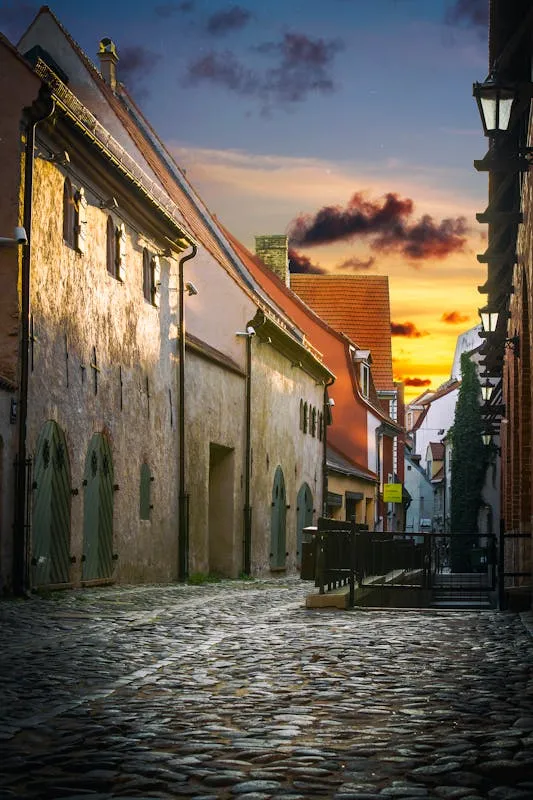
Riga — The Complete City Guide 2026
Where 800 Art Nouveau buildings meet medieval cobblestones, Soviet-era irony meets craft cocktails, and a small Baltic capital punches absurdly above its cultural weight.
€50–90/day Budget
May–Sep best
In This Guide
Getting There & Around
Food & Drink
Experiences
Planning
Editor’s Note: Tourist Riga vs Real Riga
Tourist Riga walks through Old Town, photographs the House of the Blackheads, visits the Freedom Monument, and maybe has a beer at one of the medieval-themed restaurants that charge €15 for a schnitzel while staff wear Renaissance costumes.
Real Riga knows that the best architecture is in the Art Nouveau district where Mikhail Eisenstein (father of the filmmaker) went absolutely unhinged with screaming faces, sphinxes, and writhing nudes across eight blocks. That the Central Market — five massive Zeppelin hangars converted to food halls — is where babushkas hawk smoked fish, fermented rye bread, and pickles that taste like your Latvian grandmother made them (even if you don’t have a Latvian grandmother). That the bar scene, hidden in converted apartments and courtyards, rivals Berlin’s without the attitude.
Riga spent 50 years under Soviet rule, and the traces are everywhere: brutalist apartment blocks, the KGB headquarters (now a museum of horrors), and a dark gallows humour that surfaces in unexpected places. But this isn’t a city stuck in its past. It’s a capital of 600,000 that punches wildly above its weight in design, food, and nightlife — all at prices that make Western Europe feel like a scam.
This guide shows you both Rigas: the UNESCO medieval core and the Art Nouveau facades that brought the tourists, plus the markets, neighbourhoods, bars, and Soviet history that make this city fascinating beyond the postcard shots.
Extending the trip? See our Tallinn city guide (4h by Lux Express bus or 1h flight), Vilnius city guide (4h by Lux Express bus), and Berlin city guide (1h30 by airBaltic) for the same treatment.
Getting There: Riga International Airport (RIX)
Riga International Airport sits 10km southwest of the city centre. It’s small, efficient, and the base for airBaltic — Latvia’s flag carrier and one of Europe’s best budget-premium airlines (new Airbus A220s, decent legroom, actual food).
Airport to City Options
| Transport | Price (2026) | Time | Notes |
|---|---|---|---|
| Bus 22 | €2.00 on-board / €1.50 advance | 30-40 min | Runs every 10-20 min, 5:30am-11:30pm. Stops at Central Station + Old Town. Buy advance at Narvesen, airport machines, or the Rīgas satiksme app to save €0.50. Bus 22 accepts bank card only (no cash). |
| Airport Express Bus | €5.00 | 30 min | Direct to Central Station, every 30 min. |
| Taxi | €15-20 | 15-25 min | Use Bolt or official taxi rank. Agree price first if hailing. |
| Bolt/Freenow | €10-15 | 15-25 min | Cheapest door-to-door. Works well. |
Pro Tip: airBaltic Pricing
airBaltic often has flash sales with crazy cheap fares from Baltic hubs. Sign up for their newsletter. They also operate a useful network connecting Riga to destinations other carriers skip (Baku, Tbilisi, smaller Scandinavian cities).
Direct Flight Routes to Riga
Riga is well-connected to European capitals and has some longer-haul routes via airBaltic:
- Western Europe: London (2.5h), Paris (3h), Amsterdam (2.5h), Frankfurt (2h), Dublin (3h), Barcelona (3.5h)
- Nordics: Stockholm (1h), Helsinki (1h), Oslo (1.5h), Copenhagen (1.5h)
- Central Europe: Berlin (1.5h), Warsaw (1.5h), Vienna (2h), Prague (1.5h)
- Other Baltics: Vilnius (45 min), Tallinn (45 min)
- Middle East/Caucasus: Dubai (5.5h), Tel Aviv (4h), Tbilisi (3.5h) — airBaltic routes
Getting Around Riga
Riga’s centre is compact and walkable — you can cross Old Town in 15 minutes. Trams, buses, and trolleybuses cover the wider city, but you’ll rarely need them unless heading to the beach suburbs or outer neighbourhoods.
Public Transport
The same ticket works on trams, buses, and trolleybuses. Buy from kiosks, the Rīgas Satiksme app, or e-ticket machines at major stops.
- Single ride: €1.50 (paper) / €1.15 (e-ticket/app)
- 24-hour pass: €5.00
- 72-hour pass: €10.00
- 5-day pass: €15.00
Useful routes:
- Tram 11: Old Town (Nacionālā opera) to Central Market to Moscow District
- Bus 22: Airport to Central Station to Old Town
- Tram 5: Central Station to Mežaparks (zoo, open-air concert venue)
Bolt & Taxis
Bolt (the Estonian Uber) works perfectly in Riga. A ride across the centre costs €3-6. Traditional taxis are fine from official ranks but can overcharge if hailed on the street.
Warning: Taxi Scams
Some taxi drivers still try scams on tourists — especially at the train station and near Old Town bars late at night. Always use Bolt or agree on a price before getting in. If the meter seems to be running too fast, note the car number and report to 8900 8900 (Riga Taxi regulatory line).
Top 12 Attractions
| Attraction | Price (2026) | Worth It? |
|---|---|---|
| Old Town (UNESCO) | FREE | Absolutely — cobblestones, spires, medieval core |
| Art Nouveau District | FREE (museum €9) | Yes — 800+ buildings, Eisenstein’s finest |
| Riga Central Market | FREE | Must-visit — five Zeppelin hangars of food |
| House of the Blackheads | €8 | Maybe — beautiful exterior; interior less essential |
| St. Peter’s Church Tower | €12 | Yes — best 360° views of Old Town |
| Riga Cathedral (Dom) | €3 (tower €9) | Yes — 13th-century, largest organ in Baltics |
| Art Nouveau Museum | €9 | Yes — original apartment interiors preserved |
| Freedom Monument | FREE | Brief stop — changing of the guard hourly |
| Latvian National Art Museum | €6 | Good — Latvian art + rotating exhibitions |
| Museum of the Occupation | Donation | Yes — essential for understanding 20th-century Latvia |
| KGB Building (Corner House) | €10 | Heavy but important — former torture cells, exhibitions |
| Latvian National Opera | Tours €6 / Performances €15-80 | Yes if you like opera — beautiful 1863 building |
Old Town (Vecrīga) — UNESCO World Heritage
Riga’s medieval core survived both world wars largely intact — a rarity in this part of Europe. The UNESCO-listed Old Town is a compact maze of cobblestone streets, Gothic spires, merchant houses, and guild buildings dating to the Hanseatic League era (13th-17th centuries).
Key Sights
House of the Blackheads (Melngalvju nams): The most photographed building in Latvia. Originally built in 1334 for an association of unmarried merchants, it was destroyed in WWII and meticulously reconstructed in 1999. The elaborate Renaissance-Gothic facade is spectacular; the interior is less essential but includes the original cellar and period rooms. €8 entry.
St. Peter’s Church: The dominant Gothic spire (123m) has been rebuilt three times — most recently after Soviet shells hit it in 1941. Take the elevator to the observation deck at 72m for the best panoramic views of Old Town’s red roofs. €12, open 10am-6pm (7pm in summer).
Riga Cathedral (Doma baznīca): Founded in 1211, this is the largest medieval church in the Baltics. The organ — 6,768 pipes, installed in 1884 — is famous across Europe. Catch an organ concert if possible (schedule at dom.lv). Church €3, tower €9, concerts €10-20.
Three Brothers: Three medieval dwelling houses (oldest from the 15th century) on Mazā Pils street. The narrowest of the three (No. 17) shows how Riga once taxed buildings by facade width. Free to view from outside.
Swedish Gate: The only surviving gate from Riga’s 17th-century city walls. Legend says it was built overnight in 1698 so a merchant could move his goods without paying customs. Walk through for atmosphere.
Cat House: A 1909 Art Nouveau building where a disgruntled merchant allegedly positioned cat statues with raised tails facing the guild that rejected his membership. (They were later rotated to face away.) A fun architectural footnote.
Consider Skipping: Medieval-Themed Restaurants
Old Town has several restaurants with costumed staff, mead in goblets, and “medieval” menus. They’re tourist traps with mediocre food at inflated prices. For actual good food, walk 10 minutes to the Central Market or Art Nouveau district.
Art Nouveau District (Jugendstil)
Riga has the highest concentration of Art Nouveau (Jugendstil) architecture of any city in the world — over 800 buildings, most built between 1901 and 1914 when the city was booming under Russian Empire rule.
The epicentre is Alberta iela (Alberta Street), where Russian architect Mikhail Eisenstein — father of legendary filmmaker Sergei Eisenstein — designed eight buildings in a decade-long creative explosion. His style is maximalist madness: screaming faces, sphinx heads, writhing figures, peacocks, lions, and botanical motifs covering every surface.
Must-See Buildings
- Alberta iela 2a: Eisenstein’s masterpiece. Blue-painted facade, screaming masks, symmetrical excess.
- Alberta iela 4: More restrained but still dramatic — female figures flanking the entrance.
- Alberta iela 8: The sphinxes and lion heads make this one of the most photographed.
- Alberta iela 13: Konstantīns Pēkšēns’ masterpiece, now housing the Art Nouveau Museum.
- Elizabetes iela 10b: The “Wedding Cake” building — ornate white facade with tower.
- Strēlnieku iela 4a: Eisenstein again, with his signature screaming faces at full volume.
Art Nouveau Museum
Located inside Alberta 13, this small museum recreates an original 1903 apartment with period furniture, wallpaper, and fixtures. It’s the only way to see what these buildings looked like inside. €9, open 10am-6pm (closed Mondays).
Pro Tip: Golden Hour
The Art Nouveau facades on Alberta and Elizabetes face west. Visit at sunset (8-9pm in summer) when the golden light hits the ornate details at their most dramatic. This is when the buildings come alive.
Riga Central Market
Europe’s largest market occupies five massive pavilions — converted Zeppelin hangars that the Soviets repurposed in 1930. It’s cavernous, Soviet-era infrastructure serving the oldest purpose in human commerce: selling food.
Each pavilion specializes: Meat, Fish, Dairy, Vegetables, Gastronomy (prepared foods). The outdoor section adds clothing, flowers, and household goods.
What to Eat & Buy
- Smoked fish: Latvians smoke everything — eel, mackerel, salmon, herring. Buy by weight at the fish pavilion.
- Black bread (rupjmaize): Dense, dark, slightly sweet rye bread. An essential Latvian food. Try the fresh-baked loaves.
- Pīrāgi: Bacon-filled pastry crescents. Buy a bag for snacking.
- Biezpiens: Latvian curd cheese. Try the sweet version with caraway seeds.
- Jāņu siers: Traditional caraway cheese made for midsummer festival. Available year-round at the market.
- Pickles: Every babushka has her own recipe. The fermented variety is probiotic gold.
- Kvass: Fermented rye bread drink, slightly fizzy, barely alcoholic. Refreshing in summer.
Location: Nēģu iela 7, south of Old Town. Open 7am-6pm daily (outdoor sections 6pm, some vendors close earlier). Plan 1-2 hours to explore properly.
2026 Tip: Streetwize Riga Food Tour
The best way to navigate the market is with a local guide who knows what to try and which vendors to trust. Streetwize Riga (€50, 3 hours) runs excellent food-focused tours that include market tastings, history, and context about Latvian food culture.
Riga Neighbourhoods
Old Town (Vecrīga)
Medieval core with cobblestones, spires, and tourist infrastructure. Beautiful but pricey for food and drinks. Base yourself here for convenience; eat elsewhere.
Art Nouveau District (Centrs)
North of Old Town, anchored by Alberta and Elizabetes streets. Quiet, residential, stunning architecture. Good cafes (Rocket Bean, Miit Coffee) and restaurants nearby on Barona iela.
Quiet Centre (Klusais Centrs)
Between the railway and Art Nouveau district. Wooden houses, embassy row (Antonijas iela), peaceful parks. Home to Riga’s best boutique hotels and quiet wine bars.
Central Market Area & Moscow District (Maskavas forštate)
Southeast of Old Town around the market and train station. Historically Jewish (before WWII) and Russian working-class. Gritty, authentic, with the best budget food. The Spīķeri creative quarter (warehouses converted to galleries and bars) is here.
Miera iela
The “hipster street” — a 1.5km strip of cafes, vintage shops, craft beer bars, and design studios. Where young Rigans hang out. Walk from Matīsa iela to Mežaparks for the full vibe.
Āgenskalns
Across the river (Pārdaugava side), this former industrial suburb is gentrifying with cafes and a weekend farmers’ market. The Āgenskalns Market (Āgenskalna tirgus) is smaller and more local-feeling than Central Market.
Mežaparks
Leafy suburb 6km north of centre. Home to Riga Zoo, the Mežaparks open-air concert venue (Latvia’s major festival location), and 19th-century wooden villas. Worth a tram ride on a nice day.
Latvian Food
Latvian cuisine is peasant food elevated: heavy on rye, dairy, pork, potatoes, and fermentation. It’s hearty, seasonal, and designed to survive Baltic winters. The modern Riga food scene has taken these traditions and refined them into something genuinely exciting.
Traditional Dishes
Pelēkie zirņi ar speķi: Grey peas with bacon and onions. Latvia’s national dish, traditionally served at Christmas but available year-round. Simple, satisfying, and deeply Latvian.
Rupjmaize: Dense rye bread, naturally fermented, slightly sweet. The backbone of Latvian meals. Try it with butter and salt, or as a base for open-faced sandwiches.
Pīrāgi: Crescent-shaped pastries filled with smoked bacon and onions. Addictive snack food, available at bakeries and the market.
Karbonade: Breaded pork cutlet (like schnitzel), served with potatoes. Every canteen and grandma has their version.
Skābeņu zupa: Sorrel soup, bright green and tangy, served cold in summer or hot in winter with egg and sour cream.
Aukstā zupa: Cold beet soup with dill, cucumber, and buttermilk. Pink, refreshing, and essential in summer.
Jāņu siers: Caraway-spiced cheese made for the midsummer Jāņi festival. Rich, aromatic, and perfect with dark bread.
Kliņģeris: Sweet bread shaped in a pretzel-like figure-8, traditionally served at celebrations. Latvia’s most recognizable pastry.
Modern Latvian Cuisine
Riga’s best restaurants have taken traditional ingredients — forest mushrooms, wild berries, smoked fish, fermented vegetables — and applied Nordic-influenced technique. This “New Latvian Cuisine” movement has put Riga on the culinary map.
Pro Tip: Lido Self-Service Restaurants
Lido is a Latvian chain of massive self-service restaurants with incredible value. Tray-based, buffet-style, with 50+ hot dishes, salads, and desserts. Traditional Latvian food in Soviet-scale portions at €8-12 for a feast. The Lido at Krasta 76 is the flagship, with a theme-park atmosphere; smaller locations (Elizabetes 65) are more practical.
Where to Eat in Riga
Fine Dining
3 Pavāru Restorāns (Three Chefs): The flagship of New Latvian Cuisine and part of the Michelin Guide Latvia selection (not starred but in the guide). Tasting menus (€85-120) showcase foraged, fermented, and hyper-local ingredients with Nordic precision. Reservations essential. Torņa iela 4.
Entresol: Modern European with Latvian accents, also part of the Michelin Guide Latvia selection. Beautiful Art Nouveau setting, €50-80 per person. Elizabetes iela 19.
JOHN Chef’s Hall (★) — A22 Hotel, Antonijas 22: Chef Kristaps Sīlis’ contemporary Latvian tasting menu. One Michelin star (retained in the 2026 guide). Small room, ~12 seats, book weeks ahead. €95-140 tasting menu. The pinnacle of modern Latvian cooking.
Max Cekot Kitchen (★) — Antonijas iela 12: Chef Maksims Cekoticovs’ contemporary Latvian-French cuisine. One Michelin star (retained in the 2026 guide). €70-100 tasting menus. Quiet Centre location.
Mid-Range
Fazenda: Farm-to-table seasonal cooking in a rustic setting. Latvian ingredients, modern preparation, reasonable prices (€20-35 mains). Baznicas iela 37/39.
Valtera Restorāns: Traditional Latvian dishes with refined execution. The grey peas and smoked meats are excellent. €15-25 mains. Miesnieku iela 8.
Folkklubs Ala Pagrabs: Live Latvian folk music, traditional food, and local beer in a medieval cellar. Touristy but fun. €12-20 mains. Peldu iela 19.
Casual & Budget
Garage: Craft cocktails and creative comfort food (burgers, tacos, bowls) in a converted garage space. €10-18 mains. Elizabetes iela 83/85.
Milda (Bib Gourmand): Plant-based café with excellent brunch and Latvian-inspired vegetarian dishes — a Michelin Bib Gourmand in the 2026 guide (good quality, good value). €8-14. Strēlnieku iela 1A.
Fazenda Daily: The casual sibling of Fazenda, serving soups, salads, and daily specials for €7-12. Quick, quality lunch. Baznicas iela 37/39.
Lido: Self-service canteen with vast selection of traditional dishes. Cheap, filling, authentic. €6-10 for a full tray. Multiple locations.
Michelin Guide Latvia — 2026 Third Edition
Michelin launched in Latvia in 2024 and the third edition (2026) covers 34 restaurants — 27 in Riga, 7 elsewhere in the country. Latvia has two one-star restaurants, both in Riga: JOHN Chef’s Hall and Max Cekot Kitchen (both retained their stars in 2026 — see Fine Dining above).
Bib Gourmand (good food at good prices):
- Snatch: Casual-smart kitchen in Riga centre, one of the original Bib Gourmand picks when Michelin launched in Latvia.
- Shōyu: Ramen and izakaya-style Japanese, well-executed at Riga-friendly prices.
- Milda: Plant-based, see above.
- SMØR Bistro: New Bib Gourmand in the 2026 guide — Nordic-influenced bistro cooking, a recent opening to watch.
Michelin Selected (in the guide, no star or Bib): 3 Pavāru Restorāns and Entresol (both above), plus around 20 other Riga restaurants at various price points.
Green Star (sustainable gastronomy): Pavāru māja in Līgatne (~90 min from Riga) — Martiņš Sirmais’ farmhouse-kitchen project. Worth a day trip combined with Līgatne and Gauja National Park.
Outside Riga worth the drive: H.E. Vanadziņš in Cēsis (~90 min) — 2026 Bib Gourmand, the best reason to visit the old Hanseatic town beyond the castle.
Bars & Nightlife
Riga’s bar scene is one of Europe’s best-kept secrets. Hidden speakeasies, craft cocktail lounges, and Soviet-themed drinking dens occupy converted apartments, courtyards, and basements across the city. Prices are half what you’d pay in London or Copenhagen.
Cocktail Bars
Herbārijs: Apothecary-themed bar specializing in botanical cocktails and house-infused spirits. Tiny, intimate, and excellent. Reservation recommended. Aristīda Briāna iela 9A. €8-12 cocktails.
B-Bārs: Low-key neighbourhood bar with serious cocktails. No menu — tell them what you like. Hidden on the top floor of a residential building. Džohara Dudajeva iela 2. €8-10.
Dārza Bar: Garden bar in a courtyard setting. Seasonal cocktails, relaxed vibes. Summer only. Raina bulvāris 22.
Craft Beer
Labietis: Riga’s flagship craft brewery with an excellent taproom. 20+ taps, industrial setting, knowledgeable staff. Aristida Briana iela 9A. Pints €4-6.
Valmiermuiža Beer Embassy: Latvian craft brewery taproom in Old Town. Traditional styles with Baltic twists. Krāmu iela 2.
Taka: Tiny bar with 10 rotating taps of Latvian and European craft beers. The bartender knows every brewer personally. Miera iela 10.
Late Night
Piens: Grungy basement club with live music and DJs. Local bands, cheap beer, authentic Riga nightlife. Open until 5am weekends. Dzirnavu iela 84.
Nabaklab: Cultural centre/club in a former factory. Electronic music, art events, occasional weirdness. Spīķeri area, Maskavas iela 12b.
One One: Techno club with international DJs. Berlin-style, minimal, serious. Weekends only. Aristida Briana iela 9.
Pro Tip: Miera iela Bar Crawl
Walk the length of Miera iela on a weekend evening. Start at Taka for beer, continue to Rockets (craft cocktails), then finish at Ziemeļblāzma (wine bar) or wherever the night takes you. Each block has another bar.
Soviet History & Dark Tourism
Latvia spent 51 years under Soviet occupation (1940-1941, 1944-1991), with Nazi German occupation sandwiched between (1941-1944). This traumatic 20th century is essential context for understanding modern Latvia — and Riga has several sites that confront it directly.
Museum of the Occupation of Latvia
Covers both Soviet and Nazi occupations with personal testimonies, artifacts, and documentation. Currently in temporary premises (Raiņa bulvāris 7) while the main building undergoes reconstruction. Donation-based entry. Allow 2-3 hours. Heavy but essential.
KGB Building (Corner House / Stūra māja)
The KGB headquarters from 1940-1991, with original interrogation rooms, cells, and a courtyard where executions took place. Now a museum that doesn’t flinch from the brutality of the Soviet security apparatus. €10, guided tours only (English available). Book in advance at sturamajas.lv. Brīvības iela 61.
Freedom Monument
The 42m granite column topped by a woman holding three stars (representing Latvia’s historical regions) was built in 1935 — and remarkably survived Soviet rule. It’s the symbolic heart of Latvian independence, where the Singing Revolution gatherings began in 1988. Hourly changing of the guard in summer.
Salaspils Memorial
18km from Riga, this haunting memorial marks the site of the Nazi concentration camp where over 100,000 people (mostly Jews, Soviet POWs, and political prisoners) died. Giant concrete sculptures loom over the empty fields where barracks once stood. The metronome heartbeat that once played continuously has been controversial — it was originally designed to sound forever, but has been silenced and resumed multiple times. Free entry, but difficult to reach without a car or tour.
⚠️ Holocaust History
Latvia’s Jewish population was 93,000 in 1935. By 1945, fewer than 1,000 remained. The Nazis, with collaboration from some Latvians, murdered approximately 70,000 Latvian Jews plus tens of thousands more brought from Germany, Austria, and Czechoslovakia. The Rumbula Forest massacre (November-December 1941) killed 25,000 in two days. The Riga Ghetto and Kaiserwald sites have memorials. Latvia has engaged in difficult reckoning with this history — the Museum of the Occupation addresses it directly.
Day Trips from Riga
Jūrmala (30 minutes by train)
Latvia’s beach resort stretches 25km along the Baltic coast. Trains run every 30 minutes from Riga Central Station (€2.50). The wooden Art Nouveau villas, Soviet-era sanatoriums, and wide sandy beaches make it worth a day trip, especially in summer.
Highlights: Majori Beach (main beach, busiest), Dzintari Concert Hall (outdoor amphitheatre), wooden architecture along Jomas iela, and the Dzintaru Mežaparks forest for walks.
Sigulda (1 hour by train)
The “Switzerland of Latvia” — three medieval castles (ruined Sigulda Castle, ruined Krimulda Castle, and restored Turaida Castle), the Gauja River valley, and adventure activities (cable car, bobsled track, bungee jumping).
Turaida Castle: 11th-century stronghold, €6 entry, excellent museum of Livonian history and folk tradition. The castle tower has panoramic views.
Cable car: €12 return, crosses the Gauja valley with great views. Runs May-October.
Cēsis (1.5 hours by train)
Medieval town with a romantic 13th-century castle ruin (€7, lantern tours available) and one of Latvia’s best-preserved old towns. Stop at Cēsu Alus brewery for local beer. Combine with Sigulda for a full day.
Rundale Palace (75km by car)
Latvia’s Versailles — an 18th-century Baroque palace designed by Rastrelli (who also designed the Hermitage). The restored gardens are spectacular. €13 entry, guided tours available. No public transport — rent a car or join a tour (€50-80).
Tallinn, Estonia (4 hours by bus)
Estonia’s capital has a different flavour: medieval Old Town, digital innovation, and Nordic prices. Lux Express buses run every 30 minutes (€15-25, book online). Doable as a long day trip but better as an overnight.
Vilnius, Lithuania (4 hours by bus)
Lithuania’s capital: Baroque churches, bohemian Užupis district, and Europe’s largest Old Town (UNESCO). Similar transport options as Tallinn. Another strong overnight option.
Beaches
The Baltic Sea is cold (15-22°C in summer), but Latvians embrace it. Jūrmala is the main resort, but beaches closer to Riga offer easier access.
Jūrmala Beaches
25km of sandy coastline. Majori and Dzintari are the most developed (cafes, changing rooms, volleyball). Bulduri and Lielupe are quieter. Water temperature peaks in August.
Vecāķi Beach
25 minutes north of Riga by bus (bus 2 from National Library). Wide, sandy, with dunes and forest behind. Locals’ favourite for avoiding Jūrmala crowds.
Saulkrasti
50km north of Riga (45 min by train). Smaller beach town with the White Dune nature trail (6km coastal walk). Good day trip combining beach and hiking.
Where to Stay
Budget (€30-60/night)
Cinnamon Sally Backpackers: Well-run hostel in a converted apartment near Central Market. Dorms €18-25, private rooms €50-70. Merķeļa iela 1.
Tree House Hostel: Quiet Centre location, design-forward for a hostel. Dorms €20, doubles €55. Bruņinieku iela 14.
Airbnb: Excellent options €40-70 for entire apartments in the Art Nouveau district or Quiet Centre.
Mid-Range (€70-150/night)
Hestia Hotel Jugendstil: Art Nouveau building with period details preserved. Great location on Elizabetes. €90-130. Elizabetes iela 83/85.
Neiburgs Hotel: Stylish boutique hotel overlooking the Dom Cathedral. €100-150. Jaunela iela 25/27.
Grand Poet Hotel: Contemporary design in the Quiet Centre. Excellent restaurant. €80-120. Raiņa bulvāris 5/6.
Luxury (€150+/night)
Grand Hotel Kempinski Riga: The city’s grande dame on the edge of Old Town. Classical elegance. €200-350. Aspazijas bulvāris 22.
Hotel & Spa NAIS: Boutique luxury with Art Nouveau design and spa. Quiet Centre location. €150-250. K.Ulmaņa Gatve 115.
Where to Base Yourself
- First-time visitors: Old Town or Art Nouveau district — walkable to everything
- Nightlife focus: Near Miera iela or Spīķeri area
- Quiet stay: Quiet Centre (Klusais Centrs) — embassies, parks, boutique hotels
- Budget travellers: Near Central Market — gritty but cheap and central
When to Visit
Seasons
Summer (Jun-Aug): Long days (sun sets after 10pm in June), outdoor festivals, beach weather. This is peak season — book ahead. Temperatures 18-25°C.
Spring (Apr-May): City awakening. Fewer tourists, good weather emerging. Parks and outdoor cafes open. 10-18°C.
Autumn (Sep-Oct): Beautiful fall colours, cultural season begins (opera, theatre). Prices drop. 8-15°C.
Winter (Nov-Mar): Cold and dark (-5 to 5°C), but magical Christmas markets, cozy bars, and the lowest prices. Snow common December-February.
Major Events 2026
- Jāņi (Midsummer): June 23-24. Latvia’s biggest celebration. Bonfires, folk songs, countryside festivities. The city empties as everyone heads to the forest.
- Riga City Festival: August (second weekend). Music, street food, fireworks over the Daugava.
- Staro Rīga Light Festival: November. Light installations across the city centre.
- Christmas Markets: Late November-December. Main market in Dome Square, with local crafts and Latvian holiday foods.
- Positivus Festival: July. Latvia’s biggest music festival — moved from its original Salacgrīva coast home to Riga in 2022, and for 2026 changes format again to a one-day event at the Mežaparks Great Bandstand. International and local acts.
Pro Tip: Jāņi Escape
If you’re in Latvia over June 23-24, don’t stay in Riga — it’ll be dead. Accept any invitation to a countryside celebration, or book a rural guesthouse. This is when Latvians reveal their pagan hearts: jumping over bonfires, weaving flower crowns, singing until dawn. It’s unforgettable.
Budget Breakdown
Riga is excellent value for Western visitors — significantly cheaper than Scandinavia, Western Europe, and even neighbouring Tallinn.
Daily Budget Estimates (EUR)
| Category | Budget | Mid-Range | Luxury |
|---|---|---|---|
| Accommodation | €20-40 | €70-120 | €150-300 |
| Food | €15-25 | €40-60 | €80+ |
| Transport | €3-8 | €10-15 | €20+ |
| Activities | €5-15 | €20-40 | €50+ |
| Daily Total | €43-88 | €140-235 | €300+ |
Typical Prices
- Coffee: €2-3.50
- Beer (0.5L): €3-5 bar / €1.50-2.50 shop
- Cocktail: €7-12
- Lunch (casual): €8-15
- Dinner (restaurant): €25-50
- Fine dining tasting menu: €70-120
- Museum entry: €5-12
- Public transport single: €1.50
- Bolt ride (centre): €3-6
Riga Tourist Fee (tūrisma maksa)
Riga charges a small tourist fee of €1 per person per night on paid accommodation — hotels, hostels, apartments, short-term rentals. It is capped at €10 per person per uninterrupted stay (i.e. after 10 nights you stop paying). Children under 18 are exempt. Collected by the accommodation at check-in or check-out, usually in cash or on card — often not included in Booking.com totals.
Example: a couple staying 4 nights pays €8. A couple staying 12 nights pays €20 (each capped at €10). Source: Rīgas valstspilsētas pašvaldība, in force since 1 January 2023 and continuing in 2026.
Note: there is no separate country-level accommodation tax in Latvia — only Riga’s municipal fee. This is one of the lightest tourist levies in Europe.
Practical Information
Language
Latvian is the national language — a Baltic language related only to Lithuanian. English is widely spoken in tourist areas, restaurants, and by younger Latvians. Russian is still common among older residents and the significant Russian-speaking minority (about 25% of Riga).
Money
Latvia uses the Euro (€). Cards accepted almost everywhere; cash only needed for small vendors and some market stalls. ATMs widely available.
Visas & ETIAS
Latvia is in the Schengen Area. EU/EEA citizens: no visa required, full freedom of movement. US, UK, Canada, Australia, Japan, and many others: 90-day visa-free access within 180 days. ETIAS, the EU’s new visa-waiver travel authorisation (not a visa), has a current target launch of a date not yet announced with a grace period before it becomes mandatory in 2027. Expect around €20, valid three years. ETIAS is separate from the UK’s ETA, which only applies to travel to Britain. Check requirements for your nationality.
Safety
Riga is very safe. Petty crime (pickpocketing in touristy areas) exists but is rare. The Moscow District and Central Station area can feel sketchy at night but are not dangerous. Use standard big-city awareness.
Tipping
Not obligatory, but appreciated for good service. 10% in restaurants is generous. Round up for bars and taxis.
Riga with Kids
Riga isn’t typically marketed as a family destination, but it works surprisingly well. The compact Old Town is stroller-friendly, there are parks everywhere, and Latvians are welcoming to children. Prices are reasonable, and several attractions cater specifically to families.
Family-Friendly Attractions
Riga Zoo (Rīgas Zooloģiskais dārzs): Set in the Mežaparks forest, Latvia’s only zoo has 3,000 animals including the popular tropical house and giraffe enclosure. €10 adult, €7 child. Take tram 11 from the centre. Good playground and picnic areas.
Lido Recreation Centre (Lido Atpūtas centrs): Beyond the cafeteria food, the Lido complex at Krasta 76 has a miniature railway, ice skating (winter), boat rides, and playground — essentially a family entertainment park built around a restaurant. Free entry; activities €2-5 each.
Motor Museum: Soviet-era cars, vintage limousines (including Stalin’s armored ZIS), and racing vehicles. Kids love the interactive exhibits. €10 adult, €4 child. S. Eizenšteina iela 8 (Mežciems, 15 min by bus).
Riga Circus: One of Europe’s oldest permanent circus buildings (1888), with year-round performances. Shows vary from traditional to contemporary. Check cirks.lv for schedule. Tickets €10-30.
St. Peter’s Church Tower: The elevator ride to 72m and 360° views appeals to kids. €12. Old Town.
Parks & Playgrounds
Mežaparks (Forest Park): Riga’s green lung — 400 hectares of pine forest with walking trails, the zoo, an adventure park (Mežakaķis), and the Song Festival stage. Tram 11 to Mežaparks.
Kronvalda parks: Central park near the Old Town with ponds, swans, and ice cream vendors. The playground is well-maintained. Near the Art Nouveau district.
Āgenskalns Market Playground: When you’re exploring the Pārdaugava side, this playground near the market gives kids space to run.
Beach Day with Kids
Jūrmala beaches are shallow and sandy — excellent for families. Majori Beach has the best facilities (changing rooms, lifeguards, cafes). The train ride is an adventure in itself. Combine with Dzintari Forest Park for playgrounds and trails.
Tips for Families
- Restaurants: Latvians are relaxed about children in restaurants. High chairs available at most places. Lido is perfect for fussy eaters — buffet means everyone finds something.
- Transport: Kids under 7 travel free on Riga public transport. Strollers fit easily on trams.
- Winter: Outdoor ice skating at Mežaparks or the temporary rinks in Old Town (December-February). Bring warm layers — Baltic winters are serious.
Romantic Riga
Riga’s combination of Old Town cobblestones, Art Nouveau elegance, and intimate wine bars makes it quietly romantic. It’s not Paris, but that’s the point — it’s affordable, uncrowded, and genuinely atmospheric.
Romantic Walks
Art Nouveau District at Sunset: Walk Alberta and Elizabetes streets as the golden hour light hits the ornate facades. The dramatic faces and figures seem to glow. Finish with wine at Herbārijs.
Old Town Night Walk: The medieval streets are magical after dark — gas-style lamps, empty cobblestones, the spires lit up. Start at the Dom Cathedral, loop through Jēkaba and Aldaru streets, end at the Liv Square bars.
Bastejkalns Park: The canal that wraps around Old Town becomes a promenade for couples. Rent a paddleboat in summer or walk the bridges at dusk.
Special Experiences
Opera at the National Opera: The 1863 building is beautiful, the performances are world-class, and tickets start at €15. Dress up for evening performances. Book at opera.lv.
Latvian National Library: The “Castle of Light” — a stunning contemporary building with panoramic views from the 12th floor. Free entry. Watch the sunset over the Daugava River.
Private Sauna: Book a private sauna session at Espa Rīga (luxury hotel spa) or one of the traditional bathhouses. Couples’ packages include massage and champagne.
Romantic Restaurants
3 Pavāru Restorāns: The city’s finest dining room. Tasting menus €85-120. Intimate, special-occasion atmosphere. Torņa iela 4.
Entresol: Art Nouveau building, candlelit tables, modern European cuisine. €50-80 per person. Elizabetes iela 19.
Domini Canes: Hidden basement restaurant in Old Town with vaulted ceilings and candlelight. Medieval atmosphere without the kitsch. €25-40. Skārņu iela 18/20.
Muusu: Modern Latvian in a quiet courtyard setting. Seasonal menus, natural wine list. €40-60. Skārņu iela 6.
Romantic Stays
Neiburgs Hotel: Boutique hotel overlooking Dom Cathedral. Request a room with a balcony facing the square. From €120.
Grand Palace Hotel: Classic luxury in the heart of Old Town. The kind of place that still serves breakfast on silver trays. From €180.
Hotel & Spa NAIS: Outside the centre but worth it for the spa and Art Nouveau design. Romantic weekend package available. From €150.
Hidden Riga
Beyond the Old Town cobblestones and Art Nouveau facades lie corners of Riga that most tourists never see. These are the places locals love — and would prefer stayed under the radar.
Secret Courtyards
Berga Bazārs: A 19th-century passage of shops, cafes, and ateliers hidden in a courtyard off Elizabetes street. Brick archways, antique dealers, a chocolate shop, and one of Riga’s best brunch spots (Innocent Café). The kind of place you walk past a hundred times before finding.
Kalēju iela 23 Courtyard: Wander through this Old Town building’s archway to find a hidden garden courtyard with a cafe and gallery space. No signage, just locals who know.
Off-Beat Attractions
Riga Ghetto and Latvian Holocaust Museum: A memorial museum that preserves original wooden buildings from the former Jewish ghetto area. Deeply moving, rarely visited. Maskavas iela 14a. Donation-based entry.
University of Latvia Botanical Garden: 15 hectares of gardens including a palm house, Japanese garden, and native Latvian flora. €3.50. Kandavas iela 2 — off the tourist trail but worth the tram ride.
Kalnciema Quarter (Kalnciema kvartāls): Weekend market in wooden buildings from the 19th century — local food producers, artisans, vintage sellers. Real neighbourhood vibe. Saturday 10am-4pm. Kalnciema iela 35, Pārdaugava side.
Abandoned Subway Station: Riga’s never-completed Soviet metro system has a single surviving station entrance — a staircase to nowhere. Local urban explorers know where to find it. Ask at your hostel if you’re curious.
Locals’ Hangouts
Folkklubs Ala Pagrabs (secret room): Yes, it’s in the guidebooks, but few tourists know about the hidden whisky room upstairs — a small bar within the bar, reservation only, excellent selection.
Kanepes Kultūras Centrs: Alternative culture centre with gigs, art, and events. The kind of place where Latvian bands play before they get famous. Check social media for listings. Skolas iela 15.
Open Kitchen: Converted courtyard that hosts rotating pop-up restaurants, DJs, and events in summer. Different chef every week. Spot’s in the creative district near Miera iela.
Architecture: A Deeper Look
Riga’s built environment spans 800 years — from medieval churches to Soviet brutalism. Understanding the layers helps you read the city like a history book.
Medieval (13th-16th century)
Old Town preserves the street plan and much of the fabric from the Hanseatic League era. Look for:
- Riga Cathedral (1211): Romanesque origins, Gothic additions, Baroque tower. The largest medieval church in the Baltics.
- St. Peter’s Church: Gothic tower rebuilt after WWII damage.
- Three Brothers: The oldest dwelling houses, showing the evolution from 15th to 17th century.
- Swedish Gate: The only surviving gate from the 17th-century walls.
Eclectic/Historicist (19th century)
As Riga industrialized and expanded, new buildings referenced historical styles — Neo-Gothic, Neo-Renaissance, Romanesque Revival. The House of the Blackheads reconstruction gives a sense of this grandeur.
Art Nouveau (1901-1914)
Riga’s golden age. Over 800 buildings in this style make it the world’s densest concentration. Three phases:
- Eclectic/Decorative (1901-1906): Mikhail Eisenstein’s maximalist buildings — screaming faces, sphinxes, elaborate ornamentation. Alberta iela is the showcase.
- Perpendicular/Vertical (1905-1908): Simpler lines, geometric patterns, less sculptural ornament. Konstantīns Pēkšēns’ work.
- National Romantic (1906-1914): Latvian motifs — folk symbols, oak leaves, sun signs. Eižens Laube’s buildings integrate national identity with Art Nouveau forms.
Soviet (1945-1991)
The occupation left architectural marks across the city:
- Academy of Sciences “birthday cake”: Stalinist Gothic, built 1953-1956. Go up to the observation deck for views and irony.
- Prefab apartment blocks (khrushchyovki): Mass housing from the Khrushchev era, still dominant in outer suburbs.
- Concrete buildings: The KGB headquarters, various government buildings, and the covered areas of Central Market.
Contemporary (1991-present)
Independent Latvia has added its own layer:
- Latvian National Library (2014): “Castle of Light” — a glass-and-stone landmark by Gunārs Birkerts.
- Riga Passenger Terminal: Cruise ship terminal with contemporary lines.
- Z-Towers: Twin office towers representing economic confidence (and controversy).
Pro Tip: Architecture Walk
Join the free walking tour from the Art Nouveau Museum (daily 12pm, April-October) or book a private guide through Riga Tourism. The guides are architecture students who know every building, every style, every story. 2-3 hours, €20-30.
Understanding Latvian Culture
Latvia is often grouped with Estonia and Lithuania as “the Baltics,” but each country has its own distinct character. Latvians are quieter than Estonians (who are quieter than most), more reserved than Lithuanians, and fiercely protective of their language and traditions after centuries of occupation.
The Singing Nation
Latvians define themselves through song. The Song and Dance Festival, held every five years, brings 40,000+ performers and 500,000+ spectators — in a country of 1.8 million. The 1988 “Singing Revolution” — when hundreds of thousands gathered to sing forbidden songs — was crucial to independence.
Even casual visitors notice that Latvians know their folk songs. The tradition runs deep.
Jāņi (Midsummer)
The most important Latvian celebration. On June 23-24, the entire country heads to the countryside for bonfires, folk songs, flower wreaths, and staying awake all night to see the sun barely set. Riga empties. If you’re here during Jāņi, accept any invitation to join.
Food & Drink Traditions
Black bread (rupjmaize): More than just food — a cultural symbol. Wasting bread is considered disrespectful. Traditional bakeries still make it by hand.
Black Balsam (Rīgas Melnais Balzams): The national drink — a bitter herbal liqueur invented in 1752. Supposedly cured Catherine the Great. Drink it straight (harsh), with coffee, or with blackcurrant juice.
Mushroom foraging: A national obsession. Latvians know their forests and their fungi. Late summer and autumn, you’ll see families heading into the woods with baskets.
Reserve & Warmth
Latvians may seem reserved at first — smiles aren’t automatic, small talk is minimal, and personal space is respected. But once you’re welcomed, the warmth is genuine. This isn’t coldness; it’s cultural honesty. Latvians don’t perform friendliness they don’t feel.
A few tips:
- Don’t be offended by directness — it’s considered honest, not rude.
- Remove shoes when entering someone’s home.
- If invited for dinner, bring flowers or wine. Bring an odd number of flowers (even numbers are for funerals).
- Learn a few Latvian words: Paldies (thanks), Lūdzu (please/you’re welcome), Sveiki (hello).
Latvian Craft & Design
Latvia has a strong tradition of craft — textiles, ceramics, amber, and now contemporary design. The country punches above its weight in creative fields.
Amber
Baltic amber — fossilized resin, 40-50 million years old — washes up on Latvian beaches. It’s been traded since prehistory. Look for certified natural amber (not pressed or plastic) at reputable shops. The Central Market has authentic pieces at good prices; Old Town shops charge more but offer certificates.
Linen & Textiles
Latvian linen is high quality, with geometric folk patterns still used in contemporary design. Brands like Munio (natural skincare in linen packaging) and Stendera (bath products) incorporate traditional materials.
Ceramics
Traditional Latvian ceramics feature geometric patterns and earthy glazes. Look for work at the Latvian Ethnographic Open-Air Museum shop or smaller studios like Daugava Keramika.
Contemporary Design
ISSP Gallery: Photography and contemporary art in the Spīķeri creative quarter. Cutting-edge work.
Rija Studio: Latvian fashion and design collective. Clean lines, natural materials, Baltic aesthetic.
Berga Bazārs: The 19th-century passage houses several design studios and shops — good for one-of-a-kind finds.
Riga Through the Seasons
Spring (April-May)
The city awakens after a dark winter. Outdoor cafes reopen, parks turn green, and locals emerge blinking into the sunlight. Temperatures 8-18°C. Shoulder season prices, fewer tourists. May Day (May 1) and Latvian Independence Restoration Day (May 4) bring local celebrations.
Summer (June-August)
Peak season. Long days (sun sets after 10pm in June), outdoor festivals, beach weather in Jūrmala. Temperatures 18-25°C, occasionally hotter. Book accommodation ahead. Jāņi (June 23-24) is the highlight but empties the city.
Key events: Riga City Festival (August), Positivus Festival (July, one-day format 2026 at Mežaparks Great Bandstand), open-air concerts at Mežaparks.
Autumn (September-October)
Beautiful fall colours in the parks and forests. Cultural season begins — opera, theatre, concerts. Temperatures 8-15°C, rain possible. Excellent shoulder-season value. Mushroom foraging peaks in September.
Key events: Staro Rīga light festival (November), Arena Riga concerts.
Winter (November-March)
Cold, dark, and magical. Temperatures -5 to 5°C, snow common December-February. Christmas markets in Dome Square. Cozy bar culture comes into its own. Great hotel deals. The dark can be oppressive — embrace hygge-style coziness.
Key events: Christmas Markets (late November-December), New Year’s fireworks, Art Museum exhibitions.
Pro Tip: White Nights
Around the summer solstice (June 21), Riga barely gets dark. The “white nights” mean bars stay open late, outdoor dining goes past midnight, and the entire city runs on a different clock. Plan to sleep less and experience more.
Walking Itineraries
Classic Riga (Half Day)
Morning: Start at the Freedom Monument (9am). Walk down Brīvības into Old Town via Bastejkalns Park. Explore the cathedral area — Dome Square, Three Brothers, Swedish Gate. Coffee at Rocket Bean Roastery.
Midday: House of the Blackheads → St. Peter’s Church tower for views → lunch at Folkklubs Ala Pagrabs or grab pīrāgi from Central Market.
Afternoon: Walk to the Art Nouveau district via Elizabetes. Spend 90 minutes on Alberta and surrounding streets. End at Art Nouveau Museum (if time) or Herbārijs bar.
Food & Market Day (Half Day)
Morning: Central Market at 9am when it’s busy but not packed. Explore all five pavilions. Taste smoked fish, try kvass, buy black bread. Coffee at Rocket Bean (market edge).
Midday: Walk to Spīķeri creative quarter. Browse galleries. Lunch at one of the cafes or continue to Āgenskalns Market (smaller, more local) if it’s Saturday.
Afternoon: Return to Old Town for dinner reservations at 3 Pavāru or Valtera, or head to Miera iela for bar-hopping and street food.
Soviet History Walk (3-4 hours)
Start: Freedom Monument — built 1935, survived Soviet attempts to demolish it.
KGB Building (Corner House): Book the guided tour in advance. 1.5 hours, heavy but essential.
Walk: Academy of Sciences building (Stalinist “birthday cake”) — go up to the observation deck. Continue past Soviet-era apartment blocks.
Finish: Museum of the Occupation of Latvia. Allow 1.5-2 hours. Debrief over drinks at any bar — you’ll need it.
Day Trip: Sigulda & Turaida (Full Day)
9am: Train from Riga Central to Sigulda (1 hour, €3.50).
10am: Explore Sigulda Castle ruins. Walk to the cable car.
11am: Cable car across Gauja valley (€12 return). Walk to Turaida Castle.
12pm: Turaida Castle and museum (€6). Explore the grounds, climb the tower.
2pm: Lunch at one of the restaurants near Sigulda station or bring a picnic.
3pm: Optional: Gutmanis Cave (Latvia’s largest), bobsled track (summer), or walk to Krimulda manor.
5pm: Train back to Riga.
Latvian Language Basics
Latvian is one of only two surviving Baltic languages (the other is Lithuanian). It’s ancient, complex, and unrelated to Russian, German, or the Scandinavian languages surrounding it. Most Rigans under 40 speak excellent English, but a few words go a long way.
Essential Phrases
- Sveiki (SVAY-kee) — Hello (informal)
- Labdien (LAB-dee-en) — Good day (formal)
- Paldies (PAL-dee-es) — Thank you
- Lūdzu (LOOD-zoo) — Please / You’re welcome
- Jā / Nē (Yah / Neh) — Yes / No
- Atvainojiet (at-VY-no-yiet) — Excuse me / Sorry
- Cik tas maksā? (Tsik tas MAK-sah) — How much does this cost?
- Rēķinu, lūdzu (REH-kee-nu LOO-dzoo) — The bill, please
- Priekā! (PREE-eh-kah) — Cheers!
- Uz redzēšanos (Ooz red-ZEH-shah-nos) — Goodbye
Food & Drink Terms
- Alus — Beer
- Vīns — Wine
- Kafija — Coffee
- Ūdens — Water
- Maize — Bread
- Gaļa — Meat
- Zivs — Fish
- Dārzeņi — Vegetables
Language History
During Soviet occupation (1940-1991), Russian became the language of power and commerce. Today, roughly 25% of Riga’s population speaks Russian as their first language. The Latvian government has implemented policies to protect Latvian, which can create tension. As a visitor, you’ll find English is the most useful common language.
Coffee & Café Culture
Riga has developed a serious specialty coffee scene in the last decade, with roasters and cafes that rival any European capital. Prices are half what you’d pay in Stockholm or Copenhagen for the same quality.
Specialty Coffee
Rocket Bean Roastery: Riga’s flagship specialty roaster. Multiple locations — the one at Central Market is perfect for post-market caffeine. Single origins, excellent pour-over. €2.50-4.
Miit Coffee: Tiny space, serious coffee, art crowd. Near the Art Nouveau district. Their espresso is consistently excellent. Lāčplēša iela 10.
Kalve: Latvian roaster with a café in the quiet centre. Clean Nordic aesthetic, excellent filter coffees. Barona iela 32.
Double Coffee: Latvian chain that’s actually good — single origin options, skilled baristas, solid pastries. Multiple locations including Old Town.
Traditional Cafés
Emīla Gustava Šokolāde: Hot chocolate and truffles by one of Latvia’s master chocolatiers. The drinking chocolate is thick enough to stand a spoon in. Aspazijas bulvāris 24.
Café Osiris: Old Town institution with a terrace overlooking the Dom Cathedral. Tourist pricing but unbeatable location for people-watching.
Innocent Café (Berga Bazārs): Hidden in the 19th-century passage. Brunch menu, excellent coffee, peaceful courtyard. Elizabetes iela 83/85.
Café-Bars (Afternoon to Evening)
Kaņepes Kultūras Centrs: Cultural centre with a café that transitions to a bar as night falls. Art crowd, local events, vinyl DJs. Skolas iela 15.
Taka: Craft beer bar that serves excellent coffee during the day. Miera iela 10.
Riga at Night: A Deeper Guide
Riga’s nightlife is one of Europe’s best-kept secrets. The bar scene rivals Berlin’s without the attitude or the door policies. Clubs are less pretentious than Western Europe. And prices — €7-10 for craft cocktails — make going out feel like a gift.
The Riga Bar Scene Explained
Bars cluster in a few areas:
- Old Town: Tourist bars plus a few gems hidden in courtyards. More expensive, less interesting.
- Miera iela (“Peace Street”): The hipster strip. Walk from one end to the other and you’ll pass 10+ bars.
- Aristīda Briāna iela: The creative district around Labietis brewery. Three great bars within 50 metres.
- Spīķeri quarter: Warehouses converted to cultural spaces. Late-night events, art openings, club nights.
Bar Recommendations by Mood
For cocktails: Herbārijs (botanical), B-Bārs (no-menu bartender’s choice), Garage (creative comfort food + drinks).
For craft beer: Labietis (brewery taproom, 20+ taps), Taka (rotating taps, knowledgeable staff), Valmiermuiža (Latvian brewery).
For wine: Garage (natural wine list), Entresol (upscale), Herbārijs (small but curated selection).
For late night: Piens (grungy, live music), One One (techno), Nabaklab (experimental).
For something different: Ala Pagrabs (folk music, medieval atmosphere), Kaņepes Kultūras Centrs (cultural events), Open Kitchen (summer pop-ups).
Club Culture
Riga isn’t a clubbing destination like Berlin, but it has a scene. Key venues:
One One: Techno and electronic. International DJs, Berlin-style minimalism. Weekends only, opens late.
Nabaklab: Experimental space in the Spīķeri quarter. Art events, live music, DJ nights. Check listings.
Piens: Basement rock club with live bands and DJs. Cheap beer, authentic atmosphere. Open until 5am weekends.
Pro Tip: Riga Drink Prices
A craft cocktail in a top Riga bar costs €7-10. The same drink in London or Copenhagen would be €15-20. A pint of craft beer is €4-6. This means you can drink at excellent bars all night without destroying your budget. Riga is one of Europe’s last great drinking bargains.
Riga for Digital Nomads
Riga has quietly become one of Europe’s better digital nomad bases. The combination of fast internet, low cost of living, quality cafes, and EU membership makes it attractive for remote workers.
Why Riga Works
- Cost: €1,200-1,800/month covers a nice apartment, food, transport, and going out. Half the cost of Lisbon or Berlin.
- Internet: Latvia has excellent connectivity. Fiber is standard in apartments; cafes and coworking spaces have reliable fast WiFi.
- Timezone: EET (UTC+2) works for both European and US East Coast overlap.
- EU membership: Legal simplicity for Europeans. Digital nomad visa available for non-EU citizens.
- Quality of life: Culture, nature (beaches and forests within 30 minutes), excellent food scene.
Coworking Spaces
TechHub Riga: The largest coworking space, tech-focused, central location. Day passes €25, monthly from €200. Vaļņu iela 1.
Teikums: Creative industries focus. Smaller, more community feel. Monthly from €150. Bruņinieku iela 28-3.
Workland: Modern space with multiple locations. Flexible plans. Day passes from €15. Elizabetes iela 2.
Work-Friendly Cafes
Rocket Bean (Central Market): Large space, good WiFi, acceptable to work for hours. Power outlets available.
Miit Coffee: Small but laptop-friendly. Buy a coffee and stay.
Kalve: Plenty of seating, good light, serious coffee.
Nomad Community
Smaller than Lisbon or Bali but growing. Check Nomad List forums, local Facebook groups (Riga Expats, Digital Nomads Latvia), and coworking space events. The tech scene (fintech especially) brings international workers.
Safety & Scams
Riga is a safe city. Violent crime is rare, especially against tourists. The main risks are petty scams and overcharging, mostly concentrated in tourist areas.
Common Scams
Taxi overcharging: The most common issue. Unlicensed taxis or drivers who “forget” to start the meter. Solution: use Bolt (app-based, fixed price) or agree the fare before getting in.
Bar scams (rare but serious): In the 2000s, Riga had notorious strip club/bar scams where tourists were drugged and charged thousands. This has largely been cleaned up, but avoid any bar where “friendly” locals invite you or where women approach solo male tourists outside clubs.
Currency confusion: Some tourist restaurants quote prices in euros but use confusing decimal placement. Check the bill carefully.
Pickpockets: Minimal compared to other European capitals, but standard awareness applies in tourist areas (Old Town, Central Market, train station).
Areas to Be Aware Of
Central Station area at night: Can feel sketchy but isn’t dangerous. Just standard post-Soviet train station atmosphere.
Moscow District (Maskavas forštate): Working-class area, some poverty visible. Fine during the day; less interesting at night unless you’re going somewhere specific.
Empty streets late at night: As in any city, stay aware. Riga is safe but not risk-free.
Emergency Numbers
- General emergency: 112 (EU-wide)
- Police: 110
- Ambulance: 113
- Fire: 112
Frequently Asked Questions
How many days do I need in Riga?
2-3 days covers the highlights (Old Town, Art Nouveau, Central Market, a few good meals). 4-5 days allows day trips (Jūrmala, Sigulda) and deeper exploration. A week lets you experience everything at a relaxed pace.
Is Riga worth visiting?
Yes. It’s one of Europe’s most underrated capitals — stunning architecture (two UNESCO sites), excellent food and bar scene, fascinating history, and genuinely affordable. If you’re tired of overtouristed European cities, Riga delivers.
Riga vs Tallinn vs Vilnius?
All three Baltic capitals are worth visiting. Riga has the best Art Nouveau, biggest market, and best bar scene. Tallinn has the most complete medieval Old Town and strongest tech/startup energy. Vilnius has the most Baroque architecture and bohemian vibe. If you can only choose one, Riga offers the best overall variety.
Is Riga expensive?
By Western European standards, no. Riga is roughly 40-50% cheaper than Copenhagen, London, or Amsterdam. Budget travellers can do €50/day; mid-range visitors spend €100-150.
Is English widely spoken?
Yes, especially in tourist areas, restaurants, and among anyone under 40. Russian is more common among older generations and the Russian-speaking community.
What’s the best way to see the Art Nouveau buildings?
Walk Alberta iela and Elizabetes iela in the late afternoon when the western light hits the facades. Visit the Art Nouveau Museum (Alberta 13) to see an original interior. Allow 1-2 hours for the full district.
Is Central Market safe?
Yes. It’s a working market used by locals — not a tourist trap. Standard awareness (watch your bags) applies, but it’s perfectly safe during operating hours.
What’s the local drink?
Black Balsam (Rīgas Melnais Balzams) — a dark, bitter herbal liqueur, 45% alcohol. It’s been made in Riga since 1752. Drink it straight, in coffee, or with blackcurrant juice (more palatable). Also: local craft beer is excellent, and Latvian vodka brands (Latvijas Balzams) are solid.
🔍 Every deal on AiFly passes automated verification gates and human editorial review before publishing — how we verify deals.
Cheapest Flights to Riga
We track flight deals to Riga from 5 cities worldwide. Here are the best recent fares:
Flight Deals from Riga
Looking for cheap flights departing Riga? Here are deals to 15 destinations:
- Riga to Tbilisi, Georgia from €232
- Riga to Yerevan, Armenia from €241
- Riga to Astana, Kazakhstan from €246
- Riga to Tashkent, Uzbekistan from €280
- Riga to New York, USA from €296
- Riga to Chicago, USA from €305
- Riga to New Delhi, India from €450
- Riga to Seoul, South Korea from €516
- Riga to Johannesburg, South Africa from €521
- Riga to Cape Town, South Africa from €539
- Riga to Phuket, Thailand from €587
- Riga to Tokyo, Japan from €602
- Riga to Ho Chi Minh City, Vietnam from €612
- Riga to Antigua, Antigua and Barbuda from €657
- Riga to Lima, Peru from €693
Prices are based on recent deals and may no longer be available. Browse all flight deals