Berlin — The Complete City Guide 2026
History, art, legendary nightlife, and the best döner you’ll ever eat — your complete guide to Germany’s creative, unpredictable capital.
€60–120/day budget
Best: May–Sep
Table of Contents
- Editor’s Note: Tourist Berlin vs Real Berlin
- Top 12 Attractions
- The Berlin Wall — Complete Guide
- Museum Island — All Five Museums
- The Reichstag & Government Quarter
- Berlin’s Neighbourhoods
- Where to Stay
- Döner Kebab — Berlin’s Soul Food
- Currywurst — The Berlin Classic
- Street Food & Markets
- Traditional German Food
- Michelin & Fine Dining
- Coffee & Café Culture
- Beer Culture & Craft Scene
- Berlin Nightlife — The Complete Guide
- Berghain — The Temple
- Other Clubs & Bars
- Art & Galleries
- Jewish Berlin
- Cold War Berlin
- Alternative Berlin
- Parks & Outdoors
- Berlin with Kids
- Day Trips from Berlin
- Getting Around
- Berlin Brandenburg Airport
- Budget Breakdown
- German Phrases
- Practical Information
- FAQ
Editor’s Note: Tourist Berlin vs Real Berlin
Tourist Berlin is a selfie at the Brandenburg Gate, a sombre hour at the Holocaust Memorial, and maybe a confused queue outside Berghain at noon (you won’t get in). Real Berlin is having breakfast at 3pm because you’ve been out all night, discovering that “poor but sexy” — the city’s unofficial motto — still captures something essential about the place, and realizing that the best things here are the ones you stumble upon: the courtyard gallery, the canal-side Späti, the vinyl shop where the owner has opinions about everything.
Berlin is the only major city in the world that’s poorer than the country surrounding it. This historical accident — decades of division, then reunification, then waves of artists and misfits attracted by cheap rent — created something unique. The city isn’t pretty in a conventional sense. It’s raw, unfinished, covered in graffiti, perpetually under construction. But it’s also free in ways that other capitals aren’t. Nobody cares what you wear, when you sleep, how you identify, or what you do for money. The social contract is simple: be interesting and leave people alone.
The transformation since the Wall fell in 1989 is staggering. East Berlin was frozen in 1961; today it’s unrecognizable. But gentrification is Berlin’s great anxiety — every year brings new rent increases, new boutique hotels, new complaints that the city is losing its soul. Maybe it is. Or maybe Berlin’s soul is precisely this endless reinvention, this tension between decay and revival, underground and overground, memory and forgetting. Come now. It’s still weird here.
Extending the trip? See our Amsterdam city guide (6h20 by direct ICE via Hannover), Prague city guide (4h30 by direct train), and Munich city guide (4h by ICE) for the same treatment.
Top 12 Attractions
| Attraction | Price (2026) | Hours | Pro Tip |
|---|---|---|---|
| Reichstag Dome | Free (booking required) | 8:00-midnight (last entry 21:45) | Book 2-3 weeks ahead online |
| Brandenburg Gate | Free | 24/7 | Visit at dawn for photos without crowds |
| Holocaust Memorial | Free (info center €0) | Outdoor 24/7, info center 10:00-19:00 | Walk among the stelae at dusk |
| Museum Island (5 museums) | €22 day pass / €12-14 individual | Tue-Sun 10:00-18:00 (Thu 20:00) | Day pass only if doing 3+ museums |
| East Side Gallery | Free | 24/7 | Go early morning or risk crowds |
| Checkpoint Charlie | Free (museum €17.50) | Outdoor 24/7, museum 10:00-20:00 | Skip the fake soldiers and tourist tat |
| Berlin TV Tower | €24.50 (fast-track €36.50) | 9:00-midnight | Book sunset slot; bar at top |
| Topography of Terror | Free | 10:00-20:00 | Essential for understanding Nazi Berlin |
| Jewish Museum | €10 | 10:00-19:00 | The architecture alone is worth it |
| Charlottenburg Palace | €14 / €22 combo | Tue-Sun 10:00-17:30 | Gardens free; palace only if you love Baroque |
| DDR Museum | €14.50 | 10:00-20:00 (Sat 22:00) | Interactive; good for understanding daily life in East Germany |
| Berlin Wall Memorial | Free | Outdoor 24/7, visitor center 10:00-18:00 | The best Wall site for understanding the division |
The Berlin Wall — Complete Guide
The Wall divided Berlin from 1961 to 1989 — 28 years that shaped everything about the city’s identity. Understanding the Wall isn’t optional here; it’s the context for everything. There were actually two walls with a “death strip” between them, watchtowers, tripwires, attack dogs. At least 140 people died trying to cross.
Wall Sites (In Order of Significance)
Berlin Wall Memorial (Gedenkstätte Berliner Mauer) — Bernauer Strasse is the definitive Wall site. A preserved section of the death strip shows exactly what the barrier system looked like: inner wall, outer wall, watchtower, the infamous “no man’s land.” The documentation center (free) explains the history, and the viewing platform offers perspective. The Chapel of Reconciliation stands where a church was blown up by the East German government. Allow 90 minutes.
East Side Gallery — The longest remaining stretch (1.3 km) of the Wall, transformed into an open-air gallery after reunification. The paintings are iconic — Brezhnev and Honecker kissing, the Trabant breaking through — but many are recent restorations of damaged originals. Best visited early morning (before 9am) to avoid crowds. Some sections feel like a tourist trap now, with official photos and merchandise. The experience is more powerful at Bernauer Strasse.
Topography of Terror — Not Wall-specific, but essential. This documentation center sits on the former headquarters of the SS and Gestapo, with an excellent exhibition on Nazi persecution and an outdoor section showing preserved basement cells. The Wall ran directly past here, and a stretch remains. Free. Allow 2 hours.
Checkpoint Charlie — The famous crossing point between American and Soviet sectors. Today it’s a tourist circus of fake soldiers, overpriced museums, and souvenir tat. The outdoor display is free and briefly interesting. The Checkpoint Charlie Museum (€17.50) has an exhaustive collection of escape stories and contraptions, though the presentation is chaotic. If you’re short on time, skip the area entirely and go to Bernauer Strasse instead.
Mauerpark — The death strip is now a park famous for its Sunday flea market and karaoke. A small section of Wall remains covered in graffiti. The transformation from deadly border to hipster playground captures Berlin’s reinvention perfectly.
Beyond the Wall Sites
The entire course of the Wall is marked by a double row of cobblestones in the pavement — look down as you walk and you’ll trace the former border. The Berliner Mauerweg is a 160-kilometer cycling/walking path following the complete circuit, excellent for getting away from crowds.
Museum Island — All Five Museums
The UNESCO-listed Museumsinsel in the Spree River holds five world-class museums built between 1824 and 1930. The collections were divided after WWII and reunited after 1990. Major renovation work (the James Simon Galerie opened 2019) has improved access but construction continues.
The Big Five
Pergamon Museum — Largely closed for a multi-phase rebuild. The entire museum has been shut since 23 October 2023; the North Wing (including the Pergamon Altar hall, the Hellenistic Hall and the Ishtar Gate rooms) is scheduled to reopen in spring 2027, but the South Wing and full reopening is currently estimated for 2037 and a 2024 Der Spiegel report suggested this could slip to 2043. Budget has risen from an original €261m to around €1.5bn. When the first phase opens in 2027 this is again Germany’s most visited museum — until then, check which halls are actually accessible before planning a visit.
Neues Museum — The Nefertiti bust is here, along with major Egyptian and prehistoric collections (including the Berlin Gold Hat). The building itself, bombed in WWII and rebuilt by David Chipperfield, is a masterpiece of restoration. €14.
Alte Nationalgalerie — 19th-century art: Caspar David Friedrich’s romantic landscapes, French Impressionists, Menzel’s realistic depictions of Prussian life. The temple-like building sits atop a colonnade. €12.
Bode Museum — Byzantine art and sculpture, including a world-class collection of medieval and Renaissance sculpture. The 100-kg gold coin “Big Maple Leaf” was famously stolen from here in 2017. €12.
Altes Museum — Greek and Roman antiquities in Schinkel’s neoclassical masterpiece (1830). Smaller but elegant. €12.
Tickets & Strategy
Day pass (€22) covers all five museums. Buy online to skip queues. If you have limited time, prioritize the Neues Museum (Nefertiti) and whatever’s open at the Pergamon. Allow a full day for all five, or choose 2-3 based on interests. Thursday evenings (until 20:00) are less crowded.
The Reichstag & Government Quarter
The Reichstag (German parliament building) is one of Berlin’s great experiences — and it’s completely free. Norman Foster’s glass dome, added during the 1990s reconstruction, offers panoramic views and an architectural metaphor: the public literally rises above their elected representatives, who meet in the chamber below.
Visiting the Dome
You must register online (bundestag.de) — minimum 2-3 weeks ahead, sometimes longer. Bring ID matching your registration. Security screening is thorough. Visits are available from 8am to midnight, including night views of illuminated Berlin. Audio guides (free, several languages) explain the building’s history as you spiral up the dome. Allow 45-60 minutes.
If dome slots are sold out, you can book the rooftop restaurant (Käfer Dachgarten) — reservations guarantee dome access. Breakfast or coffee is reasonable; dinner is expensive but the views make up for it.
The Government Quarter
Walking east from the Reichstag, you’ll pass the “Band des Bundes” — a curving complex of federal buildings that symbolically ties East and West Berlin. The Chancellery (working office of Chancellor Friedrich Merz since May 2025, previously Angela Merkel and Olaf Scholz) is nicknamed the “washing machine” for its shape. You can’t enter, but the architecture is impressive from outside. The Brandenburg Gate is a 5-minute walk south.
Berlin’s Neighbourhoods
Mitte — The Center
Everything touristy is here: Museum Island, the Brandenburg Gate, Unter den Linden, Checkpoint Charlie. But Mitte is also art galleries around Auguststrasse, boutique shopping around Hackescher Markt, and some of Berlin’s best restaurants. It’s the most expensive district but also the most convenient. Stay here for sightseeing efficiency.
Kreuzberg — The Heart
Kreuzberg is Berlin’s most diverse district — Turkish immigrants since the 1960s, punks and squatters since the 1980s, now increasingly gentrified but still raw. Oranienstrasse is the main drag (bars, kebabs, galleries). Kottbusser Tor (“Kotti”) is louder and grittier. The Turkish Market on the Maybachufer canal (Tues/Fri) is excellent. Kreuzberg 36 (east) is more alternative; Kreuzberg 61 (west, around Bergmannstrasse) is more bourgeois-bohemian.
Friedrichshain — The Party
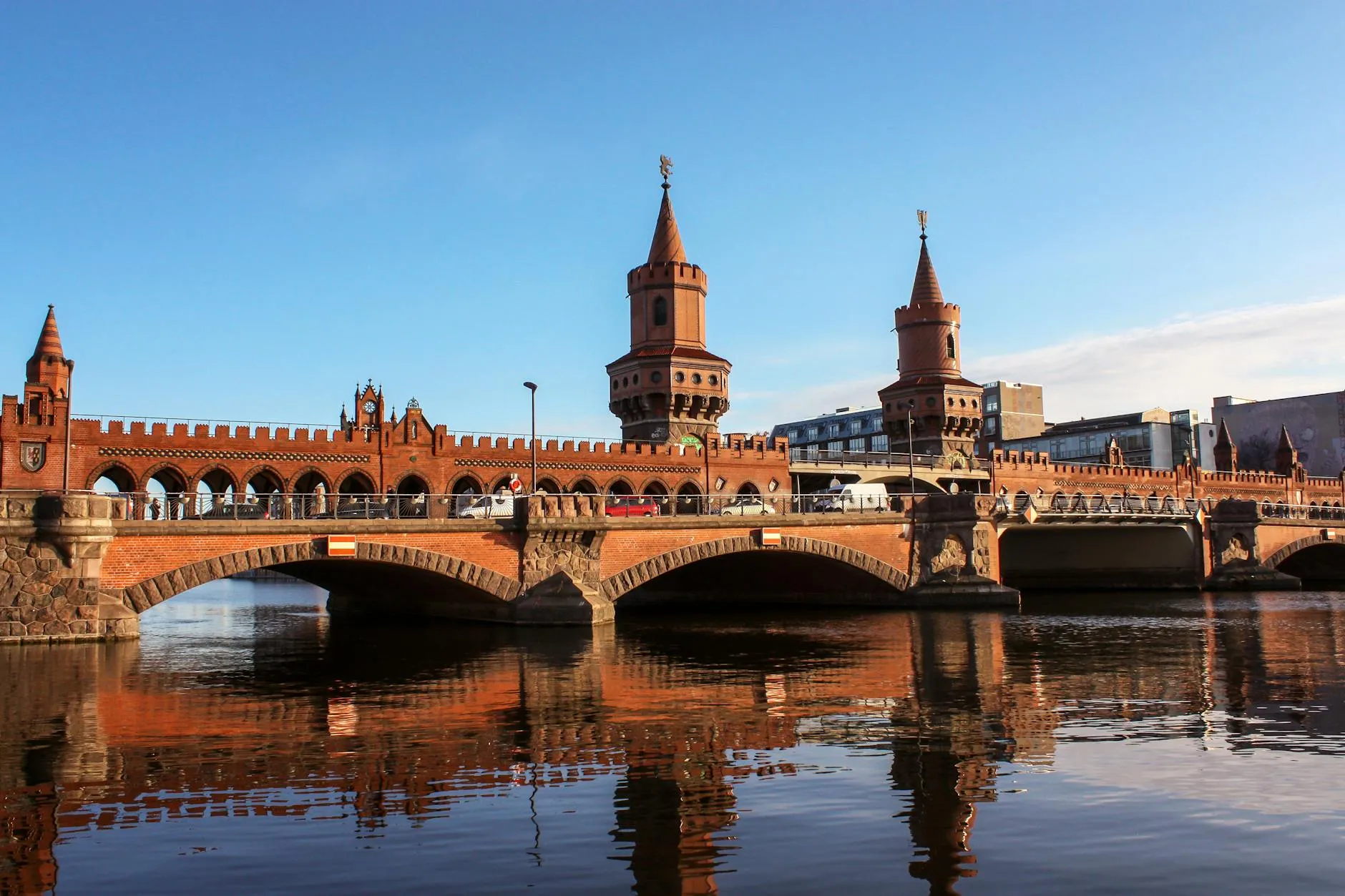
Across the Spree from Kreuzberg (the two are often grouped as “Xhain”), Friedrichshain has the highest concentration of bars, clubs, and hangovers per square meter. The East Side Gallery and Oberbaumbrücke (Berlin’s prettiest bridge) mark the district’s western edge. RAW-Gelände, a former train repair facility, now houses clubs, flea markets, and climbing walls. Simon-Dach-Strasse is the tourist bar strip; locals have mostly moved elsewhere.
Prenzlauer Berg — The Families
Once the artistic center of East Berlin, now stereotyped as stroller-ville for young professional families. Still charming: beautiful prewar buildings, cafes on every corner, the Sunday Mauerpark flea market and karaoke. Kollwitzplatz has an excellent farmers market (Thurs/Sat). Kastanienallee is the shopping/dining spine. Less edgy than Kreuzberg, more pleasant for daytime wandering.
Neukölln — The New Cool
South of Kreuzberg, Neukölln has become Berlin’s most hyped neighborhood — waves of international migrants, then artists, now a mix of everyone. Weserstrasse is the bar street; the Schillerkiez around Tempelhofer Feld has excellent restaurants. Further south, Neukölln gets less gentrified and more authentically diverse. Klunkerkranich rooftop bar on the Neukölln Arcaden parking garage has legendary sunset views.
Charlottenburg — The West
West Berlin’s grand old dame: Charlottenburg Palace, the Kurfürstendamm shopping boulevard, KaDeWe department store, and a pre-war bourgeois elegance that feels closer to Paris than Kreuzberg. Less hip, more comfortable. Savignyplatz has excellent bookshops, cafes, and restaurants. Good for upscale shopping and palace visits.
Wedding — The Frontier
North of Mitte, Wedding is Berlin’s next big thing — or it has been for 20 years, depending on who you ask. African and Middle Eastern communities, industrial architecture, galleries in former factories (the Wedding Art Walk is a thing). Still affordable, still rough around the edges, and increasingly interesting for those willing to explore.
Schöneberg — The Rainbow
Berlin’s traditional LGBTQ+ neighborhood, with rainbow flags along Motzstrasse and Nollendorfplatz. More relaxed than Kreuzberg, more established, with excellent shopping around Winterfeldtplatz and its twice-weekly market. David Bowie and Iggy Pop lived here in the late 1970s.
Where to Stay
Budget (€40-90/night)
Circus Hostel — Multiple locations (Mitte, Weinbergsweg). Excellent facilities, social atmosphere, private rooms available. The beer garden at the Mitte location is legendary.
Generator Berlin Mitte — Near Oranienburger Strasse. Design-conscious hostel with bar, lounge, and pod-style beds.
Pfefferbett — In a former brewery in Prenzlauer Berg. Quirky, affordable, good common spaces.
Mid-Range (€100-180/night)
Michelberger Hotel — Friedrichshain landmark. Each room different, restaurant/bar buzzing, creative-industry crowd. The vibe defines Berlin boutique hotels.
Hotel Oderberger — In a converted 19th-century public bathhouse in Prenzlauer Berg. The swimming pool is open to guests. Gorgeous architecture.
25hours Hotel Bikini Berlin — Overlooking the zoo in West Berlin. Design-forward, excellent rooftop bar (Monkey Bar), direct views into the monkey enclosure.
Luxury (€200+/night)
The Ritz-Carlton Berlin — At Potsdamer Platz. Classic luxury, excellent spa, the reliability of the brand.
Hotel de Rome — Rocco Forte property in a converted bank on Bebelplatz. The pool is in the former vault. From €350.
Das Stue — Boutique luxury near the zoo. Patricia Urquiola interiors, Michelin-starred restaurant (Cinco), intimate scale.
Soho House Berlin — In a former Communist Party building near Alexanderplatz. Members’ club atmosphere, excellent pool/spa, non-members can book rooms.
Döner Kebab — Berlin’s Soul Food
The döner kebab was invented in Berlin. Turkish immigrants adapted the traditional vertical rotisserie meat to German tastes in the early 1970s — the first modern döner is usually credited to Kadir Nurman in 1972, though the claim is disputed. What’s certain: the döner you eat here is different from anything in Turkey. It’s Berlin’s defining food.
A proper Berlin döner uses grilled flatbread (not the pita pocket), layered with salad (cabbage, onion, tomato), the spiced meat (usually a combination of beef and lamb), and three sauces: white (yogurt-garlic), red (spicy), and herb. “Mit alles” means with everything. “Scharf” means spicy.
The Best Döner in Berlin
Mustafa’s Gemüse Kebap — The most famous, at Mehringdamm in Kreuzberg. The queue can exceed an hour on weekends. The döner features grilled vegetables (aubergine, zucchini) and is genuinely excellent. Is it worth the wait? Probably not, but the experience is very Berlin.
Imren Grill — Turkish wedding hall in Wedding with massive döner plates and no tourists. The meat is high-quality, the portions are enormous, the price is low. Multiple locations, but the Wedding original has the most authentic atmosphere.
Rüyam Gemüse Kebab — Schöneberg rival to Mustafa’s with shorter queues. The vegetable döner here may be even better. Near Nollendorfplatz.
Tadim — Small chain with consistent quality. Adalbertstrasse in Kreuzberg is the most convenient location.
Gel Gör Inegöl — In Wedding. The köfte (meatballs) and Inegöl köfte special are superb; the döner is also excellent.
Beyond Döner
Berlin’s Turkish food scene goes far beyond döner. Lahmacun (thin Turkish pizza) is everywhere. Pide (boat-shaped stuffed bread) is excellent at Hasir (multiple locations). Çiğ köfte (raw vegan bulgur rolls) has become a late-night staple. The Turkish supermarkets along Kottbusser Damm sell excellent prepared foods and fresh bread.
Currywurst — The Berlin Classic
Currywurst — sliced grilled pork sausage topped with curry-spiced ketchup — was invented in Berlin in 1949, allegedly by Herta Heuwer, who mixed ketchup with curry powder. It’s fast, cheap, eaten standing up, and quintessentially Berlin. Every local has a favorite stand; loyalty runs deep.
The Contenders
Curry 36 — The most famous, at Mehringdamm (directly opposite the Mustafa’s queue). The sauce is tangy, the fries are crisp, the atmosphere is classic. Also at Hauptbahnhof for late-night train station currywurst.
Konnopke’s Imbiss — The East Berlin legend, operating since 1930 under the Eberswalder Strasse U-Bahn tracks. The original stand served currywurst before the Wall went up and continued throughout the DDR era. More sausage-forward than Curry 36, less sauce.
Curry & Chili — Kreuzberg spot with serious heat levels. If you want to test your spice tolerance, this is the place. The standard curry is already spicy; request “höllisch” (hellish) at your own risk.
Witty’s — Organic currywurst in Charlottenburg. Higher quality ingredients, slightly more expensive, different philosophy. Good option for those worried about conventional sausage.
The Currywurst Museum
Yes, there’s a museum (Deutsches Currywurst Museum, €14). It’s near Checkpoint Charlie, interactive, and takes the sausage very seriously. Fun for kids, debatable for adults.
Street Food & Markets
Street Food Markets
Street Food Thursday — Markthalle Neun in Kreuzberg (Eisenbahnstrasse) hosts this weekly event (17:00-22:00). Dozens of vendors, international cuisines, craft beer, communal seating. Extremely crowded but excellent quality. The regular market hall (Tues-Sat) has permanent food stalls and is less hectic.
Bite Club — Rotating outdoor street food market (check Facebook for locations/dates). Usually at Arena Berlin or similar spaces in summer. DJ sets alongside tacos.
Thai Park — On summer weekends (Sat-Sun), Thai families set up an unofficial food market in Preußenpark, Wilmersdorf. Cash only, BYOB, sit on the grass and eat some of Berlin’s best Thai food. Technically illegal, totally tolerated, completely authentic.
Food Halls
Markthalle Neun — The grande dame. Historic 19th-century market hall in Kreuzberg, now home to small-batch producers, coffee roasters, cheese specialists, and excellent prepared food. Tuesday-Saturday regular market, Thursday evenings the street food event.
Marheineke Markthalle — In Kreuzberg 61 near Bergmannstrasse. Smaller than Markthalle Neun, more neighborhood-oriented. Good for provisions and quick lunch.
Arminiusmarkthalle — In Moabit. The Turkish butchers, deli counters, and döner stands here are excellent and far from the tourist trail.
Traditional Markets
Turkish Market (Türkenmarkt) — Along the Maybachufer canal in Kreuzberg. Tuesday and Friday, 11:00-18:30. Produce, cheese, olives, bread, household goods, and excellent street food. One of Berlin’s most atmospheric experiences.
Kollwitzplatz Farmers Market — Prenzlauer Berg. Thursday 12:00-19:00, Saturday 9:00-16:00. Organic produce, artisan foods, yuppie crowd. Excellent quality.
Winterfeldtmarkt — Schöneberg. Wednesday and Saturday mornings. Beautiful square, good produce, and the surrounding cafes are perfect for post-market brunch.
Traditional German Food
German cuisine isn’t as celebrated as French or Italian, but done well it’s deeply satisfying — and Berlin has its own regional variations influenced by Prussian, East German, and immigrant traditions.
Berlin Classics
Eisbein — Boiled pork knuckle with sauerkraut and pea puree. The Berlin version is different from the Bavarian Schweinshaxe (which is roasted). Fatty, gelatinous, an acquired taste.
Königsberger Klopse — Meatballs in a creamy caper sauce with boiled potatoes. Named after Königsberg (now Kaliningrad), a Prussian comfort food classic.
Bulette — The Berlin name for meat patties (Frikadellen elsewhere in Germany). Served with potato salad and mustard.
Berliner Leber — Calves’ liver Berlin-style, with apple and onion. Rich and retro.
Schnitzel — Usually pork, not veal like in Vienna. The “Schnitzel Wiener Art” distinction matters to Austrians; Berliners don’t care.
Kartoffelsalat — Berlin potato salad is dressed with oil and vinegar (not mayonnaise like in southern Germany). Every Imbiss and Gasthof has a version.
Where to Eat Traditional
Max und Moritz — Kreuzberg institution since 1902. Dark wood, stained glass, massive portions of Eisbein and beer. Very touristed but genuinely good.
Zur letzten Instanz — Berlin’s oldest restaurant (1621), near Alexanderplatz. Historic atmosphere, traditional menu. Napoleon allegedly dined here.
Schusterjunge — Prenzlauer Berg. Baked potatoes with sour cream and various toppings. A simpler pleasure.
Marjellchen — East Prussian cuisine in Charlottenburg. Königsberger Klopse and other dishes from the lost territories. Serious cooking.
Augustiner am Gendarmenmarkt — Bavarian rather than Berlin cuisine, but excellent. The Schweinshaxe is textbook.
Michelin & Fine Dining
Berlin’s fine dining scene has grown dramatically, with 22 Michelin-starred restaurants holding 28 stars in the 2026 guide (one three-star, four two-star, seventeen one-star) — still fewer than Munich or Hamburg relative to population, but increasingly serious.
Three Stars
Rutz — The only three-star in Berlin. Marco Müller’s wine-centric cuisine pairs extraordinary bottles (from a 1,000-label cellar) with innovative dishes. Tasting menu around €295. The ground floor wine bar serves excellent food at lower prices.
Two Stars
Facil — In the Mandala Hotel at Potsdamer Platz. Light, French-influenced cuisine in a glass-roofed garden setting. €165-240 tasting menus. More accessible vibe than typical fine dining.
Horváth — Sebastian Frank’s vegetable-forward Austrian-influenced cuisine in Kreuzberg. €175-200 tasting menus. The setting — a former Kreuzberg Gasthaus — is unpretentious.
One Star Highlights
Tim Raue — Asian-influenced, bold flavors, cult following. €178-238 tasting menus. The most famous Berlin chef internationally.
Nobelhart & Schmutzig — “Brutally local” manifesto means every ingredient from within 60km of Berlin. €195 set menu. No coffee (it can’t be grown locally). Controversial but fascinating.
Ernst — Counter dining for 8 guests maximum. Hyperlocal, intimate, expensive. €295 fixed price.
Bandol sur Mer — Provençal cuisine in Mitte. €150 tasting menu. More relaxed than most starred spots.
Coda — Dessert-only tasting menu. Yes, an entire meal of desserts, and it has a Michelin star. Around €130.
Rising Stars & Casual Fine Dining
Gaia — Mediterranean fire cooking. No star yet, but could be soon.
Lode & Stijn — Dutch-German duo in Kreuzberg. Inventive, seasonal, €85-95 menus.
Einsunternull — Fermented and preserved ingredients focus. Unusual and excellent.
Coffee & Café Culture
Berlin’s coffee scene is excellent — third-wave roasters compete with traditional German café culture. Unlike Vienna, there’s no single dominant tradition; instead, you’ll find everything from Nordic-style minimalism to Italian bars to laptop-filled co-working spaces disguised as cafes.
Third-Wave Roasters
The Barn — Berlin’s most famous roaster, with multiple locations. The Mitte flagship (Auguststrasse) is gorgeous but strict (no laptops, minimal seating). Exceptional quality.
Bonanza Coffee — Pioneer of Berlin’s specialty coffee scene. The roastery in Kreuzberg (Adalbertstrasse) has a café attached. The pour-over is serious business.
Five Elephant — Kreuzberg. Excellent coffee and their own cheesecake, which has become legendary. The Mitte location focuses more on coffee service.
Father Carpenter — Australian-influenced (flat whites done right) with excellent food in Mitte. Small, always busy, worth the wait.
CAMON Coffee — Vietnamese specialty coffee. Different flavor profile, excellent quality.
Traditional Cafes
Café Einstein Stammhaus — Vienna-style coffeehouse in a Charlottenburg villa. White-jacketed waiters, strudel, newspapers on sticks. The Berlin branch of Viennese civilization.
Café Anna Blume — Prenzlauer Berg institution with an overwhelming flower shop attached. The breakfast trays are famous.
Café am Neuen See — In the Tiergarten with lake views and boat rentals. Touristy but atmospheric, especially in summer.
Beer Culture & Craft Scene
Germany is beer country, and Berlin has its own traditions — Berliner Weisse (sour wheat beer with fruit syrup) and regional lagers from Berliner Pilsner. The craft beer scene has exploded, with German and international styles available alongside the classics.
Traditional Berlin Beer
Berliner Weisse — A sour, low-alcohol wheat beer traditionally served with red (raspberry) or green (woodruff) syrup. It’s been called “the champagne of the North” and looks like cough medicine. Historic style that nearly died out; now making a comeback.
Berliner Pilsner — The local lager. Decent, ubiquitous, cheap. You’ll find it at every Späti and bar.
Craft Beer & Breweries
BRLO Brwhouse — The biggest craft brewery, in a former Gleisdreieck shipping container. On-site taproom with 18+ beers, excellent food, beer garden in summer. Also runs BRLO Pale Ale bars around the city.
Vagabund Brauerei — American-run microbrewery in Wedding. Small taproom, experimental beers, friendly atmosphere.
Hops & Barley — Friedrichshain brewpub in a former butcher shop. The house Pilsner, Dunkel, and Weizen are all excellent.
Stone Brewing World Bistro — The San Diego mega-brewery’s Berlin outpost in a former gasworks in Mariendorf. 40+ taps, full restaurant, guided tours. Worth the trek for craft beer lovers.
Beer Bars
Hopfenreich — Kreuzberg bar with 24 rotating taps and hundreds of bottles. The staff actually knows beer.
Muted Horn — Neukölln. Excellent selection, vinyl DJ sets, attracts a mixed crowd of beer nerds and neighborhood regulars.
Monterey Bar — Prenzlauer Berg. Craft beers and American whiskey in a relaxed setting.
Berlin Nightlife — The Complete Guide
Berlin’s nightlife is famous for a reason. The clubs operate legally until Monday morning, the crowds are international but the culture is distinctly local, and the freedom — no dress codes, no judgment, no closing time — is unlike anywhere else. But the scene has its own rules, and understanding them matters.
The Rules
- Don’t queue before midnight. Most clubs don’t even start until 1am. The serious parties run from 3am Sunday through Monday afternoon.
- Dress down, not up. No dress codes means no heels, no designer labels, nothing too effort. All black is safe. Looking like you’ve just come from work is not.
- Don’t take photos inside. Most clubs have sticker policies covering phone cameras. This protects the privacy of the crowd; violating it will get you kicked out.
- Don’t expect to get in everywhere. Door policies exist. They’re about curating a crowd, not excluding tourists. If you’re rejected, don’t argue — move on.
- Pace yourself. Clubs are marathons, not sprints. The energy at 8am is different from 2am but equally valid.
Berghain — The Temple
Berghain is the world’s most famous techno club, housed in a former power plant in Friedrichshain. The brutalist architecture, the industrial sound system (designed by Funktion-One specifically for the space), the anything-goes atmosphere, and the legendary door policy have made it mythic. It’s been operating since 2004.
Getting In
The door is famously selective, and there’s no formula. Some tips that may or may not help:
- Go late (3am+) or very early (opening at midnight on Fridays)
- Go in small groups or alone; large groups are usually split
- Know what night/DJ is playing — showing genuine interest helps
- Speak German or English, not your native language
- Don’t be visibly drunk or high in the queue
- Dress down — the black-on-black uniform exists for a reason
- Accept rejection gracefully; arguing guarantees future rejection
The rejection rate varies wildly — some nights 50%, some nights 90%. There are no guarantees. If you’re only in Berlin for one night and must get in somewhere, Berghain is the wrong target; try elsewhere first.
Inside
The main floor (Berghain) is techno — dark, industrial, relentless. Upstairs, Panorama Bar is house music, brighter, with a dancefloor window. The garden (Garten) opens in summer. Drinks are reasonably priced. The sound quality is extraordinary. No photos, no exceptions.
Note: Some online “guides” suggest alternative entrances or VIP lists. These are scams. The only way in is through the main door.
Other Clubs & Bars
Techno & Electronic
Tresor — The original Berlin techno club (opened 1991), now in a new location in an old power plant. Darker, harder than Berghain. Three floors including the legendary basement. Easier door.
://about blank — Neukölln. Garden club in summer, labyrinthine interior year-round. Queer-friendly, political, excellent programming. Door is selective but less inscrutable than Berghain.
Watergate — On the Spree with a floating dancefloor and waterfront terrace. More commercial than the underground clubs but great views and sound.
Sisyphos — Former dog biscuit factory in Rummelsburg. Massive outdoor area with circus elements, multiple dancefloors, and a 60-hour weekend party (Friday 11pm – Monday 9am). The vibe is more raver-friendly than Berghain.
Renate — A house-shaped club in Friedrichshain. Rooms designed like a surreal apartment, different music in each. Fun, weird, not as serious as other spots.
Dive Bars & Kneipen
Klo — Toilet-themed bar in Charlottenburg since 1978. Seats are toilets. Drinks served in potties. The kind of oddity that only Berlin would preserve.
Barbie Deinhoff’s — Kreuzberg queer bar that’s been around forever. Cheap drinks, sticky floors, great jukebox.
Zum Schmutzigen Hobby — Neukölln. The name means “Dirty Hobby.” The bar delivers on the promise.
Möbel Olfe — Kreuzberg gay bar in a former furniture store. Packed on Thursdays (gay night), good any night.
Cocktail Bars
Buck and Breck — 14-seat speakeasy in Mitte. No sign, reservation required, exceptional cocktails. Ring the bell.
Rum Trader — Charlottenburg legend since 1976. Over 300 rums, Caribbean atmosphere, the owner (Gregor Scholl) makes the drinks himself.
Bryk — In the Hotel Zoo. Sophisticated, expensive, excellent.
Becketts Kopf — Prenzlauer Berg. Dark, literary, good whiskey selection.
Späti Culture
The Spätkauf (late-night shop, abbreviated “Späti”) is a Berlin institution. These corner shops sell beer, cigarettes, and snacks until late (often 24/7). The key feature: you can legally drink on the street. Grabbing a beer from the Späti and sitting on the curb is a classic Berlin evening. Some Spätis have benches and become de facto bars; the one at Admiralbrücke in Kreuzberg attracts hundreds on summer nights.
Art & Galleries
Berlin’s contemporary art scene rivals London and New York. The combination of cheap space, international artists, and institutional support has created one of the world’s densest gallery landscapes.
Major Institutions
Hamburger Bahnhof — Museum of Contemporary Art in a former train station. Andy Warhol, Joseph Beuys, major temporary exhibitions. €14.
KW Institute for Contemporary Art — In Auguststrasse, Mitte. The pioneering institution for Berlin’s post-reunification art scene. Often free.
Sammlung Boros — Private collection in a WWII bunker. Guided tours only, book weeks ahead. €18. The building alone is worth it.
Martin-Gropius-Bau — Major temporary exhibitions in a stunning 19th-century building. Check current shows.
Berlinische Galerie — Berlin-focused art from 1870 to today. €10.
Gallery Districts
Auguststrasse (Mitte) — The original gallery street. KW, Eigen + Art, Mehdi Chouakri, and dozens more within walking distance.
Potsdamer Strasse (Schöneberg/Tiergarten) — Increasingly the center of the scene. Blain|Southern, König Galerie (in a former church), and emerging spaces.
Wedding — The frontier. The Wedding Art Walk connects emerging galleries in repurposed industrial spaces.
Street Art
Berlin’s street art scene is legendary. The East Side Gallery is the most famous stretch, but murals cover buildings citywide. Urban Nation (Bülowstrasse) is a street art museum. The Haus Schwarzenberg complex in Mitte (Rosenthaler Strasse 39) preserves a courtyard of wild, uncommercialized graffiti. For guided tours, Alternative Berlin offers street art-focused walks through Kreuzberg and Friedrichshain.
Jewish Berlin
Before 1933, Berlin had one of Europe’s largest and most vibrant Jewish communities — about 160,000 people. The Holocaust destroyed nearly everything. Understanding this history is essential to understanding Berlin.
Key Sites
Holocaust Memorial (Memorial to the Murdered Jews of Europe) — 2,711 concrete stelae of varying heights on a rolling field near the Brandenburg Gate. Walk among them; the scale shifts your perspective. The underground information center (free) documents individual victims. Essential.
Jewish Museum Berlin — Daniel Libeskind’s zigzag building is architecture as argument — voids, dead ends, disorientation. The permanent exhibition covers 2,000 years of German-Jewish history. €10.
New Synagogue — Oranienburger Strasse. The gilded dome survived Kristallnacht partly because a local police chief intervened, but the building was destroyed by Allied bombing. Reconstructed in the 1990s; now a museum and memorial. €7.
Topography of Terror — On the site of the Gestapo and SS headquarters. Documents the mechanisms of Nazi terror. Free.
Platform 17 Memorial (Gleis 17) — At Grunewald S-Bahn station, where deportation trains departed. Metal plaques along the platform list dates, destinations, and numbers of victims. Harrowing and essential.
Stolpersteine — “Stumbling stones” — small brass plaques embedded in sidewalks throughout Berlin, marking where Jewish residents were deported from. There are over 9,000. Looking down as you walk, you’ll encounter them everywhere.
Scheunenviertel
The area around Oranienburger Strasse and Hackescher Markt was the heart of Jewish Berlin. Today it’s gentrified with boutiques and cafes, but you can trace the history: the New Synagogue, the Missing House memorial (Grosse Hamburger Strasse 15-16), the Old Jewish Cemetery (mostly destroyed), and the former Jewish schools.
Cold War Berlin
Beyond the Wall, Cold War traces remain throughout the city.
Key Sites
Stasi Museum — In the former headquarters of the East German secret police. The office of Erich Mielke (Stasi chief for 30 years) is preserved exactly as it was. €10.
Stasi Prison (Hohenschönhausen) — The Stasi’s main interrogation prison, where political prisoners were held in horrifying conditions. Tours led by former inmates. Deeply affecting. €9.
Allied Museum — In former West Berlin, documenting the Western occupation. The original Checkpoint Charlie booth is here, along with a spy tunnel segment and a US Army airplane.
Soviet War Memorial (Treptower Park) — Monumental Soviet memorial and cemetery for soldiers who died in the Battle of Berlin. Enormous, sobering, largely untourist.
Karl-Marx-Allee — Stalin-era boulevard of “wedding cake” architecture. Walk from Alexanderplatz to Frankfurter Tor to see East Germany’s vision of socialist grandeur.
Teufelsberg — Abandoned US/British listening station atop an artificial hill (built from WWII rubble). Now covered in graffiti and hosting tours. Surreal views and Cold War atmosphere.
Alternative Berlin
Berlin’s alternative culture — squats, DIY spaces, countercultural hubs — is part of the city’s identity, though gentrification continues to threaten it.
Key Spaces
RAW-Gelände — Former train repair facility in Friedrichshain. Now clubs, flea markets, climbing walls, street food, and urban grit. The Sunday flea market is excellent.
Holzmarkt — Cooperative village on the Spree in Friedrichshain. Clubs, food, a kindergarten, and “urban gardening.” Built by the people behind the legendary Bar 25 club.
Haus Schwarzenberg — Courtyard complex in Mitte preserving pre-gentrification Berlin. Graffiti, alternative galleries, the Anne Frank Zentrum, and a general refusal to be cleaned up.
Tempelhofer Feld — The former Tempelhof Airport runway is now a public park. Kiteboarders, urban gardeners, runners, and picnickers share the vast tarmac. One of the world’s most unusual public spaces.
Parks & Outdoors
Major Parks
Tiergarten — Berlin’s Central Park: 520 acres in the center of the city. The Victory Column (Siegessäule) offers panoramic views (€4, 285 steps). Cafes, beer gardens, and the Berlin Zoo border the park. FKK (nude sunbathing) areas exist; respect the boundaries.
Tempelhofer Feld — The surreal experience of strolling down airport runways. Bring a picnic, rent inline skates or a kite. Watch the sunset from the tarmac.
Treptower Park — Along the Spree, with the Soviet War Memorial and boat rentals. Less crowded than Tiergarten, excellent for cycling.
Görlitzer Park — Kreuzberg’s green space. Beautiful but has a reputation for drug dealing around certain areas. Go during the day; enjoy the community gardens.
Lakes & Swimming
Berliners escape summer heat at the city’s numerous lakes:
Wannsee — The most famous beach, with sand and facilities. S-Bahn accessible. Gets extremely crowded on hot weekends.
Schlachtensee — More secluded, surrounded by forest. Walk around the lake (6km) for quieter spots.
Müggelsee — East Berlin’s largest lake. Farther from the center but less crowded.
Badeschiff — A swimming pool literally floating in the Spree at Arena Berlin. Summer only, small admission fee, very Berlin.
Berlin with Kids
Berlin Zoo — One of Europe’s best, with pandas, excellent aquarium (separate admission), and central location in Tiergarten. €18.50 adults, €9.50 children.
Natural History Museum — The world’s largest mounted dinosaur skeleton (Giraffatitan). Kids love it. €11 adults, €5 children.
Legoland Discovery Centre — At Sony Center, Potsdamer Platz. Indoor Lego attractions. €21.50.
FEZ Berlin — Massive children’s cultural center in Wuhlheide park. Adventure playgrounds, indoor activities, and woods to explore. Slightly out of the center but worth the trip.
Science Center Spectrum — Part of the Technology Museum. Interactive experiments and exhibits. Kids can spend hours here.
Tempelhofer Feld — Bring bikes, kites, inline skates. The flat open space is perfect for kids to run wild.
Day Trips from Berlin
Potsdam
Frederick the Great’s Sanssouci Palace and gardens are Germany’s answer to Versailles — UNESCO-listed, spectacular, essential. The palace (€14) is the highlight; the park (free) includes the New Palace, Chinese House, and extensive gardens. Potsdam itself has a beautiful old town, Dutch Quarter, and the Cecilienhof Palace (where the Potsdam Conference divided postwar Europe). 40 minutes by S-Bahn, covered by Berlin transport pass zones ABC. Allow a full day.
Sachsenhausen Memorial
The Nazi concentration camp 35km north of Berlin. Over 200,000 prisoners were held here; tens of thousands died. The memorial (free, donations accepted) includes original buildings, exhibitions, and documentation. This is not a pleasant visit, but it is an essential one. Take S1 to Oranienburg, then 20-minute walk. Allow 3-4 hours.
Dresden
The baroque “Florence on the Elbe,” devastated by Allied bombing in 1945 and now largely reconstructed. The Frauenkirche, Zwinger Palace, and Grünes Gewölbe (Green Vault treasure chamber) are highlights. 2 hours by train, €19-50 depending on booking. Day trip possible but overnight rewards.
Spreewald
A UNESCO Biosphere Reserve 100km southeast of Berlin, where the Spree River branches into hundreds of channels through ancient forest. Tour by punt boat (Kahnfahrt) through villages accessible only by water. Famous for pickles (Spreewälder Gurken). 1.5 hours by regional train, good day trip in summer.
Leipzig
Bach’s city, the peaceful revolution’s city (1989 protests began here), and increasingly a creative hub for artists priced out of Berlin. The Stasi Museum, Bach Museum, Thomaskirche, and vibrant galleries/bars scene. 1 hour 15 minutes by ICE, €30-50. Full day trip or overnight.
Getting Around
Public Transport
Berlin’s BVG (buses, trams, U-Bahn) and S-Bahn network covers the city comprehensively. Same tickets work on all services.
Tickets (2026 AB zones):
- Single trip (Einzelfahrschein): €3.50
- Day ticket (Tageskarte): €9.50
- 7-day ticket: €39.00
- Berlin WelcomeCard (transport + museum discounts): €29.90/48h, €47.90/72h
Zone AB covers most of Berlin proper. Zone C extends to Potsdam and the airport. Buy tickets from machines in stations or the BVG app. Validate before boarding (machines at platform entrances). Controllers check frequently; fines are €60.
Cycling
Berlin is flat and bikeable. Nextbike and Lime offer app-based rentals. Traditional rental shops charge €10-15/day. The city has extensive bike lanes, though quality varies.
Taxis & Rideshare
Taxis are cream-colored and metered. From central Berlin to BER airport expect €50-60. Uber operates but uses licensed taxi drivers; Bolt is similar. Both apps work normally.
Berlin Brandenburg Airport
Berlin Brandenburg (BER) opened in 2020 after a famously troubled 9-year delay. It’s the only airport serving the city since Tegel and Schönefeld closed.
Getting To/From BER
Airport Express (FEX) — Direct train to Hauptbahnhof in 30 minutes. Runs every 30 minutes. Covered by ABC zone ticket (€4.40) or separate rail ticket.
S-Bahn S9/S45 — Slower (45-60 minutes to central Berlin) but more frequent. Same ABC ticket.
Taxi — Fixed-price €50-60 to central Berlin. Takes 30-45 minutes depending on traffic.
Bus — Several lines connect to U-Bahn and S-Bahn. Useful for specific destinations.
At the Airport
BER is modern and reasonably efficient but can be confusing — two terminals (T1 main, T2 budget), connected by underground walkway. Allow extra time for orientation. The airport is in Zone C; factor this into ticket purchases.
Budget Breakdown
Budget Travel (€50-80/day)
- Hostel dorm: €20-35
- Döner/street food: €5-8
- Day transport pass: €9.50
- Museums (mostly free or cheap): €0-15
- Späti beers: €3-6
- Club entry: €10-20
Mid-Range (€120-200/day)
- Boutique hotel: €90-140
- Restaurant lunch: €15-25
- Restaurant dinner: €30-50
- Museums and attractions: €20-35
- Cocktail bars: €30-50
- Transport and occasional taxi: €15-25
Luxury (€300+/day)
- Five-star hotel: €200-400
- Fine dining tasting menu: €150-300
- Private tours: €100-200
- Concert/opera tickets: €50-150
- Champagne at clubs: open-ended
Berlin City Tax (Übernachtungsteuer) — 7.5% per night
Berlin charges an overnight accommodation tax of 7.5% of the net room rate (room price excluding VAT and any ancillaries such as breakfast). This is charged per room, not per person, and is paid to the accommodation at check-out — it is rarely included in the rate you see on booking platforms. The rate was raised from 5% to 7.5% on 1 January 2025 and, critically, two old exemptions were removed at the same time: the tax now applies to business travel as well as leisure (previously business stays could claim exemption), and it now applies to stays of any length (the old 21-day exemption is gone).
Example: a couple staying four nights in a €150/night room owes roughly €45 in city tax on top of the bill (€150 × 7.5% × 4). A five-night stay at a €250 boutique hotel adds ~€94. It applies to hotels, pensions, vacation rentals and privately listed rooms alike. Source: service.berlin.de and visitBerlin.
Free Berlin
- Reichstag Dome (pre-book)
- Brandenburg Gate and Holocaust Memorial
- Berlin Wall Memorial
- East Side Gallery
- Topography of Terror
- Many galleries and alternative spaces
- Parks, lakes, street life
- Sunday Mauerpark flea market and karaoke
German Phrases
English is widely spoken, especially in tourist areas and by younger Berliners. But making an effort with German is appreciated.
Essentials
- Hello: Hallo / Guten Tag (formal)
- Goodbye: Tschüss (casual) / Auf Wiedersehen (formal)
- Please: Bitte
- Thank you: Danke / Dankeschön
- Yes/No: Ja/Nein
- Excuse me: Entschuldigung
- Do you speak English?: Sprechen Sie Englisch?
- The bill, please: Die Rechnung, bitte
- Cheers!: Prost!
Ordering Food
- With everything: Mit alles (döner)
- Spicy: Scharf
- Without: Ohne
- One beer: Ein Bier
- Large/small: Groß/Klein
Berlin-Specific
- Kiez: Neighborhood
- Späti: Late-night corner shop
- Kneipe: Dive bar/pub
- Pfand: Bottle deposit (€0.08-0.25)
Practical Information
Money
Euro (€). Germany is more cash-dependent than other Western European countries. Many small businesses, some restaurants, and most Spätis are cash-only. ATMs (Geldautomat) are everywhere.
Tipping
Round up or add 5-10% in restaurants. At bars, round to the nearest euro. For cash payments, state the total amount you want to pay (bill + tip) rather than leaving money on the table. Card tipping is increasingly accepted but cash is still preferred.
When to Visit
April-May: Spring, outdoor cafes open, gallery weekends. Good weather, smaller crowds.
June-August: Festival season, long days, outdoor parties. Hot, crowded, but the city at its most alive.
September-October: Art weeks, perfect weather, the clubbing season resumes in earnest.
November-March: Cold, grey, and indoor-focused. But the clubs are warm and Berliners don’t let winter stop them.
Safety
Berlin is very safe. The main risks are pickpocketing at tourist sites (Alexanderplatz, train stations) and scams (fake petitions, fake monks). Drug dealing is visible in certain parks (Görlitzer Park) but generally non-confrontational. Late-night public transport is safe. Trust your instincts but don’t be paranoid.
Opening Hours
Shops: Mon-Sat roughly 10:00-20:00. Many closed Sunday (except train stations and some central areas). Museums: typically 10:00-18:00, often closed Monday. Restaurants: typically 12:00-23:00, though many run later. Clubs: open Friday/Saturday night until Monday morning.
Shopping in Berlin
Department Stores & Luxury
KaDeWe (Kaufhaus des Westens) — The famous West Berlin department store, second in size only to Harrods. Six floors of everything, but the real draw is the sixth-floor food hall: 34,000 delicacies, 30 bars and restaurants, an experience even if you buy nothing. At Wittenbergplatz, Charlottenburg.
Galeries Lafayette — The French department store’s Berlin outpost on Friedrichstrasse. Beautiful Jean Nouvel building with light cones through the floors. More curated than KaDeWe.
The Corner Berlin — High-end multi-brand boutique near Gendarmenmarkt. Curated designer selection for those who know what they’re looking for.
Independent & Design
Andreas Murkudis — Concept store in a former printing works. Fashion, homeware, books, all impeccably selected. Multiple locations in Mitte.
Voo Store — Kreuzberg destination for contemporary fashion, sneakers, and lifestyle products. Café attached. The epitome of Berlin’s casual-but-knowing style.
Soto — Multi-brand menswear boutique on Torstrasse. Japanese and Scandinavian designers, excellent curation.
Do You Read Me?! — The best bookshop for magazines, independent publications, and design books. Auguststrasse, Mitte.
Bildband Berlin — Photography books and magazines. Excellent collection, knowledgeable staff.
Vintage & Secondhand
Humana — Germany’s largest secondhand chain, with massive stores around the city. Frankfurter Tor location has four floors of clothes, sorted by era and color. Cheap, fun, addictive.
Sing Blackbird — Prenzlauer Berg vintage boutique with curated selection and café. Higher prices but better quality than Humana.
Made in Berlin — Designer secondhand in Mitte. High-end labels at significant discounts.
Garage Vintage — Neukölln warehouse-style vintage. Dig through bins for treasures. Pay by the kilo on certain days.
Records & Music
Hard Wax — Legendary techno record shop in Kreuzberg. The staff are opinionated (in a good way) and the selection is definitive. Essential for electronic music collectors.
OYE Records — Prenzlauer Berg shop with broader electronic music focus. Friendlier than Hard Wax, equally good selection.
Space Hall — Second location of Hard Wax with more experimental and ambient focus.
Dodo Beach — Massive secondhand vinyl warehouse in Schöneberg. Dig through endless crates of everything from Schlager to krautrock.
Flea Markets
Mauerpark Flohmarkt — Sunday morning institution in Prenzlauer Berg. Massive, crowded, touristy, but still fun. The karaoke in the amphitheater starts around 3pm.
Nowkoelln Flowmarkt — Twice monthly on the Maybachufer canal in Neukölln. More hipster, less tourist than Mauerpark. Check dates.
RAW Flohmarkt — Sunday market on the RAW-Gelände in Friedrichshain. Good for genuine vintage and Berlin attitude.
Boxhagener Platz — Saturday and Sunday flea market in Friedrichshain. Smaller than Mauerpark, more neighborhood feel.
2026 Events & Festivals
Major Festivals
Berlinale (February) — Berlin International Film Festival. One of the world’s major film festivals alongside Cannes and Venice. Public screenings throughout the city; tickets go on sale a few days before. February 12-22, 2026.
Karneval der Kulturen (Pentecost Weekend) — Multicultural street festival in Kreuzberg with parade, food, music. Celebrates Berlin’s diversity. Late May/early June.
Fête de la Musique (June 21) — Free music everywhere on the summer solstice. Bands on every corner, parks filled with sound. Chaotic and wonderful.
Christopher Street Day (July) — Pride parade through the city. One of Europe’s largest. Late July.
Lollapalooza Berlin (September) — Major music festival at Olympiastadion. International headliners, electronic to rock.
Festival of Lights (October) — Major landmarks illuminated with light projections. Brandenburg Gate, Berlin Cathedral, TV Tower. Two weeks in October.
Christmas Markets (November-December) — Gendarmenmarkt (most beautiful), Charlottenburg Palace, Alexanderplatz, and dozens more throughout the city.
Art Events
Gallery Weekend Berlin (April) — Galleries across the city open exhibitions simultaneously, often with special events and openings. Late April.
Berlin Art Week (September) — Major art fair, museum openings, gallery events concentrated in one week. September.
Transmediale (January/February) — Festival for art and digital culture. Theoretical and experimental.
2026-Specific Updates
Transport prices increased January 2026 — Single trips now €3.50 (from €3.20), day passes €9.50 (from €8.80).
Museum Island construction continues — the entire Pergamon has been closed since October 2023; North Wing (Pergamon Altar) reopens in spring 2027, while the South Wing won’t be back until ~2037 at the earliest. Check visitberlin.de before planning visits.
U5 extension completed 2020 — The new direct connection between Alexanderplatz and Hauptbahnhof has transformed central Berlin transit.
Club culture under pressure — Rent increases continue to threaten venues. Some beloved spaces have closed; others are fighting. Support the ones that remain.
Self-Guided Walking Tours
Essential Berlin (4-5 hours)
Start at Reichstag (pre-booked dome visit). Walk south through the Tiergarten to the Brandenburg Gate. Continue to the Holocaust Memorial — spend time here; don’t rush. Walk down Unter den Linden past embassies and the university to Bebelplatz (site of the 1933 book burning — look for the memorial window in the ground). Continue to Museum Island and the Berlin Cathedral. Cross to Alexanderplatz and the TV Tower. End at the Nikolaiviertel for a beer.
Wall Walk (3-4 hours)
Start at Berlin Wall Memorial (Bernauer Strasse) — allow 90 minutes for the visitor center, outdoor exhibition, and preserved death strip. Take the U8 to Kochstrasse for Checkpoint Charlie (brief stop; it’s touristy). Walk to the Topography of Terror (allow an hour). Continue south to the preserved Wall section at Niederkirchnerstrasse. End with the East Side Gallery (S-Bahn to Ostbahnhof).
Kreuzberg Deep Dive (3-4 hours)
Start at Görlitzer Park (U1). Walk through to Kottbusser Tor — Berlin’s grittiest intersection. Continue along Oranienstrasse (bars, galleries, döner) to the Turkish Market area at Maybachufer (best on Tuesday/Friday). Cross the canal to Bergmannstrasse in Kreuzberg 61 — more gentrified, excellent food and cafes. End at Viktoriapark with its waterfall and views from the Kreuzberg hill (the actual hill that names the district).
Prenzlauer Berg Stroll (2-3 hours)
Start at Kollwitzplatz (farmers market Thursday/Saturday). Walk up Kastanienallee through boutiques and cafes. Detour to Kulturbrauerei (former brewery, now cultural center). Continue to Mauerpark for the flea market and Wall remnants. End at the Eberswalder Strasse corner for Konnopke’s currywurst and the excellent surrounding bar scene.
Romantic Berlin
Sunset at Klunkerkranich — Rooftop bar on top of a Neukölln parking garage. The entrance through a shopping mall only adds to the surprise. Book a table or come early for the sunset views over the city.
Boat ride on the Landwehr Canal — Rent a kayak or small electric boat and paddle through Kreuzberg. Pack a picnic and wine (legal on the water).
Dinner at Nobelhart & Schmutzig — Counter seating, open kitchen, aggressively local ingredients. An intimate experience.
Stroll through the Tiergarten at dusk — From the Brandenburg Gate to the Victory Column as the lights come on.
Drinks at Hotel Adlon’s Lobby Lounge — Opposite the Brandenburg Gate. Pricey cocktails, historic atmosphere, the kind of place where spies used to meet.
Tempelhofer Feld at sunset — Bring a blanket, a bottle of wine, and watch the sky turn colors over the former runway. Surreal and romantic.
Classical concert at the Konzerthaus — Less famous than the Philharmonie but equally excellent, in one of Berlin’s most beautiful rooms on Gendarmenmarkt.
Film Locations
Berlin’s history and architecture make it a natural film set. Some notable locations:
The Bourne Ultimatum — The climactic chase through Berlin featured Alexanderplatz, the Friedrichstrasse Station, and various Mitte locations.
Atomic Blonde — Charlize Theron’s Cold War action film was shot extensively in Berlin, including the Stasi Archives and various Wall locations.
Bridge of Spies — Spielberg’s Cold War drama recreates 1960s Berlin. The Glienicke Bridge (where spies were exchanged) is on the border between Berlin and Potsdam.
Goodbye, Lenin! — Essential Berlin film about a son trying to hide reunification from his mother. Locations throughout East Berlin.
Run Lola Run — The 1998 cult classic’s famous sprinting scenes were filmed around Mitte and Kreuzberg.
Victoria — Shot in one continuous take, following a Spanish woman through Berlin’s nightlife. Kreuzberg locations.
Live Music Venues
Large Venues
Mercedes-Benz Arena — Major touring acts. At Ostbahnhof.
Waldbühne — Beautiful outdoor amphitheater in the forest. Summer concerts only. Legendary atmosphere.
Tempodrom — Tent-shaped venue at Anhalter Bahnhof. Major indie and electronic acts.
Medium Venues
Columbiahalle — Former airport hangar in Tempelhof. Excellent sound, 3,500 capacity.
Astra Kulturhaus — On the RAW-Gelände. Indie, punk, electronic. Good programming.
Festsaal Kreuzberg — Eclectic booking from metal to reggae. Great neighborhood venue.
Small & Intimate
Lido — Kreuzberg. Former cinema, now a club/live music venue. Excellent acoustics.
Monarch — Tiny bar venue at Kottbusser Tor. Unpredictable bookings, always interesting.
Schokoladen — Mitte squat-turned-legal venue. Punk, experimental, politically engaged.
Jazz
A-Trane — Charlottenburg jazz club since 1992. International headliners, intimate setting.
b-flat — Mitte. Broader programming from jazz to acoustic to experimental.
Donau115 — Neukölln. Jazz jams and small performances in a basement bar.
LGBTQ+ Berlin
Berlin has been a queer capital for over a century — Magnus Hirschfeld’s Institute for Sexual Science operated here in the 1920s until the Nazis destroyed it. Today the city is one of the world’s most LGBTQ+-friendly destinations.
Neighbourhoods
Schöneberg — Traditional gay neighborhood around Nollendorfplatz and Motzstrasse. More established, more male-focused, with historic bars and clubs.
Kreuzberg/Neukölln — More diverse, younger, queerer-than-gay scene. Clubs like ://about blank and SchwuZ draw mixed crowds.
Bars & Clubs
SchwuZ — Large club in Neukölln. Three floors, different music, mixed but LGBTQ+-focused crowd.
Berghain/Panorama Bar — Not a “gay club” specifically but deeply queer in origin and atmosphere.
Möbel Olfe — Kreuzberg bar. Gay men focus but mixed crowd. Thursday night is the legendary gay night.
Silver Future — Neukölln. Lesbian/queer-focused bar with weekend parties.
Roses — Schöneberg. Legendary trash gay bar. Pink lights, sticky floors, excellent energy.
Himmelreich — Schöneberg. Cocktail bar, more sophisticated than Roses.
Events
Christopher Street Day (CSD) — Berlin Pride, late July. Massive parade, week of events.
Folsom Europe — Fetish street fair in September. Not for everyone; don’t be shocked.
Lesbian and Gay City Festival — Schöneberg, same weekend as CSD.
Sustainable Berlin
Berlin takes sustainability seriously. The city is phasing out coal power, expanding bike infrastructure, and maintaining extensive green spaces. As a visitor, you can participate:
Transport — Public transport and cycling are excellent; you don’t need a car. The BVG is investing heavily in electric buses and tram expansion.
Pfand system — Return your bottles for the deposit (€0.08-0.25). Look for bottles around public spaces — collecting Pfand is how some Berliners supplement their income. Leave bottles beside bins if you’re not returning them yourself.
Package-free shopping — Original Unverpackt (Kreuzberg) pioneered zero-waste grocery shopping. Multiple shops now follow this model.
Plant-based eating — Berlin has more vegan restaurants than any other European city. From fast food (Brammibal’s Donuts) to fine dining (Lucky Leek), options are everywhere.
Secondhand first — Humana and other vintage shops offer sustainable fashion. The flea markets are another option for secondhand goods.
Tip — Restaurants typically only serve tap water on request (Leitungswasser) — it’s safe and free, but you’ll need to ask specifically.
Frequently Asked Questions
Will I get into Berghain?
Nobody knows, including the door staff sometimes. See the Berghain section for tips, but manage expectations. Berlin has dozens of excellent clubs; fixating on one risks missing everything else.
Is Berlin still cheap?
Cheaper than London, Paris, or Amsterdam, but not the €2 beer utopia of 15 years ago. Budget €50-80/day is doable. The city’s best experiences (streets, parks, galleries, street food) remain affordable or free.
How many days do I need?
Minimum 3 days for the major historical sites and a night out. A week lets you explore neighborhoods, take day trips, and actually feel the city’s rhythm. Many visitors return repeatedly rather than trying to see everything at once.
Do I need to speak German?
No, but making an effort helps. Most people in tourist areas and younger Berliners speak English. Service workers are often immigrants who communicate in mixed languages. German basics (please, thank you, hello) are appreciated.
What’s the deal with all the construction?
Berlin has been under construction since 1990 and will be for your entire life. The U-Bahn is being extended, neighborhoods are being rebuilt, and the city never seems finished. This is normal; work around it.
Is Berlin safe at night?
Yes. Public transport runs late (U/S-Bahn until ~1am, then night buses), and walking around even at 4am is generally safe. Use normal urban awareness — don’t flash valuables, stay with groups in unfamiliar areas — but don’t be paranoid.
Where should I stay?
Mitte for sightseeing, Kreuzberg/Friedrichshain for nightlife and atmosphere, Prenzlauer Berg for charm and cafes, Neukölln for the current scene. Charlottenburg if you prefer West Berlin old-money calm. The U-Bahn connects everything.
When do clubs open?
Most techno clubs open Friday at midnight and don’t really get going until 2-3am. Berghain’s weekend marathon runs until Monday. Don’t show up at 10pm; you’ll be alone.
Do I need a visa or ETIAS to enter Germany?
Germany is part of the Schengen Area. EU/EEA/Swiss citizens can enter with a national ID card and stay as long as they like. Visa-exempt non-EU nationals (US, Canadian, UK, Australian, Japanese, Singaporean and around 60 other nationalities) can enter visa-free for up to 90 days in any 180-day period across the entire Schengen Area, with a passport valid for at least three months beyond your planned departure. EU ETIAS (the €20 electronic travel authorisation) has been repeatedly delayed — as of April 2026 it has not yet launched. The European Council pushed the go-live to a date that has not been announced, after which there will be a six-month transitional grace period before it becomes mandatory (around April 2027), with strict enforcement from roughly October 2027. Until the official launch, no ETIAS is required for Germany; check travel-europe.europa.eu/etias before booking for travel later in 2026. Not to be confused with the UK ETA (£20, required since 25 February 2026) which applies to Britain, not Germany.
Cheapest Flights to Berlin
We track flight deals to Berlin from 5 cities worldwide. Here are the best recent fares:
Flight Deals from Berlin
Looking for cheap flights departing Berlin? Here are deals to 9 destinations:
- Berlin to Istanbul, Turkey from €72
- Berlin to Antalya, Turkey from €95
- Berlin to Johannesburg, South Africa from €434
- Berlin to Bangkok, Thailand from €451
- Berlin to Hong Kong from €468
- Berlin to Phuket City, Thailand from €511
- Berlin to Entebbe, Uganda from €518
- Berlin to Addis Ababa, Ethiopia from €572
- Berlin to Mauritius Island, Mauritius from €592
Prices are based on recent deals and may no longer be available. Browse all flight deals