Tokyo — The Complete City Guide 2026
Tokyo is the largest metropolitan area on earth, home to 37 million people, and yet it runs with a precision that borders on the miraculous. Trains arrive to the second. Convenience stores stock meals that would be the best lunch in most cities. A ¥900 bowl of ramen at a back-alley counter can make you reconsider everything you thought you knew about food. Tokyo holds more Michelin stars than any city in the world — 160 in the 2026 guide, including 12 three-star — and yet its greatest meals often cost less than ¥1,500. It is simultaneously the most futuristic and the most traditional city you will ever visit: neon-drenched Shibuya sits 20 minutes from the cedar forests of Meiji Shrine, and Senso-ji, founded in 645 AD, stands three metro stops from Tokyo Skytree, the world’s tallest broadcasting tower. Tokyo does not try to impress you. It simply is.
🗓️ Verified April 2026
✍️ 15-Visit Travel Editor
Last verified: April 2026. Every price, opening hour, and booking link in this guide has been checked against official sources. All prices are in Japanese yen (¥ / JPY); €1 ≈ ¥183 / $1 ≈ ¥160 / £1 ≈ ¥211 at time of writing. Japan offers visa-free entry for most nationalities (90 days). Verify at the listed URLs before travelling.
¥8,000–15,000/day budget
Best: Mar–May, Oct–Nov
Why Tokyo? An Editor’s Note
I first visited Tokyo in 2012 on a 10-day trip that was supposed to be split between Tokyo and Kyoto. I gave Kyoto three days. The other seven went to Tokyo, and I have been coming back at least once a year since. The reason is straightforward: Tokyo is the best city in the world to eat, drink, walk, and discover.
The food is the headline. Tokyo leads every world capital in three-star restaurants (12 in the 2026 guide) and has more starred restaurants than either Paris (127) or New York (72) individually. But the magic is not at the three-star kaiseki restaurants (though those are extraordinary) — it is at the specialist counters. A ramen shop that has served one thing for 40 years. A tempura counter with eight seats and a chef who has been frying for half a century. A sushi bar in Tsukiji where the fish was swimming this morning. In Tokyo, the cultural expectation is that you dedicate your life to mastering one thing, and the result is a city where the baseline quality of everything — food, transit, service, design — is simply higher than anywhere else.
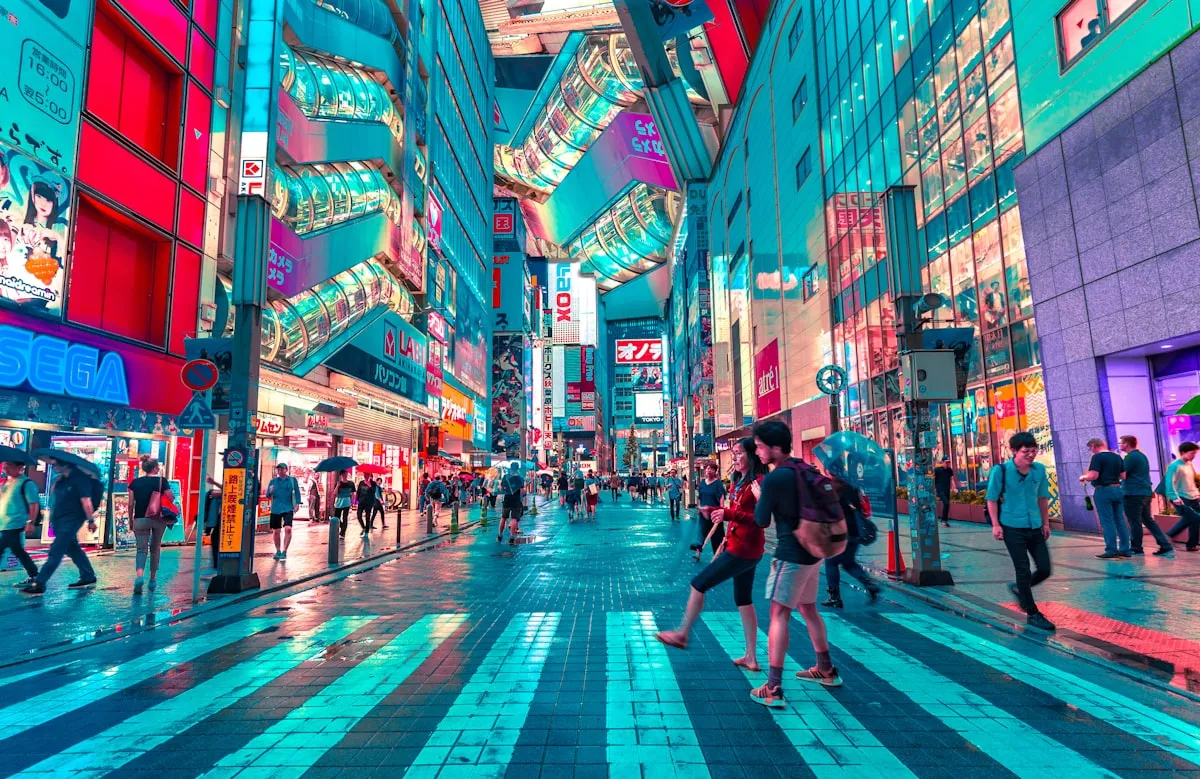
But Tokyo is far more than food. The Meiji Shrine forest is one of the most peaceful places in any city on earth. Shibuya Crossing is widely considered the most electric intersection in the world — Shibuya Ward estimates up to 3,000 pedestrians cross at each light change. teamLab Borderless is arguably the most ambitious digital-art installation in the world. The neighbourhoods — each with its own personality, from the otaku paradise of Akihabara to the vintage thrift stores of Shimokitazawa to the old-Tokyo calm of Yanaka — reward weeks of exploration. And the transit system is so efficient that it makes every other city’s feel broken by comparison.
This guide covers it all: the temples, the food, the nightlife, the day trips, and the practical details. For other Asian cities, see our Hong Kong guide, Singapore guide, or Bangkok guide.
Table of Contents
- Top Attractions in Tokyo
- Ramen — Tokyo’s Soul Food
- Sushi & Tsukiji
- The Complete Tokyo Food Guide
- Michelin Stars & Fine Dining
- Izakaya & Nightlife
- Rooftop Bars & Cocktails
- Neighbourhoods
- Shopping
- Museums & Art
- Gardens & Nature
- Day Trips from Tokyo
- Getting Around
- Tokyo with Kids
- Weather & Best Time to Visit
- Budget & Money
- Etiquette & Cultural Tips
- Safety & Practical Information
- 2026 Travel Notes & Changes
- Hidden Gems & Local Secrets
- Cherry Blossom & Autumn Foliage
- Where to Stay
- FAQ
- Explore More Guides
Top Attractions in Tokyo
1. Senso-ji & Asakusa — Tokyo’s Oldest Temple
Senso-ji (founded 645 AD) is Tokyo’s oldest and most visited temple. The approach through Kaminarimon (Thunder Gate, with its iconic giant red lantern) and the Nakamise-dori shopping street (90+ stalls selling traditional snacks, souvenirs, and crafts) is one of the great theatrical entrances in world architecture. The five-storey pagoda, the incense cauldron (waft the smoke over yourself for good health), and the main hall are stunning — especially at night when the temple is illuminated and the crowds thin out.
Price: FREE. Temple grounds always open. Main hall: 06:00–17:00 (06:30 Oct–Mar). Getting there: Metro Asakusa (Ginza Line, exit 1), 5-min walk. Don’t miss: Hoppy Street (Hoppy-dori), one block west — a narrow alley of open-air izakaya serving beer, yakitori, and nikomi (beef tendon stew). The most atmospheric drinking street in Tokyo.
2. Meiji Shrine & Yoyogi Park — Sacred Forest in the City
Meiji Jingu is a Shinto shrine dedicated to Emperor Meiji and Empress Shoken, set in a 170-acre man-made forest of 120,000 trees. Walking from the torii gate along the gravel path into the forest is one of Tokyo’s most transcendent experiences: the city noise fades, the air cools, and you enter a world of ancient cedars and birdsong. The shrine itself is simple and elegant — classic Shinto minimalism. Write a wish on an ema (wooden plaque, ¥500) and hang it beside thousands of others.
Price: FREE. Grounds: sunrise to sunset (varies by season, roughly 05:00–18:30 summer, 06:40–16:00 winter). Getting there: JR Harajuku Station or Metro Meiji-jingumae (Chiyoda/Fukutoshin Lines). Combine with: Harajuku’s Takeshita Street (youth fashion, crêpes, kawaii culture) is directly opposite the station, and Yoyogi Park (free, Tokyo’s answer to Central Park — especially beautiful during cherry blossom and autumn foliage) borders the shrine forest.
3. Shibuya Crossing & Shibuya Sky — The Electric Heart of Tokyo
Shibuya Crossing is the world’s busiest pedestrian intersection: up to 3,000 people cross simultaneously at each light change, surrounded by giant LED screens and neon. It is pure Tokyo energy. The best free view is from the Starbucks on the 2nd floor of the QFRONT building (get a window seat) or from the Shibuya Station Skywalk. For the ultimate panorama, Shibuya Sky is a 360-degree open-air observation deck on the 46th floor of Shibuya Scramble Square, with unobstructed views of the crossing below, Tokyo Tower, Tokyo Skytree, and on clear days, Mount Fuji.
Price: Crossing: FREE. Shibuya Sky: ¥2,200 adult / ¥1,000 child (book online in advance, especially for sunset slots — sells out). Hours: Shibuya Sky 10:00–22:30 (last entry 21:20). Getting there: Shibuya Station (JR, Metro, Tokyu, Keio — every line stops here).
4. Tokyo Skytree — Japan’s Tallest Structure
At 634 metres, Tokyo Skytree is the tallest tower in the world and Japan’s tallest structure. The Tembo Deck (350m) offers 360-degree views of the city, while the Tembo Galleria (450m) is a glass-walled spiral ramp that feels like walking through the sky. On clear days, Mount Fuji is visible. The base of the tower houses Tokyo Solamachi, a 300-shop mall with an excellent food floor.
Price: Tembo Deck: from ¥1,800 adult / ¥900 child (date-based pricing). Tembo Deck + Tembo Galleria combo: from ¥3,000 / ¥1,500. Discounts for advance online booking. Hours: 10:00–21:00 (last entry 20:00). Getting there: Tobu Skytree Line to Tokyo Skytree Station, or Metro Oshiage (Hanzomon/Asakusa Lines).
5. teamLab Borderless — Digital Art Revolution
teamLab Borderless reopened in February 2024 at its new permanent home in Azabudai Hills (Roppongi area), and it is more ambitious than ever. The concept: 50+ digital art installations that flow between rooms without boundaries, responding to your movement and the movement of others. You wander through rooms of cascading waterfalls, infinite crystal universes, floating lanterns, and flower fields that bloom and die around you. It is the most innovative art experience in the world, and Tokyo is the only place to see it.
Price: ¥3,800 adult / ¥1,000 child (advance booking essential — sells out weeks ahead). Hours: 10:00–19:00 (21:00 on some days — check website). Getting there: Metro Azabu-juban (Namboku/Oedo Lines) or Kamiyacho (Hibiya Line), 5–10 min walk. Tip: Wear white clothing — the projected art looks best on white fabric. Allow 2–3 hours.
6. teamLab Planets — Full-Body Immersion
The sister experience to Borderless, teamLab Planets in Toyosu is a body-immersion museum: you walk barefoot through water, knee-deep in a digital koi pond, lie on a floor of infinite space, and wade through a field of crystals. Where Borderless is a labyrinth of rooms, Planets is a linear journey of intense, carefully sequenced experiences. Both are extraordinary; Planets is more visceral, Borderless more exploratory.
Price: ¥3,800 adult / ¥1,500 child. Hours: 09:00–22:00 (varies). Getting there: Yurikamome Line to Shin-Toyosu Station (1-min walk). Tip: Wear shorts or clothes you can roll up — you wade through water. Lockers provided for bags and shoes. Extended through end of 2027.
7. Tsukiji Outer Market — The World’s Best Food Market
The famous inner tuna auction moved to Toyosu Market in 2018, but the Tsukiji Outer Market (Tsukiji Jogai Shijo) remains — and it is, arguably, the greatest food market on earth. Over 400 stalls and small restaurants packed into narrow alleys, serving the freshest sushi, sashimi, tamagoyaki (sweet Japanese omelette), grilled seafood on skewers, uni (sea urchin), wagyu beef, mochi, and matcha desserts. Arrive early (07:00–09:00) for the best atmosphere and freshest fish.
Price: FREE to enter. Expect to spend ¥2,000–5,000 grazing. Individual items: tamagoyaki ¥200–300, sushi pieces ¥300–800, seafood skewers ¥500–1,200, oysters ¥500–800. Hours: Most stalls 05:00–14:00 (closed Sundays and some Wednesdays). Getting there: Metro Tsukiji (Hibiya Line) or Tsukiji-shijo (Oedo Line).
8. Imperial Palace & East Gardens — History at Tokyo’s Centre
The Imperial Palace is the residence of the Emperor of Japan, set on the grounds of the former Edo Castle in the heart of Tokyo. The palace itself is closed to the public (except January 2 and the Emperor’s birthday), but the Imperial Palace East Gardens (Kokyo Higashi Gyoen) are free and stunning: beautifully manicured Japanese gardens, stone walls and moats of the old castle, and seasonal flowers (plum blossom January–February, cherry blossom March–April, iris June, autumn leaves November).
Price: FREE. Hours: East Gardens: 09:00–16:30 (varies seasonally, closed Mon & Fri). Getting there: Metro Otemachi (multiple lines) or JR Tokyo Station (Marunouchi exit), 10-min walk. Don’t miss: The Nijubashi Bridge (double bridge) for the classic photo, and a run or walk around the Imperial Palace moat (5 km loop, hugely popular with joggers).
9. Tokyo Tower — The Retro Icon
Built in 1958, the 333-metre Tokyo Tower was inspired by the Eiffel Tower and remains the most beloved landmark in the city. While Skytree is taller, Tokyo Tower has character: the retro orange-and-white lattice against the skyline, the warm glow at night (illumination patterns change seasonally), and a Main Deck (150m) with a glass floor section that lets you look straight down. The Top Deck Tour (250m) includes a guided experience with geometric mirrors and panoramic views.
Price: Main Deck: ¥1,500 adult / ¥900 child. Top Deck Tour: ¥3,300 / ¥2,100 (online) (advance booking recommended). Hours: 09:00–23:00 (Main Deck), last entry 22:30. Getting there: Metro Akabanebashi (Oedo Line) or Kamiyacho (Hibiya Line), 5-min walk.
10. Akihabara — Anime, Electronics & Otaku Culture
Akihabara (Akiba) is the global epicentre of anime, manga, video game, and otaku culture. Multi-storey arcades with the latest games, figure shops with thousands of collectibles, maid cafés (a uniquely Japanese phenomenon where waitresses in maid costumes serve themed food and perform choreographed dances), retro game shops with every console ever made, and Gundam models from floor to ceiling. Even if you’re not an anime fan, the sensory overload of Akihabara is a quintessential Tokyo experience.
Price: FREE to explore (spending optional but difficult to resist). Maid café entry: ¥500–1,000 + food/drink order. Getting there: JR Akihabara Station (Electric Town exit). Don’t miss: Super Potato (retro games, B1–5F), Mandarake Complex (manga/figures, 8 floors), the Radio Kaikan building (collectibles), and the giant Yodobashi Camera Akiba (9 floors of electronics).
11. Shinjuku Gyoen — Tokyo’s Most Beautiful Garden
A 144-acre garden in the heart of Shinjuku that combines three styles: Japanese traditional (pond, bridges, tea house), English landscape (open lawns, mature trees), and French formal (geometric rose beds). It is one of the best cherry blossom viewing spots in Tokyo (1,000+ trees, 65 varieties) and arguably the most beautiful urban garden in Japan. The greenhouse has tropical plants and orchids.
Price: ¥500 adult / ¥250 child (free for preschoolers). Hours: 09:00–16:30 (16:00 entry, closes 18:00 during hanami). Closed Mondays. Getting there: Metro Shinjuku-gyoenmae (Marunouchi Line), exit 1. Tip: Alcohol is banned during cherry blossom season (to prevent the heavy drinking that happens in other hanami spots). This makes it calmer and more family-friendly.
12. Roppongi Hills & Mori Art Museum — Art Above the City
The Mori Art Museum (52nd floor of Roppongi Hills Mori Tower) is one of Asia’s leading contemporary art museums, with rotating exhibitions of international calibre. The same ticket includes access to the Tokyo City View indoor observation deck (250m), and for an extra ¥500 you can access the open-air Sky Deck on the rooftop (270m) — one of the best views in Tokyo, especially at sunset. The Maman spider sculpture by Louise Bourgeois stands at the base of the tower.
Price: Mori Art Museum + Tokyo City View: ¥1,800–2,000 adult / ¥600 child (varies by exhibition). Sky Deck: +¥500. Hours: 10:00–22:00 (Tue 10:00–17:00). Getting there: Metro Roppongi (Hibiya/Oedo Lines).
| Attraction | Price (Adult) | Euro Equiv. | Time Needed |
|---|---|---|---|
| Senso-ji Temple | Free | — | 1–2 hours |
| Meiji Shrine | Free | — | 1–1.5 hours |
| Shibuya Sky | ¥2,200 | €13.35 | 1 hour |
| Tokyo Skytree (Tembo Deck + Galleria) | from ¥3,000 | €18.20 | 1–1.5 hours |
| teamLab Borderless | ¥3,800 | €23.05 | 2–3 hours |
| teamLab Planets | ¥3,800 | €23.05 | 1.5–2 hours |
| Tsukiji Outer Market | Free (food ¥2,000–5,000) | — | 2–3 hours |
| Imperial Palace East Gardens | Free | — | 1–2 hours |
| Tokyo Tower (Main + Top Deck) | ¥3,300 | €20.00 | 1 hour |
| Shinjuku Gyoen | ¥500 | €3.05 | 1.5–2 hours |
| Mori Art Museum + City View | ¥1,800–2,000 | €11–12 | 2–3 hours |
| Akihabara | Free (shopping variable) | — | 2–4 hours |
Ramen — Tokyo’s Soul Food
Ramen is to Tokyo what pizza is to Naples: the defining dish, endlessly debated, and perfected at small specialist counters across the city. Tokyo has thousands of ramen shops, and the competition is so fierce that mediocre ones simply don’t survive. A bowl typically costs ¥900–1,400 and is one of the great meals on earth.
The Four Tokyo Ramen Styles
- Shoyu (soy sauce) — Tokyo’s original style. Clear-ish brown broth, chicken or pork base, soy sauce tare, wavy noodles. Light but deeply flavourful. Classic Tokyo ramen.
- Shio (salt) — The most delicate style. Clear broth, salt-based seasoning, straight thin noodles. Subtle and elegant. Requires great skill to make well.
- Miso — Originally from Sapporo. Rich, opaque broth with fermented soybean paste. Hearty, warming, and slightly sweet. Often topped with corn and butter.
- Tonkotsu (pork bone) — Originally from Fukuoka/Hakata. Milky-white pork bone broth cooked for 12–24 hours until emulsified. Rich, creamy, intensely porky. Thin straight noodles.
Best Ramen Shops in Tokyo
- Fuunji (Shinjuku) — The best tsukemen (dipping noodles) in Tokyo. Thick noodles dipped into an insanely concentrated fish-pork broth. Always a queue but it moves fast (ticket machine ordering). ¥1,000. Shinjuku Station south exit, 3-min walk.
- Nakiryu (Otsuka) — Michelin Bib Gourmand in the 2026 Japan guide (held a one-star from 2017 to 2025). Tantan (sesame) ramen with Sichuan pepper, or the shoyu ramen with truffle oil. ¥1,100–1,500. Small counter shop, queue early.
- Rokurinsha (Tokyo Station Ramen Street) — Famous tsukemen with a rich seafood-pork dipping broth. Convenient location in the underground ramen street below Tokyo Station. ¥1,100.
- Ichiran (multiple locations) — The famous tonkotsu chain with individual booths, customise-everything ordering sheets, and curtains that hide you from the chef. Perfect for solo diners and ramen beginners. ¥1,090. Shibuya and Shinjuku locations are 24 hours.
- Afuri (Ebisu, Roppongi) — Yuzu shio ramen: light, citrusy, elegant. A lighter alternative to the rich tonkotsu style. ¥1,130.
- Tomita (Matsudo, Chiba) — Regularly voted Tokyo’s #1 tsukemen. Worth the trip out of central Tokyo. Expect a 1–2 hour queue. ¥1,050.
- Kagari (Ginza) — Tori paitan (creamy chicken) soba with truffle. Rich, refined, and unique. ¥1,200.
Sushi & Tsukiji
Tokyo sushi ranges from ¥100-per-plate conveyor belt chains to ¥50,000+ omakase counters with a three-month reservation list. The genius of Tokyo sushi is that it is excellent at every price point.
- Kaiten-zushi (conveyor belt): Plates from ¥110–550. Try Sushiro, Kura Sushi, or Hamazushi — chains that are genuinely good, not tourist traps. A satisfying meal costs ¥1,200–2,000.
- Standing sushi: Counter bars where you stand and eat freshly made nigiri. Mid-range quality at good prices. Uogashi Nihon-Ichi (Shibuya, Shimbashi) serves hand-pressed nigiri for ¥150–500 per piece.
- Mid-range omakase: Chef’s choice course at the counter. ¥8,000–15,000 per person. Extraordinary quality. Try the sushi counters inside Tsukiji Outer Market or Sushi Saito Annex.
- High-end omakase: ¥20,000–50,000+. Multi-course tasting from a master. Sushi Saito (formerly 3 Michelin stars — removed from the guide after ending public reservations, same situation as Sukiyabashi Jiro; now invitation-only), Harutaka (3 stars, Ginza), Sukiyabashi Jiro (Ginza, the Jiro Dreams of Sushi subject — removed from Michelin 2019 as no longer publicly bookable, but legendary).
The Complete Tokyo Food Guide
Beyond ramen and sushi, Tokyo’s food universe is vast. These are the dishes every visitor should try:
- Tempura — Lightly battered and fried seafood/vegetables. The best tempura is at a counter where the chef fries each piece and places it directly on your plate. Tsunahachi (Shinjuku, since 1924) is an institution: lunch teishoku (set) from ¥1,500. Tempura Kondo (2 Michelin stars) is the pinnacle.
- Yakitori — Grilled chicken on skewers: every part of the bird, from thigh (momo) to skin (kawa) to cartilage (nankotsu) to heart (hatsu). Salt (shio) or sauce (tare). ¥150–400 per skewer. Best at tiny smoke-filled counters under railway tracks. Toriki (Shinjuku, 1 Michelin star), Birdland (Ginza), and the izakaya under the Yurakucho rail tracks.
- Tonkatsu — Deep-fried breaded pork cutlet, served with shredded cabbage, rice, miso soup, and tonkatsu sauce. Maisen (Omotesando, in a converted bathhouse) and Tonkatsu Suzuki (Nihonbashi) serve superb versions. Lunch set: ¥1,500–2,500.
- Udon & Soba — Thick wheat noodles (udon) or thin buckwheat noodles (soba), served hot in broth or cold with a dipping sauce. Shin (Shinjuku, handmade udon) and Kanda Matsuya (soba since 1884). ¥800–1,200.
- Gyudon — Beef and rice bowl. Japan’s fast food. Yoshinoya and Matsuya serve filling bowls from ¥460. Open 24 hours, everywhere.
- Okonomiyaki — Savoury pancake (cabbage, batter, meat/seafood), griddled on a hotplate. Tokyo-style (mixed batter) vs Hiroshima-style (layered with noodles). Sometaro (Asakusa, cook-your-own since 1937): ¥900–1,500.
- Curry rice (kare raisu) — Japanese curry is sweeter, thicker, and milder than Indian curry. CoCo Ichibanya (customise spice level 1–10): ¥700–1,000. Moyan Curry (Shibuya) for something more refined.
- Konbini food — Japanese convenience stores (7-Eleven, Lawson, FamilyMart) are in a different league from anywhere else. Onigiri (¥130–200), egg sandwiches (¥250), bento boxes (¥450–700), fried chicken (Lawson karaage-kun ¥250), nikuman (steamed buns ¥170). A full konbini meal for under ¥500 is one of Japan’s great travel hacks.
- Kaiseki — Multi-course Japanese haute cuisine: seasonal, hyper-local, exquisitely presented. The ultimate Japanese dining experience. Lunch courses from ¥8,000–15,000 at restaurants like Ishikawa (3 stars, Kagurazaka) or Kohaku (3 stars, Kanda). Dinner: ¥30,000–60,000+.
| Food | Typical Price | Where to Try |
|---|---|---|
| Ramen | ¥900–1,400 | Fuunji, Nakiryu, Ichiran |
| Conveyor sushi | ¥1,200–2,000 | Sushiro, Kura Sushi |
| Tempura set | ¥1,500–3,000 | Tsunahachi, Tempura Kondo |
| Yakitori (5–8 skewers) | ¥1,500–3,000 | Toriki, Birdland |
| Tonkatsu set | ¥1,500–2,500 | Maisen, Tonkatsu Suzuki |
| Gyudon | ¥460–700 | Yoshinoya, Matsuya |
| Konbini meal | ¥300–700 | 7-Eleven, Lawson, FamilyMart |
| Kaiseki dinner | ¥30,000–60,000+ | Ishikawa, Kohaku, RyuGin |
Michelin Stars & Fine Dining
Tokyo holds more Michelin stars than any city in the world — 160 starred restaurants in the 2026 guide (12 three-star, 26 two-star, 122 one-star). Tokyo’s 12 three-star count matches its long-standing lead over every other world capital. The breadth is staggering: starred sushi, starred ramen, starred tempura, starred yakitori, starred soba, starred tonkatsu. This is a city where mastery of a single dish is respected as the highest form of culinary art.
Tokyo’s 3-Star Restaurants (Michelin 2026)
- Kanda (Minato) — Japanese. Minimalist kaiseki of extraordinary purity. 3 stars since the first Tokyo edition (19 consecutive years).
- Quintessence (Shinagawa) — French. Chef Shuzo Kishida’s modern French with Japanese precision. 19 consecutive years.
- Gastronomy Joël Robuchon (Ebisu) — French. Tokyo’s most opulent dining room. 19 consecutive years.
- Ishikawa (Kagurazaka) — Kaiseki. Classical perfection hidden in a cobblestone alleyway. 18 consecutive years.
- RyuGin (Roppongi) — Innovative Japanese. Molecular techniques with traditional ingredients.
- L’Osier (Ginza) — French. Refined seasonal menus in a Ginza townhouse.
- Azabu Kadowaki (Azabu) — Japanese. Kappo-style chef’s counter with seasonal perfection.
- Sazenka (Minato) — Chinese. Tokyo’s only 3-star Chinese restaurant.
- L’Effervescence (Nishi-Azabu) — French-Japanese. Garden-to-table cuisine.
- Harutaka (Ginza) — Sushi. Extraordinary Edomae technique.
- SEZANNE (Four Seasons, Otemachi) — French. Rapid rise from 1 to 3 stars in three years (2022–2025).
- Myojaku (Nishi-Azabu) — Japanese. New for 2026 — promoted from 2 stars.
Note: Sukiyabashi Jiro (the Jiro Dreams of Sushi restaurant) was removed from the Michelin guide in 2019 because it no longer accepts public reservations. The Roppongi branch retains its stars.
Budget Michelin: Tokyo has dozens of Michelin-recognised restaurants under ¥5,000. Nakiryu (ramen, ¥1,100, now Bib Gourmand), Tsuta (soba), Toriki (yakitori, ¥5,000 course) — these prove that Michelin quality and affordability are not mutually exclusive in Tokyo.
Izakaya & Nightlife
An izakaya is a Japanese pub — informal, convivial, and centred on shared small plates and drinks. It is the heart of Japanese social life. The atmosphere: a counter or low tables, a hand-written menu on the wall, a chef grilling yakitori over binchotan charcoal, cold beer and sake and highballs flowing. An izakaya dinner with drinks costs ¥3,000–5,000 per person.
Best Izakaya & Drinking Streets
- Omoide Yokocho (“Memory Lane” / “Piss Alley”) — Shinjuku’s most atmospheric eating alley: tiny yakitori bars with 6–10 seats each, smoke billowing, lanterns glowing, salarymen squeezed elbow-to-elbow. Order yakitori, draft beer, and hoppy. JR Shinjuku Station west exit.
- Golden Gai — A labyrinth of 200+ micro-bars (most seat 6–10 people) in six narrow alleys in Shinjuku. Each bar has a personality: jazz, punk, cinema, horror movies, a bar run by a former sumo wrestler. Some charge a ¥500–1,000 seating fee. Most welcome non-Japanese speakers. JR Shinjuku Station east exit, 5 min.
- Nonbei Yokocho (“Drunkard’s Alley”) — Shibuya’s answer to Golden Gai: a tiny lane of bars tucked under the railway tracks near Shibuya Station. Less touristy than Golden Gai.
- Yurakucho / Shinbashi — Under-the-tracks izakaya: smoke, shochu, and salarymen. The most authentic after-work drinking experience in Tokyo.
- Ameyoko — The market street beside Ueno Station. Daytime: bargain shopping, seafood stalls, dried fruit. Evening: the izakaya along the alley fill up with locals. Try the standing bars for cheap beer and fried food.
Rooftop Bars & Cocktails
Tokyo’s cocktail scene is world-class. Japanese bartenders are famous for precision, clarity, and presentation. The city has produced some of the world’s greatest bartenders, and the attention to detail — hand-carved ice spheres, precise stirring, impeccable presentation — makes every drink feel ceremonial.
- Bar High Five (Ginza) — Hidetsugu Ueno’s legendary cocktail bar. No menu — tell the bartender what flavours you like and he creates a bespoke cocktail. Ranked among the World’s 50 Best Bars. ¥2,000–3,000 per drink. No reservation, small queue.
- Gen Yamamoto (Azabu-juban) — 8 seats, no menu. The bartender serves a tasting course of 4–7 cocktails (¥4,800–8,500) using seasonal Japanese ingredients. One of the most unique bar experiences in the world.
- The SG Club (Shibuya) — Shingo Gokan’s multi-level bar: speakeasy downstairs (Guzzle), elegant cocktails upstairs (Sip). Consistently ranked in Asia’s 50 Best Bars.
- New York Bar (Park Hyatt, Shinjuku) — The Lost in Translation bar, 52nd floor. Live jazz, panoramic night views, ¥2,800+ per cocktail plus ¥2,500 cover after 20:00. Worth every yen for the atmosphere.
- Star Bar (Ginza) — Classic cocktails in a dimly lit, wood-panelled room. The Manhattan here is one of the best in the world.
- Two Rooms Grill|Bar (Omotesando) — Open terrace with views over Meiji Shrine forest. Great for sunset cocktails.
Neighbourhoods
Shinjuku — The Overwhelming Capital
Shinjuku Station is the busiest train station in the world (3.5 million passengers/day). The neighbourhood splits into two: the West Side (government buildings, corporate towers, Park Hyatt) and the East Side (Kabukicho entertainment district, Golden Gai, Omoide Yokocho, department stores, Isetan). Kabukicho is Tokyo’s biggest nightlife district: neon, bars, restaurants, karaoke, and the giant Godzilla head on the Toho Cinema building. Safe to walk through, fascinating to observe.
Shibuya — Youth Culture & Fashion
The crossing is the icon, but Shibuya is a whole world: Shibuya 109 (teen fashion mall), Center-gai (pedestrian street, the noisiest block in Tokyo), Miyashita Park (rooftop park + shopping complex, renovated 2020), and the Hachiko statue (the faithful dog who waited for his owner — Tokyo’s most famous meeting point). The streets behind Center-gai hide excellent restaurants, record shops, and vintage clothing stores.
Harajuku & Omotesando — From Kawaii to High Fashion
Takeshita Street (Takeshita-dori) is Harajuku’s famous pedestrian lane: kawaii fashion, crêpe stands, purikura photo booths, and the most elaborate youth subcultures in the world. Walk 5 minutes south to Omotesando for the opposite: Japan’s Champs-Élysées, lined with flagship stores by Ando, SANAA, and Herzog & de Meuron, plus Omotesando Hills and the back streets (Ura-Hara) filled with independent Japanese brands.
Asakusa — Old Tokyo
Senso-ji is the anchor, but Asakusa is an entire neighbourhood of old Tokyo charm: traditional craft shops, sembei (rice cracker) makers, the Sumida River with water buses to Odaiba, and the atmospheric Hoppy Street izakaya alley. Combine with a walk along the river to the Skytree.
Ginza — Tokyo’s Luxury District
Japan’s most prestigious shopping district: flagship department stores (Mitsukoshi, Wako), international luxury brands, art galleries, and some of the city’s finest sushi counters and cocktail bars. The depachika (department store basement food halls) at Mitsukoshi Ginza and Matsuya Ginza are temples of food: wagyu, confections, bento boxes, and perfectly wrapped gifts.
Shimokitazawa — Vintage, Vinyl & Theatre
Tokyo’s indie neighbourhood: dozens of vintage/thrift clothing shops, record stores, tiny live music venues, independent cafés, and a bohemian atmosphere. The area was redeveloped in 2022 with Shimokita Eki Mae (cool shops under the elevated tracks) but retains its independent character. The best neighbourhood for aimless wandering. Keio Inokashira Line or Odakyu Line from Shibuya (2 min).
Yanaka — Tokyo’s Old Soul
One of the few Tokyo neighbourhoods that survived both the 1923 earthquake and WWII bombing, Yanaka feels like a different era: narrow lanes, wooden houses, temples, independent shops, and cats sunbathing on walls. Yanaka Ginza is a charming shopping street of traditional food shops and cafes. Yanaka Cemetery (cherry blossom spot) and the Asakura Museum of Sculpture (a 1930s artist’s house) are highlights. JR Nippori Station.
Kagurazaka — Tokyo’s Little Paris
A former geisha district with cobblestone alleys, hidden ryotei (traditional restaurants), and a surprising concentration of excellent French restaurants (the French-Japanese connection runs deep here). Ishikawa (3 Michelin stars) is tucked in one of these alleys. Metro Kagurazaka or Iidabashi Stations.
Nakameguro — Coffee & Cherry Blossoms
Tokyo’s trendiest neighbourhood: cafes, concept stores, and the Meguro River (the most beautiful cherry blossom spot in Tokyo when the trees bloom in late March–early April, with lanterns reflecting in the water at night). The Starbucks Reserve Roastery (a 4-storey coffee experience) is here. Tokyu Toyoko Line from Shibuya (1 stop).
Shopping
Tokyo is one of the world’s great shopping cities. The range is vast: from ¥100 shops to department stores where a single melon costs ¥30,000.
- Depachika (department store basements): The food halls are destinations in themselves. Isetan Shinjuku B1 and Mitsukoshi Ginza B2 are the best: wagyu steak sandwiches, perfect fruit, exquisite confections, sushi sets. Go at 18:00+ for discount stickers on bento and prepared food.
- Don Quijote (Donki): A chain of chaotic discount stores open 24 hours, selling everything from cosmetics to snacks to electronics to costumes. The Shibuya and Shinjuku Kabukicho locations are sensory overload. Tourist tax-free counter available.
- Uniqlo Ginza: Uniqlo’s flagship — 12 floors. Japanese prices are 30–50% cheaper than overseas.
- Shimokitazawa vintage: Dozens of thrift/vintage stores with curated clothing from ¥300. Best: New York Joe Exchange, Flamingo, Stick Out.
- Akihabara: Electronics, anime, manga, figures. See Top Attractions.
- Kappabashi Street (Asakusa): “Kitchen Town” — 170+ shops selling restaurant supplies, Japanese knives, plastic food samples (the perfect souvenir), ceramics, and chopsticks. Metro Tawaramachi.
- Hands (formerly Tokyu Hands) / Loft: Japanese lifestyle stores with stationery, gadgets, home goods, and beautifully designed everyday objects.
| Shopping Area | What to Buy | Nearest Station |
|---|---|---|
| Ginza | Luxury, department stores, depachika food | Ginza |
| Shibuya / Harajuku | Youth fashion, streetwear, kawaii goods | Shibuya / Harajuku |
| Akihabara | Anime, manga, electronics, retro games | Akihabara |
| Shimokitazawa | Vintage clothing, vinyl records, indie goods | Shimokitazawa |
| Kappabashi | Japanese knives, ceramics, plastic food samples | Tawaramachi |
| Omotesando | High fashion, Japanese designer brands | Omotesando |
| Nakano Broadway | Manga, figures, idol goods (less touristy Akiba) | Nakano |
Museums & Art
- teamLab Borderless — Digital art. See Top Attractions.
- teamLab Planets — Immersive body art. See Top Attractions.
- Tokyo National Museum (Ueno) — Japan’s oldest and largest museum: 110,000+ objects including samurai armour, ukiyo-e woodblock prints, Buddhist sculptures, and national treasures. The Honkan (Japanese Gallery) and Toyokan (Asian Gallery) are extraordinary. ¥1,000 adult. Tue–Sun 09:30–17:00 (Fri/Sat to 20:00).
- National Museum of Western Art (Ueno) — Le Corbusier-designed building (UNESCO World Heritage Site), housing Rodin sculptures, Monet, Renoir, Pollock, and a superb Impressionist collection. ¥500 permanent / special exhibitions vary. Tue–Sun 09:30–17:30.
- Mori Art Museum (Roppongi) — Contemporary art with city views. See Top Attractions.
- Nezu Museum (Omotesando) — Pre-modern Japanese and Asian art in a stunning Kengo Kuma-designed building with a beautiful Japanese garden. ¥1,300. Tue–Sun 10:00–17:00.
- 21_21 Design Sight (Roppongi) — Tadao Ando-designed design museum with inventive exhibitions. ¥1,400. Wed–Mon 10:00–19:00.
- Edo-Tokyo Museum (Ryogoku) — The history of Tokyo from fishing village to megacity. Life-size recreations of Edo-period streets, Meiji-era buildings, and post-war reconstruction. ¥600. Reopened March 31, 2026 after extended renovation. JR Ryogoku Station.
- Ghibli Museum (Mitaka) — Studio Ghibli’s magical museum: original animation cels, a rooftop garden with a life-size Robot Soldier from Laputa, and exclusive short films. ¥1,000 adult. Tickets must be bought in advance (Lawson convenience stores or online) and sell out fast — book on the 10th of the preceding month. JR Mitaka Station, 15-min walk or shuttle bus.
Gardens & Nature
- Shinjuku Gyoen — Tokyo’s finest garden. See Top Attractions.
- Meiji Shrine Inner Garden — The iris garden (June) inside the shrine complex. ¥500.
- Rikugien Garden — Edo-period strolling garden with a central pond, tea house, and spectacular autumn illumination (late November). ¥300. Metro Komagome.
- Hamarikyu Gardens — A 17th-century garden on Tokyo Bay with a tidal seawater pond, a tea house on the water (matcha ¥510), and the skyscrapers of Shiodome as a backdrop. One of the most beautiful juxtapositions of old and new in Tokyo. ¥300. Oedo Line to Tsukiji-shijo.
- Todoroki Valley — Tokyo’s only natural ravine: a stream, walking path through a wooded gorge, a temple, and a café at the end. Reopened March 2026 after a 2.5-year closure (some sections still under construction until August 2026). Free. Tokyu Oimachi Line to Todoroki (15 min from Shibuya).
- Inokashira Park & Kichijoji — A tree-shaded pond park beside one of Tokyo’s most liveable neighbourhoods: Kichijoji’s Harmonica Yokocho (tiny alleys of bars and restaurants), cafes, and the Ghibli Museum nearby. Free. JR/Keio Kichijoji Station.
- Mount Takao (Takaosan) — A forested mountain on Tokyo’s western edge with multiple hiking trails (1–2 hours to summit), a temple at the top, and Fuji views on clear days. Cable car: ¥490 one-way. Beer garden at the summit in summer. Keio Line from Shinjuku to Takaosanguchi (50 min, ¥400).
Day Trips from Tokyo
Kamakura — The Seaside Temple Town
A 13th-century capital with magnificent temples, a giant bronze Buddha, and the sea. The Great Buddha (Daibutsu) at Kotoku-in (¥300) is 13 metres tall and you can go inside it (¥20). Hasedera Temple (¥400) has a hydrangea garden (June) and ocean views. The Tsurugaoka Hachimangu shrine and the Bamboo Forest at Hokokuji Temple (¥300, matcha tea ¥600) are essential. Walk the Daibutsu hiking trail through the forested hills between temples.
Getting there: JR Yokosuka Line from Tokyo Station (57 min, ¥940) or Enoden Line from Fujisawa for the scenic coastal route.
Hakone — Hot Springs & Mount Fuji Views
A volcanic valley 90 minutes from Tokyo with hot springs (onsen), a ropeway over volcanic vents, Lake Ashi with pirate ships and Fuji reflections, and the Hakone Open-Air Museum (¥1,600) with Picasso, Henry Moore, and sculptures in a mountain landscape. The Hakone Free Pass (¥7,100 from Shinjuku, 2-day) covers the Romancecar train, buses, ropeway, pirate ship, and cable car — the classic Hakone Loop.
Getting there: Odakyu Romancecar from Shinjuku (85 min, ¥1,200 reserved seat surcharge on top of Hakone Free Pass). Tip: Stay overnight at a ryokan (traditional inn) with onsen for the full experience. Budget ryokan from ¥10,000/person including dinner and breakfast.
Nikko — The Most Ornate Shrines in Japan
The Toshogu Shrine (¥1,600) is the lavishly decorated mausoleum of Tokugawa Ieyasu (founder of the Tokugawa shogunate): 15,000 golden carvings, the “See No Evil” monkeys, the Sleeping Cat, lacquered buildings, and towering cedars. It is unlike anything else in Japan — Japanese architecture is usually minimalist, but Toshogu is a riot of colour and ornamentation. Combine with Rinnoji Temple, Shinkyo Bridge, and Kegon Falls (100m, one of Japan’s great waterfalls).
Getting there: Tobu Nikko Line from Asakusa (2 hours, ¥1,400 limited express). The Nikko Pass All Area (¥4,780, 4-day) covers train + buses + ropeway.
Mount Fuji — Japan’s Sacred Peak
Climbing season: July 1 – September 10. A reservation system and ¥4,000 fee per climber (increased from ¥2,000 in 2024) apply, with a daily cap of 4,000 climbers on the Yoshida Trail. The Yoshida Trail (5th Station) is the most popular route: 5–7 hours up, 3–4 hours down. Mountain huts (¥8,000–12,000 with meals) for the overnight climb to watch sunrise from the summit. Outside climbing season, the Fuji Five Lakes area (especially Lake Kawaguchiko) offers stunning Fuji views, onsen, and the Chureito Pagoda (the iconic pagoda-with-Fuji photo).
Getting there: Highway bus from Shinjuku Expressway Bus Terminal to Kawaguchiko (1h45, ¥2,200) or Fuji 5th Station (2h30 in season).
Yokohama — The Cosmopolitan Port City
Japan’s second-largest city, 30 minutes south of Tokyo. The Cup Noodles Museum (¥500, make your own custom cup noodle), Chinatown (the largest in Asia, 600+ shops), the waterfront Minato Mirai district, and Sankeien Garden (¥700, beautiful traditional garden). A perfect half-day trip.
Getting there: JR/Tokyu Toyoko Line from Shibuya (30 min, ¥280–480).
Getting Around
Tokyo’s public transport is the best in the world: clean, punctual (average delay: 18 seconds), safe, and comprehensive. The system looks complex on the map but is logical once you understand the basics.
IC Cards (Suica / Pasmo)
An IC card (Suica from JR or Pasmo from Metro — functionally identical) is a rechargeable prepaid card that works on all trains, metros, buses, and many convenience stores and vending machines. The 2023–2025 chip shortage is over: physical Suica/Pasmo cards are available again at station machines and JR offices as of March 2025. Three ways to get one: (1) Mobile Suica via Apple Pay or Google Pay — set it up before you arrive and load funds from a linked card, no physical card needed; (2) Welcome Suica Mobile app (iOS), tourist-only, 180-day validity; (3) Physical Welcome Suica, sold at the JR East Travel Service Centers at Narita and Haneda airports only, 28-day validity, no deposit. IC card fares are slightly cheaper than paper tickets.
Trains & Metro
Two main systems: JR East (including the Yamanote Loop Line, which connects all major stations) and Tokyo Metro + Toei Subway (13 colour-coded lines covering the central city). Single rides: ¥140–320 (IC card). The Tokyo Subway Ticket (tourists only) offers unlimited Metro + Toei rides: ¥800/24h, ¥1,200/48h, ¥1,500/72h — excellent value if you’re taking 4+ rides/day.
| Transport | Price | Best For |
|---|---|---|
| Tokyo Metro / Toei (single) | ¥180–320 | Central city — covers all major areas |
| JR Yamanote Line (single) | ¥140–260 | Loop connecting Shinjuku, Shibuya, Tokyo, Ueno, Akihabara |
| Tokyo Subway Ticket (24h/48h/72h) | ¥800/1,200/1,500 | Heavy metro users (tourists only) |
| Narita Express (NEX) | ¥3,070 (Tokyo St) / ¥3,250 (Shinjuku, Shibuya, Shinagawa) | Narita Airport → central Tokyo (55–90 min) |
| Limousine Bus (Narita) | ¥3,200 | Narita → major hotels (90–120 min) |
| Keikyu Line (Haneda) | ¥410–550 | Haneda Airport → Shinagawa (15 min) |
| Tokyo Monorail (Haneda) | ¥500 | Haneda → Hamamatsucho (15 min) |
| Taxi (base fare) | ¥500 + ¥100/255m | Night, groups, luggage |
Tokyo with Kids
- Tokyo Disneyland & DisneySea — DisneySea is the better park (unique to Tokyo, nautical themes, more adult-friendly rides). Both parks: ¥7,900–10,900 adult (tiered pricing by date; a lower tier was added in 2025), ¥4,700–6,600 child. Buy tickets online in advance. JR Keiyo Line to Maihama Station.
- teamLab Planets — Kids love wading through the water exhibits. See Top Attractions.
- Ghibli Museum — Magical for Miyazaki fans of all ages. See Museums.
- Cup Noodles Museum (Yokohama) — Make your own cup noodle. ¥500. See Day Trips.
- Tokyo Dome City — Amusement park in central Tokyo. Free entry, pay per ride (¥500–1,500). The roller coaster threads through the building.
- National Museum of Emerging Science (Miraikan) — Robots, space, deep sea. Kids love the ASIMO show. ¥630. Yurikamome Line to Telecom Center.
- Ueno Zoo — Japan’s oldest zoo with giant pandas (Xiao Xiao and Lei Lei). ¥600 adult, free for children under 12. Tue–Sun 09:30–17:00.
- Sanrio Puroland — Indoor Hello Kitty theme park. ¥3,300–4,900. Keio Line to Tama-Center (40 min from Shinjuku).
Weather & Best Time to Visit
- Cherry blossom (late March – mid April): The most magical time. Peak bloom typically late March/early April. See Cherry Blossom section. Hotels book months ahead.
- Autumn foliage (mid November – early December): Stunning reds and golds in Rikugien, Shinjuku Gyoen, Meiji Shrine, and the parks. Fewer crowds than cherry blossom season.
- Spring (April – May): Warm, dry, excellent. Golden Week (Apr 29 – May 5) is Japan’s biggest holiday — everything is packed and expensive.
- Summer (June – August): Hot, humid (35°C+), and rainy (tsuyu rainy season June–mid July). But: summer festivals, fireworks (hanabi), beer gardens, and lighter crowds at indoor attractions.
- Winter (December – February): Cold but dry and clear. Excellent visibility for Fuji views. Christmas illuminations (November–January) across the city. Fewer tourists. New Year at Meiji Shrine is electric.
Budget & Money
Japan is cheaper than its reputation suggests. Food and transport are very reasonable. Accommodation is the main expense.
- Backpacker: ¥8,000–12,000/day (hostel ¥3,000–5,000, konbini meals, IC card transport).
- Mid-range: ¥20,000–35,000/day (business hotel ¥10,000–18,000, mix of restaurant and casual meals, attractions).
- Luxury: ¥60,000+/day (5-star hotel ¥40,000+, fine dining, taxis).
Cash vs cards: Japan has modernised rapidly. As of 2026, most restaurants and shops in Tokyo accept credit/debit cards and IC cards. However, some small izakaya, ramen shops, and market stalls remain cash-only. Carry ¥10,000–20,000 in cash as backup. 7-Eleven and Japan Post ATMs accept international cards reliably.
Tax-free shopping: Non-resident visitors can buy consumables (food, cosmetics) for ¥5,000+ and general items for ¥5,000+ tax-free at participating stores. Bring your passport. Goods must leave Japan unused within 30 days. Note: From April 2026, Japan is transitioning to a refund-at-departure system — check current rules.
Tipping: Do not tip. Ever. In any context. Tipping is not customary in Japan and can cause confusion or offence. Service is included in all prices.
Etiquette & Cultural Tips
- Shoes off: Remove shoes when entering homes, ryokan, some temples, and some restaurants (look for a step up at the entrance and a rack of slippers). Step out of your shoes onto the raised floor, not from one shoe to the other.
- Trains: No talking on the phone. Keep conversations quiet. Don’t eat or drink (small sips of water okay). Give up priority seats for elderly and pregnant women. Stand on the left of escalators (Tokyo), right in Osaka.
- Queuing: Japan runs on orderly queues. Never cut in line. At train platforms, stand in the marked queue lines.
- Onsen/sento: Wash thoroughly at the shower stations before entering the bath. No swimwear. Tattoos: many onsen still ban them — look for tattoo-friendly venues or private baths (kashikiri). Small tattoos can sometimes be covered with bandages.
- Chopsticks: Never stick them upright in rice (funeral ritual). Never pass food chopstick-to-chopstick (also funeral-related). Use the other end to take food from shared plates.
- Rubbish: There are almost no public bins in Tokyo (a security measure since the 1995 sarin attack). Carry your rubbish with you. Convenience stores have bins inside.
- Punctuality: If a train is scheduled at 10:03, it leaves at 10:03. Be on the platform a minute early.
Safety & Practical Information
- Safety: Tokyo is one of the safest major cities in the world. Violent crime is extremely rare. Lost items are routinely returned. Women can walk alone at night in virtually any neighbourhood.
- Earthquakes: Japan is seismically active. Small tremors are common and buildings are earthquake-resistant. In an earthquake: take cover under a table, stay away from windows, follow hotel instructions. Emergency number: 119 (fire/ambulance), 110 (police).
- Language: English signage is excellent on all trains and in tourist areas. Many restaurants have picture menus or English menus. Google Translate camera mode (point at Japanese text) is invaluable. Most Japanese people understand basic English but may be reluctant to speak it — a few words of Japanese (sumimasen, arigatou, kudasai) go a long way.
- Wi-Fi & SIM: Get a travel eSIM (Ubigi, Airalo, or Mobal) before arrival — far cheaper and easier than pocket Wi-Fi. Most konbini, stations, and cafes have free Wi-Fi.
- Toilets: Japanese toilets are famous for a reason: heated seats, bidets, sound-masking buttons, and spotless cleanliness. Every station, konbini, and department store has free, clean toilets. The button with the musical note plays a flushing sound (for privacy). The button marked おしり is the bidet spray.
2026 Travel Notes & Changes
- teamLab Borderless reopened February 2024 at Azabudai Hills (new permanent location, moved from Odaiba). More installations, larger space. Advance booking essential.
- teamLab Planets extended through end of 2027 (was originally scheduled to close 2023).
- Physical Suica/Pasmo cards available again (shortage resolved March 2025). Welcome Suica Mobile app launched (iOS, 180-day validity) — set up before arrival via Apple Pay. Physical Welcome Suica still available at airport counters (¥500 deposit, 28-day validity).
- Japan Rail Pass prices increased October 2023. 7-day: ¥50,000 (was ¥29,650). 14-day: ¥80,000. 21-day: ¥100,000. Only worth it for extensive shinkansen travel beyond Tokyo.
- Tax-free shopping reform (April 2026): Japan is transitioning to a refund-at-departure system. Check current rules before claiming tax-free purchases.
- Mount Fuji crowd control: Reservation system + ¥4,000 climbing fee on the Yoshida Trail (raised from ¥2,000 after the 2024 season; ¥4,000 is the 2026 rate). Daily cap of 4,000 climbers. Trailhead gates closed 2 PM–3 AM. Book and pay online at fujisan-climb.jp before arrival.
- Overtourism measures at popular sites: Kyoto and some Tokyo temples have introduced visitor management (timed entry, photography restrictions). Shibuya has discouraged street drinking and Halloween gatherings.
- Cashless payments: ~43% nationally, but 70–80% in central Tokyo. Most restaurants, shops, hotels and convenience stores in the 23 wards accept cards. Major cash-only holdouts: small izakaya, old-school ramen shops, market stalls, temples and shrines, some taxis. Carry ¥10,000–20,000 cash as backup — you’ll use less of it than you think.
- Takanawa Gateway City — Major new development (JR East, ¥600B) fully completed spring 2026. MoN Takanawa museum (opened March 2026), NEWoMan Takanawa (~180 stores), hotel, offices. New destination between Shinagawa and Tamachi.
- Michelin Guide Tokyo 2026: Myojaku promoted from 2 to 3 stars (Chef Hidetoshi Nakamura, Nishi-Azabu). 12 three-star, 26 two-star, 122 one-star — 160 total starred restaurants. Tokyo retains world #1 for three-star count.
- Edo-Tokyo Museum reopened March 31, 2026 after extended renovation. One of Tokyo’s best museums for understanding the city’s history from Edo to modern era. JR Ryogoku.
- PokePark Kanto opened February 2026 at Yomiuriland — the first permanent outdoor Pokémon theme park.
- Departure tax tripling from July 1, 2026. ¥1,000 → ¥3,000 per person (included in ticket price). Applies to all travellers.
- Expo 2025 Osaka ended October 2025. No longer relevant to 2026 visitors.
Hidden Gems & Local Secrets
- Todoroki Valley — A hidden ravine in suburban Setagaya with a stream, walking path, temple, and café. See Gardens.
- Koenji — Tokyo’s counterculture neighbourhood: punk bars, vintage shops, independent record stores, and the annual Awa Odori dance festival (August). Feels like Tokyo 20 years ago. JR Chuo Line from Shinjuku (10 min).
- Shimokitazawa — Indie Tokyo. See Neighbourhoods.
- Yanaka — Old Tokyo. See Neighbourhoods.
- Harmonica Yokocho (Kichijoji) — A narrow alley of tiny bars and restaurants beside Kichijoji Station. Less famous than Golden Gai but equally charming and less touristy.
- Depachika after 18:00 — Department store basements mark down prepared food with 30–50% discount stickers before closing (usually 20:00). The best wagyu sandwiches and sushi sets in Tokyo at half price.
- Kissaten (old-school coffee shops) — Dark wood, leather seats, classical music, hand-drip coffee from the 1960s. Chatei Hatou (Shibuya), Kayaba Coffee (Yanaka), L’Ambre (Ginza, since 1948). A different world from Starbucks.
- 100-yen shops — Daiso and Can Do sell everything for ¥100 (¥110 with tax): bento boxes, chopsticks, stationery, travel goods, snacks. The best-value souvenirs in Japan.
- Morning (moniningu) sets — Many kissaten and chains offer morning sets (toast, egg, coffee for ¥400–600) until 11:00. Komeda Coffee gives you a free thick toast and egg with any morning drink order.
- Sumo practice — Several sumo stables (heya) in the Ryogoku area allow visitors to watch morning practice (keiko) for free. Contact the stable in advance via their website. The main sumo tournaments (basho) are in January, May, and September at Ryogoku Kokugikan (¥3,800–14,800).
Cherry Blossom & Autumn Foliage
Cherry Blossom (Hanami)
Cherry blossom season is the single most magical time to visit Tokyo. When the sakura bloom (typically late March to early April, lasting about 10 days at peak), the entire city transforms. Parks become carpet of pink petals, river banks glow with blossom, and hanami (flower-viewing picnics) take over every green space.
- Meguro River — 800 cherry trees lining both banks, lit with lanterns at night. Nakameguro area. The most Instagram-famous cherry blossom spot.
- Shinjuku Gyoen — 65 varieties, 1,000+ trees. Calmer than public parks (alcohol banned). See Top Attractions.
- Ueno Park — 1,200 trees and the most lively hanami atmosphere: tarps, drinks, karaoke, and crowds. Very festive, slightly chaotic.
- Chidorigafuchi — Row a boat on the Imperial Palace moat under a canopy of blossoms. Spectacular at night when illuminated. Kudanshita Station.
- Sumida Park — River-side blossoms with Tokyo Skytree framed by cherry trees. Asakusa area.
2026 forecast: Cherry blossom bloom in Tokyo in 2026 began around March 19 (slightly earlier than average), with full bloom (mankai) around March 28. Check the Japan Meteorological Corporation’s forecast from January onwards for precise dates.
Autumn Foliage (Koyo)
Peak autumn colours in Tokyo typically arrive mid-November to early December — later than Kyoto and northern Japan. The best spots:
- Rikugien Garden — Illuminated autumn foliage (late November) with maples reflected in the pond. The most beautiful autumn sight in Tokyo.
- Meiji Shrine’s Ginkgo Avenue (Icho Namiki) — A 300-metre tunnel of golden ginkgo trees between Aoyama-Itchome and Gaienmae Stations. Peak late November.
- Shinjuku Gyoen — Maples, ginkgo, and plane trees. Spectacular when combined with the French garden section.
- Mount Takao — Forested slopes turn red and gold. Cable car + hiking. See Gardens.
Where to Stay
- Shinjuku — Best for transport access (every line), nightlife, food. Noisy but convenient. Budget: ¥5,000–8,000 (hostel/capsule). Mid-range: ¥12,000–22,000 (business hotel). Luxury: Park Hyatt (¥60,000+).
- Shibuya — Great for shopping, nightlife, Harajuku access. Slightly pricier than Shinjuku. Hotels clustered around the station.
- Asakusa — Traditional atmosphere, near Senso-ji and Skytree. More affordable. Good base for Yanaka and eastern Tokyo exploration.
- Ueno — Near museums, Ameyoko market, and Narita Airport access (Keisei Skyliner). Budget-friendly with many hostels and business hotels.
- Ginza — Upscale, quiet at night, central. Best for luxury hotels and fine dining access.
- Capsule hotels: A quintessential Tokyo experience. ¥3,000–5,000/night. Try Nine Hours (Shinjuku, minimalist design) or First Cabin (airport-lounge style). Most are single-sex floors.
- Ryokan: For a traditional Japanese inn experience near Tokyo, try Hakone (90 min) or Atami (50 min by shinkansen). Budget ryokan from ¥10,000/person including dinner and breakfast.
Frequently Asked Questions
How many days do I need in Tokyo?
Five days minimum. Day 1: Asakusa, Senso-ji, Skytree. Day 2: Shibuya, Harajuku, Meiji Shrine. Day 3: Tsukiji, Ginza, teamLab. Day 4: Shinjuku, Golden Gai. Day 5: day trip (Kamakura or Hakone). Seven to ten days lets you explore Akihabara, Shimokitazawa, Yanaka, and the museums properly.
Is Tokyo expensive?
Less than you think. Food and transport are very reasonable: a ramen bowl is ¥900–1,400, conveyor sushi ¥1,200–2,000, a konbini meal under ¥500, Metro ¥180–320. Hotels are the main expense (¥10,000–20,000 mid-range). Three excellent meals a day for ¥3,000–5,000 is easy.
Do I need to speak Japanese?
No. Train signage is in English. Many restaurants have picture menus. Google Translate camera mode handles Japanese text. Most Japanese people understand basic English. A few phrases (sumimasen, arigatou gozaimasu, kudasai) are appreciated but not required.
Do I need a visa for Japan?
Most nationalities (68 countries including EU, US, UK, Australia, Canada) get 90-day visa-free entry. Visit Japan Web must be completed before arrival for customs/immigration. Check mofa.go.jp for your nationality.
Which airport should I fly into?
Haneda is much more convenient (15–30 min to central Tokyo). Narita is 60–90 minutes out. If you have a choice, always prefer Haneda. Narita Express (¥3,070) or Access Express (¥1,270) are the best Narita options.
What should I eat first?
Ramen. Walk into the first good-looking ramen shop you see, use the ticket machine, and eat a bowl of shoyu or tonkotsu ramen. Then: sushi at Tsukiji, yakitori at Omoide Yokocho, tempura, tonkatsu, and a konbini onigiri.
Is the JR Pass worth it?
Only if you’re doing extensive shinkansen travel beyond Tokyo. The 7-day pass is ¥50,000 since the October 2023 price increase. A Tokyo-Osaka round trip costs ¥27,500, so you need multiple long-distance trips to justify it. For Tokyo-only travel, use an IC card or Tokyo Subway Ticket instead.
When is cherry blossom season?
Late March to mid-April. Full bloom (mankai) typically lasts about one week, usually late March to early April. Check the Japan Meteorological Corporation forecast from January for precise dates. Book hotels 3–6 months ahead.
Explore More AiFly City Guides
Planning a multi-city trip? Check our other guides:
Find Cheap Flights to Tokyo ✈️
Search Skyscanner for the best deals from your city
Part of the AiFly City Guide series — researched, written, and verified by experienced travel editors.
🌍 See the bigger picture: our Japan travel guide covers regions, when to go, and getting around.