Amsterdam — The Complete City Guide 2026
Amsterdam is not what you think it is. Yes, the canals are beautiful. Yes, the coffee shops exist. But the real Amsterdam is morning light reflecting off 17th-century gables, a perfect stroopwafel eaten warm from a street vendor, Indonesian rijsttafel that rivals anything in Jakarta, and cycling through neighborhoods that haven’t changed in centuries. This guide will take you past the Red Light District crowds to the city Amsterdammers actually live in.
€80–140/day budget
Best: Apr–Sep
Why Amsterdam? An Editor’s Note
Let me tell you about two Amsterdams.
The first is “Tourist Amsterdam” — the Red Light District gauntlet, the “I Amsterdam” sign (removed in 2018 but tourists still search for it), the €8 Heineken in a tourist trap near the Anne Frank House, the cannabis cookies that knock out first-timers, and the stag parties from Birmingham ruining everyone’s evening.
The second is “Real Amsterdam” — morning coffee at a neighborhood bruin café, cycling to a market no tourist knows about, Indonesian food that tells the complicated story of Dutch colonialism, design museums that explain why everything Dutch looks so good, and evenings along the canals where the only sound is bicycles and church bells.
The gap between these two cities is about three canal rings. The centre is overrun; the Jordaan, De Pijp, and Amsterdam-Noord are where Amsterdammers actually live.
The purpose of this guide: to ensure you experience the second Amsterdam. Every recommendation passes one test: “Would an Amsterdammer actually do this?” If the answer involves Nutella pancakes, a beer bike, or a “sex museum,” it’s not in here.
One surgical tip before we begin: The Anne Frank House requires advance booking (often 6+ weeks ahead). Tickets release at 10am Amsterdam time, exactly 6 weeks before the visit date. Set a calendar reminder. This is not optional — walk-ups don’t exist.
Extending the trip? See our London city guide (under four hours by Eurostar direct), Paris city guide (3h20 by Thalys/Eurostar), and Berlin city guide (6h20 by direct ICE via Hannover) for the same treatment.
Table of Contents
- → Top Attractions
- → Amsterdam’s Best Neighbourhoods
- → Where to Stay — By Budget
- → Where to Eat in Amsterdam
- → Indonesian Food
- → Dutch Food & Street Snacks
- → More Essential Eating
- → Coffee Shops
- → Cafés & Coffee
- → Bars & Nightlife
- → Museums
- → Hidden Amsterdam
- → Art & Architecture
- → Cycling
- → The Canals
- → Markets & Shopping
- → Day Trips
- → Arriving at Schiphol
- → Getting Around
- → Amsterdam with Kids
- → Romantic Amsterdam
- → Free Amsterdam
- → Seasonal Amsterdam
- → Walking Itineraries
- → Budget Breakdown
- → Best Time to Visit
- → Safety & Practical Info
- → 2026 Updates
- → Useful Dutch
- → FAQ
Top Attractions in Amsterdam
1. The Rijksmuseum — The National Treasure
The Dutch national museum, reopened after a 10-year renovation in 2013. Rembrandt’s Night Watch, Vermeer’s Milkmaid, 8,000 objects spanning 800 years. The building itself — Pierre Cuypers’ neo-Gothic palace — is a masterpiece. The garden and passage underneath are free.
2026 Prices: €22.50 adults, free under 18. Book at rijksmuseum.nl to skip queues.
The Move: Go at 9am opening or after 3pm. Head straight to the Gallery of Honour (Floor 2) for Rembrandt and Vermeer. The library on Floor 2 is one of the most beautiful rooms in Europe.
2. Van Gogh Museum — The Artist’s Journey
The world’s largest Van Gogh collection: 200 paintings, 500 drawings, following his evolution from dark Dutch beginnings to the blazing colors of Arles. Sunflowers, The Bedroom, Almond Blossom — they’re all here. The building (Gerrit Rietveld) is purpose-built and intimate.
2026 Prices: €22 adults, free under 18. Timed entry mandatory — book at vangoghmuseum.nl weeks ahead.
The Move: Book the first slot (9am). Start at the top and work down chronologically. 2-3 hours is ideal.
3. Anne Frank House — The Essential Visit
The secret annex where Anne Frank and her family hid for two years, now a museum that preserves their hiding place exactly as it was. The steep stairs, the bookcase door, the tiny rooms, Anne’s movie star photos still on her wall. Harrowing and necessary.
2026 Prices: €16 adults, €7 ages 10-17, free under 10. Online only — no walk-ups.
The Move: Book exactly 6 weeks ahead at 10am Amsterdam time. Tickets sell out in minutes. Evening slots are slightly easier to get. Plan for 1.5-2 hours including the introduction program.
4. The Canal Ring — UNESCO World Heritage
The 17th-century canal ring (Herengracht, Keizersgracht, Prinsengracht) is Amsterdam’s defining feature: 100 kilometers of canals, 1,500 bridges, 2,500 houseboats, and thousands of narrow gabled houses. Walking or cycling the canals is the quintessential Amsterdam experience.
Entry: FREE. The city is the attraction.
Best Stretches: The Golden Bend (Herengracht 475-619, the grandest houses), the Nine Streets (Negen Straatjes, shopping and cafés), Brouwersgracht (the most photographed canal).
5. Vondelpark — The Green Lung
Amsterdam’s Central Park: 47 hectares, 10 million visitors per year, where Amsterdammers picnic, run, rollerblade, and smoke joints legally. The rose garden, the open-air theatre (free summer performances), the Blauwe Theehuis (modernist café).
Entry: FREE. Open 24/7.
6. Jordaan — The Neighbourhood
Former working-class area, now the most charming neighborhood in the city. Narrow streets, independent boutiques, brown cafés, galleries, and the Saturday Noordermarkt. This is where you come to get lost.
Entry: FREE. The neighborhood is the attraction.
7. Royal Palace (Koninklijk Paleis) — The Golden Age Statement
17th-century town hall, now a royal palace, sitting on Dam Square. The Citizens’ Hall floor is a map of the world (Dutch-centered, obviously). When the royals aren’t using it, you can visit. The audio guide is excellent.
2026 Prices: €12.50 adults, free under 18. Check opening hours — closed during royal events.
8. NEMO Science Museum — The Copper Rooftop
Renzo Piano’s ship-shaped science museum is excellent for kids (hands-on exhibits on five floors), but even non-visitors should climb the rooftop terrace. The view over the city and harbor is free and stunning. Summer bar on top.
2026 Prices: €20 adults, free under 4. Rooftop free.
9. Begijnhof — The Hidden Courtyard
A 14th-century hofje (almshouse courtyard) hidden behind an unmarked door off Spui square. One of the oldest houses in Amsterdam (No. 34, wooden, from 1528), a hidden Catholic chapel, and silence in the middle of the city. Respect the residents.
Entry: FREE. Open daily 9am-5pm. No loud groups.
10. Heineken Experience — The Tourist Attraction
The former Heineken brewery, now an interactive brand experience. It’s touristy and corporate, but if you like beer, the history is genuine, and the two “free” beers at the end are cold. Skip if you’re a craft beer person.
2026 Prices: €23 adults online. Skip weekends.
11. A’DAM Lookout — The Swing
Observation deck atop the A’DAM Tower in Amsterdam-Noord, with the bonus of “Over the Edge” — a swing that propels you over the edge of the building 100 meters up. The views across the IJ river to Central Station are excellent.
2026 Prices: Observation deck €16.50 online / €18.50 on-site; add €8.50 for a swing ride, or €29.50 for the combined online ticket (observation + swing + Amsterdam VR Ride). Source: adamlookout.com.
12. Amsterdam-Noord — The New Frontier
Across the free ferry from Central Station, Noord has transformed from industrial wasteland to the city’s creative hub. NDSM Wharf (street art, festivals), EYE Film Museum, and restaurants in converted warehouses. This is where young Amsterdam lives.
Entry: FREE ferry, 5-10 minutes from Central Station. Runs 24/7.
Amsterdam’s Best Neighbourhoods
Jordaan — The Most Charming
Former working-class district, now gentrified into the city’s most desirable neighborhood. Narrow streets, hidden courtyards (hofjes), brown cafés, antique shops, and the best neighborhood market (Noordermarkt, Saturdays). Anne Frank House is on the edge.
Best For: First-timers, walkers, market lovers, anyone who wants quintessential Amsterdam.
Eat: Café de Reiger (Dutch/French), Winkel 43 (apple pie), Toscanini (Italian, book ahead).
Stay: The Hoxton Amsterdam (canal views), Mr. Jordaan (boutique), Hotel IX Nine Streets.
De Pijp — The Foodie Neighbourhood
Amsterdam’s most multicultural neighborhood, centered around the Albert Cuypmarkt (the largest outdoor market in Europe). Turkish bakeries, Surinamese roti shops, trendy brunch spots, and Heineken’s original brewery. Young, diverse, excellent eating.
Best For: Foodies, market lovers, diverse dining, nightlife.
Eat: Albert Cuypmarkt stalls, Bakers & Roasters (brunch), Spaghetteria (pasta), Drover’s Dog (Australian).
Stay: Sir Albert Hotel (former diamond factory), Hotel V Nesplein (design hotel).
Amsterdam-Noord — The Creative Hub
Across the IJ river, accessible by free 24/7 ferry. Industrial heritage turned arts district. NDSM Wharf hosts festivals and flea markets in massive warehouses. EYE Film Museum. Craft breweries. The future of Amsterdam.
Best For: Creatives, adventurous travelers, those who’ve done the centre before.
Eat: Pllek (waterfront container restaurant), Café de Ceuvel (sustainable), IJ-Kantine.
Stay: Sir Adam Hotel (A’DAM Tower), CityHub (pods), BUNK Hotel (converted church).
Oud-West — The Local’s Choice
Residential neighborhood west of Vondelpark. Excellent food scene along Kinkerstraat, the Foodhallen in a former tram depot, and none of the tourist crush. Where young professionals live.
Best For: Those who want to live like a local, food hall lovers.
Eat: De Foodhallen (food court), Dignita (brunch), Lot Sixty One (coffee).
Centrum — The Tourist Zone
The Red Light District, Dam Square, the main shopping streets. Yes, you’ll walk through it. No, you shouldn’t stay here unless you want stag parties outside your window. Some excellent historic sites (Royal Palace, Nieuwe Kerk) between the chaos.
Best For: Quick museum access, those who want to be “in the middle of things.”
Nine Streets (Negen Straatjes) — The Boutique Quarter
Nine narrow streets connecting the three main canals, packed with independent boutiques, vintage shops, specialty food stores, and cafés. The best shopping in Amsterdam, and you’re never more than 100 meters from a canal view.
Oost (East) — The Multicultural Park Quarter
Around Oosterpark. Dappermarkt is the daily market — very local, almost no tourists. Indonesian restaurants, Tropenmuseum, and an increasingly trendy café scene. The Amsterdam most visitors never see.
Best For: Travellers who want to skip the centre entirely.
Red Light District (De Wallen) — The Oldest Quarter
Amsterdam’s oldest neighbourhood — medieval churches, narrow alleys, the Oude Kerk (1306, the city’s oldest building), and yes, sex workers in windows. More nuanced than its reputation. Best explored in daytime to appreciate the architecture. Don’t photograph the workers (illegal and rude). The city is actively shrinking the red-light zone.
Best For: Architecture, history, a one-time walk-through.
Where to Stay in Amsterdam — By Budget
Budget: €80-150 per night
Generator Amsterdam (Oosterpark): Design-forward hostel with private rooms. Bar, events, good vibes. From €90 private room.
Ecomama Hotel (Centrum): Sustainable, social, comfortable. From €100.
CityHub Amsterdam: Futuristic sleeping pods with privacy. From €80.
Mid-Range: €180-300 per night
The Hoxton Amsterdam: Canal-side design hotel in a 17th-century building. Excellent restaurant. From €200.
Hotel V Nesplein: Dutch design, great location near Vondelpark. From €180.
Sir Albert Hotel (De Pijp): Former diamond factory, now boutique luxury. From €220.
Luxury: €350+ per night
Pulitzer Amsterdam: 25 canal houses connected into one hotel. Garden courtyard, art collection, quintessentially Amsterdam. From €400.
Waldorf Astoria Amsterdam: Six 17th-century canal palaces, jaw-dropping opulence. From €500.
The Dylan Amsterdam: Intimate luxury, Michelin-starred restaurant. From €450.
Where to Eat in Amsterdam
Amsterdam’s food scene has transformed. Once known only for cheese and fried things, it’s now one of Europe’s most diverse food cities. The colonial history brought Indonesian and Surinamese cuisines; modern immigration added Turkish, Moroccan, and Chinese. And yes, the fried things are still excellent.
Indonesian Food — The Colonial Legacy
The Netherlands colonized Indonesia for 350 years, and when independence came (1949), Indonesian cuisine came too. Amsterdam has more Indonesian restaurants than any city outside Indonesia. The quality rivals Jakarta.
Rijsttafel (Rice Table)
The Dutch colonial invention: 12-30 small dishes (meat, fish, vegetables, sambals) served with rice. It’s Indonesian food adapted for sharing, and it’s the best introduction to the cuisine. Plan 2-3 hours; this is a feast.
Where:
Blauw (De Pijp): The best rijsttafel in Amsterdam. 18+ dishes, modern preparation, excellent sambals. €50-60 per person. Book ahead. restaurantblauw.com
Sama Sebo (Museum District): Old-school since 1969. Colonial atmosphere, traditional rijsttafel. €45-55.
Ron Gastrobar Indonesia (multiple): Ron Blaauw’s excellent, slightly modern take. €40-50.
Tempo Doeloe (Centrum): Traditional preparation, long-running favourite on Utrechtsestraat. €35-45.
Kantjil & de Tijger (Centrum): Central, reliable, good for a first rijsttafel. €30-40.
Individual Dishes
Toko Joyce (De Pijp): Takeaway counter, incredible babi panggang (roast pork), nasi goreng. Under €15.
Sate Khas Senayan (Zuid): Specialist in Indonesian satay. Excellent chicken and lamb skewers.
Dutch Food & Street Snacks
Traditional Dutch food is honest peasant cooking: hearty, caloric, perfect for a cold climate. The street snacks are the stars.
Street Snacks
Stroopwafel: Two thin waffles with caramel syrup between. Best warm from a street vendor or at Albert Cuypmarkt. €2-3.
Bitterballen: Deep-fried ragout balls, served with mustard. The essential beer snack. Every café has them. €5-8 per portion.
Kroket: Similar to bitterballen but oblong. Eaten in a bread roll from FEBO (vending machine fast food, a Dutch institution).
Haring (Raw Herring): Eaten whole, held by the tail, with raw onion and pickles. An acquired taste, but quintessentially Dutch. €4-5 from street stands. Frens Haringhandel near the Albert Cuypmarkt is legendary.
Kibbeling: Fried fish chunks with garlic sauce. Found at fish stalls and markets.
Patat (Fries): Dutch fries are thick-cut and served with dozens of sauce options. Oorlog (“war”) is peanut sauce + mayo + onions. Manneken Pis chain is reliable.
Poffertjes: Mini puff pancakes dusted with powdered sugar and butter. Found at pancake houses and winter markets. €5-8.
Sit-Down Dutch
Café Loetje (multiple): Famous for biefstuk (steak) with perfect fries. Simple, excellent. €20-30.
Moeders (Jordaan): “Mothers” — home-style Dutch cooking in a restaurant decorated with photos of customers’ moms. Stamppot (mashed potatoes with vegetables), hutspot, erwtensoep (pea soup). €15-25.
D’Vijff Vlieghen (Centrum): Traditional Dutch in five 17th-century houses. Tourist-friendly but genuinely historic. €40-60.
Surinamese Food
Suriname was a Dutch colony until 1975. The food is a creole mix of Indian, Javanese, African, and Dutch influences — and it’s Amsterdam’s best cheap eat.
Roti: Flatbread with curry (chicken, lamb, vegetables). Spicy, filling, under €12.
Where: Ram’s Roti (De Pijp, the benchmark), Warung Spang Makandra (Oud-Zuid), Tokoman (Centrum, also excellent Chinese-Surinamese).
Markets
Albert Cuypmarkt: Europe’s largest outdoor market. Fresh stroopwafels, Vietnamese spring rolls, Turkish bread, Dutch cheese. Monday-Saturday.
Noordermarkt (Jordaan): Saturday organic farmers’ market (9am-4pm), Monday antiques and textiles (9am-1pm).
Foodhallen (Oud-West): Indoor food court in a former tram depot. 20+ vendors, from Vietnamese to Venezuelan. Good for groups who can’t agree.
Michelin Stars
Vinkeles at The Dylan (2 stars): Modern French cuisine in an 18th-century former bakery overlooking a canal-side garden. Executive Chef Jurgen van der Zalm. Promoted to two stars in 2023. €125-200.
Spectrum at the Waldorf Astoria (2 stars): Sidney Schutte’s modern European tasting menus with strong Asian influences. Two stars since 2015. €150-225.
Rijks (1 star): Inside the Rijksmuseum. Dutch ingredients, modern technique, vegetable-forward small plates. €80-120.
Note: &Moshik closed in May 2020 when the pandemic forced it into bankruptcy — Moshik Roth returned the stars and moved back to Israel. Earlier editions of this guide listed it in error.
Coffee Shops — What You Need to Know
Coffee shops sell cannabis; cafés sell coffee. This distinction is important. Cannabis is technically illegal but tolerated (gedoogbeleid policy) in licensed coffee shops. The rules:
The Rules
- 5 grams maximum purchase per person per day
- 18+ required (ID checked at door)
- No alcohol sold in coffee shops
- No tobacco in joints (indoor smoking ban applies). Pure joints or vaporizers only.
- Consume on premises or at home — street smoking is technically illegal in the centre
- No hard drugs — ever, anywhere
Recommendations
Boerejongens (multiple): Clean, professional, well-organized menu. Staff explain strains clearly. The Apple store of coffee shops.
Dampkring (Centrum): Featured in Ocean’s Twelve. Atmospheric, quality product.
Grey Area (Centrum): American-owned, award-winning strains, small and genuine.
Paradox (Jordaan): Quiet, local-feeling, good for beginners.
Advice
- Start with low-THC strains or small quantities
- Edibles take 1-2 hours to hit — don’t double-dose
- Have a meal beforehand
- The tourist coffee shops near the Red Light District are lowest quality, highest price
2026 note: The “wietpas” (cannabis pass) restricting sales to Dutch residents was proposed but never implemented. Tourists can still purchase. This may change — check current rules.
Cafés & Coffee Culture
Amsterdam’s coffee scene is world-class. The specialty coffee movement arrived early, and the city now has more excellent roasters per capita than almost anywhere.
Specialty Coffee
Lot Sixty One (Oud-West): Minimalist roastery café. Some of the best espresso in the city.
Scandinavian Embassy (De Pijp): Nordic design, excellent pour-over, great for working.
Coffee Bru (Centrum): Local roaster, third-wave quality, unpretentious.
Bocca Coffee (multiple): Pioneer of Amsterdam specialty coffee since 2004.
Back to Black (Centrum): Great coffee, excellent pastries.
Traditional Brown Cafés (Bruin Café)
The Dutch pub: dark wood, low ceilings, sand on floors (originally to absorb tobacco spit), candles, and conversation. These are centuries-old institutions.
Café ‘t Smalle (Jordaan): Since 1786, on a perfect canal corner. Terrace in summer. t-smalle.nl
Café Papeneiland (Jordaan): Since 1642. Apple pie is famous.
Café de Dokter (Centrum): Amsterdam’s smallest café. Eight seats, 1798.
Café Hoppe (Spui): Since 1670, two rooms (one smoking-era-adjacent, one quieter).
Bars & Nightlife
Cocktail Bars
Door 74: Hidden speakeasy (ring the doorbell), world-class cocktails. Book via their website.
Tales & Spirits: Apothecary aesthetic, serious mixology.
House of Bols: Genever cocktails in the historic distillery. Tour + cocktail €18.50.
Hiding in Plain Sight (HPS): Consistently rated among world’s best bars.
Craft Beer
Brouwerij ‘t IJ: Windmill brewery, excellent beers, outdoor drinking area. The essential Amsterdam brewery visit.
Brouwerij Troost (multiple): Local craft brewery with brewpubs around the city.
De Biertuin (Oost): 30 taps, good food, relaxed garden.
In de Wildeman: Historic proeflokaal (tasting house), 250+ beers, wood-paneled heaven.
Nightclubs
De School: Former technical school, now the best techno club in the country. 24-hour license. Expect door selection.
Shelter: Underground club under the A’DAM Tower. Serious electronic music.
Paradiso: Converted church, legendary rock venue since the 1960s. Iconic.
Melkweg: Multi-venue arts center. Concerts, club nights, theater.
LGBTQ+ Scene
Amsterdam was the first country to legalize same-sex marriage (2001). The scene is integrated rather than ghettoized, but Reguliersdwarsstraat remains the traditional gay street.
Café ‘t Mandje: Historic lesbian bar (1927), now a monument.
Prik: Popular gay bar, mixed crowd, good cocktails.
Pride Amsterdam (August): Canal Parade with boats. One of the world’s biggest Pride celebrations.
Museums Beyond the Big Three
Amsterdam has 75+ museums. After the Rijksmuseum, Van Gogh, and Anne Frank House, these are worth your time:
Art & Design
Stedelijk Museum: Modern and contemporary art. Mondrian, Malevich, Warhol, excellent temporary exhibitions. €22.50.
FOAM (Photography Museum): Rotating exhibitions in a canal house. €15.
Moco Museum: Banksy, Basquiat, Haring. More accessible than the Stedelijk. €21.95.
History
Amsterdam Museum: The city’s history from fishing village to global hub. The free covered gallery (Civic Guard Gallery) has Golden Age paintings. €17.50.
Museum Ons’ Lansen Heer op Solder: “Our Lord in the Attic” — a hidden Catholic church in a 17th-century attic. Fascinating. €17.
Verzetsmuseum (Resistance Museum): Dutch resistance during WWII. Essential context for the Anne Frank House. €14.
Jewish Historical Museum: Four synagogues, history of Dutch Jews. Combined with Portuguese Synagogue and Hollandsche Schouwburg. €18.
Quirky
Micropia: Museum of microbes. Adjacent to the zoo. Strangely fascinating. €18.
Kattenkabinet (Cat Cabinet): Art museum dedicated to cats. In a canal house. €10.
Electric Ladyland: Museum of fluorescent art. Tiny, trippy, genuinely weird. €5.
Tassenmuseum Hendrikje: Museum of bags and purses. 5,000 items spanning 500 years. Surprisingly interesting. €15.
Pianola Museum (Jordaan): Self-playing pianos, concerts on weekends. €10.
Amsterdam Pipe Museum: Pipes from around the world, in a canal house. €12.50.
Film
EYE Film Museum (Noord): Striking white building, film exhibitions, excellent café with harbor views. €12.50.
Cycling in Amsterdam
Amsterdam has more bicycles than people (881,000 bikes, 821,000 residents). Cycling isn’t recreation — it’s transportation. You will be expected to cycle, and you can rent bikes everywhere.
Renting a Bike
MacBike (multiple): The tourist standard. Recognizable red bikes. From €10/day.
Yellow Bike: Slightly cheaper, less corporate.
Swapfiets: Subscription bikes (blue front tire). Good for longer stays.
Donkey Republic: App-based bike share. Unlock via phone.
Best Cycling Routes
Vondelpark circuit: Easy, flat, beautiful. Good for beginners.
Jordaan canals: Narrow streets, challenging but iconic.
Amstel River: Head south along the river to windmills and countryside.
Amsterdam-Noord: Take the ferry, explore NDSM and beyond.
The Canals
Canal Cruises
Yes, they’re touristy. Yes, they’re worth doing — the city was built from the water.
Those Dam Boat Guys: Small boats, intimate groups, beer/wine included. €35.
Friendship Amsterdam: Similar concept, BYOB options.
Rederij P. Kooij: Classic wooden boats, covered. €16.
Skip: The massive tour boats from Damrak — crowded, impersonal, audio guides drown conversation.
Rent Your Own Boat
Boaty (electric boats): No license required. €60-100 for 2 hours. Bring picnic and wine.
Mokumboot: Similar. The most Dutch activity possible.
Canal Swimming
Legal and increasingly popular. The water is cleaner than it looks (still, don’t swallow it). Annual Amsterdam City Swim is a charity event.
Markets & Shopping
Shopping Streets
Nine Streets: Independent boutiques, vintage, design. The best browsing.
PC Hooftstraat: Luxury brands (Louis Vuitton, Chanel). Amsterdam’s most expensive street.
Haarlemmerdijk: Excellent food shops, boutiques, less crowded than Nine Streets.
Utrechtsestraat: Design shops, cafés, restaurants. South of Rembrandtplein.
What to Buy
Cheese: Henri Willig or smaller fromageries. Gouda, Edam, aged varieties.
Stroopwafels: Fresh from Albert Cuypmarkt or packaged from any supermarket.
Delftware: Blue-and-white pottery. Look for “Royal Delft” for authentic pieces.
Dutch design: Droog, Hay, Moooi stores are worth browsing.
Day Trips from Amsterdam
Zaanse Schans (20 minutes by train)
Open-air museum with working windmills, wooden houses, cheese demonstrations, clog workshops. Touristy but genuine — these are real historic buildings relocated here. Free to enter; individual attractions €5-15.
Haarlem (15 minutes by train)
Beautiful medieval city with the Grote Kerk (where Mozart played the organ), Frans Hals Museum, excellent restaurants, and far fewer tourists than Amsterdam. Could be a base for Amsterdam visits.
Keukenhof (spring only, 45 minutes by bus)
The famous tulip gardens, open mid-March to mid-May only. Seven million bulbs. Extremely crowded but genuinely spectacular. Book ahead. €21. keukenhof.nl
The Hague (50 minutes by train)
The political capital, with the Mauritshuis (Vermeer’s Girl with a Pearl Earring), Peace Palace, and Scheveningen beach. More stately than Amsterdam.
Rotterdam (40 minutes by train)
The opposite of Amsterdam: modern architecture (bombed flat in WWII), cutting-edge design, excellent food scene. The cube houses, Markthal, Fenix Food Factory, Kunsthal, and Depot Boijmans Van Beuningen are worth the trip. rotterdam.info
Utrecht (30 minutes by train)
University city with unique wharf-level canals, the Dom Tower (climb 465 steps), and a youthful, local energy. Less touristy Amsterdam alternative. visit-utrecht.com
Giethoorn (2 hours by car/bus)
The “Venice of the North” — a village with no roads, only canals. Rent a whisper boat and punt through thatched-roof cottages. Touristy but enchanting. Easier as a day tour.
Kinderdijk (90 minutes)
UNESCO World Heritage site with 19 windmills in a row. The quintessential Dutch landscape. Best reached by Waterbus from Rotterdam (combine with Rotterdam visit). €18 entry.
Delft (1 hour by train)
Vermeer’s hometown, famous blue-and-white pottery, beautiful canals less crowded than Amsterdam. Visit Royal Delft factory (€17.50), Nieuwe Kerk (Vermeer’s burial place), and the central market square.
Leiden (35 minutes by train)
University city, windmill, excellent museums (National Museum of Antiquities, Naturalis). Birthplace of Rembrandt. Compact and charming.
Muiderslot Castle (30 minutes)
Medieval castle on the water, functioning drawbridge, falcon displays. Perfect with kids. €18.50.
Volendam & Marken (30 minutes)
Traditional fishing villages with wooden houses and costume-wearing locals (tourist-friendly). Very touristy but photogenic. Combine both in a half-day.
Texel Island (2 hours including ferry)
Largest Wadden Island, beaches, nature reserves, seal sanctuary. Full day required. TESO ferry from Den Helder (€5 round trip foot passenger).
Arriving at Schiphol (AMS)
One of Europe’s best airports, 15 km southwest of the city centre. Train connection is seamless.
- Train to Amsterdam Centraal: €5.90, every 10 minutes, 15-20 minutes. The only sensible option.
- Taxi: Fixed fare €47 to city centre. Only for groups or late nights.
- Uber: Legal, similar pricing to taxis.
- Bus 397 (Airport Express): €7.50, 30 minutes to Museumplein/Rijksmuseum area. Good if staying in Zuid.
The Verdict: Train. Always the train. It’s cheaper, faster, and drops you at Central Station in the heart of the city.
Getting Around Amsterdam
Walking
The centre is tiny — you can walk from Central Station to the Rijksmuseum in 25 minutes. Most of your exploration will be on foot.
Cycling
See Cycling section above. This is how Amsterdammers move. Rent a bike.
Trams
The tram network covers everywhere the canals don’t. GVB operates all public transit. €3.40 single journey (1 hour), €10 24-hour pass, €16 48-hour, €21.50 72-hour (gvb.nl/prices, 2026 rates).
Metro
Four lines, mostly useful for reaching the edges (Noord, Amstel, Bijlmer). The new Noord-Zuidlijn (Line 52) connects Noord to Zuid via Central Station.
Ferries
Free ferries behind Central Station cross the IJ river to Noord. Run 24/7. Take your bike.
I amsterdam City Card
€67/24h, €94/48h, €115/72h, €130/96h, €140/120h (iamsterdam.com, 2026 rates). Includes unlimited GVB transit, one canal cruise, and free entry to 70+ museums including the Rijksmuseum, Stedelijk and NEMO. Does NOT include the Van Gogh Museum or Anne Frank House. Worth it if you plan to visit 3+ paid museums per day; otherwise buy individual tickets. For longer stays, the Museumkaart gives unlimited access to 400+ Dutch museums — residents pay €65/year, visitors can buy a temporary 31-day version for €32.50.
Romantic Amsterdam
Classic Romance
Canal cruise at dusk: Rent an electric boat (Boaty), bring wine and cheese, drift through the canals as the lights come on.
Dinner at Café de Klos: Candlelit, spare ribs, unpretentious, tables so close you’re basically on a date with strangers too.
Drinks at Door 74: Hidden speakeasy, intimate booths, expertly made cocktails.
Bridge-counting walk: The intersection of Reguliersgracht and Herengracht shows 15 bridges at once — best at twilight.
Hortus Botanicus greenhouse: One of the world’s oldest botanical gardens (1638). The tropical greenhouse on a cold day is quietly magical. €13.50.
Romantic Hotels
The Dylan: Intimate luxury on a quiet canal.
Pulitzer: Garden courtyard, canal views, historic atmosphere.
The Hoxton: Canal-side rooms with window seats.
Mr. Jordaan: Boutique in the Jordaan, from €150 — the affordable romantic option.
Hotel V Nesplein: Central, design-focused, from €180.
Romantic Dining
De Kas (Frankendael): Farm-to-table in a 1926 greenhouse. Vegetables grown on-site. Set menu €75. Stunning setting. restaurantdekas.com
Vinkeles (The Dylan): Michelin-starred French in a 17th-century bakery overlooking a canal-side garden. €95-165 tasting menus. vinkeles.com
Café de Klos: Cozy rib restaurant, candles everywhere, old-school romance. €25-40.
Proposals
Brouwersgracht at sunrise: The most beautiful canal, nearly empty in the morning.
Vondelpark rose garden: In bloom May-September.
A’DAM Tower swing: If you want drama (and both parties are okay with heights).
Free Amsterdam
Free Attractions
- Vondelpark — always open, always free
- Walking the canal ring — the city is the museum
- Begijnhof — hidden medieval courtyard
- Ferries to Noord — free, with harbor views
- NEMO rooftop terrace — best free view in the city
- Albert Cuypmarkt — browsing is free
- Rijksmuseum garden and passage — free
- Civic Guard Gallery — Amsterdam Museum’s free gallery
Free Museum Days
Many museums are free for under-18s. The Museumkaart (€65/year) gives unlimited access to 400+ Dutch museums — worth it for a week-long trip.
Best Time to Visit Amsterdam
The Sweet Spots
Late April-May: Tulip season (Keukenhof), King’s Day (April 27), warming weather. The best time. Also the most crowded.
September: Warm enough for canal-side drinking, summer crowds gone, cultural season begins.
When to Avoid
King’s Day (April 27): Amazing if you want the biggest street party in Europe. Avoid if you don’t — the city is overwhelmed.
Peak summer weekends: Stag parties descend. Midweek is better.
Winter: Cold, rainy, grey. But museums are empty and prices drop.
2026 Events
King’s Day (April 27): The entire city becomes an orange street party and flea market.
Pride Amsterdam (August): Canal Parade with decorated boats. One of the world’s best Pride celebrations.
Amsterdam Dance Event (October): Five days, 2,500+ artists, the world’s biggest electronic music conference and festival.
Museumnacht (November): 50+ museums open until 2am with special programming.
Safety & Practical Information
Safety
Amsterdam is very safe. Bike theft is the main crime. Pickpockets operate in crowded tourist areas (Centraal Station, Red Light District).
Red Light District: Safe but chaotic. Don’t photograph the workers (illegal and rude). Watch for pickpockets. The area is shrinking as city policy pushes against sex tourism.
Money
Currency is the Euro (€). Cards accepted almost everywhere — some small places are cash-only. ATMs widespread; use bank ATMs.
Tipping
Not mandatory, but rounding up or adding 5-10% for good service is appreciated. Service is included in restaurant prices.
Language
Dutch, but everyone speaks excellent English. You’ll rarely need Dutch, but “dank je wel” (thank you) is appreciated.
Weather
Unpredictable. It can rain any day of the year. Bring layers and a waterproof jacket regardless of season. Wind is constant.
Hidden Amsterdam
Beyond the obvious attractions, Amsterdam rewards those who wander — hidden courtyards, secret gardens, and local haunts tourists rarely find.
Hofjes (Courtyards)
Medieval almshouse courtyards hidden behind innocuous doors. Quiet gardens surrounded by small houses, originally built for elderly women. Most are still residential — visit quietly.
- Begijnhof: The famous one. 14th-century courtyard near Spui. Hidden Catholic chapel. Free entry but often crowded.
- Karthuizerhof: Jordaan courtyard, less known, equally charming.
- Claes Claeszhofje: Double courtyard near Anne Frank House. Usually deserted.
- Raepenhofje (Jordaan): Built 1648 for “aged and needy women.” Still functioning.
Secret Gardens
Hortus Botanicus: Botanical garden since 1638. Historic greenhouses, 6,000 plant species. €13.50.
Frankendael Park (Oost): Only surviving historic garden estate in Amsterdam. Free.
Sarphatipark (De Pijp): Small English-style park, less crowded than Vondelpark.
Off-Beat Experiences
Meditation in a church: Oude Kerk has daily meditation sessions (free), combining silence with 700-year-old architecture.
Windmill apartments: De Gooyer windmill (near Brouwerij ‘t IJ) is Amsterdam’s tallest windmill — and you can see it while drinking beer.
Underground parking garage art: The underground bicycle parking at Central Station (12,500 bikes) is an engineering marvel worth visiting.
Secret Museums
Museum Ons’ Lieve Heer op Solder: “Our Lord in the Attic” — a 17th-century canal house with a hidden Catholic church in the attic (built during Protestant rule). Remarkable survival. €16. opsolder.nl
Houseboat Museum: Tour an actual houseboat to understand canal living. Prinsengracht. €5.50. houseboatmuseum.nl
Electric Ladyland: Fluorescent art museum in a basement. Trippy, weird, wonderful. By appointment. €5.
Local Spots
De Ceuvel: Sustainable community in Amsterdam-Noord built on houseboats in a former shipyard. Café de Ceuvel serves food from the on-site urban farm. deceuvel.nl
Flevopark: Park in Oost with a windmill, urban beach bar (Blijburg aan Zee nearby), and far fewer tourists than Vondelpark.
Waterlooplein flea market: Daily market with vintage, antiques, and junk. The original Amsterdam flea market since 1880.
Frequently Asked Questions
How many days do I need in Amsterdam?
Three days minimum. Day 1: Big three museums (Rijksmuseum, Van Gogh, Anne Frank). Day 2: Canal walking, Jordaan, markets, brown cafés. Day 3: Noord, day trip, or deeper neighborhood exploration. Four-five days is better.
Do I need to book museums in advance?
Yes for: Anne Frank House (essential, 6 weeks ahead), Van Gogh Museum (highly recommended), Rijksmuseum (recommended for weekends). Other museums can usually be walked into.
Is Amsterdam expensive?
Moderate for Western Europe. Cheaper than London or Paris, pricier than Berlin. Coffee €3-4, beer €5-7, dinner €25-50. Budget daily: €100-150; mid-range: €200-300.
Are coffee shops legal?
Technically no, but tolerated under Dutch gedoogbeleid policy. Licensed coffee shops can sell up to 5g per person. Follow the rules and you’re fine.
Is the Red Light District dangerous?
No, just crowded and chaotic. Don’t photograph the workers. Watch for pickpockets. The city is actively shrinking the area.
Do I need a car?
Absolutely not. Parking is €50+/day, the center is nearly car-free, and cycling/transit covers everything.
When is tulip season?
Mid-March to mid-May. Keukenhof gardens are open during this period only. Peak bloom is typically mid-April.
What’s the best neighborhood to stay in?
Jordaan (charming, walkable), De Pijp (food, local vibe), Nine Streets (boutiques, central). Avoid Centrum unless you want stag party noise.
Art & Architecture
Golden Age Architecture
Amsterdam’s 17th-century canal houses are the city’s defining feature. Understanding them enriches every walk.
Gables: The decorative tops of canal houses. Step gables (trappen), neck gables (hals), bell gables (klok), and cornice gables (lijst) each tell a story about when the house was built and who could afford it.
Hoisting hooks: The beams protruding from the top of houses, used to lift furniture (stairs are too narrow). Still functional.
Leaning houses: Not an earthquake — they’re built to lean forward intentionally, so hoisted goods don’t scrape the facade.
Narrowest house: Singel 7 is 1.8 meters wide (some dispute this — there are several contenders).
Modern Architecture
EYE Film Museum (Noord): Delugan Meissl’s dramatic white form on the harbor.
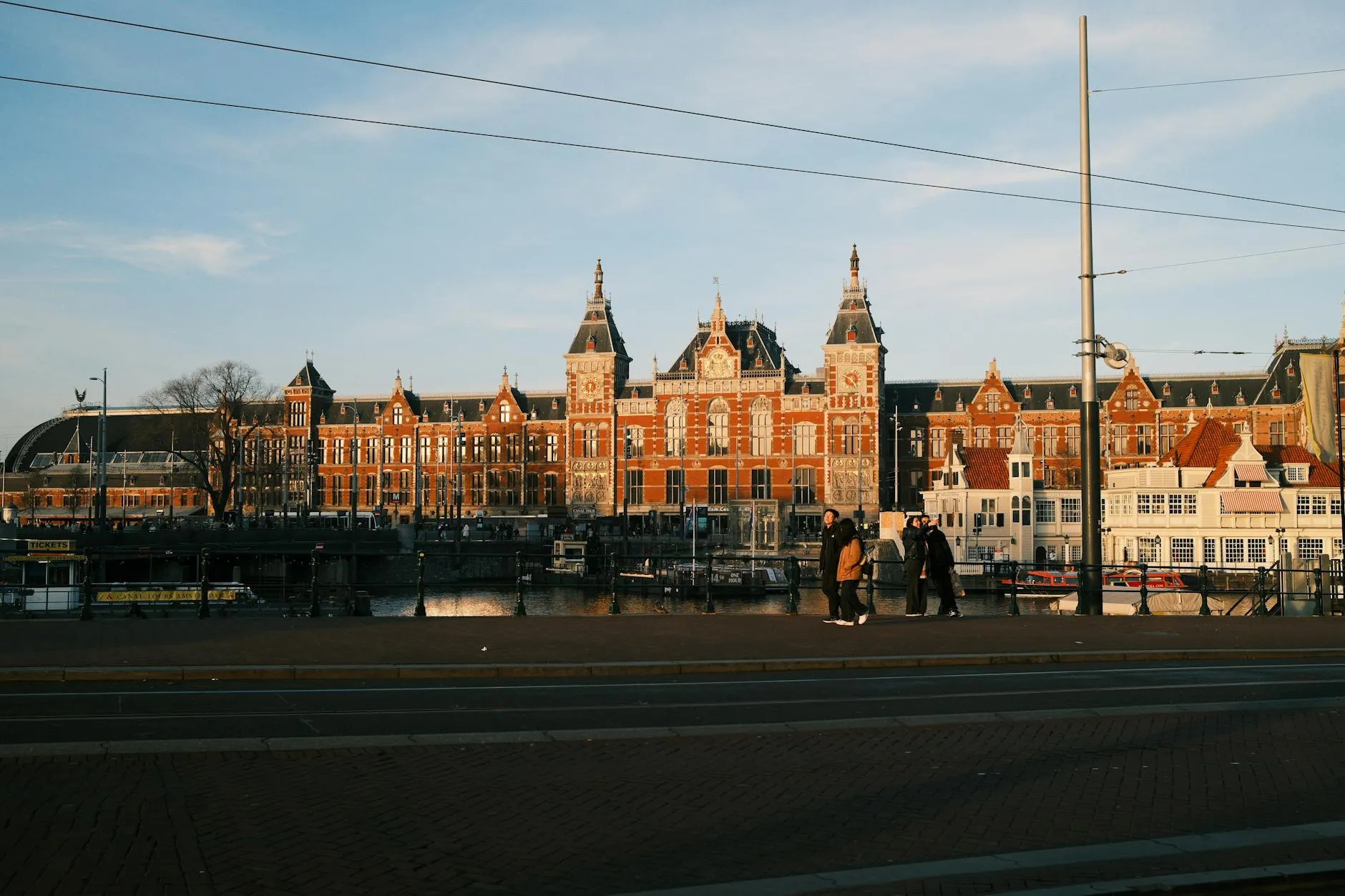
Centraal Station: Pierre Cuypers (same architect as Rijksmuseum), neo-Renaissance, built on artificial islands.
NEMO: Renzo Piano’s copper-green ship rising from the harbor.
The Whale (Eastern Docklands): Residential building shaped like a whale, Amsterdam School architecture.
Silodam (KNSM Island): MVRDV’s colorful housing block, 157 units, 10 stories of stacked containers.
Amsterdam School
Early 20th-century architectural movement — expressive brickwork, sculptural forms, crafted details. Best seen in:
Het Schip (Spaarndammerbuurt): Social housing shaped like a ship. Now a museum. €10.
Rivierenbuurt: Entire neighborhood of Amsterdam School housing.
Public Art
Westergasfabriek: Former gas factory, now cultural park. Sculptures, installations, regular markets.
NDSM Wharf: Street art everywhere. Legal graffiti walls, abandoned cranes turned art.
The American Hotel (Leidseplein): Art Nouveau landmark. The Café Americain inside is worth a coffee.
Amsterdam with Kids
Amsterdam is surprisingly family-friendly. The flat terrain, parks everywhere, and kid-oriented museums make it easy.
Best Museums for Kids
NEMO Science Museum: Five floors of hands-on exhibits. Ages 4-14 especially. The rooftop water features in summer are a bonus. €20.
Tropenmuseum (Tropics Museum): Cultures of the world, excellent children’s section with interactive exhibits. €18, free under 18.
Micropia: Museum of microbes. Microscopes, growing cultures, surprisingly engaging. €18.
ARTIS Zoo: One of Europe’s oldest zoos (1838). Classic layout, aquarium, planetarium. €27.50 adults, €23.50 kids.
Activities
Vondelpark: Playgrounds, wading pools, pancake house, summer performances. The default kid destination.
Rent a pedal boat: Canal Bike or similar. Kids can help pedal. €12-18/hour.
Tun Fun (Centrum): Indoor play area in an underground car park. Rainy day essential. €9-10.
Pancake house at NEMO: Kids eat, you get the view.
Practical Tips
- Most museums are free for under 18s
- Strollers work fine on sidewalks, less so on cobblestones
- Cycling with kids is possible — rent bikes with kid seats or trailers
- Trams have stroller space
- The red light district is unavoidable if walking the center — matter-of-fact explanations work best
Budget Breakdown
Budget Traveler: €80-130/day
- Accommodation: €40-70 (hostel private room, budget hotel)
- Food: €25-40 (market snacks, ethnic food, one nice meal)
- Transport: €5-10 (mostly walking/cycling)
- Attractions: €15-25 (one museum, free walking)
Mid-Range Traveler: €200-300/day
- Accommodation: €150-200 (boutique hotel, canal views)
- Food: €50-70 (Indonesian rijsttafel, good restaurants)
- Transport: €10-15 (occasional taxi, bike rental)
- Attractions: €40-60 (two museums, canal cruise)
Luxury Traveler: €500+/day
- Accommodation: €350-600 (Waldorf, Pulitzer, Dylan)
- Food: €100-200 (Michelin dining, wine)
- Transport: €50+ (private boat, taxi)
- Attractions: €50-100 (private tours, premium experiences)
Tourist Tax (Toeristenbelasting) — one of Europe’s highest
Amsterdam charges 12.5% of your accommodation’s nightly rate (excluding VAT) as a tourist tax. Unlike most European cities, it is charged per room, not per person, so it scales with the room price rather than the headcount. It applies to every kind of overnight accommodation — hotels, apartments, B&Bs, holiday rentals, campsites, houseboats — and is paid to the accommodation at check-in or check-out, usually in cash or on your card. It is not included in most online booking totals.
Example: a €200/night hotel room adds €25 per night in tourist tax. A couple in a €400/night boutique canal house pays €50 per night. Over a four-night stay those are €100 and €200 of tax that won’t appear on Booking.com until you arrive.
Also new in 2026 — VAT on overnight accommodation rose from 9% to 21% on 1 January 2026. Combined with the 12.5% tourist tax, the effective overlay on a hotel bill in Amsterdam is roughly 33.5% of the displayed nightly rate. Rates from 2025 and earlier published in older guides and blog posts will be meaningfully below what you actually pay in 2026; always cross-check total cost before booking, and be especially sceptical of “tax included” language on third-party sites. Source: City of Amsterdam + Dutch Tax Administration, 2026.
Money-Saving Tips
- I amsterdam City Card — calculate if museums justify €67+/day (2026 rate)
- Museumkaart — €65/year for 400+ Dutch museums, worth it for a week
- Free ferry to Noord
- Supermarket picnic in Vondelpark
- Market eating at Albert Cuypmarkt
- Walk everywhere in the center
- Drink at brown cafés, not tourist bars
2026 Amsterdam Updates
What’s New
- Red Light District shrinking: City continues closing window brothels, pushing tourists elsewhere. The area is getting smaller each year.
- Tourist limits: Cruise ship restrictions, “Stay Away” campaigns targeting party tourists. The city actively discourages low-budget stag weekends.
- Cannabis policy: Discussion continues about limiting coffee shops to residents. Not yet implemented but possible.
- Noord-Zuidlijn: The metro line connecting Noord to Zuid is fully operational, making Noord more accessible.
Price Changes
- Rijksmuseum: €22.50 (up slightly)
- Van Gogh: €22
- Anne Frank House: €16
- GVB 24-hour pass: €10 (up from €8.50)
Closures & Renovations
Check individual museum websites for temporary exhibition closures. Major institutions rarely close entirely.
Useful Dutch Phrases
- Hallo — Hello
- Dank je wel — Thank you
- Alsjeblieft — Please / Here you go
- Spreekt u Engels? — Do you speak English?
- De rekening, alstublieft — The bill, please
- Proost! — Cheers!
- Doei — Bye
- Gezellig — Cozy/convivial (untranslatable, essential Dutch concept)
Note: Everyone speaks English. Attempting Dutch is charming but unnecessary.
More Essential Eating
Brunch Culture
Amsterdam has embraced brunch. Weekend mornings see queues at the best spots.
Bakers & Roasters (De Pijp): New Zealand-run, excellent eggs, crowded weekends. €15-20.
Dignita (multiple): Social enterprise café, excellent food, good coffee. €12-18.
The Avocado Show (Centrum): Exactly what it sounds like. Instagram-friendly, actually tasty. €15-20.
Coffee & Coconuts (De Pijp): Three-floor former cinema, beautiful space, solid brunch. €12-18.
Little Collins (multiple): Australian brunch, busy but worth it. €12-16.
Apple Pie (Appeltaart)
Dutch apple pie is denser, richer, and more cinnamon-heavy than American versions. It’s a café essential.
Winkel 43 (Jordaan): The most famous slice. Worth the queue. €4-5.
Café Papeneiland: Since 1642, possibly better than Winkel 43 (locals debate).
Café Luxembourg (Spui): Grand café, excellent pie, terrace.
Turkish & Middle Eastern
Amsterdam’s Turkish community is substantial, and the food is excellent.
Durum shops: Döner wrapped in flatbread. Quick, cheap, everywhere. €6-8.
De Tokoman (Centrum): Counter-service Surinamese and Indonesian, excellent value. Under €10.
Bazar (De Pijp): Middle Eastern in a converted church. Dramatic setting, solid food. €15-25.
Vegetarian & Vegan
Amsterdam is very vegetarian-friendly.
De Kas (Frankendael): Greenhouse restaurant using on-site produce. Elegant, seasonal. €60-80.
Mr. & Mrs. Watson: Vegan restaurant and “cheese” maker. Creative, excellent. €25-40.
Meatless District (multiple): Vegan comfort food, plant-based burgers.
TerraZen Centre: Macrobiotic Japanese, peaceful atmosphere. €15-25.
Cheese
You’re in cheese country. Every market has stalls; specialty shops are better for quality.
Reypenaer (Singel): Cheese tasting and education. €20-25 for tasting flight.
De Kaaskamer (Nine Streets): Excellent selection, knowledgeable staff.
Henri Willig (multiple): Tourist-friendly but genuine quality. Good for gifts.
What to try: Old Amsterdam (aged Gouda), Leyden (with cumin), truffle Gouda, grass-fed varieties.
Seasonal Amsterdam
Spring (March-May)
Tulip season. Keukenhof opens mid-March to mid-May. King’s Day (April 27) turns the city orange. Weather warming but unpredictable — still pack rain gear.
Summer (June-August)
Peak tourist season. Outdoor terraces everywhere. Canal swimming. Pride (August). Festival season (Mysteryland, Dekmantel). Book accommodation months ahead.
Fall (September-October)
Shoulder season sweet spot. Amsterdam Dance Event (October). Cultural season resumes. Fewer tourists, good weather possible. November gets grey and rainy.
Winter (November-February)
Grey, cold, rainy. But: museums are empty, prices drop, Amsterdam Light Festival (Dec-Jan) illuminates the canals, ice skating if cold enough (rare). Gezellig (cozy) brown café culture peaks.
Key Events
- King’s Day (April 27): National holiday, city-wide street party and flea market. Orange everything.
- Liberation Day (May 5): Free festivals commemorating WWII liberation.
- Holland Festival (June): Performing arts festival.
- Pride Amsterdam (August): Canal Parade with decorated boats.
- Amsterdam Dance Event (October): World’s biggest electronic music conference.
- Museumnacht (November): 50+ museums open until 2am.
- Amsterdam Light Festival (Dec-Jan): Light installations along the canals.
Walking Itineraries
The Perfect First Day
Morning (9am-12pm): Rijksmuseum (book ahead, 2 hours). Straight to Gallery of Honour.
Lunch (12:30pm): Foodhallen or Albert Cuypmarkt (if you’re heading to De Pijp).
Afternoon (2pm-6pm): Walk through Vondelpark → Nine Streets → Jordaan. Get lost intentionally.
Evening: Aperitivo at a canal-side terrace. Dinner at a Jordaan restaurant. Drinks at a brown café.
The Museum Day
Morning: Van Gogh Museum (9am entry, 2 hours).
Coffee break: Lot Sixty One or nearby café.
Late morning: Anne Frank House (book weeks ahead).
Lunch: Jordaan area.
Afternoon: Stedelijk or explore Amsterdam-Noord (ferry from Central Station).
The Local’s Day
Morning: Noordermarkt (Saturday) or Albert Cuypmarkt (weekdays). Coffee at a specialty roaster.
Lunch: Indonesian at Toko Joyce or Ram’s Roti.
Afternoon: Cycle to Amsterdam-Noord. NDSM Wharf or EYE Film Museum.
Evening: Drinks at Brouwerij ‘t IJ (windmill brewery). Dinner in De Pijp.
The Rainy Day
Morning: Whatever museum you haven’t done.
Lunch: Warm erwtensoep (pea soup) at Moeders or a brown café.
Afternoon: Foodhallen (covered market), followed by Stedelijk or FOAM.
Evening: Cozy dinner, cocktails at Door 74.
Cheapest Flights to Amsterdam
We track flight deals to Amsterdam from 6 cities worldwide. Here are the best recent fares:
Flight Deals from Amsterdam
Looking for cheap flights departing Amsterdam? Here are deals to 15 destinations:
- Amsterdam to Istanbul, Turkey from €124
- Amsterdam to Sal, Cape Verde from €200
- Amsterdam to Baku, Azerbaijan from €240
- Amsterdam to Praia, Cape Verde from €305
- Amsterdam to Banjul, Gambia from €344
- Amsterdam to Halifax, Canada from €352
- Amsterdam to Chennai, India from €362
- Amsterdam to New Delhi, India from €389
- Amsterdam to Manila, Philippines from €425
- Amsterdam to Willemstad, Netherlands Antilles from €428
- Amsterdam to Orlando, USA from €435
- Amsterdam to Ho Chi Minh City, Vietnam from €437
- Amsterdam to Hanoi, Vietnam from €441
- Amsterdam to Boston, USA from €446
- Amsterdam to New York, USA from €448
Prices are based on recent deals and may no longer be available. Browse all flight deals