Johannesburg, South Africa — City Guide 2026
Apartheid Museum, Soweto, shisa nyama & the City of Gold
R800–6,000+/day
15–30°C seasonal
Visa-free 90 days
ZAR R
Why Johannesburg? An Editor’s Note
Most visitors to South Africa fly straight to Cape Town and never look back. That’s a mistake. Johannesburg has the country’s most important museums, its most complex food scene, its most important historical sites, and an energy that Cape Town’s wine-country ease can’t match. The Apartheid Museum is one of the most powerful museums in the world. Soweto — home to 3.5 million people, two Nobel Peace Prize laureates, and the June 16 uprising that changed history — is a place every traveller should see. The food scene runs from R80 shisa nyama braai plates to award-winning restaurants like Marble and The Pot Luck Club. And the big news for 2026: load shedding is over — South Africa has gone 328+ days without scheduled power cuts, and the energy crisis has been declared effectively resolved. This guide is the honest one: where to go, where not to walk, what to eat, and how to understand a city that wears its history on its surface.
Top Attractions in Johannesburg
| Attraction | Price (ZAR) | Hours / Notes |
|---|---|---|
| Apartheid Museum | R170 / R120 concession | Tue–Sun 9:00–17:00. Audio tour included |
| Constitution Hill | R150–R200 (tour type) | Daily 8:45–17:00. Guided tours 1–2 hrs |
| Mandela House (Soweto) | R60 intl / R40 AU | 8115 Vilakazi Street, Orlando West |
| Hector Pieterson Museum | R100 intl / R30 SA | Tue–Sat 10:00–17:00, Sun 10:00–16:30 |
| Cradle of Humankind | Maropeng R125 + Caves R150 | UNESCO. Sterkfontein reopened Apr 2025 |
| Gold Reef City | R295 online only | Theme park. No gate tickets — online only |
| Origins Centre (Wits) | R95 / R50 children | Mon–Fri 9:00–17:00, Sat 9:00–16:00 |
| Orlando Towers (Soweto) | Bungee R630 | Thu–Sun. Chaf Pozi shisa nyama at base |
| Maboneng Precinct | FREE | Best Sundays (Market on Main) + 1st Thursday |
| Neighbourgoods Market | FREE | Every Saturday 9:00–15:00, Braamfontein |
| Lion & Safari Park | Self-drive R400 / Guided R575+ | ~45 min from JHB. Kids under 12 free |
| Keyes Art Mile (Rosebank) | FREE | Everard Read (est. 1913) + CIRCA Gallery |
Note: The Johannesburg Art Gallery (JAG) is currently closed for restoration (R50 million budget). The collection is being relocated to Museum Africa and other sites. Check status before visiting.
1. Apartheid Museum
This is the single most important museum in South Africa, and one of the most powerful in the world. From the moment you enter — randomly assigned a “White” or “Non-White” entrance, walking through separate doors — you are immersed in the systematic brutality of apartheid and the extraordinary resistance that dismantled it. The permanent exhibition traces the history from the 1948 National Party election through the Truth and Reconciliation Commission, using film, photographs, artefacts, and personal testimonies. Allow at least 2–3 hours. It is emotionally heavy and absolutely essential.
Price: R170 adults / R120 students, pensioners, children. Audio tour included. Guided tour R190/R135. Hours: Tue–Sun 9:00 AM–5:00 PM. Closed Mondays, Good Friday, Easter Monday. Free entry on 27 April (Freedom Day) for all South Africans. Content unsuitable for children under 11. Official site: apartheidmuseum.org.
2. Constitution Hill
A former prison complex that held Mahatma Gandhi (1908), Nelson Mandela, Winnie Madikizela-Mandela, Albertina Sisulu, and thousands of ordinary prisoners — Black, white, Indian, and Coloured — under both the colonial and apartheid regimes. Today it houses South Africa’s Constitutional Court, built on the ruins of the prison as a deliberate symbol of the nation’s transformation from tyranny to democracy. The court’s architecture is extraordinary: bricks from the demolished prison were used in the new building’s walls.
Price: Highlights tour (1 hr) R150 adults / R90 children. Full tour (2 hrs) R200/R110. Night tour (3 hrs) R390. Hours: Daily 8:45 AM–5:00 PM. 25% Red Bus discount. 5% online booking discount. Official site: constitutionhill.org.za.
3. Cradle of Humankind
A UNESCO World Heritage Site about 45 minutes from Johannesburg, where the oldest hominin fossils on Earth have been found. Sterkfontein Caves (reopened April 2025 after 2022 flooding, with upgraded walkways) is where “Mrs Ples” (2.1 million years old) and “Little Foot” (3.67 million years old) were discovered. Maropeng Visitor Centre tells the story of human evolution through interactive exhibits. Together, they make a compelling half-day trip.
Price: Maropeng R125. Sterkfontein Caves R150 adults / R125 children 6–18 / R100 pensioners. Under 6 free. Free on your birthday. Hours: Tue–Sun 9:00 AM–4:00 PM. Closed Mondays. Cave tours hourly, max 30 people, 60–90 minutes.
Soweto — History, Food & Township Culture
Soweto (South Western Townships) is a city within a city — 3.5 million people spread across the vast southwestern sprawl of Johannesburg. It is not a tourist attraction; it is a living, breathing community with a history that changed the world. The June 16, 1976 student uprising against Afrikaans-medium instruction, in which police shot and killed 13-year-old Hector Pieterson and hundreds of other children, was the moment apartheid’s moral bankruptcy became undeniable. Vilakazi Street in Orlando West is the only street on Earth where two Nobel Peace Prize laureates lived: Nelson Mandela (No. 8115) and Desmond Tutu (No. 7372).
Mandela House
The small matchbox house at 8115 Vilakazi Street where Nelson Mandela lived with his family before his arrest and imprisonment. The bullet holes in the façade are from a 1988 attack. Inside, personal artefacts, photographs, and the small rooms where one of history’s greatest leaders lived as a young lawyer and activist. Price: R60 international adults / R40 African Union residents / R20 children, students, pensioners. Official site: mandelahouse.com. More context: Nelson Mandela Foundation.
Hector Pieterson Museum
Named after the 13-year-old boy killed on June 16, 1976, whose photograph — carried by a fellow student, his sister running alongside — became the defining image of the anti-apartheid struggle. The museum documents the uprising through photographs, testimony, and video. Outside, the memorial and the photograph site are deeply moving. Price: R100 international adults / R30 South African adults. Hours: Tue–Sat 10:00 AM–5:00 PM, Sun 10:00 AM–4:30 PM. Closed Mondays. Historical context: SA History Online.
Vilakazi Street
Walk the street where Mandela and Tutu lived. Today it’s lined with restaurants and vendors. Sakhumzi (R270 all-you-can-eat African buffet for 2 hours — mogodu, umngqusho, dombolo, chakalaka) is the must-eat. Wandie’s Place is an institution for township cuisine. The atmosphere on weekends, with music playing and families eating, is quintessential Soweto.
Soweto Tours — Lebo’s Backpackers Pricing
| Tour (Lebo’s Backpackers) | Day Guest | Includes |
|---|---|---|
| 2.5-hr Bicycle Tour | R715 | Lunch + local snacks |
| 4-hr Bicycle Tour | R850 | Lunch + local snacks |
| Full-Day Bicycle Tour | R1,335 | Lunch + museum entrances |
| 2-hr Tuk-Tuk Tour | R780 | Lunch |
| 4-hr Tuk-Tuk Tour | R950 | Lunch |
| Full-Day Tuk-Tuk Tour | R1,720 | Lunch + museum entrances |
Children 5–12: 50% discount. Under 4: free. Overnight guests get reduced rates (R565–R1,450). Book direct: sowetobackpackers.com.
Orlando Towers & Chaf Pozi
The painted cooling towers of the decommissioned Orlando Power Station are Soweto’s most recognisable landmark. You can bungee jump between the towers (R630, 35–110 kg, no booking needed, first-come first-served). At the base, Chaf Pozi is Joburg’s most beloved shisa nyama — choose your meat from the butchery, have it grilled to order, eat it with pap and chakalaka to live music. Open Thu–Sun.
South African Food — Braai, Shisa Nyama & Bunny Chow
South African food is a collision of African, Dutch, Malay, Indian, and British influences, and Johannesburg is where it all comes together. The centrepiece is braai (barbecue) — not just a cooking method but a social institution. Shisa nyama (“burn meat” in Zulu) is the township expression: pick your cut from the butchery, have it grilled over coals, eat it with pap (maize porridge), chakalaka (spicy vegetable relish), and dombolo (steamed bread). It is said that chakalaka was invented in Johannesburg’s gold mining hostels.
| Dish | What It Is | Price / Where |
|---|---|---|
| Shisa Nyama | Choose-your-meat braai with pap, chakalaka, spinach | R80–100 casual / Chaf Pozi, Sakhumzi |
| Boerewors | Thick, coiled beef-and-spice sausage. The braai essential | R40–80 roll / Markets, braai spots |
| Bunny Chow | Hollowed-out bread loaf filled with curry. Durban origin, available everywhere | R80–130 quarter / Lugz, Curry and All |
| Bobotie | Cape Malay curried mince bake with egg custard topping | R120–200 / Perere by Lucinda |
| Pap & Chakalaka | Maize porridge + spicy vegetable relish. The essential side dish | Included with shisa nyama |
| Biltong | Air-dried, cured meat (beef or game). South Africa’s national snack | R200–400/kg / Food Lover’s Market |
| Vetkoek | Deep-fried dough ball, filled with mince or jam | R20–40 / Street vendors, markets |
| Koeksisters | Plaited fried dough in sticky syrup. Cape Malay version is spiced, dipped in coconut | R10–25 / Bakeries, markets |
| Mogodu | Tripe stew, slow-cooked. Township favourite | R80–120 / Sakhumzi, Wandie’s |
| Sakhumzi Buffet | All-you-can-eat African feast: mogodu, umngqusho, dombolo, chakalaka, stews | R270/person 2 hrs / Vilakazi St |
Shisa Nyama — Where to Eat
- Chaf Pozi (Orlando Towers, Soweto) — The most iconic. Live music, vibrant atmosphere, painted cooling towers as your backdrop.
- Sakhumzi (Vilakazi Street, Soweto) — R270 all-you-can-eat African buffet. Traditional dishes you won’t find in restaurant menus.
- Wandie’s Place (Soweto) — Township institution. Ting (fermented sorghum), umleqwa chicken stew, traditional bread.
- Melville Shisa Nyama (10 Main Rd, Melville) — Newer opening with cultural tributes on the walls.
Bunny Chow
Born in Durban’s Indian community, bunny chow has spread across South Africa. A quarter, half, or full loaf of white bread, hollowed out and filled with curry (mutton, chicken, or bean). You eat the curry first, then tear off pieces of the bread — which has soaked up the gravy — and use them to scoop. In Johannesburg: Lugz (Ferndale, authentic Durban-style), Curry and All (Sandton), The Indian Bay Leaf (Fordsburg, hidden gem). A quarter bunny: R80–130.
Fordsburg Food Quarter
West of the CBD, Fordsburg is Joburg’s Indian/Pakistani/Middle Eastern quarter and one of the best cheap-eats destinations in the city. Halal everywhere, spices in bulk, samoosas and rotis made to order. Orient Restaurant and Taste of India are institutions. Go for lunch, then explore the spice shops. Safer during daylight hours; go with a driver rather than walking in from outside the precinct.
Restaurants, Wine & Fine Dining
South Africa does not have a Michelin Guide. The main authorities are the Eat Out Woolworths Restaurant Awards and the Luxe Restaurant Awards. Cape Town dominates the top tiers, but Johannesburg has a strong and growing fine dining scene.
Award-Winning Johannesburg Restaurants (2026)
| Restaurant | Awards | Cuisine / Notes |
|---|---|---|
| The Pot Luck Club JHB (Melrose) | Luxe 2-Star + Hotel Restaurant of the Year | Tapas-style, fire-cooked. Luke Dale-Roberts concept |
| Cyra (Houghton Estate) | Eat Out 1-Star + Luxe 2-Star | Modern South African fine dining |
| Marble (Rosebank) | Eat Out 1-Star + Luxe 1-Star + Pioneer Award | Fire-cooked. David Higgs. The most celebrated restaurant in JHB |
| Embarc (Parkhurst) | Eat Out 1-Star + Rising Star (Aren Pollack) | Contemporary. Parkhurst’s 4th Ave |
| Les Creatifs (Bryanston) | Eat Out 1-Star + Luxe 1-Star | French-inspired. Creative tasting menus |
| Qunu (Saxon Hotel, Sandhurst) | Eat Out 1-Star + African Restaurant of the Year | Pan-African fine dining in the hotel where Mandela edited his autobiography |
| Saint (Sandton) | Eat Out 1-Star | Fine dining, Sandton business district |
| DW Eleven-13 (Dunkeld West) | Eat Out Top 30 | Marthinus Ferreira. Creative seasonal menus from R1,200 |
| Cube Tasting Kitchen (Parktown North) | Chef’s-counter omakase | Tiny room, huge flavours. Book weeks ahead |
Also notable: Olives & Plates (Hyde Park, Restaurant Group of the Year), Club Como (People’s Choice Award), Pata Pata (Maboneng, authentic African with live music), The Grillhouse (classic steakhouse institution), The Butcher Shop & Grill (encyclopedic wine list).
South African Wine — What to Drink
South African wine is world-class and ridiculously cheap compared to international prices. A bottle that would cost €40 in Europe is R250 at a Joburg wine bar.
- Chenin Blanc: South Africa’s signature white grape. Ranges from crisp and fresh to oaked and complex.
- Pinotage: Uniquely South African red (Pinot Noir × Cinsault). Smoky, earthy, love-it-or-hate-it.
- Stellenbosch reds: Cabernet Sauvignon and Bordeaux blends. Often world-class at half the price of French equivalents.
- Hemel-en-Aarde Pinot Noir: The cool-climate surprise. Elegant, increasingly collected.
- Méthode Cap Classique (MCC): South African sparkling wine made in the Champagne method. R250–500 for excellent bottles.
Wine Bars & Specialty Retailers
- Grillhouse Wine Cellar (Rosebank) — 400+ labels, sommelier-guided, excellent by-the-glass.
- The Butcher Shop & Grill — Steak institution with one of the city’s deepest wine lists. Multiple locations.
- 96 Winery Road (Joburg branch) — Good selection of Cape wines in a comfortable setting.
- Wine Cellar at Marble — Focused, curated list; by-the-glass flights; rooftop views.
Johannesburg’s Neighbourhoods
Joburg is a car city of fortified suburbs, regenerated inner-city pockets, and townships. Where you base yourself shapes your entire experience. Sandton and Rosebank are the two smartest bases for first-timers — both Gautrain-connected, both safe, both walkable within their own boundaries.
Sandton
The financial hub. Nelson Mandela Square (with its 6-metre bronze Mandela statue), Sandton City mall (designer brands), corporate towers. Glitzy, well-patrolled, and the safest area for tourists. Connected via Gautrain. This is where business travellers and most first-time visitors stay. The Leonardo — Africa’s tallest building (234m, 55 floors, opened 2019) — dominates the skyline. Not open to the public but unmissable at sunset.
Rosebank
Compact, walkable, and Gautrain-connected — the best base for culturally-minded visitors. Keyes Art Mile (Everard Read, Africa’s oldest commercial gallery, est. 1913, and CIRCA Gallery — both free). Rosebank Mall with its Sunday rooftop market. Busy at all hours, with restaurants, bars, and a strong creative scene. Marble (Eat Out 1-Star, Luxe Pioneer Award) is here.
Maboneng
“Place of Light” in seSotho — a former industrial area reborn as an arts and food hub. The regeneration of derelict inner-city blocks into a creative district is one of Joburg’s great post-democracy stories. Arts on Main (home to William Kentridge’s studio), Market on Main (every Sunday 10:00 AM–3:00 PM, free entry), galleries, Pata Pata (African cuisine + live music), Living Room rooftop bar. Best experienced on weekends. Free to explore. Exercise some caution around the edges.
Braamfontein
Student quarter near Wits University. Post-apartheid urban renewal with street art, coffee shops, and nightlife. Neighbourgoods Market (every Saturday 9:00 AM–3:00 PM, free entry), specialty coffee shops, Origins Centre (R95). Creative energy and a young vibe. View Ponte City — the 54-storey cylindrical tower, once Africa’s tallest residential building, now revived — from elevated points here. Exercise caution after dark.
Melville
Bohemian and artsy. 7th Street is the heart: used bookstores, quirky cafes, vintage shops, a solid nightlife strip. Laid-back local character. Good during the day; be cautious at night. Traditionally gay-friendly.
Parkhurst
Village-feel suburb with a beating heart on 4th Avenue — independent restaurants, cafes, design stores, a pet-friendly culture (“Barkhurst”). Embarc (Eat Out 1-Star, Rising Star Award) is here. New Gautrain midi-bus routes (since September 2025) now connect Rosebank to Parkhurst directly.
Soweto
Not a neighbourhood but a massive township — 3.5 million people, historically Black, with a cultural richness that defies its origins as a product of segregation. See the dedicated Soweto section above. Visit with a guided tour for the best experience.
Newtown
Cultural precinct near the CBD. Museum Africa (in a 1913 fruit market building, 850,000+ objects), Sci-Bono Centre (400+ interactive science exhibits), Market Theatre. The original Johannesburg Stock Exchange building (1903) is here, restored. Exercise caution — it borders the CBD.
Fordsburg
The Indian/Pakistani/Middle Eastern quarter west of the CBD. See the Food section for why you come here — bunny chow, samoosas, halaal everything at prices unchanged in 20 years. Daytime visits only, ideally with a driver.
Mine Dumps & the Gold-Rush Horizon
The artificial hills across the city — tailings from gold extraction since 1886 — define the Joburg horizon. Being slowly reclaimed by reprocessing operations, they remain a reminder that this city was literally built on gold. Visible from almost any elevated point.
Art, Galleries & Culture
Johannesburg’s art scene is the most dynamic in Africa. Much of it is free.
- Keyes Art Mile (Rosebank) — Free. Houses Everard Read (Africa’s oldest commercial gallery, est. 1913) and CIRCA Gallery. Monthly Keyes Art Nights. Short walk from Gautrain.
- Goodman Gallery — Free. Rotating exhibitions of leading African and international artists. William Kentridge, David Goldblatt and more.
- Victoria Yards (Lorentzville) — A restored industrial complex with artist studios, artisan workshops, and urban farming. First-Sunday open studios. Growing creative hub.
- Arts on Main (Maboneng) — Home to William Kentridge’s studio. Galleries and Market on Main (Sundays).
- Origins Centre (Wits University) — R95. Rock art, human origins, 6-language audio guides. The story of where we all began.
- Museum Africa (Newtown) — Free. 850,000+ objects in a 1913 fruit market building. The receiving home for parts of the JAG collection during restoration.
- Nirox Sculpture Park (Cradle of Humankind) — 15-hectare outdoor sculpture park, day entry R250. See niroxarts.com. Combine with the Cradle for a full culture day.
Photography in Johannesburg
Johannesburg is visually compelling — but photographing it requires awareness and sometimes permission. Always ask before photographing people; expensive camera kit should not be visible on the street. In Soweto and townships, work with a guide who knows the community.
Seven Shots to Take Home
- Apartheid Museum Entrance (Any time). The separate “White” and “Non-White” doors. The pillars of the constitution. Powerful documentary photography. Interior photography allowed (no flash).
- Orlando Towers, Soweto (Afternoon). The painted cooling towers against blue sky. Bungee jumpers add dramatic action. Shoot from across the field for full scale. Afternoon light on the murals is best.
- Vilakazi Street (Weekend). The energy of families eating, music playing, and vendors selling. Documentary style. Always ask before photographing people. A local guide facilitates access.
- Constitution Hill (Morning). The contrast of old prison walls and new Constitutional Court. The architectural symbolism photographs beautifully. The Number Four prison is stark.
- Maboneng Street Art (Morning light). The murals and regenerated industrial buildings. Sunday Market on Main adds human energy. Morning light avoids harsh shadows in the narrow streets.
- Ponte City (From Braamfontein). The cylindrical tower dominating the skyline. Shoot from elevated positions in Braamfontein. Sunset silhouettes the tower dramatically. Book a tour for interior/rooftop access.
- Pretoria Jacarandas (October). If visiting in October, the purple jacaranda-lined streets of Pretoria are one of Africa’s great visual spectacles. Herbert Baker Street and Government Avenue are the classic locations.
Sports & Stadiums
South Africans are sports-obsessed, and Johannesburg hosts world-class events across rugby, football, and cricket. Tickets via Computicket or at stadium box offices.
Football (Soccer)
FNB Stadium (Soccer City): Africa’s largest stadium (94,736 capacity). Home to Kaizer Chiefs and the national team Bafana Bafana. This is where the 2010 World Cup final was played. Tours available; match tickets from R50–500.
Orlando Stadium (Soweto): Home to Orlando Pirates. Smaller (40,000) but incredible atmosphere. Soweto Derby (Chiefs vs Pirates) is one of Africa’s biggest rivalries.
Bidvest Stadium: Home to Bidvest Wits. More intimate 28,000 capacity.
Rugby
Emirates Airline Park (Ellis Park): The Lions’ home ground. Iconic venue where the 1995 World Cup final was played — Mandela in the Springbok jersey handing the trophy to François Pienaar. Super Rugby and international tests. Tickets R150–800.
Cricket
The Wanderers (Illovo): Johannesburg’s legendary cricket ground. International tests and ODIs. The “Bullring” atmosphere is electric. Tickets from R100.
Attending Events
Arrive early for parking. Uber is difficult post-match due to traffic/surge pricing — consider Gautrain where possible. Security is tight; no large bags. For weekend fixtures, kickoff is typically 15:00 or 15:30 — arrive by 13:30.
Nightlife & Music
Johannesburg is South Africa’s music capital — where kwaito was born, where amapiano exploded, where jazz has deep roots. The nightlife scene is the country’s most dynamic: rooftop cocktail bars, underground clubs, live jazz, and the sound that’s currently conquering the world.
The Joburg Sound
Amapiano: The genre that’s conquering the world. Born in Joburg townships around 2012. Deep house meets jazz meets log drums. You’ll hear it everywhere.
Kwaito: The 1990s sound of post-apartheid South Africa. Slowed-down house with Zulu lyrics. The soundtrack of liberation.
Jazz: South African jazz has its own tradition, blending American influences with local rhythms. Hugh Masekela and Miriam Makeba were Joburg musicians.
Cocktail Bars
Sin + Tax (Maboneng): The city’s best cocktail bar. Speakeasy vibes, craft cocktails, knowledgeable bartenders. Their whisky selection is exceptional. Cocktails R100–180.
Living Room (Maboneng): Trendy rooftop spot with Joburg skyline views. Good for sundowners. Cocktails R90–150.
The Whippet (Linden): Neighbourhood craft cocktail bar. Less scene-y than Maboneng, more local. Good beer selection too.
Live Music Venues
Bassline (Newtown): Johannesburg’s legendary jazz and live music venue. Local and international acts. The sound system is excellent. Check listings for shows.
The Orbit (Braamfontein): Jazz club excellence. Intimate, quality acts, good acoustics. Cover R100–200 depending on act.
Untitled Basement (Braamfontein): Underground venue for electronic music, hip-hop, and alternative acts. Young crowd, cutting-edge bookings.
Carfax: Large venue for bigger touring acts. Newtown cultural district.
Rivertown Beerhall (Maboneng): An actual beerhall — long wooden tables, cheap beer, loud conversation. It’s what drinking was like before craft cocktails. Authentic, unpretentious, fun.
Clubs
Kong (Sandton): The high-end megaclub. International DJs, VIP tables, flashy crowd. Cover R150–300+. Dress code strictly enforced.
Kitcheners (Braamfontein): Alternative/hipster club. More casual, good music curation, mixed crowd. Cover R50–100.
Moloko (Maboneng): Bar that turns into a club late night. House and electronic music. Free or cheap entry.
Craft Beer
Mad Giant (Grayston): Johannesburg’s best brewery. Taproom with full range, food available. Tours on weekends.
Clarens Brewery (Maboneng taproom): Free State brewery with Joburg outpost. Excellent pale ales.
The Craft Beer Library (Sandton): 35 taps of local and international craft. Knowledgeable staff.
Theatre & Performance
Market Theatre: The “Theatre of the Struggle” — historically important venue that staged anti-apartheid works. Still producing challenging, excellent theatre.
Joburg Theatre (formerly Civic Theatre): The big mainstream venue. Musicals, opera, ballet, drama.
POP Art Theatre (Maboneng): Experimental and fringe productions. Small space, big ideas.
Practical Notes
- Joburg nightlife starts late — arrive at bars around 21:00, clubs after midnight
- Uber everywhere — never drive after drinking, and walking between venues at night isn’t safe
- Cash is useful for cover charges; cards accepted at bars
- Braamfontein is best on Thursday–Saturday; Maboneng peaks on Sundays
Shopping in Johannesburg
From African craft markets to world-class malls to vintage finds, Joburg offers diverse shopping experiences. The Sandton–Rosebank corridor covers the premium end; Maboneng and Braamfontein cover the creative/independent end.
Malls
Rosebank Mall: Upscale mall connected to the Gautrain. Good mix of international and South African brands. The rooftop food market on Sundays.
Mall of Africa: The largest mall in Africa (over 130,000 sqm). Everything under one roof. In Midrand, accessible by Gautrain.
44 Stanley: Not a mall — an industrial complex converted into boutique shops, design studios, and cafés. Local designers, artisanal goods. The Saturday market is excellent.
Markets
Neighbourgoods Market (Braamfontein): Saturday 9:00–15:00. Food, crafts, vintage clothing, local designers. The original Joburg hipster market. Free entry.
Market on Main (Maboneng): Sunday 10:00–15:00. Street food focus with crafts and vintage. Live music. The beating heart of Maboneng on Sundays.
Rosebank Sunday Market: African crafts, art, curios. More touristy but good quality. Rooftop of Rosebank Mall.
Bryanston Organic Market: Thursday and Saturday mornings. Fresh produce, artisanal foods, family atmosphere. Northern suburbs.
What to Buy
African art: Beadwork, wire sculpture, paintings. Rosebank Sunday Market and galleries in Maboneng.
Textiles: Shweshwe fabric (traditional printed cotton), African-print clothing, handwoven baskets.
Wine: South African wines at excellent prices. Woolworths has good selections; specialty shops in Sandton for premium bottles.
Rooibos: South African herbal tea. Buy direct from producers at markets for best quality.
Biltong: Dried cured meat — the ultimate South African snack. Quality varies; supermarkets are reliable.
Romantic Johannesburg
Not an obvious romantic destination, but Joburg has its moments — especially with excellent restaurants and wine at a fraction of European prices.
Restaurants for Two
Marble: Views, fire-grilled meat, South African wine. Reserve a terrace table at sunset. R800–1,200 per person.
DW Eleven-13: Fine dining, intimate setting, creative South African cuisine. Tasting menus from R1,200.
Cube Tasting Kitchen (Parktown North): Tiny restaurant, huge flavours. Omakase-style experience. Book weeks ahead.
Experiences
Hot-air balloon over Cradle of Humankind: Sunrise flights over the heritage landscape. Champagne breakfast after landing. From R4,500 per person (Bill Harrop’s Original Balloon Safaris).
Private picnic at Nirox Sculpture Park: Arrange a hamper and picnic among world-class sculptures in the Cradle area. See niroxarts.com.
Sunset at Northcliff Hill: One of Joburg’s highest points. Drive up, watch the sun set over the city, return for dinner.
Stay at the Saxon Hotel: The villa where Mandela edited Long Walk to Freedom. Ultra-luxury, gardens, pool, spa.
Johannesburg with Kids
Joburg has plenty for families — wildlife, interactive museums, and outdoor spaces. Most attractions are easily accessible by Uber from Sandton or Rosebank.
Wildlife
Lion & Safari Park: See Day Trips for full details. Close encounters with young animals, ethically managed. R400 self-drive.
Johannesburg Zoo: 55 hectares in Parkview. Classic zoo with diverse collection. The night tours are memorable. R120 adults, R80 children.
Montecasino Bird Gardens: 300 species of birds in landscaped gardens. Interactive feeding sessions. Good for half a day.
Museums
Sci-Bono Discovery Centre (Newtown): Interactive science museum. Hands-on exhibits for all ages. The planetarium is excellent. R50–80.
Apartheid Museum: Appropriate for older children (10+). See Top Attractions. Younger children may find it overwhelming.
Outdoor
Gold Reef City: Theme park with roller coasters plus historical gold mine tours. Full day entertainment. Tickets R250–400.
Emmarentia Dam: Paddle boats, ducks to feed, botanical gardens adjacent. Peaceful family morning.
Walter Sisulu Botanical Garden: The breeding pair of black eagles is the draw. Walking trails, picnic areas, excellent for nature-loving kids.
Delta Park: Johannesburg’s largest park (104 hectares) in the northern suburbs. Walking trails, bird-watching, a dam, environmental education centre. Free, open daily. Much quieter than Zoo Lake.
LGBTQ+ Johannesburg
South Africa was the first African country to legalize same-sex marriage (2006) and has constitutional protections for LGBTQ+ people. Johannesburg has a visible, established LGBTQ+ scene.
Scene
Melville: The traditionally gay-friendly neighbourhood. Bars and restaurants along 7th Street are welcoming.
Rosebank/Sandton: Northern suburbs venues are generally welcoming, especially upscale bars.
Braamfontein: Student/alternative area with progressive attitudes.
Venues
Simply Blue (Melville): Long-running gay bar with regular events.
Babylon (Hillbrow): Historic club in a rougher area — go with locals who know the drill.
Pride
Johannesburg Pride: Held in October, one of Africa’s largest Pride events. Parade through Sandton, parties throughout the weekend. The event has both mainstream and radical strands.
Getting Around Johannesburg
Johannesburg is a car city, and for tourists the equation is simple: Gautrain for the main corridor + Uber/Bolt for everything else. Do not use minibus taxis or city buses as a tourist. Do not walk between neighbourhoods. Within safe areas (Sandton, Rosebank, Parkhurst, Melville during daytime), walking is fine.
From OR Tambo Airport
| Mode | Price (ZAR) | Time / Notes |
|---|---|---|
| Gautrain | R142 to Sandton | ~15 min. Every 20 min. Fastest and safest |
| Uber/Bolt | R350–400 to Sandton | 30–45 min. App-based, reliable |
| Metered Taxi | R800–1,500 | Not recommended — use Uber/Bolt instead |
OR Tambo International is the main gateway. Lanseria (LHE) is a smaller alternative north of the city for domestic flights.
Gautrain
The Gautrain is safe, clean, and fast — the only rail system recommended for tourists. It runs from OR Tambo Airport through Sandton, Rosebank, and Park Station (CBD) and onwards to Pretoria. Key fares: Sandton to Rosebank R20. Peak hours: 6:00–8:30 AM and 3:00–6:30 PM weekdays. Gautrain bus/midi-bus: R13 peak / R6 off-peak (Gautrain card only, no cash). New midi-bus routes since July 2025 serve Parkhurst and surrounding suburbs. Official info: gautrain.co.za.
Uber & Bolt
Your default transport. Base fare ~R9.20/km for UberX. Short trips (5–10 km): R50–120. Longer cross-city: R150–350. Bolt tends slightly cheaper on short urban rides; Uber is more competitive on longer routes. Both are safe and reliable.
Driving
Locals drive everywhere. If you rent a car: keep windows up and doors locked at traffic lights (smash-and-grab is real), hide valuables, avoid stopping in isolated areas, and do not drive in the CBD or Hillbrow. International driving permit recommended. Fuel ~R23/litre (April 2026).
Day Trips & Wildlife from Johannesburg
Some of South Africa’s best wildlife and heritage experiences are within 2–3 hours of Joburg. The city is a surprisingly practical base for a Big Five safari, a fossil site, or a water park.
1. Pilanesberg National Park
A malaria-free Big Five reserve about 2.5 hours from Johannesburg, set in an extinct volcanic crater. Over 7,000 animals and 360 bird species. This is the most accessible safari experience from JHB — doable as a long day trip. Entry: R90 SA residents / R140–R748 foreign nationals (prices revised December 2025 — verify current rates via pilanesbergnationalpark.org). Organised day tours from JHB: R1,500–3,000 per person including transport and game drives.
2. Pretoria / Tshwane
South Africa’s administrative capital, 50 km north (45–60 min by car or Gautrain). Union Buildings (free — the seat of government, with Nelson Mandela’s statue and beautiful gardens). Voortrekker Monument (R50 adults / R20 children / R30 pensioners). Freedom Park, Church Square, Kruger House Museum. The jacaranda trees bloom purple in October — one of the most photogenic sights in South Africa.
3. Sun City
The “Las Vegas of Africa,” about 2 hours northwest. Day pass: from R395 adults / R290 children 3–12. Valley of Waves waterpark: weekday R415/R305, weekend R470/R370. Must buy day visitor tickets in advance via TicketPro (no on-site sales). Note: Valley of Waves closed for maintenance May 17–June 26, 2026. Official: Sun International — Sun City.
4. Lion & Safari Park
About 45 minutes from JHB. A more casual wildlife experience than Pilanesberg — good for families and shorter time frames. Self-drive: R400 adults / R215 seniors / children under 12 free. 1-hr guided safari: R575 adults. Giraffe feeding: R85/bag. Elephant Sanctuary Package: R2,345 adults. Book: lionandsafaripark.com.
5. Magaliesberg Mountains
About an hour west. Hennops Hiking Trail (R100 entrance), hot-air balloon safaris over the valley (Bill Harrop’s), Van Gaalen Cheese Farm for a countryside lunch, and Hartbeespoort Dam views. A peaceful contrast to the city’s intensity.
6. Dinokeng Game Reserve
An hour north of Joburg. Big Five in an 18,500-hectare reserve — the only Big Five reserve in Gauteng province. Self-drive permitted. Day visit or overnight lodges. Excellent if Pilanesberg feels too far.
7. Rhino & Lion Nature Reserve
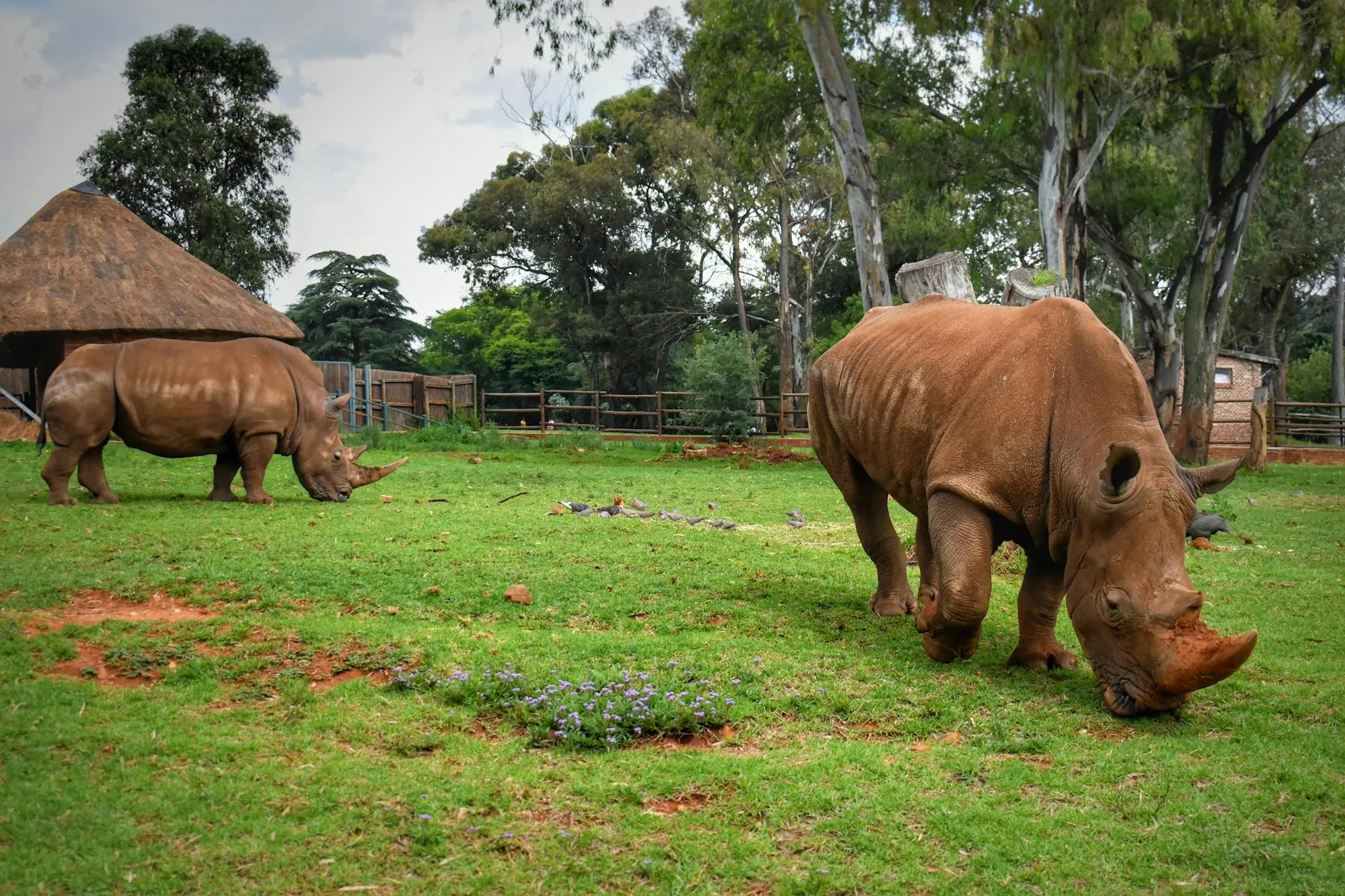
30km from Joburg CBD, in the Cradle of Humankind. Lions, rhinos, cheetahs, hippos in a drive-through setting. Wonder Cave on the property is one of South Africa’s largest dolomite caves. Good family option and easily combined with the Cradle sites.
8. De Wildt Cheetah & Wildlife Centre
Breeding centre for cheetahs, wild dogs, and other endangered species. Guided tours only — educational focus. 45 minutes from Pretoria. From R350.
Extended Trips from Johannesburg
If you have more than a long weekend, these destinations are reachable from Joburg and worth the journey.
Kruger National Park (4–5 hours)
Africa’s most famous safari destination. 20,000+ square kilometres of wilderness, Big Five, and world-class lodges. Minimum 3 nights recommended. Accessible by car (5 hours to Numbi Gate) or flight (1 hour to Skukuza/Hoedspruit). Budget from R1,500/day camping to R25,000+/night luxury lodges.
Mpumalanga Panorama Route (3–4 hours)
Blyde River Canyon, God’s Window, Bourke’s Luck Potholes, waterfalls, and viewpoints. Can be combined with Kruger. Best as a road trip — 2–3 days of driving and stops.
Drakensberg Mountains (4 hours)
Stunning mountain scenery, hiking, rock art sites. The KwaZulu-Natal Drakensberg is a UNESCO World Heritage Site. Champagne Castle, Cathedral Peak, and Giant’s Castle are top areas. 2–4 nights recommended. See drakensberg.org.
Durban (5 hours or 1 hour flight)
South Africa’s beach city. Indian Ocean beaches, curry culture, Zulu heritage. Good contrast to Joburg’s landlocked energy. Fly or drive the N3 highway.
Cape Town (2 hour flight)
The other South African city. Mountains, wine, beaches, history. Completely different vibe from Johannesburg. Minimum 4–5 days. Domestic flights from R1,000 one-way booked in advance via Travelstart.
Business Travel
Johannesburg is Africa’s financial hub. Many visitors are here for business — here’s what you need to know.
Business Districts
Sandton: The main business district. Most multinationals have offices here. The Gautrain connects directly to the airport. Hotels cluster around Sandton City and Nelson Mandela Square.
Rosebank: Secondary business district, also on Gautrain. Slightly more relaxed than Sandton.
Johannesburg CBD: Some government offices and older businesses remain. Less convenient for visitors.
Connectivity
Internet is good in business areas. Most hotels have reliable wifi. 4G/5G coverage is excellent. Load shedding rarely affects business hotels (generators are standard, and the grid has been stable for 328+ days).
Meeting Culture
South African business culture is generally informal compared to Europe/Asia. First names are common. Punctuality is expected for formal meetings but “African time” is a real concept for social occasions. Relationship-building matters — don’t rush straight to business.
Business Hotels
Sandton Sun / InterContinental: Connected to Sandton City, maximum convenience.
Saxon Hotel: Where Mandela edited his autobiography. Ultra-luxury, excellent for impressing clients.
Radisson Blu Gautrain: Directly above Sandton Gautrain station. Business-focused efficiency.
Hyatt Regency Rosebank: Closer to the creative/cultural centres, still a premium business option.
Suggested Itineraries
Day 1: History & Understanding
Morning: Apartheid Museum — allow 2–3 hours. This is essential context.
Lunch: Sakhumzi in Soweto (R270 buffet).
Afternoon: Soweto tour — Vilakazi Street, Mandela House, Hector Pieterson Museum.
Evening: Dinner at Pata Pata or The Grillhouse. Decompress.
Day 2: Arts & Regeneration
Morning: Constitution Hill. The court and prison complex.
Late Morning: Walk through Braamfontein. Coffee, street art, bookshops.
Lunch: Neighbourgoods Market (Saturday) or Braamfontein café.
Afternoon: Maboneng — galleries, Arts on Main, street life.
Evening: Dinner in Maboneng, drinks at Sin + Tax.
Day 3: Origins & Wildlife
Full Day: Cradle of Humankind. Maropeng and Sterkfontein Caves. Pack lunch or eat at Maropeng restaurant.
Alternative: Lion & Safari Park for wildlife (half day), then wine tasting at a Cradle-area venue.
Day 4: Local Life
Morning: Rosebank — mall, rooftop market, Gautrain arrival point.
Lunch: Parkhurst 4th Avenue — browse the shops, leisurely lunch.
Afternoon: Keyes Art Mile galleries (Everard Read, CIRCA) or Walter Sisulu Botanical Garden.
Evening: Marble for sunset drinks and dinner.
Best Time to Visit & Weather
- Best months: March–May (autumn) and September–November (spring). Mild weather, less rain, ideal for outdoor activities and safaris.
- Summer (November–March): Warm 15–30°C, but dramatic afternoon thunderstorms (usually brief). Green landscapes, best for birdwatching. Higher prices.
- Winter (May–September): Dry and cool, 10–19°C. Clear sunny days, cold nights (frost possible June–July). Lower prices, fewer tourists. Best for game viewing (animals congregate around water sources).
Month-by-Month Weather
| Month | High/Low | Rain Days | Key Notes |
|---|---|---|---|
| January | 26/15°C | 14 | 🌧️ Summer. Afternoon thunderstorms (dramatic but brief). Green landscape. |
| February | 25/15°C | 11 | 🌧️ Still wet. Less rain than January. Good birdwatching. |
| March | 24/13°C | 10 | 🌟 Autumn begins. Rain easing. Excellent visiting — warm, fewer storms. |
| April | 22/10°C | 7 | 🌟 Dry season starting. Comfortable. Game viewing improving. |
| May | 19/6°C | 3 | Cool, dry. Clear skies. Pack layers for cold mornings. |
| June | 17/3°C | 1 | ❄️ Winter. Cold mornings (frost possible). Sunny days. Best game viewing begins. |
| July | 17/3°C | 1 | ❄️ Coldest. Driest. Best safari month — animals at water sources. Low prices. |
| August | 20/5°C | 1 | Warming. Still dry. Excellent for outdoors and safaris. |
| September | 24/9°C | 3 | 🌟 BEST MONTH. Spring. Warm days, cool nights. Jacarandas starting (Pretoria). |
| October | 25/12°C | 9 | 🌸 Spring. Jacaranda bloom (Pretoria). Jo’burg Pride. Rains beginning. |
| November | 26/14°C | 12 | 🌧️ Summer storms return. Green. Higher prices begin. |
| December | 26/15°C | 14 | 🌧️ Peak summer. Holiday season. Afternoon storms daily. |
Practical Information & Visa
Visa
US, EU, UK, and most Western nationals: no visa needed for stays up to 90 days. A new ETA system is being phased in for China, India, Indonesia, and Mexico nationals via the Department of Home Affairs. Your passport must be valid for 30+ days after intended departure and have 2 consecutive blank visa pages (not endorsement pages) — airlines will deny boarding without this. Yellow fever vaccination certificate required if arriving from a yellow fever risk country.
Currency & Payments
South African Rand (ZAR / R). Exchange rate (April 2026): $1 ≈ R16.42, €1 ≈ R19.15 (verify via XE). Credit cards widely accepted in malls, restaurants, and hotels. Cash needed for markets, street food, and township restaurants. Use indoor ATMs only (FNB, Standard Bank, Nedbank, ABSA) — never outdoor/freestanding ATMs. Card skimming exists; cover your PIN.
Power & Load Shedding
Good news for 2026: South Africa has gone 328+ days without load shedding. The energy crisis was declared effectively over in February 2026 after Kusile Power Station reached full capacity. Planned maintenance outages still occur in some suburbs, but the scheduled nationwide blackouts that plagued the country for years are gone. Bring a Type M (South African 3-pin) adapter or the more common Type C (European 2-pin) — most hotels provide both.
Water
Johannesburg has experienced water shortages in recent years. Tap water is safe to drink in all tourist areas. Don’t waste water — short showers, don’t leave taps running. This is taken seriously locally.
Language Essentials
South Africa has 11 official languages. In Johannesburg, English is the business language, Zulu and Sesotho are widely spoken, and Afrikaans is common in certain areas. A few phrases go a long way:
- Sawubona (Zulu) — Hello
- Ngiyabonga (Zulu) — Thank you
- Dankie (Afrikaans) — Thank you
- Lekker (Afrikaans) — Nice/great/delicious
- Howzit — Hi (casual)
- Just now / Now now — Soon / Very soon (not literal)
- Robot — Traffic light
- Braai — Barbecue
- Eish — Expression of frustration or surprise
Responsible Travel
Eat at locally-owned restaurants rather than chains. Buy crafts from community markets rather than airport shops. Use local guides, especially in Soweto — tourism income goes directly to communities. Wildlife ethics: Pilanesberg, Kruger, and Dinokeng are fully wild environments with strong conservation credentials. Be wary of cub-petting operations — these often feed the “canned hunting” industry. If in doubt, stick to the reserves listed in this guide.
Budget Tips & Money
| Category | Daily (ZAR) | Daily (USD) | Includes |
|---|---|---|---|
| Budget | R800–1,200 | $50–75 | Hostel R350–500, shisa nyama R80–100, market food, Gautrain/Uber short trips, free museums + markets |
| Mid-range | R2,500–4,500 | $150–275 | Guesthouse R1,200–2,500, restaurants R150–350, Uber throughout, Apartheid Museum + Constitution Hill + Soweto tour |
| Luxury | R6,000–12,000+ | $365–730+ | Saxon Hotel R4,000–15,000+, fine dining R800–2,000/person, private safari, premium experiences |
✈️ Find flight deals to Johannesburg (JNB) on AiFly →
Safety — An Honest Guide
This is the section every Johannesburg guide must get right. Crime is real, and pretending otherwise does you no favours. But the reality is more nuanced than the headlines suggest: tourists who follow basic precautions rarely experience violent crime. Most violence occurs in areas tourists never visit.
Safe Areas for Tourists
- Sandton — Secure business district, well-patrolled, modern. The safest area.
- Rosebank — Walkable, Gautrain access, busy at all hours. Excellent base.
- Melrose Arch — Enclosed precinct with restaurants. Very safe.
- Parkhurst — Village feel, 4th Avenue strip. Safe during daytime.
- Houghton / Westcliff — Affluent residential. Saxon Hotel territory.
- Melville — Good during daytime. Cautious at night.
Areas to Avoid
- Hillbrow — High crime. Only visit with guided tour (Dlala Nje from R350).
- CBD / Johannesburg Central — Do not walk. Only with organised tours.
- Berea, Joubert Park, Yeoville — Crime hotspots.
- Alexandra Township — Not safe for independent tourists.
The Rules
- Always Uber/Bolt. Even short distances. Even in safe areas after dark.
- Never walk between neighbourhoods. Walk within safe areas during daytime only.
- Indoor ATMs only. FNB, Standard Bank, Nedbank, ABSA inside malls. Cover your PIN.
- Hide valuables. No visible phones, cameras, or jewellery on the street.
- Lock car doors, keep windows up at traffic lights (smash-and-grab is a real tactic).
- Visit Soweto with a guided tour. The experience is richer and navigation easier.
- Download a security app: Secura for emergency assistance.
Perspective: Tourists following these rules rarely experience problems. The main tourist risks are pickpocketing, phone snatching, and ATM fraud — not violent crime. Joburg residents live full, rich lives here, and with sensible precautions so can visitors. For ongoing situational advice see SATSA.
2026 Travel Notes & Changes
- Load shedding is over — South Africa has gone 328+ days without scheduled power cuts (as of April 2026). Eskom declared the energy crisis effectively resolved in February 2026 after Kusile Power Station reached full capacity.
- Sterkfontein Caves reopened (April 2025) after December 2022 flooding, with upgraded walkways and a new museum experience.
- Johannesburg Art Gallery closed for R50 million restoration. Collection being relocated to Museum Africa and other sites.
- Gautrain midi-bus routes launched July 2025, now connecting Rosebank to Parkhurst and surrounding suburbs.
- Victoria Yards (Lorentzville) expanding as a creative hub with artist studios and urban farming.
- Sun City Valley of Waves closed for maintenance May 17–June 26, 2026.
- Pilanesberg entrance fees revised December 2025 with significant increases for foreign nationals — verify current rates before visiting.
- ETA system phasing in for China, India, Indonesia, and Mexico nationals at OR Tambo, Cape Town, and Lanseria airports.
- Eat Out Awards 2026: Marble, Cyra, Embarc, The Pot Luck Club JHB, Les Creatifs, Qunu, and Saint all received stars for Johannesburg.
- Passport requirement: 2 consecutive blank visa pages required — airlines will deny boarding without them.
Pricing, festival dates, and transport costs reflect data verified in April 2026 via the official sources linked throughout this guide. Travel costs are subject to annual adjustments — attractions and transport authorities typically refresh prices each spring. We recommend confirming real-time prices and booking windows via the authority links in each section before your trip. Where this guide references Michelin stars, the data reflects the most recent edition of the relevant Michelin Guide at time of publication.
Data Provenance & Verification
- Attraction Pricing: Verified via official sites (Apartheid Museum, Constitution Hill, Cradle of Humankind), April 2026.
- Restaurant Awards: Per Eat Out Woolworths Restaurant Awards 2026 and Luxe Restaurant Awards 2026.
- Soweto Tours: Per Lebo’s Soweto Backpackers official pricing, April 2026.
- Transit: Gautrain fares per gautrain.co.za, Uber/Bolt estimates, April 2026.
- Exchange Rate: $1 ≈ R16.42 per XE.com, April 2026.
- Weather: Based on South African Weather Service climatological averages for Johannesburg.
- Load Shedding: Per Eskom official status, April 2026.
- Visa: Per Department of Home Affairs, April 2026.
- Safety: Per Statistics South Africa crime data and SATSA tourist safety guidelines.
- Last Updated: April 2026.
Frequently Asked Questions
Is Johannesburg safe for tourists?
Yes, with precautions. Safe areas include Sandton, Rosebank, Melrose Arch, and Parkhurst. Always use Uber/Bolt, never walk between neighbourhoods, use indoor ATMs only, and hide valuables. Visit Soweto with a guided tour. Tourists following these rules rarely experience problems — main risks are pickpocketing and phone snatching, not violent crime.
Is load shedding still happening in 2026?
No. South Africa has gone 328+ days without scheduled power cuts as of April 2026. The energy crisis was declared effectively resolved in February 2026 after Kusile Power Station reached full capacity. Hotels have backup generators regardless.
How many days do I need in Johannesburg?
3–4 days minimum. Day 1: Apartheid Museum + Soweto. Day 2: Constitution Hill + Braamfontein + Maboneng. Day 3: Cradle of Humankind or Pilanesberg safari. Day 4: Rosebank galleries + Parkhurst + fine dining. Add days for Kruger or Drakensberg extensions.
Should I visit Soweto?
Yes — it’s essential. Soweto is where apartheid’s most important events happened: the 1976 student uprising, Mandela’s home, Tutu’s parish. Visit with a guided tour (Lebo’s Backpackers from R715 including lunch). The experience is richer with local context. Vilakazi Street, Mandela House, and Hector Pieterson Museum are must-sees.
What should I eat first?
Go to Chaf Pozi at Orlando Towers in Soweto for shisa nyama — choose your meat from the butchery, have it grilled over coals, eat with pap and chakalaka to live music under painted cooling towers. R80–100 for a full meal. Or the Sakhumzi R270 all-you-can-eat African buffet on Vilakazi Street.
Is the Apartheid Museum worth visiting?
It is one of the most powerful museums in the world. From the separate “White” and “Non-White” entrances to the personal testimonies, it is essential context for understanding South Africa. Allow 2–3 hours. R170 adults. Emotionally heavy but absolutely vital.
Can I do a safari from Johannesburg?
Yes. Pilanesberg National Park is a malaria-free Big Five reserve 2.5 hours away — doable as a day trip (from R1,500). Lion & Safari Park is 45 minutes out (R400 self-drive). For the full safari experience, Kruger National Park is 4–5 hours by car or 1 hour by flight — minimum 3 nights recommended.
How do I get around Johannesburg?
Gautrain for the main corridor (airport-Sandton-Rosebank, R142 from airport) + Uber/Bolt for everything else. Do not use minibus taxis or city buses. Do not walk between neighbourhoods. Within safe areas (Sandton, Rosebank, Parkhurst daytime), walking is fine.
When is the best time to visit?
March–May (autumn) and September–November (spring) are ideal — mild weather, less rain, great for safaris. Winter (June–August) is dry and cold but best for game viewing. Summer (Nov–March) has afternoon thunderstorms. October brings Pretoria’s jacaranda bloom and Joburg Pride.
What is the best day in Joburg for under R500?
Gautrain to Rosebank (R20 from Sandton). Walk the Keyes Art Mile — Everard Read and CIRCA Gallery (free). Walk to Neighbourgoods Market on Saturday (free entry, R80 for street food lunch). Uber to Maboneng (R80). Walk Arts on Main, galleries, street art (free). Sunday: Market on Main instead (free entry). Uber to Braamfontein (R60). Coffee and street art walk (R50). Uber back to Sandton (R100). Total: R390 (~$24). Africa’s oldest commercial gallery, two creative districts, world-class street art, a hipster market, and street food — for less than one Apartheid Museum ticket.
More City Guides
Explore all our city and island guides at aifly.one Travel Guides — covering destinations across Africa, Europe, the Americas, and Asia.
🌍 See the bigger picture: our South Africa travel guide covers regions, when to go, and getting around.
Cheapest Flights to Johannesburg
We track flight deals to Johannesburg from 13 cities worldwide. Here are the best recent fares:
- Paris to Johannesburg from €457
- Madrid to Johannesburg from €464
- Vienna to Johannesburg from €484
- Milan to Johannesburg from €485
- Bologna to Johannesburg from €509
- Rome to Johannesburg from €512
- Oslo to Johannesburg from €513
- Stockholm to Johannesburg from €521
- Basel to Johannesburg from CHF529
- Porto to Johannesburg from €538
- Lisbon to Johannesburg from €539
- Valencia to Johannesburg from €567
- Helsinki to Johannesburg from €567
Prices are based on recent deals and may no longer be available. Browse all flight deals