Santiago — The Complete City Guide 2026
Chile’s capital where the Andes tower over thirty-minute-away wineries, a fast-rising food scene, and the political memory of 1973 and 2019 — your complete guide to South America’s most underrated city.
CLP 35,000–250,000+/day (Budget to Luxury)
Best: Sep–Nov, Mar–May
Editor’s Note: The Andes are right there — a wall of ice and rock that fills the eastern sky whenever the smog lets it. The Maipo Valley wine country starts thirty minutes south. The food scene has quietly become one of Latin America’s best (no Michelin list covers Chile, which is part of why few people outside the industry have noticed yet). Chileans are reserved at first and then relentlessly hospitable once you break through.
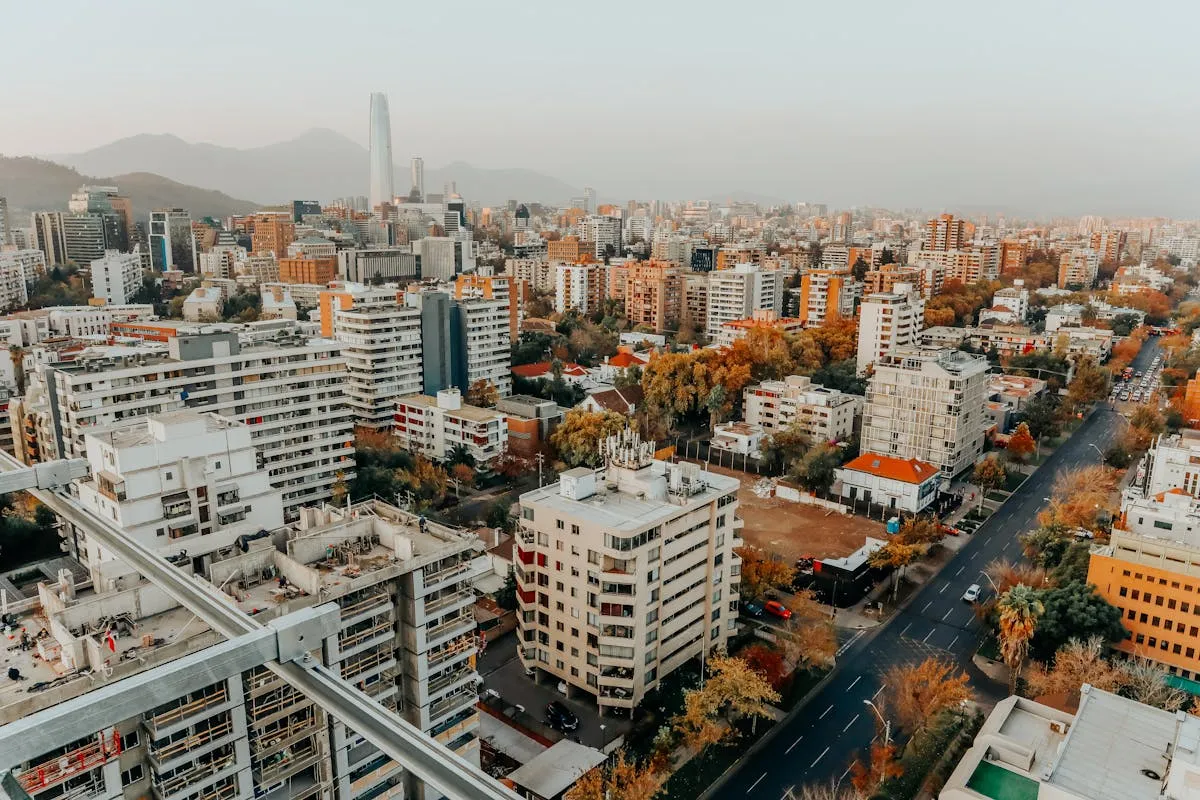
Now the honest part. Santiago can feel sterile compared to Buenos Aires or Lima. The colonial architecture is thinner than Cusco or Cartagena. Nightlife starts around midnight, which is brutal if you land jet-lagged. The air quality between May and August is a genuine problem — thermal inversions park smog over the valley for weeks. And the Las Condes glass towers tell a specific story about inequality that the 2019 estallido social made unignorable; tourist Santiago and real Santiago are not the same city.
Stay at least four days or don’t bother. Santiago reveals itself slowly: on the third morning when you finally understand Chilean Spanish in context, on the fourth evening when the Andes turn pink from Cerro San Cristóbal and the wine at Bocanáriz suddenly makes sense. Anything less and you’ll leave thinking it’s a layover city.
Getting There
Arturo Merino Benítez International Airport (SCL) is South America’s most efficient airport, consistently ranked among the continent’s best. Located 17 km northwest of the city centre, it handles most international traffic to Chile.
Airport to City
Bus (Centropuerto, Turbus): CLP 2,000-2,500 ($2.50-3). Buses run every 10-15 minutes to Los Héroes, Pajaritos metro stations, and other points. Journey time 30-50 minutes depending on traffic. Most economical option.
Taxi: Official airport taxis have fixed rates posted at exits. Expect CLP 20,000-30,000 ($22-33) to central Santiago. Uber/Cabify work from the airport — slightly cheaper but pickup points can be confusing. Licensed taxis are reliable.
Private transfer: Pre-booked transfers from CLP 25,000. Useful for late arrivals or heavy luggage.
Metro: No direct metro connection yet, but the Line 7 extension is under construction and expected to reach the airport by 2030.
From Other Chilean Cities
Bus: Chile has excellent long-distance buses. Turbus and Pullman Bus connect Santiago to Valparaíso (1.5 hours, CLP 5,000-8,000), Mendoza, Argentina (6-7 hours), and cities throughout Chile. Terminal Alameda and Terminal Santiago handle most routes.
Domestic flights: LATAM and Sky Airline connect Santiago to Patagonia (Punta Arenas, Puerto Natales), the Atacama (Calama, Antofagasta), Easter Island (Hanga Roa), and other destinations. Book early for Patagonia and Easter Island — prices spike during peak season.
Top Attractions
| Attraction | Price | Why Visit |
|---|---|---|
| Cerro San Cristóbal | Free / Funicular CLP 3,500 | Panoramic city views, Andes backdrop |
| La Moneda Palace | Free (tours bookable) | Presidential palace, Allende history |
| Museo Chileno de Arte Precolombino | CLP 10,000 / Free Sun | Best pre-Columbian collection in Chile |
| Museo de la Memoria | Free | Pinochet dictatorship memorial |
| Cerro Santa Lucía | Free | Central hill park, city founding site |
| La Chascona (Neruda House) | CLP 10,000 | Pablo Neruda’s quirky Santiago home (verify on fundacionneruda.org) |
| Museo Nacional de Bellas Artes | Free | Chilean & international art, 1910 building |
| Mercado Central | Free | Seafood market, cast-iron architecture |
| Barrio Lastarria | Free | Cafés, bookshops, cultural scene |
| GAM (Centro Gabriela Mistral) | Free / varies by show | Cultural centre, concerts, exhibitions |
| Parque Bicentenario | Free | Vitacura green space, flamingos |
| Sky Costanera | CLP 18,000 (verify) | Latin America’s tallest observation deck |
Cerro San Cristóbal
The city’s defining landmark — a 860-metre hill rising from the middle of Santiago, offering unobstructed views of the Andes (on clear days, the snow-capped peaks frame the entire eastern horizon). Part of Parque Metropolitano, the largest urban park in South America.
Getting up: The funicular from Bellavista (CLP 3,500 round trip) is the classic experience — operating since 1925, it climbs through gardens to the summit. Alternatively, walk up (1-2 hours), take the teleférico cable car from Pedro de Valdivia, or drive. The funicular closes Mondays for maintenance.
At the top: A 22-metre Virgin Mary statue, panoramic terrace, and several restaurants. Come for sunset — the city lights up as the mountains turn pink. On smoggy winter days, views are limited; check air quality before the trek.
Exploring: The park extends far beyond the summit. Botanical gardens, swimming pools (summer), the Metropolitan Zoo, and kilometres of trails. Rent bikes at the Bellavista entrance for a longer exploration.
La Moneda Palace
Chile’s presidential palace, best known internationally for the 1973 coup when military jets bombed it while Salvador Allende was inside. Today it’s a working government building with free public tours (book at visitasguiadas.presidencia.cl two weeks ahead).
Even without a tour, the changing of the guard (every other day at 10am) is worth watching. The underground Centro Cultural La Moneda hosts excellent exhibitions — the building itself is an attraction.
Museo de la Memoria y los Derechos Humanos
This museum documents the Pinochet dictatorship (1973-1990): torture, disappearances, exile, and resistance. It’s beautifully designed, emotionally devastating, and essential for understanding modern Chile. Free entry. Allow 2-3 hours.
Located in Quinta Normal, it’s near the natural history museum and several other cultural institutions. A full afternoon in the area is worthwhile.
Pablo Neruda’s La Chascona
The Nobel Prize-winning poet built three extraordinary homes in Chile; La Chascona in Bellavista is the most accessible. Named after his third wife’s wild hair, it’s a labyrinthine space filled with Neruda’s collections — compasses, seashells, coloured glass, portraits. The audio guide is excellent and included in the CLP 10,000 entry (verify against fundacionneruda.org before booking). Book ahead during peak season at fundacionneruda.org.
Museo Chileno de Arte Precolombino
Chile’s best museum, full stop. Pre-Columbian art from across the Americas, displayed with intelligence and beauty. The Andean textile collection alone is worth the visit. CLP 10,000 entry; free on Sundays. Located in the historic centre, near Plaza de Armas.
Sky Costanera
Latin America’s tallest building (300 metres) with an observation deck on floors 61-62. On clear days, you can see from the Andes to the coast. CLP 18,000 entry (verify against skycostanera.cl). Best visited at sunset. Part of the Costanera Center shopping mall — combine with upscale shopping if that’s your thing.
⚠️ Skip This: Sky Costanera on a Smoggy Day
CLP 18,000 to look at smog. Check air quality at airechile.mma.gob.cl before committing. If you can’t see the Andes from street level, don’t go up. Come back on a clear day (spring/fall mornings are best) or skip entirely — the view from Cerro San Cristóbal is free and nearly as good.
Food & Drink
Chilean cuisine flew under the radar for years — overshadowed by Peru to the north and Argentina to the east. That’s changed. Santiago now has multiple restaurants on Latin America’s 50 Best list, a thriving market scene, and street food that rewards exploration.
Traditional Chilean
Empanadas de Pino: The national snack. Beef, onion, egg, raisin, and olive in a baked pastry shell. Every Chilean has opinions about where to find the best. Zully (Lastarria) makes excellent versions; Emporio Zúñiga (Centro) has been doing them since 1930.
Pastel de Choclo: Ground corn baked over a casserole of meat, chicken, olives, and boiled egg. Sweet-savoury comfort food, especially good in summer when corn is fresh. Try it at Las Vacas Gordas (Providencia).
Cazuela: Hearty soup-stew with beef or chicken, corn on the cob, potato, pumpkin, and rice. Home cooking that rarely appears on fancy menus. Find it at market fondas and traditional restaurants.
Curanto: A Chiloé specialty that sometimes appears in Santiago — seafood, pork, chicken, potatoes, dumplings steamed underground. The full experience requires travel to southern Chile, but some restaurants attempt it.
Completo: Chilean hot dog, completely buried under avocado, tomato, mayonnaise, and sauerkraut. Street food perfected. Dominó is a famous chain; any fuente de soda (diner) serves them.
Seafood
Chile has 4,300 km of coastline, and Santiago’s Mercado Central is where the ocean arrives. The 1872 cast-iron building (designed in England) houses dozens of seafood vendors and restaurants — ranging from tourist traps to genuinely excellent.
⚠️ Skip This: Mercado Central’s Central Restaurants
The big restaurants in the middle of Mercado Central (Donde Augusto and its neighbours) charge double for tourist-quality seafood. Walk to the outer ring of stalls for the same fish at half the price, or cross the street to La Vega Central for the real deal. The 1872 iron architecture is magnificent — admire it, photograph it, then eat at Marisquería Marazul or elsewhere.
Must-try dishes:
- Ceviche: Chilean-style with local fish, citrus, cilantro. Simpler than Peruvian, still excellent.
- Machas a la Parmesana: Razor clams baked with cheese. Gratinéed shellfish perfection.
- Congrio Frito: Fried conger eel — don’t let the name scare you, it’s a firm white fish.
- Caldillo de Congrio: Neruda wrote an ode to this conger eel soup. Rich, garlicky, soul-warming.
- Locos (Abalone): Expensive, prized, uniquely Chilean. Worth trying once.
- Piure: Sea squirt. Challenging texture and iodine-forward flavour. For adventurous eaters only.
Where to eat seafood:
Atlántico (Las Condes): Upscale seafood with creative preparations. Not cheap (CLP 25,000-40,000 per person) but exceptional quality.
La Mar (Vitacura): Gastón Acurio’s Peruvian seafood chain. Technically Peruvian, but excellent ceviche in a beautiful space.
Fine Dining
Santiago’s high-end scene has matured rapidly. Multiple restaurants now appear on Latin America’s 50 Best.
Boragó (Vitacura): Chef Rodolfo Guzmán’s flagship, ranked #6 in Latin America’s 50 Best 2025 (with the Icon Award) and #23 in The World’s 50 Best. Endemic Chilean ingredients — Mapuche-inspired foraging and techniques — prepared with technical precision. Tasting menu CLP 130,000–180,000. Reservations essential, weeks in advance.
Peumayen (Bellavista): Mapuche-inspired cuisine — indigenous ingredients and techniques reimagined for contemporary tastes. Merkén (smoked chili), piñones (Araucaria pine nuts), huilliche potatoes. CLP 40,000-60,000 per person.
040 (Providencia): Chef Sergio Barroso’s tasting-menu restaurant. Latin American influences, strong technique. CLP 70,000-100,000.
Aquí Está Coco (Providencia): High-end seafood institution. More traditional than the above, but quality is impeccable. CLP 30,000-50,000.
De Patio (Vitacura): Open-fire cooking in a garden setting. Meat-focused, seasonal, reservations-only.
Casual & Mid-Range
Liguria (multiple locations): Institution for Chilean comfort food. Crowded, loud, delicious. Pastel de choclo, cazuela, pisco sours. CLP 8,000-15,000.
Fuente Alemana (Centro): Legendary sandwich spot since 1929. Their lomito (pork loin sandwich) is legendary. Cash only, no frills, queues.
Peluquería Francesa (Lastarria): Named for the barbershop that once occupied the space. Good bistro food, great pisco sours, atmospheric setting.
Galindo (Bellavista): Traditional Chilean in a classic Bellavista setting. Packed weekend lunches. Cazuela, empanadas, wine by the jug.
Coffee Culture
Santiago’s specialty coffee scene has exploded. The old tradition was café con piernas (coffee served by scantily-clad waitresses in Centro) — that still exists, but a new generation of roasters has transformed expectations.
Café de la Poesía (Lastarria): Literary café with good coffee and a poetic atmosphere. Named for the poetry readings it hosts.
Café Altura (multiple locations): Local roaster with good single-origins. The Providencia location has a nice terrace.
Colmado Coffee (Lastarria): Tiny, serious, excellent pour-over.
Juan Valdez (multiple): Colombian chain, but the coffee is solid and the locations are convenient.
Pisco
Chile and Peru both claim pisco as their national spirit, and the debate is endless. Chilean pisco is generally smoother; Peruvian has more terroir character. In Santiago, drink Chilean.
Pisco Sour: The cocktail — pisco, lime juice, sugar syrup, egg white, bitters. Every bar makes one; quality varies wildly. Chipe Libre (Lastarria) specializes in pisco and makes excellent sours.
Terremoto: “Earthquake” — pisco with pipeño (fermented wine), grenadine, and pineapple ice cream. Sweet, dangerous, a Santiago tradition. Served in La Piojera (Centro), a gloriously chaotic bar.
Piscola: Pisco and Coca-Cola. The simple highball that fuels Chilean nightlife.
Breakfast & Brunch
Le Fournil (Providencia, Las Condes): French bakery with excellent croissants, pastries, and proper coffee. The brunch on weekends is popular.
Café Colonia (Centro): Old-school café with traditional breakfast — café con leche, tostadas, kuchen (German-Chilean cake).
Holm (Lastarria): Scandinavian-inspired brunch. Good coffee, eggs, healthy options. Popular with expats.
Vegetarian & Vegan
Chile is meat-heavy, but options have improved dramatically.
El Huerto (Providencia): The original vegetarian restaurant, operating since 1980. Set lunch menu, organic focus.
Verde Sazón (Lastarria): Vegan comfort food. Sandwiches, bowls, pastries.
Shakti (Providencia): Ayurvedic-influenced vegetarian with good lunch specials.
Most restaurants can accommodate vegetarians with advance notice. “Soy vegetariano/a” (I’m vegetarian) is understood.
Chilean Wine
Chile is the world’s fourth-largest wine exporter, and wine country begins just an hour from Santiago. You can visit premium vineyards on a day trip, or build your trip around wine exploration.
Wine Regions Near Santiago
Maipo Valley: The closest region, just 30-45 minutes south. Chile’s original wine country, famous for Cabernet Sauvignon. Concha y Toro (Chile’s largest winery) is here, along with boutique producers like Antiyal and Pérez Cruz.
Casablanca Valley: 75 km west toward the coast. Cooler climate, excellent for white wines — Sauvignon Blanc, Chardonnay — and Pinot Noir. Often combined with a Valparaíso day trip.
Colchagua Valley: 180 km south, requiring an overnight or very long day. Some of Chile’s best reds: Carmenère (the signature Chilean grape), Syrah, blends. Santa Cruz makes a good base.
Key Grapes
Carmenère: Originally from Bordeaux, thought extinct until rediscovered in Chile in the 1990s. Chile’s signature grape — dark fruit, herbal notes, soft tannins. Try it at any wine bar.
Cabernet Sauvignon: Chile’s workhorse red. Maipo Valley versions can compete with the best New World Cabs.
Sauvignon Blanc: Casablanca and Leyda valleys produce excellent examples — tropical, citrus, grassy.
País: Chile’s oldest grape, brought by Spanish missionaries. Long dismissed as peasant wine, now experiencing a revival among natural wine producers.
Wine Tasting in Santiago
If you can’t make it to wine country, Santiago has excellent options.
Bocanáriz (Lastarria): Wine bar with 400+ Chilean wines by the glass or bottle. Flight tastings, knowledgeable staff, small plates. The best place in Santiago to explore Chilean wine without leaving the city.
Baco Vino y Bistro (Lastarria): Wine-focused restaurant with strong Chilean selection.
La Vinoteca (Providencia): Shop and tasting bar. Good for buying bottles to take home.
Vineyard Visits
Most wineries require reservations. Tours typically include vineyard walk, cellar visit, and tasting. CLP 15,000-50,000 depending on winery and tasting level.
Concha y Toro (Maipo): Chile’s largest winery. Touristy but well-organized. Good introduction to Chilean wine. Book at conchaytoro.com.
Viña Cousiño Macul (Maipo): Historic family winery since 1856. Beautiful grounds, excellent Cabernet.
Casas del Bosque (Casablanca): Boutique winery with restaurant. Excellent Sauvignon Blanc and Pinot Noir.
Viña Matetic (San Antonio): Biodynamic pioneer. Remote, scenic, combinable with a coastal drive.
Viña Montes (Colchagua): Premium producer. The apalta vineyard and feng shui cellar are worth the longer trip.
Neighbourhoods
Centro Histórico
The historic core, anchored by Plaza de Armas. Colonial architecture, government buildings, the Metropolitan Cathedral. Busy during weekdays, quieter on weekends. Museums (Arte Precolombino, Museo Histórico Nacional), La Moneda, Mercado Central, and La Vega are all within walking distance.
Character: Working city centre, not a tourist zone. Can feel chaotic and gritty. Beautiful buildings alongside street vendors and pedestrian chaos.
Stay here if: You want proximity to history and don’t mind urban intensity.
The thing to do here: Museo Chileno de Arte Precolombino at opening (9am) — three rooms of Andean artefacts and zero crowds — then walk to La Moneda for the 10am changing of the guard (odd-numbered days).
Lastarria
The cultural heart of Santiago. Pedestrian streets lined with bookshops, cafés, wine bars, and small theatres. GAM cultural centre anchors the southern end. The neighbourhood spills into Parque Forestal with its museums and Sunday antique markets.
Character: Intellectual, artistic, walkable. The most coherent cultural cluster in the city, slightly precious in tone.
Stay here if: Culture, cafés, and evening wine bars are your priorities. Walkable to most attractions.
The thing to do here: Sunday antique market along Parque Forestal — arrive at 10am before the best finds disappear, then brunch at Holm and an afternoon pisco sour at Chipe Libre.
Bellavista
Bohemian neighbourhood at the foot of Cerro San Cristóbal. Pablo Neruda’s La Chascona, craft shops, restaurants, and Santiago’s main nightlife strip (Pío Nono). Street art covers many walls.
Character: Artsy by day, party zone by night (especially Thursday-Saturday). Can get loud and messy after midnight.
Stay here if: You want nightlife at your doorstep and don’t mind noise. Great for young travellers.
The thing to do here: Start at La Chascona (morning, booked ahead), end at La Piojera with a terremoto, and accept that the evening will escalate from there.
Providencia
Upscale residential and commercial district. Wide avenues, malls, restaurants, hotels. Less character than Lastarria or Bellavista but very liveable. Good metro connections.
Character: Polished, safe, somewhat generic. Where Santiaguinos with money actually live.
Stay here if: Comfort and convenience over atmosphere. Good hotel options at various price points.
The thing to do here: Evening menú ejecutivo at Liguria Luis Thayer Ojeda, then a long walk down Providencia Avenue to Lastarria with a detour through Parque de las Esculturas.
Las Condes
Wealthy and characterless. Glass towers, international chain hotels, Sky Costanera. The neighbourhood exists for business travel and corporate expense accounts.
The thing to do here: Sky Costanera at sunset — but only on a clear day (check airechile.mma.gob.cl first). On smoggy days, skip and do Cerro San Cristóbal instead.
Vitacura
Santiago’s wealthiest neighbourhood. Polished to sterility, but Boragó is here and that’s reason enough to visit. Beautiful parks, expensive everything.
The thing to do here: Dinner at Boragó (tasting menu, booked weeks ahead) followed by a slow walk through Parque Bicentenario — one of the few things in Vitacura that doesn’t require a reservation or a six-figure salary.
Barrio Italia
The most genuine personality in Santiago and the neighbourhood that rewards slow walking more than any other. A former Italian immigrant district along Avenida Italia, now transformed into Santiago’s design and vintage capital. Restored 1920s houses hold vintage clothing shops, antique dealers, ceramicists, design studios, wine bars, and some of the city’s best small restaurants (Restaurant 040, Silvestre, Peluquería Francesa within walking distance).
Galpón Italia — the covered former warehouse — houses a dozen design boutiques and a solid weekend café scene. Side streets hide patios, workshops, and small galleries you’ll only find by wandering.
Character: Gentrified in the good way — the neighbourhood kept the old buildings and the families that still live above the shops, and added excellent coffee. Mid-transformation means prices are still reasonable compared to Lastarria.
Stay here if: You want a quieter local neighbourhood with exceptional cafés, design shopping, and access to Ñuñoa and Providencia within 10 minutes.
The thing to do here: Saturday afternoon vintage crawl — Avenida Italia between Diagonal Oriente and Condell has the highest concentration of design shops per block in the city. Finish with dinner at Silvestre or a glass at Pioneros wine bar.
Ñuñoa
Where real Santiago reveals itself. Middle-class residential with genuine neighbourhood identity, centred on Plaza Ñuñoa — the closest the city gets to a European-style town square, surrounded by cafés, bookshops, family restaurants, and the Teatro UC. Estadio Nacional (the national stadium, also a 1973 coup detention site and now a memorial) sits in the southwest. Young professionals and academics live here; tourists rarely do.
Barrio Suecia and Plaza Ñuñoa both have strong independent restaurant scenes. Sunday mornings bring families to the plaza’s flea market. The Estadio Nacional metro station puts you one line from downtown.
Character: Authentic middle-class Santiago, with better food per peso than any other neighbourhood on this list. The tourist presence is effectively zero.
Stay here if: Long stays, a local experience, or you’re on a budget and willing to trade tourist proximity for real neighbourhood life.
The thing to do here: Sunday morning at Plaza Ñuñoa — coffee at Colmado, browse the small flea market, empanadas from the old corner bakery, then the 20-minute walk to Parque Bustamante. This is what Santiago feels like when it’s not performing for visitors.
Mountains & Outdoors
The Andes rise dramatically east of Santiago — 5,000-6,000 metre peaks visible from the city. In winter (June-September), you can ski within an hour of downtown. In summer, the mountains offer hiking and climbing. This is one of Santiago’s greatest assets.
Hiking Near Santiago
Cerro San Cristóbal: The obvious starting point. Multiple trails through Parque Metropolitano. Accessible by public transport, busy on weekends.
Cerro Manquehue (1,638m): The most popular summit hike visible from Santiago. 4-5 hours round trip, steep final approach. Trailhead in Las Condes, accessible by metro + bus. Start early to avoid heat and crowds.
Parque Aguas de Ramón: Canyon hiking east of the city. Several trails, natural pools (seasonal), relatively easy access. Entry CLP 3,000.
Cajón del Maipo: The main canyon heading into the Andes southeast of Santiago. Day hikes, hot springs, camping. An hour’s drive opens up a different world. See Day Trips below.
Cerro Pochoco (1,320m): Shorter than Manquehue, similar views. 2-3 hours round trip. Good sunset hike.
Parque Quinta Normal
Large park in the Quinta Normal neighbourhood west of Centro, with several museums (Museo Nacional de Historia Natural, Museo Artequin, Museo Ferroviario for train enthusiasts). Feels genuinely un-touristed — more families with kids than foreign visitors. Good place to combine with a Barrio Yungay morning.
Skiing
Three resorts sit 40-60 km from Santiago, at 2,500-3,200m elevation. Season runs June-September, snow-dependent.
Valle Nevado: The largest resort, most infrastructure. Good intermediate terrain. Day pass ~CLP 65,000-80,000 depending on date. Shuttle buses from Santiago.
El Colorado/Farellones: Closer, more family-friendly. Farellones is the village; El Colorado the ski area. More affordable, smaller terrain.
La Parva: Interconnected with Valle Nevado for advanced skiers. More local crowd.
Portillo: Further north (2 hours from Santiago), legendary resort with steeper terrain and dedicated ski community. Worth the trip for serious skiers.
Altitude Warning
Ski resorts sit at 2,500-3,200m — significant altitude. If you’ve just arrived from sea level, take it easy the first day. Hydrate, limit alcohol, listen to your body.
Climbing
For mountaineers, the Andes offer serious objectives. Volcán San José (5,856m) and other peaks are accessible from Cajón del Maipo. Guide services operate from Santiago.
Day Trips
Valparaíso & Viña del Mar
The essential day trip — two contrasting coastal cities 120 km west. Valparaíso is the UNESCO-listed port city: hillside funiculars, street art, crumbling grandeur, bohemian spirit. Viña del Mar is the beach resort: casinos, gardens, summer crowds.
Getting there: Turbus or Pullman from Terminal Alameda. CLP 5,000-8,000, 90 minutes. Buses run constantly.
What to do: Explore Valparaíso’s cerros (hills) by ascensor (funicular), see Neruda’s La Sebastiana house, wander the street art, have lunch overlooking the port. Add Viña’s beaches if weather permits.
Pro tip: Valparaíso has a crime problem — watch belongings, especially on quiet streets. Don’t let that deter you; just be aware.
Cajón del Maipo
The Andes canyon southeast of Santiago, following the Maipo River toward the mountains. Hot springs, hiking, rafting, camping, mountain scenery.
Getting there: Rental car recommended. Public buses (Metrobus) go as far as San José de Maipo (1 hour), but exploring the upper canyon requires wheels.
What to do:
- Baños Colina: Natural hot springs at 3,400m, with the Andes immediately above the pools. Basic facilities. CLP 15,000 entry. Only accessible November-April (snow closes the road in winter).
- Embalse El Yeso: Turquoise reservoir with Andean backdrop. Instagram-famous, worth the trip. Free access.
- Cascada de las Ánimas: Waterfall hike, eco-lodge, rafting. CLP 5,000 entry.
- San José de Maipo: Small town, good lunch stop, Sunday market.
Casablanca Valley Wine Tour
Combine the coast with wine. Visit 2-3 wineries in the Casablanca Valley, then continue to Valparaíso for sunset and dinner. Tours available from Santiago; self-driving gives more flexibility.
Maipo Valley Wine Tour
The closer wine option — Concha y Toro and smaller producers. Half-day possible. Combine with Pirque village and Reserva Nacional Río Clarillo (nature reserve, easy hikes).
Cementerio General
Not technically a day trip — it’s 15 minutes from Centro — but worth a half-day for the political weight alone. Santiago’s main cemetery is a city of the dead with elaborate mausoleums, the graves of Pablo Neruda, Salvador Allende, Violeta Parra, and Víctor Jara, and a memorial to the detained-disappeared that makes the 2019 estallido social context unmissable. Free, peaceful, surprisingly moving. Enter via the main gate at Recoleta 411 and pick up the free map at the office.
Pomaire
Small pottery town 50 km southwest. Traditional greda (clay) pottery, empanadas, pastel de choclo. Touristy but genuine craft tradition. Good half-day trip.
Getting Around
Metro
Santiago’s metro is excellent — clean, efficient, extensive. Seven lines cover most tourist areas. Operates 5:30am-11pm (later on Fridays/Saturdays).
Fares: CLP 710–830 depending on time — CLP 710 early-morning/late-evening (06:00–06:59, 20:45–23:00), CLP 800 off-peak, CLP 830 peak (weekdays 07:00–09:00 and 18:00–20:00). Buy a Bip! card (CLP 1,550 for the card, then load credit) — it works on metro and buses and saves queuing for tickets.
Peak hours: 7-9am and 6-8pm are packed. Avoid with luggage or if claustrophobic.
Useful lines: Line 1 (red) runs east-west through Providencia and Las Condes. Line 5 (green) serves Bellavista and Quinta Normal.
Buses
Transantiago (now called RED) buses cover the entire city. Use the Bip! card — no cash accepted. Google Maps shows routes. Useful for areas the metro doesn’t reach.
Uber/Cabify
Both work well. Legal and widely used. Typically 20-40% cheaper than taxis for longer rides. Useful for late night or areas with poor transit.
Taxis
Black with yellow roofs. Metered — flag drop CLP 300, then ~CLP 140 per 200m. Generally honest but always confirm the meter is running. Useful for short hops or when apps surge.
Cycling
Santiago has growing bike infrastructure. BikeSantiago is the bike-share system — CLP 1,000 for 30 minutes, or monthly plans. Ciclovías (bike lanes) exist but are inconsistent. Sunday mornings, Avenida Andrés Bello closes to cars for cyclists.
Driving
Not recommended for central Santiago — traffic, confusing layout, paid highway tags (TAG system), limited parking. Useful for wine country, mountains, and coastal trips. Major rental companies at the airport and in Providencia.
Practical Information
Safety
Santiago is safe by Latin American standards — far safer than most Brazilian, Mexican, or Colombian cities. Violent crime against tourists is rare. Petty theft exists, especially in crowded metro, markets, and tourist areas. Standard precautions apply: don’t flash valuables, use hotel safes, be aware at night.
Protests: Santiago has active protest culture, especially around Plaza Italia (now Plaza de la Dignidad). Large demonstrations generally on Fridays. Mostly peaceful but can turn chaotic. Check local news if you see crowds gathering.
Money
Chilean Peso (CLP). USD 1 ≈ CLP 890 (as of April 2026 — check current rates; the peso has strengthened ~7% over the past year). Cards widely accepted in restaurants, hotels, shops. Markets and small vendors may be cash-only. ATMs everywhere; Santander and BCI have reasonable fees for international cards.
Tipping: 10% typical at restaurants (often suggested on the bill). Not expected at cafés or for small services.
Language
Spanish. Chilean Spanish is fast, heavily slang-laden, and drops final syllables — even Spanish speakers from other countries find it challenging. English is spoken in tourist areas and hotels but not universally. Basic Spanish helps enormously.
Air Quality
Santiago sits in a valley surrounded by mountains, and winter (May-August) brings thermal inversions that trap pollution. Some days are genuinely bad. Check airechile.mma.gob.cl for current readings. Summer and spring are generally clear.
Month-by-Month Weather
| Month | High/Low | Rain Days | Key Events & Notes |
|---|---|---|---|
| January | 30/13°C | 1 | Hot, many locals on holiday. Some restaurants close. Good for outdoor activities. |
| February | 29/12°C | 1 | Still hot. Vendimia (harvest) begins late month in wine country. |
| March ⭐ | 27/11°C | 1 | EXCELLENT. Harvest season. Lollapalooza Chile. Cooling down. |
| April ⭐ | 23/8°C | 3 | BEST MONTH. Pleasant, clear, fall colours in vineyards. |
| May | 18/5°C | 5 | Cooling. First rain possible. Smog season begins. |
| June | 14/3°C | 5 | Winter. Ski season opens. Air quality deteriorates. |
| July | 14/2°C | 6 | Coldest month. Skiing peak. Smog at worst. Indoor focus. |
| August | 16/3°C | 4 | Late winter. Ski season continues. Air improving slowly. |
| September ⭐ | 19/5°C | 3 | Spring arrives. Fiestas Patrias (Sep 18–19) — country shuts down. Book ahead. |
| October ⭐ | 22/7°C | 2 | EXCELLENT. Clear skies, wildflowers, Andes snow-capped and visible. |
| November | 26/9°C | 1 | Warming up. Jacarandas bloom. Wine country is green. Great visiting. |
| December | 29/12°C | 1 | Hot. Holiday season begins late month. Summer crowds start. |
Source: Dirección Meteorológica de Chile climate normals. Santiago sits at 520m elevation in a valley bounded by the Andes.
When to Visit
Best: September-November (spring) and March-May (fall). Pleasant temperatures, clear skies, fewer tourists.
Summer (December-February): Hot (30°C+), many Santiaguinos leave for the coast or south. Some restaurants close for January holidays. Good for outdoor activities if you tolerate heat.
Winter (June-August): Cooler (5-15°C), rain possible, pollution worse. Best time for skiing. Museums and indoor attractions are a good focus.
Visa & Entry
Most nationalities (including US, EU, UK, Australia, Canada) get 90 days visa-free. No reciprocity fee (this was eliminated in 2014). Your passport gets stamped on arrival — keep track of this paper, you need it on exit.
Health
No special vaccinations required. Tap water is safe to drink. Healthcare is good (private hospitals for emergencies). Standard travel insurance recommended.
Current Developments (2026)
Metro expansion: Line 7 under construction — 19 stations linking Renca to Vitacura (Los Dominicos), opening in stages through 2028. Line 8 in early construction. Line 3 now extends to Plaza Quilicura. Line 2 extension to El Bosque completed 2025. Metro de Santiago remains the cleanest, most reliable in Latin America.
RED bus fleet: Full electrification of the Transantiago/RED bus fleet ongoing — Santiago has the largest electric bus fleet outside China. Expect quieter, cleaner rides on most routes by end 2026.
New Pudahuel terminal: The expanded international terminal at SCL Airport (Terminal 2) is now fully operational after 2022 opening — Latin America’s largest, with significantly improved immigration flow.
Centro Cultural Gabriela Mistral (GAM): Expanded programming in 2026 marks 15 years since the centre’s opening, with major exhibitions linked to the 2019 estallido social anniversary.
Post-estallido context: Constitutional reform processes concluded (both 2022 and 2023 drafts rejected). Political climate has stabilized; the current government is centre-left. Tourists see no direct effect, but conversations with Chileans about housing, pensions, and inequality are part of understanding the city in 2026.
Price increases: Metro fares last raised in 2025; current 2026 rates are in Getting Around above. Taxi and Uber roughly 15% higher than a year ago. Wine country tours up CLP 5,000–10,000 at most vineyards.
Tourism rebound: International arrivals hit ~4.5M in 2025, back above pre-pandemic levels. Book accommodation in Lastarria/Providencia ahead for spring and fall shoulder seasons.
Romantic Santiago
Santiago is not Buenos Aires or Cartagena and will not pretend to be. The romantic anchors are concrete and outdoor: sunset from Cerro San Cristóbal, a long lunch in the Maipo Valley, an evening glass at Bocanáriz on Calle José Victorino Lastarria.
Sunset at Cerro San Cristóbal: Ride the funicular up, watch the Andes turn pink, descend as the city lights appear. Classic.
Wine tasting: A day in Maipo or Casablanca valley — vineyard picnic, tasting room exploration, long lunch with views.
Bocanáriz evening: Work through Chilean wines by the glass, nibbling cheese and charcuterie. Intimate, excellent, civilised.
La Chascona: Neruda built this house for his secret love affair. The story — and the quirky spaces — suit romantic temperaments.
Hotels: The Singular Lastarria (design hotel in a 1900s building), Hotel Magnolia (boutique elegance), Noi Vitacura (contemporary luxury with mountain views).
Santiago with Kids
Parque Metropolitano: The funicular ride alone thrills children. Add the zoo (CLP 4,000 adults, CLP 2,500 kids), swimming pools (summer), and playgrounds.
MIM (Museo Interactivo Mirador): Interactive science museum in La Granja. Excellent for kids 5-12. CLP 5,500 entry. Allow 3-4 hours.
Fantasilandia: Amusement park in Parque O’Higgins. Roller coasters, rides, typical theme park. CLP 20,000-30,000 depending on day and height.
Cerro Santa Lucía: The turrets and gardens appeal to children with imagination. Manageable climb with payoff views.
Buin Zoo: South of Santiago (30 minutes by car). Larger than the city zoo, more naturalistic habitats. CLP 14,000 adults.
Hidden Santiago
Things most guidebooks skip — the weird corners that make Santiago interesting once you’ve done the obvious stuff.
Barrio Yungay & the Plaza Brasil Sunday market: Working-class neighbourhood west of Centro with beautiful 19th-century architecture, antique shops, and zero tourists. The Sunday antique market on Plaza Brasil is the real Santiago of 1950 — old radios, ex-navy uniforms, third-generation booksellers. Combine with lunch at Peluquería Francesa (a converted 1868 barbershop now serving excellent traditional Chilean).
La Piojera: The “flea pit.” Legendary dive bar near Mercado Central and the birthplace of the terremoto (pisco + pipeño wine + pineapple ice cream). Sticky tables, chaotic singing, surprisingly good lunch fondas in the back. The bar Anthony Bourdain called the most authentic in Santiago — and he wasn’t wrong.
La Vega Central at 4–6am: The wholesale market wakes up long before the tourists do. Trucks full of produce arriving, vendors setting up, food stalls serving market workers. Ten minutes in a shared taxi from Bellavista puts you in a version of Santiago most visitors never see. Surreal if you’re still out from the night before.
Casa Roja (Concha y Toro basement): The historic winery’s underground cellar — the Casillero del Diablo (“Devil’s Cellar”) that inspired the wine brand’s name. Cheesy legend, genuinely atmospheric old stone chambers. Book the Devil’s Cellar tour specifically via Concha y Toro rather than the standard winery visit.
Ready to Book Your Santiago Trip?
Find the best flight deals to Santiago (SCL)
Sample Itineraries
3-Day Essential Santiago
Day 1: Centro Histórico & Culture
- 9:00 AM: Museo Chileno de Arte Precolombino (2 hours, opens at 10am Tue–Sun — start the day here)
- 11:30 AM: Walk Plaza de Armas, Metropolitan Cathedral, Iglesia de San Francisco (1618)
- 12:30 PM: La Moneda Palace — check schedule for changing of the guard (odd-numbered days, 10am)
- 1:00 PM: Lunch at La Vega Central fondas (CLP 4,000–6,000, authentic, feral)
- 2:30 PM: Mercado Central — admire the 1872 iron architecture, browse the outer stalls
- 3:30 PM: Museo de la Memoria y los Derechos Humanos (2–3 hours — don’t rush this)
- 7:00 PM: Walk to Lastarria. Pisco sours at Chipe Libre
- 9:00 PM: Dinner at Peluquería Francesa or Liguria
Day 2: Mountains & Neighbourhoods
- 9:00 AM: Cerro San Cristóbal via funicular. Views, Virgin statue, walk the trails
- 11:30 AM: Descend to Bellavista. La Chascona / Neruda house (pre-booked)
- 1:00 PM: Lunch at Galindo (traditional Chilean, Bellavista)
- 2:30 PM: Walk Providencia. Coffee at Café Altura or Colmado
- 4:00 PM: Barrio Italia vintage shops and galleries
- 7:00 PM: Wine tasting at Bocanáriz (400+ Chilean wines)
- 9:30 PM: Dinner at Liguria (Providencia) or Aquí Está Coco (seafood)
Day 3: Wine Country or Valparaíso
Option A — Wine: Drive or book a tour to Maipo Valley. Visit Cousiño Macul (morning) plus one boutique winery. Lunch at the winery restaurant. Return by 5pm. Evening: La Piojera for a terremoto, farewell dinner.
Option B — Coast: Turbus to Valparaíso (90 min each way). Ride the ascensores, see the street art, visit La Sebastiana (Neruda’s Valparaíso house). Lunch overlooking the port. Return by evening. Farewell dinner in Lastarria.
5-Day Deep Dive
Days 1–3 as above (do both wine and Valparaíso), plus:
Day 4: Cajón del Maipo + Evening Culture
- 8:00 AM: Drive or tour to Cajón del Maipo
- 10:00 AM: Embalse El Yeso (turquoise reservoir, Andean backdrop)
- 12:30 PM: Lunch in San José de Maipo
- 2:00 PM: Cascada de las Ánimas hike or Baños Colina hot springs (Nov–Apr only, check snow)
- 6:00 PM: Return to Santiago
- 9:00 PM: Dinner in Bellavista, then Pío Nono nightlife
Day 5: Deep Santiago + Markets
- 9:00 AM: Cerro Santa Lucía (morning walk, city views)
- 10:30 AM: Museo Nacional de Bellas Artes (free, Parque Forestal)
- 12:00 PM: Sunday: Parque Forestal antique market / Other days: Barrio Yungay exploration
- 1:30 PM: Empanadas at Zully or a Fuente Alemana sandwich
- 3:00 PM: Cementerio General (Allende, Neruda, Violeta Parra graves — 2 hours)
- 5:30 PM: Sky Costanera at sunset (clear day only) or GAM exhibition
- 8:00 PM: Farewell dinner at Boragó (booked weeks ahead) or Peumayen
Budget Breakdown
Budget: CLP 35,000-50,000/day ($40-55 USD)
- Sleep: Hostel dorm (CLP 12,000-18,000) or budget hotel (CLP 25,000-35,000)
- Eat: Markets, empanadas, completos (CLP 8,000-15,000)
- Transport: Metro + buses (CLP 3,000-5,000)
- Activities: Free museums, walking, one paid attraction
Mid-Range: CLP 80,000-150,000/day ($90-165 USD)
- Sleep: Boutique hotel or Airbnb (CLP 50,000-100,000)
- Eat: Nice lunches, good dinners (CLP 25,000-40,000)
- Transport: Metro + occasional Uber (CLP 5,000-10,000)
- Activities: Museums, wine tour, funicular (CLP 15,000-30,000)
Luxury: CLP 250,000+/day ($280+ USD)
- Sleep: Top hotels (W, Ritz-Carlton, The Singular) CLP 150,000+
- Eat: Fine dining (Boragó, etc.) CLP 100,000+
- Transport: Private car, transfers
- Activities: Private wine tours, spa, premium experiences
Lunch Specials (Menú del Día)
Most Chilean restaurants offer a fixed-price lunch (menú ejecutivo or menú del día) — appetizer, main, sometimes dessert and drink — for CLP 6,000-12,000. Excellent value. Ask “¿Tiene menú del día?”
Tip: Office areas (Providencia, Las Condes) have the best lunch specials. Tourist areas (Lastarria, Bellavista) charge more.
Shopping
Craft & Design
Chilean craft traditions are less famous than Peru’s or Guatemala’s, but quality exists. The key is knowing where to look.
Artesanías de Chile (multiple locations): Non-profit foundation preserving traditional crafts. Fixed prices, guaranteed authenticity, artisan compensation. Locations in Centro Cultural La Moneda, Pueblito Los Dominicos. Mapuche textiles, ceramics, copperwork.
Pueblito Los Dominicos (Las Condes): Village-style craft market with permanent stalls. Higher prices than street markets but better quality. Good for lapis lazuli jewelry (Chile has major deposits), leather goods, ceramics. Weekends busiest.
Centro de Exposición de Arte Indígena (Centro): Indigenous art from across Chile — Mapuche silver, Rapa Nui carvings, Atacameño textiles. Small but curated.
Feria Santa Lucía (Cerro Santa Lucía): Weekend craft market at the base of the hill. Variable quality but some genuine artisans. Bargaining possible.
Fashion & Accessories
Casa Costanera (Vitacura): Chilean fashion designers. Upscale but supporting local talent.
Drugstore (Providencia): Design-focused department store. Chilean and international fashion, home goods, gifts.
Barrio Italia: The whole neighbourhood is effectively a shopping district — vintage furniture, design studios, antique dealers. Saturdays are best for browsing.
Wine & Gourmet
La Vinoteca (Providencia): Excellent Chilean wine selection with knowledgeable staff. Will pack bottles for travel.
El Mundo del Vino (multiple): Chain with good selection. Less personality than La Vinoteca but convenient.
Emporio La Rosa (multiple): Artisanal ice cream and chocolate. Good gifts — their chocolates travel well.
Malls
Santiago has enormous malls. If you need conventional shopping:
Costanera Center (Las Condes): Latin America’s tallest building with massive mall attached. Every international brand. Sky Costanera observation deck on top.
Parque Arauco (Las Condes): Another mega-mall with luxury brands.
Alto Las Condes: Upscale mall with good food court.
Nightlife
Santiago’s nightlife starts late — dinner at 9-10pm, bars filling at midnight, clubs until 5am or later. The scene is concentrated in a few areas with distinct characters.
Neighbourhoods After Dark
Bellavista (Pío Nono): The main nightlife strip. Bars, clubs, restaurants packed along Pío Nono and surrounding streets. Gets rowdy Thursday-Saturday. Mix of tourists, students, locals. Can feel chaotic and slightly seedy — that’s the charm or the turnoff depending on taste.
Lastarria: More civilised. Wine bars, cocktail lounges, late-night cafés. Couples, professionals, cultural types. Quieter than Bellavista but still lively until 2-3am.
Barrio Italia: Wine bars and small cocktail spots scattered among the antique shops. Neighbourhood feel, less tourist-oriented.
Providencia (Manuel Montt): Local bars, craft beer spots, neighbourhood cantinas. Less scene-y, more where young professionals actually drink.
Cocktail Bars
Chipe Libre (Lastarria): República Independiente del Pisco — declares itself a sovereign pisco republic. Extensive pisco menu, creative cocktails, Peruvian and Chilean varieties. The best pisco sours in Santiago.
Sarita Colonia (Bellavista): Peruvian-themed bar with religious kitsch decor and excellent cocktails. Pisco sours, chilcanos, ceviche to snack.
Red Luxury Bar (Lastarria): Speakeasy-style with serious cocktails. Book ahead on weekends.
Boca Nariz (Lastarria): Attached to the wine bar, with cocktails using Chilean spirits. Intimate, sophisticated.
Bars & Pubs
La Piojera (Centro): Legendary dive near Mercado Central. Birthplace of the terremoto. Sticky floors, rowdy crowds, authenticity you can taste. Not for everyone; essential for some.
Bar Constitución (Centro): Historic bar in a beautiful space. Less chaotic than La Piojera, similar old-Santiago atmosphere.
Flannery’s (Providencia): Irish pub that actually does it well. Expat hangout, rugby on screens, decent beer.
Craft Beer
Chile’s craft beer scene is smaller than Argentina’s but growing.
Cervecería Kross (multiple): One of Chile’s best craft breweries. Taproom in Curacaví (outside the city) and bars serving their beers throughout Santiago.
Bundor (Providencia): Craft beer bar with rotating Chilean and international taps.
Casa Cervecera Altamira (Providencia): Brewpub with house beers and food.
Clubs
Club La Feria (Bellavista): Large club with multiple floors and music zones. Mainstream hits, electronic, Latin. The big Saturday night out.
Blondie (Bellavista): Rock and alternative music. Darker, grungier crowd.
Teatro Caupolicán: Concert venue hosting international and Chilean acts. Check listings.
Live Music
Sala SCD (Providencia): Mid-sized venue for Chilean and Latin American acts.
Club Chocolate (Bellavista): Jazz, blues, funk. Intimate setting.
Peña de los Parra (Centro): Folk music venue connected to the Parra family (Violeta Parra, the legendary folk singer). Cueca, nueva canción, traditional Chilean music.
LGBTQ+ Scene
Chile has made rapid progress on LGBTQ+ rights (same-sex marriage since 2022). Santiago’s scene is smaller than Buenos Aires but active.
Bellavista: Most gay-friendly neighbourhood overall.
Bunker (Bellavista): Long-running gay club.
Farinelli (Bellavista): Cabaret shows, drag performances.
Late Night
Fuente Alemana (Centro): Open until late for sandwiches after drinking.
Lomit’s (multiple): Chain serving lomitos (pork sandwiches) and other fast food. The 3am crowd after clubs.
La Vega area, 4–6 AM: The wholesale market wakes up and the food stalls serve workers — full description in Hidden Santiago.
Markets
Food Markets
Mercado Central (Food section reference): The 1872 iron-structure seafood market. See the full write-up and skip-box warning in the Food & Drink section above.
La Vega Central: The real market across from Mercado Central — wholesale produce, butchers, cheesemongers, and the La Vega Chica food court with complete plates for CLP 3,000–5,000. Santiago’s actual daily shop. See also Hidden Santiago for the 4–6am pre-dawn wholesale scene.
Mercado Tirso de Molina: In La Vega neighbourhood, another working market. Less touristed, strong immigrant communities (Peruvian, Colombian, Haitian food stalls).
Antique & Flea Markets
Bio Bio (Metro Franklin): Santiago’s famous flea market. Saturdays and Sundays. Everything from antique furniture to stolen electronics (allegedly). Go early for treasures. Bring cash, watch your pockets, embrace the chaos.
Plaza Brasil (Barrio Yungay): Sunday antique market in a working-class neighbourhood. Better curation than Bio Bio, more manageable size.
Persa Estación (San Miguel): Massive weekend market south of Centro. Household goods, clothing, food stalls. Very local experience.
Artisan Markets
Parque Forestal (Sunday): Art and craft fair along the park, near Bellas Artes museum. Quality varies but pleasant browsing on a Sunday morning.
Pueblito Los Dominicos: Permanent craft village in Las Condes. Higher quality, tourist prices, but genuine artisans.
Art & Architecture
Museums
Museo Nacional de Bellas Artes (Parque Forestal): Chile’s main art museum in a gorgeous 1910 Beaux-Arts building. Chilean and international art from colonial to contemporary. Free entry. The building alone is worth visiting.
Museo de Arte Contemporáneo (MAC): Contemporary art in the same Parque Forestal complex. Rotating exhibitions, emerging artists. Free.
Centro Cultural La Moneda: Underground cultural centre beneath the presidential palace. Excellent temporary exhibitions (photography, design, history). Free or low cost.
Museo de la Solidaridad Salvador Allende: Art donated by international artists in solidarity with Allende’s government. Miró, Picasso, Tàpies, Calder. Small but powerful collection. Free.
Biblioteca Nacional de Chile: The national library occupies a full block near Cerro Santa Lucía. Soaring reading rooms, free admission, temporary exhibitions on Chilean literary and historical collections. Free air conditioning in summer is a genuine perk.
Contemporary Art Galleries
Galería Patricia Ready (Vitacura): Top contemporary gallery representing major Chilean and Latin American artists.
Die Ecke (Vitacura): Contemporary art with international focus.
Galería Isabel Aninat (Vitacura): Another heavyweight in the Vitacura gallery cluster.
GAM (Lastarria): Centro Gabriela Mistral hosts rotating exhibitions alongside performances. The building itself — reconstructed from Pinochet-era offices — is architecturally interesting.
Architecture Tours
Colonial Centro: Walking the Centro Histórico reveals colonial churches (Cathedral, Iglesia de San Francisco 1618), government buildings (La Moneda 1805), and 19th-century European-style architecture around Plaza de Armas.
Art Nouveau / Art Deco: Barrio París-Londres (near Alameda) is a two-block neighbourhood of European-style houses from the 1920s, declared a national monument in 1982.
Modernism: The building of the Unidad Vecinal Portales (1950s social housing, now heritage-listed) and various Le Corbusier-influenced buildings show Chile’s mid-century ambitions.
Contemporary: Titanium Tower and Costanera Center mark Las Condes skyline. GAM’s adaptive reuse is interesting. Biblioteca de Santiago (Matucana) is worth visiting for architecture and atmosphere.
Sports
Football (Soccer)
Football is religion in Chile. Santiago has multiple top-tier teams with passionate followings.
Universidad de Chile (Estadio Nacional): “La U” — one of Chile’s biggest clubs. The Estadio Nacional (built for the 1962 World Cup, later used as a detention centre under Pinochet) seats 48,000. Tickets CLP 10,000-40,000.
Colo-Colo (Estadio Monumental): The most successful club in Chilean history, based in Macul. Massive fan base, intense atmosphere. Superclásico (Colo-Colo vs U de Chile) is the biggest match in Chilean football.
Universidad Católica (San Carlos de Apoquindo): The third Santiago giant, based in Las Condes. More upscale fan base.
Tickets: Available at stadium box offices or through PuntoTicket. Big matches sell out — buy early. Derby matches (Superclásico, Clásico Universitario) are experiences but can be tense — go with locals if possible.
Running & Cycling
Parque Metropolitano: Trails through Cerro San Cristóbal — hills, views, decent air quality. Popular with runners and cyclists.
Parque Bicentenario (Vitacura): Flat paths around lagoons. Good for easy runs.
Cycling Sundays: Avenida Andrés Bello closes to cars on Sunday mornings for cyclists. Ciclovías (bike lanes) exist throughout the city but are inconsistent.
Tennis
Chile has produced top tennis players (Ríos, González, Massú). ATP/WTA events occasionally visit. Public courts available in various parks.
Festivals & Events
Major Events
Fiestas Patrias (September 18-19): Independence Day celebrations. The country effectively shuts down for a week (la semana). Fondas (temporary fair structures) throughout Santiago with cueca dancing, chicha (fermented grape juice), empanadas, asado. Parades, fireworks, national pride. Book accommodation and transport well ahead.
Año Nuevo (New Year’s Eve): Fireworks displays throughout the city. Coastal cities (Valparaíso, Viña del Mar) have legendary celebrations — combine with a trip.
Lollapalooza Chile (March): Major music festival at Parque O’Higgins. International and Latin American acts. Tickets sell out months ahead.
Santiago a Mil (January): Theatre festival with performances throughout the city — street theatre, indoor productions, international companies. Many free events.
Seasonal Notes
Summer (December-February): Many Santiaguinos leave for the coast or south. Some restaurants close in January. Good time for museums and fewer crowds, but some businesses on holiday schedules.
Vendimia (March-April): Grape harvest season. Wine country events, harvest festivals. Good time for vineyard visits.
Winter (June-August): Ski season in the Andes. The city is cooler (10-15°C), occasional rain. Indoor activities, fewer tourists.
Working Remotely
Santiago attracts digital nomads with good infrastructure, reasonable costs, and excellent quality of life. Not as cheap as Southeast Asia or Mexico, but competitive for South America.
Coworking Spaces
WeWork (multiple locations): Global standard. Hot desks from CLP 150,000/month. Providencia and Las Condes locations.
IF Blanco (Providencia): Local coworking with community focus. Monthly plans from CLP 100,000.
Urban Station (multiple): Chilean chain with locations throughout Santiago. Flexible plans.
Selina (Providencia): Coworking + hostel combo. Day passes available. Social atmosphere.
Laptop-Friendly Cafés
Most specialty coffee shops tolerate laptop workers during non-peak hours. Buy something regularly, don’t hog tables at lunch.
- Café Altura (Providencia): Spacious, outlets, fast wifi
- Blue Jar (Providencia): Large tables, good for working
- Wonderland (Barrio Italia): Beautiful space, work-friendly
Practical Considerations
Visa: Tourist visa allows 90 days (extendable to 180 for most nationalities). Working remotely on a tourist visa is legally grey but commonly done. For longer stays, consider temporary resident visa.
Internet: Generally excellent. Fibre available in most apartments (CLP 20,000-30,000/month). Cafés and coworking have reliable connections.
Cost of living: Moderate by international standards. Comfortable lifestyle on $1,500-2,500 USD/month (nice apartment, restaurants, activities). Higher than Lima or Mexico City, lower than Buenos Aires or Montevideo.
Time zone: Chile Standard Time (CLT) is UTC-3 in summer, UTC-4 in winter. Works well for overlap with US East Coast; challenging for Europe.
Phones & Internet
SIM cards: Entel, Movistar, and Claro all offer prepaid SIMs. Available at the airport, malls, and small shops. Bring passport. Data packages are cheap — CLP 5,000-10,000 for a month of basic data.
WiFi: Common in hotels, cafés, restaurants. Metro has free WiFi (quality varies). Most public spaces don’t have open networks.
Calling: WhatsApp is ubiquitous for both messaging and calls. Local numbers start with +56 9.
Emergency Information
- Police (Carabineros): 133
- Ambulance: 131
- Fire: 132
- Tourist Police: +56 2 2661 5005
Hospitals: Clínica Alemana and Clínica Las Condes are the best private hospitals. Bring travel insurance — private healthcare is expensive without it.
Pharmacies: Cruz Verde, Farmacias Ahumada, and SalcoBrand are major chains. Open late, some 24 hours. Basic medications available without prescription.
Speaking Chilean
Chilean Spanish is notoriously difficult — fast, slang-heavy, final syllables swallowed. Standard Spanish gets you through hotels and restaurants; understanding Chileans on the street takes patient listening. The slang matters more than the phrasebook — if you can catch cachai, po, and al tiro, you’ll understand half of what’s happening around you.
Chilean Slang (Chilenismos)
- Cachai — You know? / You understand? (filler word)
- Po — Emphatic particle added to sentences (sí po = yes indeed)
- Bacán / La raja — Cool / Awesome
- Fome — Boring
- Polola/Pololo — Girlfriend/Boyfriend
- Carrete — Party
- Al tiro — Right away
- ¿Cómo estái? — How are you? (Chilean for ¿Cómo estás?)
Pricing, festival dates, and transport costs reflect data verified in April 2026 via the official sources linked throughout this guide. Travel costs are subject to annual adjustments — attractions and transport authorities typically refresh prices each spring. We recommend confirming real-time prices and booking windows via the authority links in each section before your trip. Where this guide references Michelin stars, the data reflects the most recent edition of the relevant Michelin Guide at time of publication.
Bookstores
Chile has a strong literary tradition (Pablo Neruda, Gabriela Mistral, Roberto Bolaño, Isabel Allende), and bookstores reflect this.
Librería Antártica (multiple): Major Chilean chain with good selection. Literature, history, art books. Spanish focus but some English.
Metales Pesados (Lastarria): Independent bookstore focused on Latin American literature, art, and politics. Small but curated.
Librería del GAM: Inside the cultural centre. Good selection of Chilean authors, design books, music.
Feria Chilena del Libro: Annual book fair in November (Parque Bustamante). Publishers, discounts, author events.
Data Provenance & Verification
- Transit Fares: Verified via Metro de Santiago and RED Movilidad 2026 fare schedules
- Attraction Pricing: Sourced from official museum/attraction websites, verified April 2026
- Restaurant Pricing: Verified via direct menu checks and reservation systems, March–April 2026
- Wine: Vineyard pricing verified via official winery websites
- Weather: Based on Dirección Meteorológica de Chile climate normals for Santiago (520m elevation)
- Safety: Informed by Carabineros de Chile and Chile Travel advisories
- Air Quality: Data source: Sistema de Información Nacional de Calidad del Aire
- Last Updated: April 2026
Frequently Asked Questions
How many days do I need in Santiago?
3-4 days covers the essentials (museums, neighbourhoods, Cerro San Cristóbal). Add 1-2 days for wine country and/or Valparaíso. A week allows deeper exploration plus mountain activities.
What is the best day in Santiago for under CLP 15,000 ($17 USD)?
Empanada de pino from a street vendor for breakfast (CLP 1,500). Metro to Centro (CLP 800). Walk Plaza de Armas and the Metropolitan Cathedral (free). Museo Nacional de Bellas Artes (free). Walk Parque Forestal to Lastarria. Browse Cerro Santa Lucía (free). Lunch: menú del día at a La Vega Central fonda (CLP 4,000). Walk up Cerro San Cristóbal — don’t take the funicular (free). Sunset from the top. Descend to Bellavista. Completo (Chilean hot dog) for dinner (CLP 2,500). Terremoto at La Piojera (CLP 2,500). Total: CLP 11,300. One of the best $13 days on the continent.
Can I visit wine country on a day trip?
Absolutely. Maipo Valley wineries (Concha y Toro, etc.) are 30-45 minutes from central Santiago. Casablanca Valley (excellent whites) is 75 minutes toward the coast — combine with Valparaíso. Colchagua (premium reds) works as a long day but is better overnight.
What’s the best neighbourhood to stay in?
Lastarria for culture and walkability. Providencia for comfort and convenience. Bellavista for nightlife (but expect noise). Centro Histórico for history buffs who don’t mind urban grit.
When is the best time to visit?
Spring (September-November) or fall (March-May) for pleasant weather and clear skies. Summer (December-February) is hot; some businesses close in January. Winter (June-August) brings cooler temperatures, occasional rain, and skiing in the Andes.
How is the air quality in Santiago?
Santiago sits in a valley — winter (May-August) brings thermal inversions that trap pollution. Some days are genuinely bad. Spring and fall are generally clear. Check airechile.mma.gob.cl before outdoor activities.
Is Santiago safe for tourists?
Yes, relatively safe by Latin American standards. Petty theft (pickpocketing, phone snatching) exists in tourist areas and crowded metro. Violent crime against tourists is uncommon. Use normal precautions — don’t flash valuables, be aware at night, use official taxis or apps.
Do I need Spanish?
Helpful but not essential in tourist areas. Chilean Spanish is famously difficult — fast, slang-heavy, swallowing consonants. English is spoken in hotels and upscale restaurants but less commonly elsewhere. Google Translate helps.
Is Uber available?
Yes, Uber and Cabify both work throughout Santiago. Legal, reliable, and typically cheaper than taxis. Useful for late nights or areas with poor transit.
Can I drink the tap water?
Yes, tap water in Santiago is safe to drink. Chile has excellent water infrastructure.
More City Guides
- Ho Chi Minh City Guide 2026 — Phở, bánh mì, cơm tấm & the new Metro Line 1
- Cairo City Guide 2026
- Toronto City Guide 2026 — CN Tower, Michelin, Kensington Market & the new Crosstown LRT
- Medellín City Guide 2026
- Bogotá City Guide 2026
- Osaka City Guide 2026 — Takoyaki, Dotonbori, Universal Studios & Japan’s kitchen
- Cape Town City Guide 2026 — Table Mountain, Robben Island & Cape Winelands
- Kyoto City Guide 2026
- Vancouver City Guide 2026
- San Francisco City Guide 2026
- Montreal City Guide 2026
- Mexico City Guide 2026
- Buenos Aires City Guide 2026
- Lima City Guide 2026
🔍 Every deal on AiFly passes automated verification gates and human editorial review before publishing — how we verify deals.