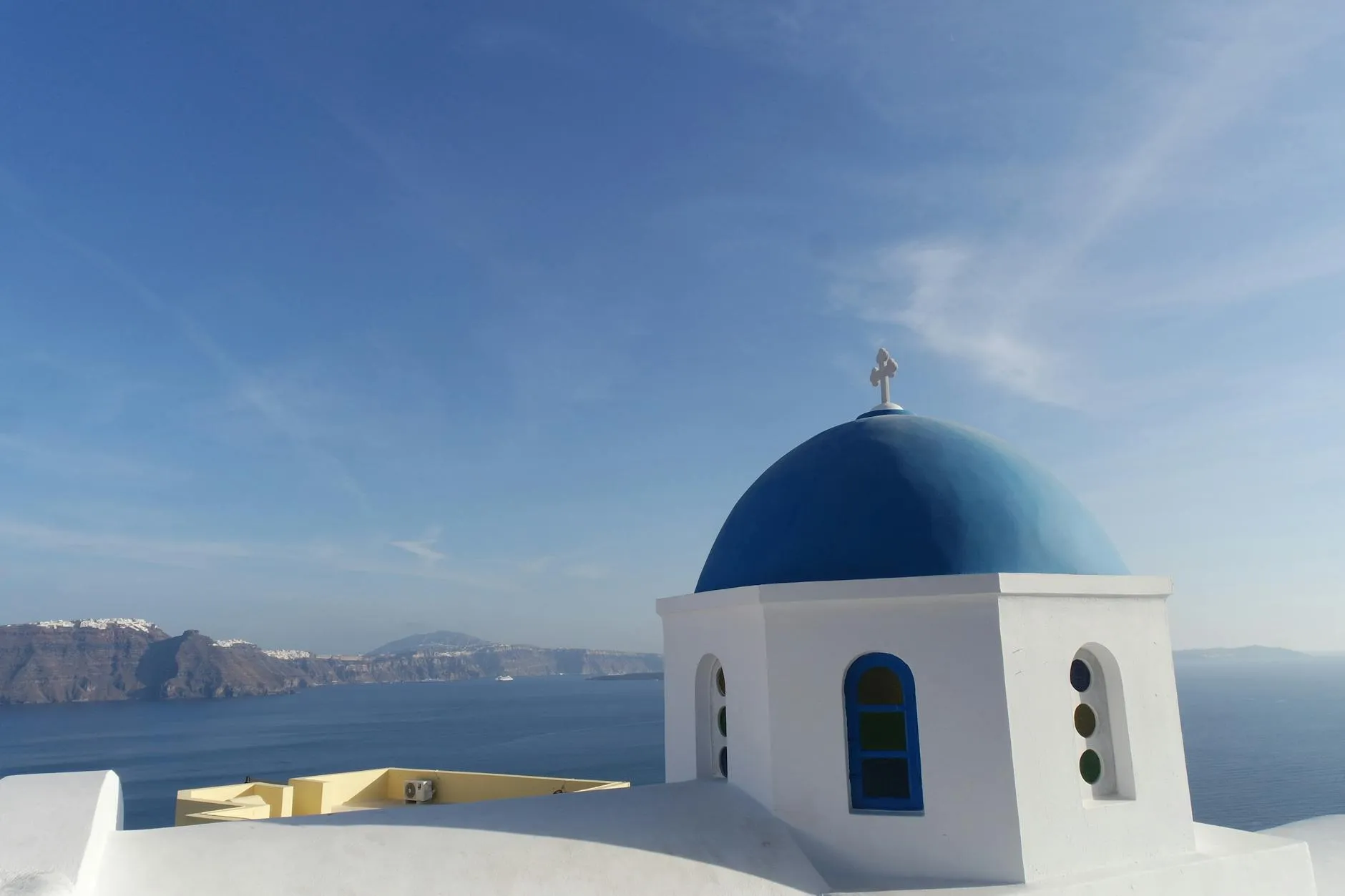
Santorini — The Complete Island Guide 2026
A Bronze Age town under volcanic ash with no human skeletons in it. A 1956 earthquake that emptied the island. A 2025 tremor swarm that evacuated eleven thousand people in six days. A cruise-cap of eight thousand per day and a Michelin Guide arriving in the second half of 2026. Santorini is the most photographed island in Europe and also the most misread. This guide covers the rest of it.
€55–400+/day budget
Mediterranean: 10–30°C
🇬🇷 EU / Schengen / EUR €
Climate fee €2–15/night
EES active · ETIAS not yet live
Why Santorini? An Editor’s Note
At Akrotiri, on the south coast of the island, archaeologists have been excavating a Bronze Age town under deep volcanic pumice and ash for more than fifty years. They have found storerooms full of sealed pithoi, olive-oil residue still pooled at the bottom of jars, frescoes preserved in their original colour, the signs of a society that lived on the rim of a shield volcano and farmed vines and traded copper across the Aegean. They have not, in those fifty-plus years of continuous digging, found a single human skeleton on the site.
The Minoans who lived here evacuated before the eruption. They seem to have had months of warning — the thin first layer of ash shows no winter-rain erosion before the next layer buried it — and they left, probably by boat, taking their heavier valuables and sealing what they couldn’t carry. Where they went is one of the long questions in Aegean archaeology. Around 1650 BCE, the volcano detonated in one of the largest eruptions in human history; the central part of the island collapsed into the sea, and the event is thought by some scholars to have ended the palatial phase of Minoan Crete about one hundred and twenty kilometres to the south. Whether it is also the source of the Atlantis story Plato wrote a thousand years later is unresolved.
Modern Santorini has been shaped by three catastrophes, and a visitor who only reads the caldera — who flies in, drinks an Aperol Spritz at sunset, and photographs a blue dome — will not have met the island on its own terms.
The first catastrophe is the one above. The Minoan eruption gave the island its shape: the caldera is the flooded basin where the summit of the volcano collapsed into the magma chamber. What the cruise ships anchor in is not a bay; it is a 380-metre-deep submerged crater.
The second is more recent. On 9 July 1956, at 03:11 in the morning, a 7.7-magnitude earthquake off the neighbouring island of Amorgos demolished more than five hundred houses on Thera (the 1956 official damage assessment). Thirteen minutes later, a 7.2-magnitude aftershock struck closer. A thirty-metre tsunami washed ashore. Fifty-three people died. Then-Prime Minister Konstantinos Karamanlis declared the island a disaster zone. Aid was offered; Britain’s was refused, for reasons that had more to do with Cyprus than Santorini. And a large portion of the population decided that the rebuild would happen without them. Through the 1960s and 1970s, Santorini was a semi-depopulated island of ruins and terraced fields and very little money. Most of the whitewashed cliffside houses now photographed at sunset were rebuilt, or restored from ruin, within living memory.
The third catastrophe is the one you have arrived in the middle of. Santorini in 2026 has a permanent population of roughly seventeen thousand people and receives about three and a half million visitors a year, the great majority of them concentrated into the four kilometres of caldera-rim cliffs between Fira and Oia. In the summer of 2024, cruise-ship arrivals sometimes pushed day-visitor totals past seventeen thousand — more tourists on the island for nine hours than residents in total. In response, a daily cap of eight thousand cruise passengers has been in force since 2025 and continues in 2026, enforced through a two-phase slotting system administered by the Municipal Port Fund of Thira. It is the most aggressive overtourism cap in Europe. It costs the island roughly twenty-two percent of its hotel revenue and sixteen percent of its airport arrivals, and the government has decided that is an acceptable price.
One more thing happened in early 2025 that the island is still metabolising. Between 31 January and 7 February, more than twelve hundred earthquakes struck the Santorini-Amorgos fault zone. The strongest, a 5.2 on 5 February, was felt as far as Athens and Crete. Over six days, eleven thousand residents, seasonal workers, and tourists left the island on emergency ferries and charter flights. A state of emergency was declared until 3 March. Greek scientists, and a UCL research paper published in November, concluded the swarm was caused by magmatic fluid intruding along the fault line — not volcanic activity, not a precursor to an eruption. The island reopened. The ground has been quiet since. But the 2025 swarm is the reason some of the fine print in your insurance policy will mention Santorini specifically, and it is also the reason the Greek state is now building an emergency evacuation road from Fira to the south coast. That road is under construction as this guide is written.
Who this guide is for. Anyone who has paid for a flight to JTR and wants to leave the island with something more durable than a sunset photograph. The guide is honest about prices (high) and the crush (real), and it assumes you are willing to get on a local bus.
What to skip. The donkey rides up from Old Port. The Agios Nikolaos / Kastro steps in Oia between 19:00 and 20:30 in July and August — that is the trap, named below. The TripAdvisor top-ten caldera-view restaurants, most of which sell the view and not the food. The sunset-sailing cruise at a four-digit euro price. Everything below is organised around the rest.
Table of Contents
- Top 12 Things to See and Do
- Neighbourhoods
- Where to Stay by Budget
- Where to Eat
- Wine and Drinking Culture
- Getting Around
- Best Time to Visit
- Month-by-Month Weather
- Daily Budget Breakdown
- Sample Itineraries
- Best Day Under €55
- Hot Afternoon / Windy Day Plan
- Day Trips
- Safety and Practical Information
- Visa and Entry Requirements
- Hidden Santorini
- Romantic Santorini
- Santorini with Kids
- What’s New in 2026
- Frequently Asked Questions
- Explore More Aifly Guides
Top 12 Things to See and Do
1. Akrotiri Archaeological Site — the Bronze Age town under the ash
Akrotiri is the gravitational centre of any honest visit to Santorini. It is the reason the island is not just a volcano with good light. Spyridon Marinatos began excavating the site in 1967 and worked it until his death on site in 1974 — he is buried on the grounds. His team and their successors have uncovered a Bronze Age town with three-storey buildings, interior plumbing and paved streets — a level of urban planning not seen again in the Aegean for more than a thousand years.
The site itself sits under a protective bioclimatic roof completed in 2012, which makes visits possible in any weather and shields the excavation from sun bleaching. You walk elevated platforms above rooms that were sealed by ash three and a half thousand years ago. In one house, you can see a stone toilet that drained into a proper sewer system. In another, the pithoi storage jars still stand against the wall; what was left inside them is on display in the Museum of Prehistoric Thera in Fira, not here. The frescoes that were most famously recovered — the Spring Fresco, the Boxing Boys, the Fisherman — have also been moved to the museum for conservation. Two sites, one ticket, one civilisation.
Walking the site takes between one and two hours. Shoulders and knees should be covered if the heat permits; there is almost no shade at the entrance queue. The site is fully wheelchair-accessible through a designed route with ramps and lifts — one of the few major archaeological sites in Greece where this is properly delivered.
Price: €20 individual entry. €15 combined ticket with Ancient Thera and the Museum of Prehistoric Thera (valid three days) — buy the combined ticket unless you are confident you will only see one site.
Hours: Daily 08:00–20:00 in high season (April–October). Winter: Monday and Thursday 08:30–15:30.
How to get there: KTEL bus from Fira to Akrotiri village, €1.80, roughly hourly. The archaeological site is an 800 m walk from the village bus stop, signposted.
Access: Full wheelchair access via designated route.
Book: hhticket.gr (official e-ticket platform; avoids the queue in high season).
2. Museum of Prehistoric Thera — where the frescoes live
This is the half of Akrotiri that is not at Akrotiri. The Spring Fresco, with its lilies and darting swallows, is here. The Boxing Boys fragment is here. The famous Fisherman is here. So are thousands of objects from the Marinatos excavations, including a wooden bed frame that survived three thousand years because it was carbonised.
The museum is small, well-lit, and organised chronologically. It takes ninety minutes to do it properly and about forty-five minutes if you are fast. It is the best-curated archaeological museum in the Cyclades.
It is also, usefully, in the centre of Fira — walking distance from the cable car, the bus station, the Orthodox cathedral, and most things. It makes the natural first stop of a Santorini trip: you arrive, you drop your bags, you walk ten minutes to the museum, and when you walk out ninety minutes later you have a three-dimensional sense of what this island is before you have seen any of it.
Price: €6 individual. €15 combined ticket with Akrotiri and Ancient Thera (valid three days).
Hours: Wednesday–Monday 08:30–15:30. Closed Tuesdays.
How to get there: Five-minute walk from Fira bus station; three-minute walk from the cable car.
Access: Lift to all floors; wheelchair-accessible.
3. Ancient Thera — the city on top of the mountain
Most visitors never get here, which is part of the argument for going. Ancient Thera sits on the summit of Mesa Vouno, the ridge that separates Kamari from Perissa on the east side of the island, at 396 metres. It was founded by Dorian Greek colonists in the ninth century BCE and continued in some form through the Hellenistic and Roman periods — a layered city of temples, stoas, an agora, a theatre, and private houses clinging to a limestone ridge above two of the island’s best beaches.
What makes Ancient Thera interesting is the air. You stand where a Hellenistic priest of Apollo Karneios stood and look down, on one side, to Kamari’s black-sand strip where early-hour swimmers are a kilometre below you, and on the other side to Perissa. Between them, the caldera is visible in the west. It is the only place on the island where you can see the whole geological argument of Santorini in a single rotation. There is a Doric temple to Apollo with Egyptian-style proskynemata inscriptions cut into the bedrock, which document the soldiers and priests who came here to honour the god.
Getting to the summit is the second part of the experience. A taxi or private shuttle from Kamari base will take you up the switchback road. Walking the same road in summer heat is punishing and not recommended. A marked hiking path climbs directly from Perissa side, 45 minutes of steep ascent on loose scree — do it in the early morning only, and carry water.
Price: €6 adult, €3 reduced (EU citizens 65+, EU under-25). €15 combined ticket with Akrotiri and Museum of Prehistoric Thera. Free on the first Sunday of the month from November through March.
Hours: Wednesday–Monday 08:30–15:30. Closed Tuesdays.
How to get there: The hard way, walk from Perissa or Kamari. The practical way, taxi from Kamari (around €15–20 each way) or take the tourist shuttle bus during summer (€10 return, ask at any Kamari beach agency).
Access: Limited — the site involves significant uneven ground and is not wheelchair-accessible.
4. Oia at sunset — and where not to watch it
Oia is a beautiful village and it has a specific trap. The trap is the crowd on the stone steps leading down from the main square to the old Venetian castle at Agios Nikolaos (often called Kastro). Between 19:00 and 20:30 in July and August, three to four thousand people compress themselves onto a staircase a few metres wide to watch the sun set over the caldera rim. Fights, broken ankles, and roof-perched drone-operators charging forty euros for a photograph you will look at once are the predictable side effects. Whatever you imagine a famous sunset spot to be, the real thing is denser and louder and more unpleasant, and the actual sunset — the light on the caldera walls — is better viewed from somewhere else.
The alternatives, in order of quality:
- Imerovigli — 4 km south along the caldera road. The highest cliff-point on the island at 330 metres. Skaros Rock juts out from below and the sunset lights the entire caldera from the south-west. Quieter, cheaper drinks, no fort.
- Oia itself, 20 minutes before or 20 minutes after the crush. Walk 400 metres south of Agios Nikolaos toward the path down to Ammoudi. The view is the same cliff face, there is nobody there, and you can sit on a stone wall.
- The road between Oia and Finikia. Turn inland and watch the sunset across the east-side volcanic ash plain rather than the caldera. The colour on the ash is spectacular and almost no one else is there.
- Ammoudi Bay. Walk down the 300 steps from Oia (do not take the donkeys — see below). Sunset from sea level at a small fishing-port taverna is a different and much quieter proposition.
- Prophet Elias monastery. The highest point on the island at 567 m. The monastery is closed to visitors but the summit road is free. You can see Oia and Fira and the volcano from one spot. Best in clear weather.
Oia itself, in any of its daylight hours, is worth visiting. Walk it at 07:30 before the coach parties and it is the village that the photographs claim it is. The Maritime Museum (€3) is small and good. The traditional cave houses in the old captain’s district tell the story of the island’s nineteenth-century merchant fleet, which traded Russian grain and at one point gave Santorini the largest merchant navy in the eastern Mediterranean.
Price: Oia itself is free. Agios Nikolaos / Kastro is free. Maritime Museum €3.
Hours: The village is always open; sunset time varies — April 19:45, June 20:50, August 20:20, October 18:45.
How to get there: Bus Fira to Oia (€2, every 30 minutes during peak hours, last bus back around 23:30). By scooter or car: 25 minutes along the caldera road.
5. The caldera path: Fira–Firostefani–Imerovigli–Oia
The signature walk of the island — ten and a half kilometres along the caldera rim, from Fira north to Oia. It takes three to four hours at a moderate pace, it goes through four villages, and it crosses almost every caldera view the island has to offer. If you do one thing on Santorini other than see Akrotiri, do this walk.
The first section, Fira to Firostefani (15 minutes), is a paved cliffside corridor through hotel terraces. The second, Firostefani to Imerovigli (15 minutes), gets quieter and higher. The third, Imerovigli past Skaros Rock and along the ridge toward Oia (1.5 hours), is the most dramatic — and much of it is on an unpaved path with loose gravel and no rail. Shoes matter. So does water: there is one taverna halfway, at the chapel of Profitis Ilias (not to be confused with the monastery of Prophet Elias further south), but no mains water until you descend into Oia.
Walk this in the morning. Starting at 07:30 from Fira, you arrive in Oia around 11:00 just as the coach parties begin to land, buy a freddo espresso, ride the bus back, and have the whole afternoon free. Doing it in the afternoon toward sunset is a mistake — the sun is in your eyes for the last two hours, the path is more crowded, and the bus back from Oia in peak hour is standing-room-only.
Price: Free.
Hours: All hours; best between 07:30 and 11:00 in summer, all day in spring / autumn.
How to get there: Start at the north end of Fira town (past the Archaeological Museum) on the marked path.
Access: Most of the path is uneven and unsuitable for wheelchairs or strollers.
6. The Nea Kameni volcano and Palea Kameni hot springs
The caldera has two active volcanic islets at its centre. Nea Kameni (“new burnt one”) is the larger, a dark lava landscape that emerged from the sea between 1573 and 1950, with its last minor eruption in 1950 and fumaroles that still smoke. Palea Kameni (“old burnt one”) is the older, smaller islet where sulphurous hot springs stain the sea the colour of iron.
The standard volcano tour is a half-day or full-day boat trip from the Old Port (below Fira) or directly from Athinios. The half-day visits Nea Kameni’s crater (45-minute walk over loose black gravel, no shade) and then anchors off Palea Kameni so you can swim the last fifty metres to the hot springs themselves. The full-day adds a stop at Thirasia, the inhabited island on the western rim of the caldera, for lunch and a walk through the village of Manolas.
The Nea Kameni walk is a steep climb in full sun. Proper closed-toe shoes are essential — the volcanic gravel shreds sandals. The crater at the top is a wide depression with venting fumaroles, and from the summit you can see the whole geological structure of the caldera. The hot springs at Palea Kameni are warm, not hot — around 33°C, body temperature, not the thermal bath some brochures imply. The swim out is in cold sea water; the shock is in that direction.
Price: Half-day tours from €35. Full-day with Thirasia and hot springs €45–65. Private sailing tours €400+. All tours have a €5 volcano-entry fee collected on site by the local authority.
Hours: Tours depart morning (09:00) and afternoon (14:00); the afternoon tour is cooler but goes against sunset timing.
How to get there: Boats leave from Fira Old Port (below the cable car) and from Athinios commercial port.
Access: The boat itself is accessible in calm weather; the Nea Kameni walk is not wheelchair-accessible.
7. Pyrgos and Prophet Elias Monastery
Pyrgos is the highest inland village on the island and was the capital of Santorini until the mid-1800s. Its medieval kastro at the summit survived the 1956 earthquake largely because it is built into and of the rock. Climb the village’s winding lanes to the top and you get a 360-degree view — Fira and the caldera on one side, the ash plain and Kamari on the other, and the Prophet Elias ridge above you to the south.
Directly uphill from Pyrgos, the Prophet Elias monastery crowns the island’s highest point at 567 metres. It is a working Orthodox monastery and generally closed to lay visitors, but the road up to its walls is open, and the view from the gates is the widest in the Cyclades. On a clear morning the western tip of Crete is visible from the gates, with the nearer Cyclades — Ios, Folegandros, Anafi — strung between.
Next to Pyrgos, Santo Wines has its flagship tasting pavilion — the single best place on the island to drink Assyrtiko at sunset without being in the Oia crush. More on that in the wine section.
Price: Pyrgos village free. Monastery exterior free. Santo Wines tasting flights €15–45.
Hours: Village always open; Santo Wines 11:00–21:00 daily in summer, shorter hours in winter.
How to get there: KTEL bus from Fira to Pyrgos (€1.80, 20 minutes). Walking from Pyrgos up to the monastery takes 40 minutes uphill.
Access: Pyrgos village is steep cobbled streets, not wheelchair-friendly; Santo Wines pavilion is accessible.
8. The black-sand beaches of Perissa, Perivolos, and Kamari
Santorini’s beaches are a consequence of its geology. The sand is pulverised volcanic rock — some black, some red, none of it white. The east-coast strip is almost continuous from Kamari south past Perissa and Perivolos to Agios Georgios: five kilometres of black-sand beach, organised beach clubs, tavernas, and the shallow warm water of the eastern Aegean. The black sand gets hot in July and August — 60°C on the surface at noon — so sandals matter, and beach mats are worth more than towels.
Kamari is the busiest, most organised, and most family-friendly. It is a long pedestrian promenade with beach bars, tavernas, and all of the island’s organised watersports. Perissa and Perivolos, further south and separated by the Mesa Vouno ridge, are slightly cheaper, slightly quieter, and increasingly the locals’ pick. Agios Georgios, the last beach before the southern tip, is the quietest and has the best taverna cluster for seafood (try Taverna Artemis for grilled octopus).
On the opposite side of the island, Red Beach near Akrotiri is famous and photogenic and should probably be skipped. Landslides in 2019 and 2022 have closed the main beach access; you can view it from a signposted overlook but not swim there. White Beach further south is reachable only by water-taxi from Akrotiri village (€15 round-trip) and is still open.
Price: Beach access free. Sunbed + umbrella €15–25 per pair in high season, €8–12 in May and October.
Hours: Beach clubs typically 09:00–19:00; tavernas stay open until midnight.
How to get there: KTEL bus from Fira to Kamari (€1.80, 20 min); separate bus to Perissa (€1.80, 25 min).
Access: Kamari and Perissa have boardwalks and accessible beach zones; Red Beach and White Beach are not accessible.
9. The Santorini vineyards and Assyrtiko
Santorini grows wine on volcanic soil that has not seen rain for six months out of every twelve, and it grows it without trellises. The vines are trained into low basket shapes — called kouloura locally — that coil close to the ground and protect the grapes from the meltemi wind and the sun’s worst heat. A single kouloura can be eighty years old. The whole system is pre-industrial and unique to Santorini.
The grape is Assyrtiko. It produces a bright, high-acid, mineral white that is not flabby or fruity and tastes specifically of this island. Vinsanto is the sweet dessert wine, made by drying Assyrtiko grapes on straw mats for six to eight days in the September sun, then fermenting slowly and ageing in barrel for a legal minimum of twenty-four months; most bottles are aged for much longer.
Mavrotragano is the red. Historically the island grew more red grapes than white — the mid-nineteenth-century Santorini merchant fleet exported red wine to the Russian Orthodox Church for communion — but phylloxera and economic pressure nearly extinguished Mavrotragano in the twentieth century. It was effectively a lost variety by the 1980s. Paris Sigalas and a small group of producers have spent thirty years rescuing it from near-extinction, replanting carefully on the island’s own-rooted vineyards (Santorini is one of the few European wine regions phylloxera never reached). The modern Mavrotragano is dark, structured, and a genuinely distinct red — not Greek-mainland Agiorgitiko, not Cretan Liatiko, something of its own. Sigalas, Argyros, and Hatzidakis all bottle it.
Four wineries cover the spectrum:
- Santo Wines (Pyrgos). The flagship. Large tourism pavilion, spectacular caldera-view terrace, tasting flights €15–45. Open year-round.
- Venetsanos (Megalochori). The first industrial winery on the island (1947). Cantilevered into the cliff. Tours of the gravity-fed production system. Tasting €20–35.
- Domaine Sigalas (near Oia). One of Greece’s most respected producers. Smaller, more serious setting. Tasting €25–40. Book ahead.
- Koutsogiannopoulos / Volcan (between Fira and Kamari). Fifth-generation family estate since 1870. Underground wine museum with dioramas of traditional winemaking. Tasting €10–30. Worth it for the museum even if you don’t drink.
Price: Tasting flights €10–45 depending on winery and number of wines.
Hours: Most wineries 11:00–20:00 in season; winter hours vary.
How to get there: Santo Wines, Venetsanos, and Sigalas are reachable by bus + short walk, but a scooter or rental car makes the wine tour more practical. Taxi-shared tours (€80 for two people, three wineries) are widely available.
Access: Santo Wines and Venetsanos are accessible; the others have steps.
10. Megalochori
Megalochori is the traditional village most travellers miss. It sits inland, halfway between Fira and Akrotiri, and it is the single best-preserved Cycladic settlement on the island. The main square has a nineteenth-century clock tower, a century-old bakery that still makes prozymi sourdough, and a fountain around which grandmothers have argued for three centuries. The village is laced with hidden courtyards that were deliberately designed to hide from Aegean pirates — the houses built around courtyards that cannot be seen from the street.
There is a cluster of small family wineries around Megalochori — Boutari’s Santorini outpost, Gavalas, and Artemis Karamolegos are all within two kilometres. There is one excellent restaurant (Aroma Avlis), one very good bakery (Melitini), and very few tourists after 18:00. An evening in Megalochori is how most permanent Santorini residents decompress from their working day.
Price: Village itself free. Wineries and restaurants priced individually.
Hours: Always open.
How to get there: KTEL bus Fira to Akrotiri passes through Megalochori; ask the driver (€1.80).
Access: Cobbled lanes and steps throughout; not wheelchair-friendly.
11. Ammoudi Bay
Ammoudi is the small fishing port directly below Oia, reached by three hundred stone steps from the main village. The descent takes fifteen minutes. The climb back up takes twenty-five, in heat, without shade. It is worth both.
What is at the bottom is a red-rock cove with six or seven seafood tavernas clustered along the waterfront, each with tables a metre above the water. Octopus is drying on clotheslines in the morning. The fish is off local boats. Prices are higher than inland Santorini but lower than caldera-view Oia, and the quality is the best on the island. Sunset Taverna at the end of the row is the least touristy and has the freshest catch; Dimitris is the most consistent; Katina is the one everyone recommends without having been.
Beyond the taverna row, a path leads out along the cliffs to a small rock platform called Armeni, where you can swim off the rocks in deep blue water that drops to thirty metres within two strokes of shore. It is one of the best swimming spots on the island.
Price: Free to visit. Tavernas €30–50 per person for a full meal.
Hours: Tavernas open 12:00–00:00, reduced hours off-season.
How to get there: Three hundred stone steps from Oia main square; the signposted start is near the Atlantis Books bookshop. For the mobility-limited, a road taxi can drive down — ask the driver for the Ammoudi waterfront, €10 from Oia centre.
Access: The stepped path is not wheelchair-accessible; the road access is.
12. The Caldera swim off Skaros Rock
Below Imerovigli, a path descends from the Church of the Resurrection of Christ down to the neck of Skaros Rock — the remains of a thirteenth-century Venetian citadel that was the medieval capital of the island until its collapse during the 1650 earthquake. From Skaros, a secondary path descends to the sea, where you can swim directly off the caldera rocks into water two hundred metres deep within a hundred strokes.
This is the only swim that takes place inside the caldera itself — the volcanic-void swim. The water is cold (caldera currents) and dramatic. The climb back up to Imerovigli is twenty minutes in shade for the first five and full sun for the next fifteen. Take it seriously and carry water.
Price: Free.
Hours: All hours; best between 10:00 and 16:00 in summer for sun on the swim.
How to get there: Bus or walk to Imerovigli; from the village, follow signs to Church of the Resurrection, then the path.
Access: The path down to Skaros has many steps and is not wheelchair-accessible.
Neighbourhoods
Fira
The capital. Cliffside, noisy, commercial, dense with jewellery shops and mid-range restaurants. The cable car, the bus station, the Archaeological Museum, and the Museum of Prehistoric Thera are all here. In July and August the main pedestrian lanes are a human pipe-organ — shoulder-to-shoulder — from about 11:00 to 22:00. Fira is where you come to use infrastructure. It is not where you come to sit quietly.
Firostefani
Fifteen minutes’ walk north of Fira. Quieter, higher, cheaper for accommodation, with caldera views that are practically identical to Fira’s. If you want to sleep on the caldera rim without paying Oia prices, Firostefani is the answer. The village has four or five good tavernas, a bakery, and enough quiet that you can read a book on your terrace at 22:00.
Imerovigli
The highest cliff village, 330 metres above the caldera floor. Known as “the balcony of the Aegean.” Sunset views are better than Oia’s. Prices are almost as high. Skaros Rock is here, and so is the path down to the caldera swim. Imerovigli is where to stay if you want to do Santorini on foot — every caldera point is walkable, the bus to Fira is five minutes, and the hike to Oia begins at your doorstep.
Oia
The photograph village. Blue domes, white walls, stone lanes, sunsets, and somewhere between three and five thousand people per hour at peak sunset in August. In the morning it is genuinely beautiful and nearly empty. Oia is where to stay if the photograph is the point — and where to visit from elsewhere if the photograph is not.
Pyrgos
Inland, highest inland village, built in concentric circles up to a medieval kastro. The single best neighbourhood for quiet living. No caldera view, but an endless view over the south of the island and the Prophet Elias ridge above. Restaurant cluster has improved significantly in the past three years. Santo Wines is next door.
Megalochori
Traditional village, preserved Cycladic architecture, small wineries, best evening atmosphere on the island. If you want to sleep somewhere that feels like Greece and not like a cruise-ship gangway, Megalochori is the pick.
Kamari
The east-coast resort strip. Long pedestrian promenade, organised beach, family hotels, budget-friendly, direct access to the airport (JTR is 3 km north). Stay here if the beach is the point and the caldera is a day trip.
Perissa / Perivolos / Agios Georgios
Further south along the east coast. Separated from Kamari by Mesa Vouno. Cheaper accommodation, quieter beach, better small tavernas. Perivolos is the sweet spot.
Akrotiri village
Small village on the south-west tip near the archaeological site. Limited accommodation, quiet, and a useful base for the south of the island and the southern wineries. The village itself has two tavernas and a bakery and otherwise nothing.
Where not to stay
- The industrial strip around Athinios Port. Functional for a one-night arrival, but it is a service zone with shipping containers and gas depots, not a destination.
- Any “Fira hotel” that turns out to be on the wrong side of the ring road (check the pin on Google Maps; if it is more than 200 metres east of the caldera edge, it is not the Fira you think it is).
- Oia in late July / August if you are a light sleeper — the sunset crowd noise carries through the village until 23:00 and starts again with the dawn-photo crowd at 06:00.
Where to Stay by Budget
Budget (€60–120 per night)
Caveats. Santorini’s budget market is thin in peak season. Below €80 in July / August, you are looking at Kamari or Perissa package hotels, hostels on the inland side of Fira, or B&Bs that sell “caldera-view” rooms with a one-metre slice visible from the balcony corner. Off-season (May, October) these prices include real options on the caldera rim.
- Porto Fira Suites (Firostefani) — €90–130 in shoulder season, €180+ in peak. Older hotel, basic rooms, caldera terrace. The caldera-rim budget pick outside peak.
- Anny Studios Perissa Beach (Perissa) — €65–100 year-round. Modern, clean, one minute from the black sand.
- Santorini Hostel Caveland (Karterados, inland Fira) — dorm bed €35–55, private double €80–120. Set inside a converted 19th-century winery — a genuinely interesting space, not just a budget option.
Mid-range (€160–350 per night)
- Kavalari Hotel (Fira caldera rim) — €180–320. A long-established cave hotel directly on the Fira caldera path. Small pool. Not luxurious but the location is unarguable.
- Anthós Suites (Imerovigli) — €220–350. Small, family-run, caldera-view, the honest middle option. No spa, no fuss, correct location.
- Astra Suites (Imerovigli) — €280–450. Larger, more polished, one of the best mid-range caldera-view properties.
- Aressana Spa Hotel & Suites (Fira, inland) — €200–330. No caldera view but the largest pool in Fira centre, proper spa, five minutes’ walk to the cable car and museum.
Luxury (€450–1,800+ per night)
- Andronis Concept Wellness Resort (Imerovigli) — €650–1,600. Quietly the most serious wellness offering on the island. Cliff-edge pools, Lauda restaurant (more in the food section), full spa.
- Grace Hotel, Auberge Resorts Collection (Imerovigli) — €700–1,400. Cliff-edge infinity pool that is in every second Santorini photograph on Instagram. Deserved reputation.
- Canaves Oia Suites (Oia) — €800–1,800. The Oia cliff-edge luxury standard, in operation for 30 years, multiple properties now under the Canaves umbrella.
- Katikies Hotel (Oia) — €900–1,800. LVMH-group, the original Oia luxury brand, smaller suites than Canaves but more design-focused.
- Sandblu Santorini (LXR Hotels & Resorts) (Kamari) — €550–1,200. The first LXR Hilton property in Greece, opened April 2026: 66 rooms, suites and villas on the Kamari cliff, 29 of them with private pools. The significant 2026 opening.
Climate Resilience Fee (nightly tax)
Santorini accommodation is mostly 4-star and 5-star, so most visitors will pay the top-tier Climate Resilience Fee: €15/night for 5-star in peak season (Apr–Oct), €8/night for 4-star peak, €4 and €2 respectively in off-season (Nov–Mar). This is collected at checkout, not included in booking-platform prices. Furnished apartments and villas rented short-term are also taxed €8/night peak, €2/night off-peak.
Where to Eat
Greek island food is not the same as Greek mainland food, and Santorini’s is not the same as Crete’s or Rhodes’s. The island’s specific contributions:
- Tomatokeftedes — small tomato fritters made with Santorini’s unique cherry-tomato variety. Almost every taverna makes them, quality varies enormously.
- Fava Santorini (PDO) — yellow split-pea purée, served with raw onion and olive oil. A specific legume grown on the island; Santorini’s fava has PDO protection.
- White aubergine — a local variety, sweeter and less bitter than mainland aubergine, used in mousaka and stuffed.
- Apochti — cured pork loin, salt-dried and flavoured with cinnamon and pepper.
- Melitinia — sweet cheese pastries served at Orthodox Easter.
- Fresh seafood — octopus, sardines, red mullet, sea bream. Most arrive from boats in Amoudi and Athinios.
- Assyrtiko as a cooking wine, deglazing agent, and aperitif.
Budget (under €18 per person)
- Lucky’s Souvlakis (Fira, central). The queue forms by 12:30 every day for a reason. Pork or chicken souvlaki pita for €3.80, gyros €4.20. The best cheap lunch on the caldera.
- Taverna Katina (Ammoudi Bay, below Oia). Seafood mains from €14. Lunch on a platform above the water.
- Anoramata Souvlakis (Pyrgos). Old-school village grill, €8–12 for a full plate of souvlaki, horiatiki, chips, and a beer.
- Bakery Melitini (Megalochori). Not a sit-down restaurant but the best bakery on the island for breakfast — prozymi loaves, koulouri, bougatsa. Under €5 for breakfast for two.
- Falafelland (Fira, inland side). Vegetarian / vegan Middle Eastern. Falafel wrap €6.50. Run by a Cypriot family who moved over in the 1990s.
Mid-range (€25–60 per person)
- Pelekanos (Oia). One of the honest Oia caldera-view tavernas. Mains €18–32. The grilled fish is off local boats and the caldera view is real.
- Metaxy Mas (Exo Gonia, near Pyrgos). Village taverna with a fanatic local following. The meat menu (lamb chops, bifteki, slow-cooked pork) is the reason to come. Book a week ahead in peak season. €30–50 per person.
- Aroma Avlis (Megalochori). Courtyard restaurant with a garden and a wood oven. Uses Santorini produce and local olive oil. €35–55 per person.
- Taverna Nikolas (Fira, inland). The oldest taverna in Fira town (since 1956, the year of the earthquake — the owner’s father opened it within months of the disaster). Classic island dishes, no caldera view, no pretension, a regular customer base of Santorini residents. €25–40.
- Argo (Fira, caldera rim). Fish-focused. Mains €22–45. One of the better caldera-rim options — the view is spectacular and the kitchen takes it seriously.
Fine dining and destination restaurants
Santorini joins the Michelin Guide for the first time with the 2026 selection, which will be announced in the second half of this year; as of this guide’s publication, no Santorini restaurant holds a Michelin star. Inspectors have been working the island through 2025 and 2026, and the restaurants most often discussed as candidates for the first selection are the ones listed below.
- Selene (Fira, housed in a former 18th-century Catholic monastery). In operation since 1985, founded by Giorgos and Evelyn Hatzigiannakis and widely credited with putting modern Santorini cuisine on the map. Since 2021, the kitchen has been run by chef Ettore Botrini (Michelin-starred on the Greek mainland). Wine programme by Yiannis Karakasis MW, deeply weighted toward Santorini producers. Set menus €140–210. Smart-casual dress code. Book two to three weeks ahead in peak season.
- Lauda (at Andronis Boutique Hotel, Oia). Cliff-edge tasting menu, seven courses around €195 (verify against the current menu before booking). The most polished fine-dining setting on the island.
- Botrini’s (Imerovigli). Outpost of the Athens original of the same chef family behind Selene’s current kitchen. Tasting menus €150. Cliff-edge location.
- Throubi (Megalochori). Newer, smaller, seriously good kitchen. Greek-forward, local-farmer-sourced. €70–110 per person. The inside pick.
- Mystique Captain’s Lounge (Oia, Mystique Hotel). Mediterranean tasting menu, caldera-edge setting, around €200 per person.
What to avoid
- Most caldera-view restaurants in Fira and Oia where the view is the product. They range from mediocre to bad; they price at €40–70 a main; and they exist to sell a backdrop. The test: if the menu is in six languages and every item has a photo, walk.
- Moussaka at lunch in any restaurant on the main Fira or Oia caldera pedestrian lanes. It is almost always reheated and almost always overpriced.
- The “authentic Santorini taverna” inside any hotel owned by a cruise-line partner. Not all hotels do this — many do.
Wine and Drinking Culture
Drinking on Santorini has a clear hierarchy. At the top, the island’s own wines — Assyrtiko, Nykteri, Mavrotragano, Vinsanto — are served at every serious restaurant and winery. In the middle, the fine Greek beers (Alfa, Fix, Mythos) and local craft (Santorini Brewing Company at Mesa Gonia makes good lagers and IPAs). At the bottom of the hierarchy, and emphatically not something to build an evening around: the imported cocktail menu at any caldera-view bar charging €22 for an Aperol Spritz.
The wine estates for drinking, not touring:
- Santo Wines tasting terrace (Pyrgos). Sunset flight €25. Best caldera sunset the crowds are not fighting for.
- Venetsanos Winery (Megalochori). Sunset flight €30. Cantilevered over the caldera, architecturally serious.
- Santorini Brewing Company (Mesa Gonia). Brewery taproom. Beer flight €12. Live music on Fridays in peak season.
The wine bars in town:
- Kira Thira Jazz Bar (Fira). Opened 1979. A genuinely eccentric small basement bar with jazz records, Greek wine, and a regular bartender who remembers your name if you come back. The one bar in Fira central to visit.
- Avocado (Oia). Cocktails with local herbs and wine, in a quiet courtyard off the main Oia lane. Not caldera-view, which is the point.
- Franco’s Bar (Fira, cliff-edge). Classical music and caldera sunset. Touristy, expensive (€18 cocktails), but the genuine article — established 1976 and owned by the same family.
Cultural notes.
Tipping: 10% is standard in tavernas and included in the bill at some of them (check for “service included”). Small-denomination cash to bartenders is appreciated. Water is not free in restaurants unless specifically asked for, and then it will be a €0.50 small bottle, not tap — tap water in Santorini is desalinated and safe but tastes heavily mineralised.
Getting Around
From the airport (JTR)
- KTEL bus (Airport → Fira) — €1.80, 10 minutes, departures roughly hourly 07:25–21:10. Tickets on the bus, cash only. The best option if you are travelling light and arriving in daylight. Buses stop at the central Fira bus station, from where all other island routes depart.
- Hotel shuttle — most cliff-edge hotels offer arrival transfer for €20–35 per vehicle. Book ahead through your booking email.
- Taxi — €20–25 to Fira, €30–35 to Oia, €15 to Kamari. Taxis queue outside the terminal; in peak summer, the queue can be 30 minutes.
- Rental car — Hertz, Avis, local agencies all at the terminal. €35–80/day peak, €20–35/day off-peak. Book ahead in summer.
Local buses (KTEL Santorini)
A hub-and-spoke system out of Fira station. All routes radiate from Fira.
| Route | Price | Duration | Frequency (peak) |
|---|---|---|---|
| Fira ↔ Oia | €2.00 | 25 min | every 30 min 07:00–23:30 |
| Fira ↔ Kamari | €1.80 | 20 min | every 30 min 07:00–23:00 |
| Fira ↔ Perissa | €1.80 | 25 min | every 60 min 08:00–23:00 |
| Fira ↔ Akrotiri | €1.80 | 25 min | every 60 min 08:00–21:00 |
| Fira ↔ Pyrgos | €1.80 | 20 min | every 60 min 08:00–21:00 |
| Fira ↔ Athinios Port | €2.50 | 20 min | aligned to ferry schedule |
| Airport ↔ Fira | €1.80 | 10 min | roughly hourly 07:25–21:10 |
Tickets are bought from the driver in cash (small notes and coins preferred). There is no day pass; a round trip is two single tickets. Buses are reliable and run to timetable, but single buses in peak hours are full, and you may have to wait for the next. Check posted schedules at the Fira station — the printed board is the authoritative one.
Cable car (Fira to Old Port)
€6 one-way. A three-minute ride between Fira town and the Old Port at the bottom of the caldera. Operates every 20 minutes, 07:00–22:00 in high season. During cruise-ship peak hours (10:00–14:00), the queue can exceed 45 minutes — walk down and take the cable car up instead, or vice versa. The cable car shuts in high winds; this happens several times each summer without warning.
Note on the donkeys. The alternative route between Fira and Old Port is a 588-step cobbled ramp, historically traversed by donkey. Walk down (15 min) and take the cable car back up; do not ride the donkeys (see Ammoudi Bay, attraction #11, for the full reasoning).
Scooter and quad (ATV)
Scooters rent for €15–25 per day in peak season; quads (ATVs) for €25–50. Rentals are ubiquitous in Fira, Kamari, and Perissa. A Category A or B driver’s licence is required. Road traffic in peak season is heavy and the caldera road has blind curves; scooter accidents are the most common tourist emergency on the island. If you do rent, wear the helmet, do not ride at night, and do not combine with Assyrtiko.
Rental car
Full-size rental is the sensible choice for families or parties of three or more. Rates €35–80/day peak, €20–35 off-peak. Parking in Fira and Oia is extremely limited — most caldera-rim hotels have no parking and will direct you to a paid lot (€5–10/day). A rental car is most useful for the wineries, the southern part of the island, and for off-peak beach days.
Ride-hailing and taxis
Uber and Bolt do not operate on the island. Local taxis are hailable from ranks or by phone (+30 22860 22555 for the central Fira rank). Fares are meter-based with additional evening / baggage / caldera-district surcharges. A typical Fira → Oia taxi is €25–35 depending on time.
Ferries (local)
Athinios is the main commercial port and is where ferries to and from Piraeus, Ios, Naxos, and other Cyclades dock. The small Old Port below Fira is for volcano excursions and private boats only. Large ferries to other islands in the Cyclades chain leave from Athinios multiple times daily in summer. A bus from Fira aligns with major ferry departures and arrivals (€2.50, 20 min).
Best Time to Visit
The honest answer: late May, early June, or late September.
Peak season (mid-June through early September) delivers the postcard — guaranteed sunshine, warm sea, every restaurant open, every winery open, every beach bar staffed. It also delivers 30°C afternoons, peak prices, the full cruise-cap of 8,000 daily day-visitors, accommodation at 2× off-season rates, and the Agios Nikolaos / Kastro crush in Oia every evening. If you must come in peak, book everything three to four months ahead.
Shoulder (May and late September / early October) is the sweet spot. Temperatures are in the low 20s°C, the sea is warm enough to swim (19–22°C), hotel prices drop 30–50%, the caldera path is walkable at any hour without heat risk, and Oia’s crowd is present but manageable. Most restaurants, wineries, and attractions are open. Weather is mostly sunny with occasional showers.
Off-season (November through March) is a different island. Most caldera-edge hotels close. Most restaurants close. Ferry service reduces. Some boat tours stop operating entirely. Fira stays open, the museums stay open (winter hours), and the weather is mild but wet — January is the wettest month at 115 mm. This is the local-life period: the permanent seventeen thousand reclaim their island. If you want to see Santorini without tourists, November through March is honest; if you want warm weather and open businesses, it is wrong.
April and early May. Opening season. Weather is unreliable (rain possible, temperatures 14–18°C), but most major businesses reopen by mid-April, and Greek Orthodox Easter (Sunday 12 April 2026) is one of the great travel moments on the island — midnight candlelit processions, whole lamb on the spit on Easter Monday, genuinely no tourists.
Month-by-Month Weather
Approximate averages for Fira, based on long-term Hellenic National Meteorological Service data.
| Month | High (°C) | Low (°C) | Rain days | Key events and notes |
|---|---|---|---|---|
| Jan | 14 | 10 | 14 | Wettest month (~115 mm). Most hotels closed. |
| Feb | 14 | 10 | 12 | Cold winds, wet. |
| Mar | 16 | 11 | 10 | Season prep; some restaurants reopening late month. |
| Apr | 18 | 13 | 7 | Season opens mid-month. Orthodox Easter 12 Apr 2026 — candlelit processions. |
| May ⭐ | 22 | 17 | 4 | Sweet spot. Sea 19°C. Caldera path walkable all day. |
| Jun ⭐ | 27 | 21 | 2 | Warm, still-quiet end of shoulder. Meltemi wind begins. |
| Jul | 30 | 23 | 1 | Peak heat. Meltemi winds (20–35 km/h afternoons) — the cooling northerly. |
| Aug | 30 | 23 | 1 | Peak. Crowds peak. Assumption 15 Aug (national holiday). Megaron Gyzi Festival. |
| Sep ⭐ | 27 | 21 | 3 | Sea at its warmest (23°C). Ifestia Volcano Festival 19 Sep 2026 from Imerovigli — fireworks re-enact the Minoan eruption. |
| Oct | 23 | 17 | 7 | Shoulder. Sea still swimmable to mid-month. |
| Nov | 19 | 14 | 11 | Season closes. Some cave hotels shut. |
| Dec | 15 | 12 | 13 | Most hotels closed. Christmas in the villages. |
Source: Hellenic National Meteorological Service averages for Thira station, 1991–2020 reference period.
Daily Budget Breakdown
Santorini is the most expensive Greek island for tourists, because the caldera inventory is finite and the demand is not. Honest numbers for two people:
| Category | Budget (per day) | Mid-range | Luxury |
|---|---|---|---|
| Accommodation (double room) | €80–140 | €180–380 | €500–1,600 |
| Meals and drinks (2 people) | €40–60 | €90–150 | €200–400+ |
| Local transport | €10 | €25 | €80 (taxis / private car) |
| Activities | €15–25 | €40–80 | €150–400 |
| Daily total (2 people) | €145–235 | €335–635 | €930–2,400+ |
The budget tier is achievable if you stay in Perissa, Kamari, or the inland Fira side; travel by bus; and eat in tavernas rather than caldera-rim restaurants. The mid-range tier is achievable if you stay in Firostefani or Imerovigli in shoulder season. The luxury tier is the Oia cliff-edge proposition in August.
The Climate Resilience Fee is on top of all rates — paid at checkout, not at booking. See Where to Stay → Climate Resilience Fee for the per-tier amounts.
Single-traveller note. Most quoted rates above are double-occupancy. Single rooms carry a 30–60% supplement in peak season; there is no traveller-friendly hostel culture on the island beyond Caveland in Karterados.
Sample Itineraries
3-Day Essential
Day 1 — Fira and the orientation
- 10:00 — Bus from airport (or ferry from Athinios) to Fira. Drop bags.
- 11:00 — Museum of Prehistoric Thera. Ninety minutes. Buy the €15 combined ticket here (valid three days).
- 13:00 — Lucky’s Souvlakis lunch in Fira centre. €8 for two.
- 14:30 — Walk the Fira cliffside path north through Firostefani to Imerovigli.
- 17:00 — Imerovigli: descend to Skaros Rock, swim at the caldera-edge rocks.
- 19:00 — Bus or walk back to Fira. Shower.
- 20:30 — Dinner at Taverna Nikolas (inland Fira, since 1956). €25–40 per person.
Day 2 — Akrotiri and the south
- 08:00 — KTEL bus Fira to Akrotiri. €1.80.
- 09:00 — Akrotiri Archaeological Site. Two hours. Combined ticket from day 1.
- 11:30 — Bus or walk to the village; lunch at the fishing-port taverna near Akrotiri village.
- 13:30 — Bus to Perivolos black-sand beach. Sunbed €20 per pair. Swim. Nap.
- 17:30 — Bus to Megalochori. Evening walk through the village.
- 20:00 — Dinner at Aroma Avlis in Megalochori. €40–55 per person. Book ahead.
Day 3 — The caldera path and Oia
- 07:00 — Start the Fira → Oia caldera walk (see attraction #5 for the full route, 10.5 km, 3–4 hours).
- 11:00 — Arrive in Oia. Breakfast / second coffee at a quiet café (skip the caldera-view lanes).
- 12:30 — Maritime Museum of Oia (€3). Thirty minutes.
- 13:30 — Descend to Ammoudi Bay for a waterfront taverna lunch (see #11). €35–50 per person.
- 15:30 — Swim at Armeni off the rocks. Return to Oia by taxi (€10, avoids the climb in heat).
- 18:00 — Sunset NOT from Agios Nikolaos / Kastro steps (see #4 for the alternatives in order of quality).
- 20:30 — Dinner in Finikia at a non-caldera taverna. €30–45.
Add-ons for Days 4–5
Day 4 — Wine and Pyrgos. Morning at Santo Wines (Pyrgos, next to the village). Afternoon climbing Pyrgos itself to the kastro. Evening at the Santo Wines sunset terrace with a tasting flight. Or, if wine is not the draw, an Ancient Thera climb from the Kamari side in the morning, beach afternoon at Kamari, sunset at the Prophet Elias monastery gate.
Day 5 — Volcano and Thirasia. Full-day boat tour from Athinios: Nea Kameni crater walk, Palea Kameni hot-spring swim, Thirasia lunch stop, late-afternoon return. Dinner back in Fira or Firostefani.
Best Day Under €55
A complete day on Santorini for a single traveller on a tight budget. This includes entry to three of the island’s most important sites, two local bus rides, one caldera sunset, and one taverna dinner.
- Airport bus KTEL to Fira — €2.00
- Combined 3-day ticket: Akrotiri + Ancient Thera + Museum of Prehistoric Thera (see #1, #2, #3) — €15.00
- Lucky’s Souvlakis pita + water (see Where to Eat) — €5.00
- Bus Fira → Akrotiri — €1.80
- Akrotiri Archaeological Site (combined ticket above) — €0.00
- Bus Akrotiri → Perissa via ring road — €1.80
- Perissa black-sand beach: coffee + orange juice at a beach bar — €5.00
- Bus Perissa → Fira — €1.80
- Bus Fira → Oia — €2.00
- Walk Oia; descend 300 steps to Ammoudi Bay (see #11). Free.
- Dinner at an Ammoudi small taverna (grilled sardines + village salad + half-litre house white + water) — €16.00
- Bus Oia → Fira (last bus 23:30) — €2.00
Day total: €52.40.
The cheapest honest day on Santorini, and still more expensive than the best day in Cairo (€3.50), Bogotá (€6), Kuala Lumpur (€8.50), Munich (€12), Santiago (€13), Nicosia (€32.60), or Sicily (€35). Santorini is, on a per-euro basis, the most expensive island in this fleet. The compensation is the three archaeological sites plus a black-sand beach plus an Ammoudi dinner inside one day.
Hot Afternoon / Windy Day Plan
Santorini has two types of uncomfortable weather: the August midday heat, and the meltemi wind in July and August that can close the cable car and cancel boat tours. The plan adapts.
Hot afternoon (midday–17:00 in July / August): Museum of Prehistoric Thera (see #2) is air-conditioned and takes 90 minutes; Akrotiri (see #1) is under a roof with shade and fans; the Koutsogiannopoulos wine museum is underground and 18°C year-round. Combine any two and you have covered the hottest four hours indoors.
Windy day (meltemi 30–50 km/h): Cable car shuts down; ferry to the volcano cancelled; caldera-rim walks become unpleasant on the gravel sections. Do the south of the island instead — Akrotiri, Megalochori winery visits (indoor cellars), and an evening at Pyrgos. The meltemi is almost always in the caldera direction; the south of the island is often in wind-shadow.
Comfortable version (one person, midday–evening): Museum (€6 if not using combo) + Akrotiri (€20 solo or combo) + lunch at Taverna Nikolas (€20) + Venetsanos winery visit and tasting (€30) + bus back to Fira (€2) = €78.
Budget version: Museum of Prehistoric Thera alone (€6) + Lucky’s Souvlakis (€5) + Akrotiri with combo ticket already bought (€0 additional) + bus fares (€4) + coffee at a bakery (€3) = €18.
Day Trips
Thirasia — the other side of the caldera (essential)
The small island on the western rim of the caldera. Before the Minoan eruption, it was connected to the main island; afterwards, it was cut off. Today, fewer than 300 permanent residents live across three villages — Manolas, Potamos, and Korfos. Manolas, the main village, sits on top of the caldera cliff and is reached by 250 steps from the small harbour at Korfos, or by a switchback road for cars.
Thirasia is what Santorini was in 1960 before tourism arrived. Whitewashed stone houses, three tavernas in Manolas, one bakery, a single Orthodox church, and caldera views back across to Oia that are superior to any view from Oia itself.
- How to get there: As part of a full-day volcano tour (boat from Athinios, €45–65); or a direct small-boat ferry from Ammoudi Bay (below Oia), €15 round-trip, 20 min each way, three sailings a day in summer.
- Don’t miss: Lunch at Panorama taverna on the Manolas cliff, tomatokeftedes and grilled fish and a carafe of house white.
- Practical note: The road between Korfos harbour and Manolas climbs 150 m; there is no taxi service. The 250 steps are the realistic option.
Ios — the party island
Ios is one hour from Santorini by fast ferry. It is known, accurately, for its late-night bar scene and its teenage-to-20s backpacker culture. It is also known, less accurately, as having nothing else — Homer is supposedly buried on the island, Skarkos archaeological site is a Bronze Age settlement that is genuinely interesting, and Mylopotas beach is among the best in the Cyclades. A day trip is possible but tight; an overnight is better.
Anafi — the quiet one
One hour further east by ferry. Anafi has no cruise ships, almost no tourism infrastructure, one small village (Chora), and Mt Kalamos — by traditional account one of the largest monolithic rocks in the eastern Mediterranean. It is the Santorini that Santorini was in the 1950s. Ferry service is three sailings a week in peak season. A day trip is not realistic; an overnight or two is.
Folegandros — the cliff village
Two hours by ferry. A single main village, Chora, perched on a 200 m cliff. No airport, limited accommodation, no cruise ships. Regarded by many Greeks as the most beautiful Cycladic village of all. Day trip is possible but exhausting; two nights is correct.
Naxos — the agricultural one
Three hours by fast ferry, or ninety minutes by high-speed. The largest Cycladic island, with a lush interior, mountain villages, cheese-making traditions, and a serious beach cluster. Better as a stopover between Santorini and Athens than as a day trip.
Crete — the big neighbour
Two and a half hours by fast ferry to Heraklion. A whole island trip, not a day trip — but Heraklion plus the Knossos palace will fit into a long day if that is all you want. Note: Crete is a full country-scale destination in its own right; a day is a crime against it.
Safety and Practical Information
Safety. Santorini is one of the safest destinations in the Mediterranean. Violent crime is rare; petty theft is confined to crowded places (Oia at sunset, the cable-car queue, Ammoudi tavernas). The main risks are heat exhaustion on the caldera path in summer, scooter accidents, and the occasional donkey-path ankle sprain. Carry water, wear closed-toe shoes for Akrotiri and the caldera path, and do not combine Assyrtiko with a rental scooter.
The 2025 earthquake swarm. See the Editor’s Note for the full account. The swarm ended in early March 2025 and the ground has been stable since; it is not an ongoing hazard. It is, however, why some travel insurance policies now specifically mention Santorini — check yours.
Currency and payments. Euro. Cards accepted everywhere that matters, including most tavernas. Cash needed for KTEL buses and some village bakeries. ATMs in Fira, Oia, Kamari, Perissa, Pyrgos. A 3% DCC (dynamic currency conversion) upsell appears at some hotels and restaurants — always choose “charge in euros,” never “charge in your home currency.”
Language. Greek. English is spoken in all tourist-facing businesses. Basic Greek phrases (kalimera / efcharisto / parakalo) are appreciated. Menu Greek (gemista, kolokithokeftedes, keftedes, bifteki, paidakia) is worth learning.
Connectivity. 4G and 5G coverage across the island is good on the caldera side, patchy in the Mesa Vouno interior. Most hotels and cafés offer free wifi. EU roaming applies to European SIM cards. Non-EU visitors: check your provider’s Greek rates; data roaming on US carriers can be €8–15/day.
Tipping. Restaurant 10% is standard. Some bills include a service charge; check before adding. Cash tips preferred. Taxi: round up. Hotel porter: €2–3 per bag.
Tourist information office. 25is Martiou 16, Fira (behind the main square). Open Monday–Friday 09:00–14:30 in peak season.
Emergency numbers.
- Police: 100
- Fire: 199
- Ambulance: 166
- Coastguard: 108
- European emergency: 112 (works on any phone, any language)
Health. Santorini General Hospital is north of Fira in Karterados. Urgent-care clinics in Fira, Oia, and Kamari. Pharmacies in every village. EU visitors with EHIC / GHIC cards are covered; non-EU visitors should have travel insurance (standard).
Visa and Entry Requirements
Greece is a Schengen country. Entry rules depend on the passport.
- EU / EEA / Swiss passports — free movement. National ID card is sufficient.
- UK passports — 90 days in any 180-day period, visa-free. EES biometric registration on first entry. ETIAS authorisation required Once ETIAS launches, onwards (€20, valid 3 years, apply online).
- US, Canadian, Australian, New Zealand passports — same as UK. 90/180 rule, EES biometrics, ETIAS once it launches.
- Most other passports — Schengen visa required in advance.
EES — the new Entry/Exit System
The EU’s new Entry/Exit System went live across all Schengen borders on 10 April 2026. Non-EU travellers — including UK, US, Canadian, Australian, and most other nationalities — are now biometrically registered on entry to the Schengen zone: fingerprints and a facial image, replacing the old passport stamp. Registration happens at your first Schengen entry point and is automatic at subsequent entries.
Expect queues to be longer than historical averages during the rollout period. Santorini’s airport (JTR) handles EES biometrics for direct international arrivals; most travellers arriving via Athens will register there first, and Santorini becomes a domestic Schengen flight.
ETIAS — the pre-travel authorisation
ETIAS has no announced launch date (a firm date has not been published at the time of this guide’s publication). It will require visa-exempt travellers to apply online before travelling to Schengen, costing approximately €20 for a three-year authorisation. It is not yet required. A grace period is expected to extend into 2027. Apply when the system opens; do not pay for third-party “ETIAS services” now that charge a fee to hold your place — there is no queue to hold.
Hidden Santorini
Places that do not appear on the coach-tour itinerary, in order of interest.
- The Old Cathedral of Oia (Panagia Platsani), not to be confused with the big Orthodox cathedral at the east end of the village. The old church is at the top of the Maritime Museum lane, small, nineteenth-century, and almost always empty. Open dawn to dusk. Free.
- Emporio castle village. Inland, south of Pyrgos. One of four fortified medieval villages on the island — and the best-preserved. Narrow defensive streets, inner courtyards, a Venetian tower. Largely unvisited. A 45-minute walk from the village is all it takes. Free.
- The Tomato Industrial Museum at Vlychada. In an abandoned early-twentieth-century tomato-canning factory at the south coast. The Santorini cherry tomato was for eighty years the island’s main export (before wine and tourism eclipsed it). The museum documents the factory, the families, and the industry. €5 entry. Wed–Mon 10:00–18:00.
- The Cultural Village of Santorini (traditional culture museum). Near Pyrgos. Reconstructed traditional Santorinian village with working olive press, wine press, caves, and domestic interiors — not quite a museum, not quite a theme park, but informative and genuine. €15 entry. Daily 10:00–18:00.
- Mesa Gonia. The village that was destroyed most thoroughly in the 1956 earthquake and never fully rebuilt. Walking through Mesa Gonia is the clearest way to see what the 1956 quake did to the island — partially restored houses next to ones still collapsed, church Panagia Episkopi 1115 CE that survived, and the Santorini Brewing Company taproom in the old schoolhouse.
- Kasteli Pyrgou at sunset with nobody there. Sunset from the medieval kastro at the top of Pyrgos village is panoramic over the Prophet Elias ridge and the south of the island. Almost no one knows about it. Free. Walk up from the village main square; ten minutes.
Romantic Santorini
The island’s reputation is built on this genre and there are a few honest recommendations.
- Sunset at Venetsanos Winery (Megalochori). Cantilever architecture, caldera view, Assyrtiko, and roughly one-twentieth the crowd of Oia. Book the sunset time slot two days ahead.
- Dinner at Metaxy Mas (Exo Gonia). Family-run, firmly non-touristy, a two-person bill of €80 including Assyrtiko. Book a week ahead in peak.
- Skaros Rock at dawn. Walk down from Imerovigli at 06:00 in summer (sunrise 06:20–06:45). Swim off the rocks at the caldera edge. Climb back up. Breakfast in Imerovigli. This is the best private moment on the island.
- A private caldera cruise. For celebratory occasions: a private half-day catamaran, six people, captain, light lunch, hot-spring stop. €800–1,400 for the boat. Book through your hotel; avoid the large-group mass-market tours.
For accommodation, the Imerovigli cluster (Andronis Concept, Grace Hotel, Astra Suites) delivers the cliff-edge romance without the Oia crush.
Santorini with Kids
The island was not designed for families, but it functions. A short section for the practical.
- Kamari and Perissa beaches. Black sand gets hot; bring beach sandals. Lifeguarded in summer. Safe, shallow entry.
- Koutsogiannopoulos Wine Museum. Underground, dioramas, ninety minutes of interest for children aged six and up. €10 with tasting; €6 for the museum alone.
- The volcano tour. Half-day tour is enough. Watch the boat boarding in high waves; the Nea Kameni crater walk is too much for small children in summer heat.
- Cable car. Toddlers safe, strollers manageable.
- Akrotiri site. Interesting for children six and up; the Boxing Boys fresco helps.
- Skip: Oia at sunset with small children. The crowd is unsafe for anything under a five-year-old in a carrier. Fira cliff-edge restaurants have low rails and open drops.
What’s New in 2026
- Sandblu Santorini (LXR Hotels & Resorts) — first LXR in Greece, opened April 2026 above the Kamari black-sand beach (see Where to Stay → Luxury for the full entry).
- Bellonias Villas (Kamari) — reopened 2026 after a full room renovation with refreshed design.
- The Michelin Guide expands to Santorini. The 2026 selection is the first to include Santorini restaurants, following the Michelin Guide Greece expansion announced in December 2025. Inspectors have been working the island through 2025 and 2026; the first starred list will be announced in the second half of 2026. As of this guide’s publication, no Santorini restaurant holds a star.
- The 8,000-per-day cruise cap continues into 2026 with 100% slot utilisation (vs 80% in 2025) — now a genuine ceiling rather than an informal guideline. Cruise lines have redistributed capacity; Carnival has reduced Santorini calls on some 2027 itineraries in favour of Crete. Full context in the Editor’s Note.
- EES (Entry/Exit System) live for non-EU arrivals since 10 April 2026. Biometric registration on first Schengen entry.
- Emergency evacuation road from Fira to the south of the island — funded at €3 million by the Greek government after the January–February 2025 earthquake swarm. Under construction; expected completion late 2026.
- Greek Orthodox Easter falls on 12 April 2026, unusually early and alongside the Catholic calendar. The traditional Easter Monday lamb-roasts are worth planning travel around if you are on the island that week.
- Climate Resilience Fee rates held for 2026 at the 2024 increase. Most Santorini visitors pay toward the top of the range; full table in Where to Stay.
- Ifestia Volcano Festival scheduled for 19 September 2026 from Imerovigli — the annual fireworks-and-sound-and-light re-enactment of the 1650 BCE Minoan eruption.
🌍 See the bigger picture: our Greece travel guide covers regions, when to go, and getting around.
Frequently Asked Questions
How many days do I need for Santorini?
Four days is the sensible minimum. Day one for Fira and orientation; day two for Akrotiri and the south; day three for the caldera walk and Oia; day four for wine, Pyrgos, or a volcano tour. Three days is possible but tight. Five or six days lets you add Thirasia, Ancient Thera, Megalochori evenings, and a proper beach day without cutting anything. Do not come for less than three nights in peak season — the ferry transfers alone will eat a full day each way.
Is Santorini worth it given the overcrowding?
Yes, if you read the island at its three layers: Akrotiri, Ancient Thera, the Museum of Prehistoric Thera, Megalochori, Pyrgos, Thirasia, the south coast, the wineries, the caldera path in the morning. The 8,000-per-day cruise cap since 2025 has materially reduced the peak crush. Oia at sunset is still a trap; almost everything else can be timed to avoid it.
Is the cable car running in 2026?
Yes. €6 one-way, three minutes, every twenty minutes 07:00–22:00 in high season. Cash only at the station. High winds close it several times each summer — check before committing to a tight ferry connection down at the Old Port.
Should I ride a donkey from Fira Old Port?
No — walk the 588 cobbled steps or take the cable car. See Ammoudi Bay (attraction #11) for the full reasoning, including the 2018 100 kg rider-weight regulation and the inconsistent enforcement.
Is the 2025 earthquake swarm still a concern?
No. The swarm ended in early March 2025 and the ground has been quiet since; Greek scientists and a UCL research paper of November 2025 attributed it to magmatic fluid intrusion along the Santorini–Amorgos fault zone, not volcanic activity. Full account in the Editor’s Note. Some travel insurance policies now specifically mention Santorini — check yours.
When is the best month to visit?
Late May, early June, or late September. These three windows deliver warm sea (19–22°C), most businesses open, manageable crowds, and 30–50% off peak accommodation rates. July and August are the postcard season but the crush season; late October is shoulder but many caldera restaurants are winding down.
Is public transport enough, or do I need a rental car?
Public transport (KTEL bus, cable car, one taxi ride) is enough for a three-to-four-day itinerary covering Fira, Oia, Akrotiri, Kamari, Perissa, and a winery. Add a rental car or scooter for days four and five if the plan includes off-route wineries, Ancient Thera climbs, or Megalochori evenings. For a family of four, a rental car is the more economical option outright.
What should I skip?
Oia’s Agios Nikolaos / Kastro staircase at sunset. The donkey ride. The Red Beach (closed for safety; observe from the overlook). The €22 Aperol Spritz at any caldera-rim bar. Moussaka in any restaurant on the main Fira pedestrian lane. And the sunset-sailing cruise at four-digit-euro pricing — go to Santo Wines instead.
Is Santorini expensive?
Yes. It is the most expensive island in this guide fleet per euro spent. The Best Day Under €55 is genuinely achievable, but most visitors will spend closer to €150–250 per person per day with accommodation in high season. The compensation is Akrotiri and Ancient Thera and the Museum of Prehistoric Thera and the caldera itself.
How do I get there from Athens?
Fly (45 min from Athens International to JTR, Aegean or Sky Express, €60–180 return in season) or ferry from Piraeus (SeaJets fast ferry 4h50min, Blue Star Ferries 6–8 hours, €46.50–117 foot-passenger). The fast ferry is the signature Cycladic-travel experience; the flight is the efficient-traveller’s choice.
Is the Michelin Guide useful on Santorini?
From late 2026 onwards, yes — the 2026 selection includes Santorini for the first time, with the list due in the second half of the year. Until then no Santorini restaurant holds a star; see Where to Eat → Fine dining for the established anchors.
Explore More Aifly Guides
- 🇬🇷 Crete Island Guide 2026 — Minoan archaeology, Samaria Gorge, Cretan diet
- 🇪🇸 Ibiza Island Guide 2026 — Puig des Molins Phoenician necropolis, Dalt Vila, Balearic housing crisis
- 🇪🇸 Gran Canaria Island Guide 2026 — Guanche heritage, Risco Caído, Maspalomas dunes
- 🇲🇹 Malta Island Guide 2026 — prehistoric temples, Knights of St John, Caravaggio
- 🇮🇹 Sicily Island Guide 2026 — Greek, Arab-Norman, Baroque layers; Mount Etna active 2026
- 🇨🇾 Cyprus Island Guide 2026 — Nicosia divided capital, Varosha ghost town, Troodos painted churches