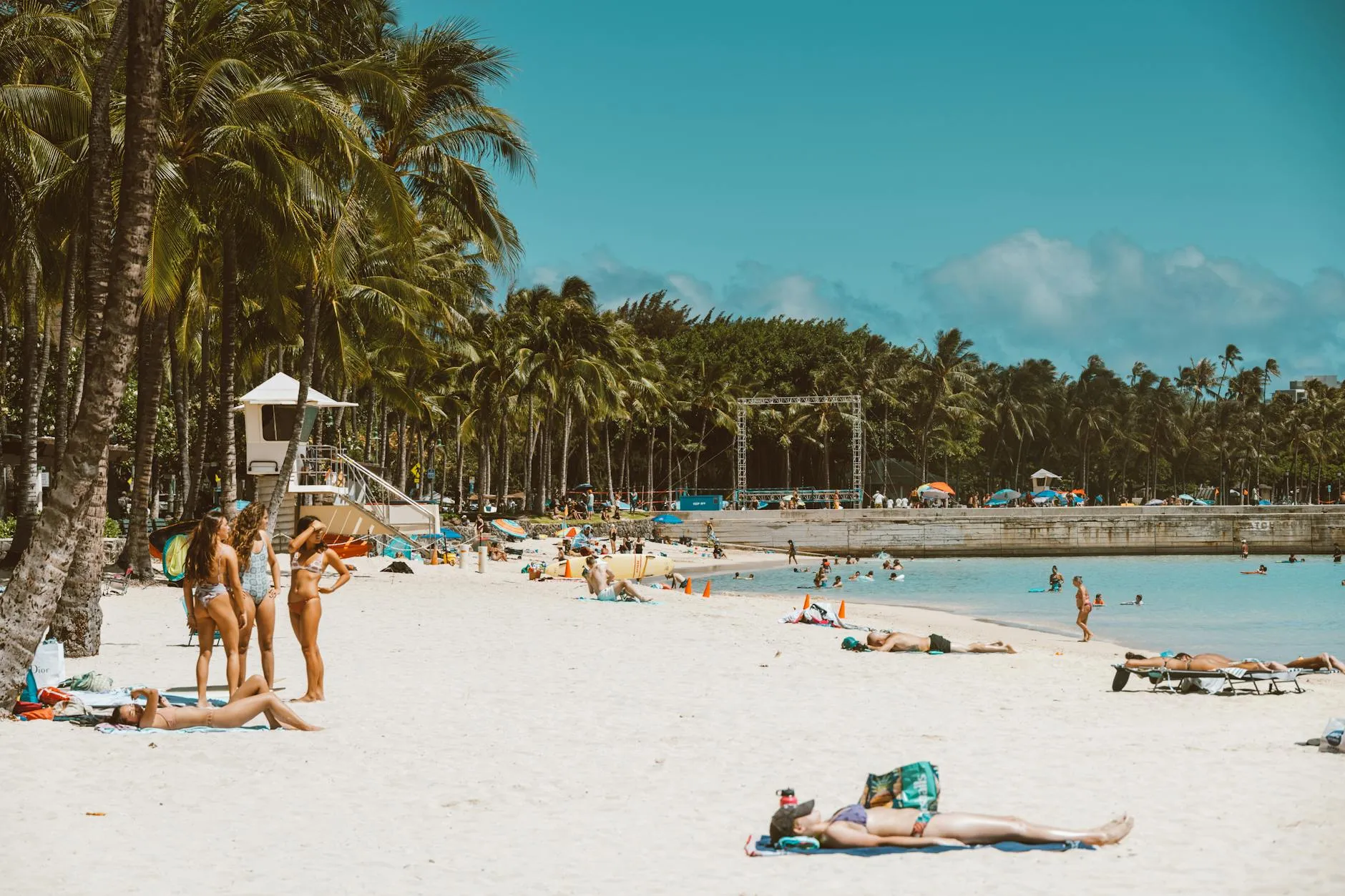
Daniel K. Inouye International Airport (HNL) — The Complete Master Guide 2026
Pearl Harbor is 3 miles west; the USS Arizona Memorial is free with a $1 reservation fee.
📍 6 mi W of Waikiki · 3 mi E of Pearl Harbor
🚄 Skyline rail to Kalihi
🛂 CBP / ESTA · USDA on departure
⚡ 2026 Quick Reference — Key Facts at a Glance
$3 single, $7.50 day passHOLO card · airport station to Kalihi Transit Center (Middle Street) — terminus is still 5 mi from Waikiki
$3 single, $7.50 day passlimited-stop, 10-min peak frequency · replaced the old Route 20 in 2025
$35-50 to Waikiki · 15-25 min depending on H-1 freeway traffic
$30-45 to Waikiki, $20-30 to Pearl Harborpickup zones on second-level departures curb (verify per app)
3 mi W · USS Arizona Memorial FREE ($1 service charge on recreation.gov to reserve, slots gone fast) · USS Missouri separate ticket
IASS Hawaii (Priority Pass)Hawaiian Plumeria (T1, 06:30-22:00) · Delta Sky Club (T2 F1, daily) · United Club (T2 G3, shared NH/AC/OZ)
Mandatory on ALL departures to US mainland, Alaska + Guamcarry-on screened · +10-15 min budget
USD · CBP + ESTAHawaii GET (excise tax) 4.5% added to most purchases
🏢 1. Terminals 1 + 2, the Mauka Concourse & Wiki Wiki
HNL operates two main terminals on the Honolulu coastal plain. Terminal 1 is the Hawaiian Airlines terminal — Hawaiian’s mainline operation, the Hawaiian Plumeria Lounge, and the new Mauka Concourse extension opened on 27 August 2021 (six gates, designed to flex between six widebody or twelve narrow-body aircraft positions; the $340 million project added 270,000 square feet on the mauka, or mountain-facing, side of T1). Terminal 2 handles most other US domestic carriers (United, Delta, Alaska, Southwest, American), the international long-haul wing, and the CBP Federal Inspection Station. The Wiki Wiki Shuttle connects the terminals and remote gates; the Hawaii Department of Transportation announced in February 2026 that three new electric trams are being added to the shuttle fleet.
🛫 Terminal 1 — Hawaiian Airlines
Terminal 1 is the Hawaiian Airlines terminal — the Hawaiian-Alaska combined operation (single operating certificate since 2025) and the Plumeria Lounge. The Mauka Concourse at the back of T1 handles widebody operations including Hawaiian’s longhaul to Tokyo, Seoul, Sydney and the US mainland.
Inter-island gates for Hawaiian’s interisland turbo-fans are also clustered in T1. Expect short ground turns and quick boarding — interisland operations run more like a bus than an airline.
📍 Terminal 2 — Other US + International
Terminal 2 handles United (Concourse G), Delta (Concourse F), Southwest, American, Alaska’s pre-merger mainland service plus the international wing — Japan Airlines, ANA, Korean Air, Air Canada, Air New Zealand, Asiana, Qantas, Philippine and seasonal carriers.
CBP arrivals processing for international flights is in T2. Checkpoint 3 in T2 is undergoing renovation (new air conditioning, ceiling and lighting); expected completion late 2026.
Operating airlines at HNL (May 2026)
- Hawaiian Airlines — the dominant carrier and home hub; Terminal 1; mainland US, Japan, Korea, Australia, NZ, French Polynesia. Inter-island operations are also a major piece of HNL’s traffic.
- Alaska Airlines — Terminal 2, Lobby 5; West Coast US routes.
- United Airlines — Terminal 2, Concourse G; major North America hub-and-spoke from SFO, LAX, IAH, ORD, DEN, EWR plus seasonal Pacific island routes.
- Delta Air Lines — Terminal 2, Concourse F; LAX, SEA, SLC, ATL, MSP plus Tokyo Haneda.
- American Airlines — Terminal 2; DFW, PHX, LAX.
- Southwest Airlines — Terminal 2; SoCal + Las Vegas + Phoenix + Oakland service. Hawaii is a Southwest base.
- Japan Airlines, ANA, Korean Air, Asiana, Philippine, Air Canada, Air New Zealand, Qantas, Jetstar — Terminal 2 international wing.
🛂 2. CBP, ESTA & USDA Departure Inspection
HNL applies the standard US border setup: US Customs and Border Protection for international arrivals in Terminal 2’s Federal Inspection Station, Global Entry kiosks for enrolled travellers, Mobile Passport Control for visa-waiver. Currency is the US dollar (USD), €1 ≈ $1.08 (May 2026). Hawaii applies a 4.5% General Excise Tax that is added on most purchases. The HNL-specific layer is the USDA Animal and Plant Health Inspection Service screening on DEPARTURES to the US mainland, Alaska and Guam — every passenger’s carry-on is X-ray screened for prohibited plants, fresh fruit, and produce that could spread Hawaii’s agricultural pests. Allow 10-15 extra minutes for outbound flights to the mainland.
ESTA — $40, Two-Year Validity
Visa Waiver Program travellers need an ESTA at esta.cbp.dhs.gov — $40, valid 2 years. Apply at least 72 hours before flight. Beware look-alike scam sites charging $80-100. Canadians and US citizens are exempt.
USDA Inspection on Departure
Carry-on bags X-rayed before TSA for mainland-bound flights. Fresh papaya, mango, lychee and pineapple usually allowed if commercially packed and treated; soil, plants and fresh flowers heavily restricted. Treated dragon fruit, abiu, atemoya, curry leaf, longan, mangosteen, rambutan, starfruit and sweet potato require USDA-stamped sealed boxes. Coqui frogs, brown tree snakes and certain invasive insects are the inspection’s actual targets.
Global Entry & MPC
Terminal 2’s FIS has dedicated Global Entry kiosks. The free Mobile Passport Control app handles the customs declaration in advance and is the fastest non-Global-Entry option for visa-waiver travellers.
Who needs what to enter the US via HNL
| Passport | Visa needed? | ESTA required (air)? | Entry process |
|---|---|---|---|
| US citizen | No | No | Domestic — no CBP |
| Canadian (visa-exempt) | No | No (Canadians are ESTA-exempt) | CBP kiosk + officer |
| UK / EU / Australia / NZ / Japan / South Korea / Singapore (VWP) | No | Yes — $40, valid 2 years | CBP kiosk + officer; MPC speeds entry |
| Brazilian / Argentinian / Mexican / Indian / Chinese / South African | Yes — B-1/B-2 visitor visa | No (covered by visa) | CBP officer interview |
| Cuban / Iranian / Syrian / North Korean / Belarusian | Restricted; verify current US policy | No | Specialised processing |
🚄 3. Skyline Rail, W Line, Rental Cars & Rideshare
For decades HNL had no rail. That changed on 16 October 2025 when Skyline Segment 2 opened and the line finally reached the airport from East Kapolei. The catch: Skyline ends at Middle Street/Kalihi Transit Center — 5 miles short of Waikiki — and the run from airport to terminus is short. Segment 3, the downtown extension to Ala Moana, is scheduled for 2031. For Waikiki you connect to a bus. TheBus W Line — a limited-stop service introduced in 2025 to replace the old Route 20 — is the dedicated airport-to-Waikiki city bus.
⭐ Skyline Rail — Honolulu’s First Heavy-Rail Line
- Airport Station opened 16 October 2025 as part of Skyline Segment 2. The platform sits adjacent to Terminal 1; signage points walking passengers to it from the inter-terminal corridor.
- Fare: $3.00 single ride, $7.50 day pass via HOLO card. The HOLO card also works on TheBus, with free transfers between modes.
- Terminus: Kalihi Transit Center / Middle Street, about 5 miles short of Waikiki. You must transfer to TheBus (W Line or Routes 1/2) for Waikiki proper.
- Frequency: 10-minute peak headways, longer off-peak — check the Skyline live tracker.
- Operating hours: currently 04:00 to 21:00 weekdays; verify weekend schedule before relying on it for late-arrival flights.
🚌 TheBus W Line — Limited-Stop to Waikiki
- The W Line is the new dedicated airport-to-Waikiki city bus — limited stops, 10-minute peak frequency, replaced Route 20 in 2025.
- Fare: $3.00 single ride, $7.50 day pass (same HOLO card as Skyline).
- Journey: 50-70 minutes airport to Waikiki depending on H-1 traffic.
- Bag limit: TheBus is a city bus and luggage rules are strict — bags that fit on your lap or under your seat. Large suitcases are not permitted. If you have full check-in bags, the W Line is not realistic; take a rideshare or taxi instead.
🚕 Taxi & Rideshare
- Taxi: roughly $35-50 flat to Waikiki, 15-25 min via H-1 east. Operated by Charley’s, TheCAB and EcoCab.
- Uber and Lyft typically $30-45 to Waikiki, $20-30 to Pearl Harbor, $80-120 to the North Shore. Pickup zones are on the second-level departures curb (verify the current pickup point in your app — HNL rideshare zones shift periodically).
- Roberts Hawaii Express Shuttle: shared van to Waikiki hotels, around $25 per person one-way; pre-book online for the better rate.
🚗 Rental Cars & the H-1 / Pali
All major brands (Alamo, Avis, Budget, Dollar, Enterprise, Hertz, National, Sixt, Thrifty) at a consolidated facility connected to the terminals by free shuttle. H-1 freeway runs east toward Waikiki and downtown Honolulu; west toward Pearl Harbor, Kapolei and Ko Olina. The Pali Highway (H-61) is the cross-island route to Kailua and the windward side. Parking in Waikiki is expensive ($30-50/day at hotels) — many short visits work better with rideshare than a rental car.
🛋️ 4. IASS, Plumeria, Delta Sky Club & United Club
HNL’s lounge spread is solid but in transition. The Hawaiian Plumeria Lounge in Terminal 1 is the current Hawaiian-Alaska premium space and the largest. Delta has filed a lease for a new Sky Club at HNL — approved on 27 March 2026 — expected to open late 2027 to mid-2028; the current Sky Club at F1 in T2 remains open until then. Hawaiian also announced a new premium lounge for the Mauka Concourse entrance, opening late 2027 — five times the size of the current Plumeria. For Priority Pass members, IASS Hawaii is the access point. Multiple JAL, ANA and Korean Air carrier-specific lounges serve their respective international flights.
🛋️ Hawaiian Airlines Plumeria Lounge
Location: Terminal 1, Level 3, near the inter-terminal shuttle pickup point.
Hours: Daily 06:30-22:00.
Access: Hawaiian Airlines premium-cabin passengers, Pualani Platinum/Gold elite tier, partner-airline business/first transferring through HNL, day pass for purchase.
What’s inside: Hawaiian-themed buffet, full bar, runway views, work zones, showers. The replacement premium lounge in the Mauka Concourse entrance is scheduled to open late 2027.
🛋️ IASS Hawaii Lounge — Priority Pass
Location: Terminal 2.
Access: Priority Pass, LoungeKey, DragonPass, JCB Platinum, walk-in day pass.
What’s inside: light buffet, drinks (including local beer), seating, Wi-Fi, charging. A solid Priority Pass option — the main one at HNL.
🛋️ Delta Sky Club
Location: Terminal 2, Concourse F, near Gate F1.
Hours: Daily 06:30-22:00.
Access: Delta Sky Club members, Delta One/elite Delta-SkyTeam status, Amex Platinum/Centurion (with same-day Delta flight), Delta SkyMiles Reserve cardholders. New Sky Club at HNL approved 27 March 2026, opening late 2027-mid 2028.
🛋️ United Club
Location: Terminal 2, above Gate G3.
Access: United Club members, Star Alliance Gold, United Polaris/Premier 1K. Shared with Air Canada Maple Leaf, Air New Zealand Koru Premium and Asiana Lounge members — handy for transferring Star Alliance long-haul.
What’s inside: standard United Club spread — hot dishes, bar, work zones, Pacific runway views.
🛋️ International Carrier Lounges
JAL Sakura Lounge, ANA Lounge, Korean Air Morning Calm serve their respective Tokyo/Seoul flights — open for the inbound/outbound bank, access by JAL/ANA/KE business or first plus oneworld/Star Alliance Sapphire/Gold equivalents.
⚠️ No Centurion / Capital One / Chase Sapphire
None of the three flagship premium-card lounges have an HNL presence. Amex Platinum holders use IASS via Priority Pass; Capital One Venture X holders use Priority Pass at IASS; Chase Sapphire Reserve holders use the same.
🍍 5. Hawaiian Food: Plate Lunch, Poke, Spam Musubi & Shave Ice
Hawaiian local food is a hybrid of Native Hawaiian, Japanese, Filipino, Chinese, Portuguese, and post-war American canned-food culture — the result of plantation-era migration patterns. HNL’s airside food has improved with recent terminal upgrades but the proper version is on the ground in Honolulu’s neighbourhoods. Tenant lineup varies; verify the airport directory.
A plantation-era invention — two scoops of white rice, one scoop of macaroni salad, and a main protein (kalbi short ribs, kalua pork, garlic shrimp, chicken katsu, loco moco) for $14-18. Eaten with chopsticks or a plastic spoon out of a styrofoam clamshell. Rainbow Drive-In in Kapahulu (since 1961), Helena’s Hawaiian Food in Kalihi (a James Beard Foundation America’s Classics awardee), and the airside outposts of various plate-lunch concepts are the credible options.
Poke (“poh-kay” — never “poh-kee”) is raw fish, cubed, dressed with shoyu and sesame oil; the original Hawaiian version, not the trendy mainland bowl with everything in it. Yellowfin tuna (‘ahi) is the default. Foodland grocery stores have a poke counter that locals rate highly; Ono Seafood in Kapahulu and Tamura’s Fine Wine and Liquors in Wai’alae are the more discriminating picks. Airside outposts exist but the version is rarely as good as the supermarket one.
Spam musubi — a slice of fried Spam glazed in shoyu and sugar, on top of a block of rice, wrapped with a strip of nori — is Hawaii’s defining gas-station snack. $3-4 at any 7-Eleven, ABC Store or local convenience shop; airside vendors charge $6-8 for the same thing. The cultural backstory is real: WWII-era Spam rationing on the islands became a permanent fixture and Hawaii still consumes more Spam per capita than anywhere on earth.
Shave ice — note “shave,” no “d” — is the Hawaiian version of the snow cone, except the ice is shaved to powder rather than crushed, then soaked in syrups (lilikoi/passion fruit, guava, mango, coconut, pickled mango, li hing mui). Matsumoto Shave Ice in Haleiwa on the North Shore (since 1951) and Waiola Shave Ice in Mō’ili’ili (closer to Waikiki) are the two name-brand options. Both serve a smaller version with a scoop of azuki bean or vanilla ice cream underneath. $5-8.
Duty-Free & Souvenir Reality at HNL
🍫 Hawaiian Host Macadamia Chocolates
$8-25 per gift box. The default Hawaii souvenir — chocolate-covered macadamia nuts in branded sleeves. Mauna Loa is the bigger brand; Hawaiian Host is the longer-established Honolulu original. Available at every airside shop, the ABC Store airside outpost, and the duty-free.
☕ Kona Coffee
$30-80 per pound. Genuine Kona coffee comes from a narrow strip of leeward Big Island slope; the “Kona Blend” labels are mostly other beans with 10% Kona content. Look for 100% Kona wording. Local roasters (Greenwell Farms, Mountain Thunder) are the credible names.
🌺 Aloha Shirts
$25-180 per shirt. The proper local makers — Reyn Spooner (since 1956), Tori Richard (Honolulu, since 1956), Kahala (since 1936) — are the credible aloha-shirt brands, sold airside and downtown. The $25 tourist-strip versions at the ABC Store are cheaper and serviceable but the patterns are less distinctive.
🥃 Kō Hana Rum & Local Spirits
$50-90 per 750ml. Hawaii’s craft distilling scene is small but credible — Kō Hana (single-variety heirloom sugarcane rums from O’ahu), Kuleana Rum (Big Island), and Manoa Chocolate’s chocolate liqueur for the experimental option.
💡 6. Insider: Pearl Harbor, Waikiki, Diamond Head, North Shore
The Pearl Harbor National Memorial sits less than 3 miles west of HNL — 15-20 minutes by taxi, $20-30 by rideshare. The USS Arizona Memorial is free to visit, with a $1 service charge on recreation.gov to reserve a boat ticket — slots are released in tranches and often gone within minutes of release. The USS Missouri Memorial (the surrender deck of WWII) is on Ford Island, $34.99 adult, accessed by free shuttle from the Visitor Center. The Pearl Harbor Aviation Museum ($25) covers the December 1941 attack from the airfield perspective. A combined visit takes 4-5 hours including travel time. Rideshare drivers can drop only at the Visitor Center — Ford Island access (Missouri, Aviation Museum) requires the free internal shuttle. The standout single thing to do on an HNL layover of 6+ hours.
Waikiki is the dense beach-and-hotel strip 6 miles east of HNL — 20-25 minutes by taxi or rideshare ($30-45). Kalākaua Avenue is the beachfront strip, Kūhiō Avenue the back-of-house with the bus stops and cheaper food. The Royal Hawaiian Pink Palace, Moana Surfrider (the 1901 oldest hotel), and the Sheraton Princess Kaiulani are the classic stays; the Halekulani is the discreet expensive option. Standout free move: walk the beach from Kahanamoku to Kapi’olani Park at sunset.
Diamond Head State Monument — the 760-foot tuff cone visible from Waikiki — has a paved-and-stepped trail to the summit, roughly 60-90 minutes round-trip. $5 entry for out-of-state visitors, reservations required for non-Hawai’i residents at gostateparks.hawaii.gov. Best done early morning before the heat. From Waikiki: rideshare $10-15 or TheBus Route 23.
The North Shore of O’ahu (Haleiwa, Pipeline, Waimea Bay, Sunset Beach) is the world’s pro-surfing capital from late October to February. The Banzai Pipeline pro contests run in December-January; Eddie Aikau invitational launches when Waimea swells exceed 20 feet. From HNL: 60-80 minutes by car via H-2 + Kamehameha Highway. This is a full day, not a layover — round trip alone is 2-3 hours. If you’re routing through HNL with 8+ hours and a rental car, it is a credible day; otherwise Pearl Harbor + Waikiki is the realistic combination.
HNL has no in-terminal hotel. The closest are the Best Western The Plaza Hotel HNL (5 min by free shuttle, $180-260) and Pacific Marina Inn ($110-180). For a real Honolulu overnight, the Waikiki options above are 20-25 min back to HNL by taxi.
🔧 Practical Notes — Connectivity, Currency, Border
US dollar (USD). €1 ≈ $1.08, £1 ≈ $1.27 (May 2026). Cards work everywhere; ATMs at HNL dispense USD. Hawaii General Excise Tax is 4.5% on most goods and services (added at checkout — Hawaii does not have a state sales tax but the GET reads like one). Tipping convention is 18-22% on restaurant tabs, $1-2 per drink at bars, $1-2 per bag for porters.
US networks (Verizon, AT&T, T-Mobile, plus prepaid Mint Mobile, Visible, Cricket). EU/UK Roam-Like-At-Home does NOT extend to the US — get a Mint Mobile or US Mobile eSIM for $20-40/month before flying, or use Airalo / Holafly / GigSky. 5G covers HNL and the urban Honolulu corridor; coverage thins on the North Shore and rural windward side.
6 hours airside-to-airside: Pearl Harbor is the standout — 15-20 min each way by rideshare, ~3 hours on the ground for the Arizona Memorial + Visitor Center + Aviation Museum. 4-5 hours: Waikiki Beach by rideshare ($30-45 each way) for a beach hour, lunch, sunset walk. Under 4 hours: stay airside — the Mauka Concourse has Pacific runway views and the Plumeria Lounge is the better option if you have access. Important: on departure to the mainland, budget +10-15 min for the USDA inspection.
❓ Frequently Asked Questions
📊 2026 Summary Data Table
More deals you might like
 Niš Constantine the Great Airport (INI) Airport Guide 2026 — Free Buses, Cheap Taxis, Real Dinars
 Norwich Airport (NWI) Airport Guide 2026 — The Airport Where Helicopters Outnumber Planes
 Stornoway Airport (SYY) Airport Guide 2026 — Four Miles, Four International Passengers
 Kerry Airport (KIR) Airport Guide 2026 — One Runway, Two Peninsulas