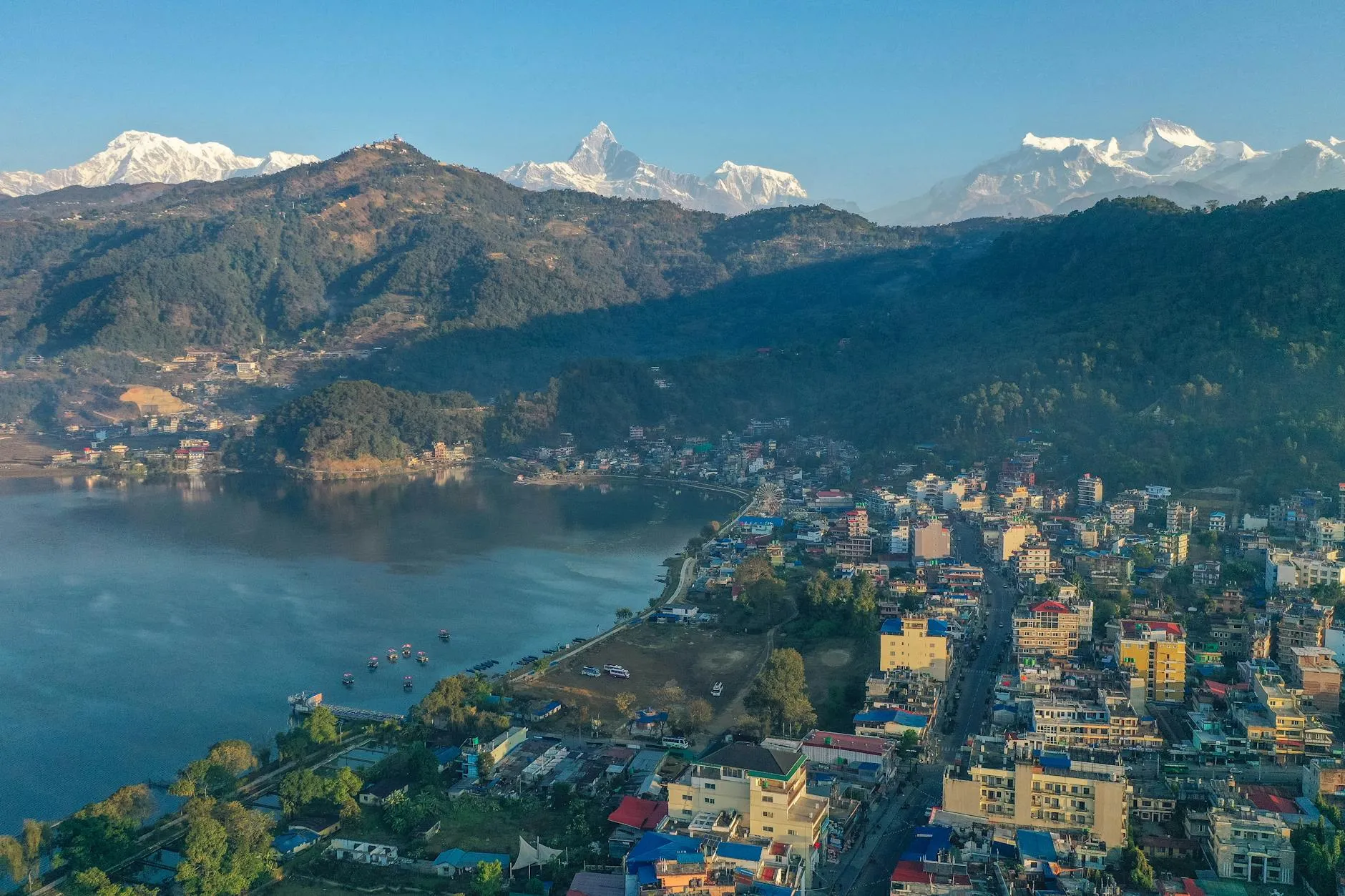
Pokhara International Airport (PKR) — Airport Guide 2026
Pokhara International opened on 1 January 2023 with a 10,000 m² international terminal and has since established itself as exactly what the geography always demanded: a domestic hop away from Kathmandu and 15 minutes from the Annapurna trailheads, with two China routes to its name and little else internationally.
Quick Reference
PKR / VNPR
1 January 2023
2,500 m × 45 m concrete, CAT-I ILS (operational since 26 Feb 2023)
10,000 m², ~610 pax/hour capacity
4,000 m², western side
Lhasa (Himalaya Airlines), Chengdu (Sichuan Airlines) — China only
Buddha Air (dominant), Yeti, Shree, Saurya, Guna
25–30 min
~3 km / 2 miles east, 10–15 min by taxi
NPR 800–1,200 (~USD 5–8)
NPR 400–700 via InDrive
NPR; 1 USD ≈ 153, 1 EUR ≈ 165 (verified late May 2026)
15d USD 30 / 30d USD 50 / 90d USD 125
One pay-per-use airside, ~NPR 2,500; no Priority Pass confirmed
ACAP NPR 3,000 (USD 25); TIMS not enforced on Annapurna trails
NPR 9,000–12,000 (USD 60–80) tandem
Ncell or NTC, ~USD 10–12 for ~28 days
Not drinkable — bottled or filtered only
🏢 Terminals and the International Wing That Waits
PKR has two terminals on one runway. International is the large building — 10,000 m², designed for roughly 610 departing passengers an hour, currently processing a fraction of that. Domestic, at 4,000 m² on the western side, is where the actual business happens. Buddha Air to Kathmandu is domestic; the weekly Himalaya Airlines to Lhasa is international. Signage separates them clearly; they are a short walk apart.
The airport was built by China CAMC Engineering under a 2013 agreement, financed largely by a ~USD 215 million loan from China’s Export-Import Bank — part interest-free, the balance at about 2% over 20 years with a seven-year grace period — supplemented by the Asian Development Bank and the OPEC Fund. Then–Prime Minister Pushpa Kamal Dahal inaugurated it, arriving on the first Buddha Air flight.
⚠️ The international wing is not what was promised
India has declined to grant the overflight routes that would connect Pokhara to Delhi, the Gulf, and onward Europe, citing security concerns near the border. Without that access, the airport’s natural feeder markets stay out of reach. The result in 2026: two China routes — Lhasa and Chengdu — and nothing else scheduled internationally. The New York Times reported on cost concerns and engineering questions; Nepal’s anti-corruption body opened an investigation in November 2023. These are background facts, not surprises.
For the practical traveller: if you are not arriving from Lhasa or Chengdu, you fly into Kathmandu Tribhuvan (KTM) and connect domestically — a 25–30 minute hop — or drive the 200 km Prithvi Highway in six to eight hours. The flight is the sane choice. Book Buddha Air for the best on-time record. Morning departures have the clearest views, with Machhapuchhre (Fishtail) and the Annapurnas off the right-hand side flying north.
Inside, the terminals are new and uncrowded. Domestic check-in is quick — these are turboprops and ATRs, and kerb to gate rarely takes 30 minutes. Security is straightforward.
⚠️ Weather cancels flights here more than at most airports
The Kathmandu–Pokhara route is flown by sight in poor conditions. Monsoon cloud (roughly June to September) and winter morning fog can ground or delay the morning departures for hours. PKR’s CAT-I ILS helps but does not fix the problem on small aircraft. If you have a tight onward international connection from Kathmandu, do not take the last possible Pokhara flight to make it — leave a buffer, or take the road. This is the single most common way travellers get caught out here.
🛂 Border, Visa and Permits
Visa-on-Arrival
Despite handling mostly domestic traffic, PKR runs a functioning Department of Immigration office. Visa-on-arrival is available and the tiers are:
- 15 days — USD 30
- 30 days — USD 50
- 90 days — USD 125
Fill the tourist-visa form online beforehand (the submission receipt is valid 15 days) or use the kiosk machines on arrival. Bring a passport-sized photo; pay in cash. US dollars and other convertible currencies are accepted at the visa counter. Extensions, if the trek runs long, are handled at Pokhara’s Immigration Office at USD 3 per day with a USD 30 minimum, up to a 150-day annual cap. A short list of nationalities — including, at various times, Afghanistan and some others, plus refugee travel document holders — is excluded from visa-on-arrival and must arrange in advance. Check your own passport’s status before banking on the kiosk.
If you arrived via Kathmandu and connected domestically, your visa is already sorted at KTM. The PKR immigration desk only matters for the Lhasa and Chengdu arrivals.
Trekking Permit
🏔️ ACAP — NPR 3,000 (~USD 25) — get this before you head out
The Annapurna Conservation Area Permit is required for every Annapurna route: Base Camp, Mardi Himal, Ghorepani–Poon Hill, the Circuit. Get it at the ACAP/NTNC office at Damside (Pardi) in Pokhara, open 9:00–17:00 Sunday to Friday, or online. Bring a passport copy, two photos, and cash in rupees. For SAARC nationals the fee is NPR 1,000.
The old TIMS card (NPR 2,000) still appears in some operators’ checklists but is not enforced at Annapurna checkpoints in 2026 — they check the ACAP. If a guide insists you need both, push back. A licensed guide is, separately, now required on most of these routes.
Currency
The Nepalese rupee comes in notes of 5, 10, 20, 50, 100, 500 and 1,000. The 1,000-rupee note is the largest and the one taxi drivers reliably “cannot change” — keep a stack of 100s and 500s. The rupee is pegged to the Indian rupee at a fixed 1.6 NPR to 1 INR, in place since 1994, which is why NPR/USD movement tracks the Indian rupee and not much else. There is no meaningful parallel-market premium for cash dollars in Nepal; the spread at airport exchange counters is a few percent worse than in Lakeside. Change a small amount at the airport for the taxi, then the rest at a licensed exchange in Lakeside where competition keeps rates honest.
ATMs at the airport and across Lakeside dispense rupees; most cap withdrawals around NPR 35,000 and charge NPR 500 per transaction.
Bring US dollars in cash specifically for the visa fee — it is paid in dollars at the airport counter.
Health
Pokhara sits at about 820 m, low enough that altitude is not an issue in town. Above 3,000 m on the treks, acute mountain sickness is a real risk — ascend slowly and know the symptoms. No vaccinations are mandatory for entry to Nepal unless you are arriving from a yellow-fever country; hepatitis A and typhoid are the standard routine travel recommendations. Tap water is not safe to drink anywhere in Pokhara, the airport included.
🚆 Getting to Lakeside
PKR’s practical advantage is its location. Lakeside — the strip of guesthouses, gear shops, restaurants and boat launches along Phewa Lake where nearly every visitor stays — is about 3 km west, a 10–15 minute drive. Kathmandu’s airport, by comparison, can take 45 minutes to Thamel in traffic.
Airport Taxi
Licensed taxis wait outside arrivals. Expect NPR 800–1,200 (USD 5–8) to Lakeside. Agree the price before you get in — Pokhara taxis rarely use meters for airport runs. NPR 1,000 to Lakeside is a fair figure; NPR 1,500 is the tourist-tax quote, worth a polite push-back. Similar money to Damside or the southern lakeshore.
Ride-Hailing
🚗 InDrive — NPR 400–700 to Lakeside
InDrive is the dominant app in Pokhara: you name your price, drivers accept or counter, which strips out the airport-premium haggling. You need a local SIM and data. Pathao also operates, mainly for motorbike rides — a single rider with a daypack can reach Lakeside for NPR 200–300. Uber entered the Nepali market in April 2026 but is not the established player here.
Public Bus
Local buses and micros run along the roads near the airport for NPR 25–50. With luggage after a flight, walking out to flag a crowded micro is a poor trade. Skip it unless travelling very light.
Onward by Road
Tourist buses to Kathmandu (6–8 hours, NPR 800–1,500 depending on class) and to Chitwan leave from the Lakeside tourist bus park, not the airport. The Prithvi Highway has improved, but monsoon landslides (June–September) can add hours unpredictably.
Renting Wheels in Pokhara
Scooters rent in Lakeside for NPR 1,000–1,500 a day and are the best way to reach Sarangkot, the Peace Pagoda road and Begnas Lake on your own schedule. An international driving permit is required to be legal; police checks do happen. Pokhara traffic is gentler than Kathmandu’s, but the mountain roads are not forgiving.
🛋️ Lounges
One pay-per-use lounge sits airside in international departures, with showers, a quiet rest zone and wifi. Reported walk-up pricing is around NPR 2,500 (~USD 16), though this figure comes from third-party concierge listings rather than a confirmed airport tariff — confirm at the counter before assuming it. Its hours track the international flight schedule, which in 2026 means a handful of departures a week.
There is no confirmed Priority Pass, LoungeKey or DragonPass acceptance at Pokhara. If your card gets you into the Executive Lounge at Kathmandu Tribhuvan, that access does not transfer here. Himalaya Airlines and Sichuan Airlines do not run premium ground lounges at PKR; Buddha Air does not run one either.
💡 Use your lounge access at Kathmandu, not Pokhara
Tribhuvan International has Priority Pass options. PKR’s lounge is a reasonable fallback for international departures, but if you are connecting domestically through Pokhara — the far more common situation — the domestic terminal is a clean, modern waiting hall, the hop to Kathmandu is 25–30 minutes, and a lounge would be over-engineering. Grab a coffee, board.
🍽️ Food Before You Fly
Airport food at PKR is limited and priced the way airport food everywhere is priced. A coffee that costs NPR 150 in a Lakeside café runs NPR 250–350 airside; a sandwich or a plate of momos lands around NPR 400–600 versus NPR 200–350 in town. The terminals have cafés and small counters, not a food court. Eat before you come.
The food worth eating is in Lakeside, and it is cheap:
- Dal bhat — lentil soup, rice, vegetable curry, pickle, often with unlimited refills. NPR 250–500 at a local thali house; a tourist restaurant charges NPR 600–900 for a presentation version.
- Momos — Tibetan-Nepali dumplings, steamed or fried, buff (buffalo), chicken or veg. NPR 150–300 a plate at a local spot.
- Thukpa — Tibetan noodle soup, the right thing after a cold morning at Sarangkot. NPR 200–350.
- Thakali dal bhat — the Thakali version, from the Thak Khola region near the Annapurnas, is the better plate: NPR 400–700. The Thakali houses one street back from the lake consistently outperform the lakefront terraces charging for the view.
🍜 The Thakali dal bhat, one street back from the lake
Walk the Lakeside main strip in the evening, find the places full of Nepalis and trekkers rather than empty tourist terraces, and order the dal bhat. The Thakali houses away from the waterfront are the better value. Lakeside’s restaurant scene turns over fast, so this guide names the dish and the type of venue rather than a specific restaurant that may have changed hands.
PKR’s duty-free is thin. The real Pokhara shopping is in Lakeside: Nepali tea, single-origin Himalayan coffee, pashmina (verify it is actually pashmina and not acrylic), Tibetan handicrafts and trekking gear. Khukuri knives are a classic buy — go in checked baggage, never carry-on. Cardamom, dried mushrooms and local honey travel well. Bargaining is expected in the shops, not in the supermarkets.
💡 Pokhara — What to Do and What to Skip
Phewa Lake
The 5.23 km² lake on Lakeside’s doorstep — the second-largest in Nepal — with the Annapurnas and Machhapuchhre reflected in it on a still morning. Hire a wooden doonga (rowboat) at the lakeshore for around NPR 600–800 an hour to row yourself, more with a boatman. The island temple Tal Barahi is a 10-minute paddle. Early morning is when the reflection holds and the tour boats have not churned the surface.
World Peace Pagoda (Shanti Stupa)
The white Buddhist stupa on the ridge across the lake, about 8 km from central Pokhara. Two routes: row across Phewa to the southern shore (NPR 500–700 round trip) and climb the stone steps through forest, 20–40 minutes; or taxi up the road, around NPR 1,500–2,000 round trip with the driver waiting. The view back over the lake to the Annapurna wall is the best panorama within easy reach of town. Go at sunrise or late afternoon.
Sarangkot
🌄 Sarangkot sunrise — NPR 1,500–2,500 taxi return
The viewpoint at 1,592 m, the standard shot of the Annapurnas going gold at dawn. A taxi leaves Lakeside around 5:00 am for the 30–40 minute drive up. This is also Pokhara’s paragliding launch — tandem flights run NPR 9,000–12,000 (USD 60–80) for 20–30 minutes, landing near the lake. Book through a licensed operator. Flights cancel in poor visibility and are seasonal.
Davis Falls and Gupteshwor Cave
About 2 km southwest of Lakeside: a waterfall that vanishes into an underground tunnel; across the road, the Gupteshwor Mahadev cave runs down to a view of the falls from below. Entry is a few hundred rupees each. A 20-minute stop, not a half-day — worth it on the way to or from somewhere else.
Pumdikot
A hilltop site above the lake’s southern side with a large Shiva statue and wide views, reached by road or as a longer hike from the Peace Pagoda ridge. Quieter than Sarangkot and increasingly visited for sunrise.
International Mountain Museum
🏛️ International Mountain Museum — NPR 750, 1.5 km from PKR
The one indoor attraction worth the entry fee, and the closest sight to the airport — about 1.5 km south of PKR, roughly 5 km from Lakeside. Covers Himalayan mountaineering history, the peoples of the mountains and the range’s geology. Open daily 8:30–17:00; budget an hour or two. If you land with an afternoon to kill and no energy for a hike, this is the rational choice.
SAARC nationals pay NPR 350.
Begnas Lake
Pokhara’s quieter second lake, about 15 km east of Lakeside, away from the tourist strip and the boat traffic of Phewa. Rowing boats are cheaper here and the shoreline is farmland rather than guesthouses. A half-day by taxi or scooter for anyone who finds Phewa too busy. The water is warm enough to swim in; Phewa near Lakeside is not.
Old Bazaar and Bindabasini Temple
North of Lakeside, Pokhara’s old town and the hilltop Bindabasini temple are where the city’s working life happens, away from the trekking-gear shops. A short taxi or scooter ride, free to wander.
The Treks
Pokhara is the staging post for the Annapurna region. The main routes:
- Ghorepani–Poon Hill — 3–5 days, the classic short trek, the gentlest introduction, famous for its sunrise viewpoint
- Mardi Himal — 5–7 days, a quieter ridge trek with close-up Fishtail views
- Annapurna Base Camp (ABC) — 7–12 days, into the sanctuary at the foot of the Annapurnas
- Annapurna Circuit — longer still, crossing the 5,416 m Thorong La pass
All require the ACAP (NPR 3,000) and, in 2026, a licensed guide on most routes. Trailheads at Nayapul, Kande or Jhinu are a 1–2 hour drive from Lakeside; arrange transport and permits the day before.
Layover Math
PKR has no international transit traffic, so the classic “killing time between flights” scenario barely arises. With a domestic connection and four or more hours free, you could taxi to Lakeside (15 min each way), row on Phewa for an hour, eat, and return — but budget at least 90 minutes total transit plus a 45-minute domestic check-in buffer. Four hours is the floor for that circuit. Sarangkot requires a pre-dawn start; any proper trek needs at least a full day. Anything under four hours free: stay at the airport.
🔧 Practical Notes
SIM and Data
Buy a local SIM. Ncell and Nepal Telecom (NTC) are the two networks; Ncell is generally the easier tourist option, NTC stronger in the remote trekking valleys. Tourist data-and-calls packages run roughly USD 10–12 for around 28 days, sold at the Kathmandu arrivals hall or at any Ncell or NTC shop in Lakeside with your passport. eSIMs from Ncell and NTC exist as of 2026, and international eSIM providers (Airalo, Holafly and others) work for connectivity from the moment you land. Airport wifi exists in both terminals but is the usual slow, sign-in-page affair.
Cash on the Ground
Cash is king. Cards are accepted at mid-range and upper hotels and some Lakeside restaurants, but trekking lodges, small eateries, taxis and shops are cash-only. There are no ATMs on the trails. Draw enough rupees in Pokhara before heading into the mountains. Keep small notes for taxis and tea.
Safety
Pokhara is among the safer places a traveller will encounter in South Asia. Violent crime against tourists is rare. The risks are the ordinary ones: overcharging taxis, occasional bag theft in crowded spots, and trekking hazards — altitude, weather, the rare unlicensed operator. Use registered trekking agencies and licensed guides. The petty-overcharge zone is predictable: airport and tourist-strip taxi pricing, and strangers steering you to a particular agency for a commission. Solo women trekkers report Pokhara and the Annapurna routes as comparatively comfortable, but the licensed-guide requirement adds a layer of accountability that earlier years lacked.
Tipping
Tipping has crept into the tourist economy. Round up taxi fares; leave 10% in tourist restaurants if service was good; on a trek, tip guide and porter at the end — the rough norm is the equivalent of USD 10–15 per day for the team, split, depending on group size and trip length.
Altitude and Water
Town is fine at 820 m. Above 3,000 m, respect acclimatisation and know the symptoms of acute mountain sickness. Carry a water filter or purification tablets on the trek rather than buying bottled water — the Annapurna trails do not need more plastic.
❓ Frequently Asked Questions
📊 At a Glance — PKR 2026
| Feature | Current Data (2026) |
|---|---|
| IATA / ICAO | PKR / VNPR |
| Opened | 1 January 2023 |
| Builder / financing | China CAMC Engineering; ~USD 215M China EXIM Bank loan + ADB + OPEC Fund |
| Runway | 2,500 m × 45 m concrete, CAT-I ILS (since 26 Feb 2023) |
| International terminal | 10,000 m², ~610 pax/hour capacity |
| Domestic terminal | 4,000 m², western side |
| International routes | Lhasa (Himalaya Airlines), Chengdu (Sichuan Airlines) — China only |
| Why no India/Gulf flights | India has not granted required overflight routes (security concerns) |
| Main domestic carrier | Buddha Air (also Yeti, Shree, Saurya, Guna) |
| Kathmandu flight time | 25–30 minutes |
| Distance to Lakeside | ~3 km / 2 miles, 10–15 min |
| Airport taxi to Lakeside | NPR 800–1,200 (USD 5–8) |
| Ride-hailing to Lakeside | InDrive NPR 400–700; Pathao bikes NPR 200–300 |
| Currency | NPR; 1 USD ≈ 153, 1 EUR ≈ 165 |
| Visa-on-arrival | 15d USD 30 / 30d USD 50 / 90d USD 125 |
| Lounge | One pay-per-use, ~NPR 2,500; no Priority Pass confirmed |
| Trekking permit | ACAP NPR 3,000 (USD 25); TIMS not enforced |
| Paragliding (Sarangkot) | NPR 9,000–12,000 (USD 60–80) tandem |
| SIM / data | Ncell or NTC, ~USD 10–12 for ~28 days |
| Tap water | Not drinkable — bottled/filtered only |
| Key day-trips | Phewa Lake, Sarangkot, World Peace Pagoda, Davis Falls, Pumdikot, Begnas Lake |
| International Mountain Museum | NPR 750 (NPR 350 SAARC), daily 8:30–17:00, ~1.5 km from PKR |