San Antonio International Airport (SAT) — Airport Guide 2026
San Antonio International is eight miles north of downtown — close enough that your rideshare will pull up to the River Walk before a standard security line at most larger hubs has finished moving.
Quick Reference
SAT / KSAT
San Antonio, Texas, United States
~8 miles; River Walk ~9 mi / ~11 min by car
US Customs and Border Protection (CBP)
ESTA (visa-waiver nationals) or US visa
US dollar (USD)
2 — Terminal A, Terminal B (connected airside)
27 today → ~40 by Q2 2028 (Terminal C under construction)
Southwest (~262 departures/week)
VIA Route 5, ~30 min, $1.30 one-way
~11–20 min, ~$30–40
United Club (Terminal B, ~$59); USO (military). No Priority Pass lounge.
Free airport-wide
30 May 2026
🏗️ Terminals, Gates & the Construction Site You’ll Navigate
Terminal A and Terminal B are the two passenger buildings, joined airside so you can walk between gates without reclearning security. Terminal B is the newer of the two, opened in 2010, and it’s where the United Club and the better concessions sit. Together the terminals handle roughly 165 flights a day to about 107 destinations across some 66 airlines, with around 92 domestic routes and a thin international layer of roughly 15, almost all to Mexico.
The more consequential thing about SAT in 2026 is what isn’t open yet. The Elevate SAT capital program — roughly $1.68 billion in total — is building an entirely new Terminal C on the airport’s east side. At 850,000 square feet with up to 18 domestic and international gates, Terminal C is on track to open in the second quarter of 2028, pushing the gate count from 27 to around 40. A new parking garage comes with it; Terminals A and B are being modernized in parallel. In May 2026 the airport received an additional $10 million federal grant for the work.
For now, the construction means detours, signage that predates the new lanes, and rideshare pickup zones that may have shifted since any map was last updated. Nothing about the active terminals changes — but leave yourself a few extra minutes for any landside navigation until Terminal C opens.
⚠️ Construction detours active until Q2 2028
Rideshare pickup zones on the lower level may have moved. Follow in-app directions and current signage rather than relying on pre-2026 maps. The construction noise is mostly outside the secure zone — airside is calm.
🛂 US Entry: CBP, Global Entry & ESTA
Domestic arrivals at SAT — which is the overwhelming majority of traffic here — walk straight off the jet bridge and into the terminal. There is no immigration. What follows only matters if you are arriving from abroad, and at SAT that almost always means Mexico.
Clearing US customs
International arrivals go through the Federal Inspection Station, processed by US Customs and Border Protection. Three tracks:
- Global Entry — SAT’s CBP office has been a Global Entry enrollment center since 2013, so you can complete your in-person interview at the airport itself. Members use expedited kiosks on arrival and skip the main queue. The program costs $120 for five years (verify the current fee before applying — it has changed before).
- Mobile Passport Control (MPC) — the free CBP app, available to eligible US and Canadian travelers and many returning visitors. Submit your declaration before landing, use a dedicated lane. No membership fee.
- Standard CBP — everyone else queues for an officer.
💡 Do your Global Entry interview at SAT
Most enrollment centers require a separate appointment at a CBP office. SAT has had one since 2013 — if you’re flying through on any trip and your conditional approval is pending, book the SAT slot. It’s often less competitive than major hub appointments.
What you need to board the plane
| Passport / nationality | Requirement | Notes |
|---|---|---|
| US citizen | Passport (or domestic ID for domestic legs) | No immigration on domestic arrivals |
| Visa Waiver Program (most EU, UK, Japan, South Korea, Australia, etc.) | ESTA authorization | Apply online before travel, ~$21. Valid up to 2 years. 90-day visa-free stay. |
| Canada | Passport; no ESTA, no visa for most air arrivals | Largely visa-exempt for visits |
| Mexico | B1/B2 visitor visa or a Border Crossing Card | The bulk of SAT’s international traffic |
| Visa-required nationalities | B1/B2 visitor visa via US embassy/consulate | In-person interview usually required |
ESTA is not a visa — it’s an online authorization you sort out weeks in advance, not at the gate.
🚌 Getting Into the City: Route 5, Rideshare & What to Skip
The math here is unusually favorable. The River Walk is nine miles away and 11 minutes by car in light traffic. That proximity changes the calculus on both cost and layover feasibility in ways that don’t apply to most US airports.
VIA Metropolitan Transit — Route 5
The public bus to downtown. Route 5 runs the airport-to-center trip in about 30 minutes for $1.30 one-way. A $2.75 all-day pass covers unlimited rides and is worth buying the moment you plan a single transfer or return journey. The stop is on the Lower Roadway (Arrivals/Baggage level), across the marked crosswalk, at the far west end of Terminal B.
Service is daily, but frequency drops on evenings and weekends — check the live VIA schedule before counting on a specific late run.
🚌 VIA Route 5 — $1.30 to downtown
Stop: Lower Roadway, far west end of Terminal B. ~30 minutes to the city center. $2.75 day pass is better value than two single fares. Don’t confuse it with Route 7.
⚠️ Route 7 goes the wrong way
Route 7, the Stone Oak Express, runs north to a Park & Ride, not downtown. It costs $2.60. Getting on the wrong bus is easy if you’re not paying attention to the destination board.
Rideshare and taxi
Uber and Lyft operate normally at SAT. A taxi to the River Walk runs roughly $30–40 and takes 11–20 minutes depending on traffic. Rideshare pickup is at a designated zone on the lower level — follow the app and check for construction-related zone changes before you land.
The only thing to avoid is the bureau-de-change desk and any shuttle operator quoting you a flat downtown rate above $40. With a nine-mile ride and standard rideshare pricing, there’s no reason to pay a premium to an unmarked operator.
Future transit
VIA’s planned Green Line advanced-rapid-transit corridor is designed to connect the airport to downtown on a faster, more frequent schedule. It is not operating yet — don’t plan around it.
🛋️ Lounges: One Real Option & a Notable Absence
SAT is a one-lounge airport, and the most important single fact about it is that there is no Priority Pass lounge here. If your lounge access runs through Priority Pass, LoungeKey, or DragonPass, it does nothing for you airside at SAT in 2026. Some Priority Pass programs offer a dining credit at participating restaurants — check your app before arriving and treating it as given.
❌ No Priority Pass lounge at SAT
In 2026, Priority Pass, LoungeKey, and DragonPass memberships have no lounge redemption at San Antonio International. The United Club is the only traditional lounge, and it requires its own access. Plan your connection with this in mind.
United Club (Terminal B)
Located between Gates B3 and B5. Standard United Club offer: complimentary food, bar, Wi-Fi. A single-visit day pass runs about $59 — verify the current price before you travel, as it changes. Free with United Club membership and eligible premium-cabin or card-access tiers.
USO Lounge (Terminal B)
Lower level, Terminal B, near the baggage carousels. Free for active military and their families. Not a commercial lounge — but if you qualify, it’s a genuine amenity.
Delta and American both operate at SAT, but neither carrier has a Sky Club or Admirals Club here. If you hold a membership with either of those programs, a SAT connection means gate seating unless you’re on United.
🛋️ United Club — Gates B3–B5, ~$59 single visit
The only traditional lounge at SAT. Between-gates location in Terminal B. A $59 day pass is hard to justify on a short domestic hop, but reasonable for a transatlantic connection routing through San Antonio.
🌮 Food Before You Fly: Breakfast Tacos & What to Know
San Antonio has a legitimate food identity, and the airport reflects it adequately if not brilliantly.
The city’s defining breakfast item is the breakfast taco — egg, bean, potato, bacon or chorizo folded into a flour tortilla, eaten before 9am and debated with the kind of intensity that suggests everyone has a strong opinion about who makes them correctly. The other local signature is the puffy taco, where the tortilla is fried so it balloons before being filled. Both are substantially better downtown than in a terminal, but the versions at SAT are at least honest representations.
The broader regional table is Tex-Mex and Northern Mexican: barbacoa (slow-cooked beef, traditionally a weekend morning thing), cabrito (roast kid goat), enchiladas. Downtown, the margarita culture is taken seriously.
For a longer layover, the Pearl — a redeveloped brewery complex north of downtown — runs a weekend farmers market and a cluster of well-regarded restaurants. It’s not a quick detour, but worth knowing if you have a full afternoon.
Inside the terminals, concessions are a mix of local Tex-Mex, Texas-based chains, and the usual national airport operators. Hours track the flight schedule. An early Southwest departure may beat the kitchens opening — carry something if you’re on the first bank of the day.
🌮 Breakfast tacos and puffy tacos
Both are available in the terminals. Both are better downtown. If you have a 4-hour connection and any appetite at all, the River Walk or the Pearl will serve you significantly better than any airport concession.
💡 Insider: Layover Math & Whether the City Is Worth It
Most US airports are not worth leaving for a connection. SAT is a genuine exception, with the math working out more cleanly here than at nearly any other mid-size domestic hub.
The River Walk is nine miles away. The Alamo is one mile from the River Walk. Round-trip transit is 40–60 minutes by rideshare (two 11-to-20-minute rides plus wait time) or about an hour by Route 5 each way. Return security at SAT is generally short — but budget 90 minutes before your departing flight to account for TSA queues, construction-related wayfinding, and gate changes.
The honest layover calculation
- 3 hours or less — stay airside. The math doesn’t work once you account for transit and security buffer.
- 4 hours — viable but tight. ~40–60 minutes of round-trip transit plus 90 minutes for return security leaves you roughly 90 minutes downtown. That’s enough for a River Walk barge tour loop and a quick look at the Alamo exterior. It works, but there’s no slack.
- 5 hours or more — genuinely comfortable. Eat properly downtown, walk the River Walk, see the Alamo. You’re not rushing.
🏛️ River Walk + Alamo: 4-hour layover minimum
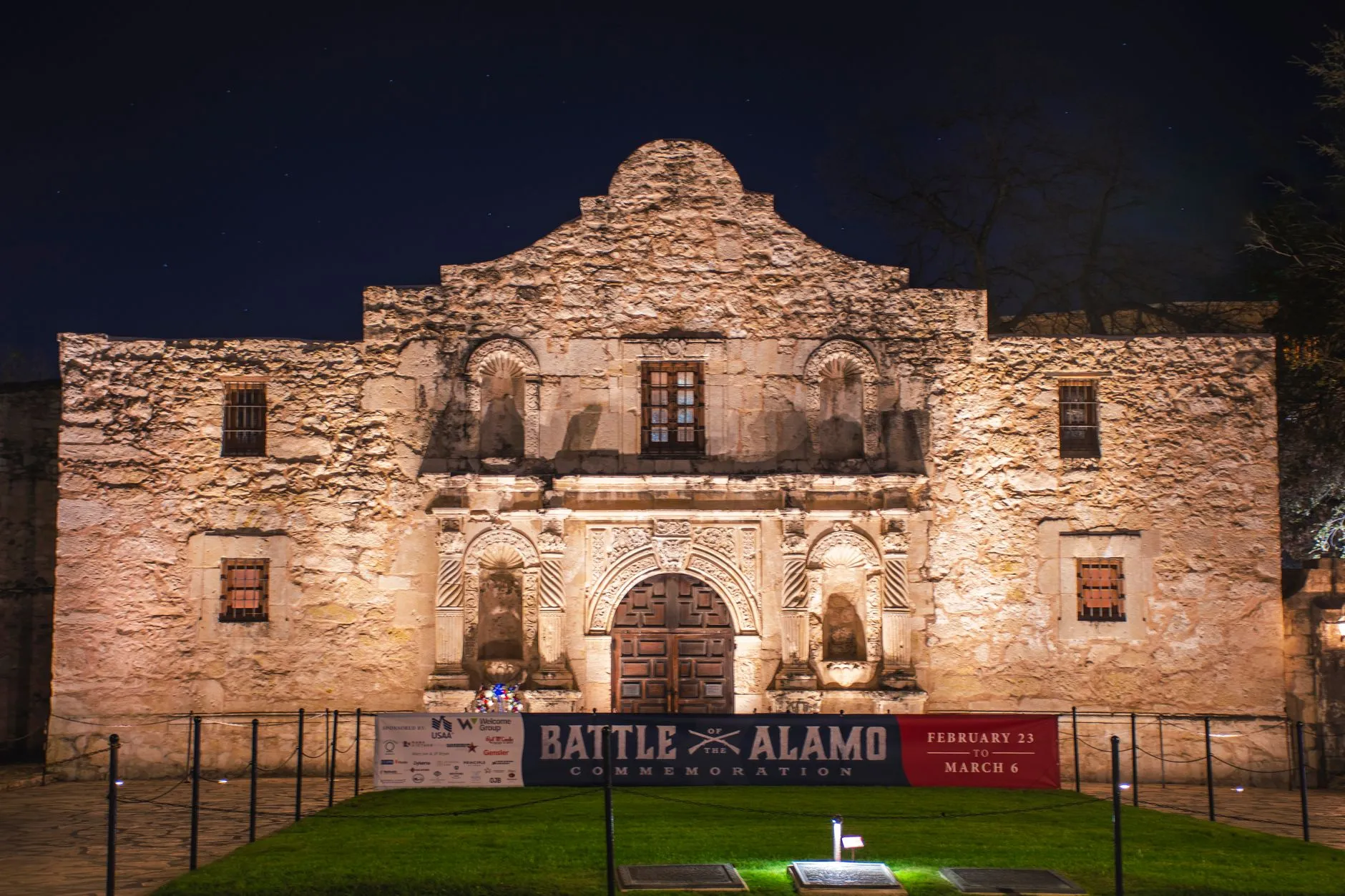
The River Walk is a network of walkways one storey below street level along the San Antonio River — bars, restaurants, narrated electric barge tours. The Alamo is one mile away: the 18th-century Spanish mission and 1836 battle site, now a museum, free to enter (timed tickets for the church/shrine; reserve ahead in peak season). Allow 40–60 minutes round-trip transit and 90 minutes for return security.
The surrounding area adds La Villita (a historic arts village), HemisFair Park, the Tower of the Americas, the Briscoe Western Art Museum, and the San Antonio Museum of Art. You won’t hit all of it in an afternoon layover, but the density of the core sights is what makes the trip efficient — the Alamo and River Walk are a single walkable loop, not two separate excursions on opposite sides of the city.
The River Walk gets tourist-heavy in the Rivercenter mall stretch. The King William historic district to the south and the Pearl to the north are both quieter.
❓ Frequently Asked Questions
📊 At a Glance — SAT 2026
| Feature | 2026 Data |
|---|---|
| IATA / ICAO | SAT / KSAT |
| Official name | San Antonio International Airport |
| Distance to downtown | ~8 miles; River Walk ~9 mi / ~11 min by car |
| Terminals | 2 (A and B), connected airside |
| Gates | 27 today → ~40 by Q2 2028 (Terminal C) |
| Daily flights | ~165 to ~107 destinations, ~66 airlines |
| Dominant carrier | Southwest (~262 departures/week) |
| International routes | ~15, almost all to Mexico (MEX, MTY primary) |
| Currency | US dollar (USD) |
| Border system | US CBP (Federal Inspection Station) |
| Pre-travel authorization | ESTA (~$40) for visa-waiver nationals; US visa otherwise |
| Global Entry enrollment | Yes — at SAT CBP office since 2013 |
| Public transit | VIA Route 5, ~30 min, $1.30 / $2.75 day pass |
| Rideshare/taxi to downtown | ~11–20 min, ~$30–40 |
| Lounges | United Club (Terminal B, B3–B5, ~$59); USO (military). No Priority Pass. |
| Capital program | Elevate SAT — Terminal C (850k sq ft, ~18 gates), opens Q2 2028 |
| Layover-viable? | Yes with 4+ hrs — River Walk + Alamo, 9 mi / ~11 min away |
| Wi-Fi | Free airport-wide |
| Data verified | 30 May 2026 |