Juan Santamaría International Airport (SJO) — Airport Guide 2026
Despite sharing a name with the country’s capital, SJO sits in Alajuela — 17 km north-west of San José’s centre — and it’s Avianca’s regional hub, the busiest international gateway in Central America, and the airport most travellers pass through whether they’re headed to the coast, the cloud forest, or a volcano.
Quick Reference
SJO / MROC
Juan Santamaría International Airport
Alajuela (serves San José), Costa Rica
~17 km south-east · 30–45 min; 60–90 in rush hour
Tuasa · ~₡665–810 (~$1.50) · ~35 min to main bus terminal
Orange “Taxi Aeropuerto” · $25–35 USD
Uber · $10–18 (legal grey area, widely used)
None
Costa Rican colón (CRC, ₡) · 1 USD ≈ ₡453 · USD widely accepted
Visa-free up to 180 days (US, Canada, UK, EU, Australia); onward ticket required
$29 USD (usually included in airfare)
VIP Santamaría (Gate 5) · VIP Lounge Costa Rica (Gate 18) · Priority Pass
Avianca (hub), Copa; JetBlue, United, American, Delta, Southwest; Volaris Costa Rica; Sansa (domestic)
International Terminal + Domestic Terminal (Sansa)
Free throughout terminal
🏢 Airport Layout — Alajuela, Not San José
The airport’s name puts San José front and centre; the building itself is in Alajuela. Worth knowing when you’re booking accommodation: a hotel “close to the airport” may be five minutes away in Alajuela or forty minutes away in the capital.
There are two separate terminals. The International Terminal handles flights to the US, Canada, Latin America, and Europe. The Domestic Terminal, smaller and distinct, serves Sansa — the domestic carrier running small-plane services to the beaches and the Osa Peninsula. If you’re arriving internationally and connecting to a domestic Sansa flight, you’ll clear immigration, collect luggage, move between terminals, and re-check in. Allow time; it’s not a quick shuffle.
SJO is compact relative to its traffic. When several wide-bodies land close together, the immigration hall backs up meaningfully. On a normal morning it moves; on a busy one it doesn’t. A domestic connection within two hours of an international arrival is tight.
✈️ Avianca’s hub — and a full US carrier lineup
Avianca and its affiliates are the largest international operator at SJO. Copa is second for Panama City connections. Among US carriers, JetBlue and United run the most consistent year-round routes, alongside American, Delta, and Southwest. Volaris Costa Rica covers Central American regional flying; Sansa handles the domestic network.
🛂 Entry Rules — Visa-Free, But Read the Fine Print
Citizens of the US, Canada, the UK, EU/Schengen countries, and Australia enter visa-free. The headline allowance is up to 180 days, but the immigration officer sets the exact figure at the desk, and a 90-day stamp is common. Don’t plan a five-month stay without confirming what was stamped before you leave the immigration hall.
The requirement that causes real problems: you must show proof of onward or return travel that gets you out of Costa Rica before your stamp expires. A return flight, a bus ticket to Panama or Nicaragua, a cruise booking — any of these counts. Airlines check at check-in in your departure city; immigration checks again on arrival in San José. Not having documentation ready is the most common reason visa-exempt travellers get held at the desk.
Officers can also ask for proof of funds, though this is applied inconsistently.
The $29 departure tax is almost always already bundled into your airfare. Confirm it’s included so you’re not asked to pay it separately at the airport.
⚠️ Onward ticket — carry proof, not just knowledge
Have your return or onward booking confirmation accessible offline — in print or downloaded on your phone. You’ll need it at check-in in your departure city and again at Costa Rican immigration on arrival. Not having it is not a fixable problem at the desk without buying a refundable onward booking on the spot.
Entry quick-reference — 2026
| Nationality | Visa | Max stay | Onward ticket |
|---|---|---|---|
| US, Canada | Not required | Up to 180 days (officer’s discretion) | Required |
| UK | Not required | Up to 180 days (officer’s discretion) | Required |
| EU / Schengen | Not required | Up to 180 days (officer’s discretion) | Required |
| Australia | Not required | Up to 180 days (officer’s discretion) | Required |
🚍 Getting Into San José — Three Tiers, No Rail
There’s no rail link to SJO. The options are a public bus, a regulated taxi, or Uber — each a different trade-off between cost and ease.
Tuasa public bus: around ₡665–810 (approximately $1.50), roughly 35 minutes to San José’s main bus terminal area. It’s a city bus — not designed for rolling luggage, stops along the route, gets crowded in the morning rush. For one person travelling light with time to spare, it’s perfectly workable. For two people with bags after a long-haul flight, it’s the wrong call.
Official orange taxi (“Taxi Aeropuerto”): metered cabs from the regulated stand outside arrivals, running $25–35 USD to downtown San José. They accept both colones and dollars, which makes them easy before you’ve changed money.
Uber: typically $10–18 to the city centre — consistently cheaper than the regulated taxis. Uber operates in a legal grey area in Costa Rica and has had periodic friction with local taxi regulators; the app works and drivers are available, but you may be directed to meet your car at a specific spot away from the main arrivals exit.
Rush hour on weekdays — roughly 07:00–09:00 and 16:00–19:00 — can turn any of these into a 60–90 minute crawl. If you’re making a connection, account for it.
🚌 Tuasa bus — ₡665–810, ~35 min
Catch it from the public bus stop near the terminal exit, across from the arrivals hall. Pay in colones on board. Not practical with large luggage, but a fraction of any taxi fare for a solo traveller moving light.
💱 Skip the airport exchange counters
US dollars are accepted widely enough that you don’t need colones immediately. Pay in dollars for the taxi or Uber on arrival, then use a bank ATM in San José for local currency. The airport exchange rate is poor.
🛋️ Lounges — Two Options, One Clear Winner
SJO has two Priority Pass lounges, both airside in the International Terminal.
VIP Santamaría (near Gate 5, open approximately 04:30–20:00 daily) is the larger of the two, with the better food spread and coffee. Use this one if both are available to you.
VIP Lounge Costa Rica (near Gate 18, upper level) takes a more local approach — gallo pinto, plantain chips, and Costa Rican highland coffee. Smaller, but the food is more interesting than your average airport lounge.
Both admit Priority Pass holders up to three hours before departure with a same-day boarding pass. Pay-in access is available at both. Both have high-speed Wi-Fi and cable TV.
☕ VIP Lounge Costa Rica — gallo pinto before departure
Near Gate 18 on the upper level. The gallo pinto and plantain chips make it a reasonable preview of what you’ll be eating in the country. The Costa Rican highland coffee here is worth getting even if you end up in the other lounge for the rest of the wait.
🍽️ Food — Gallo Pinto to Tarrazú Coffee
Costa Rican cooking (“comida típica”) is built on rice, beans, and tropical produce rather than heat or complexity. It’s honest, filling, and not trying to impress anyone.
The national breakfast is gallo pinto — rice and black beans fried together, usually with a fried egg. The standard lunch is the casado (“married plate”): rice, beans, fried plantain, salad, and a protein — chicken, fish, or beef. Olla de carne is a hearty beef-and-root-vegetable stew worth ordering at dinner. Ceviche is fresh and simple. Patacones (twice-fried green plantain) appear constantly as a side or snack. The condiment on every table is Salsa Lizano — a tangy, mild brown sauce that functions as Costa Rica’s default flavour base.
Then the coffee. Highland beans from the Tarrazú region are genuinely excellent, and a proper cup at a local café is a real reason to skip the airport chain. The airport has decent local cafés for a transit fix. For dessert, tres leches cake.
The phrase you’ll hear constantly is pura vida — “pure life,” used for hello, goodbye, thanks, and “all good.” It’s not ironic.
🍛 Casado — the practical lunch
Available at most local restaurants for around ₡3,000–5,000 (roughly $6–11). It’s a complete meal and the most economical way to eat well in Costa Rica. The plate is larger than it sounds; one is enough.
💡 Outside the Airport — Poás, Coffee Country, and Honest Layover Math
Costa Rica’s appeal is the Central Valley highlands and the coasts, not San José. The capital is worth a few hours — the National Theatre, the Pre-Columbian Gold Museum, the Jade Museum, and the Mercado Central are the reasons to go — but it’s a modest city by Latin American capital standards, and most travellers pass through it rather than stay for it.
The better news is that some of Costa Rica’s most accessible nature starts close to the airport in the Central Valley.
🌋 Poás Volcano — 50 km, 1–1.5 Hours, Pre-Booking Mandatory
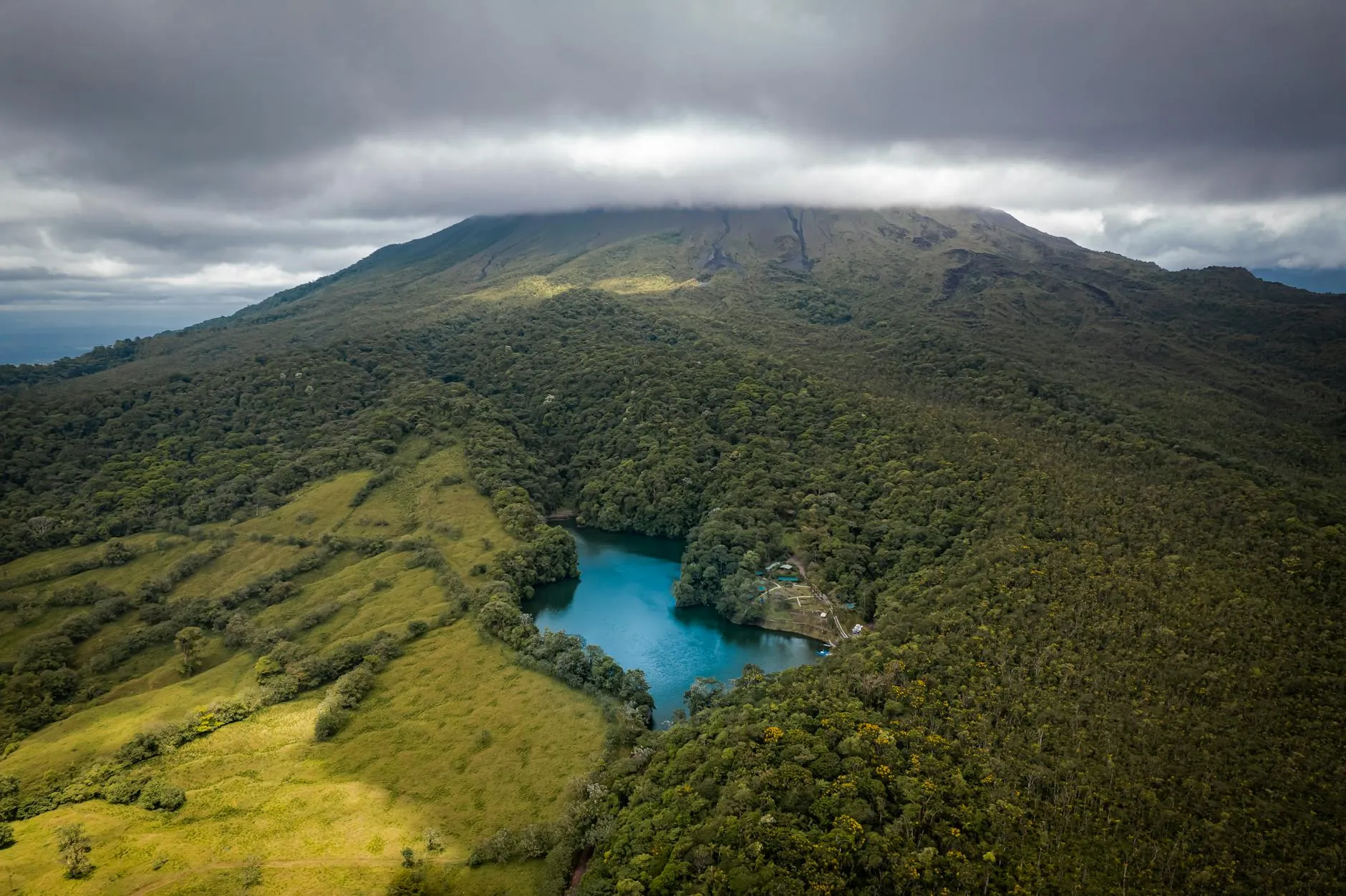
Poás Volcano National Park sits about 50 km from the airport on paved roads — an hour to an hour and a half of driving, with a vast steaming crater lake at the top. The fact that defines any visit: entry requires an advance online reservation through SINAC (the national parks authority). No tickets are sold at the gate. Timed entry slots run roughly every 20 minutes between 07:00 and 14:30, and they sell out days in advance on popular dates.
Poás is not a spontaneous option from the airport. Arrive at the gate without a SINAC reservation and you’ll be turned away. Treat it as a planned half-day that requires booking before travel.
⚠️ Poás — no gate tickets, no exceptions
Book via the SINAC website before your trip. Timed slots sell out. Driving up without a reservation wastes the round trip. This is enforced, not advisory.
☕ Coffee Country — the Practical Layover Option
The slopes below Poás are prime coffee land. Hacienda Doka, near Alajuela, runs plantation-and-roastery tours — the most accessible nature option from SJO, since Alajuela is five to ten minutes from the terminal. Coffee estate tours don’t require SINAC bookings, can often be arranged on shorter notice, and are a reasonable use of a mid-length layover.
🏙️ San José City — 5–6 Hour Layover Minimum
San José is workable on a 5–6 hour layover if you avoid rush hour. The drive is 30–45 minutes each way under normal conditions, 60–90 in peak traffic. That leaves three to four hours in the city — enough for the National Theatre on the Parque Nacional and one of the nearby museums, not much else. If your layover falls during the morning or evening rush, the math stops working.
🚶 Alajuela Town — 5 Minutes, Any Layover
Alajuela is a walkable centre around its park and cathedral, five minutes from the terminal. It’s the only genuinely quick option: a working Costa Rican town with good coffee and a market, nothing designed for tourists. For a short gap between flights, it’s the right call.
Layover reality check
| Layover length | Realistic option |
|---|---|
| Under 3 hours | Stay in the terminal |
| 3–5 hours | Alajuela town or a coffee estate tour |
| 5–6 hours | San José city — avoid 07:00–09:00 and 16:00–19:00 |
| Full day (pre-booked) | Poás Volcano + coffee country |
🌍 Planning the trip? Read our Costa Rica travel guide — best time to go, where to stay, and how to get around.
❓ Frequently Asked Questions
📊 At a Glance — SJO 2026
| Feature | 2026 Data |
|---|---|
| IATA / ICAO | SJO / MROC |
| Official name | Juan Santamaría International Airport |
| Location | Alajuela (serves San José), Costa Rica |
| Distance to San José centre | ~17 km · 30–45 min; 60–90 in rush hour |
| Terminals | International Terminal + Domestic Terminal (Sansa) |
| Public bus | Tuasa · ~₡665–810 (~$1.50) · ~35 min to main bus terminal |
| Official taxi | Orange “Taxi Aeropuerto” · $25–35 USD |
| Ride-hail | Uber · $10–18 (legal grey area, widely used) |
| Rail link | None |
| Currency | Costa Rican colón (CRC, ₡) · 1 USD ≈ ₡453 · USD widely accepted |
| Visa | Visa-free up to 180 days (US, Canada, UK, EU, Australia); onward/return ticket required |
| Departure tax | $29 USD (usually included in airfare) |
| Lounges | VIP Santamaría (Gate 5) · VIP Lounge Costa Rica (Gate 18) · Priority Pass |
| Carriers | Avianca (hub), Copa; JetBlue, United, American, Delta, Southwest; Volaris Costa Rica; Sansa (domestic) |
| Wi-Fi | Free throughout terminal |
| Rush hour | 07:00–09:00 and 16:00–19:00 weekdays — adds 30–60 min to any transfer |
| Layover options | Alajuela town (5 min); coffee estate near Alajuela; San José city (5–6 hr layover, no rush hour); Poás Volcano (half-day, advance SINAC booking required) |
| Key nature nearby | Poás Volcano (~50 km, ~1–1.5 hr; advance SINAC reservation mandatory); Tarrazú coffee country on Poás slopes |
| San José highlights | National Theatre, Pre-Columbian Gold Museum, Jade Museum, Mercado Central |