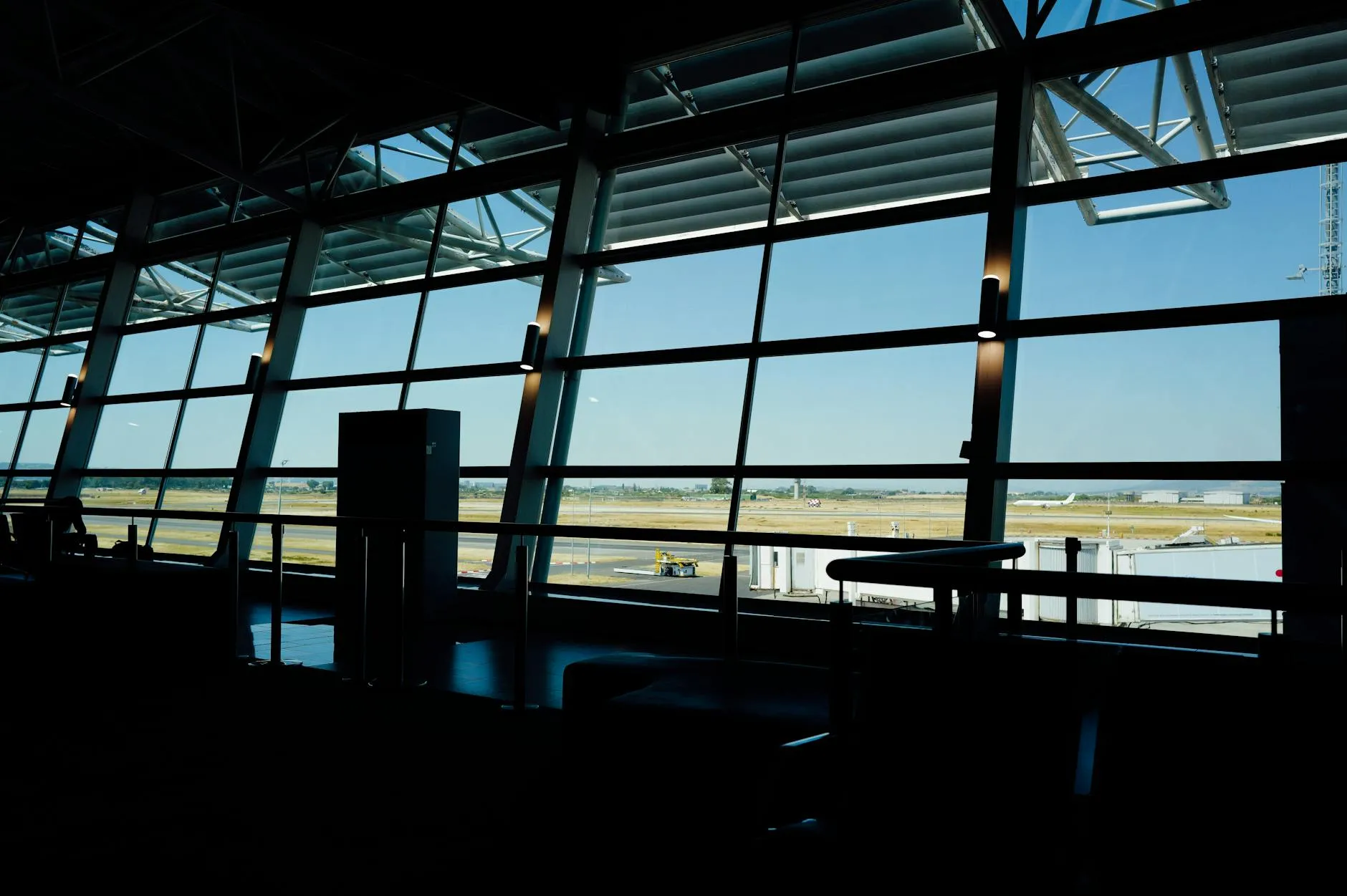
Melbourne Tullamarine (MEL) — The Complete 2026 Airport Guide
Here is the thing every guide buries and you need first: in 2026 there is still no train to Melbourne Airport, and there will not be one for years. The rail link is under construction but has slipped to around 2033. Until then it is SkyBus or a taxi, full stop — so budget for the transfer and don’t land expecting a platform. Get that, your visa, and the fact that Australia’s border is genuinely strict about food, and Tullamarine is an easy, well-run airport.
Last verified: July 2026. Fares, terminal assignments and Australian entry rules change often — confirm the specifics on your ticket and at official signage before you travel.
Quick reference
| Detail | What you need to know |
|---|---|
| Airport | Melbourne Airport (Tullamarine), IATA MEL — Victoria’s main gateway and Australia’s second-busiest airport after Sydney, with over 36 million passengers in 2025 |
| Location | ~23 km north-west of central Melbourne, at Tullamarine. Not walkable to anything — you’re committing to a road transfer |
| Terminals | T2 international (plus Qantas & Jetstar international) · T1 Qantas domestic · T3 Virgin Australia domestic · T4 Jetstar, Rex & Link domestic. All four sit under one precinct, walkable |
| Into the city | No train. SkyBus to Southern Cross A$25.90 (~€16 / $17), ~30–45 min · taxi A$65–75 (~€40–45) · Uber similar off-peak |
| Entry | Everyone needs a visa before you fly: EU/UK take the free eVisitor (651); US/Canada/others use the A$20 ETA app (601). E-passport holders use SmartGate on arrival |
| Watch out for | Declaring food at biosecurity (fines to A$3,330) · the 2.5–3 hr you need for an international-to-domestic connection · rideshare surge pricing when several flights land together |
The 2026 reality: there is still no train to the airport
Melbourne is the largest city in the developed world without a rail link to its main airport, and in 2026 that is still true. The Melbourne Airport Rail project exists — it is funded and, after years of political deadlock over an elevated versus underground station, early works finally began around Sunshine station in 2026 — but the opening has been pushed back repeatedly and is now projected for around 2033. Do not plan your trip around a train that is most of a decade away.
So your realistic choices from Tullamarine are the SkyBus, a taxi, a rideshare, or a car. The SkyBus is the one most visitors want: a dedicated express coach that skips the local stops and runs almost around the clock. A taxi or Uber is faster door-to-door and worth it in a group or late at night, but you pay for it.
Getting into Melbourne
The CBD is about 23 km away, roughly 25–40 minutes in normal traffic and considerably more in the afternoon peak on the Tullamarine Freeway. Here’s the honest comparison (euro/dollar figures are approximate, at roughly A$1 ≈ €0.60 ≈ $0.65):
| Option | Price (one way) | Time to CBD | Verdict |
|---|---|---|---|
| SkyBus City Express | A$25.90 (~€16 / $17); return A$43.40 | ~30–45 min to Southern Cross | The default for most visitors — frequent, luggage racks, drops at the main transport hub |
| SkyBus St Kilda / other routes | ~A$25 (~€15 / $16) | ~45–60 min | Worth it if you’re staying bayside or in the south-east — saves a second leg |
| Taxi | A$65–75 (~€40–45 / $43–49) | ~25–40 min | Fixed-ish; includes the rank fee and CityLink toll. Best for groups or late arrivals |
| Uber / rideshare | ~A$60–70 off-peak (~€36–42) | ~25–40 min | Similar to a taxi when quiet — but surges hard when several flights land at once |
SkyBus — the practical default
The Melbourne City Express runs between the airport and Southern Cross Station in the CBD roughly every 10 minutes at peak (every 15–20 off-peak), from about 4am to 1am, seven days a week. A one-way adult fare is A$25.90 and a return is A$43.40; children aged 4–16 travel at a fraction of that. The journey is usually 30–45 minutes. Buy online or at the SkyBus desks in the terminal, and note that Southern Cross is where you connect to Melbourne’s trains and trams — from there a short tram ride (free inside the CBD Free Tram Zone) puts you almost anywhere central. SkyBus also runs separate routes to St Kilda / South Yarra and to some regional and suburban points, which can beat a two-leg trip if that’s where you’re headed.
Taxis and rideshare
A metered taxi to the CBD typically runs A$65–75, including the airport rank fee and the CityLink toll; card payment usually adds a small surcharge, and late-night fares sit at the higher end. Uber and other rideshare operate from designated pick-up areas and cost about the same when demand is normal — but they use dynamic pricing, so when three flights land together and it starts raining, a fare that was A$60 can jump to A$90 or more. A per-trip airport access fee (a few dollars) is baked into rideshare pricing. If you value certainty over saving a few dollars, a fixed-price taxi or booked transfer is the calmer choice at Tullamarine.
Four terminals, one roof — which one is yours
Tullamarine has four terminals arranged in a single connected precinct, so unlike some hubs you can walk between them without leaving the building or catching a train. The layout:
- T2 — International. Every international flight departs and arrives here, whichever airline you’re on, including Qantas and Jetstar international services. This is where SmartGate, duty-free and the international lounges live.
- T1 — Qantas domestic. Connected to T2 by a covered walkway, about a 3–5 minute stroll.
- T3 — Virgin Australia domestic. A short walk on the other side, roughly 100 m south of T2.
- T4 — low-cost domestic: Jetstar, Rex and Link Airways. Sits next to T3, about a 2-minute walk from it and 10–15 minutes on foot from T2 — allow for that walk if you’re connecting off an international flight.
A free Terminal Transfer Bus loops all four terminals 24 hours a day, roughly every 10–15 minutes, from the ground-transport zone outside each arrivals hall — handy with heavy bags or between T2 and T4.
Entry: sort your visa before you fly (and don’t overpay)
Australia is unusual: almost everyone needs a visa arranged in advance, even for a short holiday, and there is no visa-on-arrival. There is no EES or ETIAS here — that’s a European system and irrelevant to Australia — but there is an equivalent you must not skip. Which document you want depends on your passport, and Europeans in particular should not pay when they don’t have to:
- EU, UK and other European passports — take the free eVisitor (subclass 651). It’s free, applied for online through ImmiAccount, usually approved almost instantly, and gives you multiple stays of up to three months over a year. Europeans are technically also eligible for the paid ETA below, but there’s no reason to pay A$20 for the same access.
- US, Canada, Japan, Singapore and other non-European eligible nationalities — use the ETA (subclass 601). You apply through the official Australian ETA app, which scans your passport’s chip and takes a selfie; there’s an A$20 (~€12 / $13) service charge and it’s usually approved within minutes. Same three-months-per-visit, multiple entries over a year.
- Either way, apply on the official channel — ImmiAccount for eVisitor, the government’s own Australian ETA app for the ETA — not a lookalike site charging a “processing” markup.
SmartGate on arrival
If you hold a biometric (e-passport) from a SmartGate-eligible country — which covers most European, UK, US, Canadian, Japanese and several other travellers — you clear immigration at Melbourne through the SmartGate automated system: scan your passport at a kiosk or gate, have your face matched by camera, and walk through. No online pre-registration is needed; it’s done on the spot in the arrivals hall, and it’s usually the quickest way through.
Biosecurity: declare your food, seriously
This is the part first-time visitors underestimate. Australia runs one of the strictest borders on earth for food, plants and animal products, because the island’s agriculture depends on keeping pests out. You still fill in a paper Incoming Passenger Card (handed out on the plane; a digital “Australia Travel Declaration” pilot began on some Qantas flights into Melbourne in May 2026 but paper remains the norm for most), and you must answer its food/plant/animal questions honestly.
When in doubt, tick “yes” and declare. Declaring costs you nothing but a possible quick inspection; the food gets assessed and usually handed back or binned. Not declaring a high-risk item — fresh fruit, meat, seeds, dairy, an apple you forgot in your bag — can bring an on-the-spot fine of up to A$3,330, and for serious cases can jeopardise your visa. Detector dogs work the baggage hall. Eat or bin any snacks before you reach the carousel, and declare anything you’re unsure about.
Connections and minimum times
Straightforward connections within the domestic terminals, or within the international terminal, are quick — the buildings are compact and joined. The one that trips people up is the international-to-domestic connection.
Australia has no airside international transit for onward domestic flights the way many Asian and European hubs do. If you land internationally at T2 and are flying onward within Australia, you must clear immigration, collect your checked bags, pass biosecurity and customs, then leave the secure area, walk to T1/T3/T4 and re-check-in and re-screen for the domestic leg. That’s a real process, not a stroll.
Lounges
The international lounges are all in T2, after security. If you’re flying Qantas or a oneworld premium cabin you’ll be pointed to the Qantas First and Qantas International Business lounges — excellent, but access is by cabin or status, not pay-in. For everyone else, three open-access lounges in T2 take walk-ins and, usefully, Priority Pass:
- Plaza Premium Lounge — T2 international departures near Gate 9. Walk-in from around A$57 (~€34 / $37); accepts Priority Pass and Amex Platinum/Centurion. Open roughly 08:30–23:30.
- Marhaba Lounge — run by dnata (Emirates Group), on Level 3 between gates 9 and 11, open 24 hours with buffet and à-la-carte dining, showers and apron views. Walk-in and Priority Pass accepted.
- The House by Aspire — the third T2 open-access option, also on Priority Pass and pay-in.
The domestic terminals have Qantas Club and Virgin lounges for members and eligible flyers; there’s no broad Priority Pass domestic option beyond the Rex lounge, so if you’re on a domestic-only trip and want lounge access, day-pass or membership is the route.
Food, money and practicalities
Food: T2 international has the usual airside cafés, bars and grab-and-go, plus proper sit-down options landside in the terminal precinct; the domestic terminals are strong for a quick Aussie coffee and a bakery bite before an early flight. Prices are Melbourne-city level, not cheap, but the coffee is genuinely good — this is a coffee city and the airport reflects it.
Money: Australia is close to cashless; tap-to-pay is accepted everywhere, so you rarely need notes. Use bank ATMs over currency-exchange booths for better rates, and if a card terminal or ATM offers to charge you in your home currency, decline and choose Australian dollars. Tipping is not expected.
SIM & Wi-Fi: free Wi-Fi is available across the terminals. Prepaid SIMs (Telstra, Optus, Vodafone) are sold in the arrivals area, but an eSIM bought before you land is the least-hassle option and works the moment you switch your phone off airplane mode.
Other: both the international and domestic terminals have ATMs, pharmacies and baggage services; short-term parking is expensive, so if someone’s collecting you, the free pick-up areas (positions changing with the Naarm Way works) beat paying to park.
Frequently asked questions
Is there a train from Melbourne Airport to the city?+
No. In 2026 there is still no rail link to Melbourne Airport, and there won’t be for years — the Melbourne Airport Rail project is under construction but its opening has slipped to around 2033. Until then your options are the SkyBus express coach (A$25.90 one way to Southern Cross), a taxi (A$65–75), a rideshare, or a car. Don’t plan around a train.
How much is the SkyBus and how often does it run?+
The SkyBus Melbourne City Express is A$25.90 one way (A$43.40 return) between the airport and Southern Cross Station, with children aged 4–16 much cheaper. It runs roughly every 10 minutes at peak (15–20 minutes off-peak) from about 4am to 1am daily, and the trip takes 30–45 minutes. Separate SkyBus routes serve St Kilda / South Yarra and some regional areas.
Do I need a visa or ETA to visit Australia?+
Yes — almost everyone needs a visa arranged before flying; there’s no visa-on-arrival. EU and UK passport holders should use the free eVisitor (subclass 651) via ImmiAccount. US, Canadian, Japanese and other eligible nationalities use the ETA (subclass 601) through the official Australian ETA app, which carries an A$20 service charge. Both are usually approved within minutes and cover stays up to three months.
eVisitor or ETA — which one should a European get?+
Europeans qualify for both, but the eVisitor (651) is free and the ETA (601) costs A$20 for the same access, so take the free eVisitor. Apply on the official ImmiAccount channel, not a third-party site that adds a markup. US and Canadian passport holders aren’t eligible for the eVisitor and must use the paid ETA app.
What can’t I bring through Melbourne biosecurity?+
Australia is very strict on food, plant material and animal products. Don’t bring fresh fruit, vegetables, meat, seeds or dairy — and if you do have any food at all, declare it on your Incoming Passenger Card. Declaring is free and the item is simply assessed; failing to declare a high-risk item can bring an on-the-spot fine of up to A$3,330. Eat or bin snacks before the baggage hall and, when in doubt, tick “yes” and declare.
How long do I need between an international and a domestic flight?+
Allow 2.5 to 3 hours. Australia has no airside international-to-domestic transit: after an international arrival at T2 you must clear immigration, collect your checked bags, pass biosecurity and customs, then leave the secure area, walk to the domestic terminal (T1, T3 or T4) and re-check-in and re-screen. A same-airline through-fare helps, but you still clear the border and reclaim bags, so don’t book a tight domestic connection.
Are the terminals connected — can I walk between them?+
Yes. All four terminals sit in one connected precinct. T1 (Qantas domestic) links to T2 (international) by a covered walkway, about 3–5 minutes; T3 (Virgin) and T4 (Jetstar/Rex/Link) are adjacent, roughly 100 m south of T2, about a 10–15 minute walk from T2. A free 24-hour Terminal Transfer Bus loops all four every 10–15 minutes if you’d rather not walk with bags.
Which lounges can I use without business class at Melbourne?+
In the international terminal (T2), the Plaza Premium Lounge, Marhaba Lounge and The House by Aspire all take walk-ins and Priority Pass. Plaza Premium starts around A$57 for a walk-in; Marhaba runs 24 hours. Qantas’s First and International Business lounges are excellent but restricted to eligible cabins and status. Domestic lounge access beyond the Rex lounge generally needs membership.
At a glance
| Codes | MEL / YMML — Melbourne Airport (Tullamarine) |
| Terminals | T2 international · T1 Qantas domestic · T3 Virgin domestic · T4 Jetstar/Rex/Link — all walkable, free transfer bus |
| Distance to CBD | ~23 km north-west; 25–40 min by road in normal traffic |
| Into the city | No train (rail link ~2033). SkyBus A$25.90 to Southern Cross · taxi A$65–75 · Uber similar off-peak |
| Entry | EU/UK: free eVisitor (651) · US/CA/others: A$20 ETA app (601) · both in advance · SmartGate on arrival |
| Biosecurity | Declare all food/plant/animal items; fines to A$3,330 for not declaring |
| Intl→domestic connection | Budget 2.5–3 hrs; clear border, reclaim bags, re-check-in — no airside transit |
| Wi-Fi | Free across the terminals |
Before you fly
- 📊 Check what a good fare to Melbourne looks like — our price-check tool shows the typical deal range so you know a bargain when you see one.
- 🧳 Baggage checker — confirm your airline’s carry-on and checked allowance before you pack.
- 🌏 Australia travel guide — best time to go, what a realistic trip costs, and how to get around the country.
🌏 Planning the trip? Read our Australia travel guide — best time to go, where to stay, and how to get around.
More deals you might like
 Niš Constantine the Great Airport (INI) Airport Guide 2026 — Free Buses, Cheap Taxis, Real Dinars
 Norwich Airport (NWI) Airport Guide 2026 — The Airport Where Helicopters Outnumber Planes
 Stornoway Airport (SYY) Airport Guide 2026 — Four Miles, Four International Passengers
 Kerry Airport (KIR) Airport Guide 2026 — One Runway, Two Peninsulas