Paris — The Complete City Guide 2026
This isn’t the Paris you’ll find in a glossy brochure. This is the Paris that locals actually live in — the bakeries where the croissants sell out by 8am, the wine bars tucked behind unmarked doors, the museums you can have almost to yourself if you know when to go. After the Notre-Dame reopening, the 2024 Olympics infrastructure improvements, and a Louvre price restructure, 2026 is the year to finally do Paris right. This guide will show you how.
€80–140/day budget
Best: Apr–Jun, Sep–Oct
Why Paris? An Editor’s Note
Let me be honest with you about Paris.
There are two cities here. The first is “Tourist Paris” — a place of overpriced crêpes on the Champs-Élysées, selfie sticks at the Eiffel Tower, and disappointing bistros that survive entirely on foot traffic from confused visitors who don’t know better. This Paris is crowded, expensive, and will leave you wondering what all the fuss was about.
The second is “Real Paris” — the city where a boulangerie owner has been making the same baguette for forty years, where a hidden courtyard in the Marais leads to a jazz bar that doesn’t start filling up until midnight, where the best meal you’ll ever eat costs €18 and has no English menu. This Paris will ruin you for everywhere else.
The gap between these two cities has never been wider than in 2026. Post-Olympics infrastructure has made the city easier to navigate than ever, but it has also created new tourist traps. The Louvre now charges non-EEA visitors €32 (up from €22, a 45% increase that took effect 14 January 2026), pricing out casual visitors but making the experience better for those who plan properly. Notre-Dame’s December 2024 reopening has created new pilgrimage routes through the Île de la Cité.
The purpose of this guide is simple: to ensure you experience the second Paris, not the first. Every recommendation here comes from one question: “Would a Parisian actually do this?” If the answer is no, it’s not in this guide.
One surgical tip before we begin: The Louvre is free on the first Friday of every month from 6pm to 9:45pm. Arrive at 5:30pm, enter through the Porte des Lions (not the Pyramid), and you’ll have the Mona Lisa almost to yourself while tourists are fighting for overpriced dinner reservations on the Champs-Élysées. This is the gap between Tourist Paris and Real Paris in a single evening.
Extending the trip? See our London city guide (2h15 from Gare du Nord by Eurostar), Barcelona city guide (6h30 by TGV, or direct flights from €30), and Rome city guide (2h by air) for the same treatment.
Table of Contents
- → Top Attractions in Paris
- → Paris’s Best Arrondissements
- → Where to Stay — By Budget
- → Where to Eat in Paris
- → The Bistro Renaissance
- → Wine Bars & Natural Wine
- → Markets & Food Shopping
- → Coffee Culture
- → French Cheese — A Primer
- → Shopping in Paris
- → Paris After Dark
- → The Seine — Paris’s Living Room
- → Hidden Paris — Local Secrets
- → Art & Architecture
- → Paris with Kids
- → Romantic Paris
- → More Museums Worth Your Time
- → Best Time to Visit
- → Getting Around Paris
- → Arriving at CDG vs ORY
- → Day Trips from Paris
- → Safety & Practical Info
- → Frequently Asked Questions
Top Attractions in Paris
Paris has more world-class museums than any city on Earth. The challenge isn’t finding things to see — it’s knowing where to spend your limited time. Here are the attractions that justify their reputations, listed in the order I’d recommend for a first visit.
1. Musée d’Orsay — The Museum the Louvre Wishes It Was
Controversial opinion: the Musée d’Orsay is a better museum than the Louvre. Not bigger — better. The former railway station houses the world’s finest collection of Impressionist and Post-Impressionist art in a space that’s actually enjoyable to navigate. You can see Monet’s water lilies, Van Gogh’s self-portraits, and Renoir’s dancing couples in a single afternoon without developing museum fatigue.
2026 Prices: €16 (€14 online), free for under 18s and EU residents under 26. Free on the first Sunday of each month.
The Insider Move: Enter at 9:30am on a Thursday. The museum is open until 9:45pm on Thursdays, but the tour groups all arrive after 10am. You’ll have the ground floor Impressionist galleries nearly empty for the first hour.
Skip: The museum café. Walk five minutes to Café de Flore in Saint-Germain for the full Parisian literary experience instead.
2. The Louvre — How to Actually Enjoy It
Here’s the truth about the Louvre: it’s impossible to “see” in a single visit. With 35,000 works on display across 72,735 square meters, attempting to cover everything guarantees you’ll enjoy nothing. The key is strategic ruthlessness.
2026 Prices: €22 for EEA visitors, €32 for non-EEA visitors (a 45% increase effective 14 January 2026, from the previous €22 flat rate). Free for under 18s (all nationalities) and EEA residents under 26. Source: louvre.fr.
The Three-Hour Louvre: Enter through the Porte des Lions entrance (not the Pyramid — that’s for tourists). Go directly to the Winged Victory of Samothrace on the Daru staircase. Then to the Mona Lisa (arrive before 10am or accept you’ll see it through a wall of phones). Finish with the Venus de Milo and the Wedding at Cana (the largest painting in the Louvre, ignored by 90% of visitors). Leave before fatigue sets in.
Free Entry: First Friday of every month, 6pm-9:45pm — except in July and August, when the free-Friday scheme pauses. Arrive at 5:30pm via Porte des Lions.
Paris Museum Pass: €85 for 2 days, €109 for 4 days (2026 prices, raised sharply from €62/€77). Worth it if you’re visiting 4+ major museums; skip-the-line access at the Louvre, Orsay, Versailles, and 50+ other sites is included.
3. Notre-Dame de Paris — The Resurrection
After five years of painstaking reconstruction following the devastating April 2019 fire, Notre-Dame Cathedral reopened in December 2024. The restoration is nothing short of miraculous — the medieval stonework gleams, the rose windows have been cleaned for the first time in centuries, and the new spire (a faithful recreation of Viollet-le-Duc’s 19th-century design) rises 96 meters above the Île de la Cité.
2026 Access: Cathedral entry is FREE (no reservation needed for prayer/visits). The Towers reopened in September 2025 — €16 for the 387-step climb to the famous gargoyles and panoramic views. Book online at least 2 weeks ahead.
The Best Time: Attend the 6:30pm weekday Mass. The cathedral is open to all faiths, the acoustics are extraordinary, and you’ll experience Notre-Dame as it was meant to be experienced — not as a museum, but as a living place of worship. No ticket required.
Skip: The daytime crowds between 11am-3pm. Come at 8am or 5pm.
4. Sacré-Cœur & Montmartre — The Romantic Paris
The white-domed Basilica of the Sacred Heart sits atop the highest point in Paris, and the view from its steps at sunset is the most romantic in the city. But Sacré-Cœur is just the beginning of Montmartre — the village-within-a-city that once housed Picasso, Van Gogh, and Toulouse-Lautrec.
Entry: Basilica is FREE. Dome climb €8 (300 steps, worth it for the 360° view).
The Walk: Take the funicular up (€2.55, same as a metro ticket), visit the basilica, then walk down through Place du Tertre (kitschy but atmospheric), past the Bateau-Lavoir (Picasso’s first Paris studio), through the vineyard on Rue des Saules, and finish at the Lapin Agile cabaret — the oldest cabaret in Paris, still operating since 1860.
Avoid: The “friendship bracelet” scammers at the base of the funicular. Walk past without engaging.
5. Musée de l’Orangerie — Monet’s Final Gift
This small museum in the Tuileries Garden exists for one reason: to display Monet’s eight monumental Water Lilies panels exactly as he intended. The two oval rooms were designed specifically for these paintings, with natural light filtering through skylights. It’s a meditative experience unlike anything else in Paris — or anywhere.
2026 Price: €12.50 (musee-orangerie.fr). Free for under 18s and EEA residents under 26. Free for everyone the first Sunday of the month. Time-slot reservation required for all visitors.
Go: First thing in the morning on a weekday. The Walter-Guillaume collection downstairs (Cézanne, Renoir, Matisse) is a bonus.
6. Sainte-Chapelle — The Stained Glass Masterpiece
If you visit one Gothic church in Paris other than Notre-Dame, make it Sainte-Chapelle. Built in 1248 to house the Crown of Thorns, the upper chapel is essentially a cage of stained glass — 1,113 panels depicting biblical narratives in jewel tones that have survived 775 years. On a sunny day, the effect is transcendent.
2026 Price: €13. Joint ticket with Conciergerie (Marie Antoinette’s prison): €18.50.
Timing: Go on a sunny afternoon between 2pm and 4pm when the light hits the western rose window. This single hour makes the €13 worth every cent.
7. The Eiffel Tower — Skip It or Do It Right
Let me be blunt: the Eiffel Tower is not essential. If your time is limited, skip it. The views from the top are impressive but not transformative, the queues are brutal, and the prices are steep. You’ll see the Eiffel Tower from everywhere in Paris anyway.
That said, if you must go:
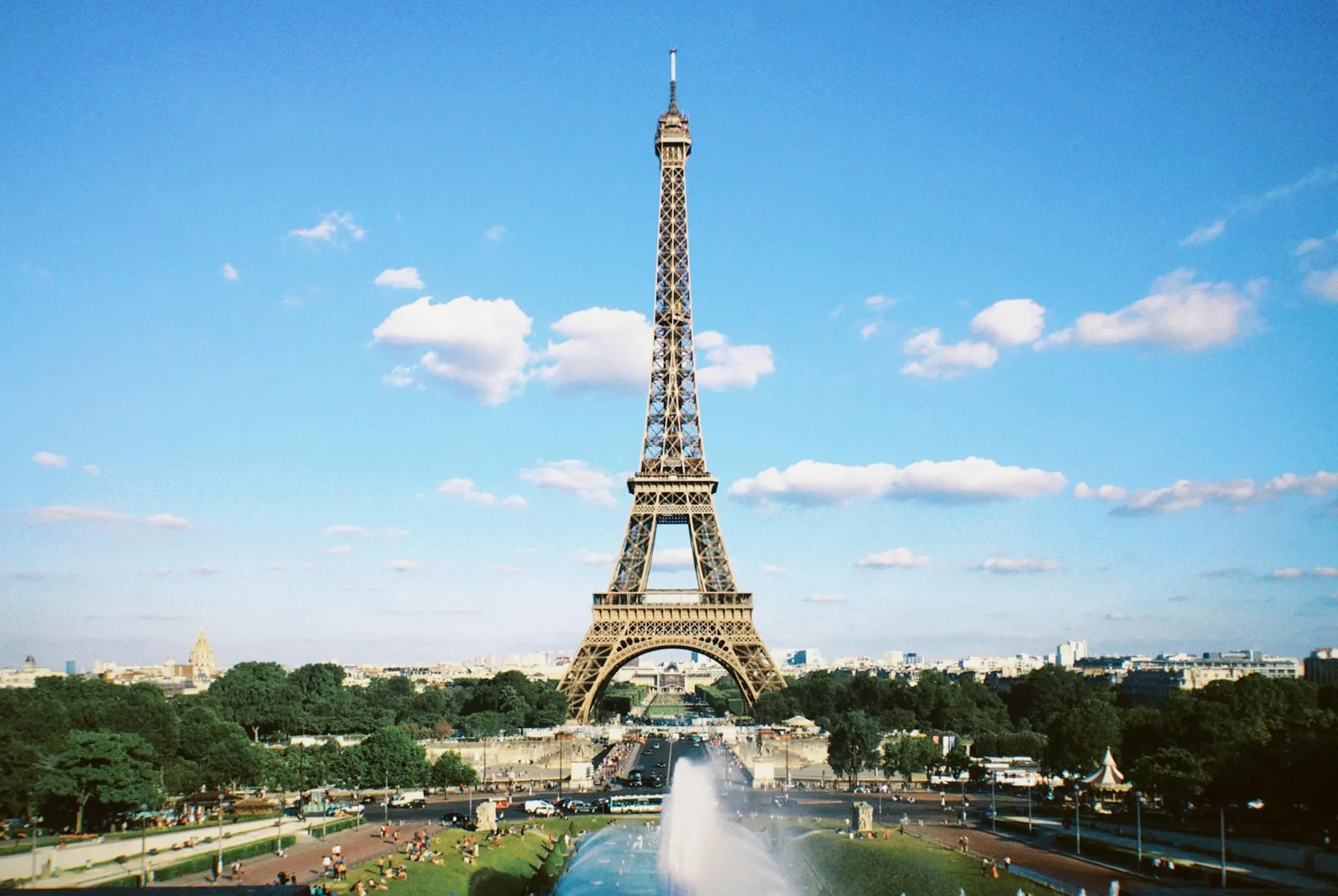
2026 Prices (toureiffel.paris): Lift to summit €36.70 adult. Lift to 2nd floor €23.50. Stairs to 2nd floor + lift to summit €28.00. Stairs only to 2nd floor €14.80 — the cheapest ticket, and advance reservations become mandatory from 29 September 2026.
The Move: Book online 60 days in advance for sunset tickets (7pm in summer, 4pm in winter). The champagne bar on the summit is overpriced but undeniably atmospheric. Or: skip the tower entirely and watch it sparkle at night (on the hour, every hour until 1am) from the Trocadéro esplanade with a bottle of wine. That’s the Parisian way.
8. Musée Rodin — The Hidden Garden
Auguste Rodin’s former home and studio, the Hôtel Biron, is one of Paris’s most underrated experiences. The museum itself houses The Kiss, The Hand of God, and dozens of other masterworks, but the real draw is the three-hectare sculpture garden — The Thinker sits on a marble pedestal surrounded by rose bushes, with the golden dome of Les Invalides as a backdrop.
2026 Price: €14 (€7 for garden only). Free for under 26s from EU.
Tip: Come in late afternoon. Bring a book. Sit in the garden until closing. This is Paris at its most civilized.
9. Père Lachaise Cemetery — A Walk Among Legends
The world’s most visited cemetery is also one of Paris’s most peaceful public spaces. Oscar Wilde, Édith Piaf, Jim Morrison, Frédéric Chopin, Marcel Proust, and Molière rest among 70,000 other souls in a 44-hectare garden of ornate tombs and Gothic monuments. It’s not morbid — it’s hauntingly beautiful.
Entry: FREE. Open 8am-6pm (5pm in winter).
The Route: Enter at the main gate on Boulevard de Ménilmontant. Pick up a free map. Jim Morrison’s grave is the most visited (Division 6), but the 19th-century funerary architecture in Divisions 48-52 is the real treasure.
10. Centre Pompidou — Modern Art with a View
Renzo Piano and Richard Rogers’ inside-out building (the pipes and escalators are on the exterior) was controversial when it opened in 1977. Now it’s beloved. The Musée National d’Art Moderne on floors 4-5 has the largest collection of modern art in Europe — Picasso, Kandinsky, Dalí, Duchamp — and the rooftop terrace offers one of Paris’s best views.
2026 Price: €15. Free for under 18s. Free first Sunday of each month.
Don’t Miss: The escalator ride up the exterior at night. It’s free (you don’t need a museum ticket to ride the escalators) and the view of Paris lit up is extraordinary.
11. Palais Garnier — The Phantom’s Opera House
The Paris Opera House is arguably the most opulent building in the city — Charles Garnier’s 1875 masterpiece of marble staircases, gilt ceilings, and the Chagall-painted auditorium dome. Even if you don’t catch a performance, the self-guided tour is worth the price.
2026 Price: €15 self-guided, €19 with audioguide. Under 10 free.
Performance Tickets: Opera from €15 (standing), ballet from €10. Book at operadeparis.fr. The cheap seats in the upper balconies have restricted views but the acoustics are excellent.
12. Musée de Cluny — Medieval Paris
The National Museum of the Middle Ages, housed in a 15th-century mansion built atop Roman baths, is criminally overlooked. The star attraction is The Lady and the Unicorn — six 500-year-old tapestries considered among the greatest works of medieval art. The Gallo-Roman frigidarium (cold bath) downstairs dates to AD 200.
2026 Price: €12. Free for under 26s from EU.
Combine With: A walk through the Latin Quarter afterward. Exit onto Boulevard Saint-Michel and wander toward the Panthéon.
Paris’s Best Arrondissements
Paris is divided into 20 arrondissements (districts) that spiral clockwise from the center like a snail shell. Each has its own personality, and where you stay will fundamentally shape your experience. Here’s the honest breakdown:
Le Marais (3rd & 4th) — The Cultural Heart
Twenty years ago, the Marais was Paris’s edgy gay district and Jewish quarter. Today it’s the city’s most fashionable neighborhood — historic mansions converted to boutique hotels, flagship fashion stores, and some of the best falafel outside Tel Aviv. It remains walkable, safe at all hours, and central to everything.
Best For: First-time visitors, art lovers, LGBTQ+ travelers, fashion shopping.
Eat: L’As du Fallafel (34 Rue des Rosiers) — the line is worth it. Breizh Café for buckwheat crêpes.
Stay: Hôtel du Petit Moulin (Marais boutique, from €200), Le Pavillon de la Reine (luxury courtyard hotel, from €400).
The Gap: The main drag (Rue des Francs-Bourgeois) is now overrun with international chains. Walk one street parallel in either direction for the real Marais.
Saint-Germain-des-Prés (6th) — The Literary Left Bank
Hemingway, Sartre, Camus, de Beauvoir — they all drank in the cafés of Saint-Germain. Today, the neighborhood is wealthier and more polished, but the intellectual DNA remains. The concentration of quality within a few streets is unmatched: art galleries, antique bookshops, chocolate shops, and the city’s most reliable bistros.
Best For: Literature lovers, foodies, those who want quality over novelty.
Eat: You could spend a month here. Le Comptoir du Panthéon, Café de Flore (for the experience, not the coffee), Pâtisserie Pierre Hermé.
Stay: Hôtel d’Aubusson (17th-century mansion, from €280), L’Hôtel (where Oscar Wilde died, from €350).
The 11th — Where Parisians Actually Go Out
The 11th arrondissement, centered around Oberkampf and Bastille, has replaced the Marais as the epicenter of Paris nightlife and the city’s most exciting food scene. Natural wine bars, craft cocktails, neo-bistros — this is where young Parisians spend their weekends.
Best For: Foodies, nightlife seekers, travelers who want “real” Paris.
Eat: Septime (book weeks ahead), Le Servan (modern French-Asian), Le Baratin (legendary wine bar).
Stay: Hôtel Fabric (industrial chic, from €120), Les Bains (former bathhouse-nightclub, from €250).
Warning: It’s not central. Budget 20-30 minutes by metro to the major museums. But that’s half the point.
Montmartre (18th) — The Village
Montmartre still feels like a village that happens to sit on a hill in the middle of Paris. Cobblestone streets, ivy-covered buildings, artists’ studios, and the white domes of Sacré-Cœur visible from every corner. It’s undeniably romantic — and undeniably touristy near the summit.
Best For: Couples, photographers, Amélie fans.
Stay: Below the hill. The area around Rue Lepic and Place des Abbesses has the charm without the tourist crush. Hôtel Particulier Montmartre (hidden behind an unmarked door, from €350) is worth the splurge.
Avoid: The restaurants on Place du Tertre. Walk down to Rue Lepic for authentic options.
The Latin Quarter (5th) — The Student Quarter
The 5th arrondissement, home to the Sorbonne since 1257, remains Paris’s youngest and most democratic neighborhood. The medieval streets are dense with cheap eateries, independent bookshops, and jazz clubs. It’s not glamorous, but it’s real.
Best For: Budget travelers, students, anyone who wants energy over elegance.
Eat: Le Petit Pontoise (classic bistro, €€), Shakespeare and Company Café (literary), the crêpe stands on Rue de la Huchette (cheap, good).
Stay: Hôtel des Grandes Écoles (garden courtyard, from €140), The Five Hotel (design-forward, from €160).
Canal Saint-Martin (10th) — The New Brooklyn
The 10th arrondissement, particularly the area around the tree-lined Canal Saint-Martin, has become Paris’s answer to Brooklyn. It’s where young creative professionals live, work in converted lofts, and drink €5 bottles of wine on the canal banks at sunset. It’s not for everyone — it’s grittier than the tourist centers — but it’s authentic.
Best For: Young travelers, creatives, those who want to avoid tourist Paris entirely.
Eat: Du Pain et des Idées (Paris’s best bakery, arguably), Chez Casimir (no-frills bistro), Hôtel du Nord (the café from Marcel Carné’s 1938 film).
The 2nd — The Sleeper Pick for 2026
Wedged between the Louvre (1st) and the Marais (3rd), the 2nd arrondissement is Paris’s smallest and most overlooked. It centers on Rue Montorgueil — one of the city’s last pedestrian market streets — and has a concentration of excellent restaurants without the crowds of its neighbors.
Best For: Foodies who want central access without Marais prices.
Eat: Rue Montorgueil itself is lined with fromagers, boulangeries, and seafood stalls. Frenchie (book weeks ahead) is here.
Stay: Hôtel Bachaumont (Art Deco gem, from €180).
The 7th — The Elegant Classic
The 7th arrondissement, home to the Eiffel Tower, Musée d’Orsay, and Musée Rodin, is the Paris of your imagination. Wide boulevards, Haussmann architecture, diplomatic residences. It’s safe, beautiful, and expensive — but quieter than you’d expect once you leave the Eiffel Tower radius.
Best For: Families, first-time visitors who want “classic” Paris, those prioritizing safety.
Stay: Hôtel Le Narcisse Blanc (boutique spa hotel, from €250), Hôtel de Varenne (quiet courtyard, from €170).
Where to Stay in Paris — By Budget
Budget: €60–120 per night
Paris is expensive, but budget stays exist if you know where to look. The key: avoid the 1st-8th arrondissements for sleeping (you’ll visit them anyway) and embrace the outer neighborhoods with good metro connections.
Generator Paris (10th): The best hostel in Paris. Private rooms from €80, dorms from €30. Near Canal Saint-Martin with a rooftop bar.
Hôtel du Nord (10th): The historic canal-side hotel. Basic but clean rooms from €75. You’re paying for location and atmosphere.
St Christopher’s Inn Canal (19th): Budget chain hostel with canal views. Dorms from €25, doubles from €70.
The People Paris Marais (3rd): Social hostel in the heart of the Marais. Dorms from €35, privates from €90. Exceptional location for the price.
Mid-Range: €150–300 per night
This is the sweet spot for most travelers. Enough to get a boutique hotel with character, not so much that you feel wasteful.
Hôtel Bachaumont (2nd): Art Deco interiors, excellent restaurant, Rue Montorgueil location. From €180.
Hôtel du Petit Moulin (3rd): Christian Lacroix-designed Marais boutique. Each room is different. From €200.
Hôtel des Grandes Écoles (5th): Hidden garden courtyard in the Latin Quarter. Feels like countryside in central Paris. From €140.
Hôtel Providence (10th): Design-forward cocktail hotel near Grands Boulevards. From €170.
Luxury: €350+ per night
Le Bristol (8th): Old-world elegance, three Michelin stars (Epicure), rooftop pool. From €1,200.
Hôtel Plaza Athénée (8th): Dior’s favorite, avenue Montaigne views, Alain Ducasse restaurant. From €1,000.
The Hoxton Paris (2nd): Industrial-chic in a historic mansion. The “affordable luxury” option. From €350.
Hôtel Particulier Montmartre (18th): Hidden behind an unmarked door, five suites only, garden terrace. From €350. Reservations essential.
Where to Eat in Paris
Paris has approximately 40,000 restaurants, cafés, and bars. Most are mediocre. Here’s how to find the 5% that justify the city’s culinary reputation.
The Bistro Renaissance
The traditional Parisian bistro — zinc bar, handwritten menu, tiled floor, questionable lighting — has experienced a renaissance in the past decade. Young chefs trained in Michelin-starred kitchens have taken over rundown neighborhood joints and elevated them without pretension. These neo-bistros are where Paris is eating in 2026.
Septime (11th): The leader of the neo-bistro movement. Tasting menu €95. Book 4-6 weeks ahead online. No walk-ins, no exceptions.
Le Baratin (20th): A legendary wine bar where the natural wine movement arguably began. The food is secondary to the atmosphere and the 500+ bottle cellar. Cash only. No reservations — arrive at 7:30pm.
Chez l’Ami Jean (7th): Basque cooking in enormous portions. The rice pudding (€12, serves four) is famous. Loud, crowded, spectacular. Book ahead.
Le Comptoir du Panthéon (5th): Classic bistro near the Panthéon. Steak frites done right. €€.
Bouillon Chartier (9th): The last of the 19th-century worker’s canteens. Belle Époque interiors, €3 starters, no reservations — you’ll wait, but it’s worth it for the time capsule experience.
Bouillon Pigalle (18th): A 2017 revival of the bouillon concept. Same cheap prices (mains from €9), Art Deco interiors, faster service than Chartier.
Wine Bars & Natural Wine
Paris is the world capital of natural wine — low-intervention, often funky, always interesting wines served in unmarked bars by passionate vignerons. Here’s where to drink:
Le Verre Volé (10th): The original. Cave à manger (wine shop + restaurant) on Canal Saint-Martin. Small plates, massive wine list. Cash only.
Septime La Cave (11th): Septime’s wine bar annex. Same quality, no reservation needed, excellent charcuterie.
Le Baron Rouge (12th): Barrels of wine in a tile-floored warehouse near Bastille. Sunday morning oysters are a Parisian tradition. Cash only.
Freddy’s (6th): Saint-Germain wine bar with a loyal local following. The burrata is excellent.
Au Passage (11th): Small plates and natural wine in a former coach house. Book ahead for dinner.
Boulangeries & Pâtisseries
The cornerstone of Parisian life. A great croissant — shattering crust, buttery interior, that particular smell — will redefine your understanding of pastry.
Du Pain et des Idées (10th): Arguably the best bakery in Paris. The escargot pistache (pistachio snail pastry) is legendary. Closed weekends — go early on a weekday.
Poilâne (6th): The sourdough miche (round loaf) that Pierre Poilâne has been baking since 1932. Sablés cookies as souvenirs.
Stohrer (2nd): The oldest pâtisserie in Paris (1730). The puits d’amour (caramelized cream pastry) was invented here.
Yann Couvreur (10th, 3rd): The new generation. Modern French pastry with stunning presentation. The Paris-Brest is exceptional.
Pierre Hermé (6th, 8th, multiple): The “Picasso of Pastry.” His macarons — especially the Ispahan (rose, lychee, raspberry) — are works of art.
Markets & Food Shopping
Skip the supermarkets. Paris is at its best in its open-air markets, where you’ll find artisanal producers, seasonal produce, and rotisserie chicken that will haunt your dreams.
Marché d’Aligre (12th): The most Parisian market. Covered hall + outdoor stands + flea market. Daily except Monday. Arrive by 9am.
Marché des Enfants Rouges (3rd): The oldest covered market in Paris (1615). Now a food hall with Moroccan, Japanese, Italian, and French stalls. Packed at lunch.
Rue Montorgueil (2nd): A pedestrian market street with cheese shops, fishmongers, wine merchants. Daily. The strip is also lined with cafés for people-watching.
Marché Président Wilson (16th): The high-end market. Wednesday and Saturday mornings. The produce quality is extraordinary.
Fine Dining — Michelin Stars
Paris has more Michelin stars than any city except Tokyo. If you’re going to splurge once, here’s where:
Epicure at Le Bristol (8th): Three stars. Eric Frechon’s macaroni with black truffle and foie gras is one of the most famous dishes in France. Lunch €175, dinner €420.
L’Ambroisie (4th): Three stars. The most classically French of the three-stars, in a Place des Vosges townhouse. No menus — Bernard Pacaud cooks what’s best that day. From €350.
Le Clarence (8th): Two stars. Christophe Pelé’s refined cooking in a 19th-century mansion. Less stuffy than the competition. Tasting menu from €195.
Best Time to Visit Paris
The Sweet Spots
Late April–Early June: Mild weather (15-22°C), chestnut trees in bloom, gardens at their best, manageable crowds before summer. The terrace season begins.
September–October: Post-summer crowds, still warm (15-20°C), Parisians return from August vacations, cultural season begins. The best month for museum-going.
When to Avoid
August: Half of Paris evacuates. Many restaurants and small shops close for annual vacations. The city feels hollow — which some travelers love, but most find disappointing.
Christmas/New Year: Magical but mobbed. Expect queues for everything and inflated hotel prices.
Weather Realities
Paris is at the same latitude as Seattle. It rains year-round (average 111 days/year). Pack layers and an umbrella regardless of season. Summer temperatures rarely exceed 28°C; winter rarely drops below 0°C.
2026 Events Worth Planning Around
Grand Palais — Fully Reborn: After a €466 million, four-year renovation, the Grand Palais reopened in December 2024 with its spectacular glass nave restored to glory. In 2026, it hosts the return of Paris Photo (November), Art Paris (April 3–6), and the Chanel Métiers d’Art show. The nave itself — the largest glass-roofed structure in Europe — is worth visiting even without an exhibition. Entry to the nave: €17.
French Open (May 26–June 8, 2026): Roland Garros. Book months ahead. Day passes from €50.
Nuit Blanche (October 3, 2026): Paris’s all-night contemporary art festival. Museums, monuments, and public spaces host free installations from dusk until dawn. The entire city becomes a gallery.
Fête de la Musique (June 21): Free concerts in every neighborhood. The entire city becomes a stage.
Bastille Day (July 14): Military parade on Champs-Élysées, fireworks at Eiffel Tower. Iconic but crowded.
Paris Fashion Week (September 23–October 1, 2026): Spring/Summer 2027 shows. The city buzzes with influencers; restaurant reservations become challenging.
Journées du Patrimoine (September 19–20, 2026): European Heritage Days. Normally closed monuments — the Élysée Palace, Hôtel de Matignon, private mansions — open free to the public. Lines are brutal but the access is extraordinary.
Also on the 2026 Calendar: Paris Marathon (April 12), Rock en Seine festival (August), Paris Jazz Festival (June–July in Parc Floral), FIAC successor Paris+ by Art Basel (October at Grand Palais).
Getting Around Paris
The Metro — 2026 Prices & Tips
The Paris Metro is one of the world’s best urban transit systems: 16 lines, 303 stations, trains every 2-5 minutes. Learn to use it and you’ll rarely need anything else.
Single Ticket (Ticket t+): €2.55 (adult), €1.30 (children 4-9). Valid on Metro, RER (zones 1-2), buses, and trams.
Carnet of 10: Discontinued. Buy singles or get a Navigo pass.
Navigo Easy: €2 contactless card you load with tickets. Buy at any station machine.
Navigo Découverte Week Pass: €32.40 + €5 card fee. Unlimited travel Mon-Sun in zones 1-5 (including airports). Worth it if you’ll make 13+ trips.
Airport Transport: The Paris Region Airports ticket costs €14 for RER B to CDG or Line 14/Orlyval to Orly. Load it on your Navigo Easy.
RER — When You Need It
The RER is the suburban train network. You’ll use it for:
- RER B: CDG Airport (50 min), Gare du Nord connection
- RER A: Disneyland Paris (45 min from Châtelet), La Défense
- RER C: Versailles-Château (35 min from Saint-Michel)
Tip: Metro tickets work on RER within zones 1-2 (central Paris). Beyond that, buy a separate ticket.
Walking
Paris is a walking city. Most major attractions in the center (1st-8th) are within a 30-minute walk of each other. Get lost. That’s the point.
Vélib’ Bike Sharing
€3 day pass for 45-minute trips. The 2024 Olympics added hundreds of new bike lanes. Download the Vélib’ app. Mechanical bikes are €1/extra 30 min; electric bikes €2/extra 30 min.
Arriving at CDG vs ORY — Which Airport?
Paris has two main international airports, and which one you fly into significantly affects your first hours in the city.
Charles de Gaulle (CDG): 25km northeast. Handles most long-haul international flights (Americas, Asia, Middle East). Three terminals connected by free CDGVAL shuttle. Getting to central Paris:
- RER B: €14 with the Paris Region → Airports ticket (replaced the old €11.80 zonal fare), 35-50 min to Châtelet-Les Halles. Runs 05:00–00:00. The budget option, but crowded at peak hours and occasionally unreliable.
- Roissybus: Discontinued. The direct Roissybus service stopped on 1 March 2026 (ticket sales ended 28 Feb 2026) and was replaced by bus route 9517. If you want a direct coach to central Paris without metro transfers, check the 9517 timetable or, from any Île-de-France station, use the €14 Paris Region → Airports ticket.
- Le Bus Direct (now “Paris Aéroport”): €16-17, to Étoile/Trocadéro (Line 2) or Gare de Lyon/Gare Montparnasse (Line 4). Every 30 min.
- Taxi: €55 fixed rate to Right Bank, €62 to Left Bank. 45-90 min depending on traffic.
- Uber/Bolt: €50-70, similar timing to taxis. Can be cheaper or more expensive depending on surge.
Orly (ORY): 14km south. Handles European, domestic, and some North African flights. Two terminals (Orly 1-2 and Orly 3-4, now combined). Closer to central Paris but less convenient train access:
- Orlyval + RER B: €14 with the Paris Region → Airports ticket, 35-45 min to Châtelet. Orlyval is an automated shuttle to Antony station, then RER B north. Works but involves a transfer.
- Metro Line 14 direct: Line 14 was extended to Orly in June 2024 — it now runs direct to the airport with no Orlyval transfer. €14 via the Paris Region → Airports ticket. The fastest non-taxi option from the Left Bank.
- Tram T7: €2.55 to Villejuif-Louis Aragon (Metro Line 7). Budget option but slow (45 min) and only if you’re staying in the 13th or south.
- Orlybus: €14 (raised from €11.20 on 1 January 2026), 30-40 min to Denfert-Rochereau (Metro/RER). Simple and reliable, but now priced identically to the unified Paris Region → Airports ticket.
- Taxi: €35 fixed rate to Right Bank, €41 to Left Bank. 30-60 min depending on traffic.
The Verdict: If booking flights, Orly is often easier — it’s closer, the fixed taxi rates are cheaper, and the new Line 14 extension has improved connections. CDG is unavoidable for most long-haul routes but factor in longer transfer times. Neither airport has a truly “fast” train like London’s Heathrow Express; budget 60-90 minutes from landing to hotel regardless of which airport.
Day Trips from Paris
Versailles — The Non-Negotiable
The Palace of Versailles is a cliché for good reason: there’s nothing else like it on Earth. The Hall of Mirrors, Marie Antoinette’s Hamlet, the 800-hectare gardens — it demands a full day.
Getting There: RER C to Versailles-Château-Rive Gauche (35-40 min from central Paris, €7.50 round trip).
2026 Prices: Palace €21, Passport (Palace + Gardens + Musical Fountains shows) €28. Free for under 18s and EU residents under 26.
The Move: Arrive at 8:30am (gates open 9am). Start with the Grand Apartments, then the gardens before the tour buses arrive at 10:30am. The Musical Fountains shows (April-October, Sat-Sun) are worth the €10 supplement.
Giverny — Monet’s Garden
Claude Monet lived in this village for 43 years, and the gardens here inspired his Water Lilies. In spring and summer, the Japanese bridge, wisteria, and lily ponds are exactly as they appear in the paintings.
Getting There: Train from Gare Saint-Lazare to Vernon (45 min, €16 round trip), then shuttle bus to Giverny (20 min, €10 round trip).
2026 Prices: House + Gardens €13. Free for under 7s.
Timing: Open April 1–November 1 only. Go early on a Tuesday or Wednesday to avoid crowds.
Champagne Region — Reims & Épernay
The Champagne houses are 45 minutes east by TGV. Reims has the Gothic cathedral and famous maisons (Veuve Clicquot, Taittinger). Épernay has the Avenue de Champagne — a kilometre of cellars storing hundreds of millions of bottles.
Getting There: TGV from Gare de l’Est to Reims (45 min, €30-50 round trip). Épernay is 30 min further by local train.
Book Ahead: Cellar tours at the major houses (Moët & Chandon, Dom Pérignon, Veuve Clicquot) require reservations. €25-80 depending on the house and tasting.
Fontainebleau — The Other Palace
Less famous than Versailles but more intimate. Napoleon called it “the true home of kings.” The forest surrounding it (25,000 hectares) is popular with Parisian hikers and rock climbers.
Getting There: Train from Gare de Lyon to Fontainebleau-Avon (40 min, €18 round trip), then bus to château.
2026 Prices: €15. Free for under 18s and EU residents under 26.
Paris Safety & Practical Information
Safety Realities
Paris is as safe as any major Western city, which means: use common sense and you’ll be fine. Violent crime against tourists is rare. Petty theft and scams are the real concerns.
Pickpockets: Active on the Metro (especially Line 1 and crowded tourist stations), around the Eiffel Tower, and at major attractions. Keep your phone in a front pocket, don’t flash expensive jewelry, and be extra vigilant on trains.
The Friendship Bracelet Scam: Men at Sacré-Cœur and Champs-Élysées will try to tie a “free” bracelet on your wrist, then demand €20+. Don’t engage. Walk away without breaking stride.
The Petition Scam: “Deaf” volunteers ask you to sign a petition, then demand a donation while an accomplice pickpockets you. Say “non” and keep walking.
The Ring Scam: Someone “finds” a gold ring near you and offers to sell it. It’s brass. Ignore them entirely.
After Dark: The 18th (Pigalle/Barbès), 19th (Stalingrad), and 10th (Gare du Nord) have rougher edges at night. Not dangerous, but less comfortable for solo travelers. Stick to well-lit streets.
Tipping
Service is legally included in all French restaurant bills (“service compris”). Tipping is not expected but appreciated for exceptional service. Round up the bill or leave €1-5 in cash. Never tip 15-20% like in the US — you’ll confuse or embarrass the staff.
Language
Parisians famously “don’t speak English.” This is a myth. Most do. The issue is etiquette: always begin in French. “Bonjour, parlez-vous anglais?” before switching to English. The effort matters more than the pronunciation.
Electricity
France uses Type E plugs (two round pins with a ground hole). Voltage is 230V/50Hz. US electronics need both a plug adapter and a voltage converter (or dual-voltage devices).
Money
France uses the Euro (€). Credit cards accepted almost everywhere; contactless is standard. Small cafés and markets may be cash-only. ATMs (“distributeurs”) are plentiful; use bank-affiliated machines to avoid fees.
Pharmacy (Pharmacie)
French pharmacies (green cross signs) are everywhere and pharmacists can advise on minor ailments, recommend medications, and point you to a doctor if needed. Many over-the-counter medications in other countries require prescriptions in France.
Emergency Numbers
- SAMU (Medical): 15
- Police: 17
- Fire: 18
- European Emergency: 112 (works from any mobile)
Coffee Culture in Paris
Paris has undergone a quiet coffee revolution. For decades, the city was infamous for bad espresso — burnt beans, served bitter in tiny cups as an afterthought. Then, starting around 2010, a new generation of roasters and baristas arrived. Today, Paris has one of Europe’s best specialty coffee scenes, running parallel to (but rarely intersecting with) the traditional café culture.
The Third Wave — Specialty Coffee
These are the shops serving single-origin pour-overs, dialed-in espresso, and oat milk without attitude:
Télescope (2nd): The pioneer. Nicolas Clerc opened Paris’s first specialty coffee shop in 2012 in a 12-square-meter space off Rue du Louvre. The espresso is flawless. No Wi-Fi, no laptops — just coffee and conversation.
Café Lomi (18th): The roasters. A warehouse space in La Chapelle where beans are roasted on-site. The café doubles as a training center. Come for the single-origin filter; stay for the croissants from a local bakery.
Coutume (7th, 11th): Scandinavian-style specialty coffee with food that actually matches the quality. The original on Rue de Babylone is a Saint-Germain institution. The beans are roasted in-house at the Aligre location.
Boot Café (3rd): A 10-seat micro-roastery in the northern Marais. The filter coffee is exceptional; the vibe is Tokyo kissaten by way of Brooklyn. Cash only.
Ten Belles (10th, 11th): The crowd-pleaser. Excellent coffee, English-speaking staff, Canal Saint-Martin location. The bread comes from their own bakery. Expect a wait on weekends.
Belleville Brûlerie (multiple): One of Paris’s best roasters with cafés across the city. The Belleville location (20th) has the best atmosphere; the Marais outpost (3rd) is most convenient.
The Traditional Café — An Endangered Species
The classic Parisian zinc-bar café — the kind Hemingway wrote about — is disappearing. Rising rents and changing habits have closed 50% of Paris’s traditional cafés since 1960. What remains is precious. These are not places for good coffee; they’re places for atmosphere, people-watching, and the ritual of the French café experience.
Café de Flore (6th): Where Sartre and de Beauvoir held court. The coffee is mediocre and overpriced (€7.50 for an espresso). You’re paying for the history and the Saint-Germain terrace. Worth it once.
Les Deux Magots (6th): Flore’s neighbor and rival. Hemingway, Picasso, and Joyce all drank here. Same deal: atmosphere over quality. Choose whichever has an empty terrace table.
Café de la Paix (9th): Belle Époque splendor across from Opéra Garnier. The interior is a designated historic monument. Dress appropriately; this is not a hoodie café.
Le Procope (6th): Founded in 1686, making it the oldest café in Paris. Voltaire, Rousseau, and Benjamin Franklin were regulars. The food is tourist-trap quality, but the building is extraordinary.
The Gap: Café Etiquette
French café culture has unwritten rules that trip up every tourist:
- Terrace premium: Sitting outside costs more than standing at the zinc bar (comptoir). A €1.50 espresso at the bar might be €4 on the terrace. It’s legal and posted, but tourists miss the signs.
- You’re renting the table: Once you’ve ordered, the table is yours. You can sit for hours with a single coffee. No one will rush you. But also: no free refills, no Wi-Fi guarantees.
- The check comes when asked: “L’addition, s’il vous plaît” (the check, please). Waiters will never drop it uninvited — that would be rude. You might wait an hour if you don’t ask.
- Espresso default: “Un café” means espresso. For American-style coffee, ask for “un café allongé” (stretched coffee) or “un americano.”
French Cheese — A Primer
France produces over 400 named cheeses. Charles de Gaulle famously asked, “How can you govern a country that has 246 varieties of cheese?” (He underestimated by half.) Here’s how to navigate the fromager without embarrassing yourself.
The Five Families
Fresh (Frais): Unaged cheeses like chèvre frais (fresh goat), fromage blanc, and Boursin. Mild, spreadable, good for beginners.
Soft-Ripened (Pâte molle à croûte fleurie): Brie, Camembert, Brillat-Savarin. Creamy interior, white bloomy rind. Serve at room temperature — cold brie is a crime.
Washed-Rind (Pâte molle à croûte lavée): Époisses, Munster, Pont-l’Évêque. Orange rinds, intense aromas (some banned on public transport). Bold flavors for adventurous eaters.
Semi-Hard (Pâte pressée non cuite): Cantal, Morbier, Reblochon. The workhorses — good for cooking, eating, everyday cheese boards.
Hard (Pâte pressée cuite): Comté, Gruyère, Beaufort. Alpine cheeses aged 6-36 months. Complex, nutty, the best with bread and wine.
Essential Paris Cheeses
Brie de Meaux (Île-de-France): The “king of cheeses.” Raw-milk, cave-aged for at least four weeks. The genuine AOP version (not supermarket brie) is transformative. Should be soft and oozing at room temp.
Comté (Jura): The most popular cheese in France. Aged 4-36 months; the longer the better. Look for “24 mois” or “36 mois” labels. Nutty, caramel notes, pairs with everything.
Époisses (Burgundy): Washed in Marc de Bourgogne brandy, this is the smelliest cheese in France — legally banned from Paris Metro. The flavor is milder than the smell suggests. Essential Burgundy experience.
Roquefort (Aveyron): Blue cheese aged in limestone caves. The only French blue with AOP status. Sharp, salty, crumbles over salads or eaten with sweet wine (Sauternes).
Camembert de Normandie (Normandy): Brie’s smaller, funkier cousin. True Camembert de Normandie AOP uses raw milk and is endangered — most “Camembert” is pasteurized industrial product. Ask for “au lait cru.”
Where to Buy
Laurent Dubois (5th, 6th, 15th): MOF (Meilleur Ouvrier de France) award-winning fromager. Impeccable selection and staff who will guide you. The caves on Rue de Lourmel are worth visiting.
Fromagerie Barthélémy (7th): Supplier to the Élysée Palace. Old-school Saint-Germain shop where presidents buy their cheese. High quality, high prices.
Quatrehomme (7th): Another MOF fromager, known for cave-aged specialties. The Brie de Meaux here is exceptional.
Marché d’Aligre (12th): For market prices and excellent selection at La Cave aux Fromages, inside the covered hall.
The Gap: Cheese Etiquette
- Cut with the rind: When served a wedge of cheese, cut lengthwise to share the rind proportionally. Cutting off just the “good part” near the tip is deeply offensive.
- Room temperature only: Remove cheese from the fridge 1-2 hours before serving. Cold cheese = muted flavor.
- After dessert: Cheese comes after the main course, before or instead of dessert, in French dining. Not with crackers — with bread.
- “Ça pique”: A polite way to say “this cheese is strong.” Say it to indicate you’re an adventurous eater ready for Époisses.
Shopping in Paris
Paris invented the department store. It remains the world capital of fashion, perfume, and beautiful objects. Here’s where to spend your money wisely — and where the locals actually shop.
Fashion — The Hierarchy
Haute Couture (8th): Avenue Montaigne and Rue du Faubourg Saint-Honoré. Dior, Chanel, Hermès, Louis Vuitton flagships. You can look without buying (mostly). The Hermès flagship at 24 Rue du Faubourg Saint-Honoré is a museum as much as a store.
Contemporary Designer (1st, 2nd, 3rd): Rue Étienne Marcel and the northern Marais. The Kooples, Sandro, Maje, Isabel Marant, Zadig & Voltaire. French brands at premium-but-not-insane prices. The Marais has the best concentration.
Vintage (3rd, 11th, 18th): Paris’s vintage scene rivals London’s. Kilo Shop (multiple locations) sells by weight — €30-50 per kilo for curated second-hand. Thanx God I’m a V.I.P (3rd) specializes in designer vintage. Chinemachine (10th) has the best 70s-80s selection.
The Grands Magasins: The great department stores are destinations in themselves:
- Le Bon Marché (7th): The world’s first department store (1852). Left Bank, less touristy than the others. The adjacent La Grande Épicerie is Paris’s best gourmet food hall.
- Galeries Lafayette (9th): The Art Nouveau dome alone justifies a visit. Free rooftop terrace with Eiffel Tower views. Crowded but spectacular.
- Printemps (9th): Lafayette’s neighbor, more fashion-forward, better restaurant (Perruche on the rooftop). The rooftop terrace requires a reservation.
Books
Shakespeare and Company (5th): The most famous English-language bookshop in the world. Not the original (that was closed by the Nazis), but the 1951 George Whitman reinvention that hosted Ginsberg, Burroughs, and countless others. The upstairs is for “Tumbleweeds” — writers sleeping among the books in exchange for work. Essential pilgrimage.
Librairie Galignani (1st): The first English-language bookshop on the continent (1801). Wood-paneled, serious, the kind of bookshop that makes you want to be a better reader.
Bouquinistes (Seine, 5th-6th): The green-box book stalls along the Seine are a UNESCO-protected tradition. Mostly tourist prints now, but dig through and you’ll find treasures. Sunday morning is best.
Perfume & Beauty
Fragonard (9th): Perfume museum and boutique near Opéra. Free tours of the collection. Prices are surprisingly reasonable for the quality.
Officine Universelle Buly (6th, 3rd): Apothecary-style beauty products in Belle Époque packaging. The original on Rue Bonaparte is a time machine. Everything is made to be gifted.
Diptyque (5th, 6th): The iconic scented candle brand, founded in 1961. The original boutique at 34 Boulevard Saint-Germain has exclusive scents unavailable elsewhere.
Serge Lutens at Palais Royal (1st): The perfumer’s atelier under the Palais Royal arcades. Moody, theatrical, with exclusive scents you won’t find in airports.
Gourmet Food
La Grande Épicerie (7th): Part of Le Bon Marché. The best gourmet food hall in Paris — 30,000 products from French producers and international luxuries. Expensive but exceptional.
Fauchon (8th): The historic Place de la Madeleine gourmet temple. The macarons and chocolates make better souvenirs than tourist junk. Recently revived after bankruptcy — the quality is back.
Hédiard (8th): Fauchon’s neighbor and rival since 1854. Exotic spices, teas, and colonial-era elegance. The tea selection is unmatched.
The Gap: Tax-Free Shopping
Non-EU residents can reclaim 12% VAT on purchases over €100.01 at a single store. Ask for a “détaxe” form at checkout. Process it at the airport before departure (electronic kiosks at CDG Terminal 2). Major stores have in-house détaxe desks. This makes luxury purchases genuinely cheaper in Paris than elsewhere.
Paris After Dark
Parisians don’t go out early. Dinner rarely starts before 8pm; clubs don’t fill up until 1am; the Metro runs until 12:30am on weeknights (2:15am Fri-Sat). Plan accordingly.
Cocktail Bars
Little Red Door (3rd): Concept cocktails in a Marais speakeasy. The menu changes seasonally, often built around a single ingredient or theme. €16-20 per drink. Book ahead for weekends.
Candelaria (3rd): A taquería in front, a hidden mezcal bar in the back. The entrance is through the unmarked door at the back of the restaurant. Cash only for the bar.
Bar Hemingway at the Ritz (1st): Where Papa drank after “liberating” the hotel from the Nazis. €30+ cocktails, dress code enforced, reservations essential. Worth it once for the legend.
Le Syndicat (10th): French-spirits-only cocktail bar near Château d’Eau. Inventive drinks using Cognac, Armagnac, and Calvados instead of the usual suspects. The decor is defiantly industrial.
Dirty Dick (10th): Tiki bar in an unlikely location. The drinks are serious (and strong); the bamboo décor is committed. A welcome antidote to Parisian pretension.
Wine Bars (For Night)
Le Baron Rouge (12th): See Wine Bars section above. Closes at 10pm, but Sunday morning oysters starting at 10am count as nightlife for some.
Aux Deux Amis (11th): Oberkampf institution. Natural wine, small plates, standing room only. No reservations, no seats — you’ll share a barrel with strangers. Perfect.
Le Mary Celeste (3rd): Marais cocktail-and-oyster bar that bridges cocktails and wine. The oysters are excellent; the crowd is international and attractive.
Live Music
New Morning (10th): The city’s premier jazz venue since 1981. Chet Baker played here; Prince played here unannounced. Standing room, 500 capacity, excellent acoustics. Check the program in advance — it sells out.
La Cigale/La Boule Noire (18th): Sister venues in Pigalle. La Cigale is the 1,400-seat rock venue; La Boule Noire is the intimate 400-person club. Both book excellent international acts.
Duc des Lombards (1st): Intimate jazz club near Les Halles. Two shows nightly, 80 seats, reservations essential for the front tables. The programming is reliably excellent.
Le Caveau de la Huchette (5th): Swing and bebop jazz in a medieval cellar that’s been hosting music since 1946. Nightly dancing. €15 entry, €8 for students. Tourist-heavy but genuinely fun.
Clubs
Concrete (12th): The legendary techno club on a barge moored near Gare de Lyon. After-hours until noon on Sundays. Serious music, serious dancers, no phones on the dancefloor.
Rex Club (2nd): The institution. Laurent Garnier’s home base. Deep house and techno in a 500-capacity basement. €15-20 entry. The sound system is extraordinary.
Silencio (2nd): David Lynch-designed members’ club. Occasional public events after midnight. If you can get in (or know a member), the interiors are as surreal as you’d expect.
La Station — Gare des Mines (18th): Post-industrial space in an abandoned train station. Queer-friendly, genre-agnostic, occasionally hosting 24-hour events. The antidote to bottle-service Paris.
Cabaret
Moulin Rouge (18th): The original, since 1889. Show + champagne from €170. It’s tourist-oriented but spectacular — the can-can choreography and production values are extraordinary. Book weeks ahead.
Crazy Horse (8th): Champs-Élysées cabaret focused on artistic nude choreography. More avant-garde than Moulin Rouge, less family-friendly. From €95.
Lapin Agile (18th): The oldest cabaret in Paris, in a cottage in Montmartre. Not a Vegas show — acoustic French chanson and poetry in a tiny room. €35 with a drink. Reserve directly.
The Seine — Paris’s Living Room
The Seine isn’t just scenery — it’s the spine of Parisian life. The banks are UNESCO World Heritage sites, and since 2017, much of the Right Bank has been pedestrianized. Here’s how to experience the river properly.
Walking the Quais
The classic walk: start at Notre-Dame, cross to Île Saint-Louis for Berthillon ice cream, continue west along the Left Bank to Musée d’Orsay, cross at Pont Royal, and finish at the Tuileries. 5km, 90 minutes, infinitely rewarding.
The Best Bridges:
- Pont Alexandre III: The most ornate bridge in Paris. Gilt cherubs, Art Nouveau lampposts, views of the Invalides dome. Peak Paris.
- Pont des Arts: The pedestrian bridge connecting the Louvre to the Institut de France. The “love locks” are gone (removed for safety), but the sunset views remain.
- Pont Neuf: The oldest bridge in Paris (1607), despite the name (“New Bridge”). Cross at night when the stone is lit gold.
River Cruises
Bateaux-Mouches: The classic tourist boat. 70-minute cruises from €16. Corny commentary, but the views are undeniable. Evening cruises with dinner from €75.
Vedettes du Pont Neuf: Smaller boats, less crowded, slightly better commentary. 60 minutes, €16. Depart from the tip of Île de la Cité.
Batobus: The hop-on-hop-off alternative. Day pass €21, two-day €25. Nine stops including the Eiffel Tower, Musée d’Orsay, and Notre-Dame. Practical and scenic.
Picnic Spots
Île Saint-Louis: The tip of the island (Square du Vert-Galant on Île de la Cité is even better — reached by steps down from Pont Neuf). Bring wine, cheese, and baguette at sunset. This is peak Paris.
Quai de la Tournelle (5th): The Left Bank directly facing Notre-Dame. Sit on the stone steps and watch the light change on the cathedral.
Parc Rives de Seine: The pedestrianized Right Bank between Tuileries and Pont de Sully. Deckchairs, pop-up bars in summer, joggers, and picnickers. Sunday afternoons are particularly social.
The Gap: Swimming in the Seine
After €1.4 billion in cleanup for the 2024 Olympics, the Seine is swimmable for the first time in a century. Public swimming areas opened in summer 2025 near Bras Marie (Île de la Cité) and at Port de Javel (15th). Free entry, lifeguards on duty, water quality monitored daily. Check qualite-eau-baignade.paris.fr before plunging in — heavy rain still causes temporary closures.
Hidden Paris — Local Secrets
Beyond the obvious attractions, Paris rewards curiosity. Here are the places that don’t appear in most guidebooks but that Parisians cherish:
Covered Passages (2nd, 9th)
Paris once had 150 covered shopping arcades; fewer than 20 remain. These 19th-century glass-roofed passages are time machines — antique bookshops, vintage toy stores, dusty stamp dealers.
- Galerie Vivienne (2nd): The most beautiful. Mosaic floors, classical columns, natural light. Home to the historic bookshop Librairie Jousseaume (since 1826).
- Passage Jouffroy (9th): Home to the Musée Grévin (wax museum) and the Hôtel Chopin (sleep in a covered passage from €90).
- Passage Verdeau (9th): Continuation of Jouffroy. Antique postcards, vintage photographs, old cameras.
- Galerie Colbert (2nd): Grand rotunda, now part of the Institut National d’Histoire de l’Art. Mostly empty, hauntingly beautiful.
The Catacombs’ Backyard
The official Catacombs entrance (14th) has 2-3 hour lines. But the ossuaries are a tiny fraction of a 300km network of underground quarries (the “carrières”). Legal exploration isn’t possible, but the Musée de la Libération (14th) — above Denfert-Rochereau — has a lesser-known entrance to a portion of the tunnels, with wartime Resistance history as a bonus.
Promenade Plantée / Coulée Verte (12th)
Before New York’s High Line, Paris converted an abandoned railway viaduct into an elevated park. The Promenade Plantée runs 4.7km from Bastille to the Bois de Vincennes, passing above traffic and through tunnels. Below the viaduct, the Viaduc des Arts houses artisan workshops — woodworkers, violin makers, fabric restorers.
Parc des Buttes-Chaumont (19th)
Napoleon III’s gift to the working-class northeast: a 25-hectare park built on a former gypsum quarry. Artificial cliffs, a suspension bridge, a temple atop a rocky island, and views over all of northeast Paris. Parisians picnic here on summer evenings; tourists rarely venture this far.
Petite Ceinture
The “Little Belt” railway circled Paris from 1852 until it was abandoned in 1934. Portions have been converted to parks (accessible at Parc Montsouris, Parc Georges-Brassens). Others remain overgrown ruins visible from bridges. The entire route is officially closed, but Parisians walk it anyway — at your own risk.
La Campagne à Paris (20th)
A village hidden in the 20th arrondissement: cobblestone lanes, ivy-covered cottages, flower gardens — all within metro distance of Porte de Bagnolet. Built in the 1920s as worker housing, now one of Paris’s most charming residential enclaves. Wander freely; residents are used to curious visitors.
Musée de la Chasse et de la Nature (3rd)
A hunting museum doesn’t sound appealing — until you realize it’s a surrealist art installation disguised as a Marais mansion. Taxidermy staged as sculpture, paintings hung in unexpected combinations, secret rooms that appear to be animal dens. €12. Profoundly weird and wonderful.
The Gap: Sunday in Paris
Paris on Sunday has a different rhythm. Shops are closed (by law, mostly), museums are crowded, but the city is yours for walking. The locals’ Sunday: coffee at Café Lomi, browse at Puces de Vanves flea market (14th, 7am-2pm), lunch on the terrace at Le Comptoir (6th, no reservations needed Sunday lunch), walk through the Marais when the streets are empty of cars, apéritif along the Canal Saint-Martin, and dinner anywhere that’s not in the 8th.
Art & Architecture Beyond Museums
Paris is an open-air museum. Here’s how to appreciate it without paying admission.
Haussmann’s Paris
Baron Georges-Eugène Haussmann rebuilt Paris between 1853 and 1870, demolishing medieval slums and creating the wide boulevards and uniform limestone buildings that define the city today. The grand boulevards (Saint-Germain, Saint-Michel, Haussmann) are his work. So are the grands magasins, the opera house, and the Étoile roundabout.
Best Haussmann viewing: Walk Boulevard Saint-Germain from Musée d’Orsay to the Institut du Monde Arabe. The uniform five-story buildings with wrought-iron balconies and mansard roofs are the Haussmann template, repeated 40,000 times across the city.
Art Nouveau
Paris has the world’s best-preserved Art Nouveau, much of it hiding in plain sight:
- Metro entrances by Hector Guimard: 86 original entrances survive. The best: Abbesses (18th), Arts et Métiers (3rd), Porte Dauphine (16th).
- Castel Béranger (16th): Guimard’s apartment building at 14 Rue La Fontaine. The facade is a riot of organic curves, wrought iron, and stained glass. Visible from the street.
- Grand Rex (2nd): Art Deco cinema with an auditorium designed as a Mediterranean village under a starlit sky. Tours available, or just catch a movie.
Contemporary Architecture
Fondation Louis Vuitton (16th): Frank Gehry’s glass ship in the Bois de Boulogne. The building overshadows the art inside. €16, or free with Paris Museum Pass.
Institut du Monde Arabe (5th): Jean Nouvel’s 1987 masterpiece. The south facade has 240 light-sensitive apertures that open and close like camera irises. Free rooftop terrace with views toward Notre-Dame.
Philharmonie de Paris (19th): Jean Nouvel again. Aluminum-clad concert hall in Parc de la Villette that looks like a crashed spaceship. The acoustics are world-class. Tour available when no concerts scheduled.
Street Art
Rue Dénoyez (20th): A legal graffiti street in Belleville that changes constantly. The best open-air gallery in Paris — murals, tags, and installations covering every surface.
Oberkampf-Ménilmontant (11th, 20th): The heart of the Parisian street art scene. Invader tiles, Jef Aérosol stencils, and rotating murals on every corner. Take Rue Oberkampf east and keep walking.
13th Arrondissement: The Itinerrance gallery has coordinated dozens of massive murals throughout the neighborhood since 2010. Boulevard Paris 13 is the main corridor.
Paris with Kids
Paris isn’t an obvious family destination — museums don’t cater to children, restaurant service starts at 8pm, and strollers struggle on cobblestones. But with the right approach, it’s magical.
Kid-Friendly Museums
Cité des Sciences et de l’Industrie (19th): Europe’s largest science museum. The Cité des Enfants section has age-specific zones (2-7 and 5-12) with hands-on exhibits. Book timed slots online. €13 adults, €10 kids.
Musée de la Magie (4th): A quirky magic museum in a Marais cellar with live shows and optical illusions. €14, free under 3. Shows in French, but magic transcends language.
Grande Galerie de l’Évolution (5th): Part of the Natural History Museum, with a parade of taxidermied animals under a glass dome. Children can touch some specimens. €13 adults, free under 26.
Musée des Arts et Métiers (3rd): The original Conservatoire national, full of historical inventions — Foucault’s pendulum, early planes, the Statue of Liberty’s original torch. Older kids love it. €12, free under 26.
Parks & Play
Jardin du Luxembourg (6th): The quintessential Paris park. Puppet shows (Théâtre du Luxembourg, €6.50), toy sailboat rentals on the pond (€5), playground (€2.50), and pony rides. Chairs everywhere — claim one.
Jardin d’Acclimatation (16th): Amusement park and gardens in the Bois de Boulogne. Rides, animals, boating, and the Fondation Louis Vuitton next door. From €7 entry + ride tickets.
Parc de la Villette (19th): Giant playground, Cité des Sciences, and the Philharmonie. The open grass areas are ideal for running off energy. Summer cinema and concerts on the lawn.
Food for Kids
Crêpes: Available everywhere, loved by all ages. Street crêpes from €4, sit-down from €8.
Boulangerie pastries: A pain au chocolat for breakfast (€1.50-2) is the Parisian childhood staple.
Berthillon (Île Saint-Louis): Legendary ice cream. Expect a line. Worth it.
Breakfast in America (5th, 3rd): American diner food when the kids just want pancakes. Not Parisian, but effective.
Day Trips for Families
Disneyland Paris (77): 40 minutes by RER A. Tickets from €56/day (kids), €61/day (adults). It’s Disney — you know what to expect.
Parc Astérix (60): French theme park 30km north, based on the Astérix comics. Better rides than Disneyland, less crowded. From €57. Shuttle from Louvre available.
Château de Vaux-le-Vicomte (77): The inspiration for Versailles, with less crowding and candlelit evening visits in summer. Kids can run free in the gardens. €18.90 adults, €13.50 kids.
Romantic Paris
Paris earned its reputation as the city of love — but the clichés (Eiffel Tower selfies, locks on bridges, overlit dinner cruises) aren’t where romance lives. Here’s where it does.
The Moments
Sunset at Sacré-Cœur: Bring a bottle of wine and join the couples on the steps facing west. The sun sets over all of Paris. Don’t buy wine from the hawkers — bring your own from a cave à vin.
Square du Vert-Galant: The tip of Île de la Cité, reached by steps down from Pont Neuf. A triangular park at water level, surrounded by the Seine. Sunset here with a picnic is peak Paris romance.
A late dinner in Saint-Germain: Not a specific restaurant — any candlelit table on Rue de Buci or Rue de Seine, wine flowing, no rush to leave. The French art of dining is inherently romantic.
Breakfast at Café de Flore: Not for the coffee, but for the ritual. Order tartines and café crème. Watch the neighborhood wake up. No phones.
Where to Stay
Hôtel Particulier Montmartre: Five suites behind an unmarked door, garden terrace, complete discretion. From €350.
L’Hôtel (6th): Oscar Wilde’s final residence. Each room is different; the Jacques Garcia design is theatrical and intimate. From €350.
Le Pavillon de la Reine (3rd): Hidden courtyard in the Marais, four-poster beds, spa. The most romantic hotel in the 3rd. From €400.
The Gap: What Not to Do
The Pont des Arts love locks are gone (removed for safety and aesthetics). Dinner cruises are crowded and overpriced. The Moulin Rouge is spectacular but not romantic. The Eiffel Tower at night is beautiful from afar — going up is a logistical challenge. The romance of Paris is in the small moments, not the grand gestures.
More Museums Worth Your Time
Beyond the top 12, Paris has specialist museums for every interest. Here are the best:
For Art Lovers
Musée Marmottan Monet (16th): The world’s largest collection of Monet, including Impression, Sunrise (the painting that gave Impressionism its name). Far from the tourist center, rarely crowded. €14.
Musée Jacquemart-André (8th): A private mansion-museum with an exceptional collection of Italian Renaissance and 18th-century French art. The tea salon is a bonus. €17.
Musée de l’Armée (7th): Military history from Louis XIV to WWII, plus Napoleon’s tomb in Les Invalides. The WWI and WWII sections are extraordinary. €15.
For Design & Craft
Musée des Arts Décoratifs (1st): Decorative arts from the Middle Ages to today. The Art Nouveau and Art Deco rooms are exceptional. Combined ticket with fashion galleries: €14.
Palais de Tokyo (16th): Contemporary art in a massive space with unconventional hours (noon to midnight). The programming is hit-or-miss, but the hits are spectacular. €13.
Cité de l’Architecture (16th): Full-scale reproductions of French architectural monuments. The medieval frescoes room is jaw-dropping. €9.
For History
Mémorial de la Shoah (4th): The Holocaust memorial and museum in the Marais. Free entry. Essential and deeply moving.
Musée Carnavalet (3rd): The history of Paris from prehistory to present, in two connected Marais mansions. Newly renovated, free entry. The Revolution rooms are chilling.
Conciergerie (1st): Marie Antoinette’s prison, on the Île de la Cité. The recreation of her cell and the Gothic halls are haunting. €13, or €18.50 combined with Sainte-Chapelle.
For the Unconventional
Musée de la Vie Romantique (9th): A hidden house-museum in Pigalle dedicated to the Romantic era. The rose garden is for tea; the collections are for dreaming. Free permanent collection.
Musée Zadkine (6th): Sculptor’s studio-garden in Montparnasse. Intimate, peaceful, ignored by tourists. Free.
Le Musée de la Monnaie (6th): The Mint of Paris, with an unexpectedly excellent café and restaurant. The building architecture is the real star. €12.
Frequently Asked Questions
How many days do I need in Paris?
Four days minimum for a first visit. That gives you one full day for museums (Louvre + Orsay), one for neighborhoods (Marais + Saint-Germain), one for Montmartre + Notre-Dame, and one for a day trip (Versailles or Giverny). A week is better. A month isn’t enough.
Is the Paris Pass worth it?
The Paris Museum Pass (€85/2 days, €109/4 days in 2026 — prices raised sharply from the old €62/€77) is worth it if you visit 4+ major museums. It includes skip-the-line access at the Louvre, Orsay, Versailles, and 50+ other sites. The commercial “Paris Pass” bundles (from €134) add transport and tours — do the math for your specific itinerary.
When should I book restaurants?
Michelin-starred and trendy neo-bistros (Septime, Frenchie, etc.): 4-6 weeks ahead. Traditional bistros: 1-3 days ahead. Casual cafés and bouillons: walk in.
Do I need to speak French?
No, but basic phrases help enormously. “Bonjour” (hello), “s’il vous plaît” (please), “merci” (thanks), “l’addition” (the bill). Attempt French first; Parisians will switch to English when needed.
Is Paris expensive?
Yes. But cheaper than London, Zurich, or Copenhagen. Budget travelers can survive on €80/day (hostel, bakery lunches, market dinners, free museums). Mid-range: €200-300/day. Luxury: sky’s the limit.
Is there a tourist tax in Paris?
Yes — the taxe de séjour, and it rose on 1 January 2026 to help fund Île-de-France transport and the 2028 Olympics legacy. It is charged per adult, per night, collected by your accommodation at check-out, and is not included in the advertised room rate on most booking sites. The total rate includes the base tax plus the new 200% Île-de-France Mobilités surcharge:
- Palace: €15.93 per person per night
- 5-star hotel: €11.70 per person per night
- 4-star hotel: €8.45 per person per night
- 3-star hotel: €5.53 per person per night
- 2-star hotel: €3.25 per person per night
- 1-star hotel / B&B / guesthouse: €2.60 per person per night
- Unclassified accommodation or Airbnb: 5% of the nightly rate (pre-VAT) per person, capped at €15.93
Children under 18 are exempt. Example: a couple staying four nights in a 4-star hotel owes €67.60 in tax alone (€8.45 × 2 × 4) on top of the room rate. For a one-week stay at a 3-star, budget roughly €77 for two adults. Verify the current figures at taxedesejour.paris.fr before you travel — the rates can be adjusted mid-year.
What’s the best airport — CDG or Orly?
CDG handles most international long-haul flights. It’s farther from the center (50 min by RER B) but has direct train access. Orly is closer (30 min via Line 14/Orlyval) and handles more European/domestic routes. Both cost €14 via public transport.
Is Uber available in Paris?
Yes. Uber, Bolt, and FreeNow all operate. Prices are similar to taxis. Paris taxis are metered and regulated — no haggling. Taxi from CDG to central Paris: ~€55 fixed rate.
What about pickpockets?
They exist, particularly on Metro Line 1 and at tourist sites. Keep valuables in front pockets or a cross-body bag. Don’t put phones on café tables. Stay alert on crowded trains. If you’re not flashing wealth and not distracted, you’ll be fine.
🌍 See the bigger picture: our France travel guide covers regions, when to go, and getting around.